Seven Hills
Our verdict
For occasion dining in a city dense with ambitious tables, it represents a considered choice.

Pearl is the En Primeur Club membership app, where members save venues, book tables and use the concierge.
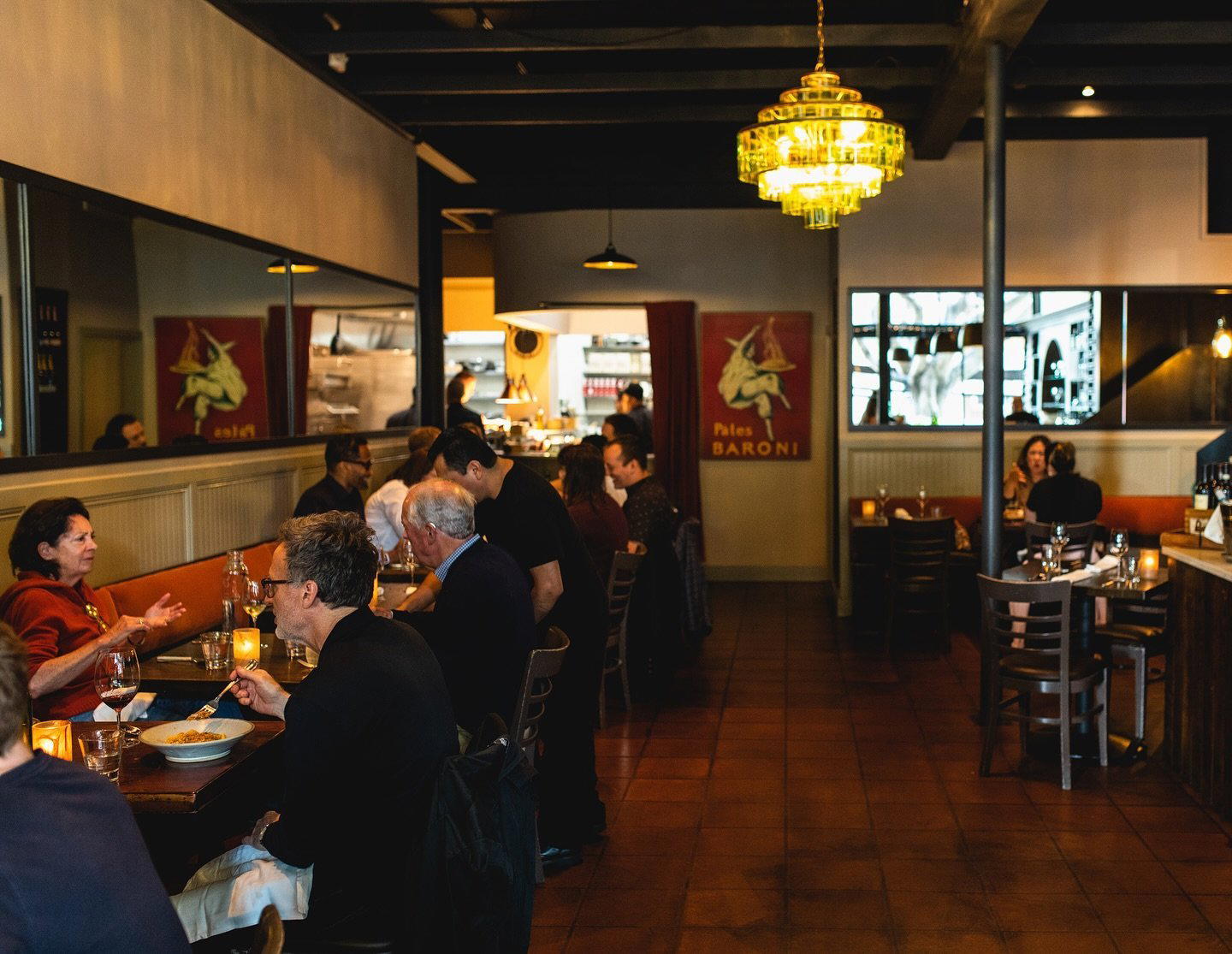
Russian Hill and the Case for Occasion Dining Off the Main Circuit
San Francisco's fine dining conversation tends to collapse around a handful of addresses: the downtown tasting-menu circuit, the SoMa modernist rooms, the Michelin-flagged destinations that pull visitors from across the country. Russian Hill operates differently. The neighborhood sits above the tourist grid, its streets tilting sharply toward the bay, and the dining rooms along Hyde Street serve a more resident-facing clientele. That context matters when you're choosing where to mark something that counts.
For occasion dining, the distinction between a Pearl-recommended room and a starred one can actually work in the diner's favor: the atmosphere tends to be more composed, the pacing less rigid, and the pressure to perform, on both sides of the pass, noticeably lower.
Where Seven Hills Sits in San Francisco's Dining Hierarchy
To place Seven Hills accurately, it helps to understand what it is not competing with. The top tier of San Francisco fine dining, Lazy Bear, Atelier Crenn, Benu, Quince, and Saison, operates at price points and booking lead times that frame a meal as an event in itself, sometimes months before you arrive. That tier is legitimate and, for the right occasion, worth the friction. But there is a second category of occasion dining that San Francisco does well and that visitors consistently undervalue: the neighborhood-anchored room that holds a serious kitchen inside a more human-scaled setting. Seven Hills belongs to that category.
Across American fine dining, this middle tier, think of what Le Bernardin represents in New York for sustained excellence, or what Providence holds in Los Angeles as a long-running serious room, tends to deliver the meals people actually remember years later, because the experience is calibrated to the diner rather than to a critic's scorecard.
The Hyde Street Setting and What It Offers an Occasion
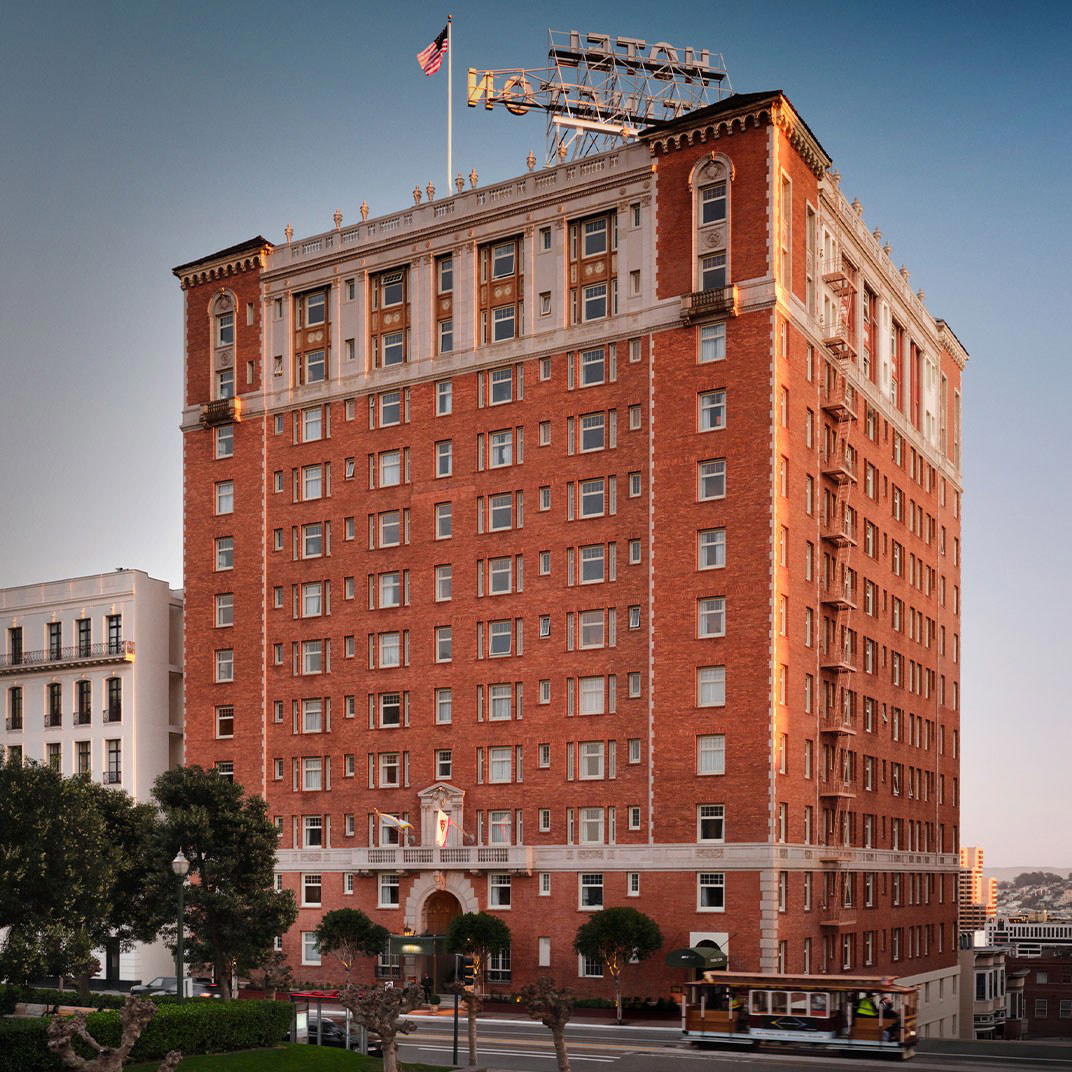
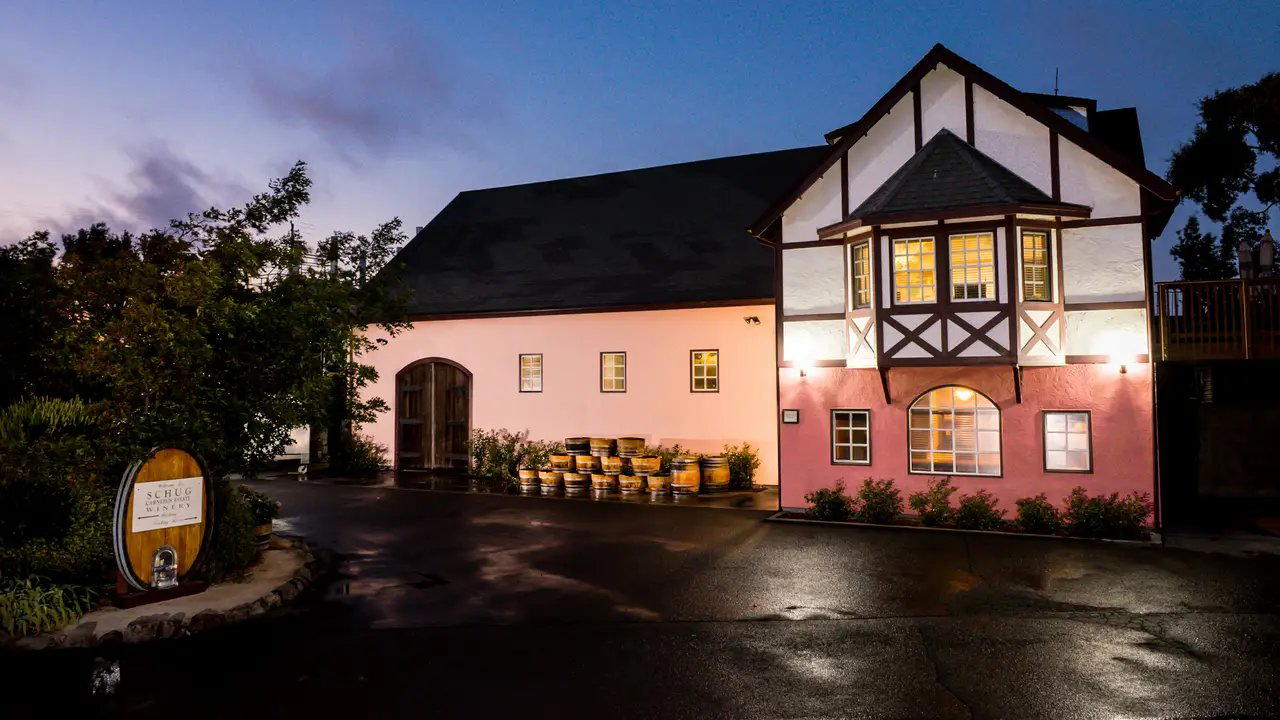
Hyde Street on Russian Hill is one of San Francisco's more cinematic addresses, with cable car tracks running its length and the bay visible at certain angles down the hill. The physical approach to Seven Hills carries that neighborhood character: residential buildings, a slower pedestrian pace, and the kind of block where you notice you've left the tourist city behind. For a dinner marking an anniversary, a birthday, or a significant professional moment, that separation from the busier parts of the city has practical value. The room is not competing with ambient noise from a hotel lobby or a packed SoMa bar crowd bleeding through a shared wall.
San Francisco's occasion dining has historically split between the grand, architecturally significant rooms, the kind of address that photographs well and announces itself, and the quieter, more focused rooms where the meal does the communicating. Seven Hills occupies the latter register, in a city where that register has real precedent and real appreciation from locals who have worked through the grander options.
Occasion Dining in San Francisco: The Broader Pattern
The cities that do occasion dining well, New York, Chicago, New Orleans, San Francisco, tend to share a pattern: the most technically accomplished meals don't always happen at the most famous addresses. Alinea in Chicago and Emeril's in New Orleans represent different ends of that spectrum, one maximalist in concept, one rooted in a specific culinary tradition. What they share is a clear identity that tells a diner exactly what they're choosing. The better occasion dining decisions come from matching the room's identity to what the occasion actually requires, rather than defaulting to the highest-profile address available.
For San Francisco visitors planning a milestone meal, the city offers options across a wide range of formats and price points. The Napa Valley extension of that dining world, The French Laundry in Yountville or Single Thread Farm in Healdsburg, sits in a different register entirely, requiring a day trip and a multi-month booking lead time. Within the city, the choice between the Michelin tier and the Pearl tier is partly about budget and partly about atmosphere. Seven Hills answers a specific brief: a serious room, in a residential neighborhood, with editorial recognition, and without the booking complexity of the top-starred circuit.
For international context, the Pearl tier in San Francisco sits closer in spirit to the kind of neighborhood fine dining that cities like Hong Kong sustain at places such as 8½ Otto e Mezzo Bombana, technically serious, recognized by credible guides, but operating in a register that prioritizes the dining experience over institutional grandeur. Similarly, Atomix in New York demonstrates how Pearl-adjacent recognition can indicate a room that serious diners return to repeatedly, not just for the occasion but for the consistency.
Planning Your Visit
Seven Hills is located at Address: 1896 Hyde St, San Francisco, CA 94109, on Russian Hill. Reservations: Contact the restaurant directly; booking details are not available through EP Club at this time. Getting there: The Hyde Street cable car line runs directly past the address, making this one of the more straightforwardly reached neighborhood restaurants in San Francisco for visitors staying in central areas. Planning context: For the full range of San Francisco dining, drinking, and travel options, see our full San Francisco restaurants guide, our full San Francisco hotels guide, our full San Francisco bars guide, our full San Francisco wineries guide, and our full San Francisco experiences guide.
Frequently asked questions
Is Seven Hills a family-friendly restaurant?
Is Seven Hills better for a quiet night or a lively one?
Cuisine and Awards Snapshot
A short peer table to compare basics side-by-side.
| Venue | Cuisine | Price | Awards | Notes |
|---|---|---|---|---|
| Seven HillsThis venue (the venue you are viewing) | Seasonal Farm-to-Table Italian | $50–100 | Not listed | Not listed |
| Lazy Bear | Modern American Tasting Menu | Not listed | 2 Michelin Stars · World's 50 Best #25 | Progressive American, Contemporary |
| Benu | Modern Asian Fusion Fine Dining | $150–200 | 3 Michelin Stars · World's 50 Best #33 | French - Chinese, Asian |
| Atelier Crenn | Contemporary French Fine Dining | $300–500 | 3 Michelin Stars · World's 50 Best #44 | Modern French, Contemporary |
| Quince | Modern French Fine Dining | $300–500 | 3 Michelin Stars · World's 50 Best #48 | Italian, Contemporary |
| Saison | Modern French-Italian | Not listed | Michelin Plate | Progressive American, Californian |
Continue exploring
More in San Francisco
Restaurants in San Francisco
All restaurants in San Francisco →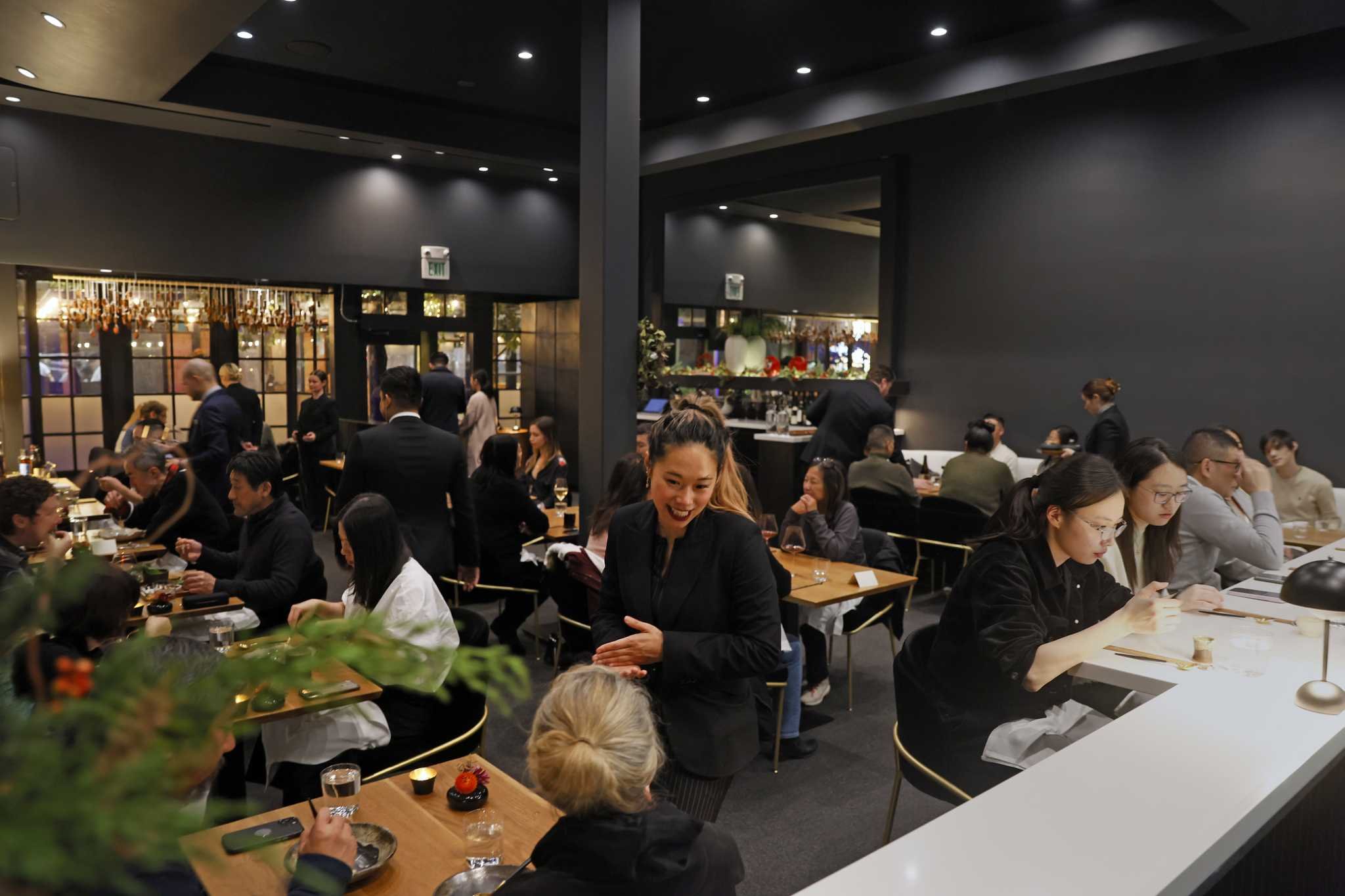
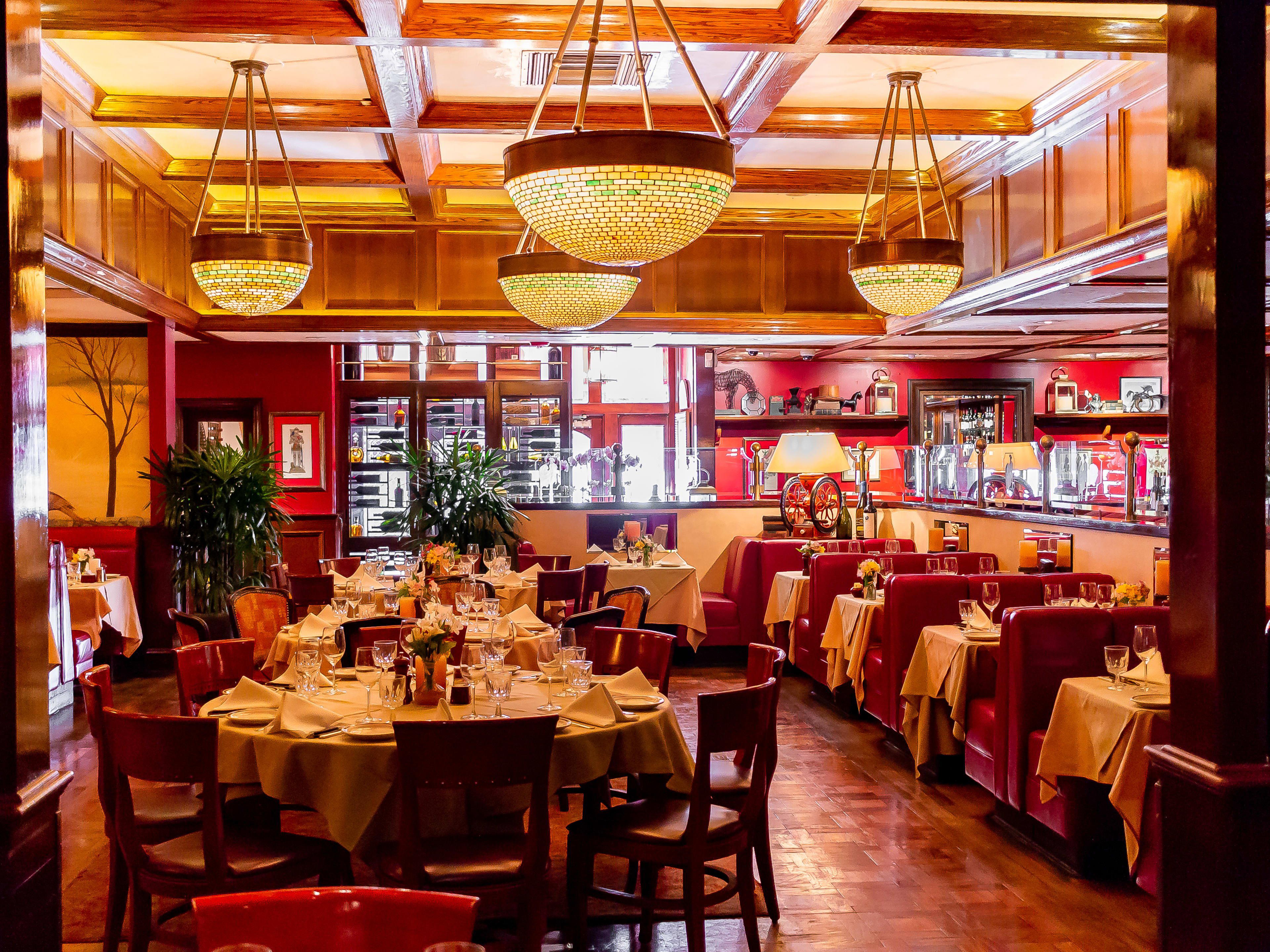
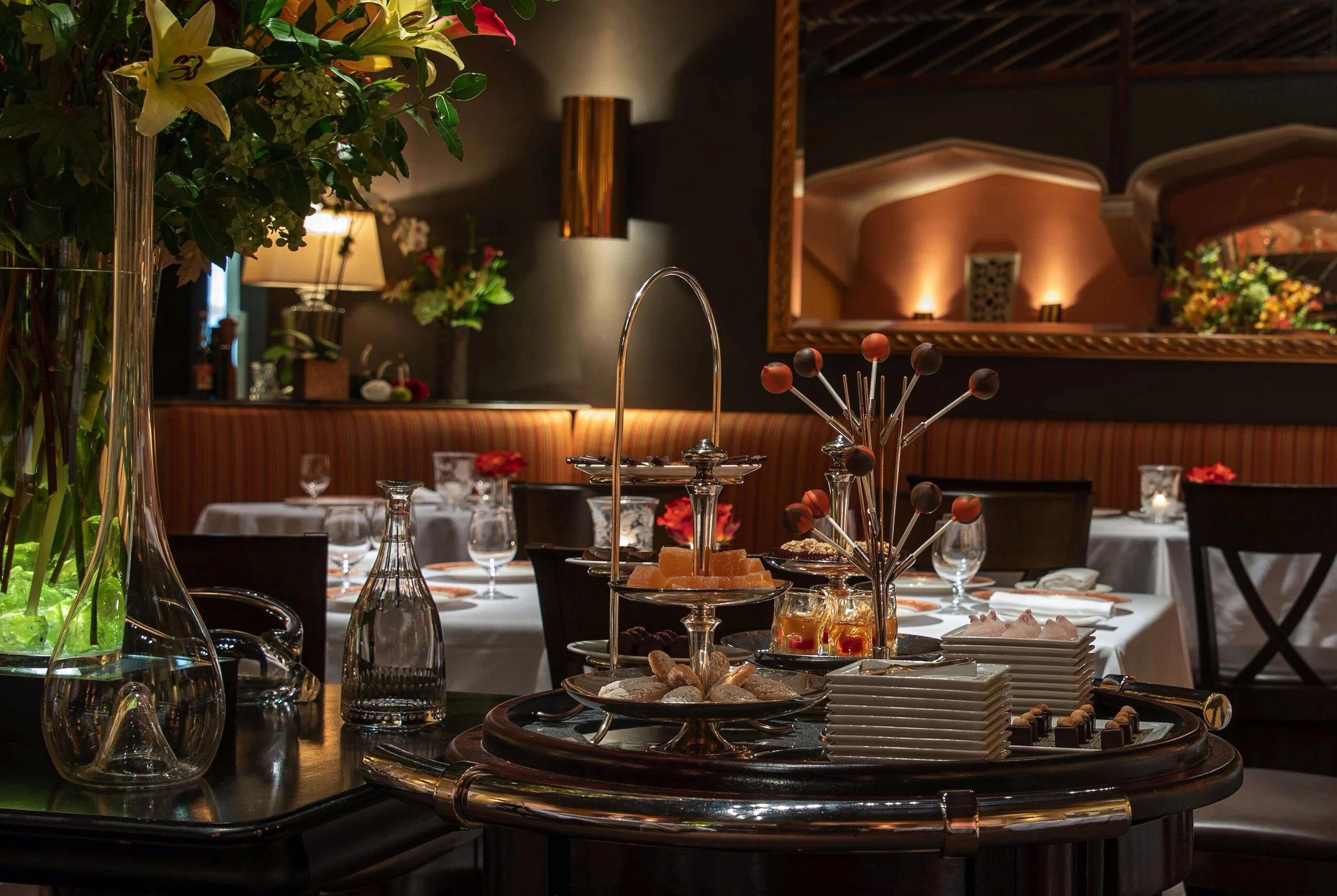
Bars in San Francisco
All bars in San Francisco →
Details
- Intimate
- Cozy
- Romantic
- Elegant
- Date Night
- Special Occasion
- Open Kitchen
- Extensive Wine List
- Farm To Table
- Local Sourcing
- A La Carte
- Small Plates
- Vegetarian Friendly
- Vegan Options
- Gluten Free Options
Current opening hours
- Monday
- 5–9 PM
- Tuesday
- 5–9 PM
- Wednesday
- 5–9 PM
- Thursday
- 5–9 PM
- Friday
- 5–9:30 PM
- Saturday
- 5–9:30 PM
- Sunday
- 5–9 PM
Hours can change for holidays and private events. Hours as of .
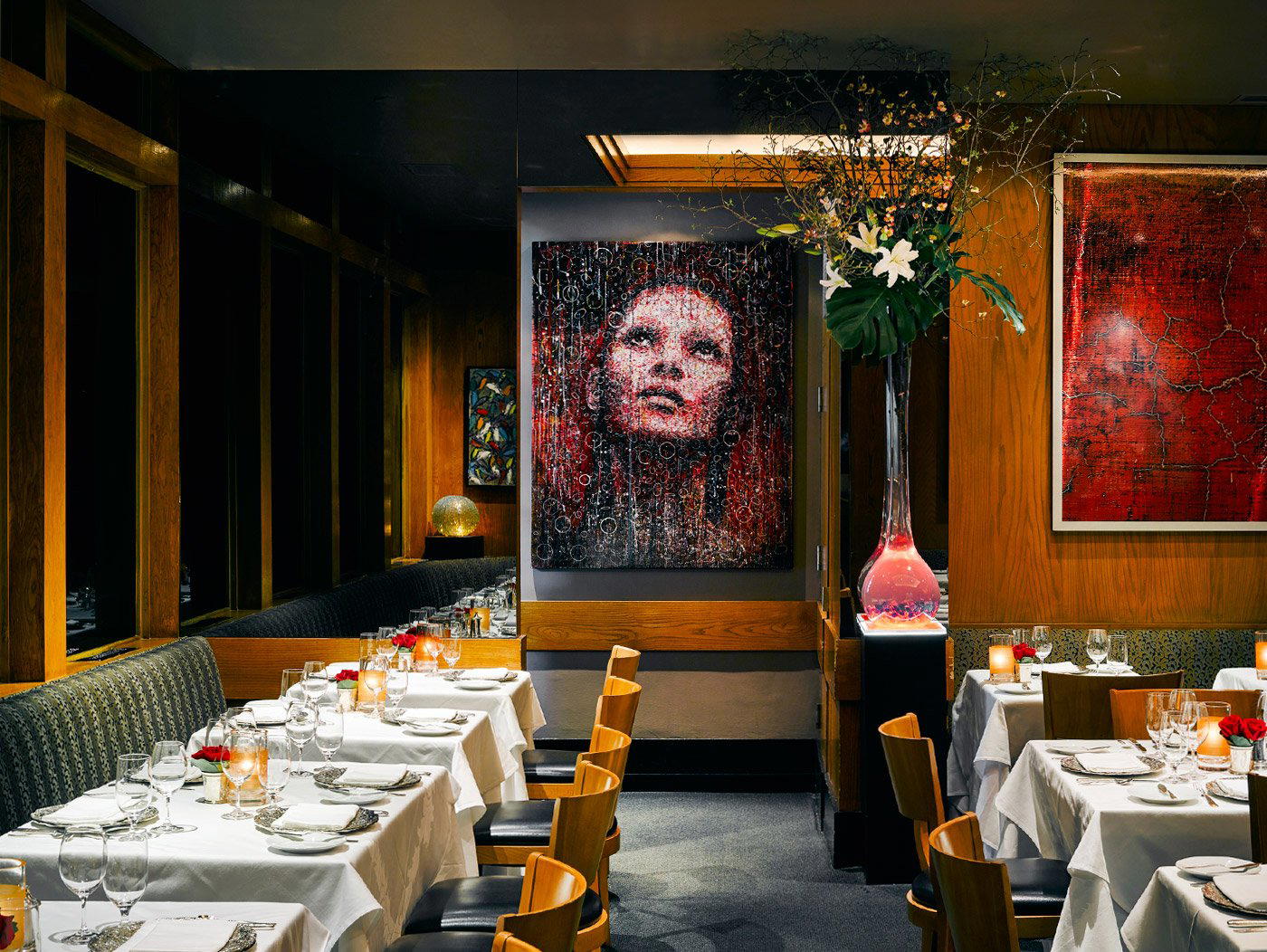
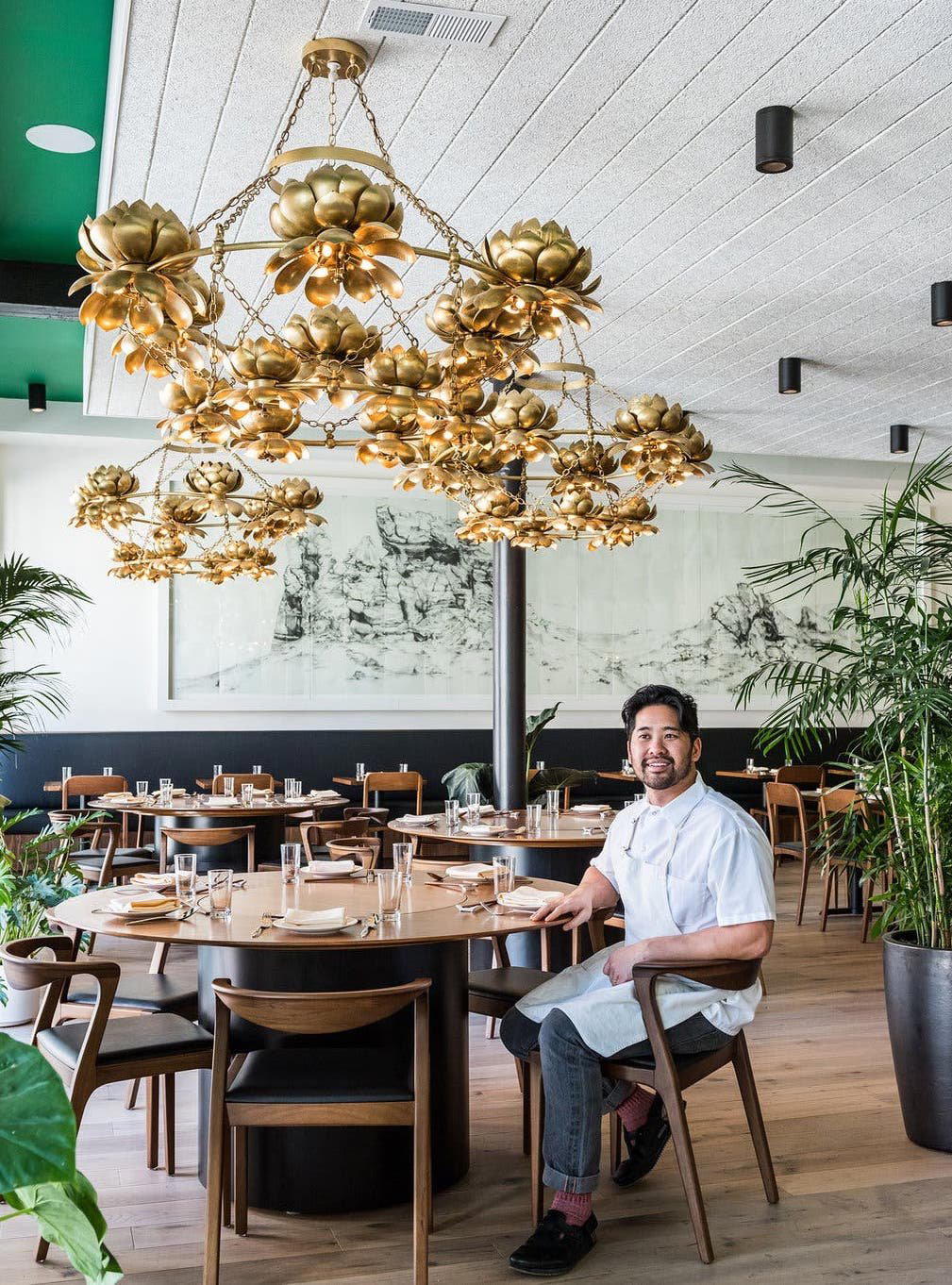
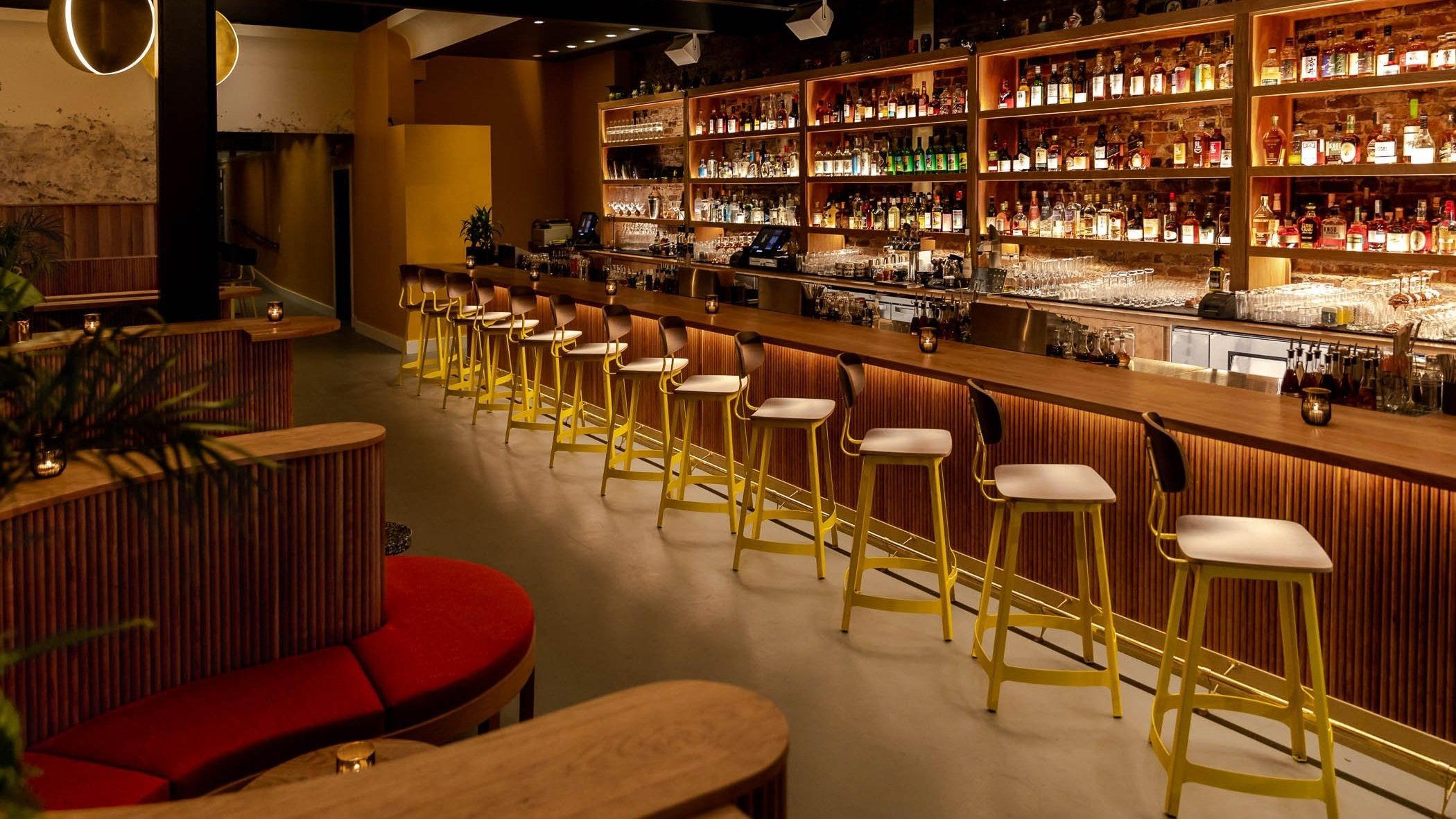
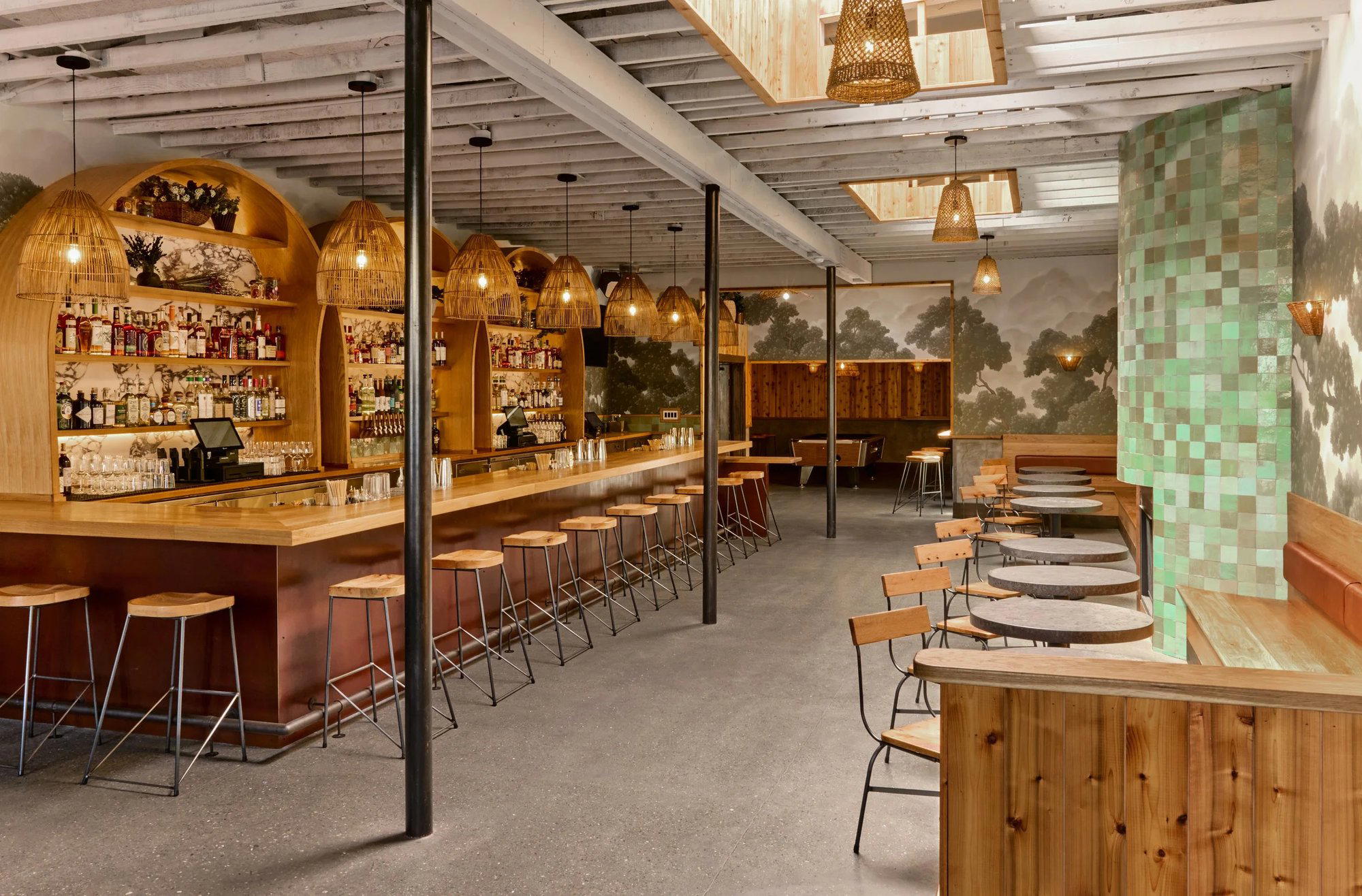
Warm, cozy, and intimate with a home-like feel, featuring moderate noise and romantic lighting.