
Small Luxury Hotels of the World Member
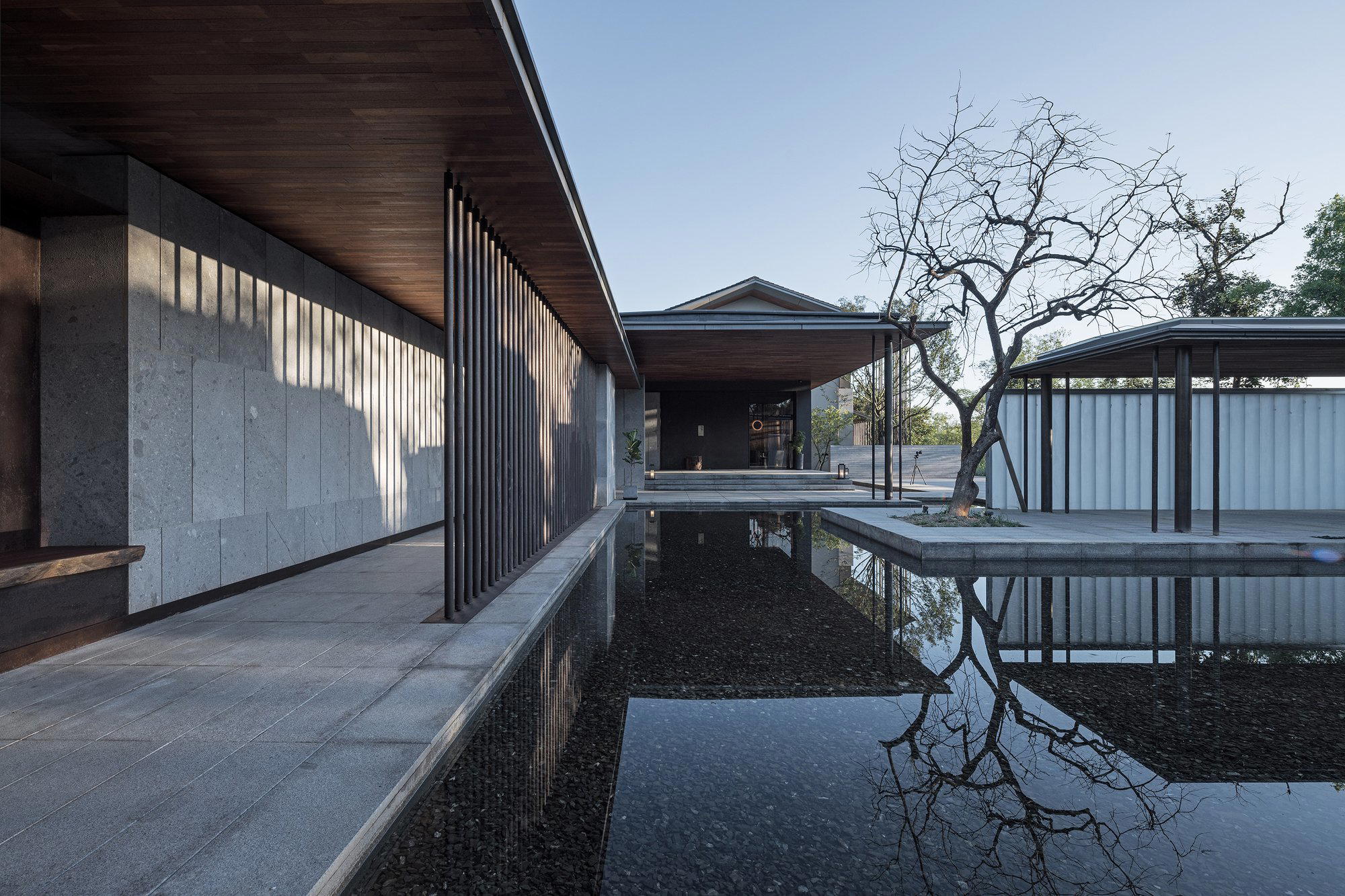
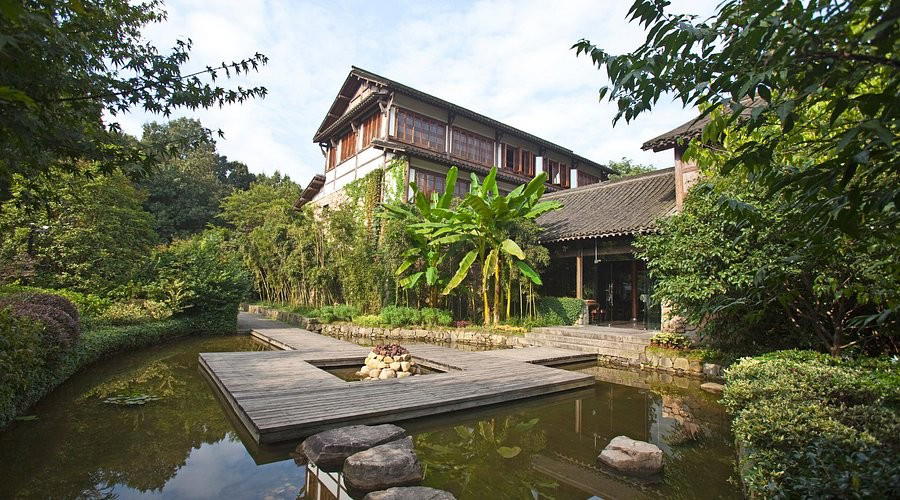
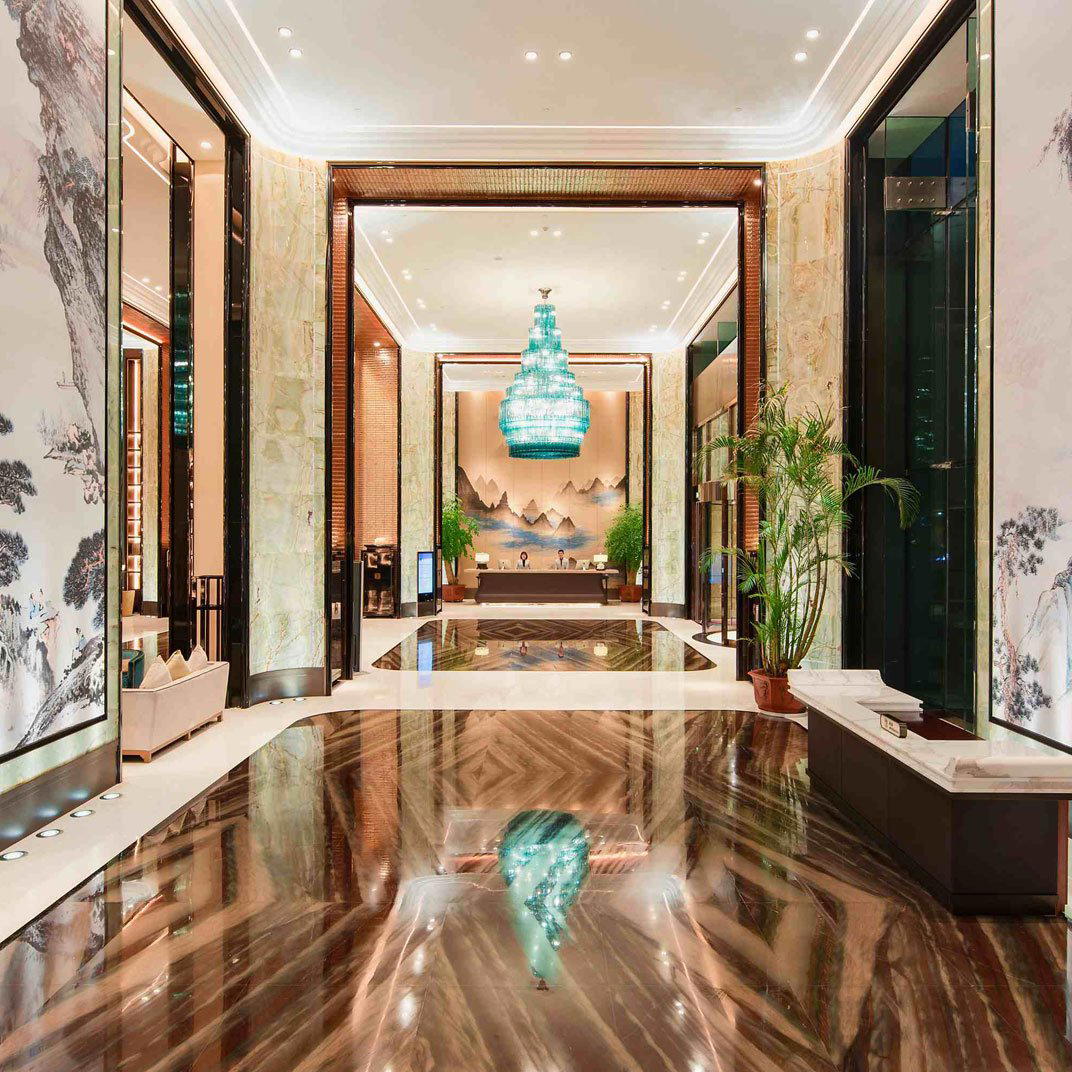
Set in Hangzhou's Xixi wetland corridor near Tianmushan Road, Muh Shoou Xixi Hotel is built around a design language that mirrors its natural surroundings: weather-worn stone, water-washed marble, and open-sided structures framed by ancient persimmon trees. The property sits in the smaller, design-led tier of Hangzhou luxury, where environmental integration is the primary editorial argument rather than brand recognition or scale.

Pearl is the En Primeur Club membership app, where members save venues, book tables and use the concierge.
Where the Wetland Does the Work
Hangzhou's premium hotel market has long been defined by West Lake. Properties like Four Seasons Hotel Hangzhou at West Lake and Amanfayun have spent decades consolidating that lakeside identity, and most travelers booking Hangzhou luxury default to it. But the city's hospitality offer has quietly extended westward into the Xixi wetland zone, where a different design logic governs. Here, the surrounding environment is not a backdrop to a hotel, it is, structurally and philosophically, the point of the building itself.
Muh Shoou Xixi Hotel sits in Yu Hang District, addressed near Tianmushan Road, and its design reads as a deliberate argument against enclosure. Flowing lines, open-sided structures, and pools of still water dissolve the boundary between interior and exterior. Weather-worn stone, wooden accents, and water-washed marble are not decorative choices in the usual sense, they are materials selected because they age alongside the landscape rather than against it. Ancient persimmon trees stand within the property's circulation, which means the building was positioned around them rather than clearing them to make way. That decision alone signals something about the property's relationship to its site.
The Sustainability Argument in Chinese Luxury Hospitality
Across China's premium hospitality tier, sustainability credentials have typically arrived as add-ons: solar panels fitted to an otherwise conventional hotel, or a garden supplying one of several restaurant kitchens. Muh Shoou Xixi represents a different approach, one where environmental integration is the design premise rather than a feature bolted onto an existing concept. The Xixi wetland ecosystem is a nationally protected area, which imposes specific constraints on any development within or adjacent to it. A property that occupies this zone credibly is one that has had to answer harder questions about material sourcing, structural footprint, and ecological disruption than most urban luxury hotels ever face.
The use of weather-worn stone and water-washed marble points to a material philosophy that values patina over polish, surfaces that record the passage of time and moisture rather than resisting it. In a hospitality category where most competitors favor high-gloss finishes and climate-sealed interiors, this is a considered departure. Properties like Banyan Tree Hangzhou have pursued a nature-adjacent positioning, but typically within more conventionally constructed envelopes. Muh Shoou's open-sided structures take the logic further, allowing ambient air, natural light, and seasonal sound to enter the space without mechanical mediation.
This approach has parallels elsewhere in Chinese design-led hospitality. Fuchun Resort Hotel Fuyang, in Hangzhou's Fuyang district, operates on a comparable premise of landscape immersion, and the Xiamen Yunding Resort in Xiamen similarly uses topography and native planting as primary architectural drivers. What distinguishes the Xixi context is the specific character of the wetland: flat, water-threaded, defined by seasonal reed beds and migratory bird patterns rather than dramatic elevation change. Designing for that landscape requires a horizontal, porous architecture rather than the refined pavilion typology that dominates mountain resort design.
Placing Muh Shoou in Hangzhou's Competitive Tier
Hangzhou now sustains a significant spread of premium accommodation, from the internationally flagged properties clustered around West Lake, the Conrad Hangzhou, Midtown, and the Four Seasons Hotel Hangzhou at Hangzhou Centre, to independent and design-forward properties occupying a narrower niche. Muh Shoou belongs to the latter cohort.
Travelers choosing between these two tiers are essentially making a decision about what they want a Hangzhou stay to feel like. The West Lake corridor offers stronger brand assurance, more predictable service infrastructure, and proximity to the city's most photographed landmarks. The Xixi corridor offers a slower, quieter version of the city, one more aligned with the wetland's own rhythms than with Hangzhou's commercial and tourism core. For travelers who have already done the West Lake circuit, or who are specifically drawn by the ecological character of the Xixi National Wetland Park, the geography of Muh Shoou makes more sense than its distance from the lake might initially suggest.
Hangzhou is roughly three hours from Shanghai by high-speed rail, and the city's infrastructure for international and domestic visitors is well developed. Yu Hang District sits northwest of the city center; Xixi National Wetland Park is one of the few urban wetlands in China designated at national level, which gives the surrounding area a particular character distinct from Hangzhou's more urbanized districts. See our full Hangzhou restaurants guide for dining context beyond the hotel.
For travelers comparing design-led Chinese properties in other regions, relevant points of reference include Amandayan in Lijiang, which uses a similarly site-rooted design logic in a UNESCO-listed historic town, and Mohe Youran Mountain Residence in Da Hinggan Ling, which addresses extreme northern landscape in a comparable spirit of environmental attentiveness. Further afield, the 1 Hotel Haitang Bay in Sanya operates within the sustainability-first luxury tier that Muh Shoou also occupies, though in a coastal tropical context rather than a freshwater wetland one.
Planning a Stay
Specific rates, room categories, and booking windows for Muh Shoou Xixi are not published through the channels available at time of writing, which is itself a signal: the property does not appear to be marketing through conventional OTA infrastructure at scale. Seasonality matters in the Xixi wetland context, the reed beds and persimmon trees that define the property's immediate landscape shift considerably between late autumn and spring, and traveler accounts of the Xixi area consistently identify October through November as the period when the landscape is at its most photogenic. Conrad Hangzhou Tonglu offers an alternative for travelers wanting a Hangzhou-region stay with more predictable international infrastructure as a comparison point.
A Pricing-First Comparison
Comparable venues nearby, for context on price, style, and recognition.
| Venue | Price | Awards | Notes |
|---|---|---|---|
| Hangzhou Muh Shoou Xixi HotelThis venue (the venue you are viewing) | $300–500 | Small Luxury Hotels of the World Member | Not listed |
| voco Hangzhou Binjiang Minghao | $100–200 | Michelin Selected | Binjiang District, Modern design hotel with Art Deco architecture and thoughtful, unstuffy charm. |
| InterContinental One Thousand Island Lake Resort | Not listed | Michelin Selected | Chun'an County, Nature-inspired luxury resort |
| Vallie Hotel | $500–750 | Small Luxury Hotels of the World Member | Xiaoshanshi, Tranquil forest retreat in repurposed tea farmer buildings |
| Fuchun Resort Hotel Fuyang | Not listed | La Liste Top Hotels · Forbes Recommended | Fuyangshi, Lakeside luxury resort with traditional Chinese influences |
| Four Seasons Hotel Hangzhou at Hangzhou Centre | Not listed | Michelin Selected · Star Wine List | Hangzhoushi, contemporary urban luxury hotel |
Recognition history
Dated appearances from independent guides and award organizations, with the underlying list record or original source where available.
Small Luxury Hotels of the World Member
Small Luxury Hotels of the World
Continue exploring
More in Hangzhou
Hotels in Hangzhou
All hotels in Hangzhou →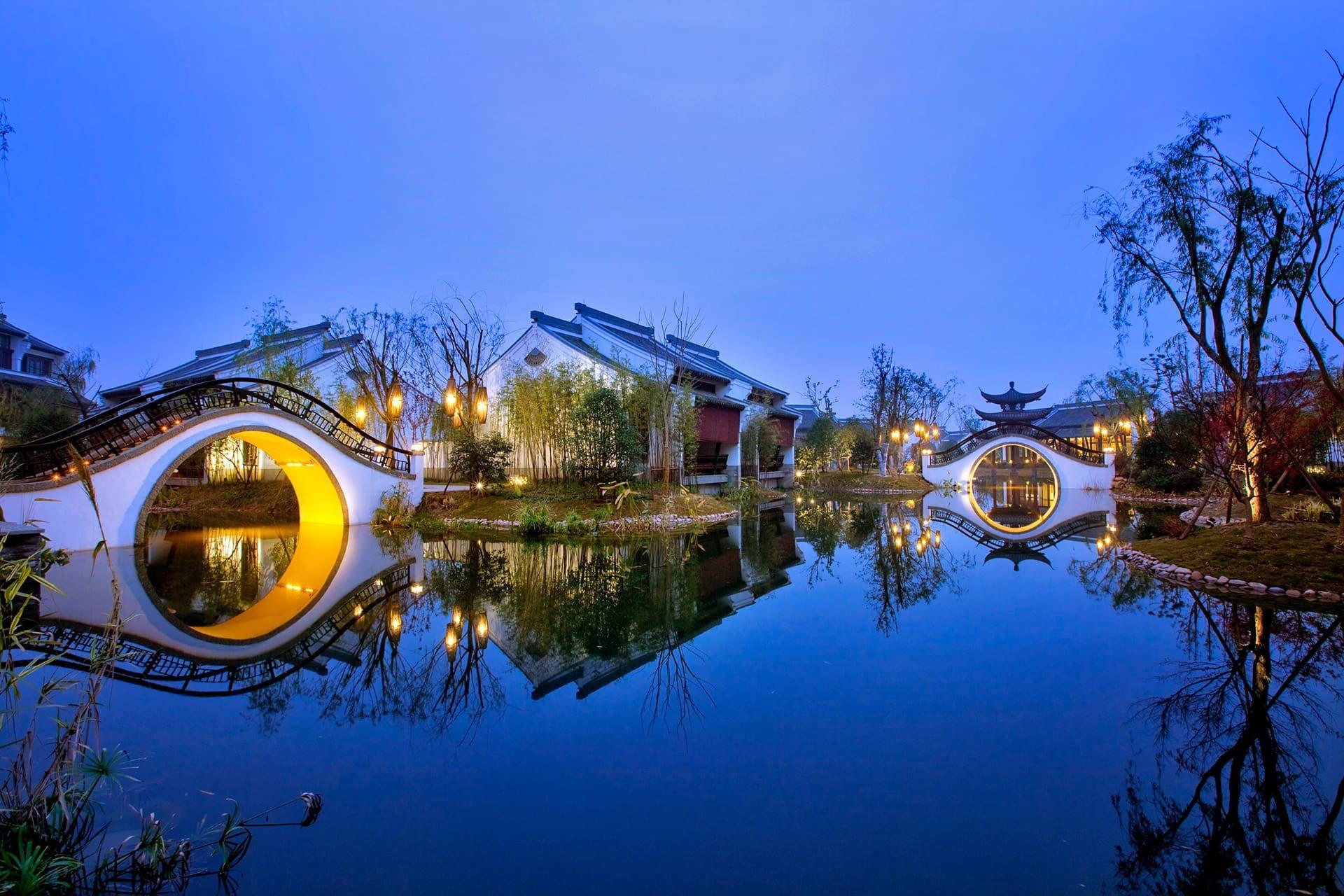
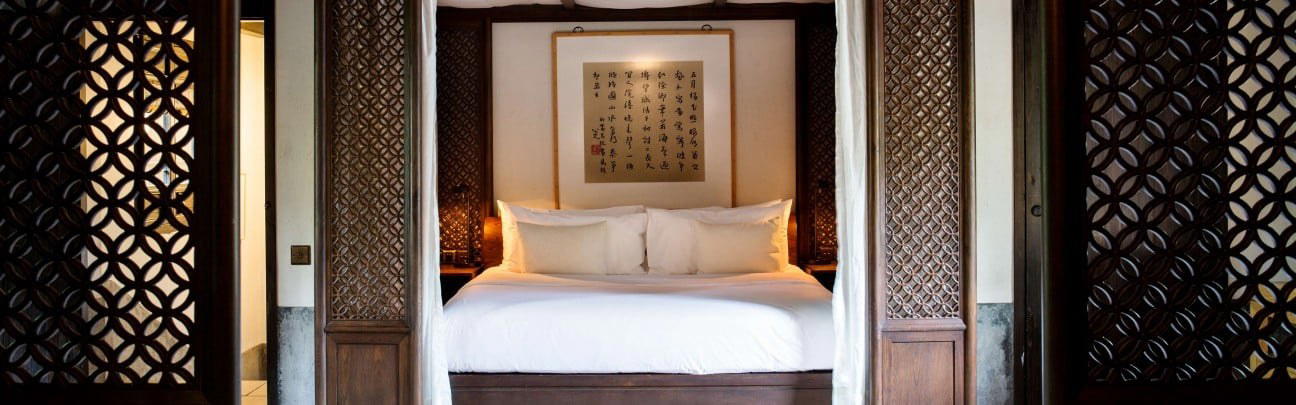
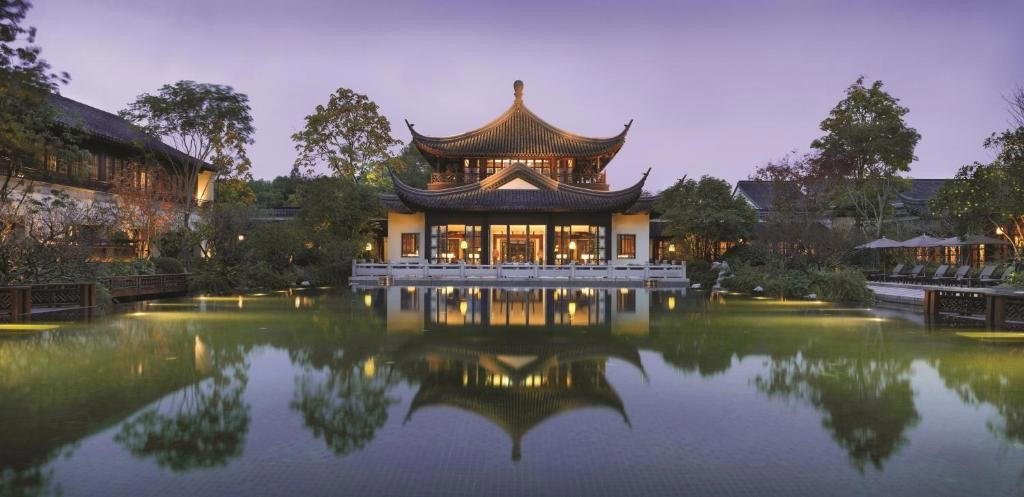
Bars in Hangzhou
All bars in Hangzhou →
Details
- Quiet
- Scenic
- Modern
- Minimalist
- Elegant
- Sophisticated
- Romantic Getaway
- Weekend Escape
- Family Vacation
- Wellness Retreat
- Waterfront
- Garden
- Terrace
- Design Destination
- Panoramic View
- Private Dining
- Wi Fi
- Pool
- Restaurant
- Bar
- Room Service
- Concierge
- Parking
- Laundry Service
- Meeting Rooms
- Waterfront
- Garden
- Elevator
- Accessible Parking
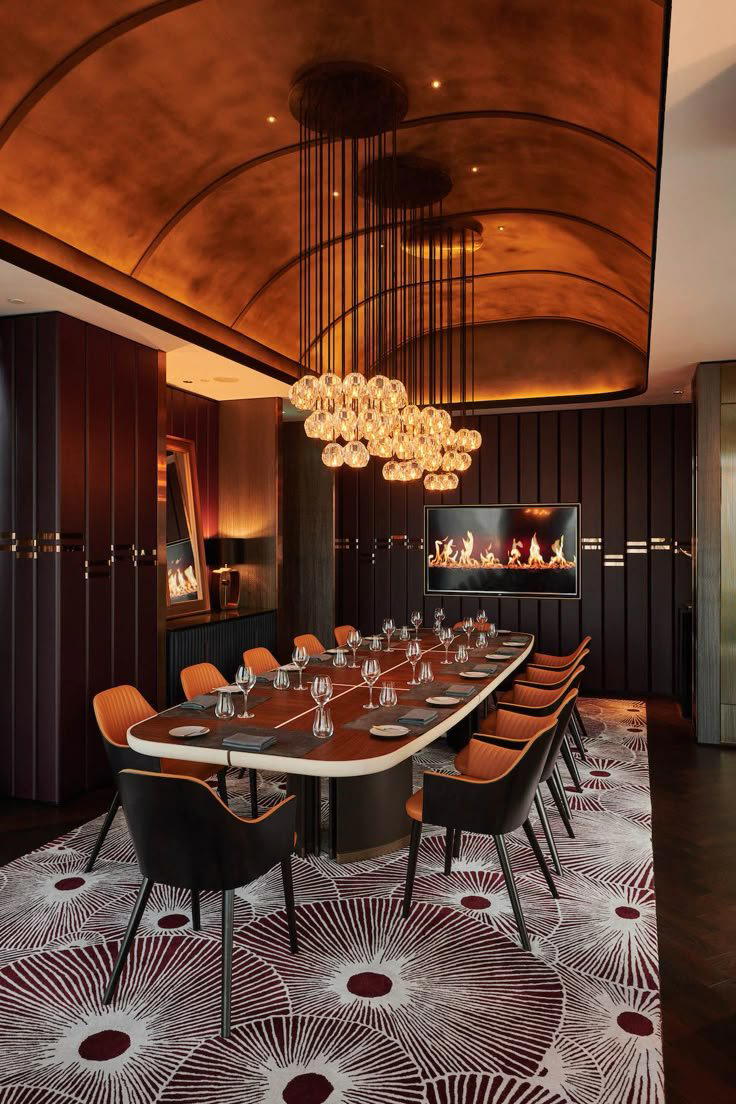
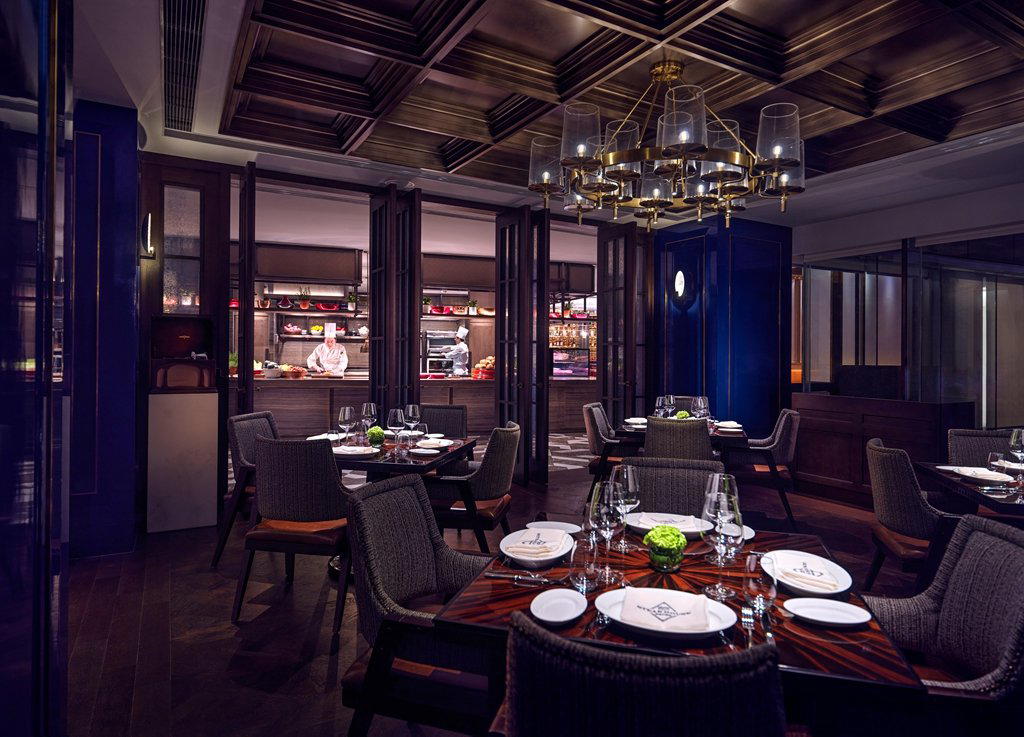
Quiet, restorative, and scenic, with a calm wetland atmosphere shaped by open-sided architecture, water views, and minimal, natural materials.