


Wild Yeast holds a Michelin star, a Black Pearl Diamond, and an OAD Asia Top 200 ranking, a triple-recognition combination that positions it among the more credentialed contemporary Chinese tables in Hangzhou. Under Chef Lin Zihan, the kitchen works within Zhejiang's ingredient tradition while applying modern technique. For a ¥¥¥¥ price point, the award density makes a strong case for value within the city's fine-dining tier.
Pearl is the En Primeur Club membership app — saves, bookings, and concierge access live there. Same editors, same standards.
- Address
- China, CN 浙江省 杭州市 上城区 笤帚湾 45 45号8-107 邮政编码: 310002
- Phone
- +86 571 8701 1778
- Directions
- Get directions
 Saves & bookings on Pearl
Where Hangzhou's Contemporary Chinese Scene Places Its Bets
Hangzhou has long carried a reputation built on classical Zhejiang cooking: the lacquered pork of Dongpo Rou, the delicate freshwater fish pulled from West Lake, the restrained seasoning that defines a cuisine more interested in ingredient clarity than complexity. What has changed in the past decade is the emergence of a second tier, one that treats those same ingredients as raw material for contemporary technique rather than received tradition. Wild Yeast, located in Shangcheng District's Tiaozhou Bay area at number 45, sits squarely in that second tier, a kitchen operating at the intersection of Zhejiang's larder and a modern sensibility that reads more clearly in a tasting format than at a banquet table.
The neighbourhood itself signals something about the restaurant's position. Shangcheng is not the obvious tourist corridor around West Lake, nor the newer commercial districts built for international business. It occupies a middle register: urban, functional, increasingly associated with the kind of small, serious restaurants that attract a local dining public rather than a tourist one. Arriving at Tiaozhou Bay 45, the format feels deliberate in scale. This is not a large-format room designed for group bookings. It reads as a counter-or-small-table operation, the kind of setting where the kitchen's output is the event rather than the backdrop.
The Award Stack and What It Means in Practice
The case for Wild Yeast as a value proposition within Hangzhou's ¥¥¥¥ tier rests on a specific kind of evidence. The restaurant holds a Michelin star, a Black Pearl 1 Diamond for 2025, and an Opinionated About Dining ranking of #185 in Asia for 2025. That three-source recognition matters because each system uses a different methodology and draws on a different evaluator pool. Michelin sends anonymous inspectors assessing technical consistency. The Black Pearl Guide operates with a China-specific critical lens, weighting cultural coherence and ingredient sourcing alongside technique. OAD aggregates votes from a community of frequent diners and food professionals across the region. Appearing in all three simultaneously suggests the kitchen is not optimizing for one type of approval, it is producing food that reads well across multiple evaluative frameworks.
For context within Hangzhou's recognizable fine-dining set: Ru Yuan (Zhejiang) shares the ¥¥¥¥ price bracket and focuses on classical Zhejiang preparation, while Ambré Ciel (Innovative) and La Lune occupy the contemporary end of the city's offer. Wild Yeast's Chinese Contemporary classification places it alongside those latter options in spirit, though its Zhejiang ingredient grounding keeps it closer to the region's culinary identity than a purely technique-forward kitchen might. Among Zhejiang-anchored tables, Guiyu (Xihu) and Hangzhou House each operate in their own register; Wild Yeast's distinction is the combination of contemporary form with consistent multi-guide recognition.
Chinese Contemporary as a Category: What the Format Delivers
Chinese Contemporary as a dining category carries different implications depending on the city. In Shanghai, it often means Shanghainese technique fused with European plating discipline, visible at places like Da Dong (Xuhui) or Gastro Esthetics at DaDong, where theatrical presentation carries significant weight. In Beijing, Xin Rong Ji (Xinyuan South Road) and its Chengdu counterpart Xin Rong Ji demonstrate how refined Chinese cooking can remain regionally specific while commanding premium positioning. Further afield, Chef Tam's Seasons in Macau, Imperial Treasure Fine Chinese Cuisine in Guangzhou, and Dai Yuet Heen in Nanjing each illustrate how the category adapts to local ingredient cultures without abandoning formal ambition. And in Shanghai's broader contemporary scene, 102 House represents a version of the format that foregrounds artistic concept alongside cooking.
The restaurant's interpretation, under Chef Lin Zihan, appears to sit closer to the ingredient-led end of this spectrum than the concept-led end. The name itself references fermentation, a process that sits at the foundation of many Zhejiang pantry staples: aged vinegars, fermented tofu, preserved vegetables. Whether this signals a kitchen preoccupied with microbial process or simply evokes the organic development of flavour over time, the framing suggests an interest in transformation at the ingredient level rather than on the plate for visual effect.
Value at the ¥¥¥¥ Tier
At the four-symbol price tier, Hangzhou diners are making a considered commitment. The ¥¥¥¥ bracket in a second-tier Chinese city (by international dining standards, not by size or economic weight) represents a meaningful spend, and the question of what that spend buys is worth examining directly. In comparable cities, a single-starred contemporary Chinese kitchen at this price point might deliver technical food without the multi-guide credibility that justifies the premium. The restaurant's position on three simultaneous ranked lists in 2025, Michelin, Black Pearl, and OAD, provides the kind of external validation that makes the spend legible. You are not paying for ambience or for a famous name. You are paying for a kitchen that has demonstrated consistent output across evaluator communities that disagree about a lot but agree on this one.
The comparison to Hangzhou peers sharpens the value case further. Ru Yuan and the restaurant share a price bracket, but they serve different functions. Ru Yuan is a reference point for classical Zhejiang. The restaurant is where the city's contemporary Chinese cooking sits when it is operating at its most credentialed. For a visitor spending one evening in the ¥¥¥¥ tier, the choice between the two is a question of what kind of experience the meal should be: a document of Hangzhou's culinary past, or an argument about where it is heading.
Planning Your Visit
The restaurant is located at Tiaozhou Bay 45, unit 8-107, Shangcheng District, Hangzhou, postcode 310002. The address places it within a walkable distance of central Hangzhou, accessible from West Lake by taxi or ride-hailing app in under fifteen minutes depending on traffic. Given the restaurant's award profile and the limited-seat format implied by the space, advance booking is advisable; the combination of Michelin recognition and a locally engaged dining public typically compresses availability at this tier of Hangzhou restaurants to several weeks ahead for weekend sittings. Dress expectations at this type of contemporary Chinese counter tend toward smart casual; formal attire is neither required nor common.
The Minimal Set
Comparable venues nearby, for context on price, style, and recognition.
| Venue | Cuisine | Price | Notes |
|---|---|---|---|
| Wild YeastThis venue — the venue you are viewing | Xiaoshanshi, Innovative Cuisine | $$$$ | Not listed |
| Ambré Ciel | Not listed | $$$$ | Hangzhoushi, French-Chinese Fusion Fine Dining |
| Song | Hangzhoushi, Modern Ningbo Cuisine | $$$$ | Not listed |
| L'éclat 19 | Not listed | $$$$ | Hangzhoushi, French-Chinese Fusion Fine Dining |
| Xin Rong Ji | Hangzhoushi, Taizhou Cuisine | $$$$ | Not listed |
| Longjing Manor | Not listed | $$$$ | Hangzhoushi, Michelin-Starred Jiangnan Fine Dining |
Recognition history
Dated appearances from independent guides and award organizations, with the underlying list record or original source where available.
Black Pearl 1 Diamond
Black Pearl
Opinionated About Dining Top Restaurants in Asia Ranked #124
Opinionated About Dining
Black Pearl 1 Diamond
Black Pearl
Michelin 1 Star
Michelin
Opinionated About Dining Top Restaurants in Asia Ranked #185
Opinionated About Dining
Michelin 1 Star
Michelin
At a Glance
- Modern
- Sophisticated
- Intimate
- Date Night
- Business Dinner
- Special Occasion
- Standalone
- Local Sourcing
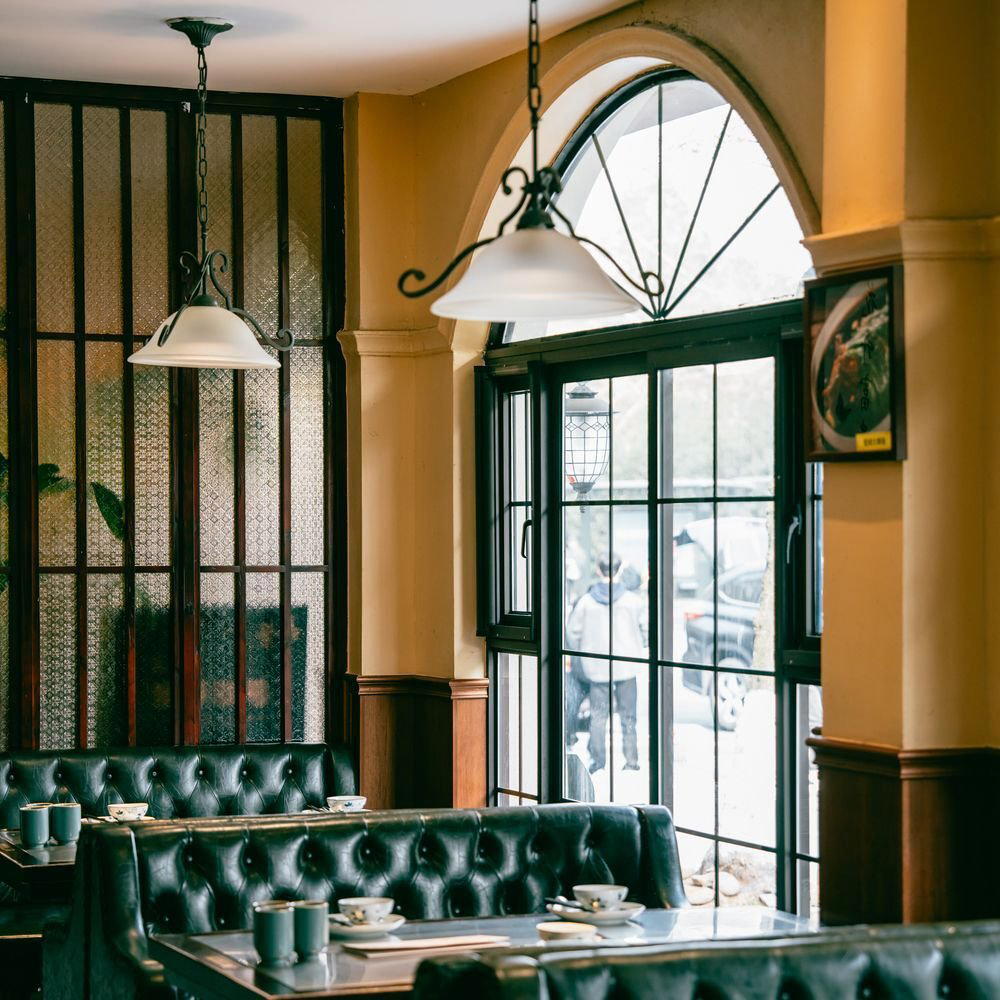
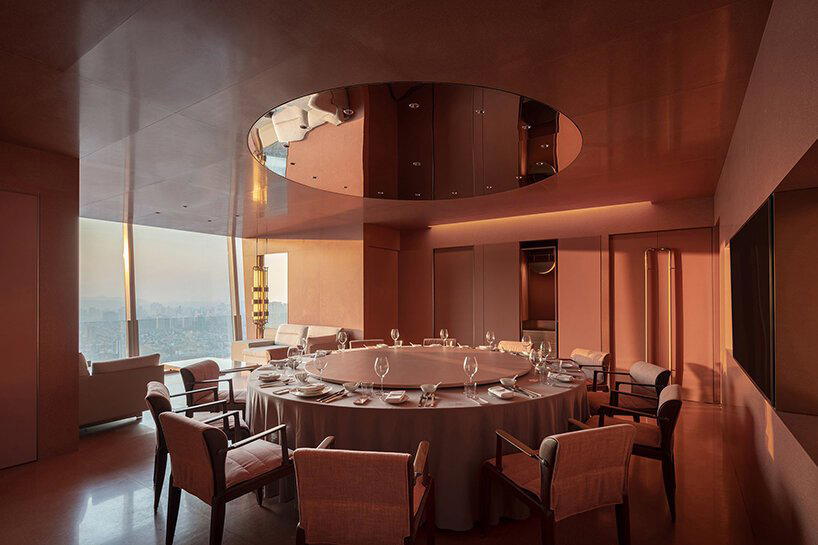
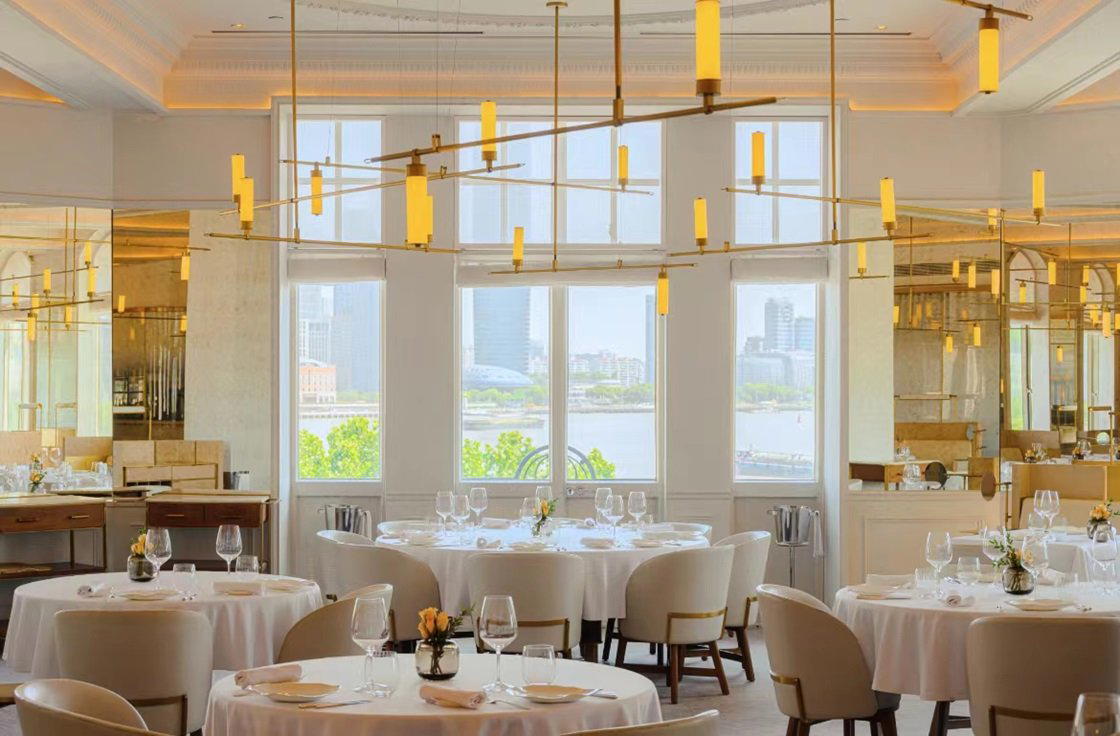
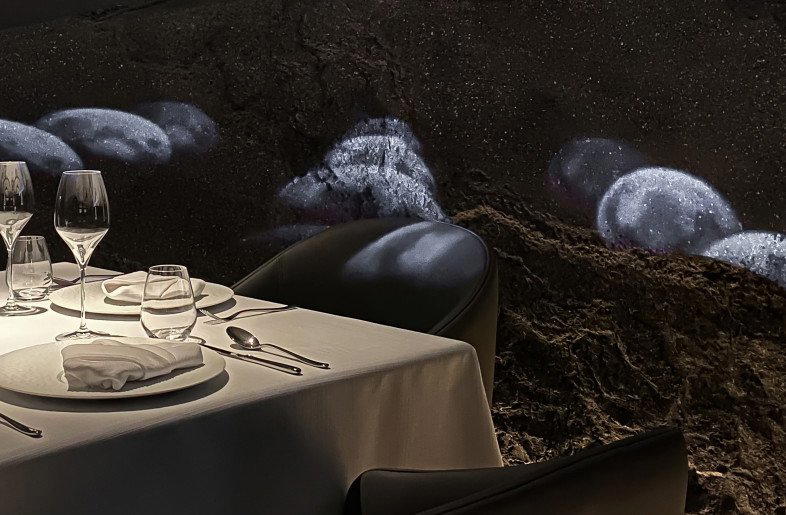
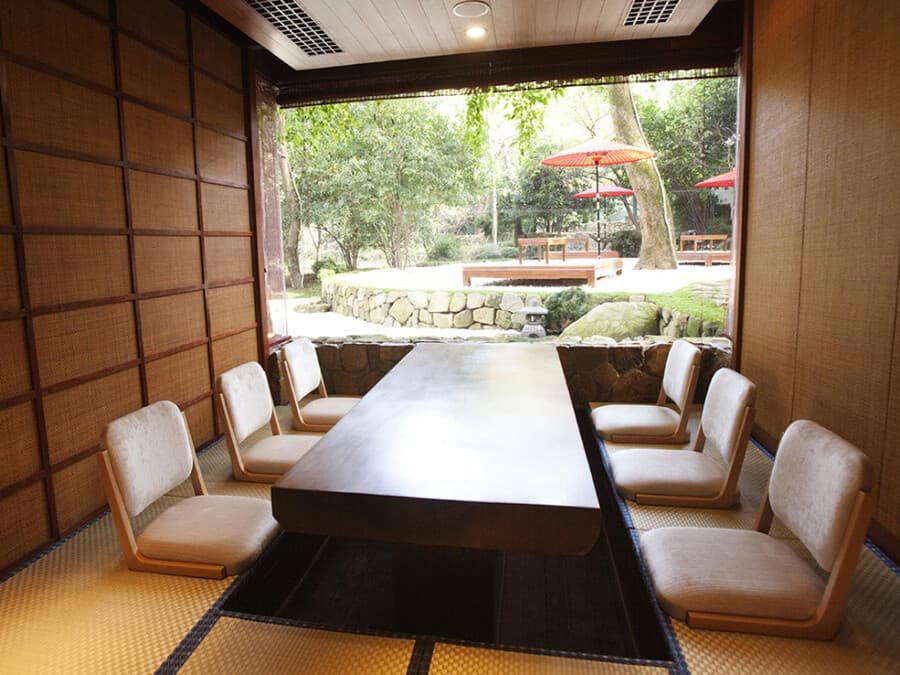
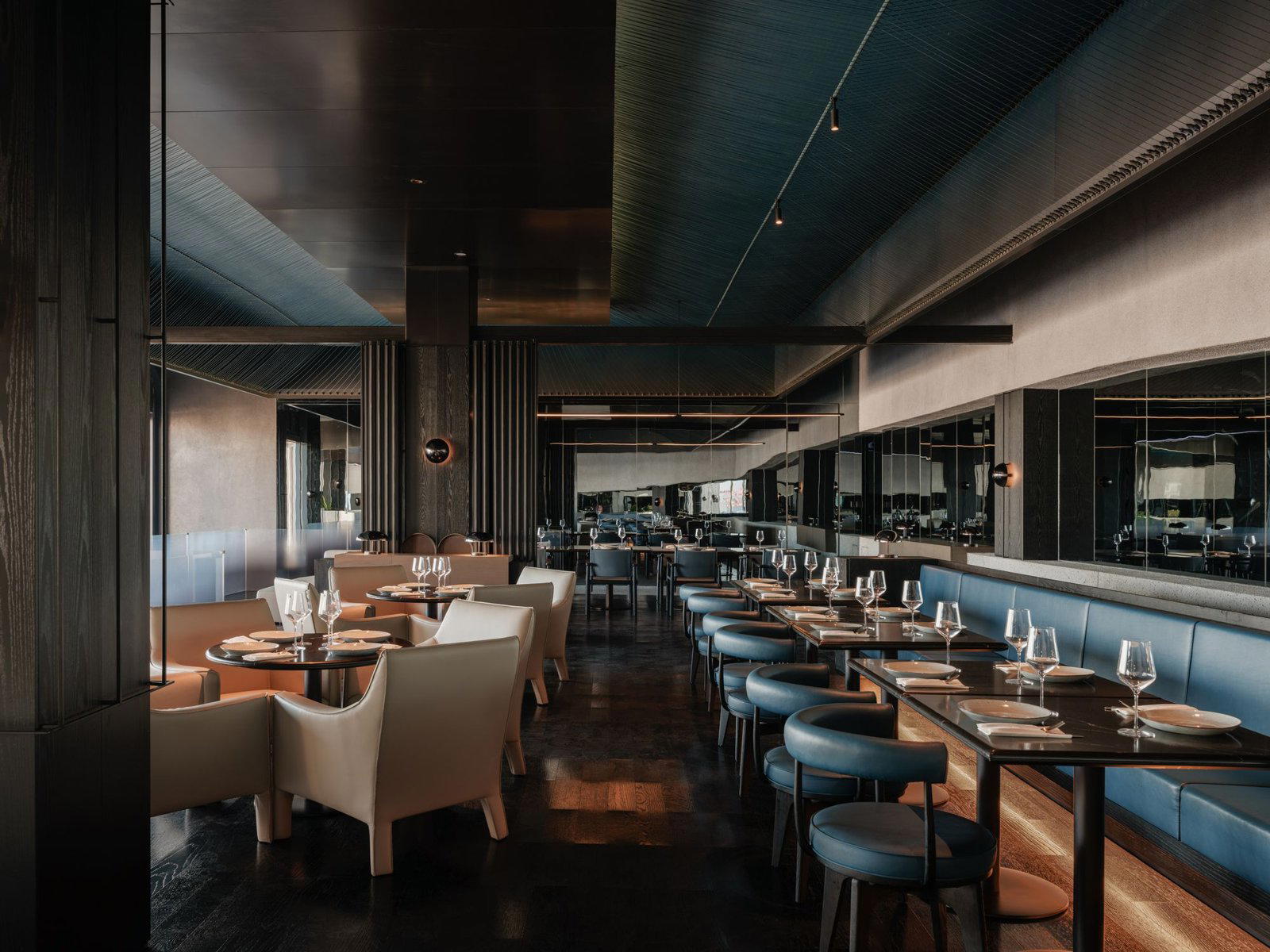
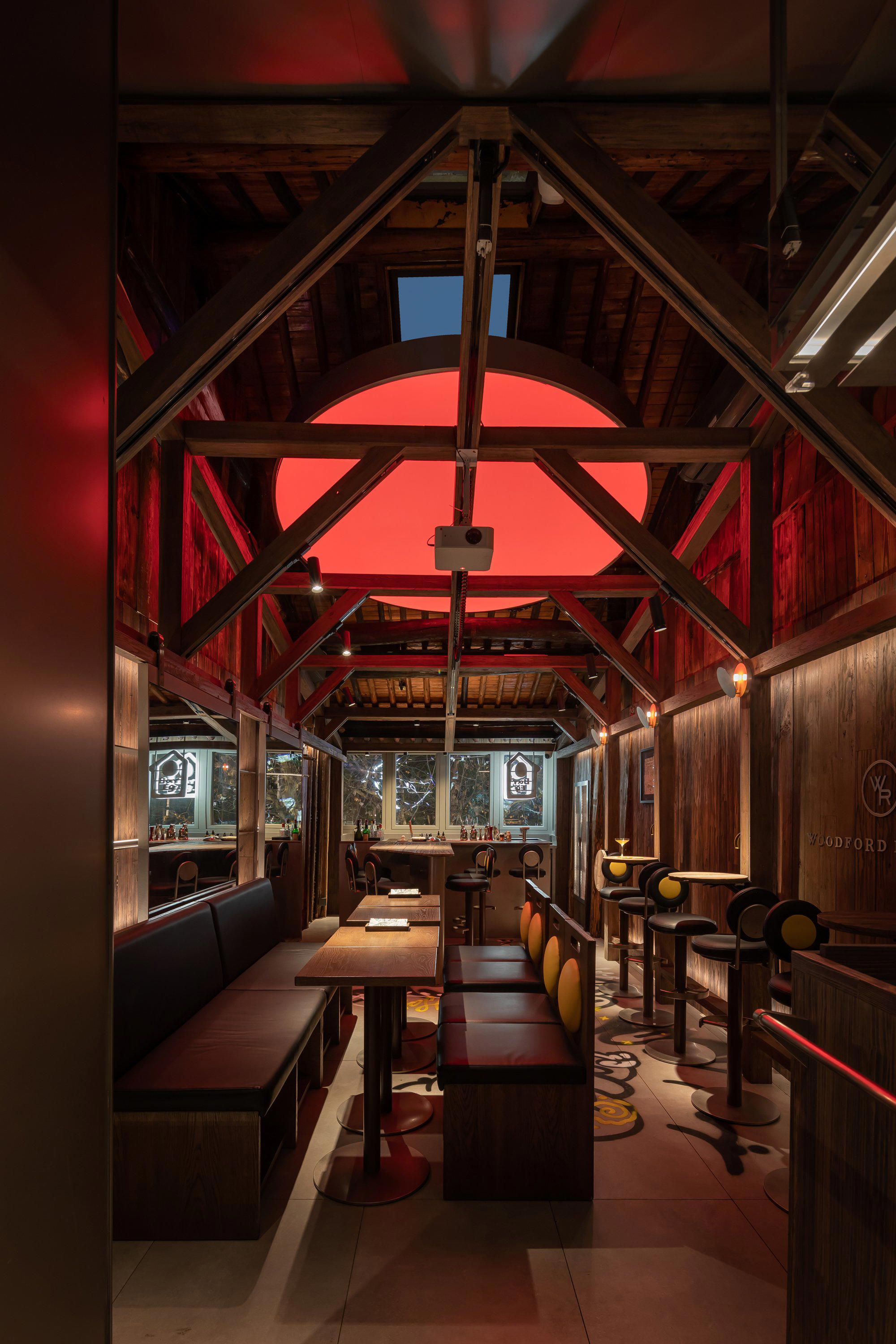
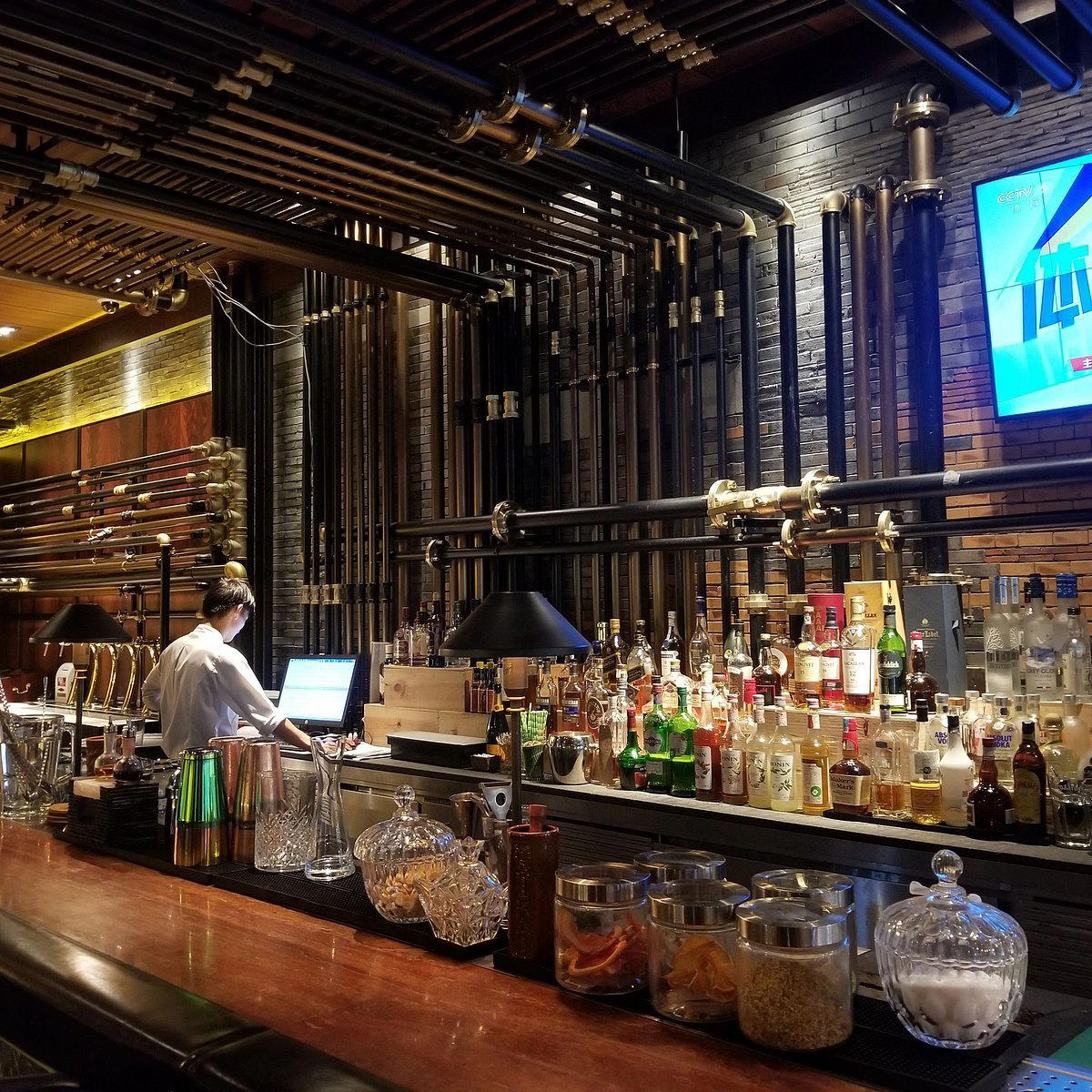
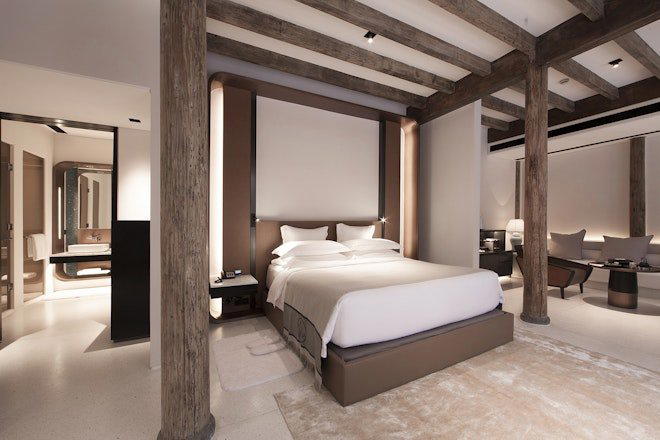
Refined and quietly expressive, with a fine-dining atmosphere that feels calm and focused rather than loud or flashy.