

1 Michelin Star
Our verdict
HANA-Kitcho brings Michelin-starred kaiseki mastery to Kyoto's geiko quarter, where Chef Kunio Tokuoka's seasonal artistry unfolds through meticulously crafted courses in a setting inspired by traditional Rinpa painting, offering the only counter seating experience among prestigious Kitcho establishments.

Pearl is the En Primeur Club membership app, where members save venues, book tables and use the concierge.
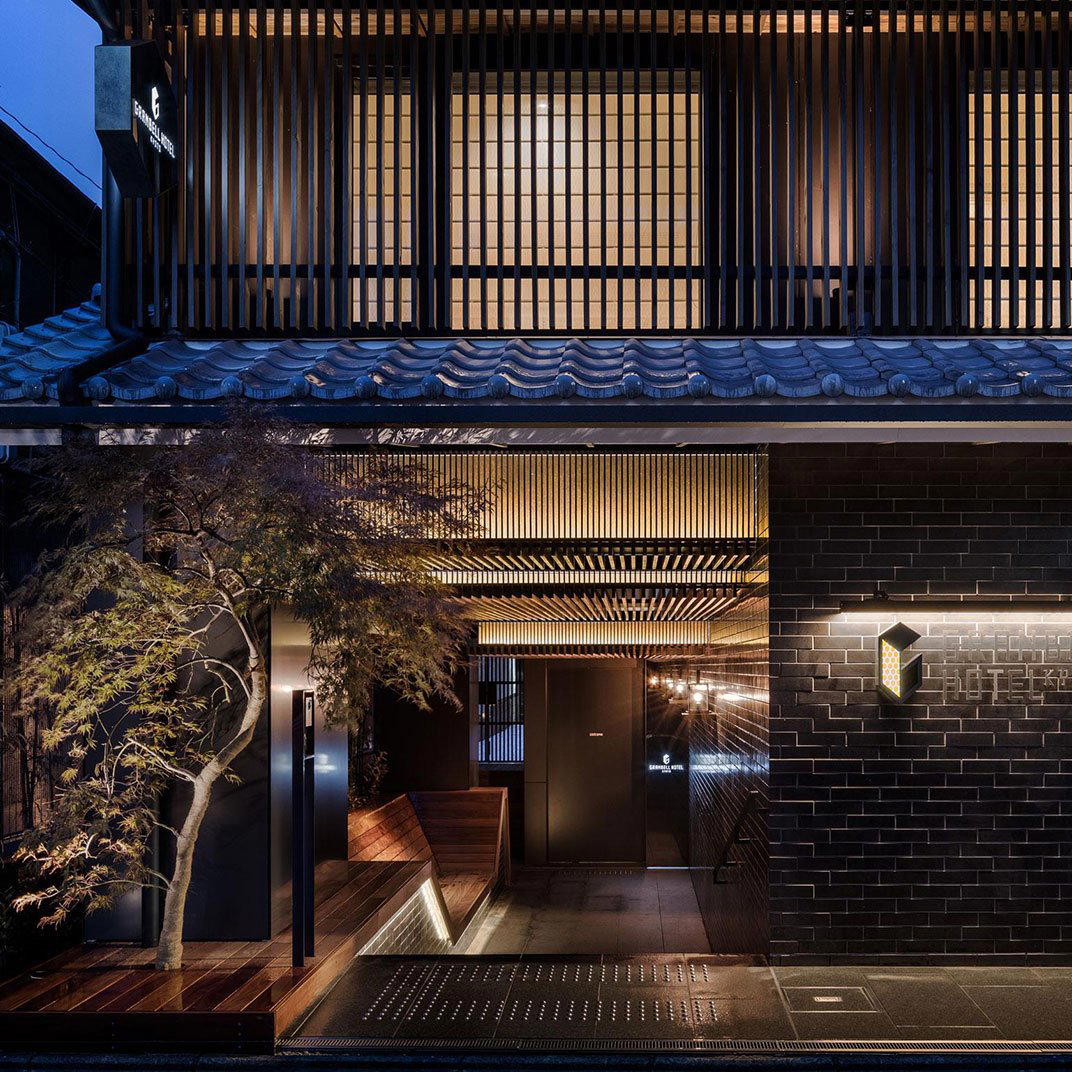
Theatre, Geisha Quarters, and the Weight of a Name
The approach to HANA-Kitcho sets expectations before a single dish arrives. The restaurant sits directly behind Minami-za, the kabuki theatre that has operated in Higashiyama since the early seventeenth century. That address is not incidental. Gion's hanamachi, the geisha district that gives the first half of the restaurant's name, carries a particular density of cultural memory in Kyoto, where the gap between performance and daily life has always been narrow. Walking past the theatre's facade toward the entrance, the built environment tells you something about the register of the meal to come.
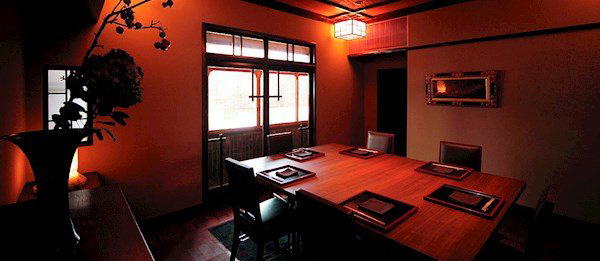
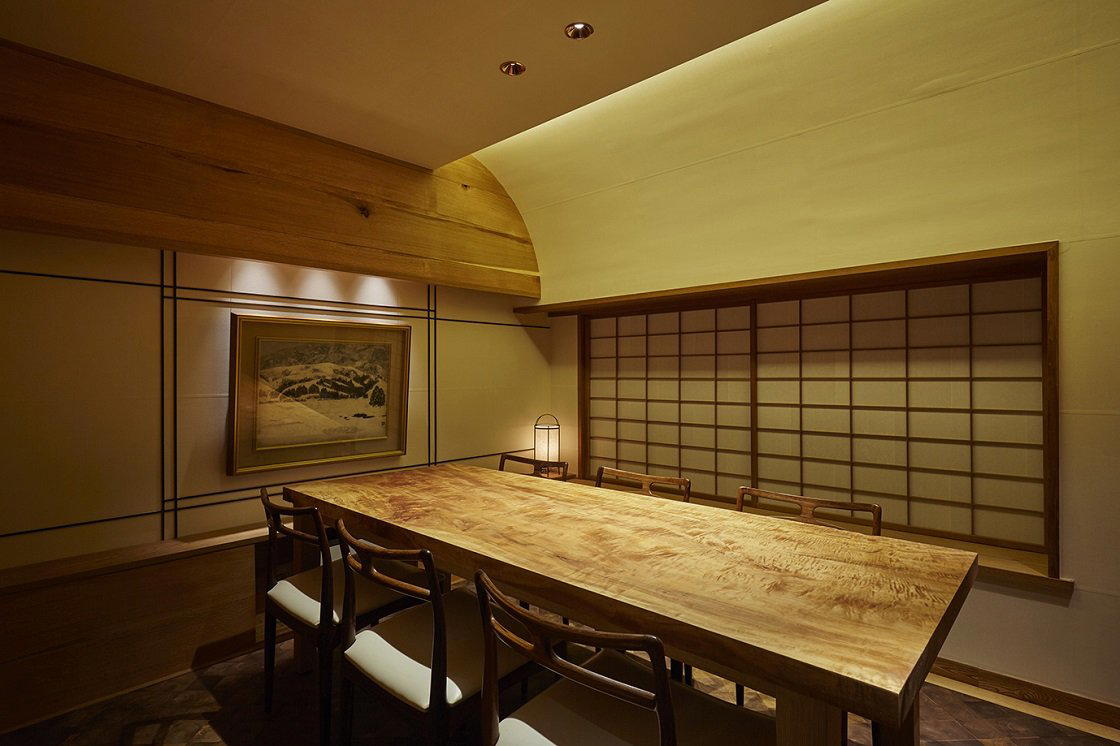
The second half of the name, Kitcho, signals a lineage that anyone with serious interest in kaiseki will recognise. Kitcho is among the most celebrated names in Japanese haute cuisine, a tradition built on the conviction that a meal should read as a complete cultural event, not a sequence of courses. The calligraphy framed inside HANA-Kitcho was written by Yuki Teiichi, the restaurant's founder, and its presence in the dining room functions as a kind of genealogical document. The interior was realised by multiple sculptors working around a single guiding theme: a contemporary interpretation of the Rimpa School of Painting, the seventeenth-century Kyoto movement known for its decorative boldness, gold-leaf surfaces, and stylised natural motifs. The room does not feel like a museum reconstruction. It reads as an active argument about what tradition can look like when it is treated as a living reference rather than a fixed archive.
Kaiseki in a City That Defines the Form
Kyoto's kaiseki scene is the most demanding peer group in Japanese cuisine. At the three-star end, restaurants such as Gion Matayoshi and Gion Sasaki operate at a price and formality tier that places them in direct conversation with the great kaiseki houses of the past half-century. One level below, the one- and two-star bracket, which includes Kikunoi Roan, Kenninji Gion Maruyama, and Kodaiji Jugyuan, is where rigorous seasonal cooking meets a slightly broader range of reservation windows and price points. HANA-Kitcho holds a Michelin one-star (2024) and sits in the ¥¥¥ price tier, a position that distinguishes it from the ¥¥¥¥ bracket occupied by Gion Sasaki, Ifuki, and Kyokaiseki Kichisen. That pricing means access to a Kitcho-lineage kitchen without committing to the highest spend in the city's kaiseki hierarchy.
The Opinionated About Dining rankings provide a useful longitudinal signal. The restaurant was highly recommended in 2023, ranked 472nd in Japan in 2024, and moved to 561st in 2025, a slight repositioning within a list where most movement reflects the appearance of strong new entrants rather than a decline in standard. Among Japan's recognised restaurants, a ranking in the top 600 places HANA-Kitcho in creditable company nationally, alongside destinations such as HAJIME in Osaka, Harutaka in Tokyo, akordu in Nara, Goh in Fukuoka, 1000 in Yokohama, and 6 in Okinawa.
The Sensory Register of a Kaiseki Meal
Kaiseki, as a form, is built around the idea that each course should reflect the season with enough specificity that a diner who ate the same menu six weeks later would have a materially different experience. At HANA-Kitcho, chef Toshihara Takahashi works that principle into the festive and seasonal decorations as much as into the cooking itself, treating the room's visual presentation as a continuous extension of what arrives on the table. The Rimpa-influenced interior, with its stylised flora and bold compositional logic, creates a framework in which seasonal change reads as design as much as menu.
The geography of the restaurant reinforces its sensory context. Higashiyama Ward, where HANA-Kitcho is located, is among the most texturally distinct parts of Kyoto: stone-paved lanes, machiya townhouse fronts, and the ambient percussion of the city's most visited temple and shrine corridor. Arriving at the restaurant in the evening, after the day's pedestrian traffic has thinned, produces a particular quiet. Isshisoden Nakamura operates within the same district's broader culinary cluster, and the concentration of serious kitchens in this part of the city reflects a long-standing relationship between Gion's hospitality culture and the development of formal Japanese cooking. For visitors who want a broader view of this district's eating and drinking culture, our full Kyoto bars guide maps what sits alongside these restaurants.
Where HANA-Kitcho Sits in the Broader Japan Picture
Japan's kaiseki tradition extends well beyond Kyoto, and the question of how a Gion address relates to what is happening in Tokyo's Japanese fine-dining rooms is worth asking. Tokyo-based kaiseki and Japanese haute cuisine, including kitchens such as Myojaku and Azabu Kadowaki, tends to draw on Kyoto technique while adapting to a metropolitan ingredient network and a clientele less directly embedded in the seasonal and ceremonial rhythms that define Gion's calendar. A Kitcho-lineage restaurant in the hanamachi operates in a different cultural grammar: the proximity to the geisha district's ochaya (teahouse) culture, the Minami-za performance calendar, and Higashiyama's temple circuit is structural, not decorative. It shapes what the cooking means in context.
Planning a Visit
HANA-Kitcho occupies an address in Yamatocho, Higashiyama Ward, directly behind Minami-za theatre, a useful landmark for first-time visitors approaching from Shijo-dori. The restaurant holds a Michelin one-star and sits within a price range that, while not the highest in Kyoto's kaiseki tier, still warrants treating the meal as an occasion to plan around. Kaiseki at this level typically requires advance reservations, and in Gion specifically, where many serious restaurants keep small dining rooms, booking several weeks ahead is a reasonable minimum during peak seasons. Kyoto's peak dining pressure concentrates in cherry blossom season (late March to mid-April) and autumn foliage (mid-November), when restaurant access across the city tightens considerably. For visitors building a wider Kyoto itinerary around this meal, our full Kyoto restaurants guide covers the broader scene, and our full Kyoto hotels guide, our full Kyoto experiences guide, and our full Kyoto wineries guide round out the city's premium options.
Frequently asked questions
What should I order at HANA-Kitcho?
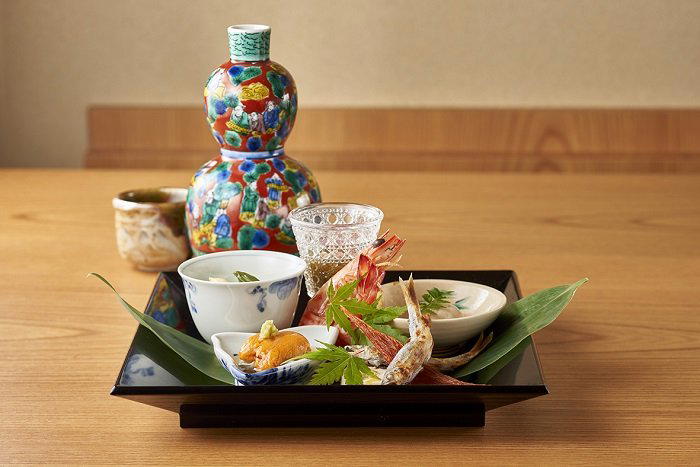
HANA-Kitcho operates as a kaiseki restaurant, meaning the menu follows a set multi-course format rather than an à la carte selection. The kitchen's emphasis, consistent with the Kitcho lineage and chef Takahashi's approach, is on seasonal and festive reflection: the courses, the tableware, and the room's decorative presentation are all adjusted to the time of year. The practical implication is that you do not choose individual dishes; you choose when to go. Arriving during a seasonally distinct moment, the cusp of autumn, the transition into spring, tends to produce the most coherent expression of what the kitchen is built to do. The one-star Michelin recognition (2024) and the Kitcho heritage together indicate a kitchen where the full kaiseki progression is the unit of experience, not any single plate.
Should I book HANA-Kitcho in advance?
Yes, and the lead time matters more than it might at a comparable one-star in a less visited city. Gion's restaurant culture is structured around limited-capacity rooms and, in many cases, reservations that favour repeat visitors or introductions through the ochaya network. HANA-Kitcho's Michelin star and OAD recognition place it in a bracket where tables move quickly, particularly during the high-traffic windows that compress every spring and autumn in Kyoto. Booking several weeks in advance is a reasonable floor; booking a month or more ahead is more reliable. The ¥¥¥ price positioning makes this more accessible than the ¥¥¥¥ tier occupied by Ifuki and Gion Sasaki, but accessibility in price does not translate to availability on short notice in this part of the city.
Peers You’d Cross-Shop
A short peer table to compare basics side-by-side.
| Venue | Cuisine | Price | Awards | Notes |
|---|---|---|---|---|
| HANA-KitchoThis venue (the venue you are viewing) | Kaiseki | $100–150 | 1 Michelin Star | Not listed |
| Gion Sasaki | Modern Kaiseki | $300–500 | 3 Michelin Stars · La Liste Top Restaurants | Kaiseki, Japanese |
| cenci | Innovative Italian-Japanese Fusion | $100–150 | 1 Michelin Star · World's 50 Best #76 | Italian |
| Ifuki | Sumibi Kappo Kaiseki | $200–300 | 2 Michelin Stars · La Liste Top Restaurants | Kaiseki |
| Kyokaiseki Kichisen | Kyoto Kaiseki | $200–300 | 2 Michelin Stars · La Liste Top Restaurants | Japanese |
| Kyo Seika | Modern Chinese Fine Dining | $150–200 | 1 Michelin Star · Tabelog Bronze #216 | Chinese |
Recognition history
Dated appearances from independent guides and award organizations, with the underlying list record or original source where available.
Michelin 1 Star
Michelin
Opinionated About Dining Top Restaurants in Japan Recommended
Opinionated About Dining
Full recognition history (6 entries)
Opinionated About Dining Top Restaurants in Japan Ranked #561
Opinionated About Dining
Michelin 1 Star
Michelin
Opinionated About Dining Top Restaurants in Japan Ranked #472
Opinionated About Dining
Opinionated About Dining Top Restaurants in Japan Highly Recommended
Opinionated About Dining
Continue exploring
More in Kyoto
Restaurants in Kyoto
All restaurants in Kyoto →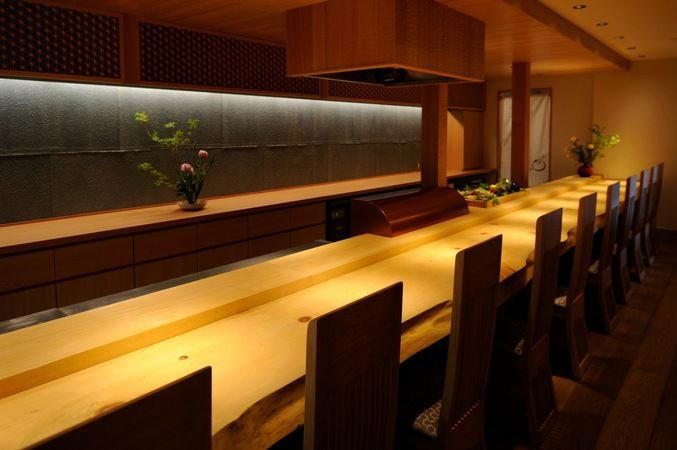
Bars in Kyoto
All bars in Kyoto →
Hotels in Kyoto
All hotels in Kyoto →
Wineries in Kyoto
Browse all →
Details
- Elegant
- Sophisticated
- Intimate
- Modern
- Classic
- Special Occasion
- Date Night
- Business Dinner
- Private Dining
- Historic Building
- Sake Program
- Garden
- Tasting Menu
- Counter Dining
Current opening hours
- Monday
- 11:30 AM–3 PM, 5:30–9 PM
- Tuesday
- 11:30 AM–3 PM, 5:30–9 PM
- Wednesday
- Closed
- Thursday
- 11:30 AM–3 PM, 5:30–9 PM
- Friday
- 11:30 AM–3 PM, 5:30–9 PM
- Saturday
- 11:30 AM–3 PM, 5:30–9 PM
- Sunday
- 11:30 AM–3 PM, 5:30–9 PM
Hours can change for holidays and private events. Hours as of .
Calm, quiet, and elegant with artistic decor inspired by Rinpa School, moss-marble patterns, and seasonal floral elements evoking refined Kyoto tradition.