On the corner of Gion's Suekiri-kiridoshi lane, Gyoza Hohei occupies one of Kyoto's most atmospheric pockets for a deceptively simple proposition: gyoza done with the seriousness that this city applies to everything edible. The address alone, 東山区清本町373-3, positions it inside the old-town grid where ingredient provenance and craft repetition carry more weight than menu variety.
Pearl is the En Primeur Club membership app — saves, bookings, and concierge access live there. Same editors, same standards.
- Address
- 東山区清本町373-3 (祇園末吉切通し角), 京都市, 京都府, 605-0084
 Saves & bookings on Pearl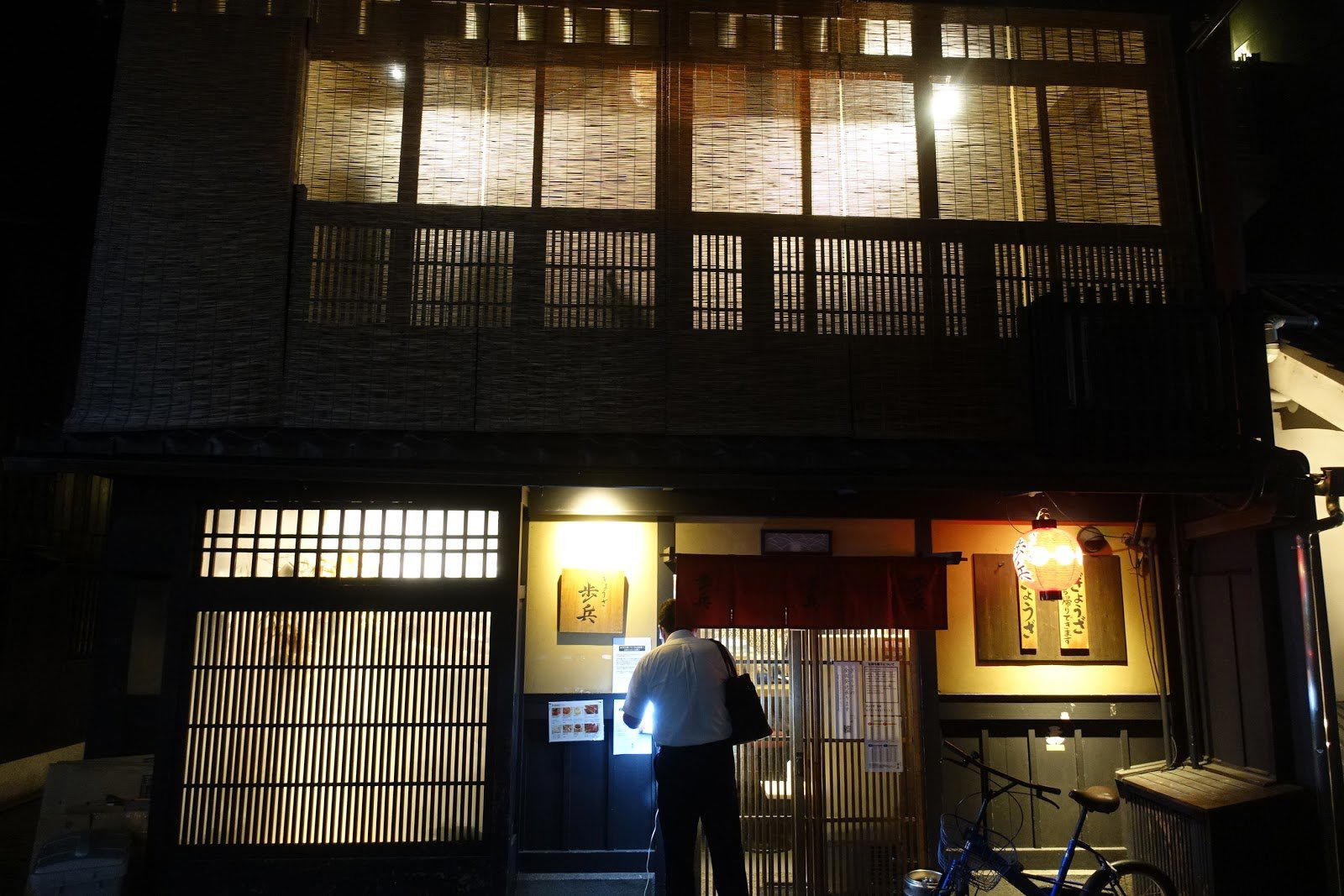
Where Gion's Back Lanes Meet a Single-Focus Kitchen
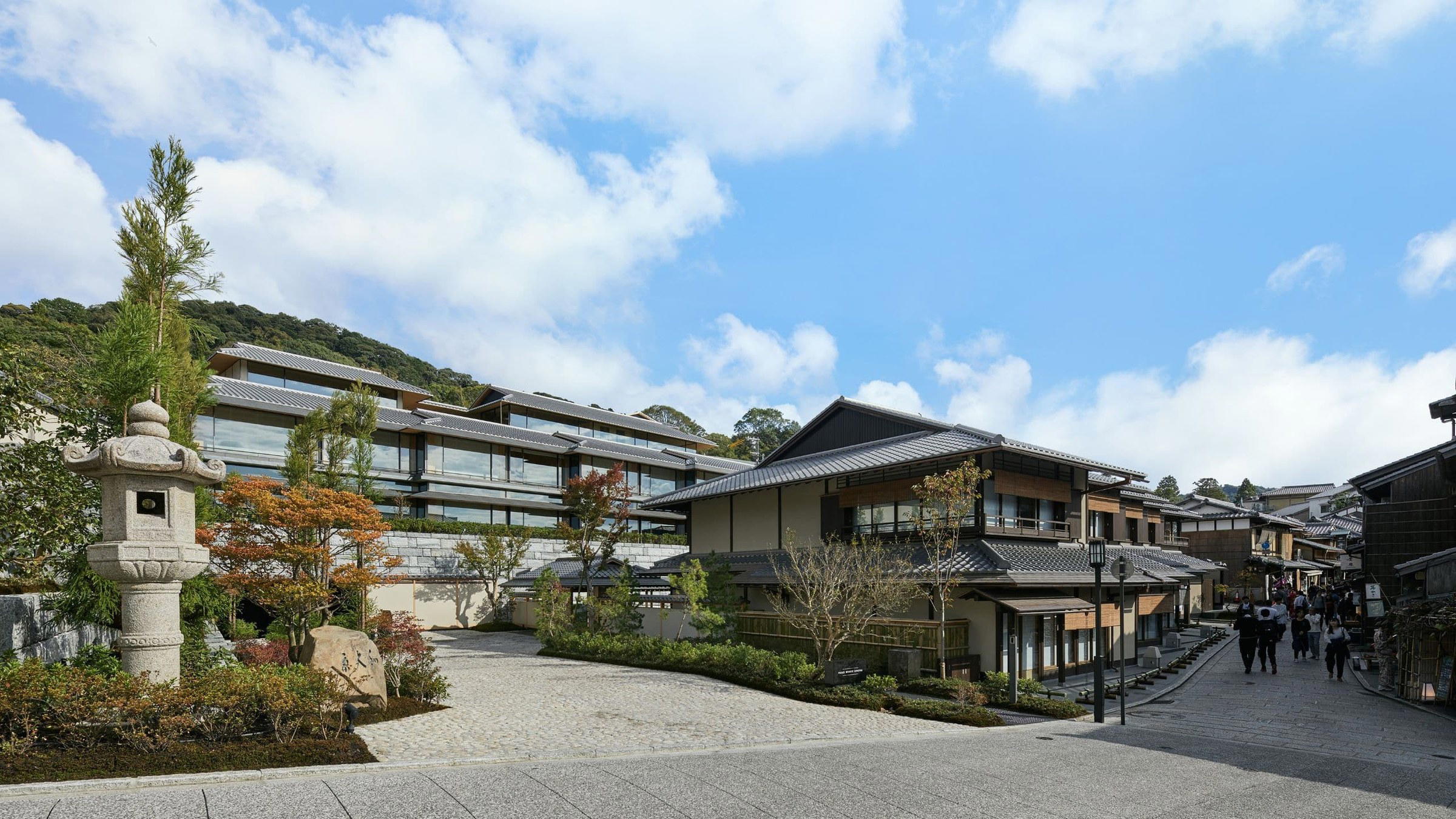
The stretch of Suekiri-kiridoshi that cuts through Higashiyama-ku is the kind of lane that Kyoto preserves almost as civic policy: stone-paved, narrow enough to make you step aside for a passing bicycle, and lined with facades that have changed little in thirty years. Gyoza Hohei sits at the corner of this passage and Sueyoshi-cho, at the address 東山区清本町373-3, in a district where the default mode of eating involves multi-course kaiseki sequences costing tens of thousands of yen. Gyoza Hohei does not operate in that register. It is a gyoza specialist, which in this neighbourhood is itself a kind of statement.
Kyoto's dining culture has always accommodated a vertical range, from the Kikunoi Honten and Hyotei tier of multi-Michelin kaiseki down to counter spots where a single dish, executed repeatedly, earns its own form of authority. Hohei operates in the latter category. In a city where sourcing philosophy travels up and down the price spectrum, a gyoza shop that takes ingredient provenance seriously is not an anomaly, it is a logical extension of how Kyoto cooks think, regardless of format.
The Case for Single-Focus Dining in Kyoto
Japan's broader restaurant culture has long rewarded the specialist. The ramen-ya, the yakitori counter, the tempura bar: each of these formats depends on repetition compressing skill into a narrow bandwidth. Gyoza operates inside the same logic. The wrapper, the filling, the pan temperature, the ratio of steam to fry time, in a focused kitchen, these variables are calibrated over thousands of repetitions rather than divided across a sprawling menu.
This matters more in Kyoto than in, say, Osaka, because Kyoto's cooking tradition is so explicitly tied to ingredient quality over technique spectacle. The city's kyo-yasai heritage, locally grown heirloom vegetables that include varieties of turnip, aubergine, and chrysanthemum greens defined by Kyoto's basin climate and alluvial soil, shapes how even casual-format kitchens think about what goes inside their food. A gyoza filling built around properly sourced pork and seasonal local vegetables tells a different story from a standard filling assembled from commodity inputs. The former is a Kyoto dish; the latter is a gyoza that happens to be served in Kyoto.
Hohei's position in Gion puts it within walking distance of the Nishiki Market corridor, where Kyoto's ingredient supply chain is most visible to visitors, and close to the produce networks that feed the city's higher-end kitchens. The address is not incidental. Operating in this neighbourhood creates both expectation and supply proximity that shapes what ends up in the pan.
Reading the Neighbourhood
Higashiyama-ku, the administrative district that contains Gion, operates as one of Japan's most intact historic urban environments. The density of shrines, machiya townhouses, and culinary institutions within a few hundred metres of Hohei's corner is significant. Gion Sasaki and Mizai represent the district's kaiseki apex. Isshisoden Nakamura carries institutional weight from centuries of operation. Against that backdrop, a gyoza counter draws a different crowd but participates in the same conversation about what Kyoto ingredients can become.
For visitors arriving from Osaka's more maximalist dining culture, where HAJIME represents one pole of the spectrum, or from Tokyo's precision-driven omakase scene where counters like Harutaka define expectation, Hohei operates as a register shift rather than a step down. The question it poses is whether simplicity, executed with conviction and good sourcing, holds its own against more elaborate formats. In Kyoto, the answer is generally yes.
The wider Kansai and Japan circuit rewards exactly this kind of lateral move: after intensive kaiseki or tasting-menu experiences, single-focus spots often produce the meals that stay sharpest in memory. The same logic that sends visitors to akordu in Nara for a different interpretive lens on regional produce, or to Goh in Fukuoka for Kyushu's distinct ingredient culture, applies here: geography and sourcing are the story, and the format is simply the delivery mechanism.
Ingredient Sourcing as Editorial Stance
The gyoza format is democratic in construction but not in execution. Mass-market gyoza relies on commodity filling and pre-made wrappers. The specialist version starts with flour milled to a specific texture, pork from traceable regional sources, and vegetables chosen for flavour rather than shelf life. Kyoto's kyo-yasai framework, which officially designates around forty vegetable varieties as protected regional products, gives a kitchen in this district access to filling components that are unavailable to gyoza shops in most other Japanese cities.
This sourcing differentiation is what separates Hohei's neighbourhood positioning from its peers in central Kyoto. The restaurants in the ¥¥¥¥ tier, including kaiseki houses visible from the same streets, draw on the same regional ingredient networks. The difference is price point and format, not necessarily ingredient quality at the source level. That compression of the supply chain across price tiers is a structural feature of Kyoto's food economy and one of the reasons a gyoza specialist in Gion can legitimately claim the same culinary seriousness as its more expensive neighbours.
For readers planning a Kyoto itinerary across multiple days and price points, Hohei fits logically between heavier, longer commitments. The regional context extends across Japan: ingredient-serious single-focus spots appear in various forms in Nanao, Sapporo, Takashima, and Nishikawa Machi, each drawing on its own regional supply chain. The format differs; the underlying sourcing logic is consistent.
Planning a Visit
Hohei's Gion location is accessible on foot from Shijo-Kawaramachi, roughly fifteen minutes through the Hanamikoji and side-lane grid. The Keihan Gion-Shijo station is the closest rail access point. The practical advice is to visit in person or inquire locally before building an itinerary around it. The neighbourhood has multiple alternatives within a short radius if timing does not align.
Visitors comparing casual-format Kyoto spots to international reference points, such as Le Bernardin in New York City for single-protein focus or Atomix for ingredient-driven Korean-Japanese dialogue, will find that Hohei operates closer to the neighbourhood institution end of the spectrum than the destination-restaurant end. That is not a limitation; it is the point. Some of the most instructive eating in Kyoto happens at exactly this register, where local ingredient logic runs without the frame of a tasting menu to explain it.
Other single-focus or counter-format options worth comparing in the wider region include Birdland in Sakai and Bistro Ange in Toyohashi, each of which illustrates how focused kitchens translate regional sourcing into a narrow but coherent proposition.
A Quick Peer Check
Comparable venues nearby, for context on price, style, and recognition.
| Venue | Cuisine | Price | Awards | Notes |
|---|---|---|---|---|
| Gyoza Hohei (ぎょうざ 歩兵)This venue — the venue you are viewing | Japanese Gyoza Specialist | $ | , | |
| Ramen Jiro Kyoto ten | Jiro-style ramen | $ | , | Sakyō |
| Hinode Udon | Kyoto-style Curry Udon & Udon Noodles | $ | , | Sakyō |
| Shinpachi Chaya | Kyoto gelato and matcha soft cream shop | $ | , | Ukyō |
| Nijo Wakasaya Teramachi ten | Traditional Kyoto wagashi & kakigori cafe | $ | , | Nakagyō |
| Henkotsu | Traditional Kyoto Izakaya & Oden | $ | , | Shimogyō |


At a Glance
- Cozy
- Lively
- Hidden Gem
- Casual Hangout
- Late Night
- Open Kitchen
- Sake Program
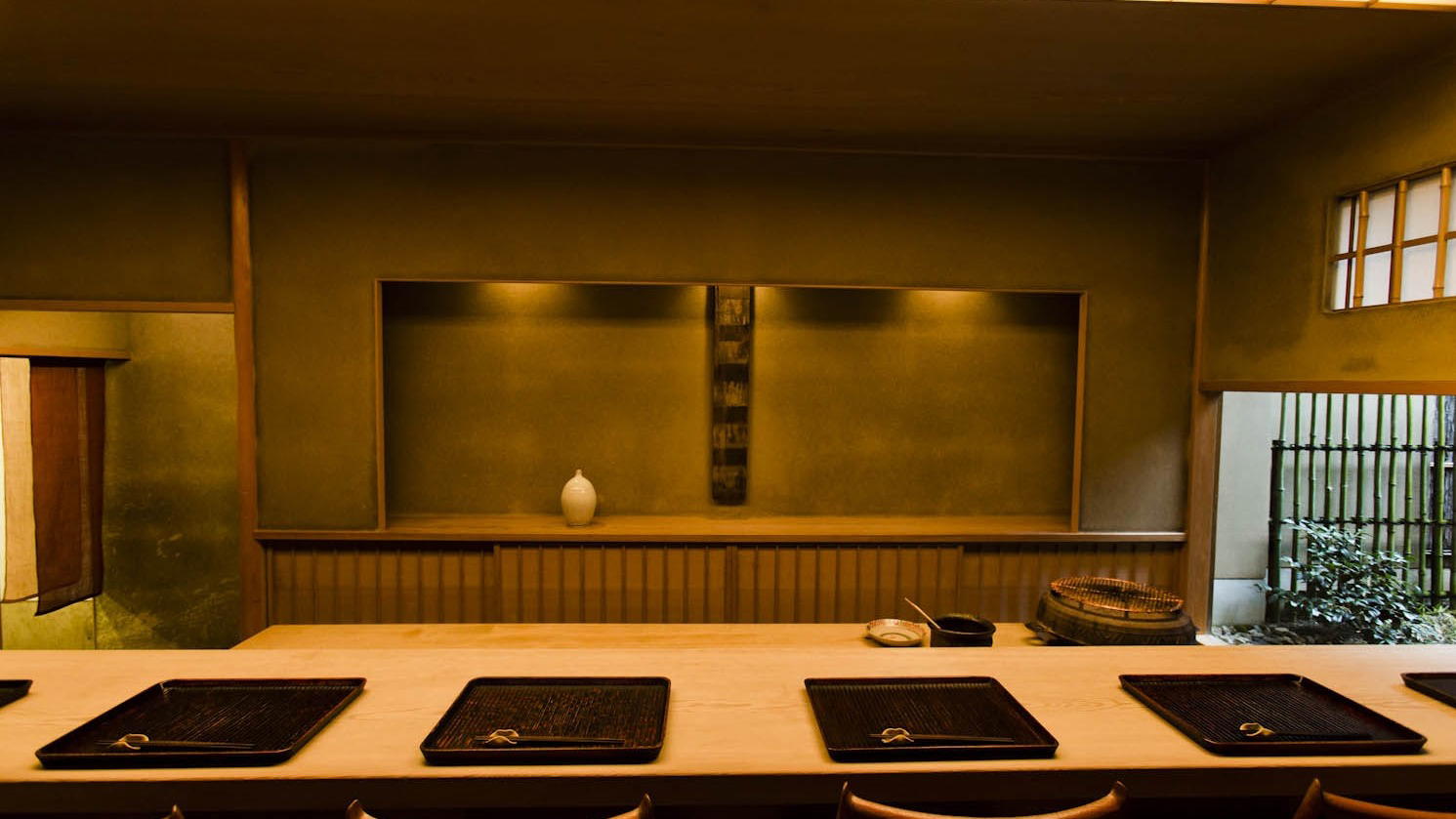
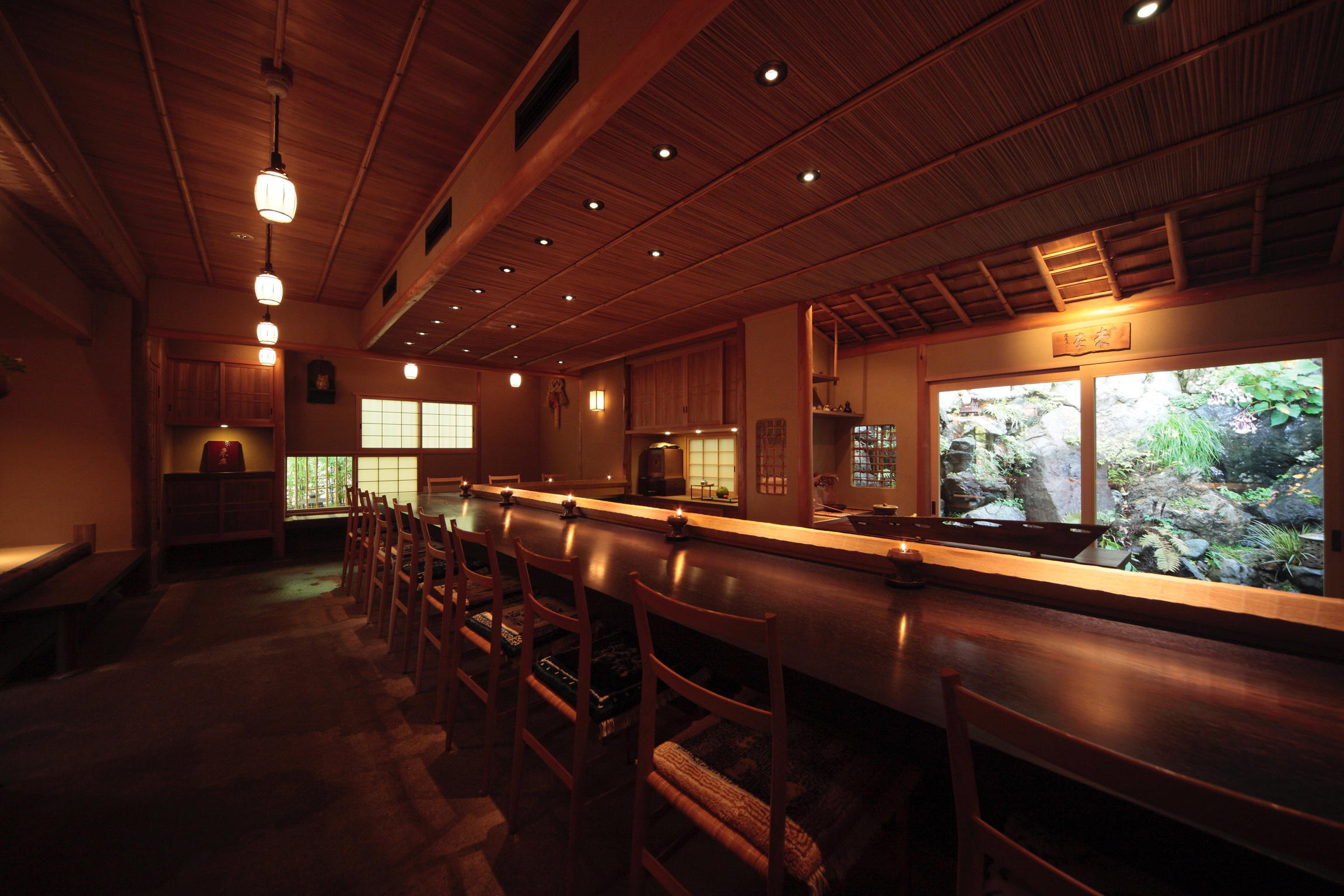
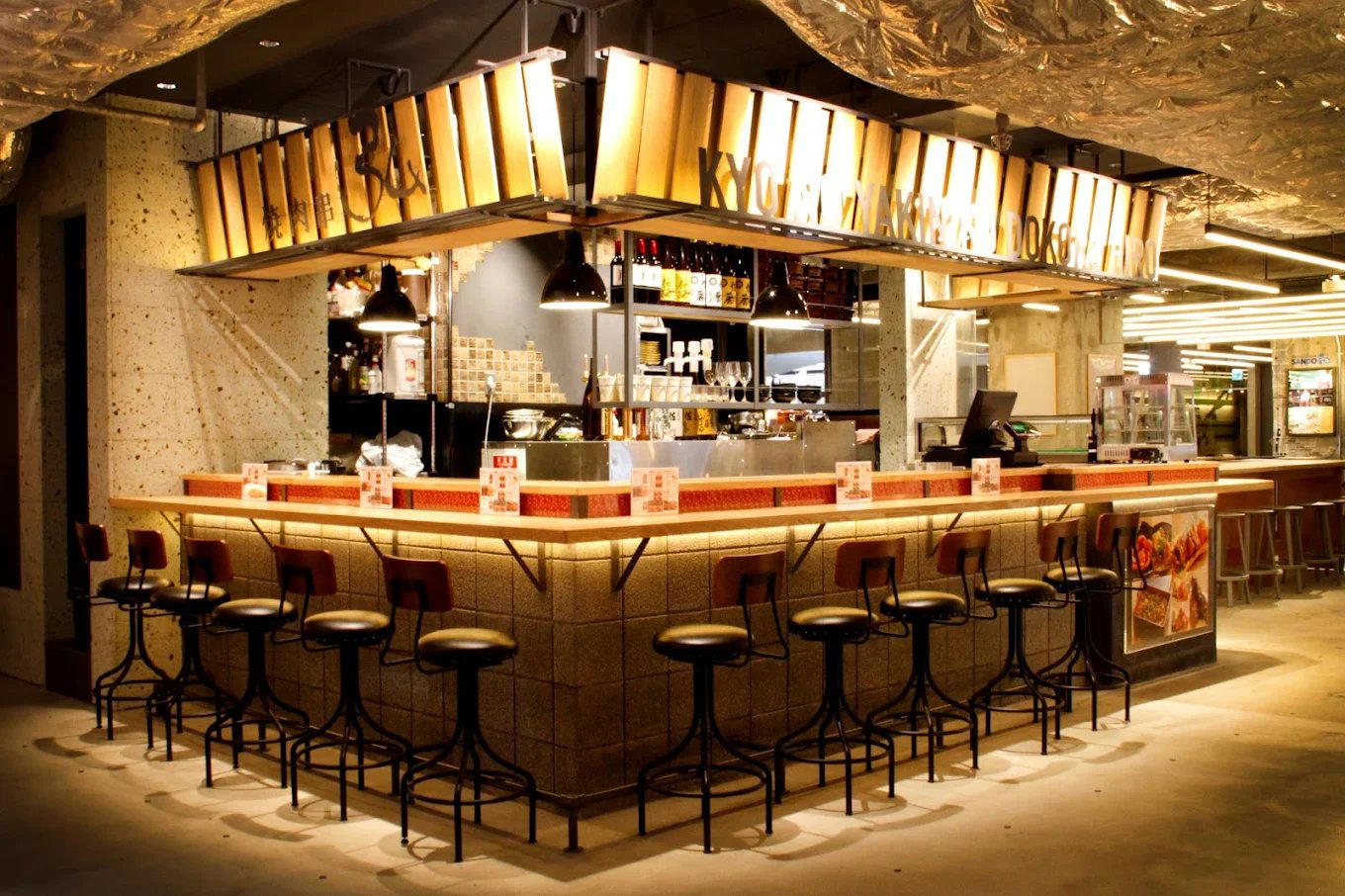
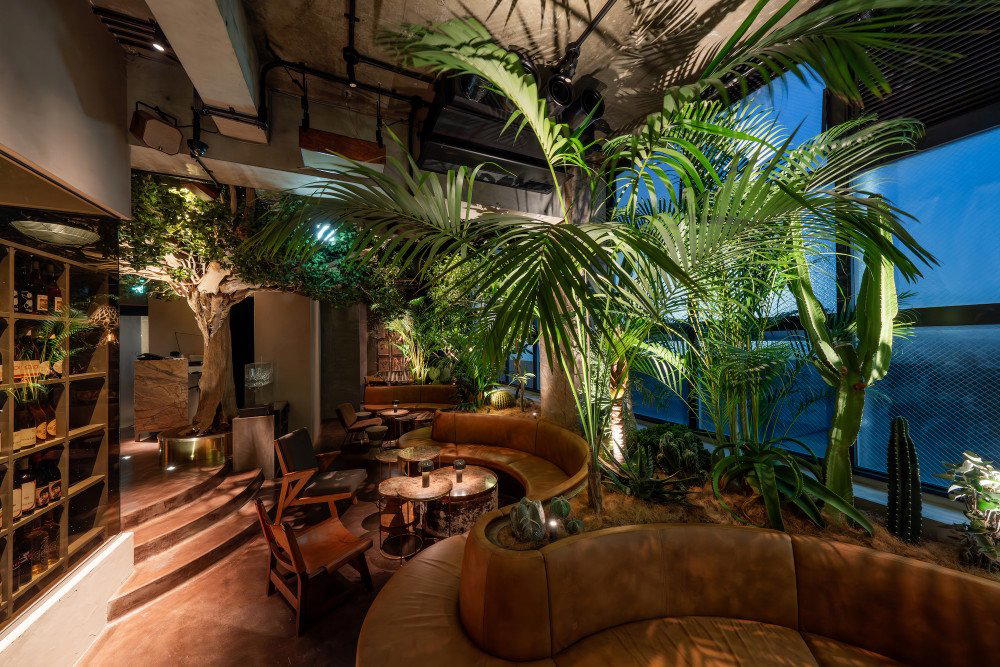
Casual counter seating around the open cooking area with a lively, fun atmosphere from sizzling gyoza preparation.