
A Kyoto sweets cafe in the Teramachi-Nijo area, Nijo Wakasaya Teramachi ten belongs to the city’s serious wagashi circuit rather than its dessert-as-photo-op lane. Tabelog selected it for the Japanese traditional sweets / Japanese sweets cafe WEST 100 in 2023, with earlier Sweets WEST 100 selections in 2019, 2020, and 2022.
Pearl is the En Primeur Club membership app — saves, bookings, and concierge access live there. Same editors, same standards.
- Address
- Japan, 〒604-0931 Kyoto, Nakagyo Ward, Enokicho, 67
- Phone
- +81 75-256-2280
- Website
- kyogashi.info
 Saves & bookings on Pearl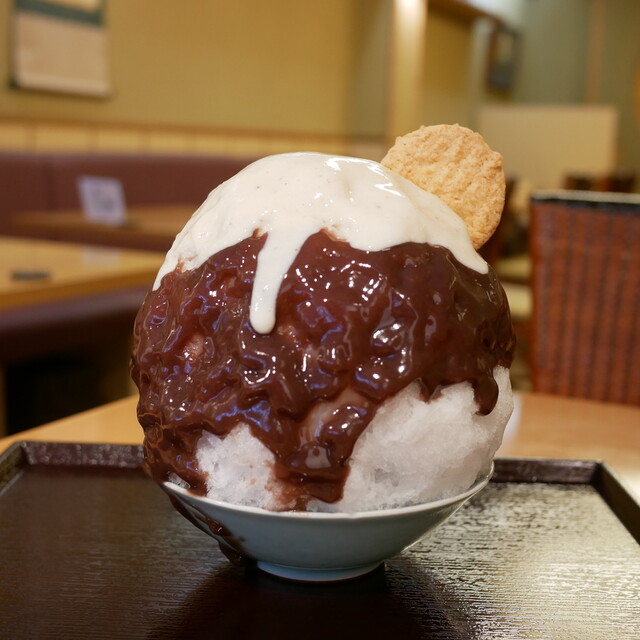
Teramachi around Nijo is quieter than the temple approaches and market corridors that first pull Kyoto visitors into the city’s snack economy. Its rhythm suits wagashi: small storefronts, measured service, and customers treating sweets as part of the day, not a finale. Nijo Wakasaya Teramachi ten fits this compact, reputation-sensitive world of Kyoto Japanese sweets cafes, where recognition comes less from spectacle than seasonal consistency, multiple formats, and local repeat use.
Kyoto confectionery culture is often flattened into souvenir boxes and matcha clichés. More precisely, wagashi here sits between tea practice, gift-giving, seasonal display, and the modern cafe habit of sitting for kakigori or anmitsu rather than carrying sweets away. That overlap makes the category unusually competitive: a shop must work for tourists without surrendering its local grammar. Selection for Tabelog’s Japanese traditional sweets / Japanese sweets cafe WEST 100 in 2023 places this address in western Japan’s competitive frame; earlier Sweets WEST 100 selections in 2019, 2020, and 2022 give the reputation a longer arc than a single-year mention.
A wagashi cafe judged by repetition, not theatre
The serious end of Kyoto sweets is not built like the city’s counter sushi or kaiseki hierarchy. There is usually no long chef narrative, course-by-course performance, or cellar conversation to inflate the occasion. The evidence is quieter: category fit, table turnover, price discipline, and whether the room can serve both a planned pause and an everyday stop. The listed categories, Japanese traditional sweets, Japanese sweets cafe, and kakigori, put the address in a hybrid Kyoto lane: formal enough for wagashi tradition, casual enough for an afternoon cafe.
That hybrid position is the useful distinction. A visitor comparing Kyoto sweets addresses will find different credibilities. Murakami Kaishindo occupies the older baked-sweets and gift-culture conversation, while Aburi Mochi Honke Nemoto Kazariya belongs to the ritualised shrine-side mochi tradition. Nijo Wakasaya Teramachi ten sits in the sit-down cafe bracket, closer to Kyoto’s habit of turning sweets into a pause between errands, museums, and shopping streets. For a broader read across the city’s dining range, Our full Kyoto restaurants guide is the better map; for nearby contrast, Aburi Mochi Honke Nemoto Kazariya shows how old Kyoto sweets can be tied to one preparation and place.
The awards history clarifies the ambition. Tabelog’s Hyakumeiten lists are not Michelin-style star systems; they read more like category shortlists shaped by sustained user reputation and genre strength. In wagashi, that matters because tea sweets, shaved ice, cafe desserts, takeout gifts, and neighbourhood confectioners all compete for attention. Repeated presence across sweets lists suggests a shop beyond novelty and in a recognised regional tier.
Teramachi-Nijo is the right setting for a restrained sweets stop
The location’s appeal is not postcard Kyoto. Teramachi-dori north of the busier shopping arcades feels civic and lived-in, close to central movement but removed from the heaviest temple-day crush. That geography shapes use: a mid-afternoon reset, short stop before dinner, or low-ceremony break with children, rather than a destination meal consuming the day.
Format supports that reading. There are 23 table seats; take-out is part of the service model; private rooms are not offered; the room is non-smoking. Reservations are unavailable, placing the experience on the democratic side of Kyoto sweets culture: timing matters more than access. Average spend is JPY 1,000 to JPY 1,999, keeping the cafe repeatable even for travellers using it as one stop in a dense food day.
That price point matters. Kyoto can punish casual snacking with queues and inflated expectations, especially around photogenic dessert formats. A recognised wagashi cafe at this spend is useful middle ground: more culturally specific than generic coffee and cake, less formal than a tea ceremony, and easy to fit around ramen, izakaya, or a reservation-led dinner. Nearby and citywide contrasts help define the choice: 3TOKU6MI Shijo karasuma ten and [ki:] point to other casual Kyoto formats, while Abbesses shows how international cooking sits inside the same city dining map.
How to place it in a Kyoto food day
The strongest use case is tactical: a sweets stop when the day needs structure without another full meal. Kyoto rewards this pacing. Morning temple routes, museum visits, and shopping corridors can blur into one long walk; a wagashi cafe gives the itinerary a local punctuation mark. Because the genre is broadly tied to seasonality through ingredients, presentation, and chilled summer formats such as kakigori, it reflects the calendar without requiring a formal tasting menu.
Families have a practical advantage. Children are welcomed, including babies, preschoolers, and school-age children, and strollers are accepted. That makes the cafe more flexible than many small Kyoto counters for travellers balancing adult food priorities with short attention spans. Payment is modern by Japanese small-shop standards: credit cards, transport IC cards, and QR code payments are accepted, so the stop does not require cash-only planning.
For a Kyoto itinerary, treat this as part of a broader city file, not a standalone pilgrimage. Pair sweets here with a casual savoury stop such as 551蓬莱, or use it as the light daytime counterweight before a more expensive evening. Travellers building a wider Japan eating route can compare category shifts through.cafe in Osaka,. 鮪と炭火焼き うお炭 秋葉原店 in Tokyo,.know in Kumamoto, (Shoku) Vietnam in Kawasaki, [Curry Senmon Ten] Maruyama Kyoju. in Sapporo, -Grilled beef Sukiyaki- KAMAKURA TANUKIAN 鎌倉 たぬき庵 in Kamakura, Jōdo Saké Bar in Los Angeles, and Onigiri Time in Pasadena. For non-restaurant planning around the same trip, use Our full Kyoto hotels guide, Our full Kyoto bars guide, Our full Kyoto wineries guide, and Our full Kyoto experiences guide.
Cost and Credentials
Side-by-side context: comparable cuisine and price.
| Venue | Cuisine | Price | Awards | Notes |
|---|---|---|---|---|
| Nijo Wakasaya Teramachi tenThis venue — the venue you are viewing | $ | , | ||
| Aburi Mochi Honke Nemoto Kazariya | $ | , | Kita, Traditional Kyoto Japanese sweets (Aburi Mochi) | |
| Maruki Sei Pan Sho | $ | , | Shimogyō, Classic Kyoto bakery & sandwich shop | |
| Honke Daiichi Asahi Honten | Shimogyō, Classic Kyoto ramen shop | $ | , | |
| Seikou Udoku | Uji, Japanese Mazesoba | $ | , | |
| Miyoshiya | Higashiyama, Japanese Traditional Sweets | $ | , |
Continue exploring
More in Kyoto
Restaurants in Kyoto
Browse all →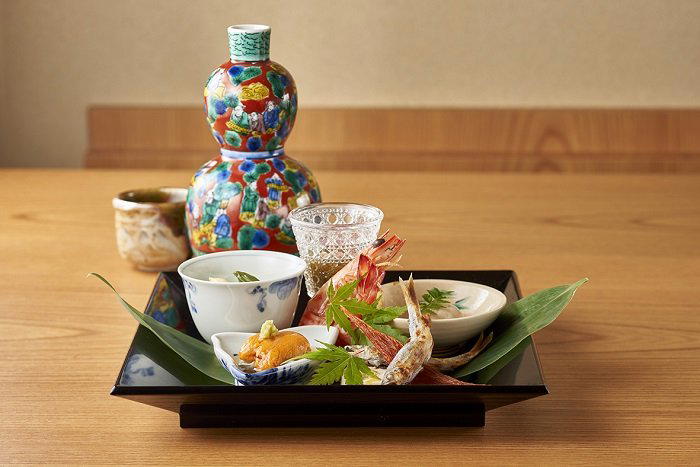

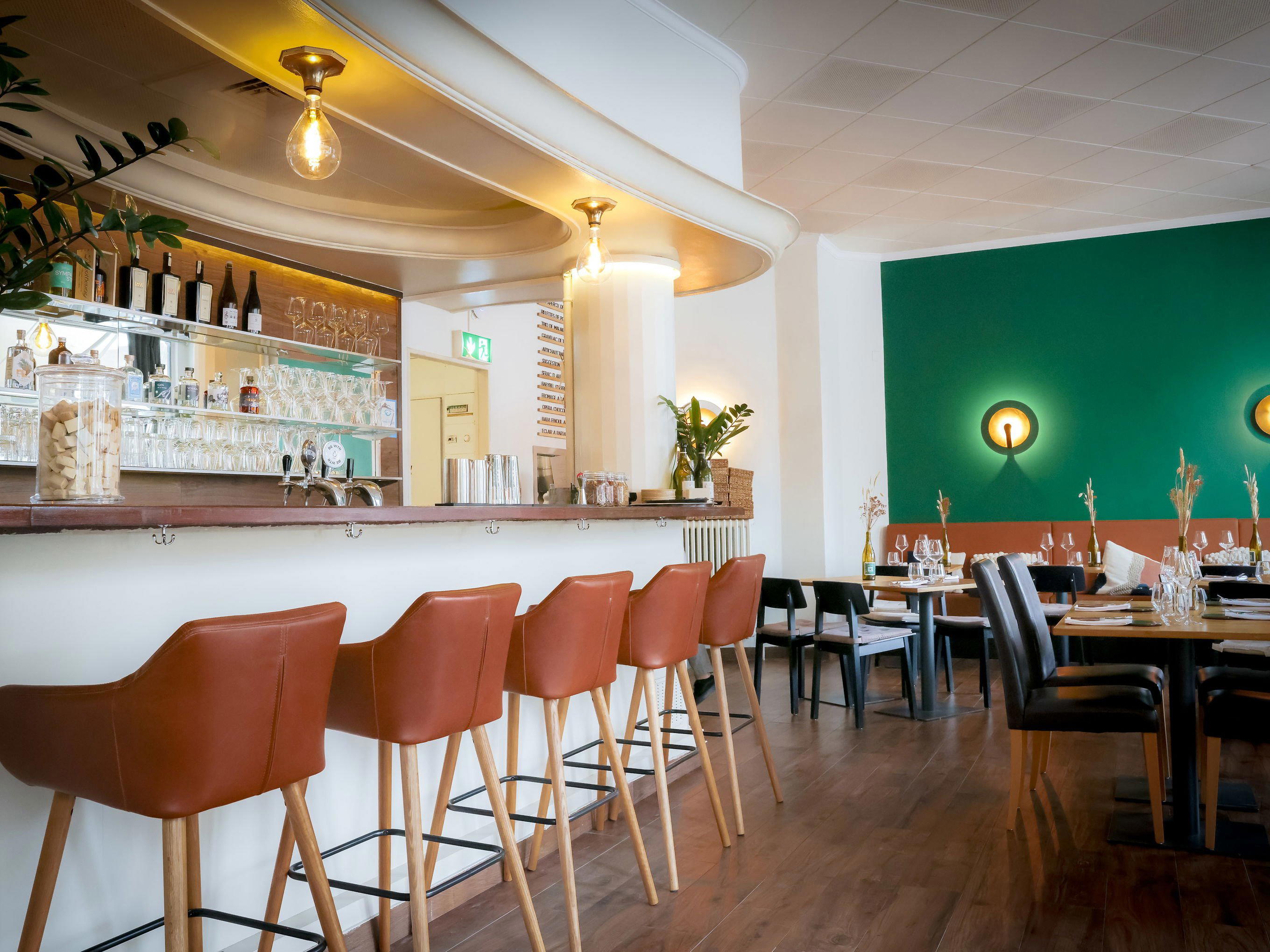
Bars in Kyoto
Browse all →
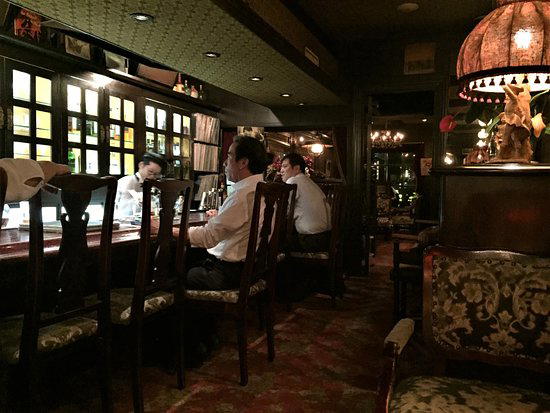
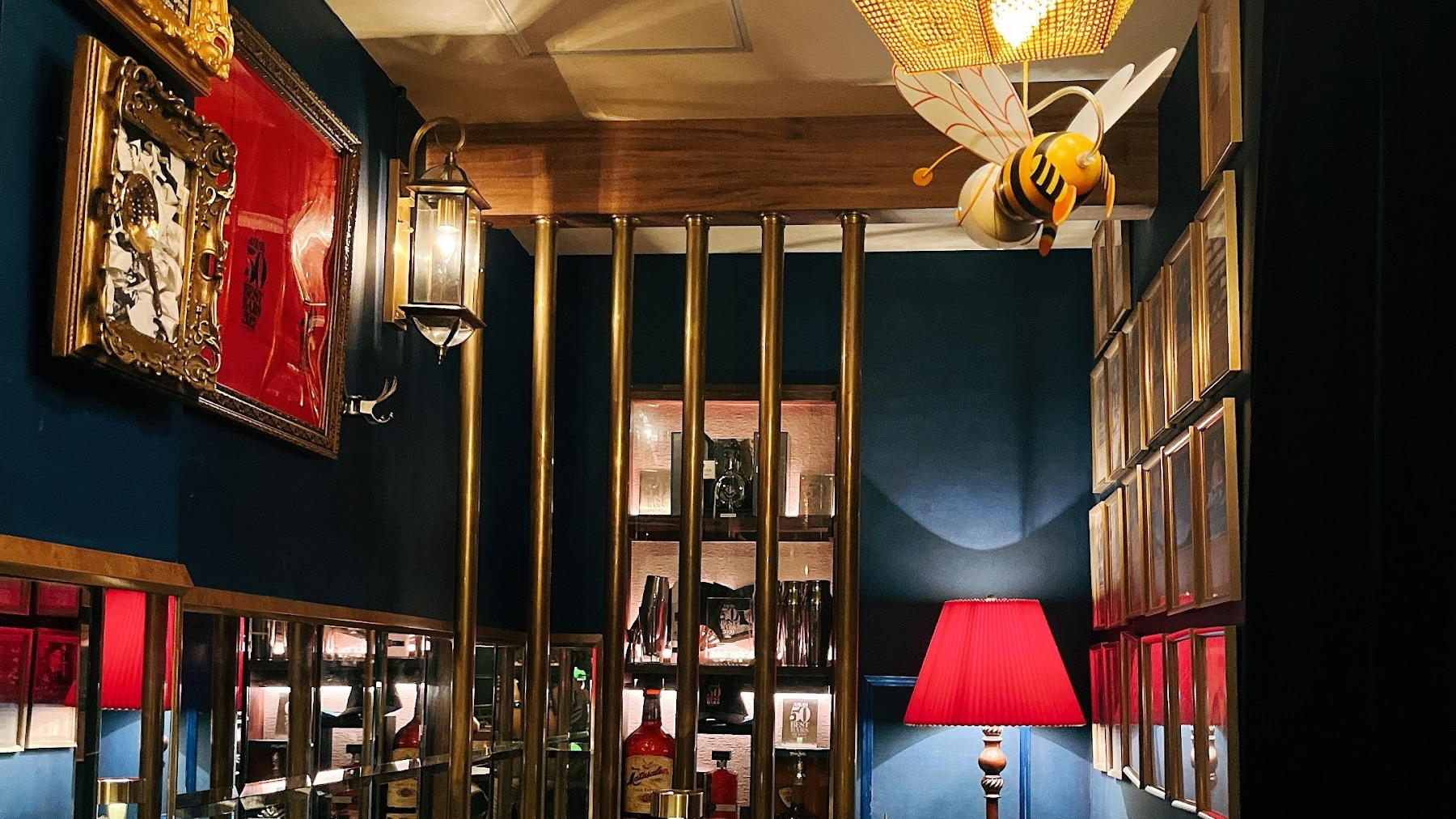
Hotels in Kyoto
Browse all →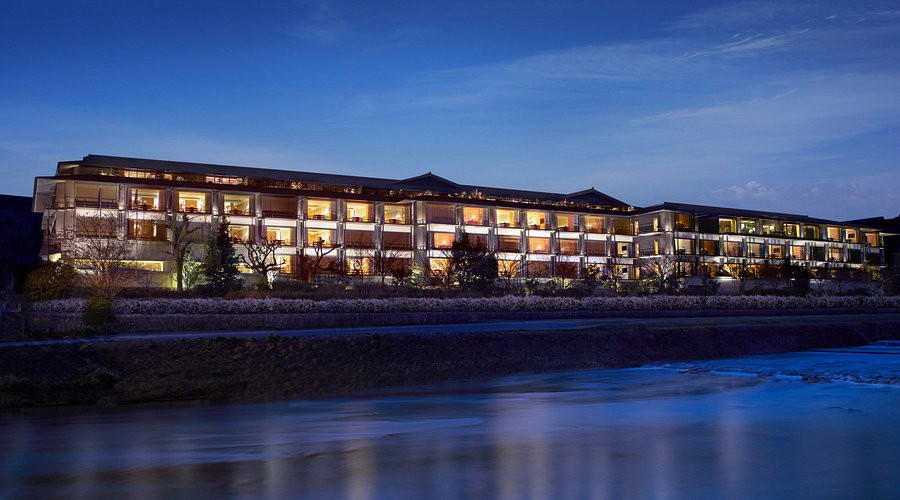
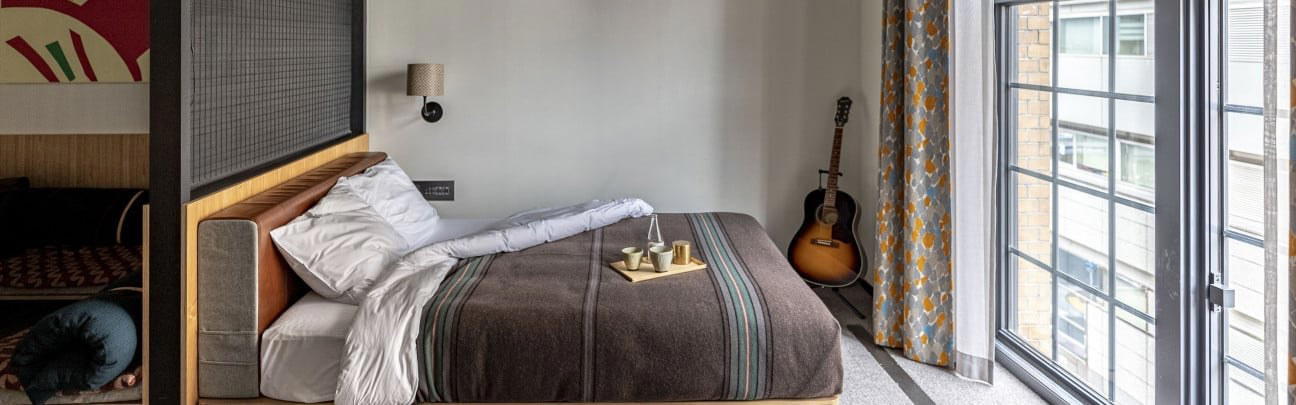
Wineries in Kyoto
Browse all →
At a Glance
- Classic
- Cozy
- Quiet
- Whimsical
- Hidden Gem
- Solo
- Family
- Casual Hangout
- After Work
- Historic Building
- Standalone
- Design Destination
- Local Sourcing
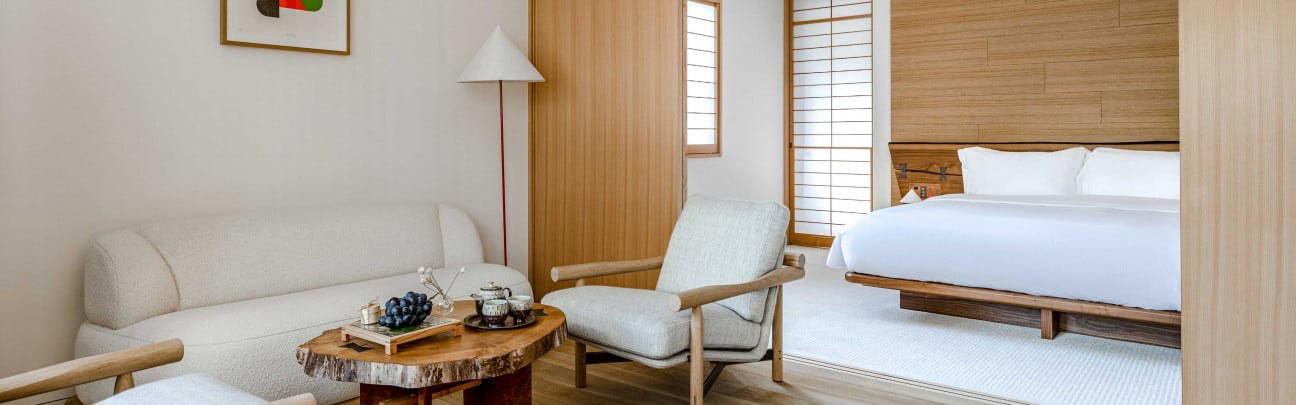
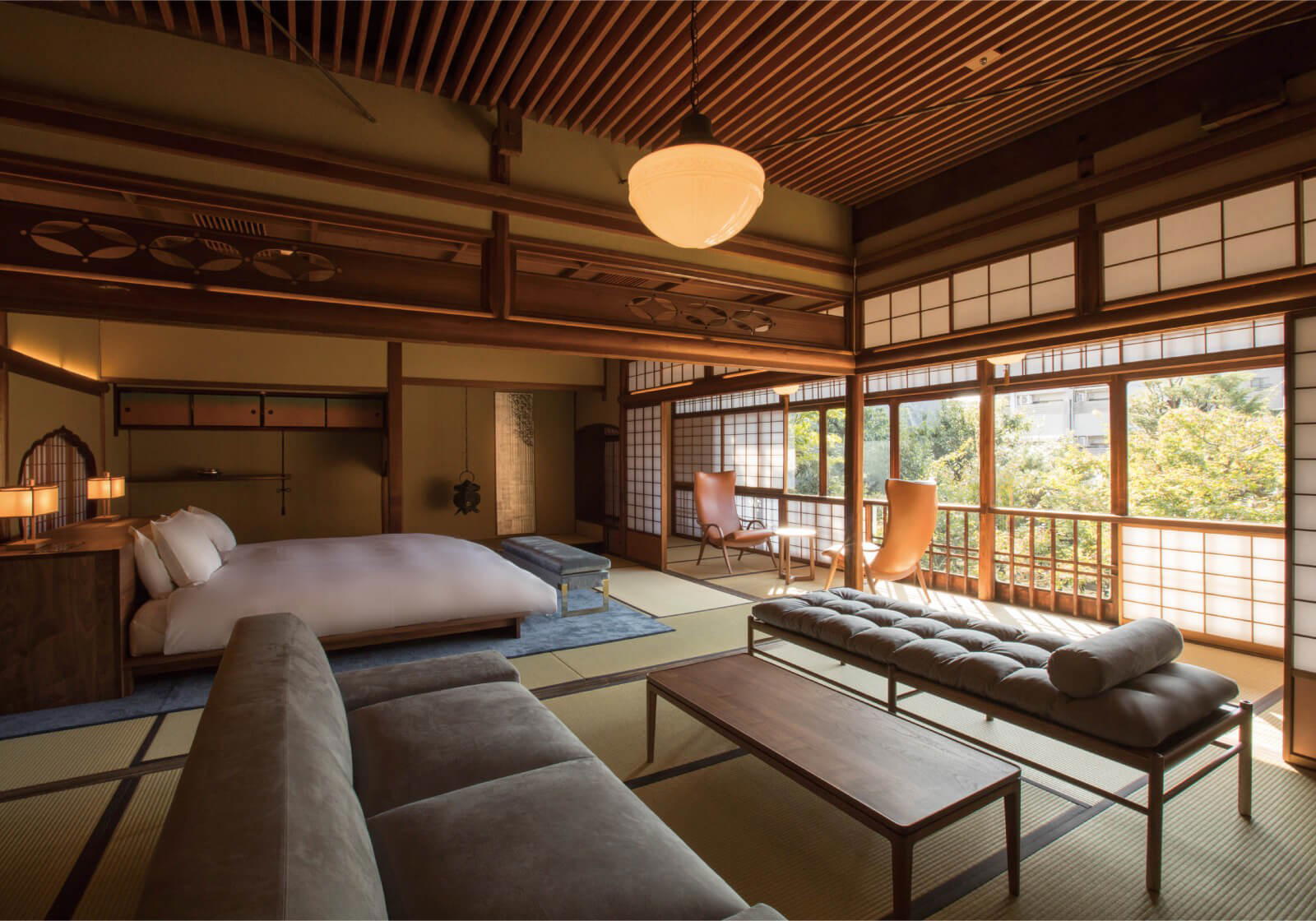
Traditional Kyoto confectionery atmosphere with a compact, calm tearoom above the shop; simple wooden interiors, bright daylight, and a relaxed, unhurried feel suited to quietly enjoying tea and Japanese sweets rather than a bustling café scene.[1][7][13][14]