
Henkotsu sits in Kyoto’s izakaya tradition rather than its kaiseki mythology: counter seating, beef dishes, oden, sake and shochu, and a Tabelog 100 Izakaya WEST selection in 2024 and 2025. The appeal is the city’s after-work register, where local ingredients meet tavern technique without the ceremony attached to Kyoto dining.
Pearl is the En Primeur Club membership app — saves, bookings, and concierge access live there. Same editors, same standards.
- Address
- Japan, 〒600-8216 Kyoto, Shimogyo Ward, Higashishiokojicho, 579
- Phone
- +817017340088
- Website
- aquadina.com
 Saves & bookings on Pearl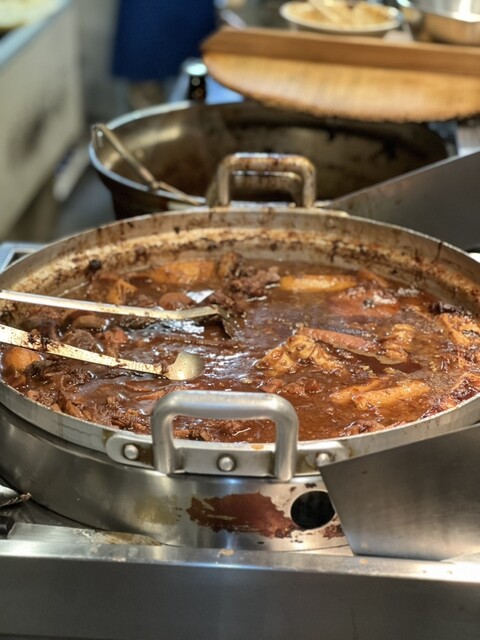
At night, Kyoto Station’s backstreets change the city’s register. The temple-and-tea-house Kyoto gives way to narrow ground-floor rooms, counter seats, short orders, steam, smoke control notices, and drink lists for people already done with work. Visitors often pass this Kyoto too quickly on the way to a ryokan dinner or train platform. Henkotsu belongs to that less ceremonial city: an izakaya centered on beef dishes, oden, sake, shochu, and the compact social logic of counter dining.
That matters because Kyoto’s food reputation is often flattened into refinement. Kaiseki, wagashi, tofu, matcha, and seasonal temple-adjacent cooking dominate the outside image, but tavern culture tells another story. Izakaya cooking absorbs many techniques: simmering, grilling, stewing, portioning for drink, and serving dishes in a rhythm suited to conversation rather than a tasting-menu arc. Here, local habits matter more than decorative regional branding. The room, format, and drinks define the meal as much as any plate.
Kyoto izakaya cooking, stripped of ceremony
The useful way to read this genre is not as casual dining below a formal hierarchy. Izakaya cooking is its own discipline, with a different contract between kitchen and guest. Oden rewards patience and seasoning control; beef dishes bring richer, more direct flavours into a city often associated with restraint; sake and shochu place the table inside Japan’s drinking culture rather than a wine-pairing script. Henkotsu’s Tabelog 100 Izakaya WEST selections in 2024 and 2025 give the room a measurable signal inside that category, not a borrowed fine-dining halo.
The local-ingredients, global-technique angle in Kyoto is often misunderstood. Imported methods do not always arrive as visible theatre; they appear in pacing, heat management, and how tavern dishes are arranged for modern urban eating. Beef, once marginal to older Kyoto Buddhist-influenced food traditions, now sits comfortably beside oden and nihonshu in station-area izakaya culture. That mix says more about contemporary Kyoto than another polished seasonal menu: the city protects tradition, but it also feeds commuters, office workers, and travellers who want a direct meal after dark.
Compared with Kyoto Station’s broader dining field, the restaurant sits in a tighter, more local lane. Saikyo Yaki Kyoto Yamaroku occupies a fish-and-miso comfort register, OGAWA COFFEE Kyoto eki ten answers daytime coffee demand, Morita Ya JR kyoto isetan ten works in a higher-priced sukiyaki and meat-dining bracket, and Mangetsu JR kyoto isetan ten sits closer to quick station eating. Henkotsu solves a different problem through izakaya grammar: drink, counter, simmered and beef-led dishes, and an evening tempo.
Why the counter matters in this part of the city
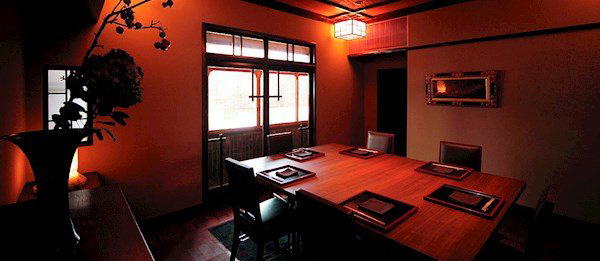
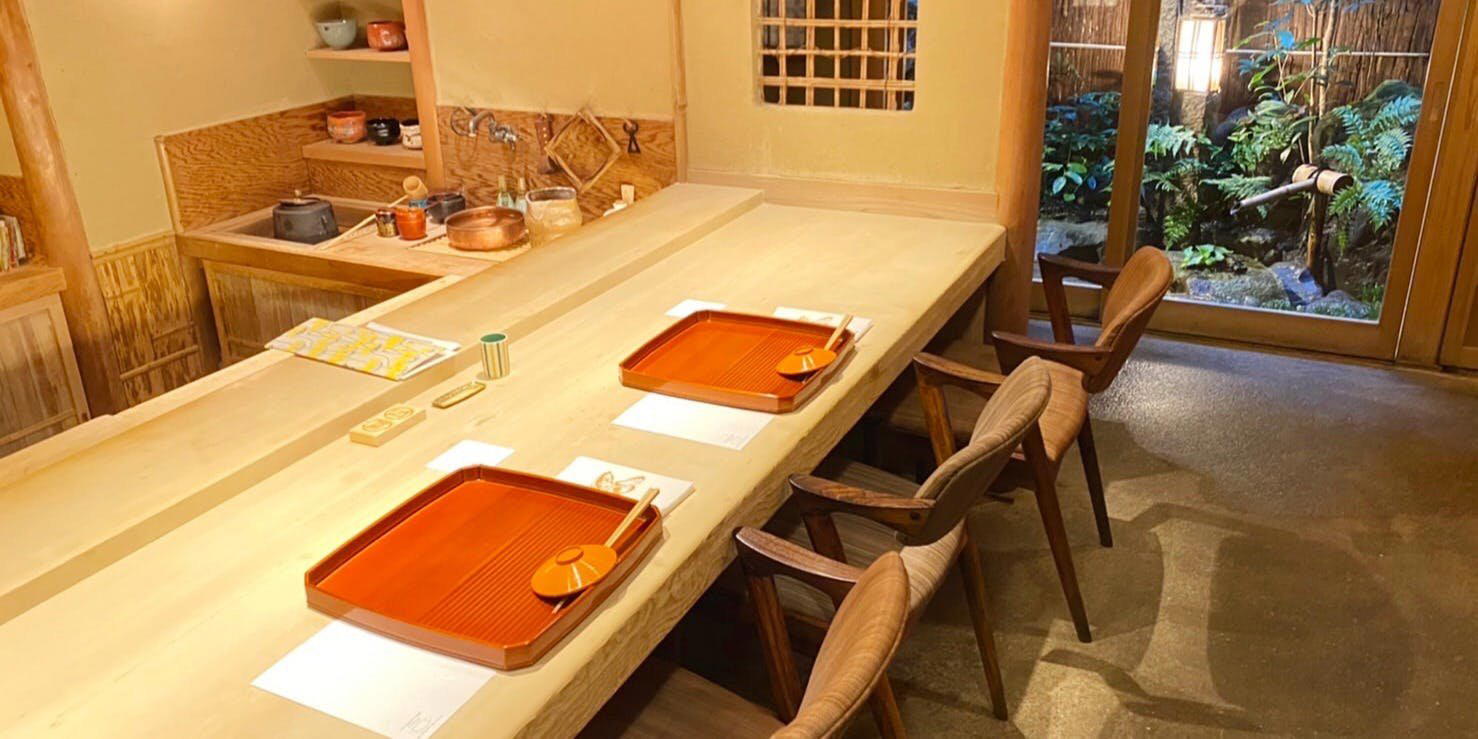
Counter seating changes how a Kyoto meal behaves. It compresses the room, shortens the distance between cooking and eating, and removes the insulation that can make formal restaurants feel staged. In an izakaya, proximity is not a luxury cue; it is the operating system. The format suits oden because simmered food benefits from immediacy, and it suits beef dishes because heat and timing carry much of the pleasure. It also makes solo dining and small groups feel natural, useful in a city where many serious restaurants are easier with advance planning and a full table.
The Kyoto Station area adds another layer. Around the station, restaurants serve several publics at once: residents heading home, domestic travellers moving through Kansai, hotel guests, and international visitors whose Kyoto itinerary may be overplanned by day and underplanned by night. A station-adjacent izakaya with category recognition gives that audience different intelligence. It is not for performative Kyoto elegance; it shows how the city eats when the tourist frame drops away.
Drink culture reinforces that point. Sake and shochu are expected anchors, while bottled beer choices keep the format plain rather than cocktail-led. That simplicity is not a lack of ambition. In tavern dining, restraint in the drinks program sharpens the food’s role: salty, simmered, grilled, and beef-rich dishes make sense beside clear, familiar alcohol categories. The result is less pairing language than duration, pacing, and appetite.
How to place it in a Kyoto itinerary
For serious Kyoto food itineraries, this corrects over-indexing on temples, set courses, and hotel dining rooms. Use it as an evening counterpoint to higher-ceremony meals, especially after a day structured around cultural appointments. The point is not to replace Kyoto’s formal traditions; it is to keep the trip honest. A city is not only preserved rituals. It is also taverns where technique is compressed into small dishes and the meal makes sense with beer, sake, or shochu rather than a sommelier’s arc.
Readers comparing Kyoto options can widen the map through Our full Kyoto restaurants guide, with nearby and adjacent dining references including 3TOKU6MI Shijo karasuma ten, 551蓬莱, [ki:], Abbesses, and Aburi Mochi Honke Nemoto Kazariya. For the rest of the trip, keep the city in balance with Our full Kyoto hotels guide, Our full Kyoto bars guide, Our full Kyoto wineries guide, and Our full Kyoto experiences guide.
The broader Japanese dining map also helps calibrate the category. Beef-led meals appear in different forms at -Grilled beef Sukiyaki- KAMAKURA TANUKIAN 鎌倉 たぬき庵 in Kamakura, while casual Japanese formats shift in tone at. 鮪と炭火焼き うお炭 秋葉原店 in Tokyo,.cafe in Osaka,.know in Kumamoto, (Shoku) Vietnam in Kawasaki, and [Curry Senmon Ten] Maruyama Kyoju. in Sapporo. Abroad, Japanese drinking and comfort-food traditions travel differently at Jōdo Saké Bar in Los Angeles and Onigiri Time in Pasadena.
Henkotsu is strongest as a reading of Kyoto’s tavern culture: recognized within the izakaya category, grounded in counter service, and built around dishes that make sense with sake, shochu, and bottled beer. For a traveller who has already scheduled refined Kyoto, this is the useful contrast: less ceremony, more urban appetite, and a clearer view of how the city eats after dark.
Budget and Context
Comparable venues by cuisine and price in the same metro.
| Venue | Price | Awards | Notes |
|---|---|---|---|
| HenkotsuThis venue — the venue you are viewing | $ | , | |
| Kameya Yoshinaga | $ | , | Nakagyō, Traditional Kyoto Wagashi (Japanese Sweets) |
| Hinode Udon | $ | , | Sakyō, Kyoto-style Curry Udon & Udon Noodles |
| Mitama Ya | $ | , | Sakyō, Traditional Japanese confectionery (wagashi) |
| Keihan Uji Ekimae Surugaya | $ | , | Uji, Japanese Sweets / Matcha Confectionery |
| Rokuyosha Chika ten | $ | , | Nakagyō, Traditional Kyoto kissaten & coffee bar |
Continue exploring
More in Kyoto
Restaurants in Kyoto
Browse all →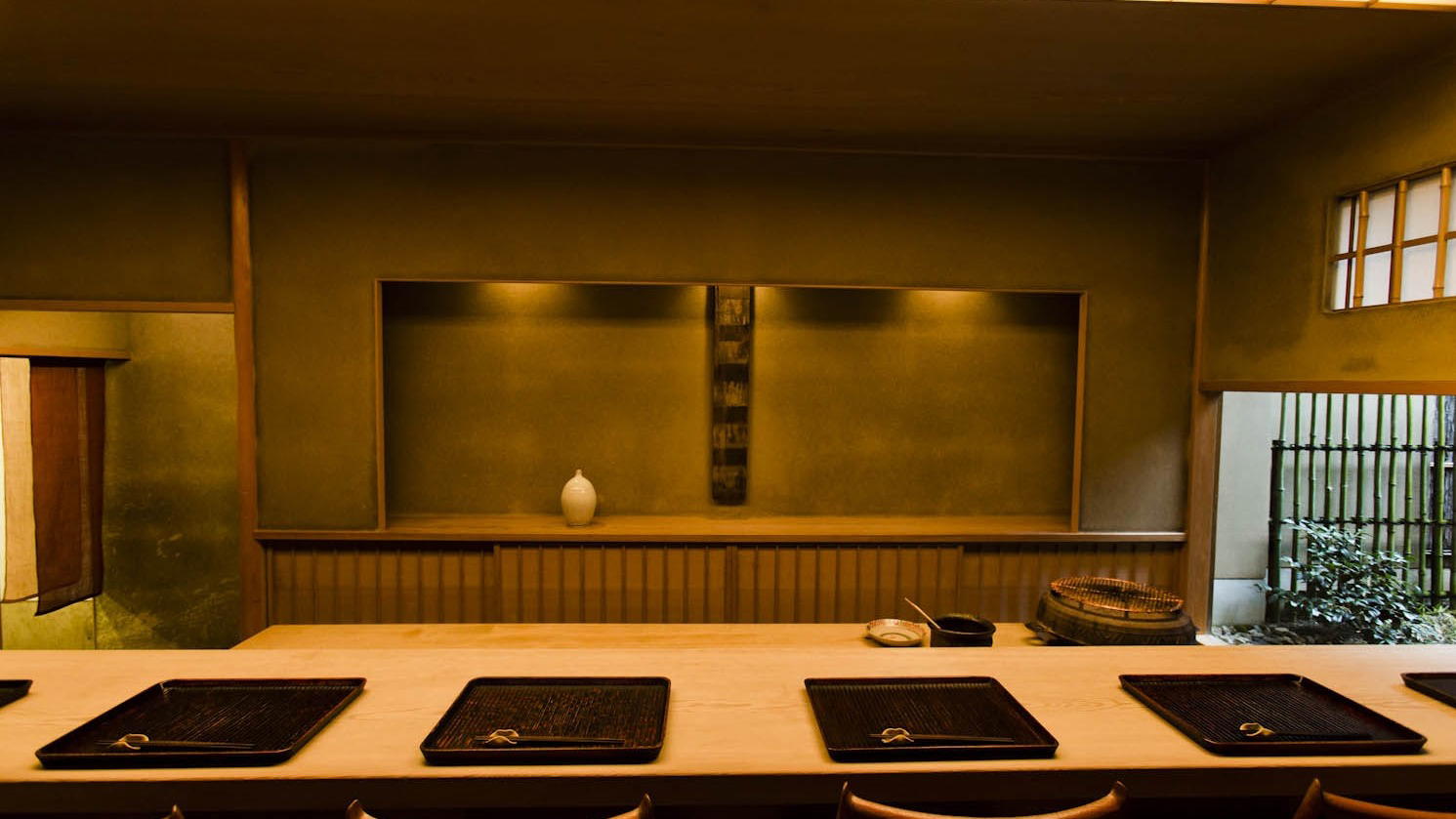
Bars in Kyoto
Browse all →

Hotels in Kyoto
Browse all →
Wineries in Kyoto
Browse all →
At a Glance
- Lively
- Cozy
- Intimate
- Classic
- Hidden Gem
- After Work
- Casual Hangout
- Solo
- Standalone
- Sake Program
- Beer Program
A cramped, old-school Kyoto izakaya with a counter lined by a large simmering pot of red-miso oden, energetic turnover, and a casual, no-frills atmosphere suited to a quick drink and bite after work.