Guang Dong Lu sits in the heart of Huangpu, one of Shanghai's most historically layered districts, where the city's appetite for Cantonese and regional Chinese cooking runs deepest. The address places it inside a neighbourhood that has shaped how Shanghai eats for well over a century, making it a useful reference point for understanding the broader tradition of formal Chinese dining in the city.
Pearl is the En Primeur Club membership app — saves, bookings, and concierge access live there. Same editors, same standards.
- Address
- Huangpu, Shanghai, China
- Directions
- Get directions
 Saves & bookings on Pearl
Huangpu and the Grammar of Chinese Dining in Shanghai
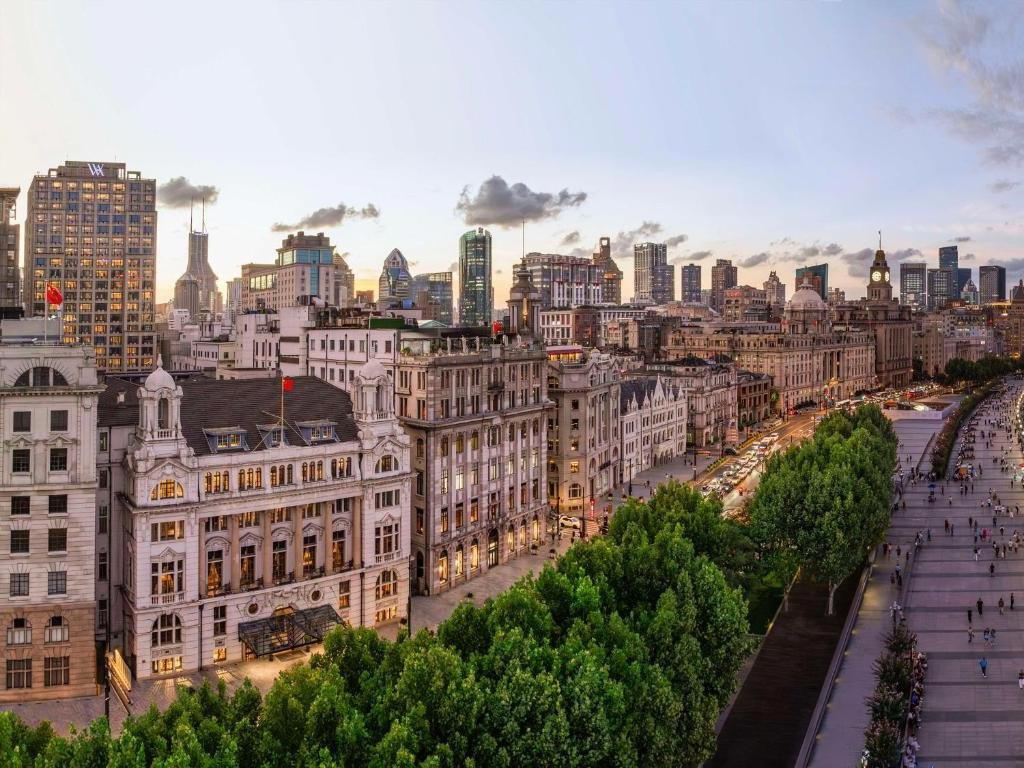
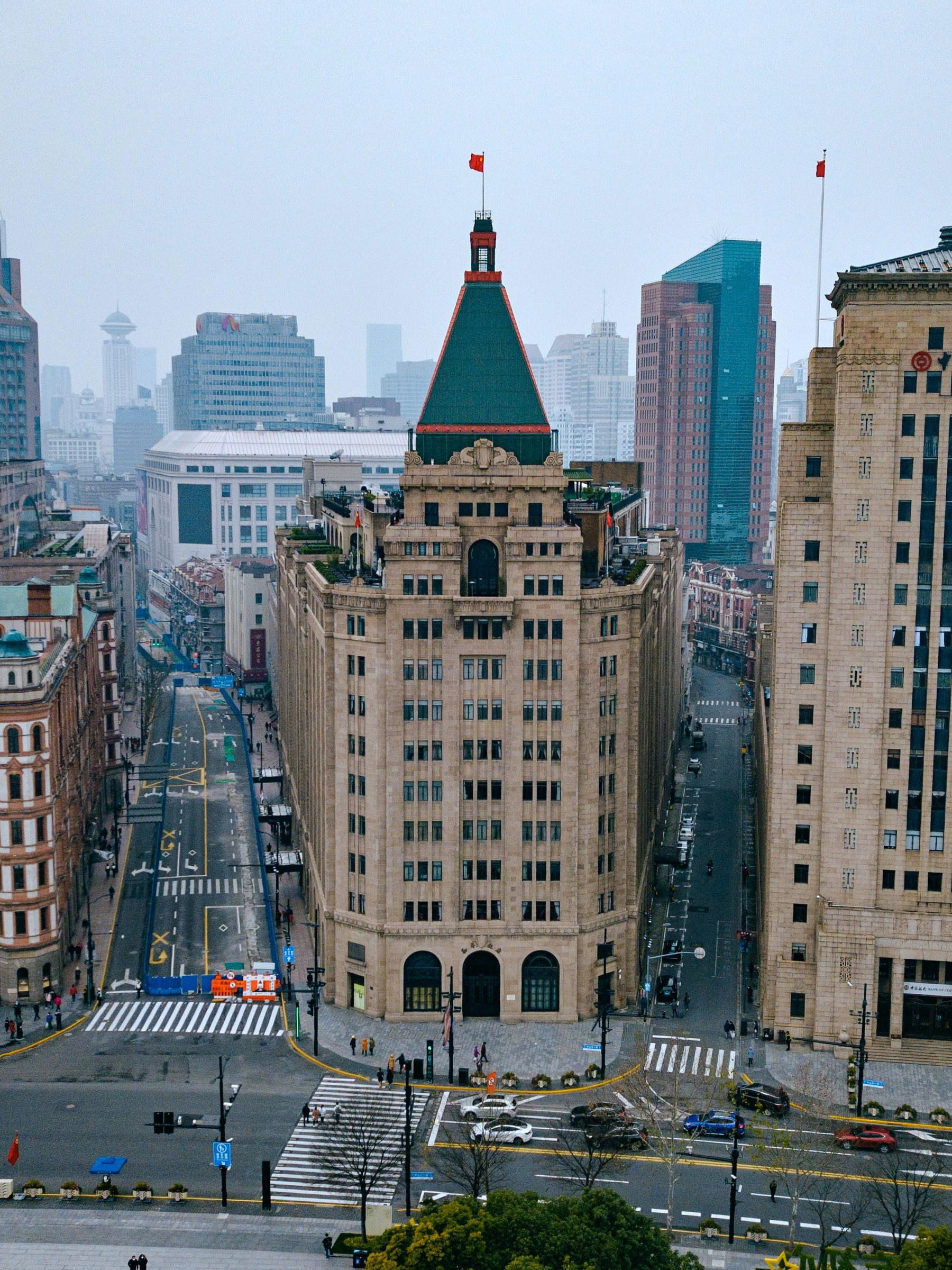
Guangdong Road, Guang Dong Lu in Mandarin, is one of those Shanghai addresses that carries its own culinary argument. The street runs through Huangpu, the district that contains the Bund, the old foreign concession grids, and a density of established Chinese restaurants that no other part of the city quite matches. Eating here situates you inside a dining culture that predates Shanghai's contemporary fine-dining moment by several decades, one built around formal banquet traditions, regional Chinese cooking hierarchies, and a clientele that has always expected precise, technically grounded food rather than spectacle.
That context matters when thinking about how any restaurant on or near this address positions itself. Shanghai's premium Chinese dining scene has split into at least two recognisable tiers over the past decade. The upper tier, concentrated in Huangpu and Jing'an, operates on the logic of the Cantonese banquet house, multi-course formats, classical technique, seasonal ingredient rotations, and dining rooms designed to accommodate both private family meals and corporate tables. The second tier, increasingly distributed across newer neighbourhoods, leans toward fusion or concept-driven formats where the menu architecture reflects a single chef's editorial viewpoint rather than a broader regional tradition. Guang Dong Lu as an address sits firmly in the first camp.
What the Menu Structure Reveals
In Shanghai's established Cantonese and regional Chinese houses, the menu is rarely a simple à la carte list. It functions more like a map of the kitchen's range and the restaurant's ambitions. Dim sum service, where offered, signals one kind of kitchen discipline, the ability to produce dozens of small, technically precise items simultaneously, each with its own dough, filling, and steaming or frying logic. The evening menu then shifts register entirely, moving toward whole-fish preparations, slow-braised proteins, and wok-fried dishes that demand high-heat technique and sourcing relationships with specific producers.
This dual structure is not accidental. It reflects how formal Chinese dining has historically communicated credibility: mastery of the small and the large, the delicate and the strong-in-technique, within a single service. For context, comparison venues operating in similar Cantonese territory, such as 102 House in Shanghai, demonstrate how that classical framework has been adapted by the current generation of Shanghai restaurants, where Cantonese lineage is maintained but the room and service format are updated for contemporary expectations.
The Huangpu location also places Guang Dong Lu in proximity to the Bund dining corridor, where international formats from Italian at 8½ Otto e Mezzo Bombana to Modern European at Taian Table compete for the same high-spending diner. The presence of those alternatives sharpens what a traditional Chinese address on Guangdong Road offers that its Western-format neighbours do not: depth in regional Chinese technique, banquet-capable private rooms, and menus structured around the logic of Chinese seasonal eating rather than European tasting-menu convention.
Shanghai's Regional Chinese Context
Understanding how the restaurant fits into Shanghai's dining picture requires a brief map of regional Chinese cooking in the city. Cantonese cuisine has historically occupied the prestige tier of Chinese restaurant dining in Shanghai, its emphasis on ingredient quality, light saucing, and technical precision aligning with the expectations of high-spending corporate and family dining. Shanghainese cuisine, with its sweeter, richer profiles (hongshao braising, hairy crab in season), occupies its own lane. Then there are Taizhou specialists, a category that Xin Rong Ji (West Nanjing Road) has made a recognisable fine-dining format, and vegetarian houses like Fu He Hui, which operate at the ¥¥¥¥ tier with a completely different kitchen logic.
Each of those formats has its own menu architecture, and reading that architecture is the first skill a serious diner needs in Shanghai. A Cantonese house sequences dishes differently from a Shanghainese banquet restaurant. The sequencing of cold starters, hot dishes, a whole fish or whole bird centrepiece, and a rice or noodle close is a grammar that experienced diners in Huangpu read fluently, and restaurants in this part of the city generally assume that literacy in their guests.
Placing This Address in a Wider Chinese Dining Circuit
For travellers building a broader circuit of formal Chinese dining across the mainland, the Huangpu Cantonese tradition represents one node in a network that extends from Guangzhou's Cantonese houses, see Imperial Treasure Fine Chinese Cuisine in Guangzhou, through Macau's hotel-anchored fine dining, where Chef Tam's Seasons represents the Michelin-recognised Cantonese format at its most refined. Nanjing's Dai Yuet Heen and Yangzhou's Shang Palace show how the same Cantonese banquet logic adapts to different regional city contexts. Hangzhou's Ru Yuan and Suzhou's Pingjiangsong offer a contrast, Jiangnan cooking traditions rather than Cantonese, but at comparable price tiers. Fuzhou's Wenru No.9, Xiamen's Fleurs Et Festin, and Chengdu's Xin Rong Ji round out a picture of how China's regional fine-dining circuits operate in parallel, each with its own seasonal calendar and sourcing logic. For Beijing comparisons, Xin Rong Ji (Xinyuan South Road) applies a northern-city lens to the same Taizhou fine-dining model.
Planning Your Visit
Huangpu is well-served by metro lines 2, 10, and 14, with exits placing you within walking distance of Guangdong Road from People's Square or Nanjing East Road. The neighbourhood is most active at lunch (where many formal Chinese restaurants operate dim sum or set-lunch formats at accessible price points) and in the early evening for private dining and banquet bookings. For a broader view of Shanghai's dining options across all formats and price tiers, our full Shanghai restaurants guide maps the city's key addresses by neighbourhood, cuisine type, and occasion.
Credentials Lens
Comparable venues nearby, for context on price, style, and recognition.
| Venue | Cuisine | Price | Notes |
|---|---|---|---|
| Guang Dong LuThis venue — the venue you are viewing | Traditional Shanghainese Noodles & Dim Sum | $$ | Not listed |
| Xi Kang Lu | Northeastern Chinese Dumplings | $$ | Jing'an |
| Fuchun Xiaolong | Traditional Shanghainese Xiao Long Bao | $$ | Jing An Si |
| An Fu Lu | Cantonese Dim Sum | $$ | Da Pu Qiao |
| 甬府 | Traditional Ningbo Cuisine | $$$ | Huangpu |
| 3 Warehouse | Creative Modern Chinese | $$$ | Huangpu |
At a Glance
- Classic
- Well Known
- Historic
- Casual Hangout
- Family
- Historic Building
- Local Sourcing
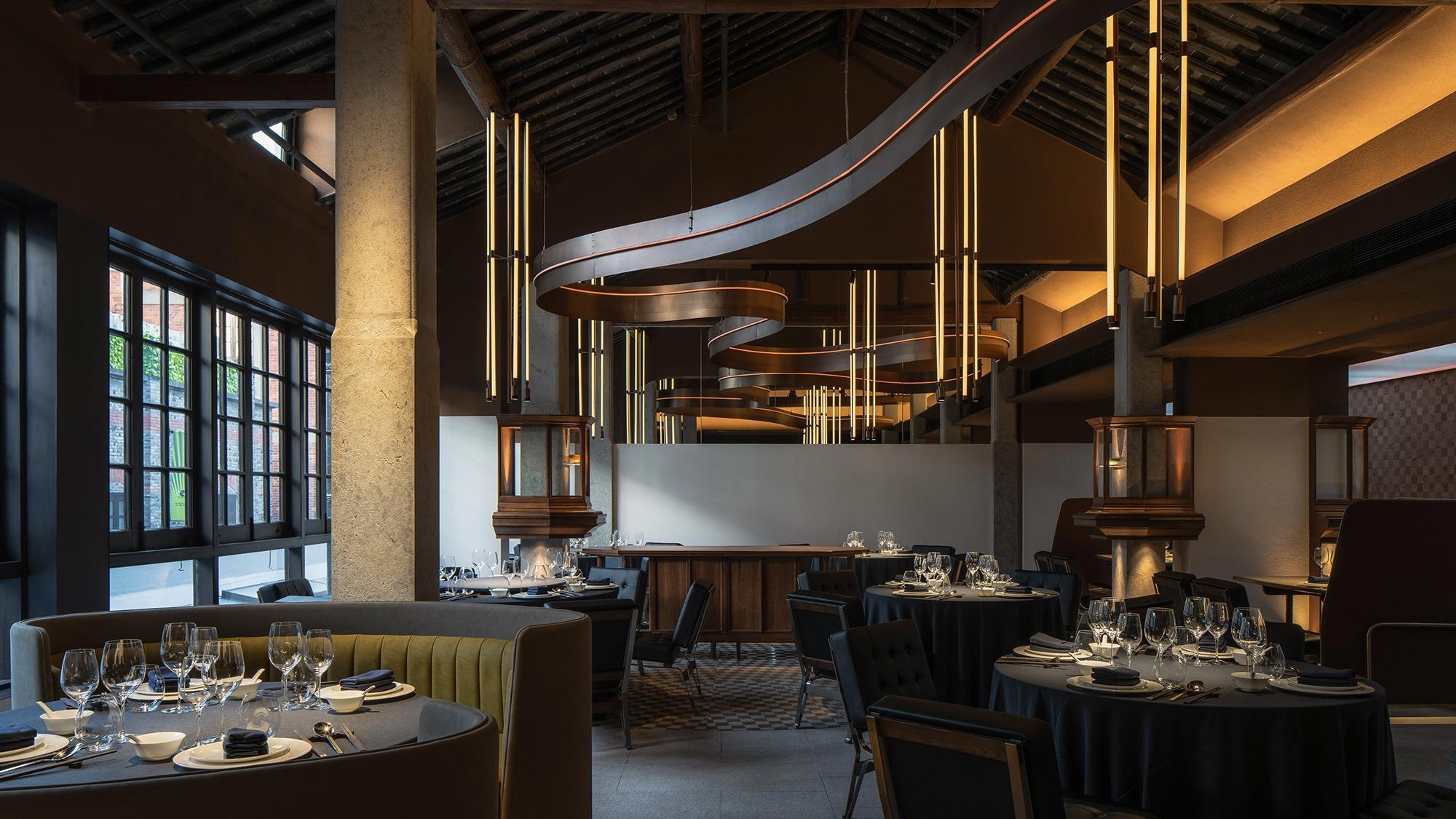
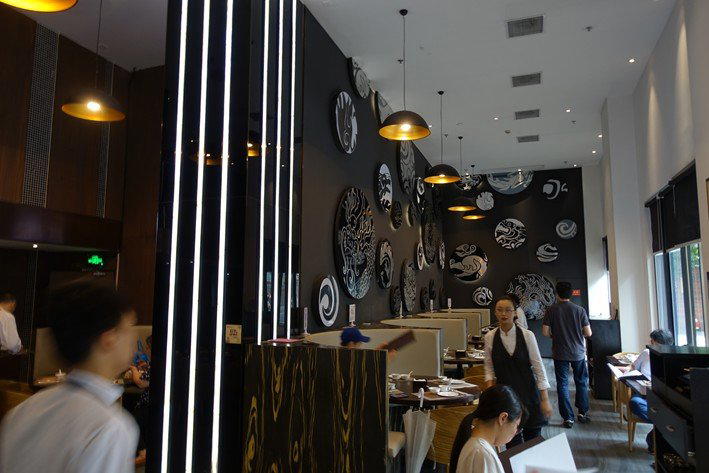
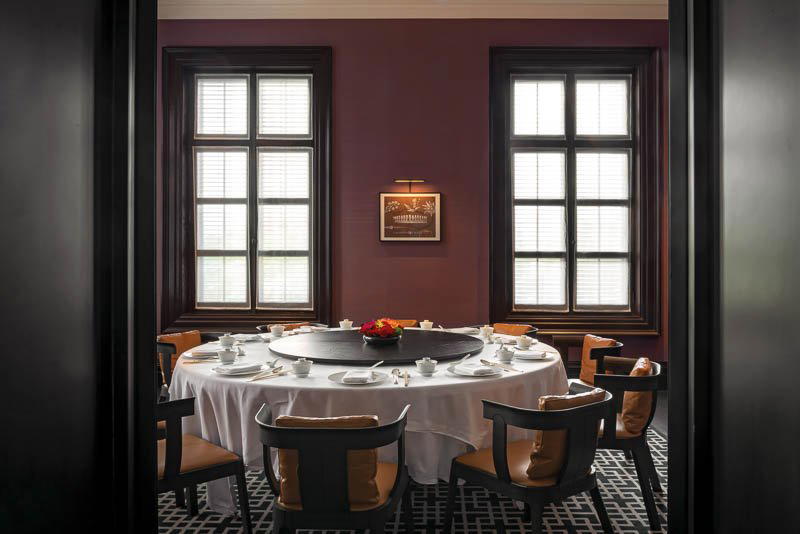
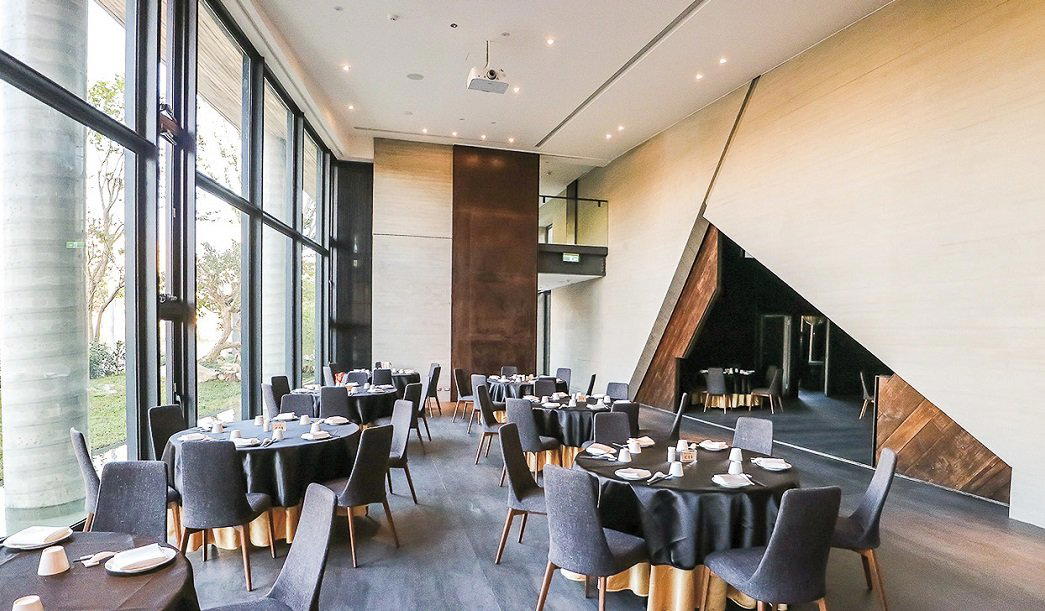
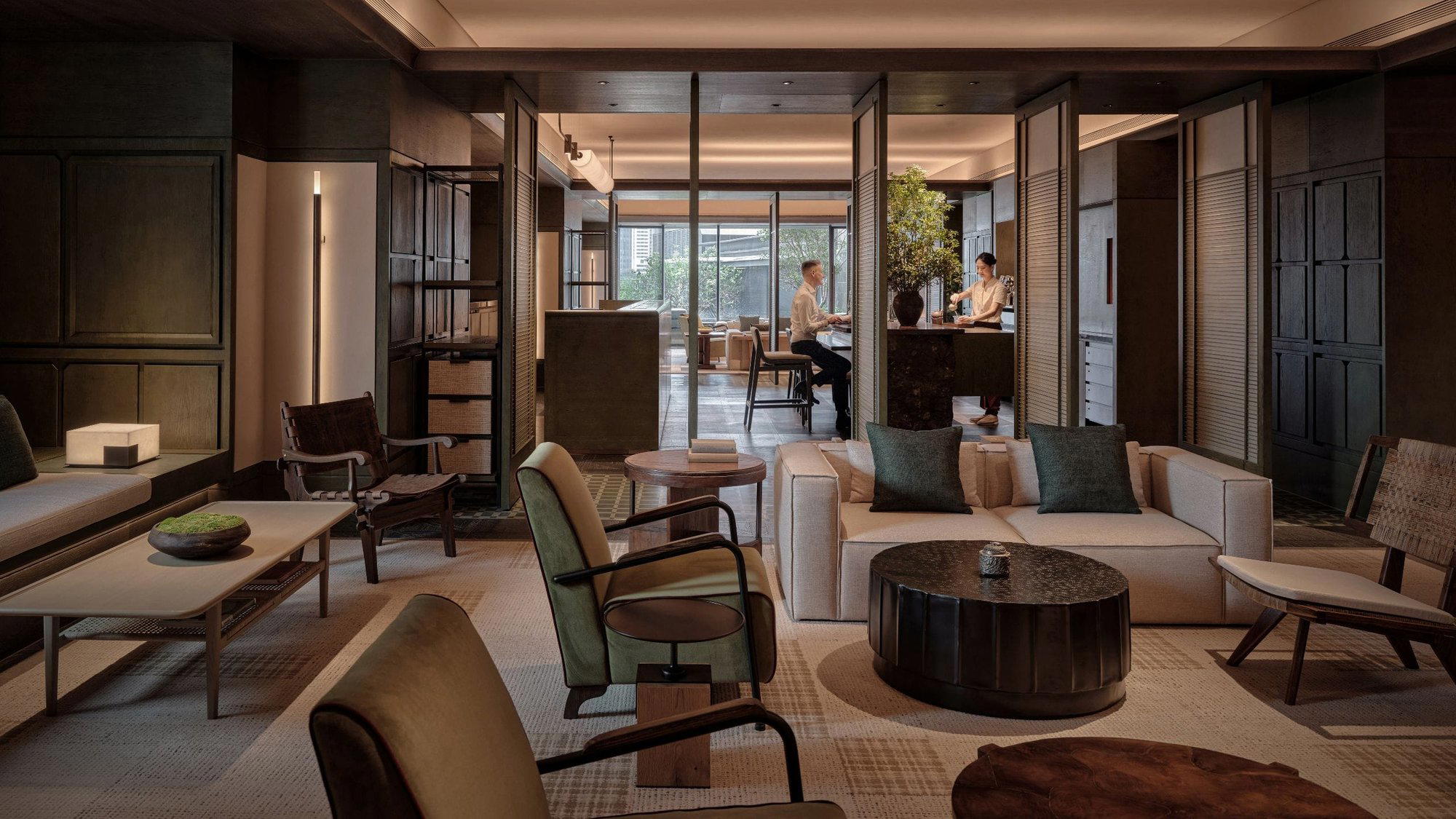
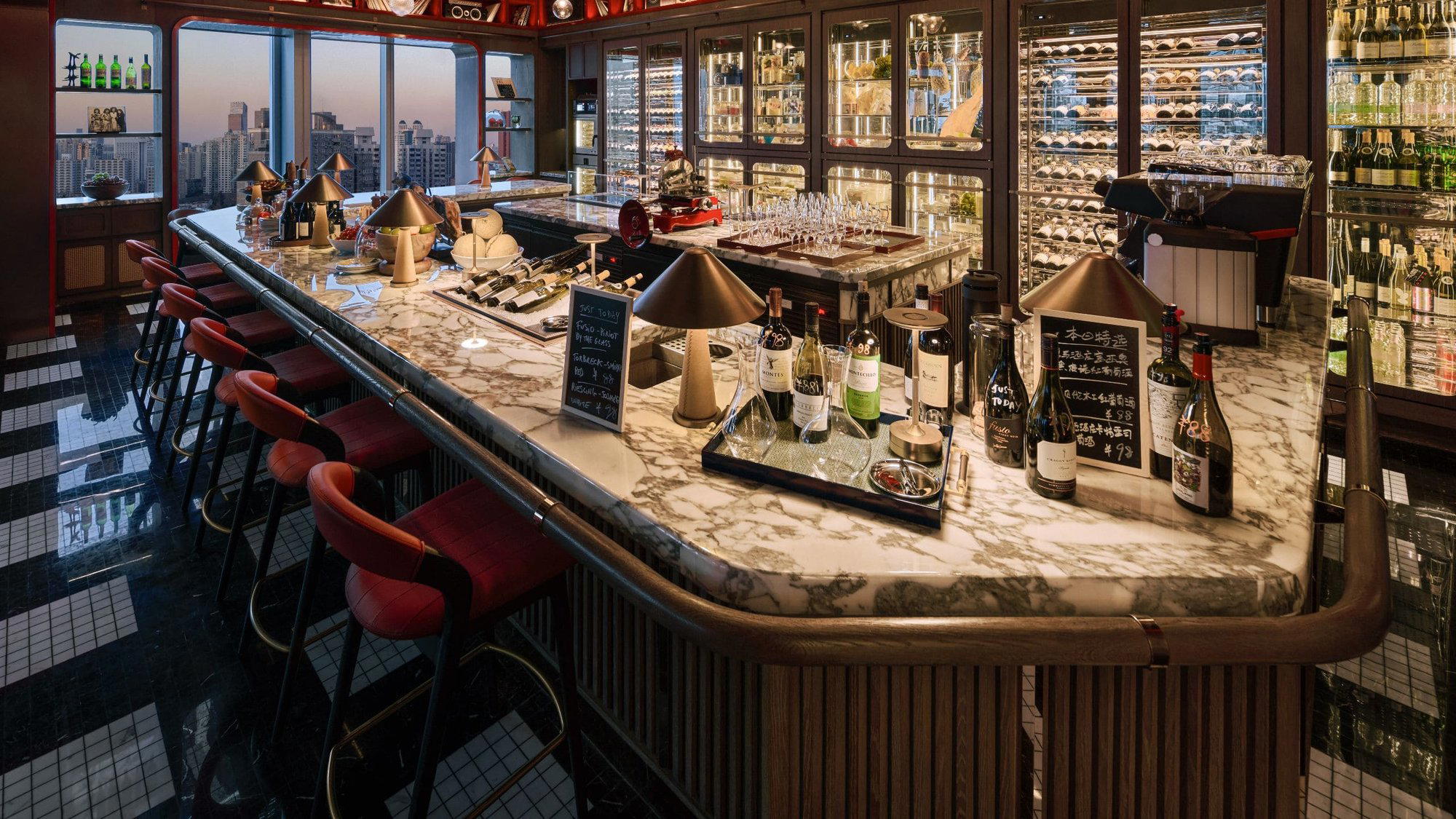
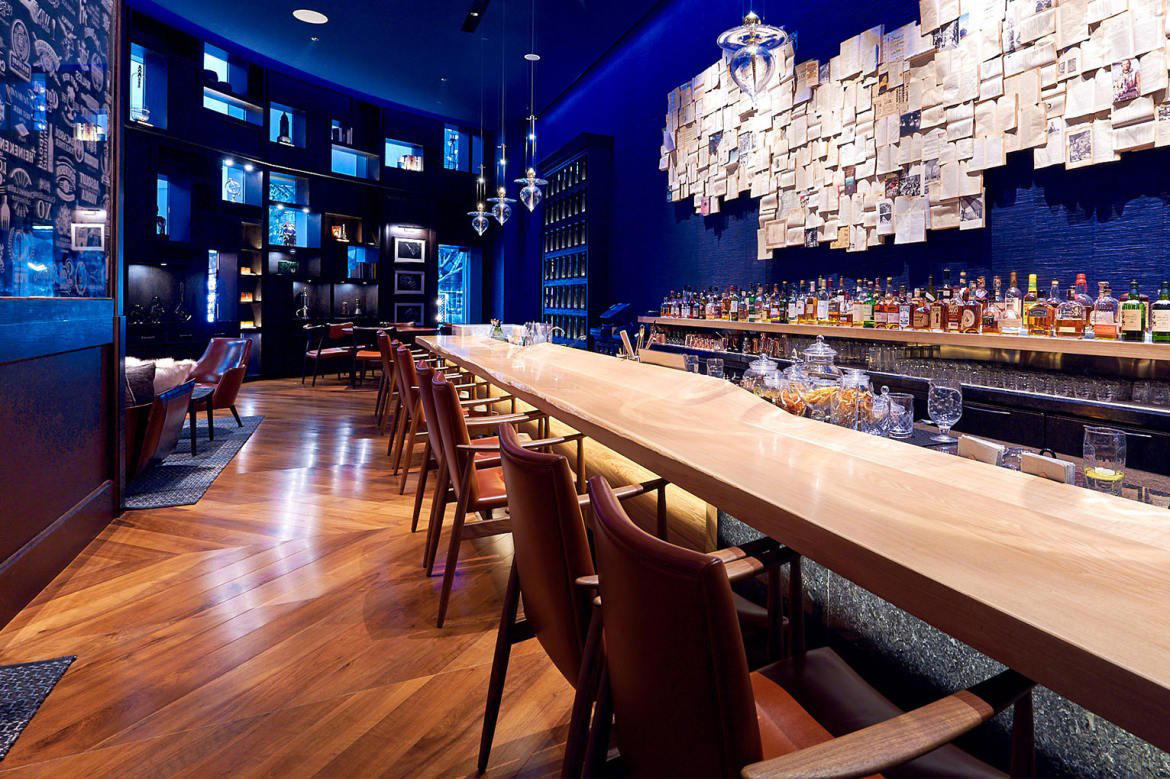
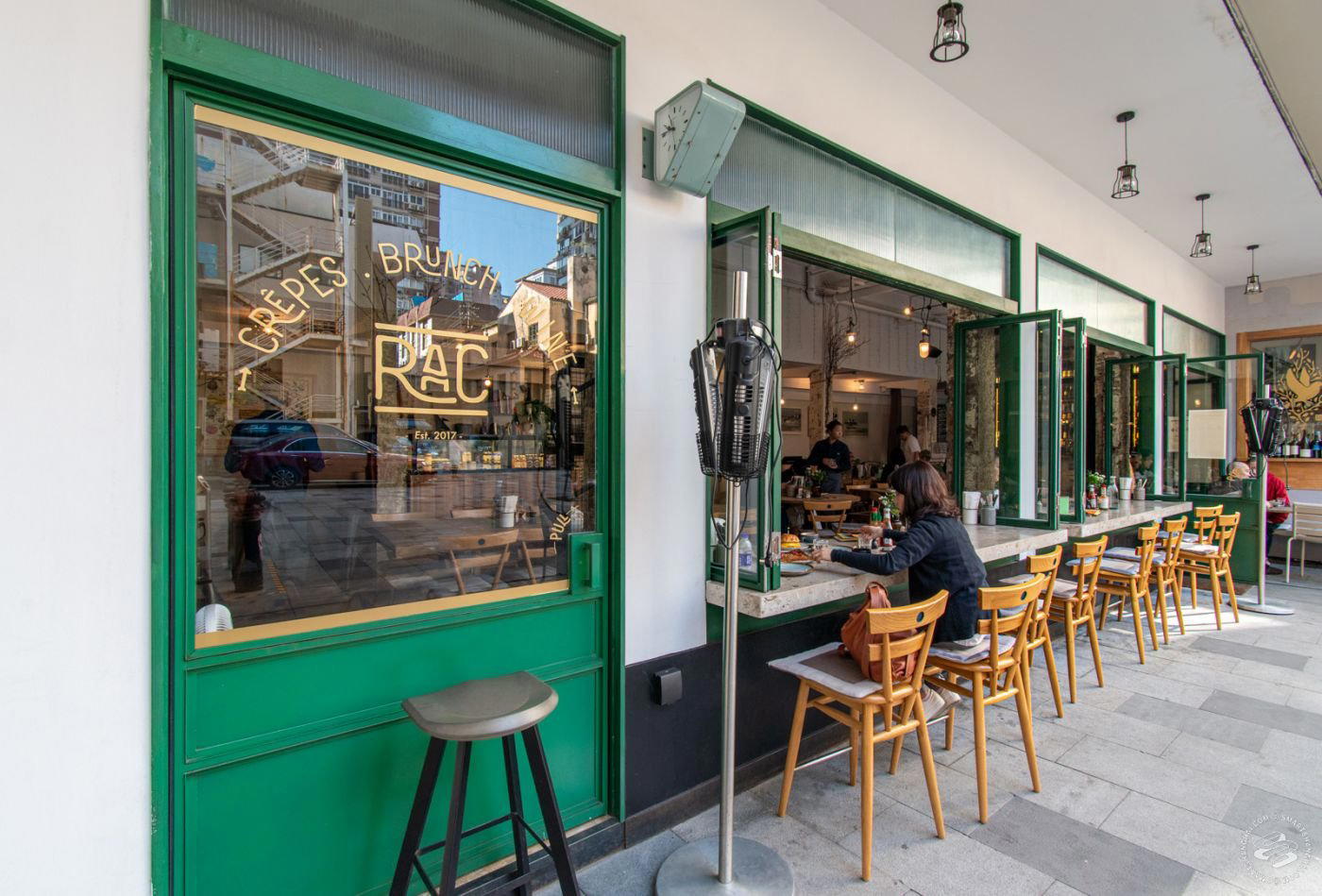
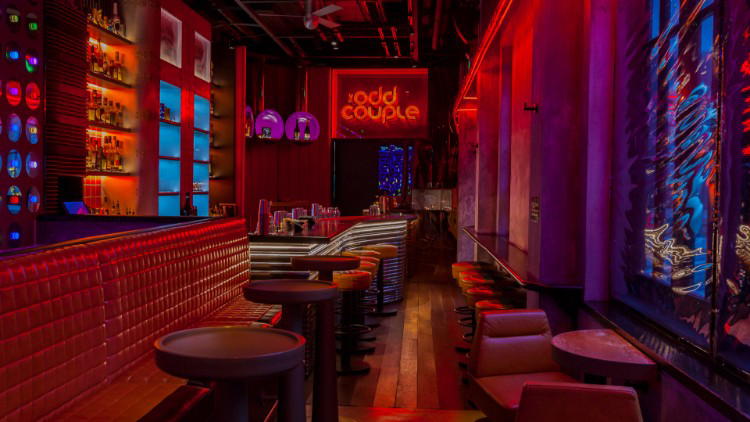
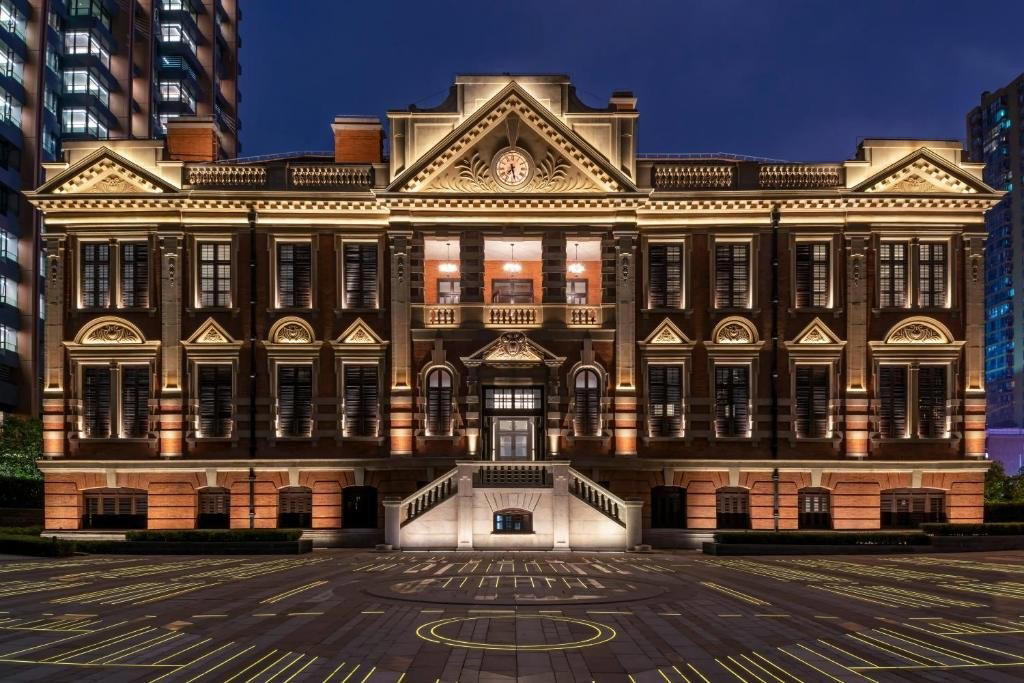
Two-storey format balancing everyday comfort with refined Shanghainese heritage atmosphere.