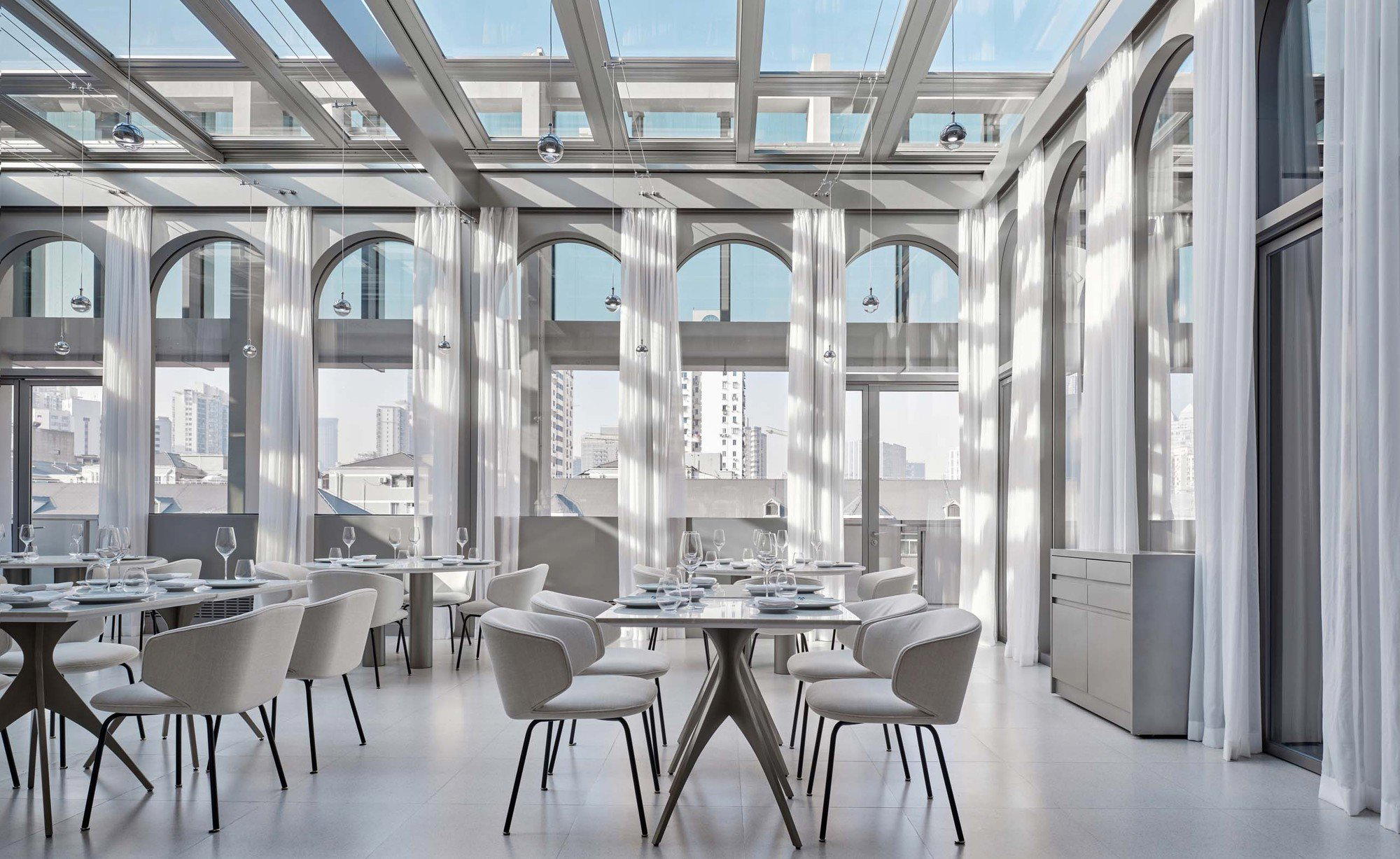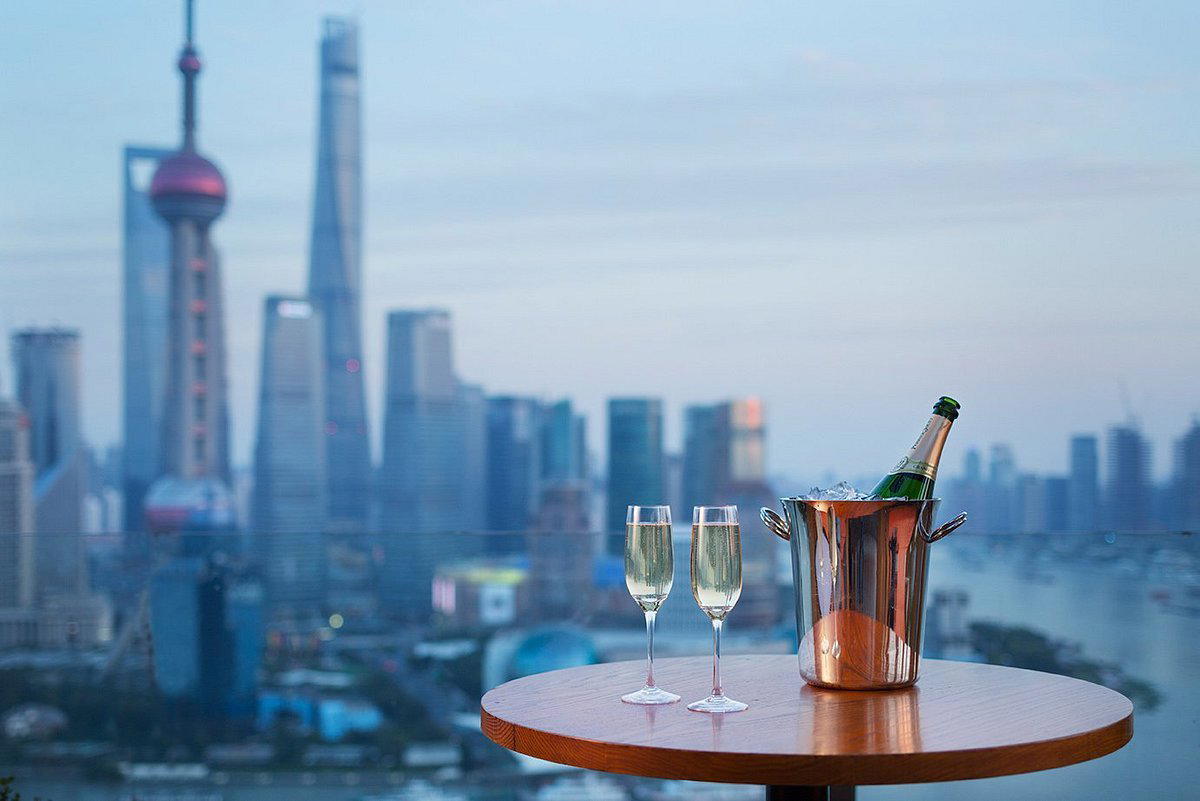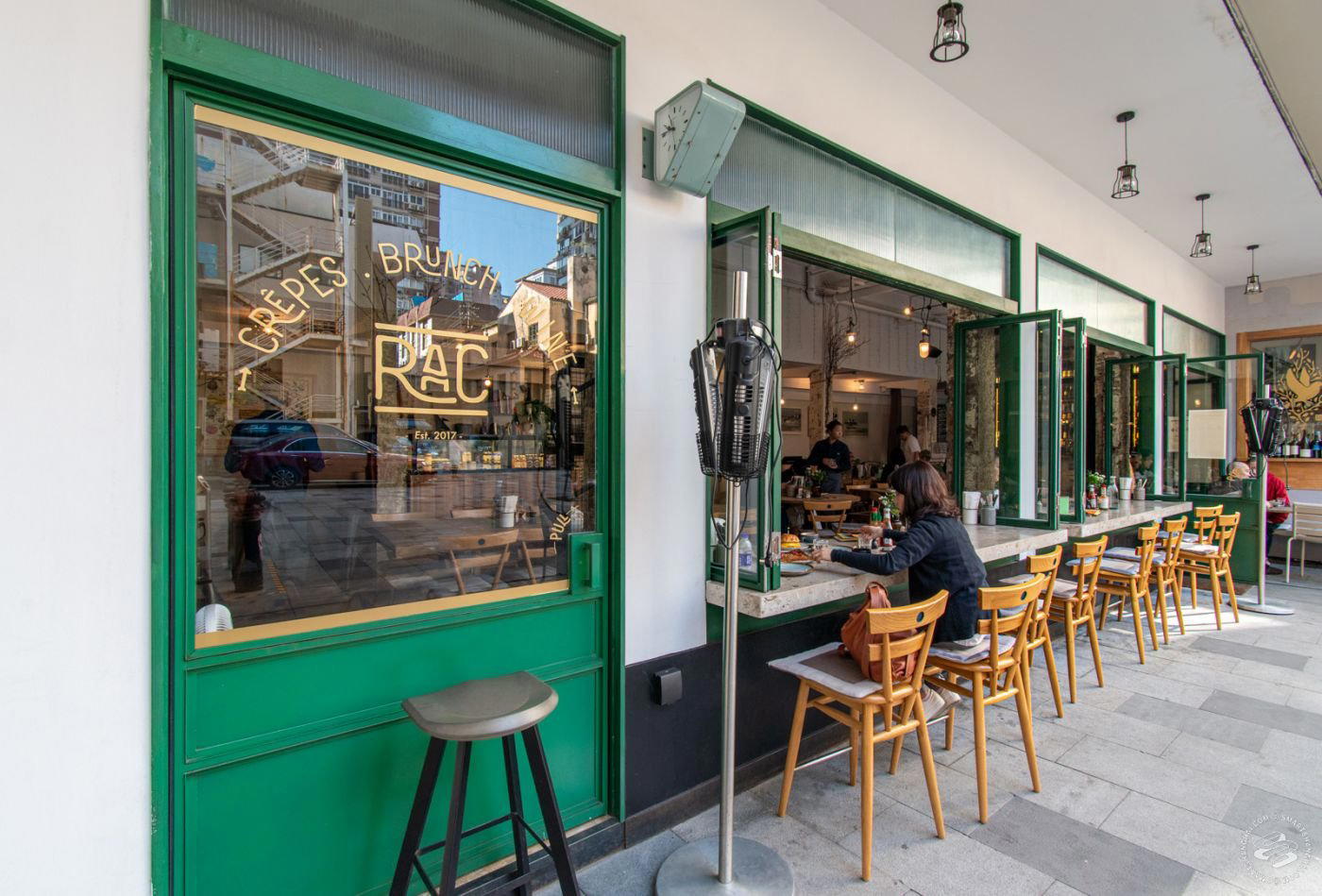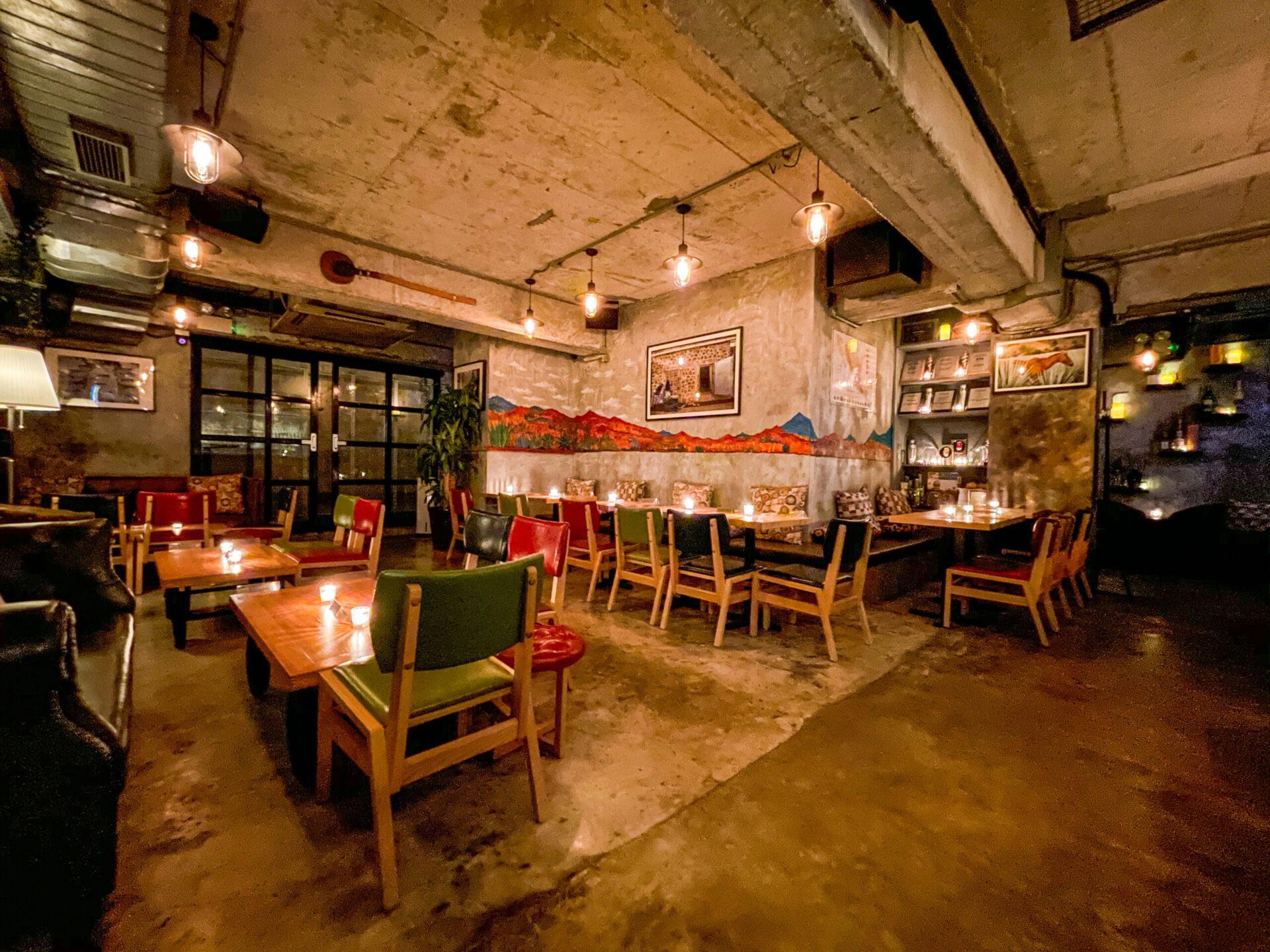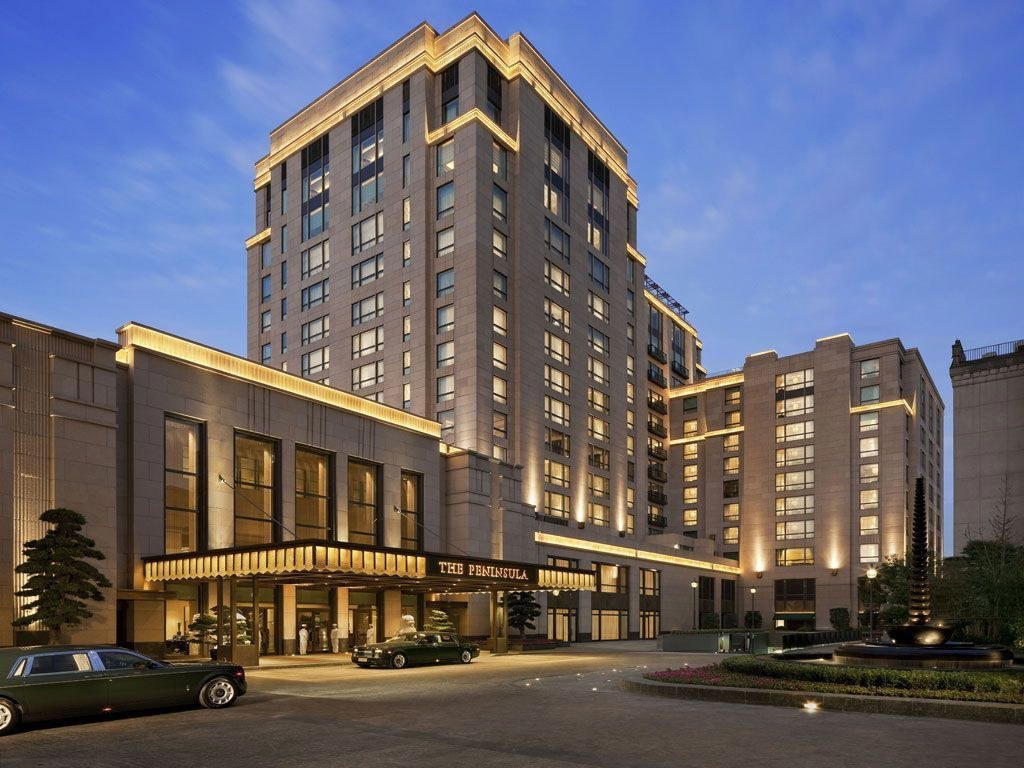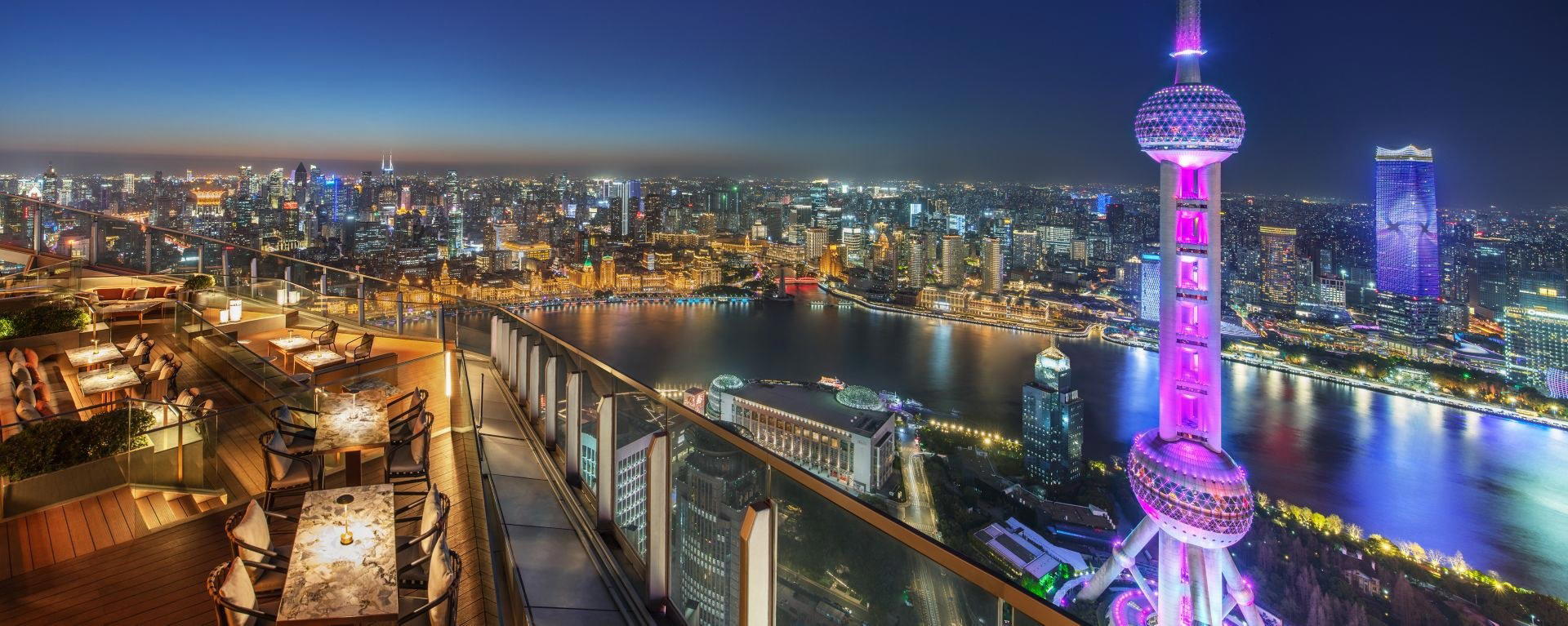


Housed on the second floor of The Peninsula Shanghai along the Bund, Yi Long Court delivers high-end Cantonese cooking in a space designed after a 1930s Shanghainese merchant's residence. Executive chef Tang Chi Keung anchors the menu in classical Cantonese technique, with a particular emphasis on seasonal seafood. A Michelin star (2024) and an OAD Top 300 Asia ranking confirm its standing among Shanghai's most serious Chinese dining rooms.
Pearl is the En Primeur Club membership app — saves, bookings, and concierge access live there. Same editors, same standards.
- Address
- 32 Zhongshan Rd (E-1), Waitan, Huangpu, Shanghai, China, 200120
- Phone
- +86 21 2327 6742
- Website
- peninsula.com
 Saves & bookings on Pearl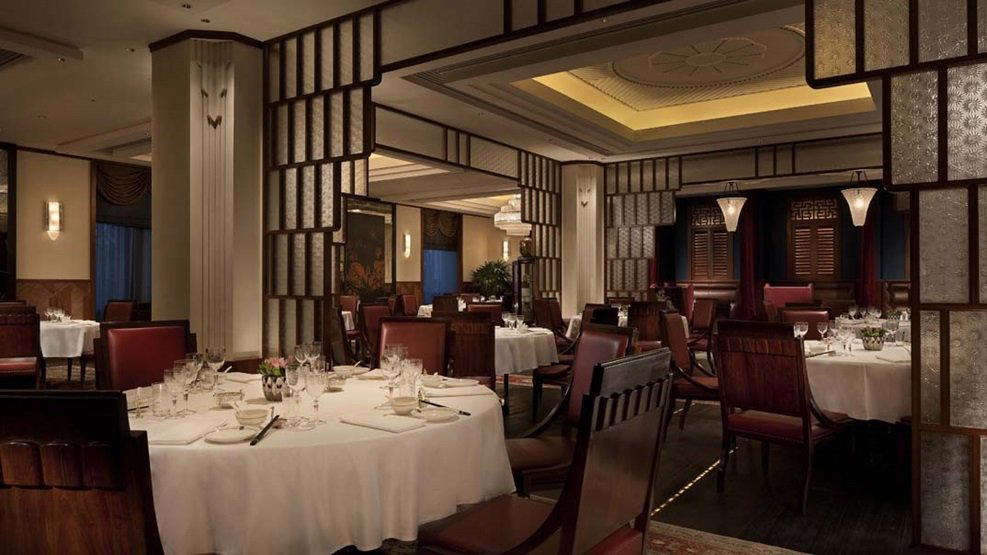
The Bund's Cantonese Counter-Argument
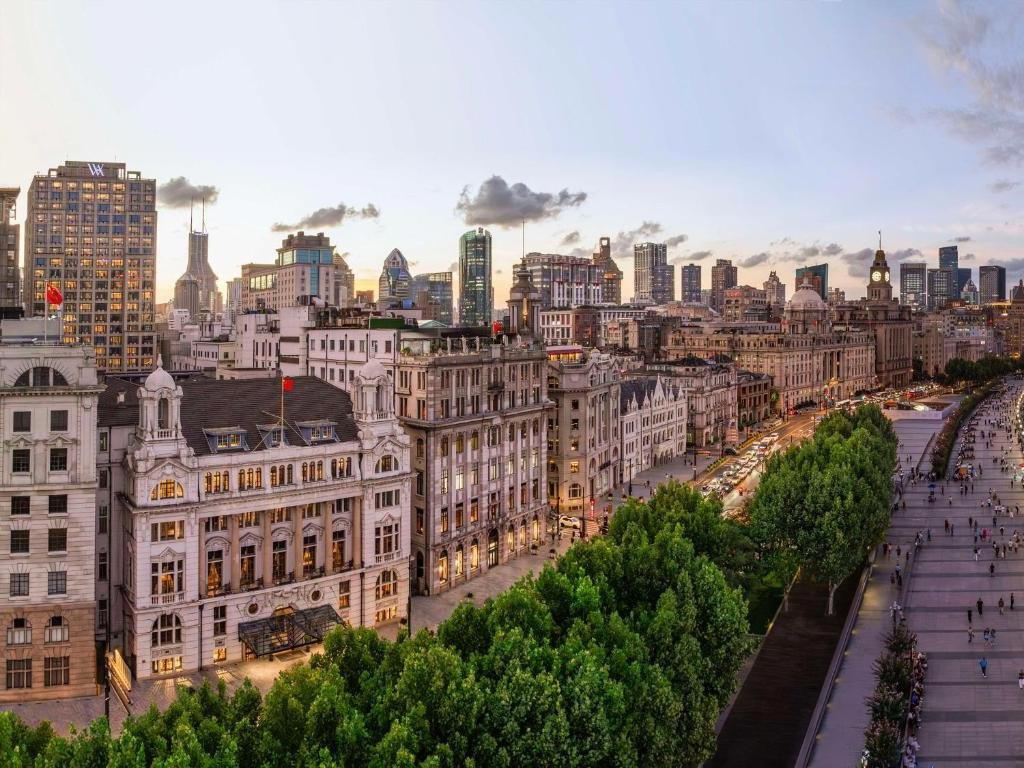
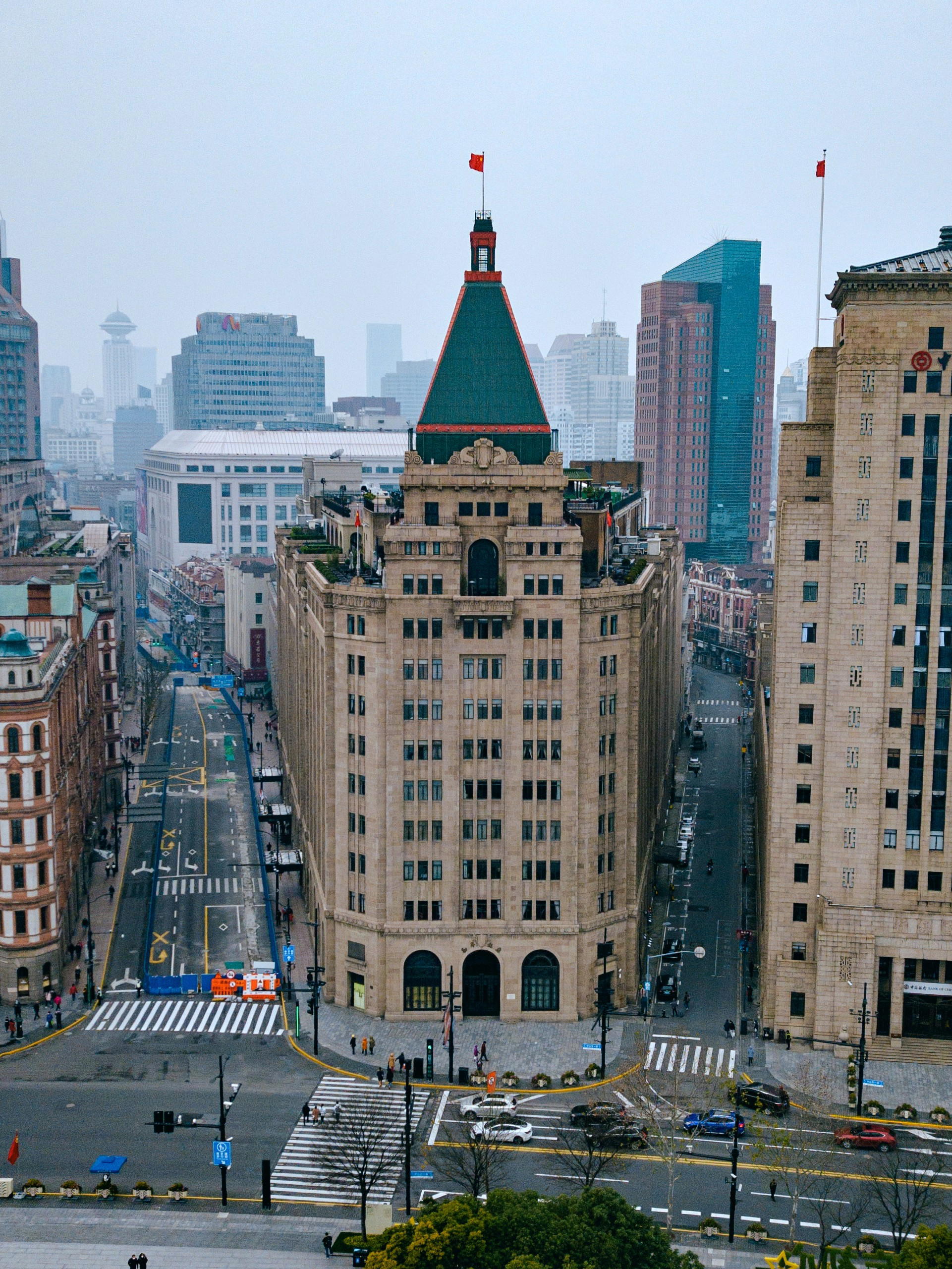
The Bund corridor is not short of dining rooms with ambitions, but most of them speak the language of European or Shanghainese cooking. Cantonese cuisine, rooted in Guangdong province and refined over centuries in Hong Kong, occupies a specific and somewhat underrepresented position in Shanghai's luxury dining tier. Yi Long Court, situated on the second floor of The Peninsula Shanghai at 32 Zhongshan Road East, is a Michelin one-star Cantonese restaurant in Shanghai where classical technique is given full hotel-grade resources and a room to match.
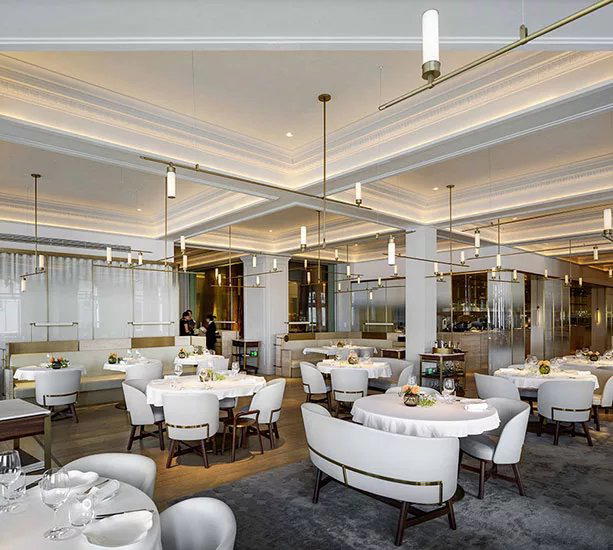
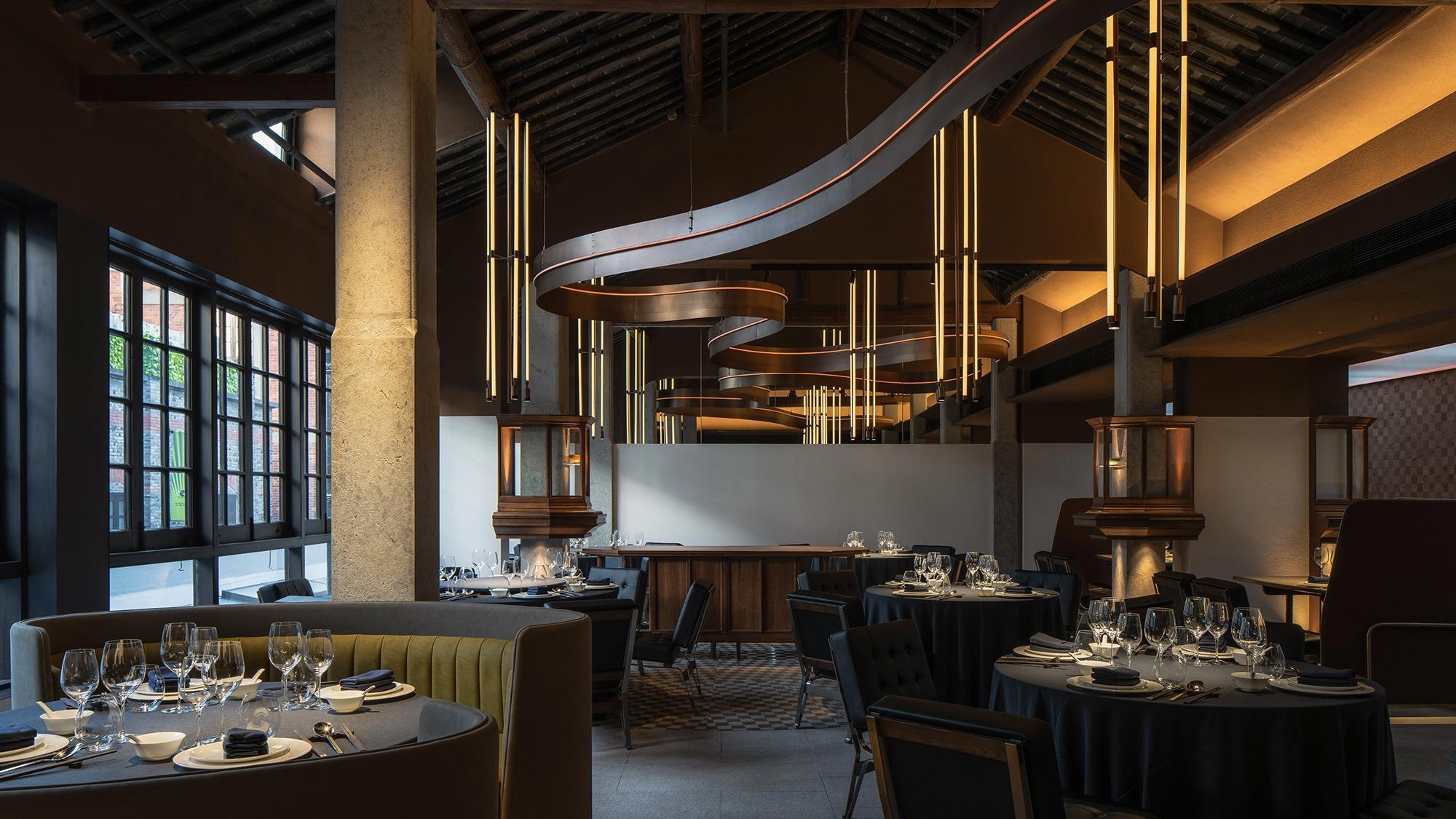
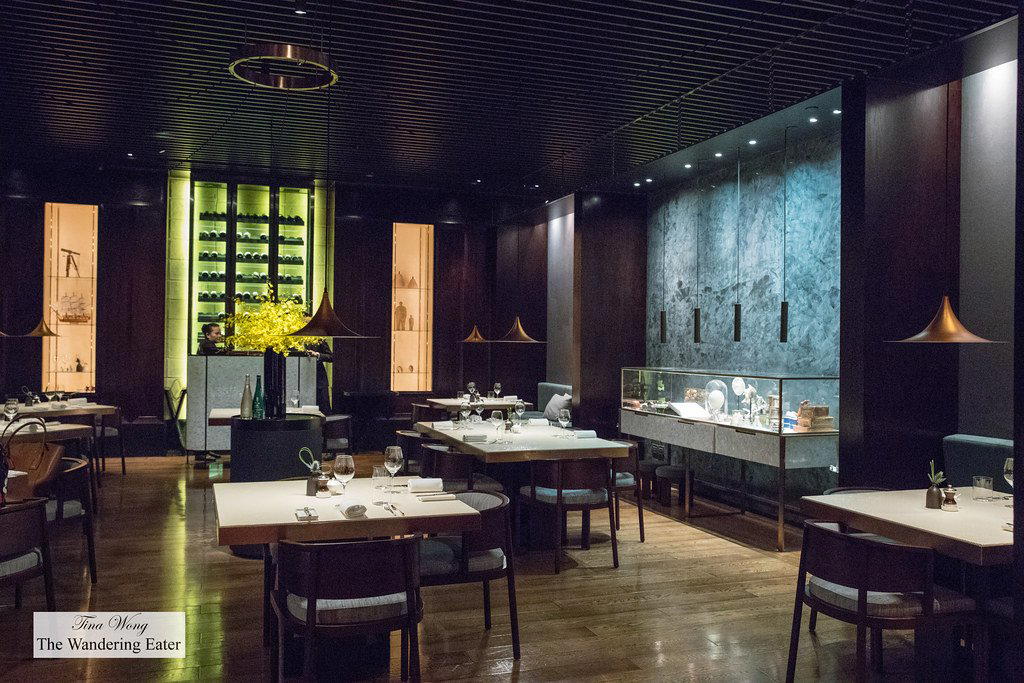
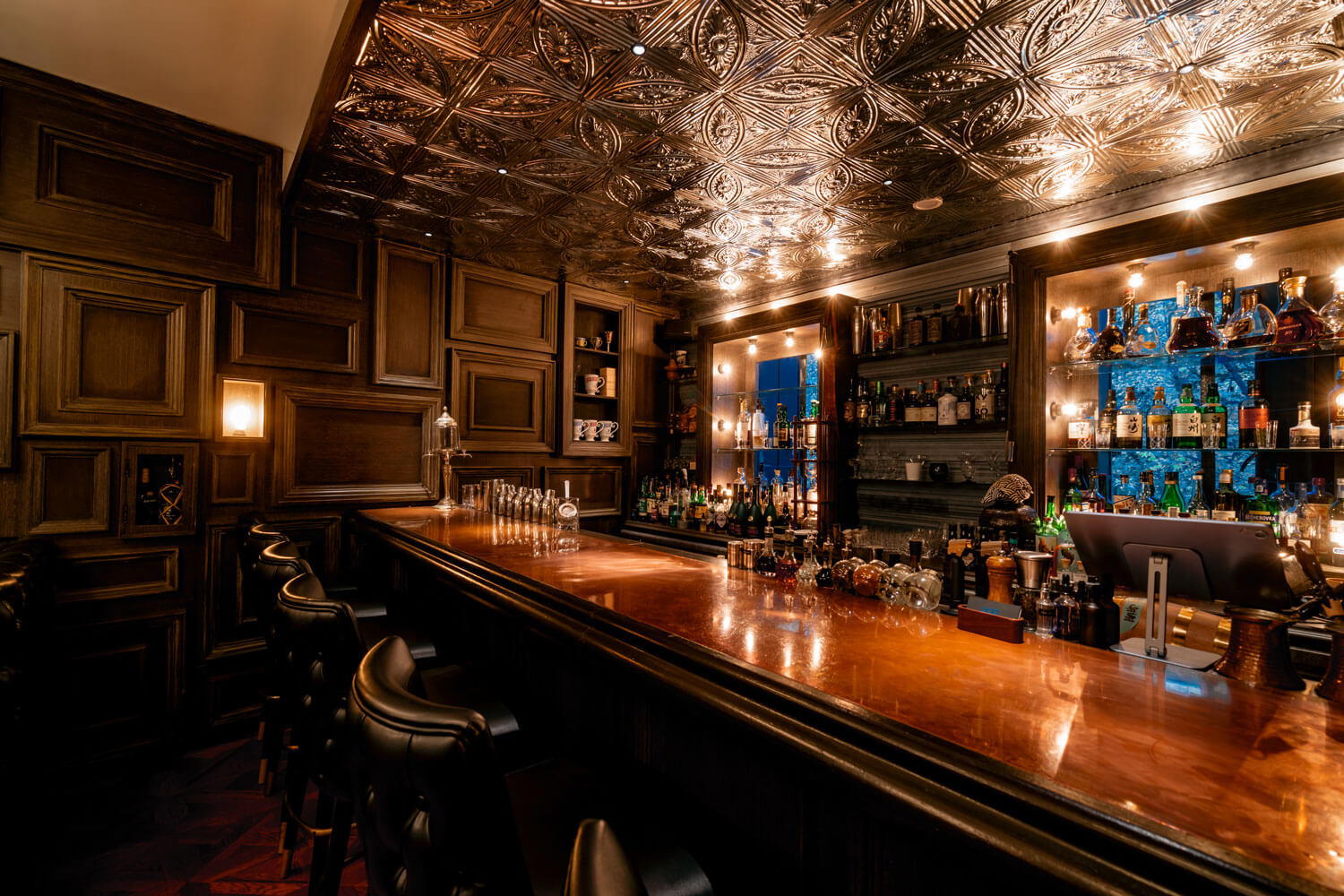
The interior does not attempt to signal modernity. It was designed to evoke the home of a prosperous Shanghainese merchant from the 1930s, and the layered aesthetic, lacquered surfaces, structured private rooms, deliberate quiet, reads as a deliberate counterpoint to the glass-and-marble minimalism dominant elsewhere on the strip. The overall effect places the diner in a register that is formal without being cold, and theatrical without being loud. For Cantonese food specifically, that register is appropriate: the cuisine prizes subtlety and clarity above spectacle, and the room reinforces those values.
Cantonese Cooking in a Shanghainese Context
Understanding Yi Long Court requires understanding what Cantonese cuisine actually is, and why its presence at this level in Shanghai is worth noting. Cantonese cooking, from the Pearl River Delta, codified in Guangzhou and exported globally through Hong Kong, operates on a different set of principles than Shanghainese food. Where Shanghainese cuisine uses sugar liberally and leans into braised, sweet-savory profiles, Cantonese tradition prioritises ingredient integrity: steaming, minimal seasoning, freshness above all. A well-executed Cantonese seafood dish will taste predominantly of the seafood. The sauce is a frame, not the content.
That philosophy creates specific operational demands. Fresh seafood, not frozen, not held, is a prerequisite, and Yi Long Court addresses this with produce flown in from international sources. The menu's emphasis on bird's nest, sea cucumber, and hairy crab during the autumn season signals the kitchen's position in the prestige tier of Cantonese cooking, where the quality of the primary ingredient is the main editorial statement the chef makes. Executive chef Jacky Zhang, who oversees the kitchen, works within this tradition rather than departing from it.
For diners familiar with Cantonese cooking at a high level in Hong Kong, at Forum, for instance, Yi Long Court will read as a recognisable format: classical menu structure, private room service, and seasonal menus. What distinguishes it in Shanghai is the relative scarcity of this format at this price point. The market for hotel-grade Cantonese in Shanghai is narrower than in Hong Kong or Guangzhou, which makes Yi Long Court's position more singular than it would be in those cities.
The Menu and Its Logic
The kitchen organises its output around a few clear principles. Dim sum at lunch, available daily from 11:30 a.m. to 2:30 p.m., provides access to the restaurant's range without committing to a full dinner. The dim sum list covers established formats: barbecue pork puffs, steamed shrimp dumplings, and deep-fried pork dumplings with a blistered crust and pork-mushroom filling. Dinner runs from 6 to 10:30 p.m. nightly.
The seasonal hairy crab menu, available in autumn, is the most structured expression of the kitchen's ambitions. A six-course lunch option and an eight-course dinner option use the crab across preparations, soup, dumplings, and others, allowing the ingredient to carry the meal across different textures and cooking methods rather than appearing once as a centrepiece. This is a distinctly Cantonese approach to a specialty ingredient: comprehensive rather than singular. The hairy crab, a Shanghai-region delicacy prized for its roe, is one of the few points where the menu crosses into explicitly local seasonal produce.
Beyond the crab season, the menu includes preparations that signal the kitchen's register: bird's nest stewed with papaya, sea cucumber, pan-fried scallops as a signature, shrimp-stuffed squid, and steamed red snapper with ginger and onion. The last is a standard-bearer Cantonese technique, whole fish, minimal intervention, precise timing, that functions as a calibration point for any Cantonese kitchen. The presence of a noodle dish in lobster broth topped with Dalian beef indicates the kitchen is willing to move slightly outside canonical Cantonese into creative territory without abandoning its base logic.
The restaurant also operates a tea bar rather than a conventional cocktail bar. A tea specialist is present to explain the sourcing, aroma profiles, and characteristics of an extensive leaf selection on display. In the context of a classical Cantonese dining room, this is structurally coherent: tea service is central to the Cantonese dining tradition in a way it is not in most other Chinese regional cuisines, and having a specialist at hand reflects the same service philosophy applied to the food.
Service and the Private Room Format
Cantonese fine dining at this tier is built around the private room. In Guangzhou and Hong Kong, the private room format developed as a way to accommodate business entertaining and family occasions with a degree of discretion and personalised attention that a main dining room cannot reliably provide. Yi Long Court follows this convention, with several private rooms designed to replicate the atmosphere of a home dining room while maintaining hotel-grade service standards. The service approach, described by inspectors as a tight, efficient operation, operates at a calibration appropriate to a five-star property.
The front-of-house team is bilingual, with head waiters and managers capable of operating in English. Non-Mandarin speakers should expect that some repeat communication may be necessary further down the service team, but the senior staff handle language transitions smoothly. The dress code is smart casual: no shorts or open-toed shoes, with the expectation of slacks and a button-down for men and a dress or skirt for women. This is a stricter baseline than many of the city's contemporary fine-dining rooms, consistent with the Peninsula's positioning as a traditional luxury hotel.
Recognition and Peer Position
Yi Long Court holds a Michelin one star. The OAD ranking system, which aggregates votes from experienced diners and professionals, places it within a competitive but not overcrowded tier of Shanghai Cantonese. The Google rating of 4.3 reflects a small review sample.
Within Shanghai, the relevant comparison set for hotel-based Cantonese at this price point is narrow. Ji Pin Court and Bao Li Xuan occupy similar territory, while Imperial Treasure Fine Chinese Cuisine and Canton 8 (Huangpu) approach Cantonese from slightly different positions in the price and format spectrum. 102 House represents the broader direction of premium Chinese dining in the city. Regionally, the Cantonese fine-dining tradition Yi Long Court belongs to extends through Chef Tam's Seasons in Macau, Imperial Treasure Fine Chinese Cuisine in Guangzhou, and Le Palais in Taipei, each representing a different geographic inflection of the same culinary lineage. Further afield, Dai Yuet Heen in Nanjing and Xin Rong Ji in Beijing or Xin Rong Ji in Chengdu show how Chinese regional fine dining is consolidating in major cities beyond the traditional Cantonese heartland, and Ru Yuan in Hangzhou offers a contrasting Zhejiang-influenced approach within the same proximity.
Planning Your Visit
| Detail | Yi Long Court | Typical ¥¥¥¥ Cantonese Peer | Mid-Range Cantonese (¥¥¥) |
|---|---|---|---|
| Price tier | ¥¥¥¥ | ¥¥¥¥ | ¥¥¥ |
| Lunch dim sum | Yes, 11:30 a.m.–2:30 p.m. | Variable | Common |
| Private rooms | Yes, multiple | Common at this tier | Less common |
| Dress code | Smart casual (enforced) | Smart casual to formal | Smart casual or relaxed |
| Bilingual service | Senior staff bilingual | Variable | Variable |
| Michelin recognition | 1 Star (2024) | 1 to 3 Stars typical | Occasional Bib Gourmand |
Yi Long Court is located within The Peninsula Shanghai on the Bund. Reservations are advisable, particularly for private rooms and during the autumn hairy crab season. Smart casual dress is required. For broader context on the city's dining scene, see our full Shanghai restaurants guide, as well as guides to hotels, bars, wineries, and experiences across the city.
Cuisine Lens
Comparable venues nearby, for context on price, style, and recognition.
| Venue | Cuisine | Price | Awards | Notes |
|---|---|---|---|---|
| Yi Long CourtThis venue — the venue you are viewing | Cantonese | $$$$ | Michelin 1 Star | |
| Le Comptoir de Pierre Gagnaire | Modern French Fine Dining | $$$$ | Michelin 1 Star | Da Pu Qiao |
| Fu 1015 | Authentic Shanghainese Fine Dining | $$$$ | Michelin 1 Star | Jing An Si |
| Obscura | Modern Innovative Chinese | $$$$ | Michelin 1 Star | Hongkou |
| Phénix | Modern French Brasserie | $$$ | Michelin 1 Star | Lan Ni Du |
| Il Ristorante - Niko Romito | Contemporary Italian Fine Dining | $$$$ | Michelin 1 Star | Hongkou |