Located on the third floor of a building along Huaihai Middle Road in Shanghai's Huangpu district, 3 Warehouse occupies a quieter register within one of the city's most commercially active corridors.
Pearl is the En Primeur Club membership app — saves, bookings, and concierge access live there. Same editors, same standards.
- Address
- China, CN 上海市 黄浦区 淮海中路 138 138号3层303室 邮政编码: 200021
- Phone
- +86 21 6337 0377
- Directions
- Get directions
 Saves & bookings on Pearl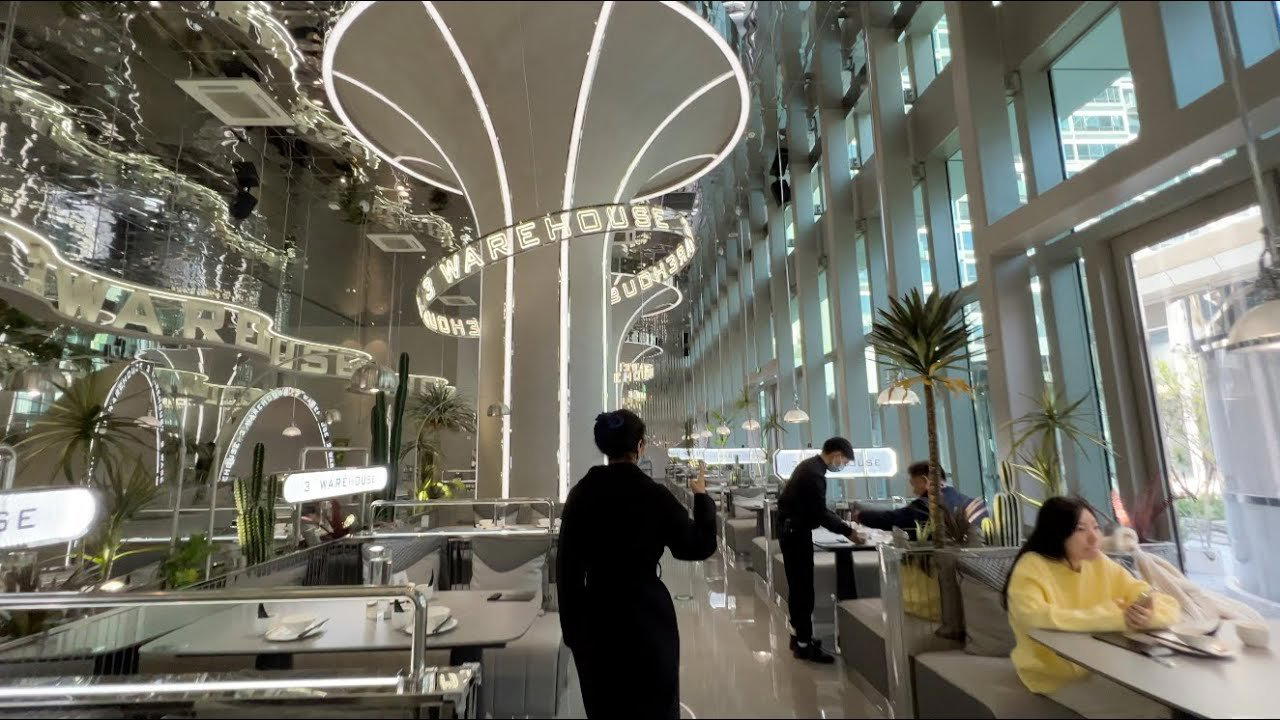
Huaihai Middle Road and the Logic of Third-Floor Dining
In Shanghai, one telling indicator of a restaurant's intended audience is often its floor. Street-level addresses on Huaihai Middle Road, one of Huangpu's primary retail and commercial spines, attract walk-in traffic and casual spending. 3 Warehouse is a restaurant in Shanghai's Huangpu district on Huaihai Middle Road, with a price tier of ¥¥¥ and a recommended reservation policy. Third-floor addresses, like the one occupied by 3 Warehouse at 138 Huaihai Middle Road, operate by a different logic. They require a decision before arrival, a deliberate climb rather than a spontaneous detour. That vertical remove tends to filter for guests who have already chosen to be there, which shapes the tone of the room before a single dish arrives.
This is a well-understood pattern across Chinese cities with dense commercial corridors. In Shanghai specifically, upper-floor dining in Huangpu has historically supported venues that invest more in atmosphere and format than in window display. The city's dining culture rewards that kind of architectural confidence, and Huaihai Middle Road's density makes the third floor a quieter, more controlled environment than its ground-floor neighbours would allow.
The Ritual of Dining Without a Script
3 Warehouse serves Creative Modern Chinese. In Shanghai's mid-to-upper dining tier, venues that have not built a search-optimised profile often rely on repeat guests and word-of-mouth referral rather than digital discovery. The dining ritual at such venues tends to be shaped by the room's conventions rather than by a stated concept, guests are expected to orient themselves on arrival rather than arrive pre-briefed.
This orientation-on-arrival format has a well-documented precedent in Chinese dining culture, particularly in venues that draw from regional Chinese traditions. Across cities like Hangzhou, where Ru Yuan operates within a comparably restrained public profile, the meal's rhythm is set by seasonal availability and the host's judgment rather than a fixed menu architecture. A similar dynamic operates at 102 House in Shanghai, where Cantonese tradition organises the meal's pacing around ingredient quality rather than course count.
For visitors accustomed to Western tasting menu formats, the kind of scored, sequenced progression exemplified by Atomix in New York or Le Bernardin's four-course structure, the absence of a published framework can feel disorienting. It is worth understanding that disorientation as a feature of a different dining tradition, not a gap in service.
Huangpu's Dining Tier and Where 3 Warehouse Sits
Shanghai's Huangpu district sustains a wide spread of dining formats, from the vegetable-forward precision of Fu He Hui at the higher end of the vegetarian category, to European formats like 8 1/2 Otto e Mezzo Bombana, which has held Michelin recognition in the city. The district also contains some of Shanghai's more technically demanding contemporary Chinese venues, including Taian Table, which operates a fixed-seat progressive format with a significant advance booking window.
What can be said with confidence is that its address, a named room in a specific numbered building on one of Shanghai's most commercially significant streets, places it in a neighbourhood where the competitive set is dense and the average spend is about $30 per person, consistent with the pricing tier occupied by venues like Xin Rong Ji (West Nanjing Road).
The Broader Regional Frame
Shanghai's position as a transit and business hub means its restaurant population reflects not just local Shanghainese tradition but the full spread of Chinese regional cooking. Taizhou seafood, Cantonese dim sum, and Jiangnan-influenced preparations all have established presences in the city. Across the wider region, the EP Club covers venues that clarify the distinctions between these traditions: Dingshan·Jiangyan (Xiangcheng) in Suzhou traces Jiangnan technique in a city where that tradition has deep roots; Jiangnan Wok·Rong in Fuzhou applies related sensibilities in a different coastal context. Further afield, Imperial Treasure Fine Chinese Cuisine in Guangzhou and Dai Yuet Heen in Nanjing represent Cantonese cooking at a formal register that helps calibrate expectations for upper-tier Chinese dining across the country.
Beyond mainland China, the reference set extends to Chef Tam's Seasons in Macau, which applies Cantonese refinement within a high-stakes hotel dining format, and Shang Palace in Yangzhou. For venues operating within regional Chinese traditions in Sichuan, Xin Rong Ji in Chengdu and its Beijing counterpart, Xin Rong Ji (Xinyuan South Road), demonstrate how a single brand can adapt to significantly different regional palates. Fleurs Et Festin in Xiamen adds a Franco-Chinese hybrid register to the comparison set.
Planning Your Visit
The address, Room 303, Floor 3, 138 Huaihai Middle Road, Huangpu, Shanghai, is specific enough to locate without difficulty. Reservations are recommended. Huaihai Middle Road is well-served by Shanghai's metro network, and the 138 building is within the denser retail section of the street. Because reservations are recommended, one practical approach for first-time visitors is to book ahead through the venue or a local concierge. Walk-in availability at upper-floor Shanghai venues during weekend evenings is generally limited, and Huangpu's restaurant density means alternatives fill quickly if a venue is full.
The dress code is smart casual. Visitors comparing spend should note that Huangpu's mid-to-upper corridor spans a wide range, from accessible French bistro pricing at venues like the ¥¥-tier Polux to the higher commitment of Michelin-adjacent Chinese venues. Budgeting at about $30 per person is a reasonable working assumption.
Budget and Context
Comparable venues nearby, for context on price, style, and recognition.
| Venue | Cuisine | Price | Notes |
|---|---|---|---|
| 3 WarehouseThis venue — the venue you are viewing | Huangpu, Creative Modern Chinese | $$$ | Not listed |
| Bu Chi Su | Jing'an District, Sichuan Chinese | $$$ | Not listed |
| Imperial Treasure (Shanghai) | Huangpu, Fine Cantonese Cuisine | $$$ | Not listed |
| WuXieJu | Da Pu Qiao, Modern Vegetarian Chinese | $$$ | Not listed |
| Rong Ji 95 | Hongkou, Modern Seafood Bistro | $$$ | Not listed |
| 大董海参店 Da Dong - Shanghai | Not listed | $$$ | Jing'an, Modern Beijing-Shandong Sea Cucumber |
At a Glance
- Modern
- Trendy
- Energetic
- Sophisticated
- Whimsical
- Date Night
- Group Dining
- Celebration
- Casual Hangout
- Special Occasion
- Design Destination
- Standalone
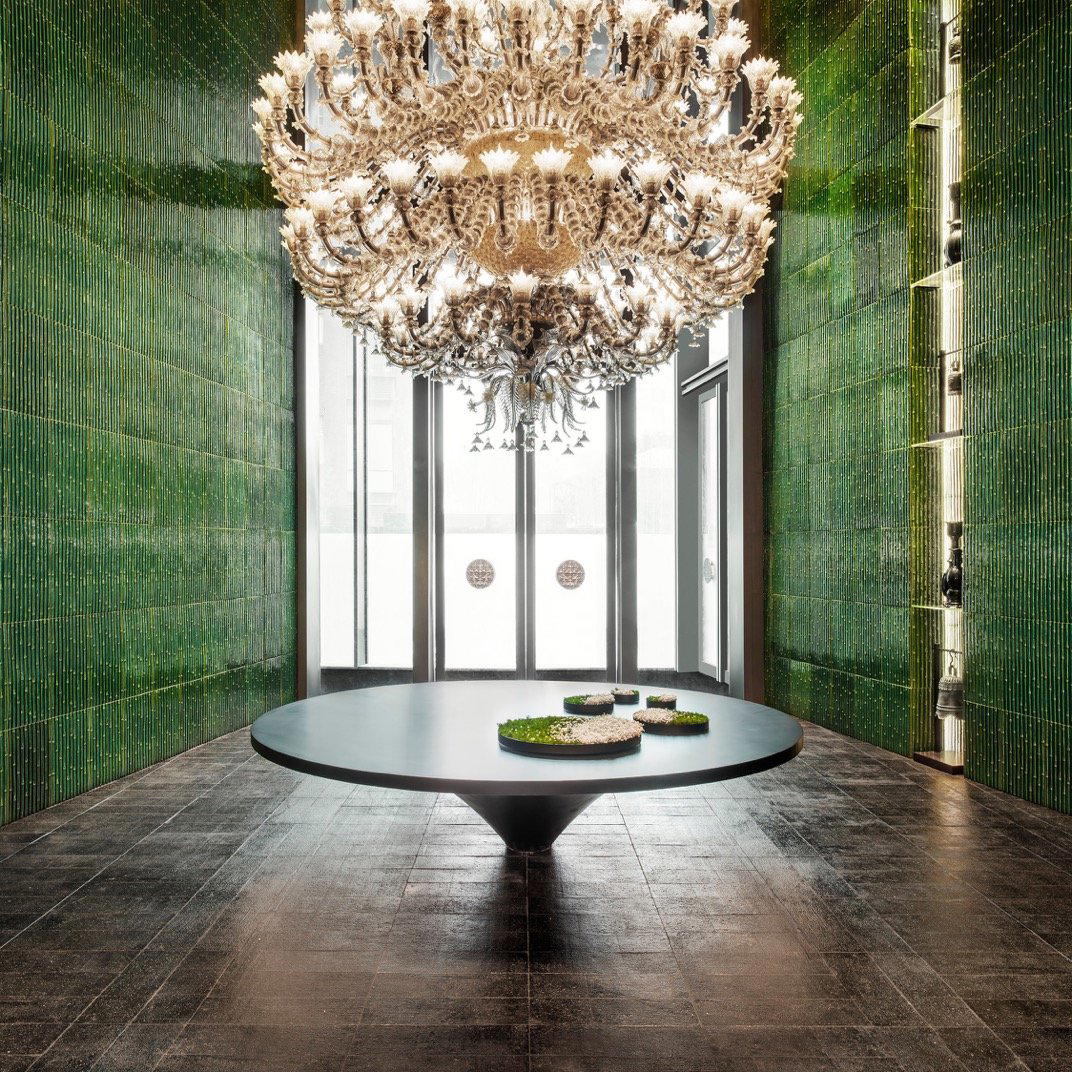
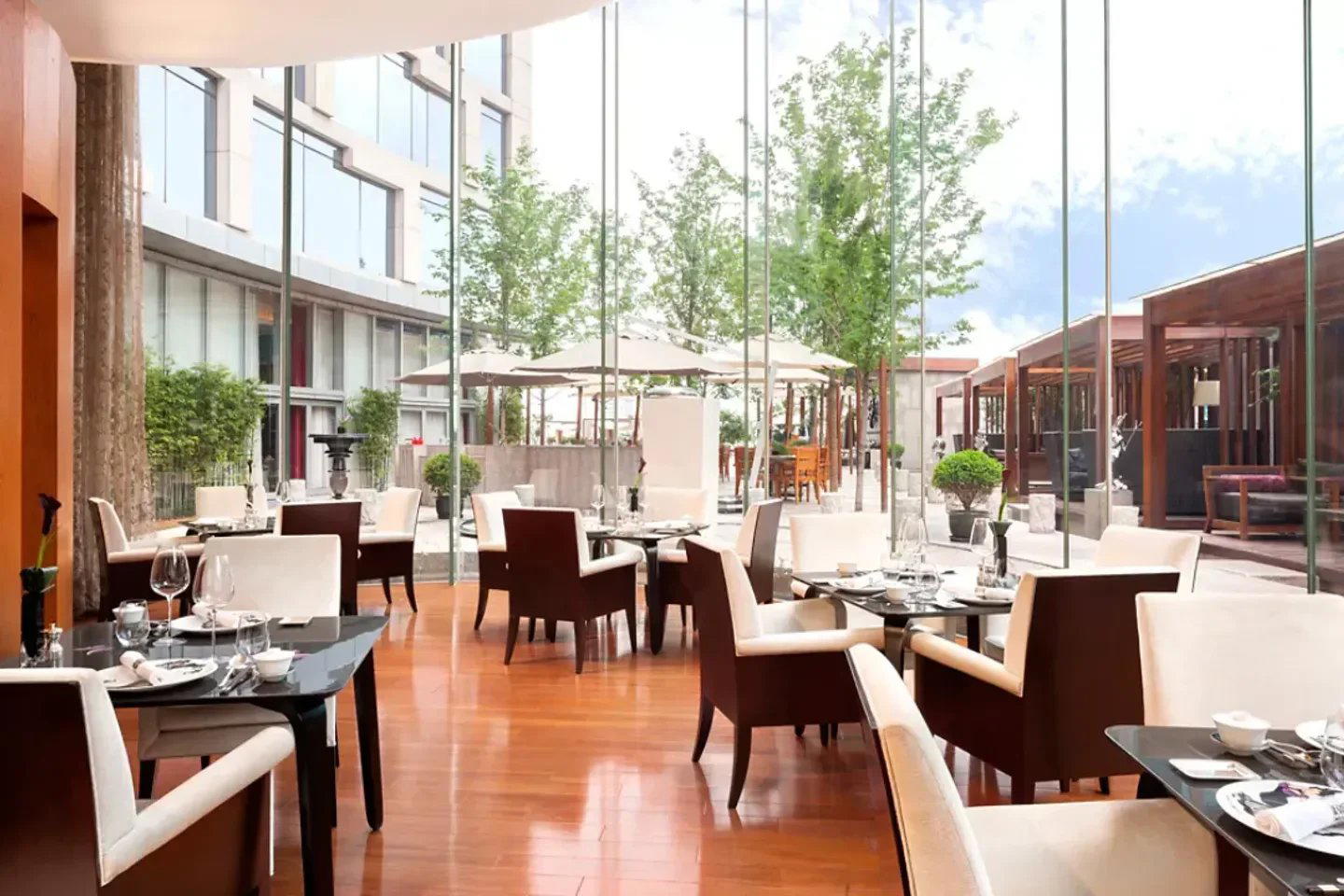
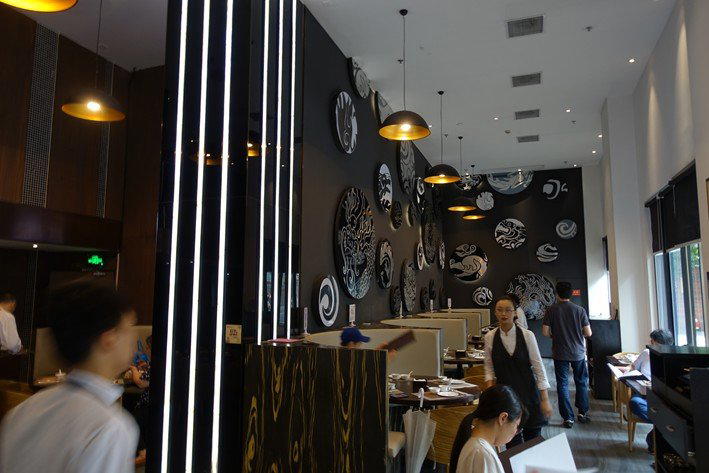
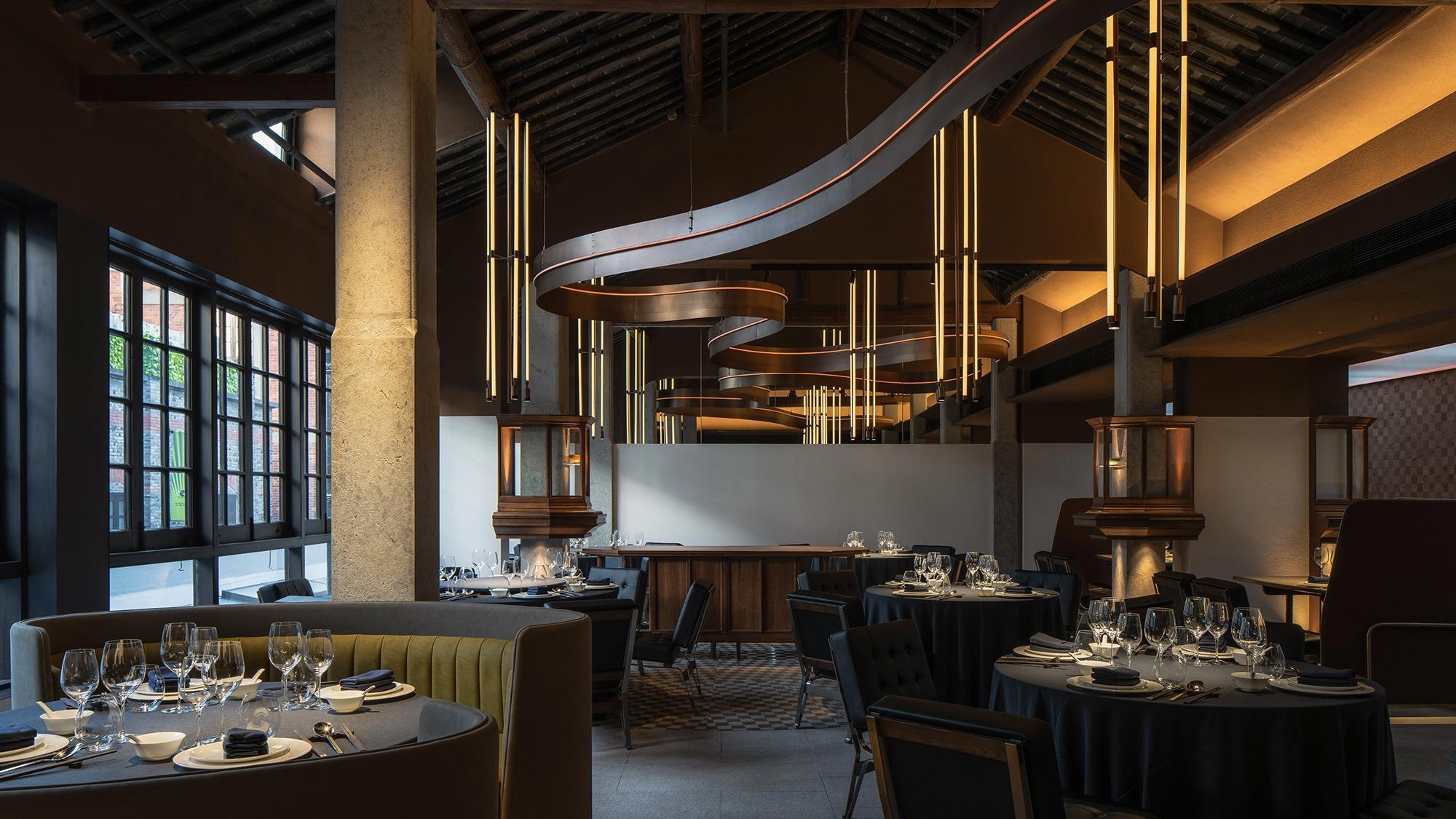
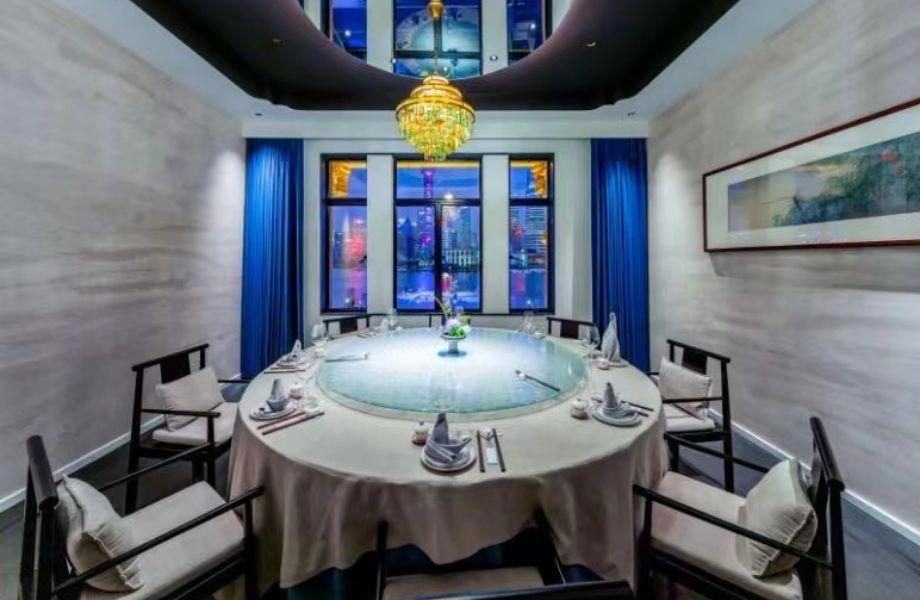
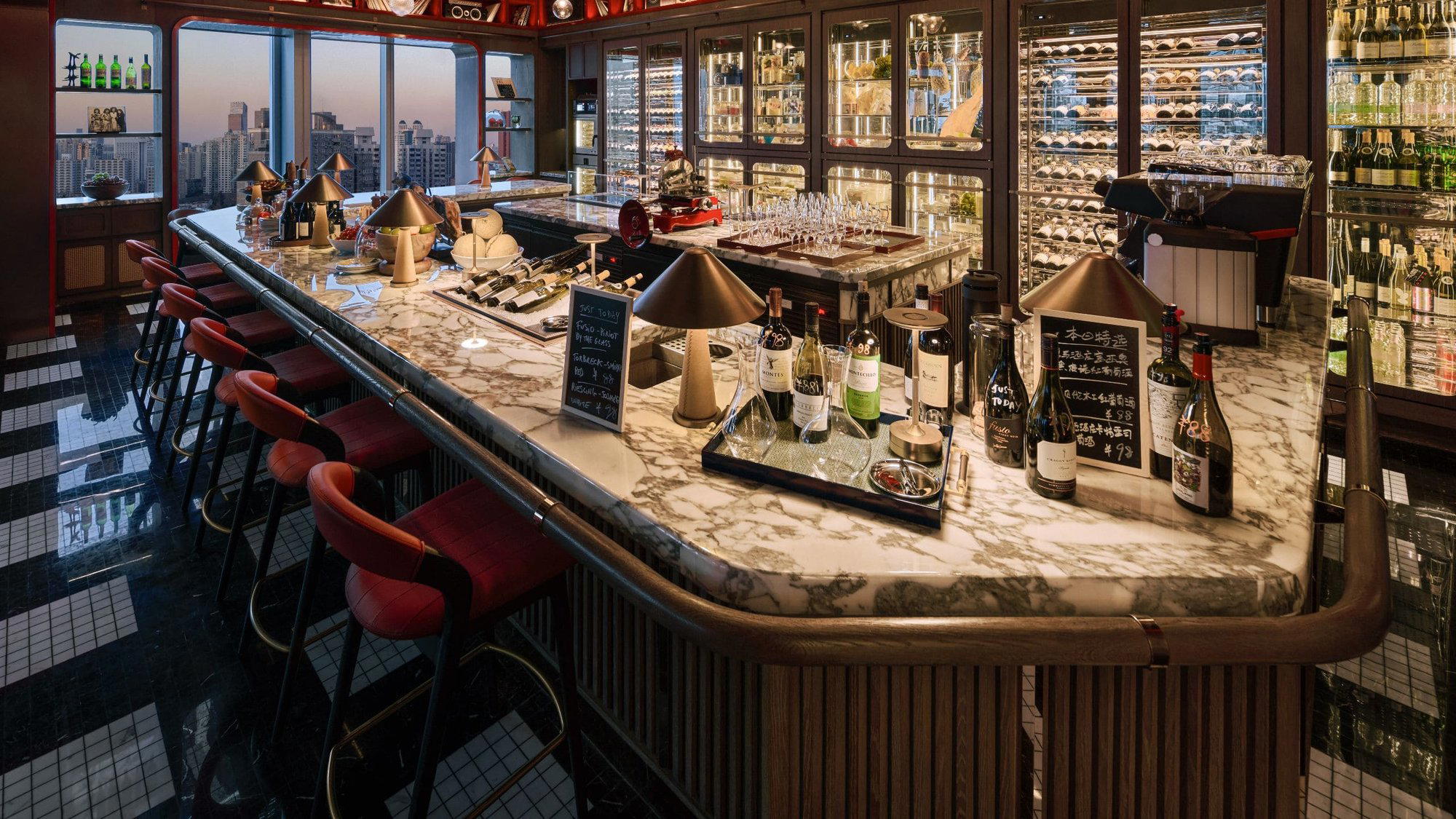
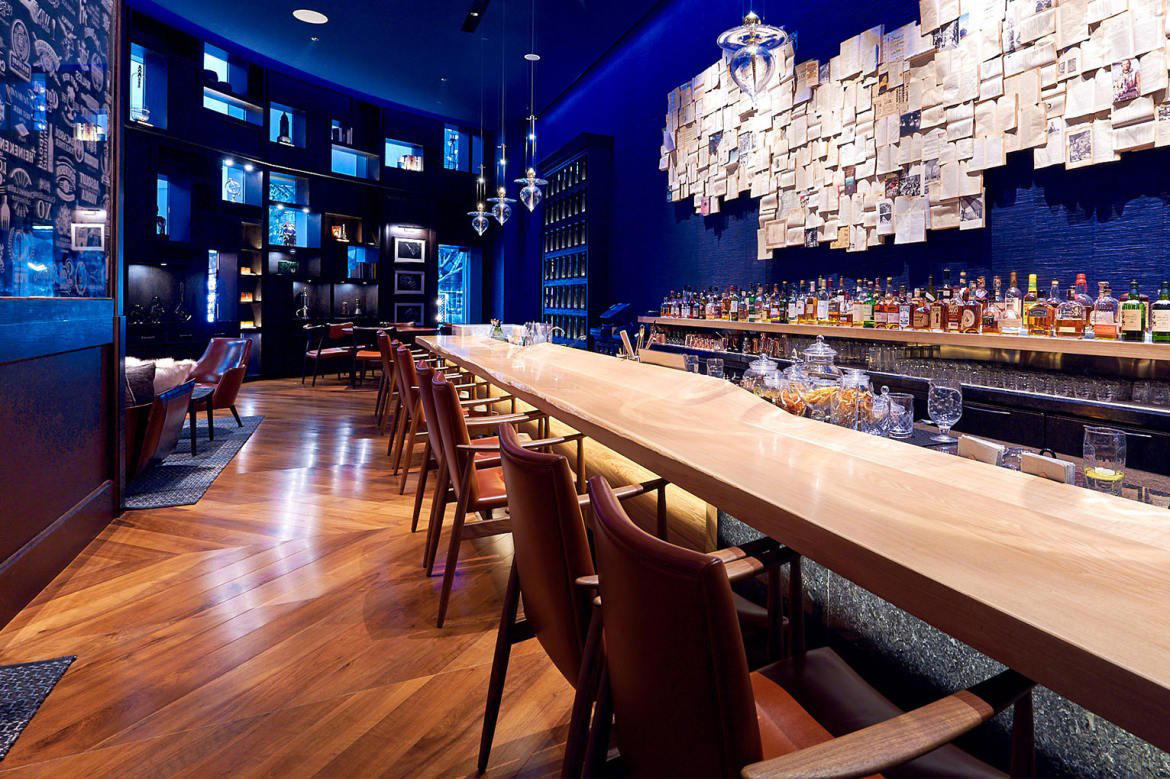
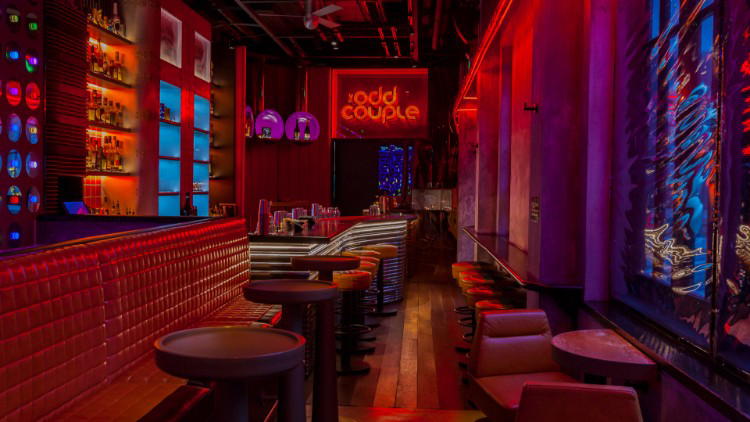
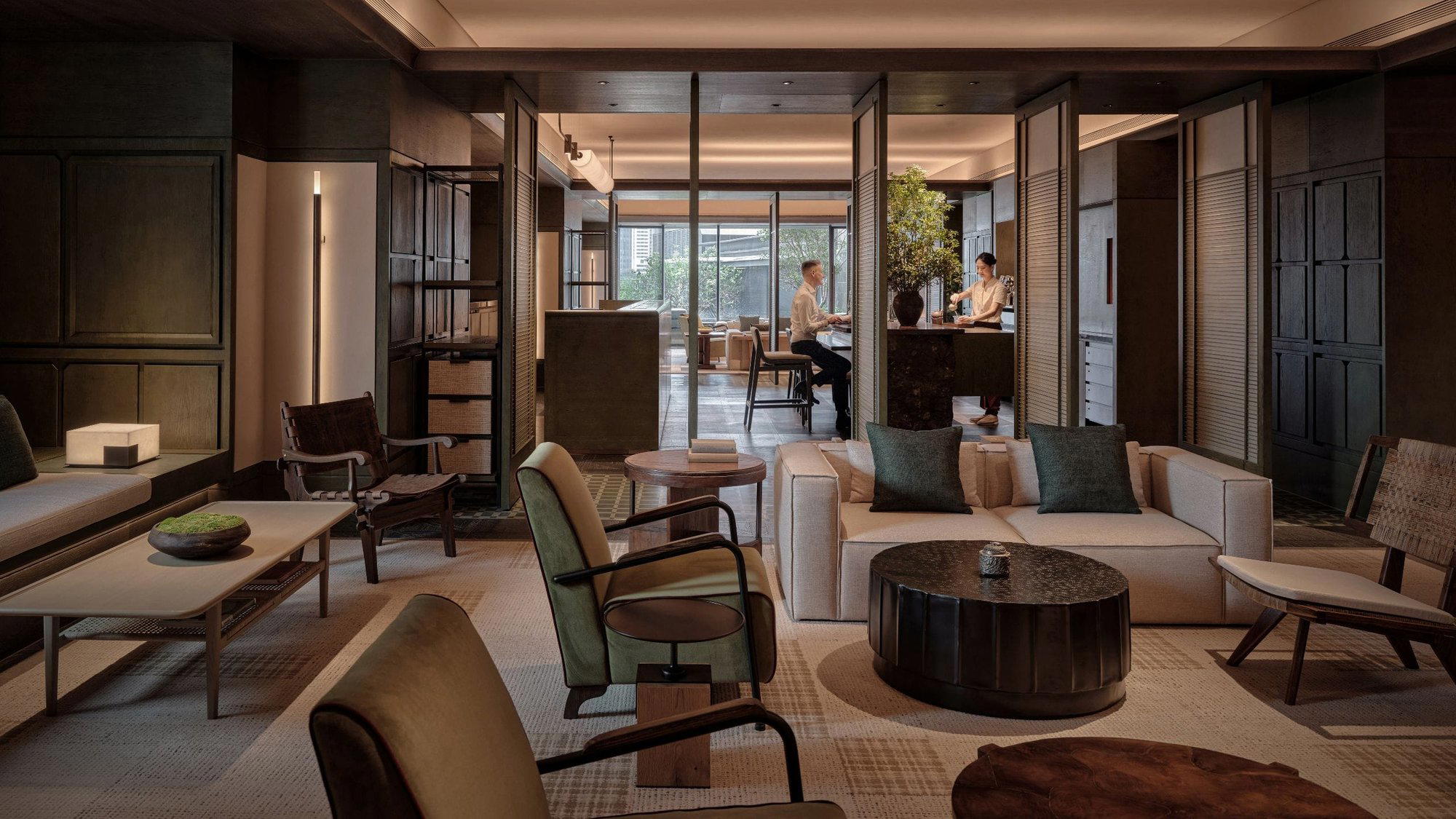
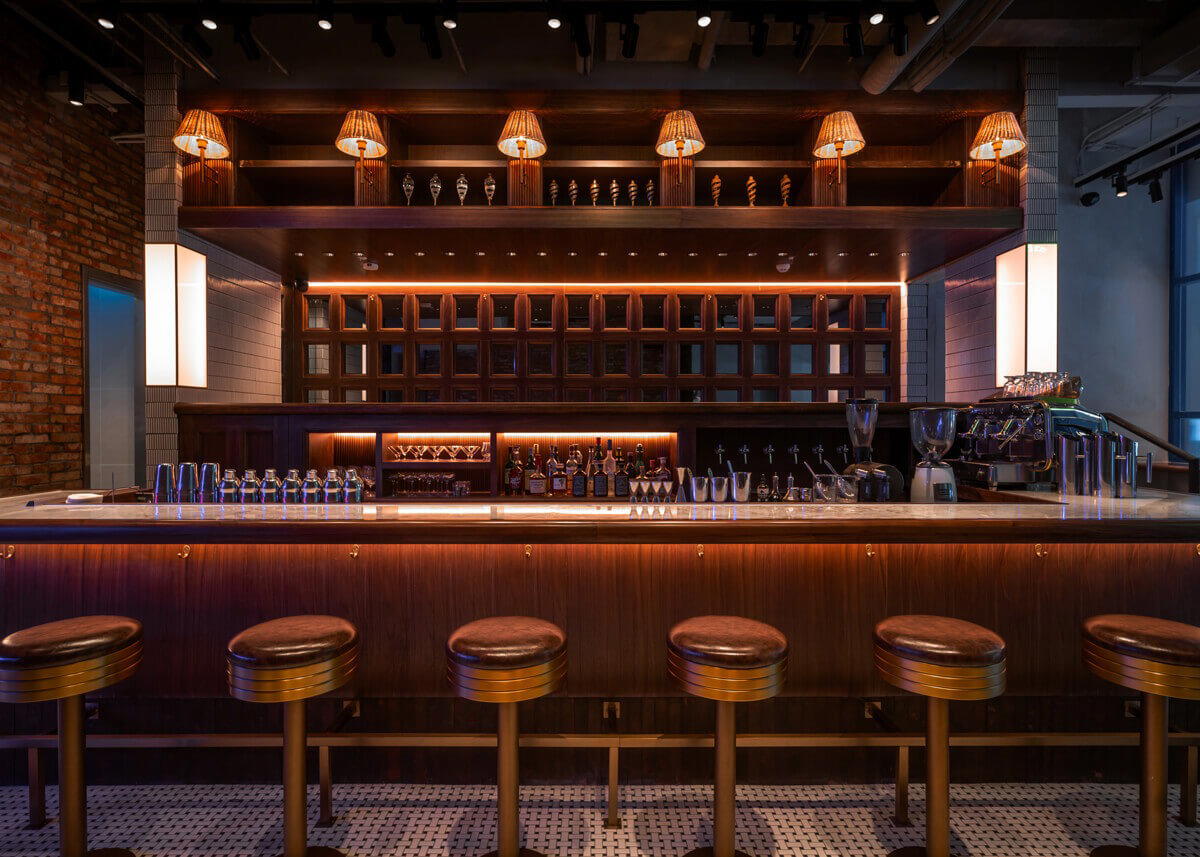
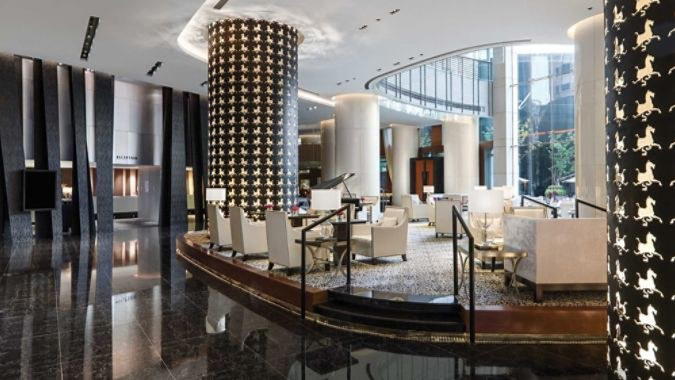
Futuristic, immersive, and highly photogenic, with silver-white mirrored surfaces, metallic modern-tech design, and a sci-fi / interstellar feel.