Yong Fu occupies the twelfth floor of the historic Jinjiang Hotel on Maoming Nan Road, serving Ningbo-style cuisine in a setting that draws a loyal clientele of regulars who return for its careful execution of coastal Zhejiang cooking. In a Shanghai dining scene dominated by Cantonese and Shanghainese registers, the restaurant holds a distinct position as a serious destination for Ningbo's brined, fermented, and seafood-forward repertoire.
Pearl is the En Primeur Club membership app — saves, bookings, and concierge access live there. Same editors, same standards.
- Address
- 12/F, North Building, Jinjiang Hotel, 59 Maoming Nan Road | 茂名南路59号锦江饭店锦北楼12楼 (Changle Road | 近长乐路), Jìngān, 上海市, 上海市, 200000
- Directions
- Get directions
 Saves & bookings on Pearl
Where Coastal Zhejiang Cooking Holds Its Ground in Shanghai
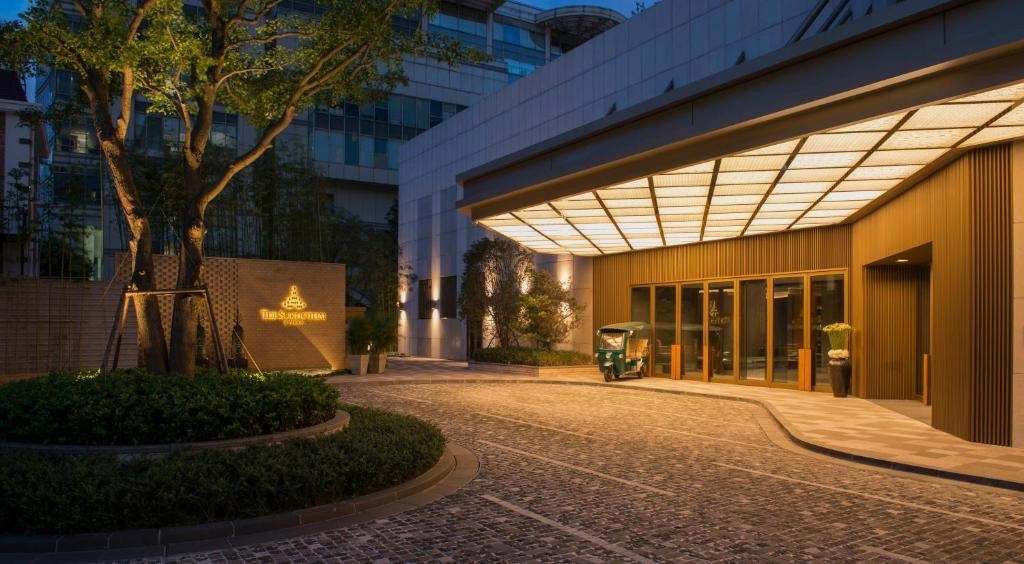
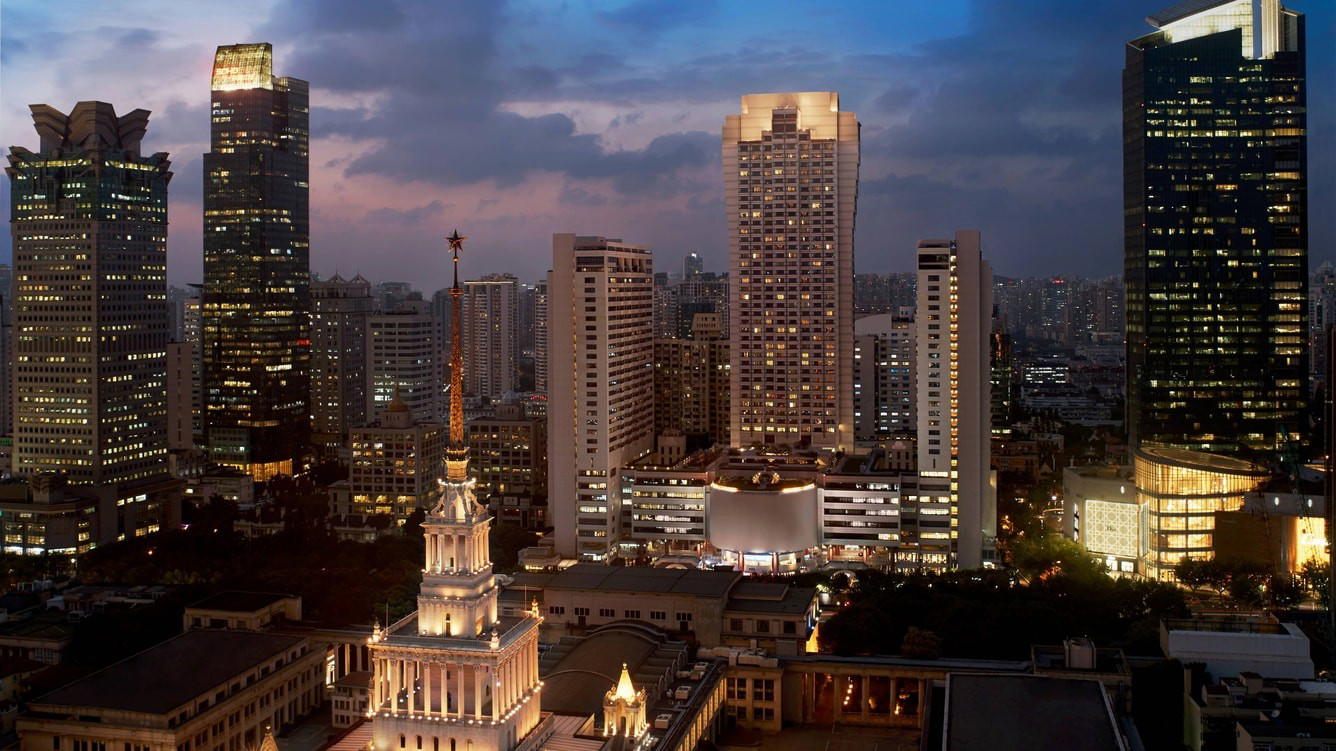
The twelfth floor of Jinjiang Hotel's North Building sits above the plane-tree-lined corridor of Maoming Nan Road, in a stretch of the French Concession that carries more architectural memory than most of Shanghai's dining districts. Coming up from the lobby, the transition matters: above, a dining room devoted to the cuisine of Ningbo, a port city whose cooking vocabulary of brine, fermentation, and fresh seafood sits at a remove from the Cantonese and Shanghainese registers that dominate Shanghai's upper-tier restaurant conversation.
That positioning is not incidental. Ningbo cuisine, rooted in the coastal geography of northern Zhejiang province, has historically been underrepresented at the formal restaurant level in Shanghai despite the city's large Ningbo diaspora population. The food tradition emphasizes preservation techniques including salt-curing, rice-wine fermentation, and air-drying, producing flavors that are more saline and mineral than the sweeter profiles of Shanghainese cooking or the delicacy-first instincts of high Cantonese. For diners who know the tradition, 甬府 (Yong Fu) reads as a serious attempt to present that register in a format and setting commensurate with its actual complexity.
What Keeps the Regulars Returning
The clientele at 甬府 skews toward people who already know what they want. The unwritten logic of the room is one that rewards prior knowledge: diners familiar with Ningbo cooking arrive with reference points for salted yellow croaker, fermented tofu preparations, and the particular approach to crustaceans and shellfish that defines the port city's repertoire. This is not a restaurant that makes its case through elaborate front-of-house explanation or tasting menu architecture in the contemporary fine-dining mode. The case is made through the food itself, and the repeat visitors are the ones for whom that case has already been made.
In Shanghai's upper dining tier, this approach sets 甬府 apart from venues that have built their audience through international press attention. Restaurants like Taian Table or Fu He Hui operate in formats explicitly designed for the discovery visitor, with tasting structures and presentation styles that translate across cultural contexts. 甬府 operates differently, functioning more like a specialist institution whose authority is legible primarily to those who arrive with some framework for Zhejiang coastal cooking.
For the regular visitor, the draw is consistency and depth. Ningbo cuisine's fermented and preserved elements require sustained technique and reliable sourcing: the quality of the cured fish, the balance of fermented preparations, and the handling of fresh seafood all depend on supply relationships and kitchen discipline that can't be improvised session to session. When those elements hold, the food delivers a register that no other cuisine in China quite replicates, and the Jinjiang address provides a physical setting serious enough to match it.
The Jinjiang Address and Its Implications
The Jinjiang Hotel is one of Shanghai's most historically loaded addresses. The complex has operated continuously through much of modern Chinese history and retains a kind of institutional weight that newer hotels in Pudong or on the Bund don't carry. Dining on the twelfth floor places a meal inside that context, which matters more than it might appear to. The regulars at 甬府 are not choosing this address despite the hotel setting; the address is part of what signals the restaurant's register, a mid-century seriousness that fits the tradition being presented.
This dynamic appears in comparable form at other restaurants across Chinese cities that anchor themselves in historic hotel buildings rather than standalone or mall locations. Xin Rong Ji on West Nanjing Road and Ru Yuan in Hangzhou share something of this instinct: the physical setting as a signal of culinary seriousness, rather than design-led spectacle. It is a different kind of authority than the one exercised by, say, 8 1/2 Otto e Mezzo Bombana, where the room's contemporary luxury is part of the explicit proposition.
Ningbo Cooking in Regional Context
To place 甬府 accurately, it helps to understand where Ningbo cuisine sits within the broader architecture of Chinese regional cooking. The cuisine belongs to the Zhejiang tradition, which also encompasses Hangzhou's lighter, freshwater-focused cooking, but Ningbo's coastal location and historic role as a trading port pushed its food culture toward different techniques. Salt preservation, specifically applied to fish and seafood, is especially distinctive marker: dishes built around salted yellow croaker (咸鱼) represent a flavor intensity and a relationship with preservation that differs substantially from the more delicate Hangzhou approach.
In the wider range of formal Chinese dining across East and Southeast Asian cities, this tradition is less frequently represented at the upper tier than Cantonese or Shanghainese cooking. 102 House in Shanghai works within Cantonese coordinates; Imperial Treasure Fine Chinese Cuisine in Guangzhou and Dai Yuet Heen in Nanjing operate in Cantonese-influenced registers. Ningbo cooking at this level of presentation is comparatively rare, which is itself part of what makes the restaurant's position in the conversation meaningful.
The comparison extends geographically: Xin Rong Ji in Beijing, Xin Rong Ji in Chengdu, and Chef Tam's Seasons in Macau all demonstrate how Chinese regional cuisines are being positioned at the formal dining level across different cities, each with its own logic. 甬府's approach, grounded in a specific coastal tradition rather than a pan-regional fine-dining synthesis, represents one end of that spectrum. Comparable regional anchoring appears at Dingshan Jiangyan in Suzhou and Jiangnan Wok Rong in Fuzhou, where the discipline of a specific regional tradition is itself the editorial point. For contrast at the opposite end of the geographic range, the precision-driven format of Atomix in New York City or the technique-first logic of Le Bernardin illustrates how different the relationship between tradition and presentation can be across contexts. Closer to home, Fleurs Et Festin in Xiamen and Shang Palace in Yangzhou each anchor themselves in regional identity with comparable discipline.
Planning a Visit
甬府 is located on the twelfth floor of Jinjiang Hotel's North Building at 59 Maoming Nan Road, near Changle Road in the Jing'an district. The Jinjiang Hotel is a known address for taxi and ride-hailing drivers, which simplifies arrival. Given the restaurant's standing among regulars and its specialized positioning in the Shanghai market, booking ahead is advisable, particularly for weekend lunches and dinners, when the dining room draws both local Shanghai residents and visitors with specific interest in Zhejiang cuisine. Those arriving from other Chinese cities with established Zhejiang dining scenes, including Hangzhou or Ningbo itself, will likely find the reference points familiar; first-time visitors to Ningbo cuisine benefit from arriving with some prior reading on the tradition's characteristic techniques and flavors, as the menu's depth is most accessible with that context in place.
Price and Recognition
Comparable venues nearby, for context on price, style, and recognition.
| Venue | Cuisine | Price | Notes |
|---|---|---|---|
| 甬府This venue — the venue you are viewing | Huangpu, Traditional Ningbo Cuisine | $$$ | Not listed |
| Loushang Hotpot | Jing’an District, Cantonese-Style Hotpot | $$$ | Not listed |
| Gongdelin | Not listed | $$ | Huangpu, Shanghainese Vegetarian Mock Meat |
| 大董海参店 Da Dong - Shanghai | Not listed | $$$ | Jing'an, Modern Beijing-Shandong Sea Cucumber |
| Jade Mansion | Lan Ni Du, Modern Cantonese | $$$ | Not listed |
| Di Shui Dong | Da Pu Qiao, Authentic Hunan Cuisine | $$ | Not listed |
At a Glance
- Elegant
- Sophisticated
- Classic
- Business Dinner
- Special Occasion
- Family
- Hotel Restaurant
- Sustainable Seafood
- Skyline
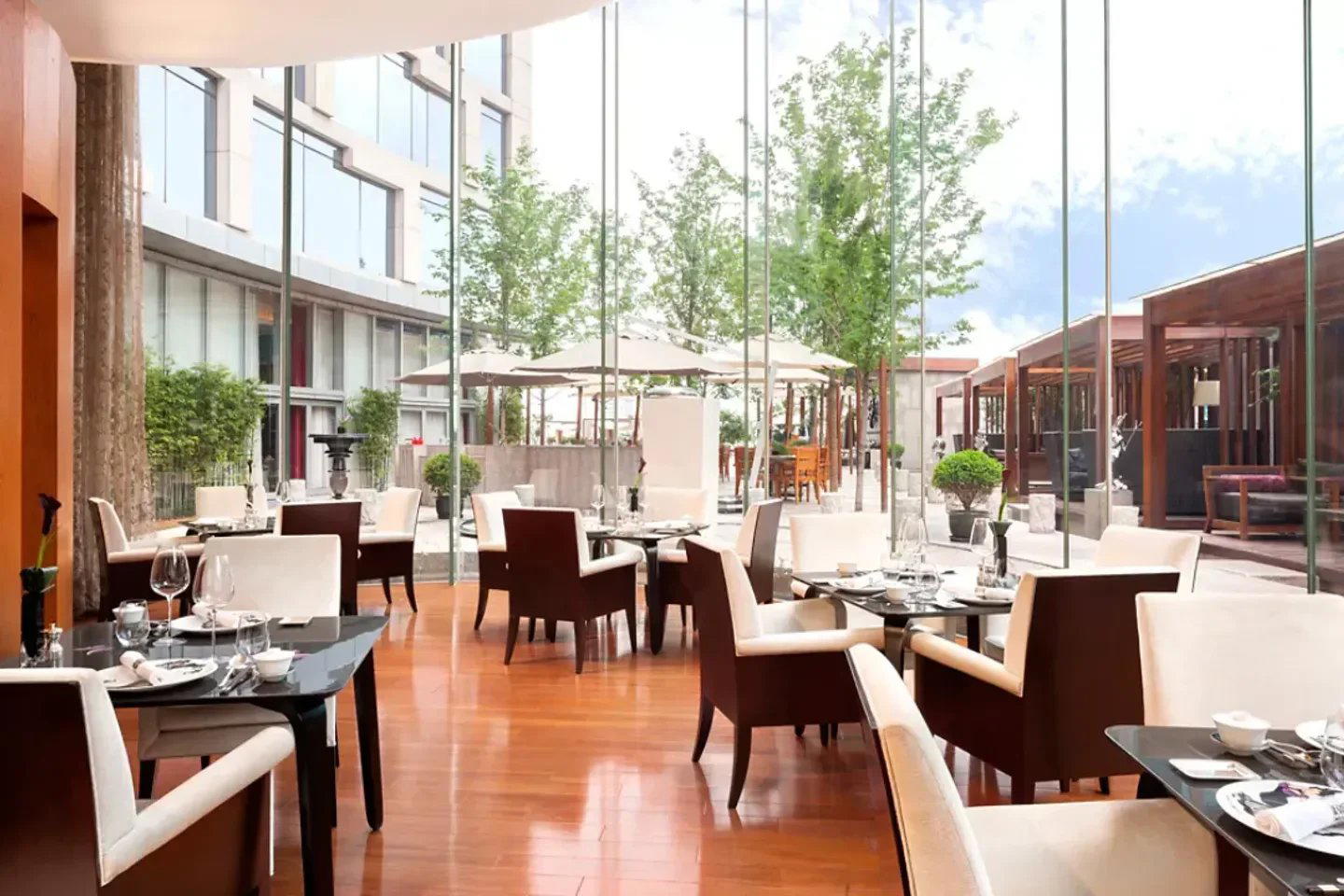
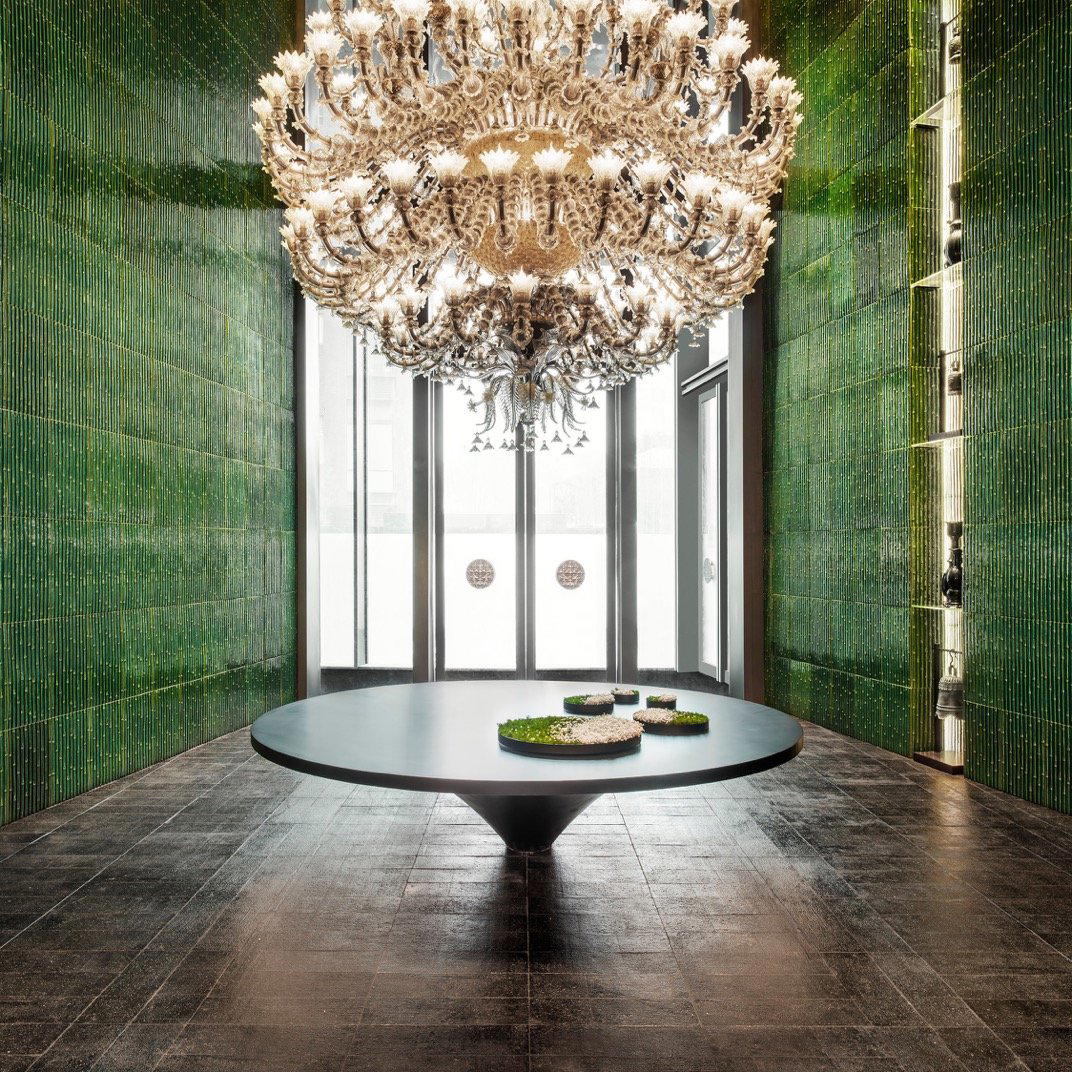
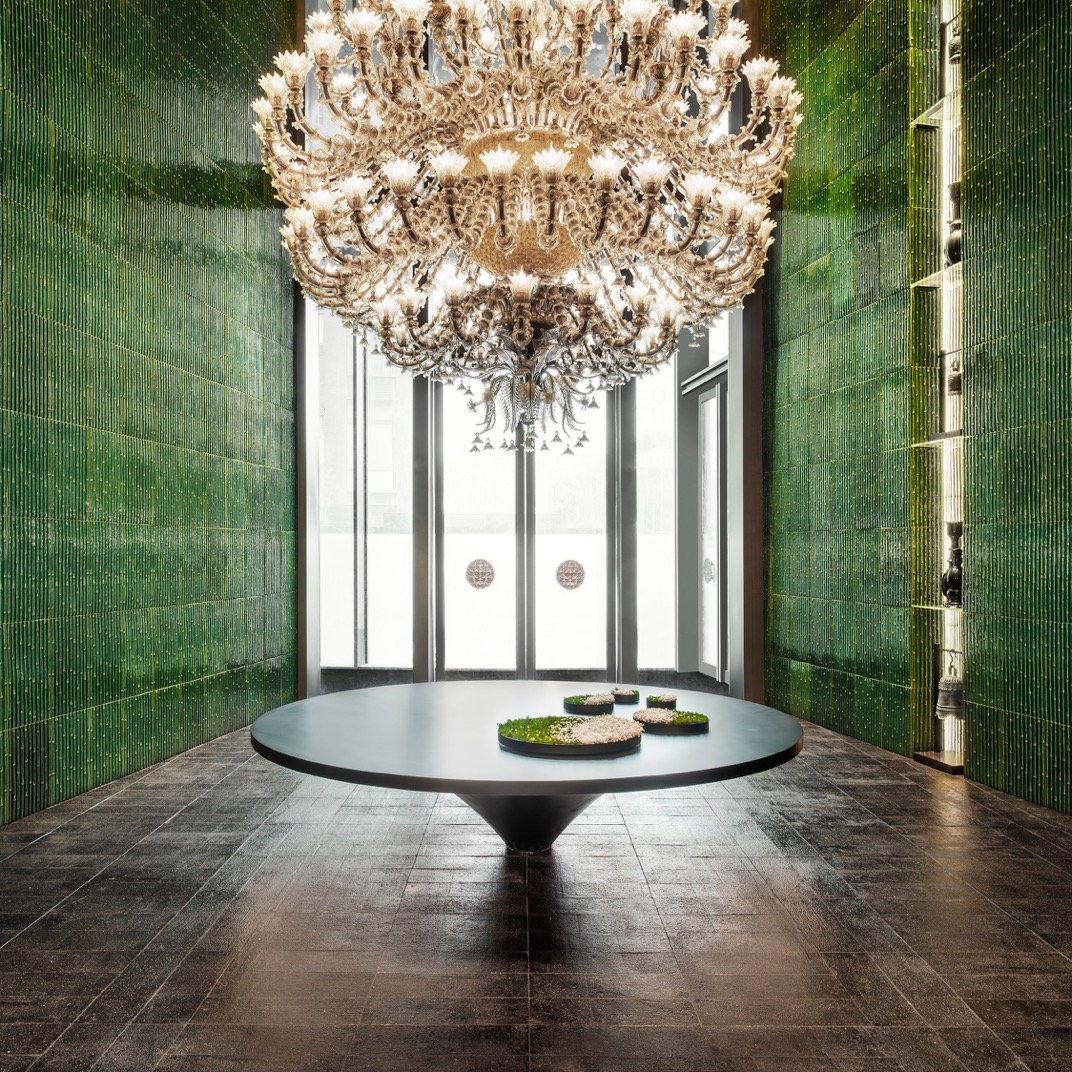
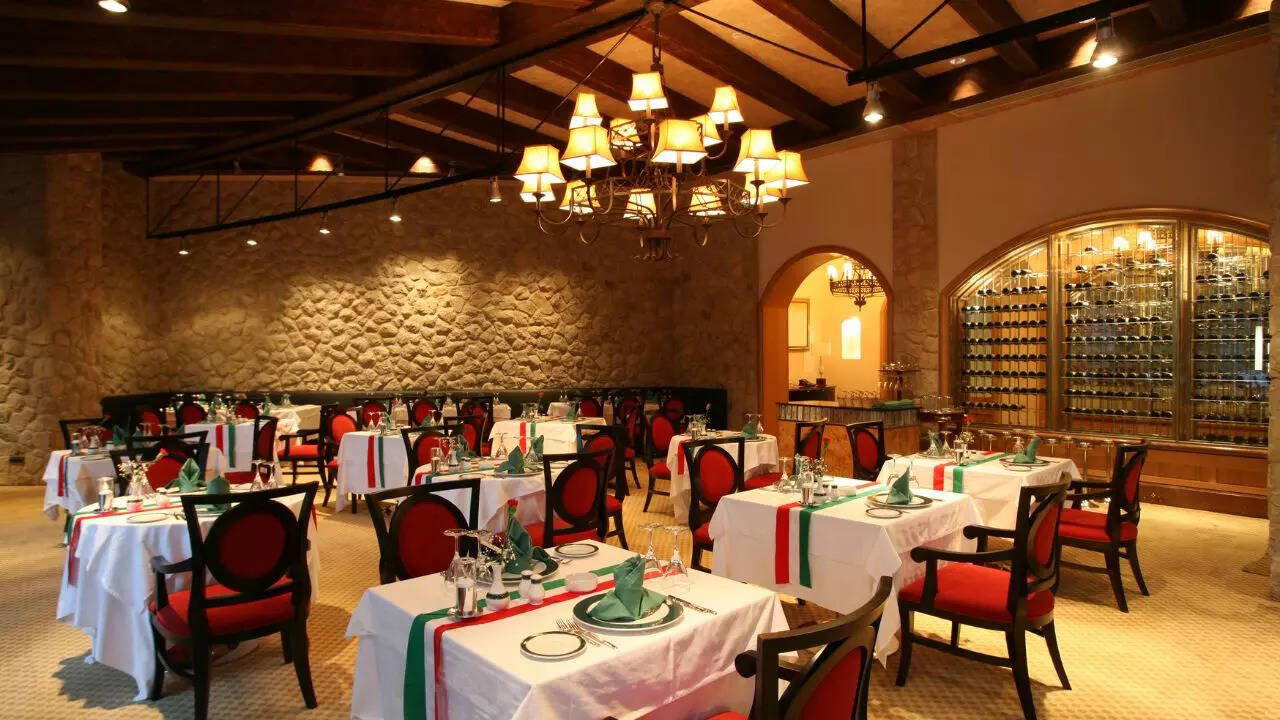
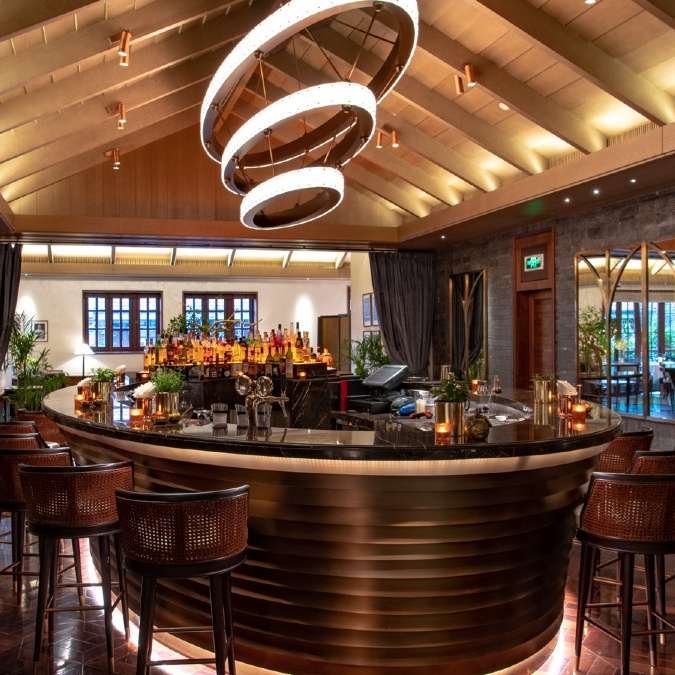
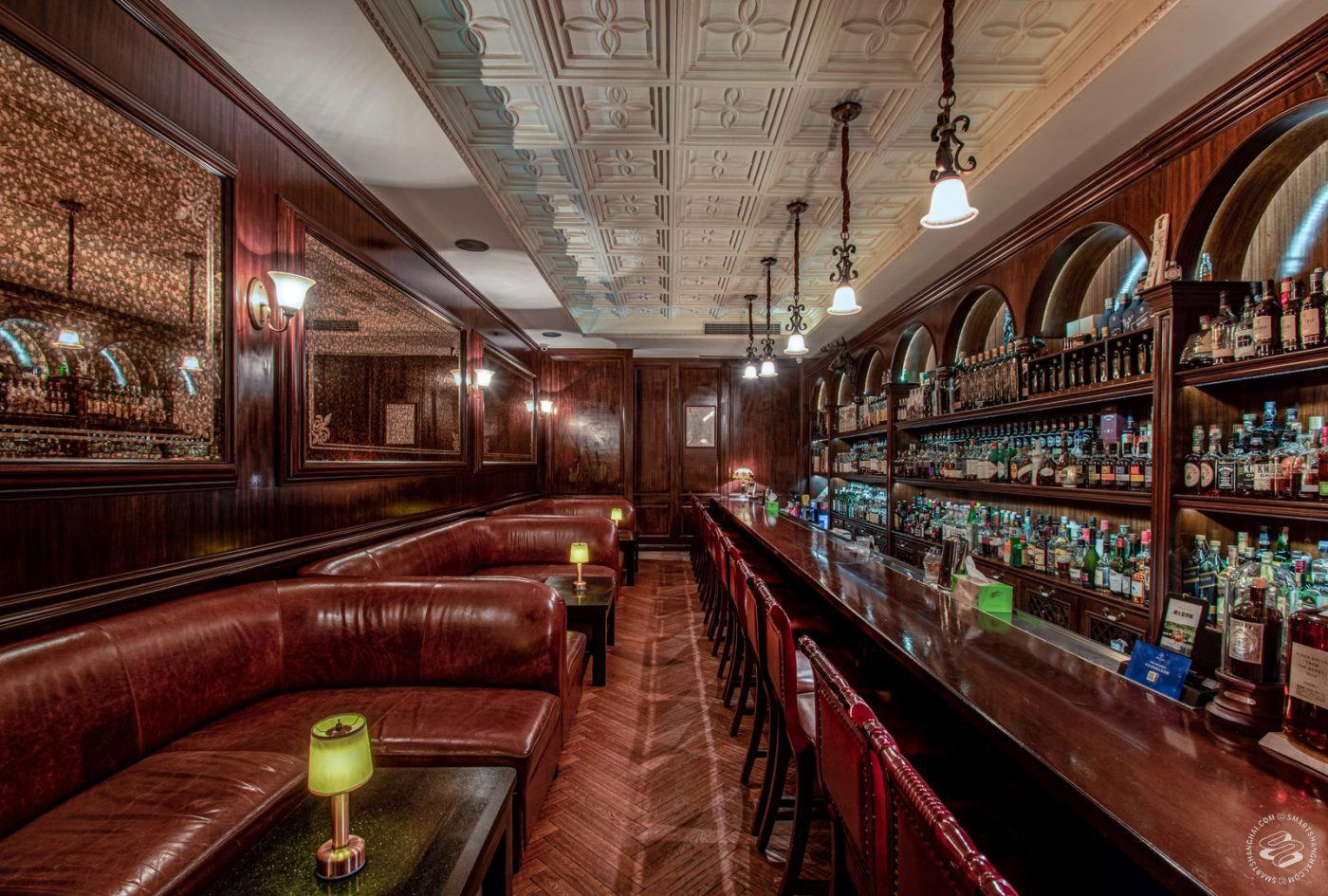
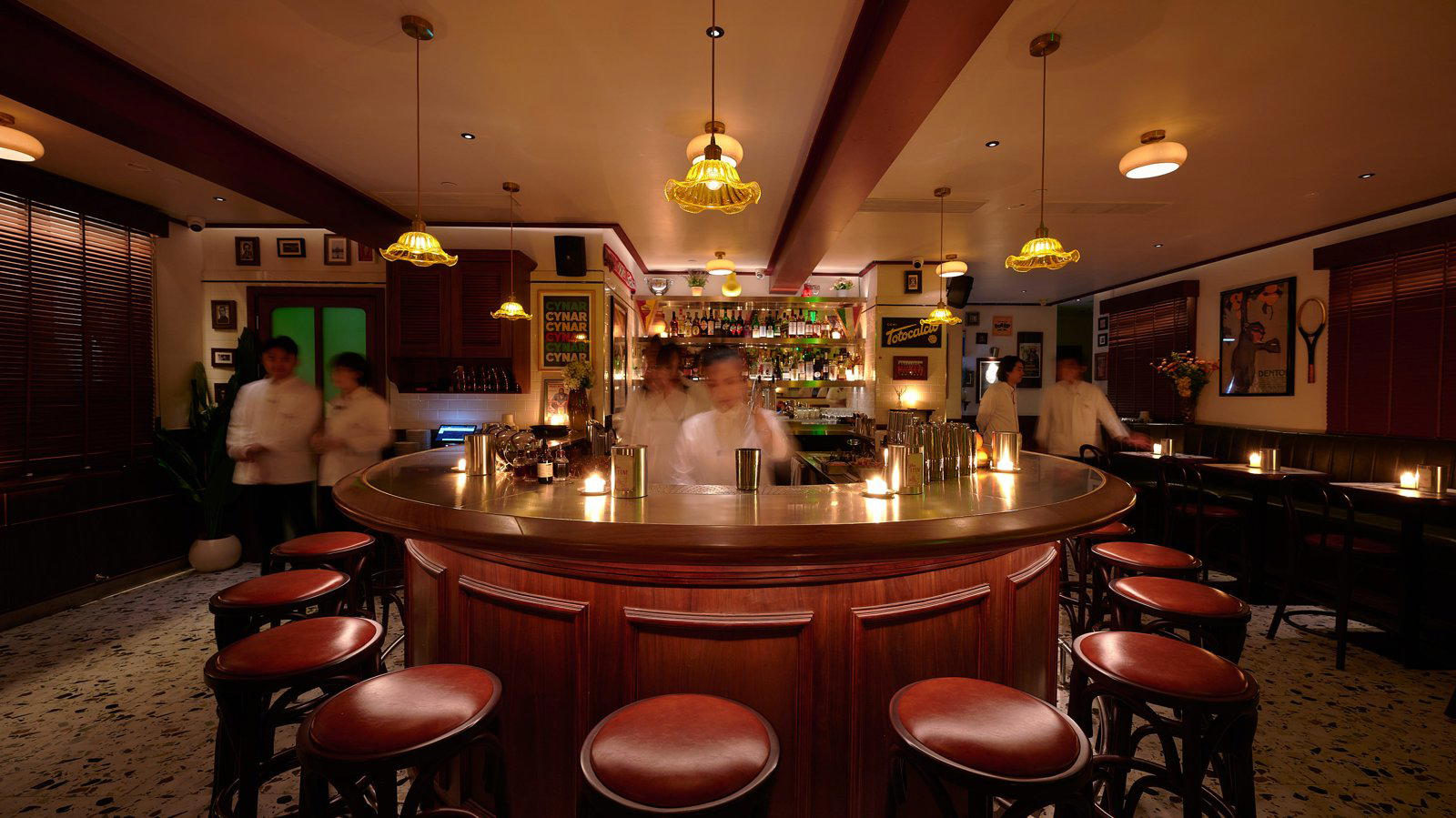
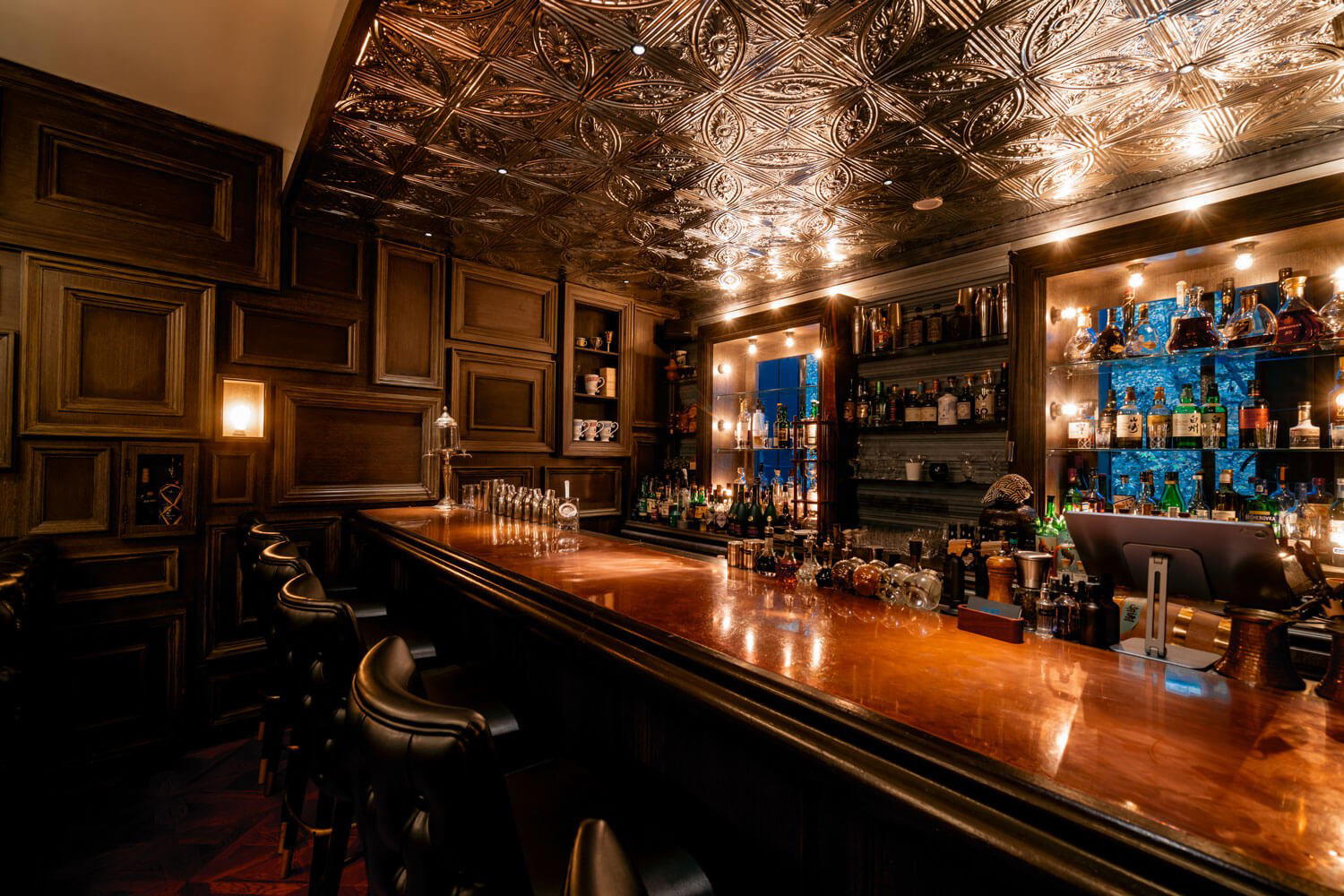
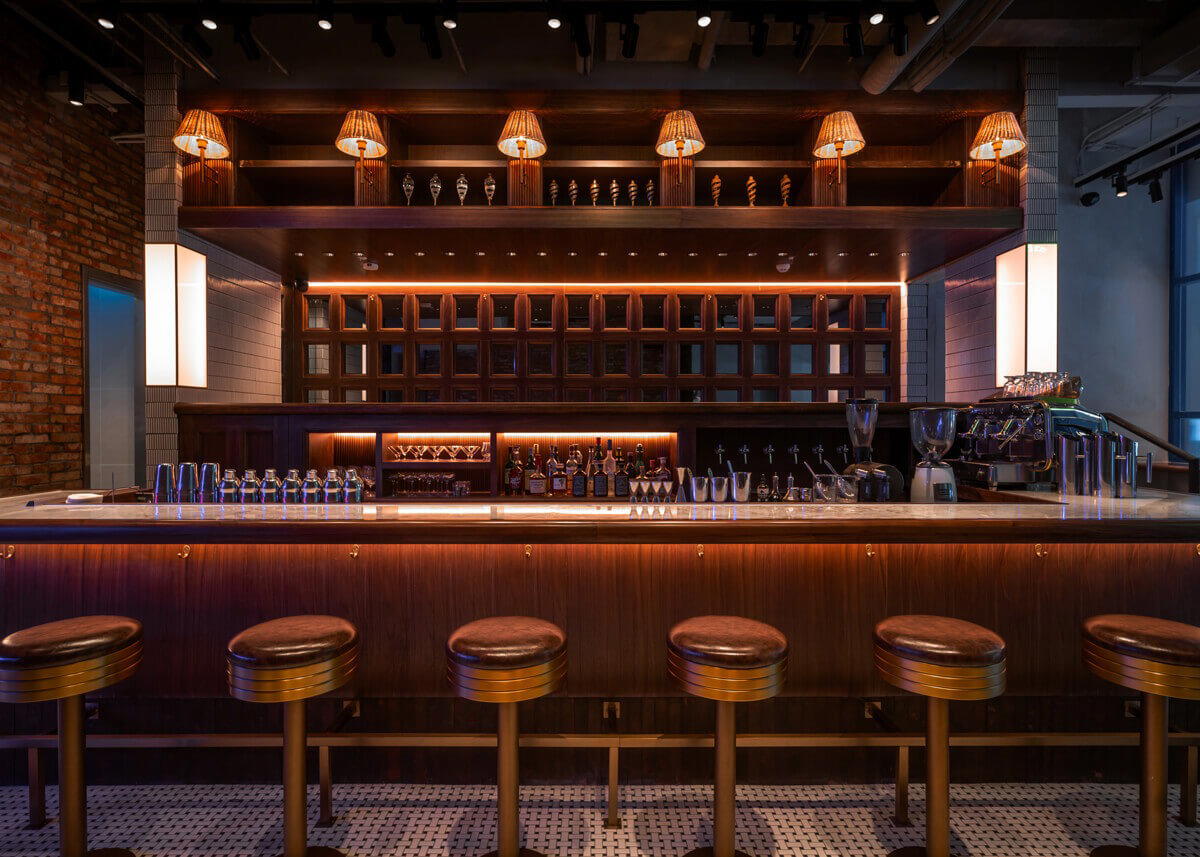
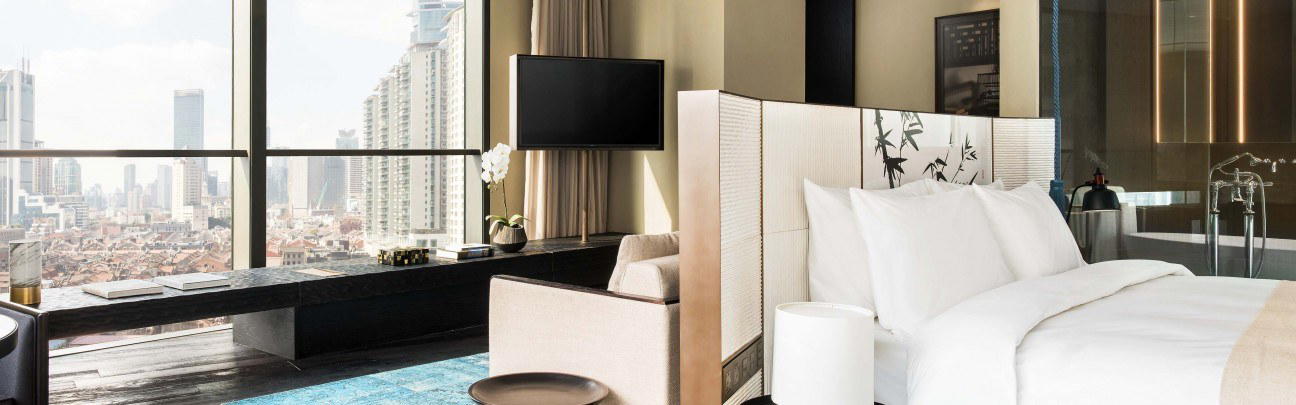
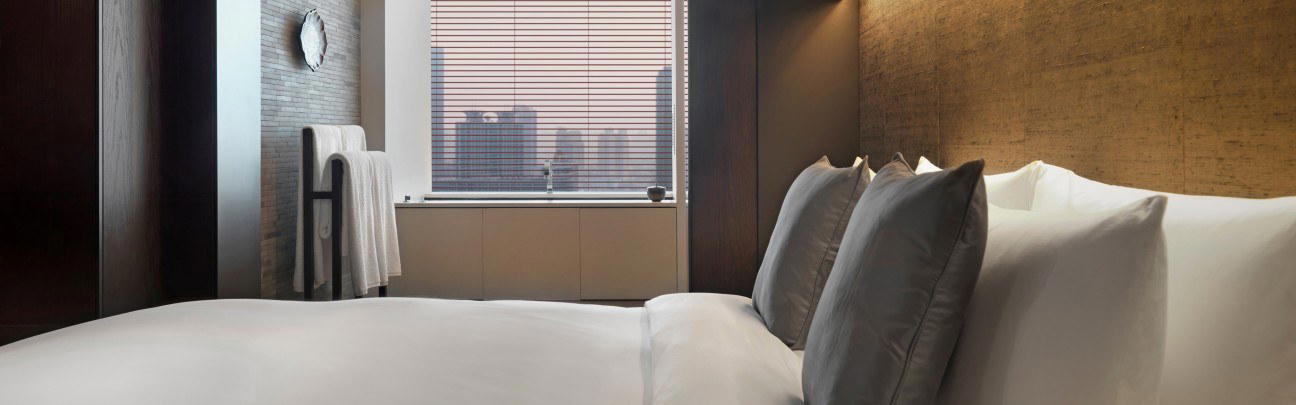
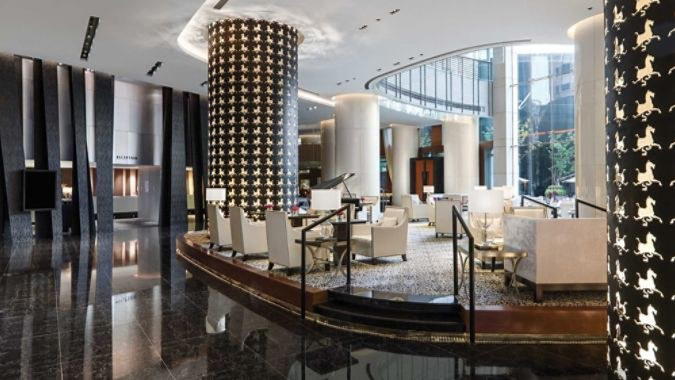
Old Shanghai charm with dated yet luxurious hotel decor, precise chandeliers, marble walls, and wave-like crystal lighting evoking an ornate, historic atmosphere.