An Fu Lu occupies Xuhui District, one of Shanghai's most architecturally layered neighbourhoods, where the density of serious Chinese dining has quietly intensified over the past decade. The address places it within reach of the city's established fine-dining corridor, drawing a crowd that expects both culinary precision and cultural grounding. Booking ahead is strongly advised.
Pearl is the En Primeur Club membership app — saves, bookings, and concierge access live there. Same editors, same standards.
- Address
- Xuhui District, Shanghai, China, 200031
- Directions
- Get directions
 Saves & bookings on Pearl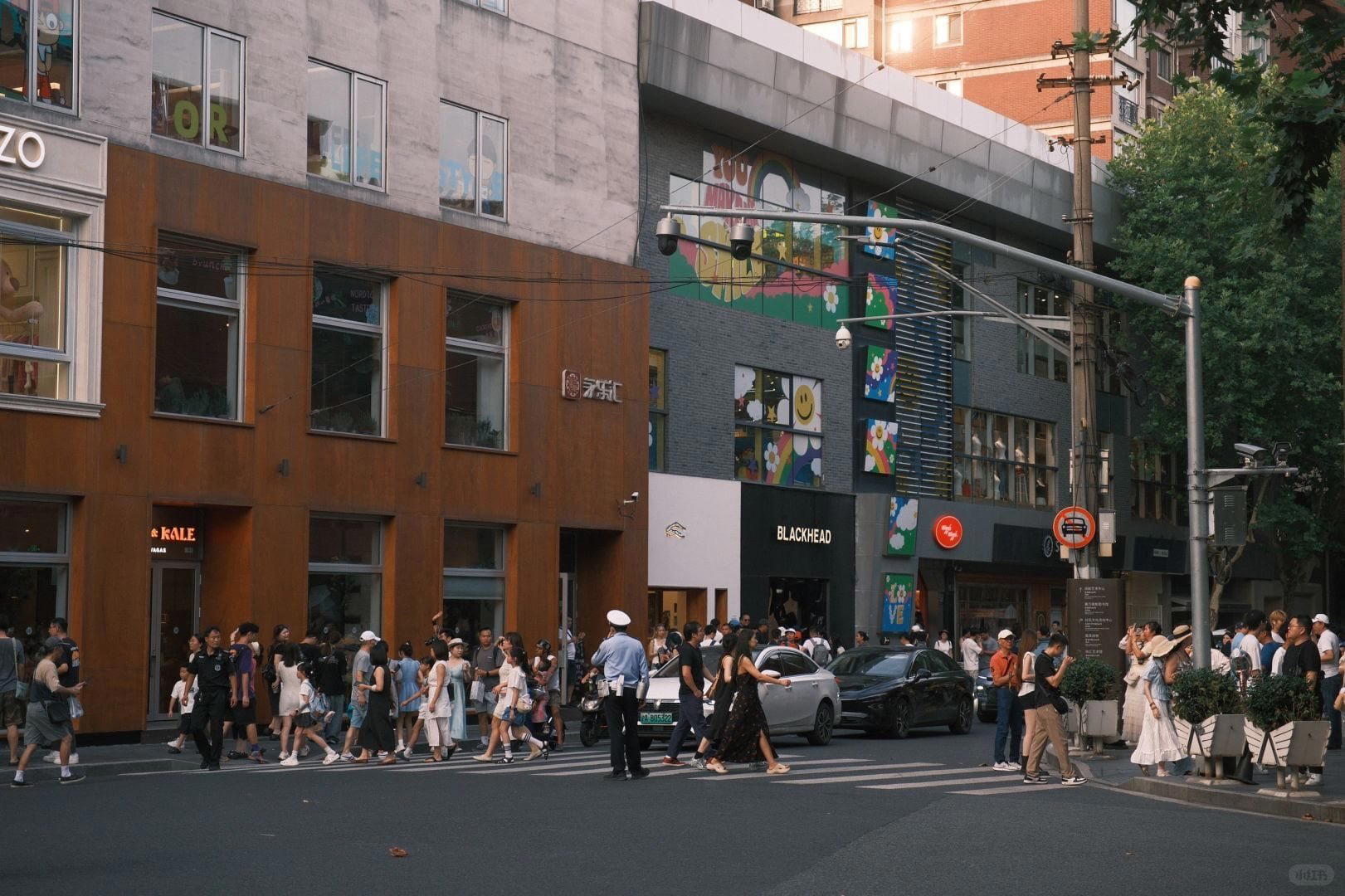
Xuhui and the Quiet Intensification of Shanghai Fine Dining
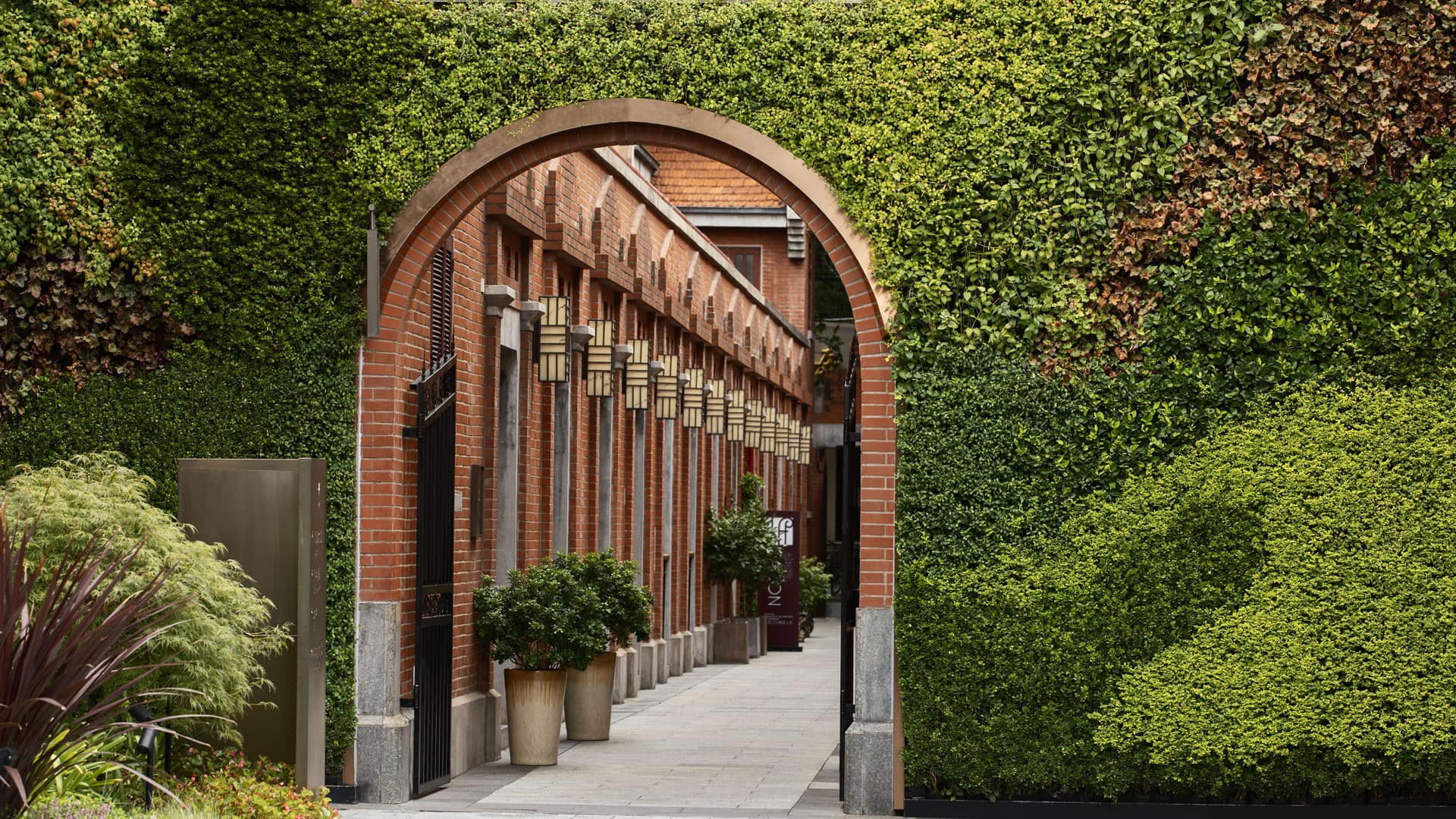
Xuhui District does not announce itself the way the Bund does. Its streets carry the weight of Shanghai's French Concession-era architecture, plane trees arching over lanes where independent restaurants have gradually displaced the older generation of family-run establishments. Over the past decade, this part of the city has become one of the more instructive places to watch how Chinese fine dining repositions itself: away from the banquet-hall formality of an earlier era and toward something more considered, where the room, the sourcing, and the service register as a coherent statement rather than a backdrop. An Fu Lu, as a named address within this district, sits inside that broader shift.
The street itself — An Fu Road — is one of Xuhui's more quietly frequented strips, better known among Shanghai residents than among first-time visitors. That local orientation shapes the character of serious dining here: the clientele tends to be familiar with the category, which in turn creates pressure on kitchens to deliver at a level where regulars notice the difference between one season's produce and the next.
The Cultural Architecture of Chinese Restaurant Formats
To understand where a Xuhui address like An Fu Lu sits in Shanghai's dining order, it helps to understand how Chinese restaurant formats have fractured at the premium end. For much of the twentieth century, the dominant model was the large Cantonese banquet house, exporting a version of Chinese hospitality built around shared tables, lazy Susans, and dishes timed to the logic of collective eating. That model still exists and still performs at a high level, 102 House in Shanghai represents the Cantonese tradition with considerable seriousness, but it is no longer the only template for ambitious Chinese cooking in the city.
A second tier has emerged: smaller, more intimate formats where the kitchen's identity is built around a specific regional cuisine or a personal interpretation of Chinese ingredients treated with the precision more commonly associated with European tasting-menu culture. Fu He Hui occupies this space through its vegetarian framework, priced at ¥¥¥¥ and operating on the logic that restraint and depth are not in conflict. The Xuhui neighbourhood has become a particularly dense concentration of this second tier, where the ambient expectation is specificity rather than spectacle.
An Fu Lu operates within this context. What that means in practice is that the surrounding competitive set is operating at a level where generalisms do not hold.
Shanghai's Position in the Wider Chinese Fine Dining Circuit
Shanghai's fine dining scene does not exist in isolation from the rest of China's premium restaurant circuit. Taizhou cooking has found its most prominent Shanghai expression through Xin Rong Ji (West Nanjing Road), a format that has extended to Beijing and Chengdu, illustrating how regional Chinese cuisines now travel within a national premium circuit rather than staying rooted to their origin cities. Meanwhile, restaurants like Taian Table demonstrate how modern European technique has been absorbed into Shanghai's dining identity without losing local relevance, and 8 1/2 Otto e Mezzo Bombana shows that the city's international dining tier is calibrated to a global standard.
Beyond Shanghai, the broader regional circuit includes destinations worth knowing for any traveller moving through eastern and southern China: Ru Yuan in Hangzhou, Dai Yuet Heen in Nanjing, Shang Palace in Yangzhou, and Pingjiangsong in Suzhou each represent distinct regional cooking traditions at a serious level. Further afield, Imperial Treasure Fine Chinese Cuisine in Guangzhou, Chef Tam's Seasons in Macau, Fleurs Et Festin in Xiamen, and Wenru No.9 in Fuzhou extend the premium Chinese dining map into the south and southeast. An Fu Lu's Xuhui address connects it to this circuit rather than positioning it as an outlier within it.
Planning Your Visit
Xuhui's dining scene rewards advance planning. The neighbourhood's most serious restaurants tend to fill weekend bookings several weeks out, and the premium Chinese dining tier in Shanghai has tightened its reservation windows in line with international demand, a pattern visible in comparable cities from Hong Kong to Singapore. Visitors arriving without reservations at this tier of restaurant will find walk-in availability limited, particularly on Friday and Saturday evenings. For context on how Shanghai's broader dining scene maps by neighbourhood and cuisine type, our full Shanghai restaurants guide provides the most current editorial overview.
An Fu Lu's address in the 200031 postcode area of Xuhui places it within reach of the former French Concession's main arteries, making it accessible by metro on Lines 1, 7, or 9 depending on approach, with Changshu Road and Jiashan Road stations both serving the immediate area. For travellers calibrating An Fu Lu against other serious addresses in different dining capitals, the editorial comparisons extend internationally: the format discipline evident in Shanghai's premium tier finds its closest Western equivalents in tasting-menu formats like Le Bernardin in New York City or community-table formats like Lazy Bear in San Francisco, though the cultural logic differs considerably.
How An Fu Lu Shanghai compares with similar nearby venues.
| Venue | Cuisine | Price |
|---|---|---|
| Mi Thai | Thai | ¥¥ |
| Mercado 505 | Spanish | ¥¥¥ |
At a Glance
- Trendy
- Cozy
- Casual Hangout
- Standalone
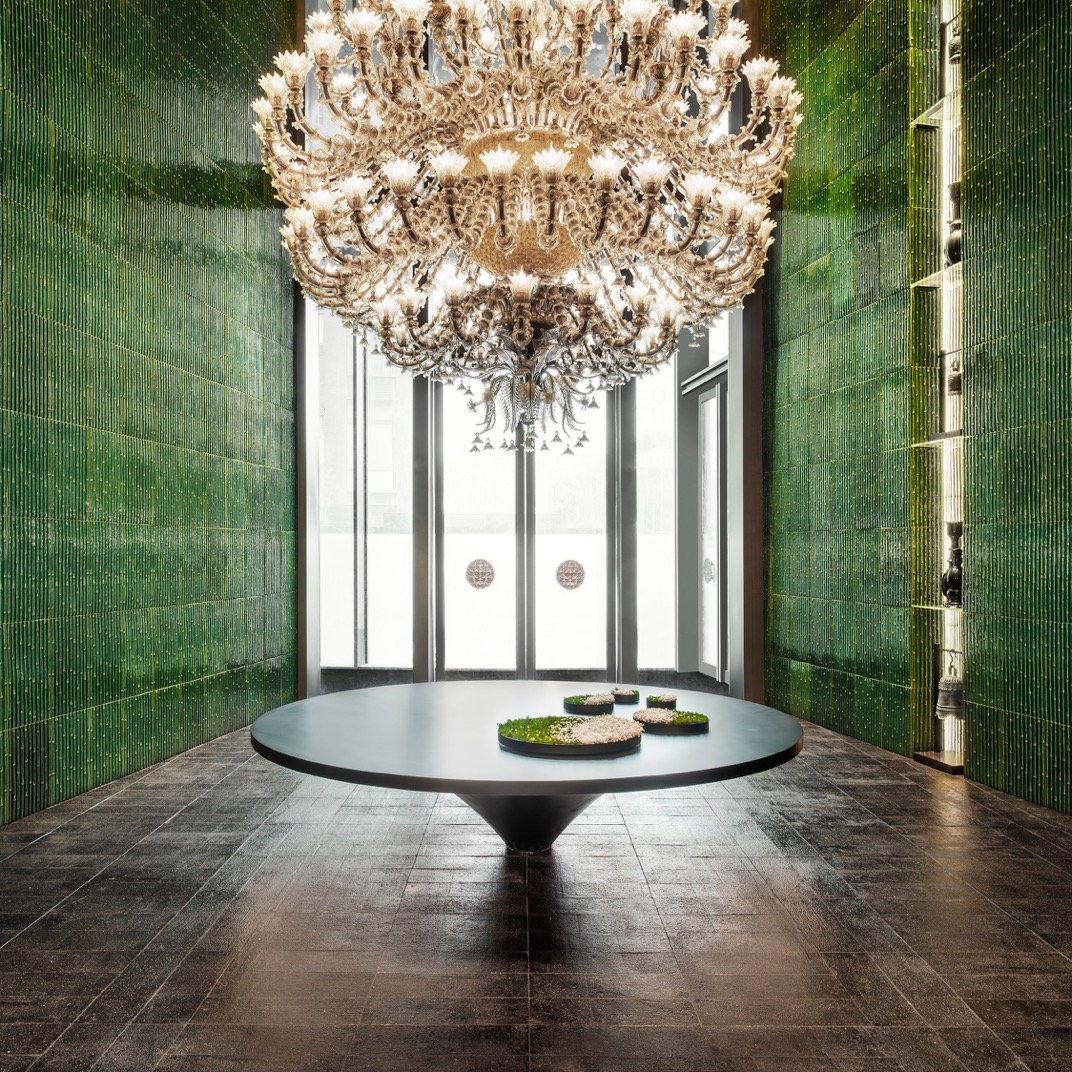
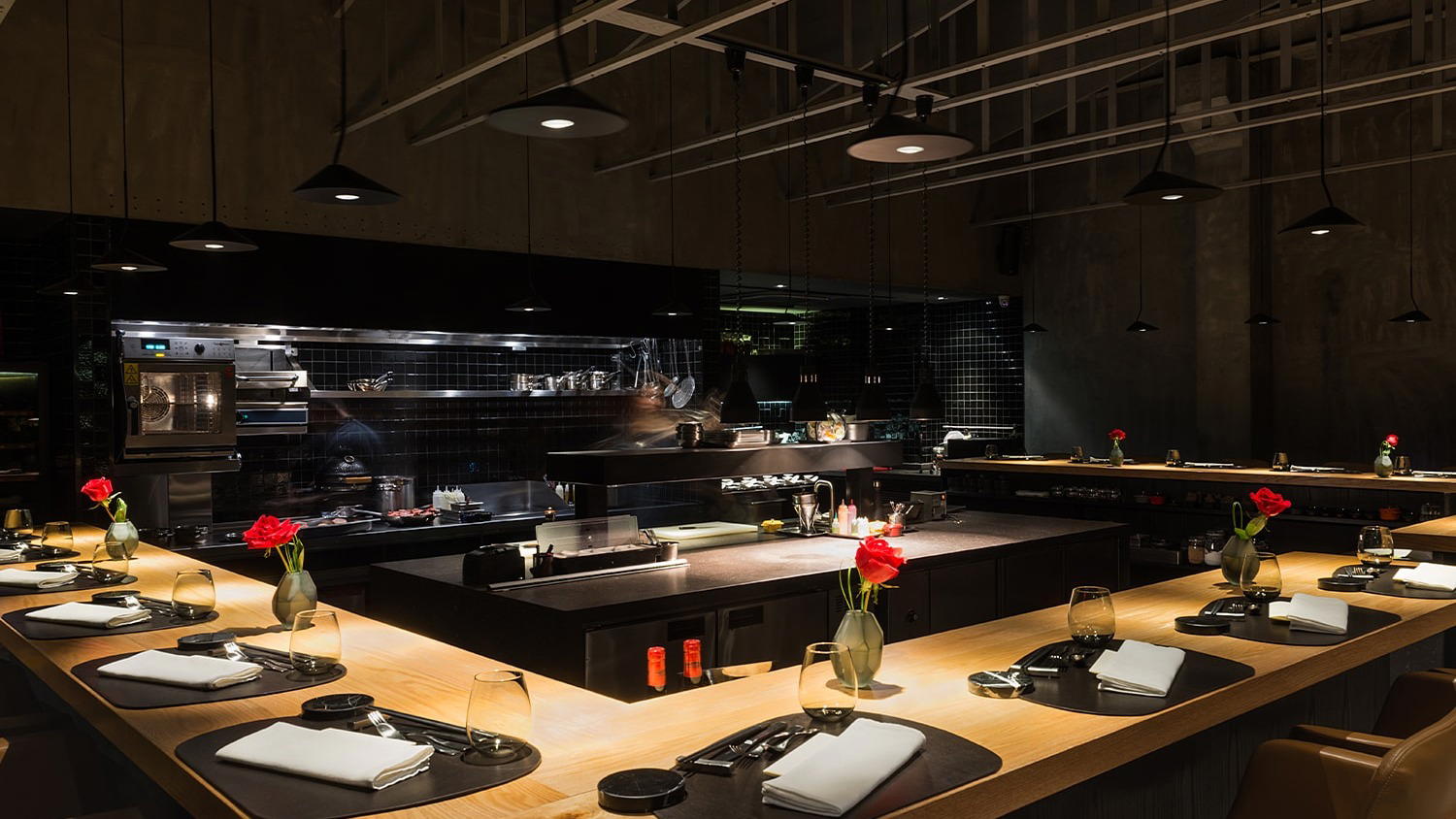
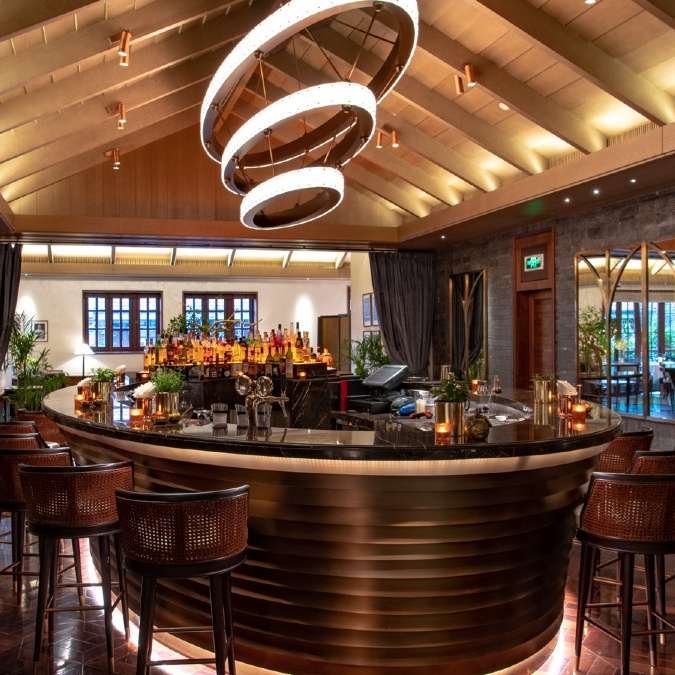
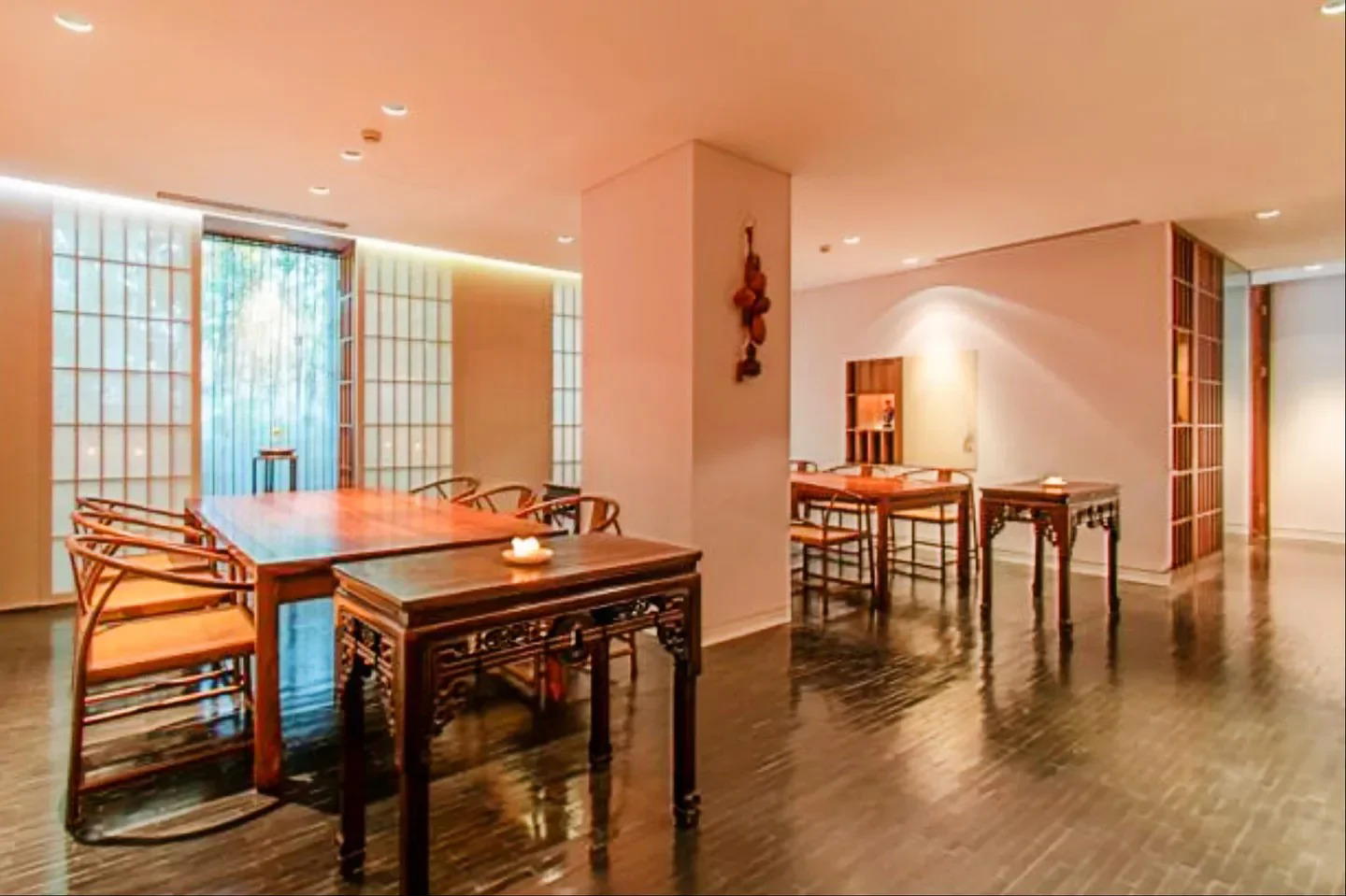
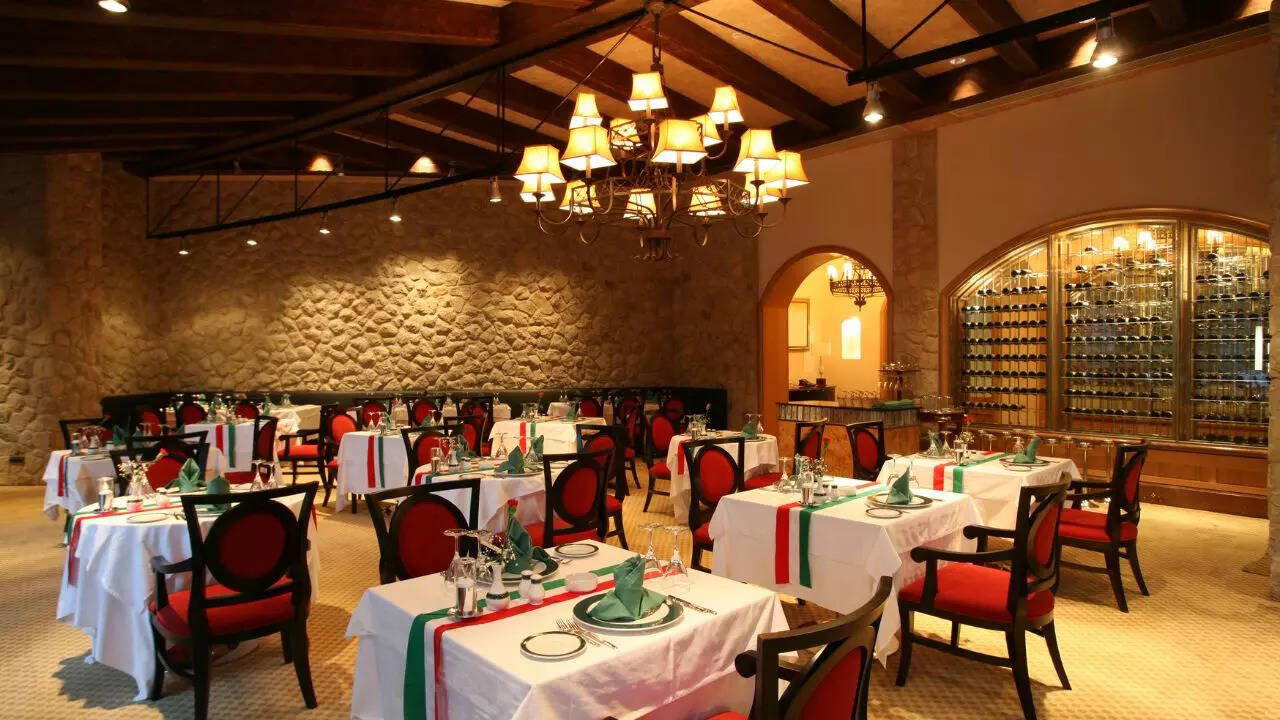
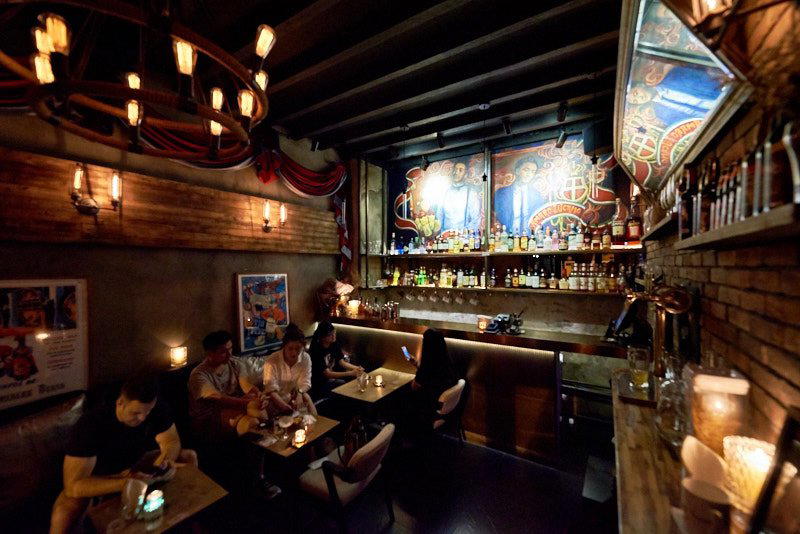
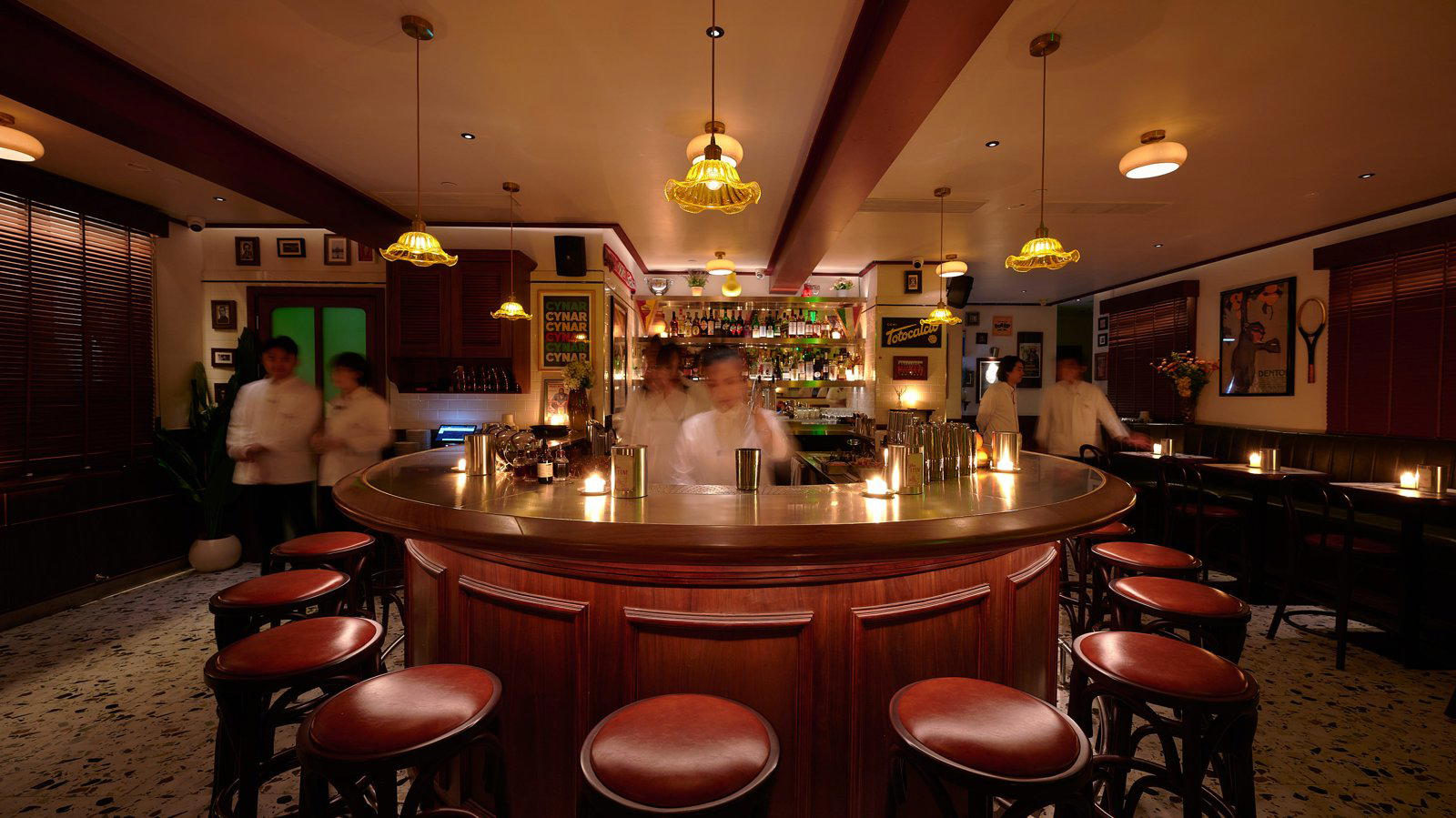
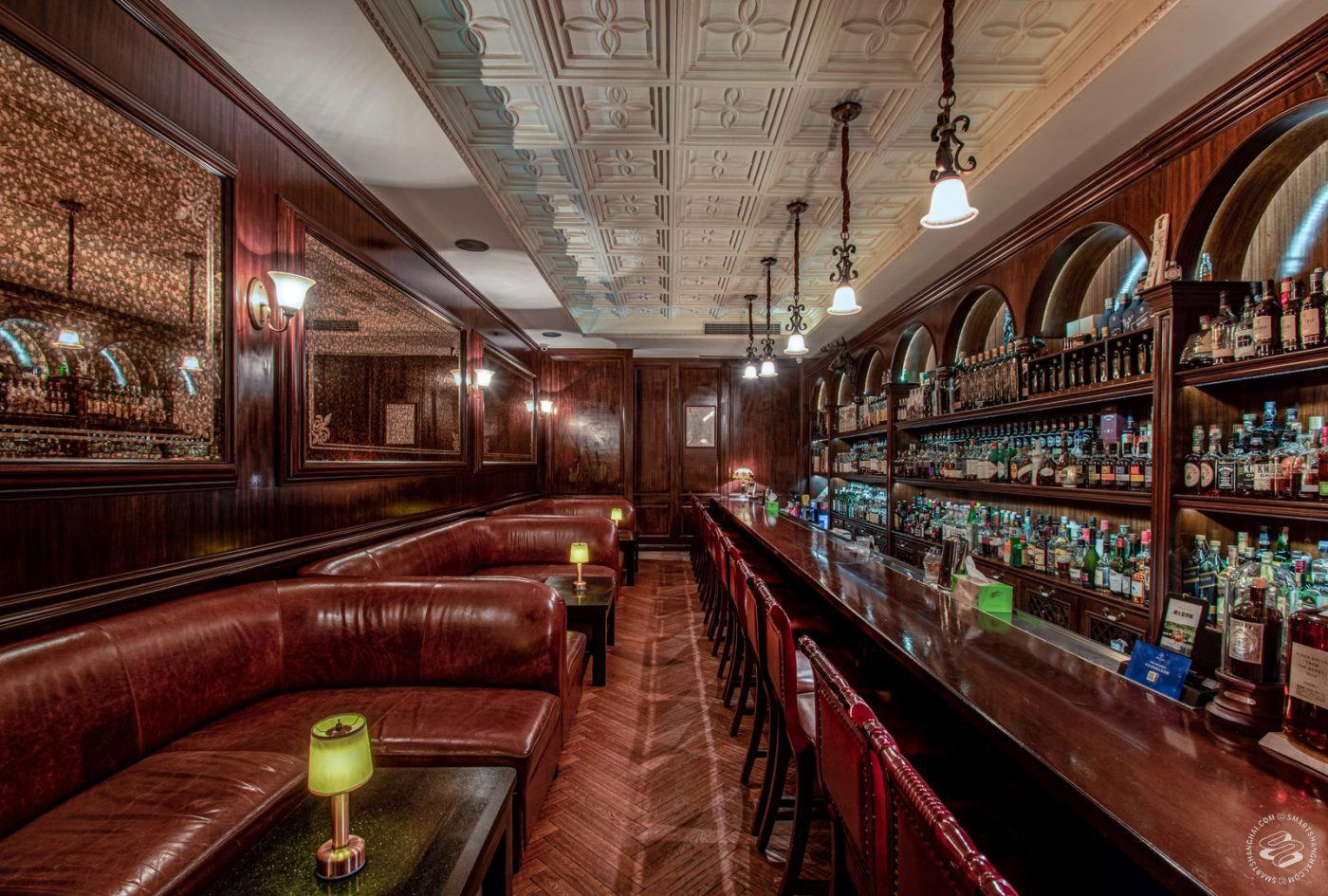
Cozy and stylish atmosphere in a layered historic neighborhood with cool cafes.
Know Before You Go
- Getting there
- Xuhui District, Shanghai, China, 200031