



Michelin Selected · La Liste Top Hotels · Forbes Recommended
Positioned between Xintiandi's shopping lanes and walking distance of both the Bund and Yu Gardens, The Langham, Shanghai, Xintiandi operates at the larger end of Shanghai's luxury hotel tier with 357 rooms across 28 stories. The hotel earned La Liste Top Hotels recognition in 2026 (94.5 points) and a Forbes Travel Guide recommendation, with T'ang Court anchoring its dining credentials in classic Cantonese cuisine.

Pearl is the En Primeur Club membership app — saves, bookings, and concierge access live there. Same editors, same standards.
- Address
- 99 Ma Dang Lu, Huang Pu Qu, Shang Hai Shi, 200021
- Phone
- +86 21 2330 2288
- Website
- gc.synxis.com
- Directions
- Get directions
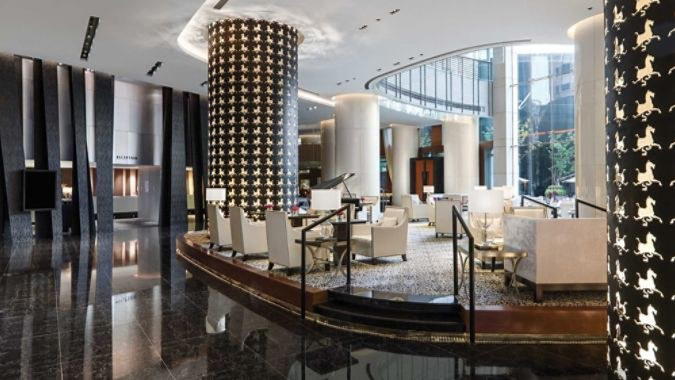
A Large-Format Luxury Hotel That Earns Its Position
Shanghai's five-star hotel market has split into two broad camps: smaller, design-led properties that trade on atmosphere and intimacy, and large-footprint flagships that compete on location, amenity depth, and dining credentials. At 28 stories and 357 rooms, The Langham, Shanghai, Xintiandi sits firmly in the second camp. Its 2026 La Liste Leading Hotels score of 94.5 points places it within a defined peer tier that includes properties like Bvlgari Hotel Shanghai and Capella Shanghai, Jian Ye Li, all of which compete on the strength of location, room quality, and F&B programming rather than boutique scale. The Forbes Travel Guide Recommended designation adds a further layer of independently verified positioning.
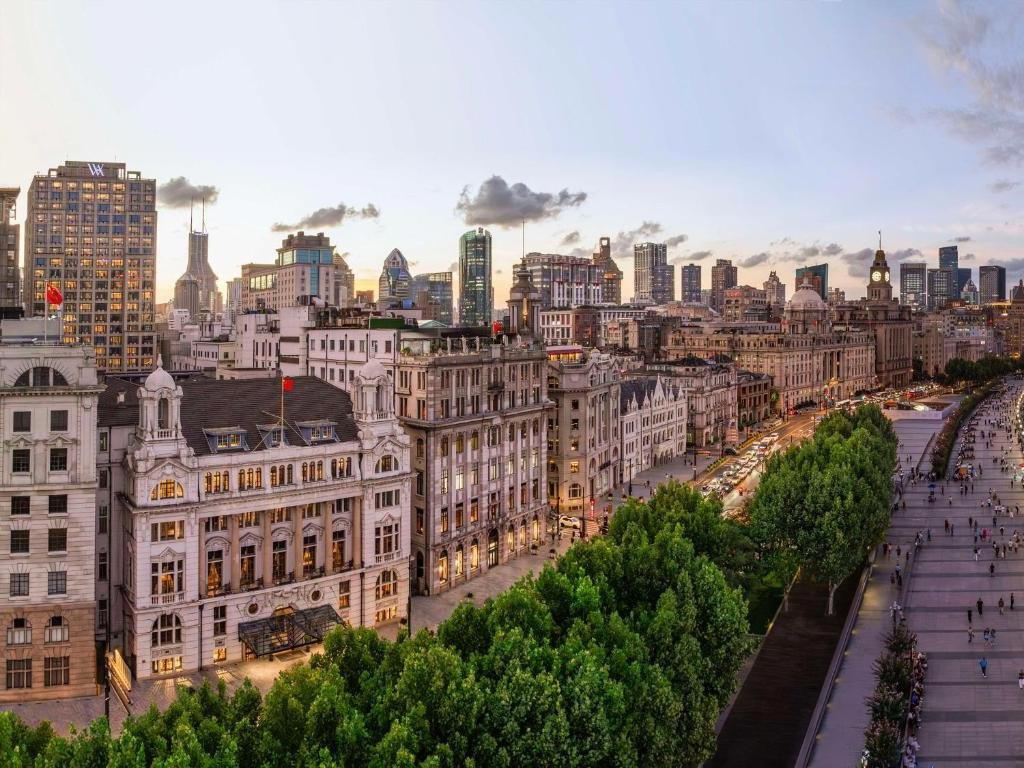
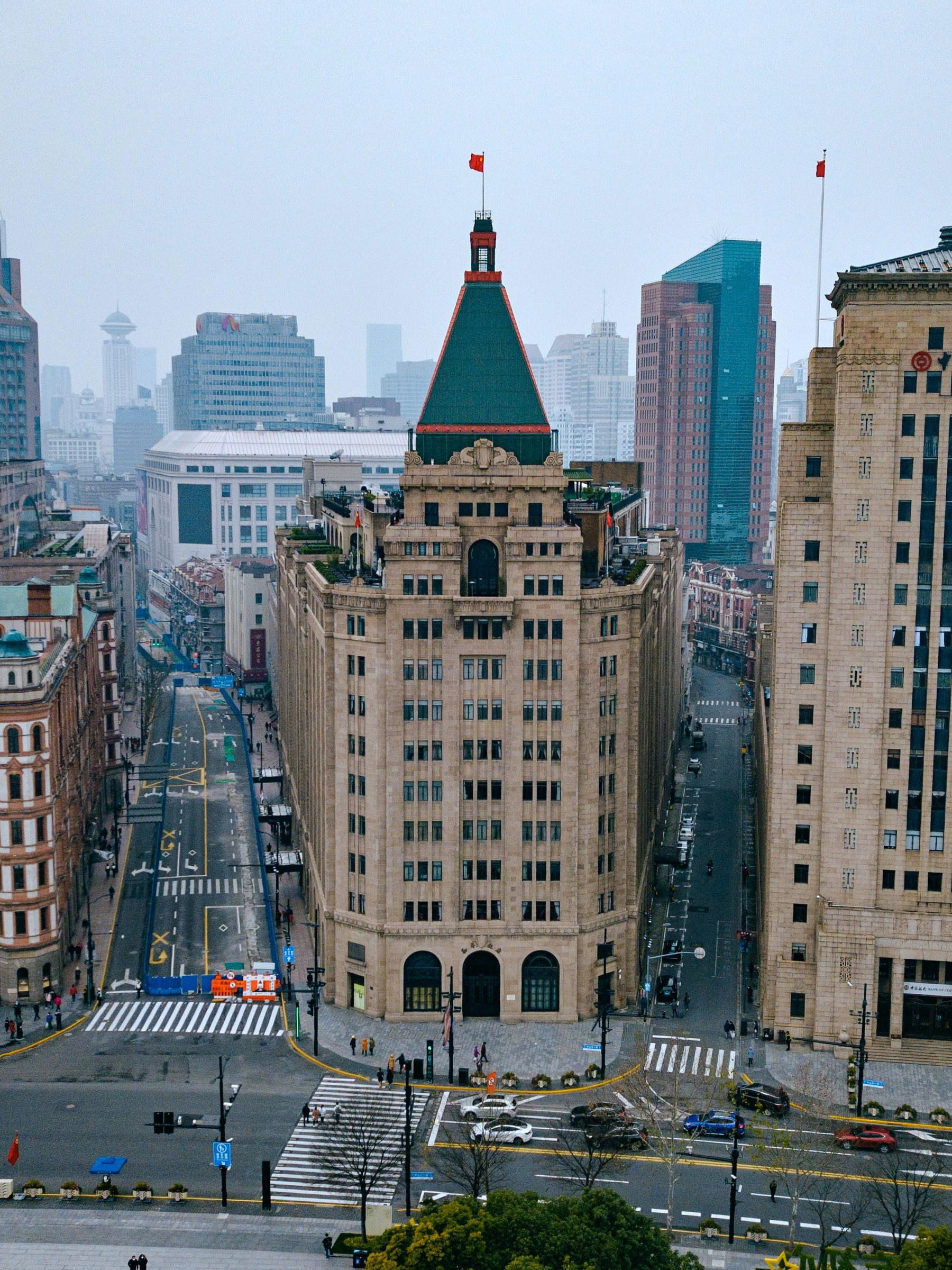
The address on Ma Dang Lu in Huang Pu tells most of the story about why this property works. Xintiandi's retail and restaurant lanes are immediately adjacent, the Bund is within walking distance, and Yu Gardens is reachable on foot. For a hotel of this scale, that concentration of access is the primary commercial argument, and it holds up. Guests who want to move between the French Concession, the waterfront, and the old city without relying on transport for every excursion will find the geometry here more practical than at properties positioned farther out. Compare this central density to approaches at Amanyangyun, which trades proximity for a fundamentally different setting, and the two properties become almost impossible to evaluate against each other on the same criteria.
What the Room Actually Does
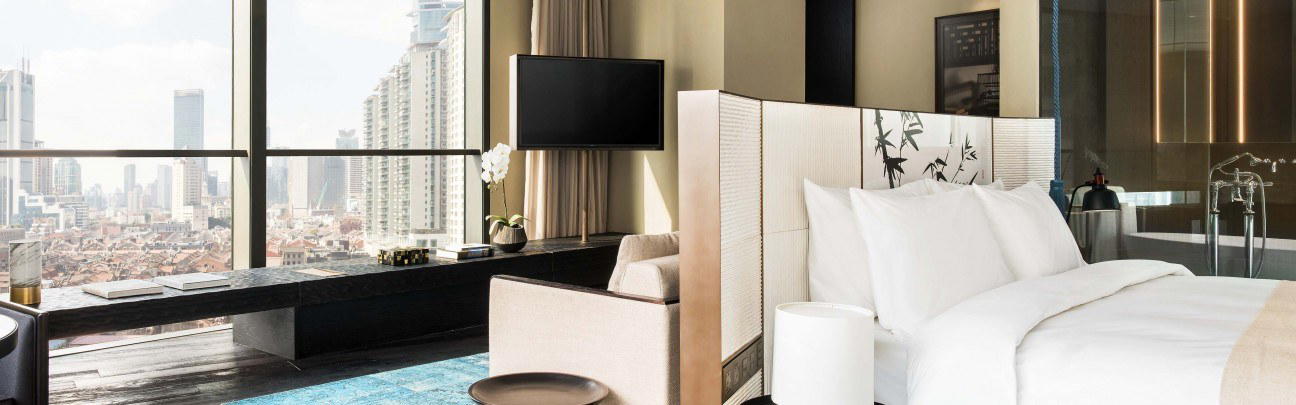
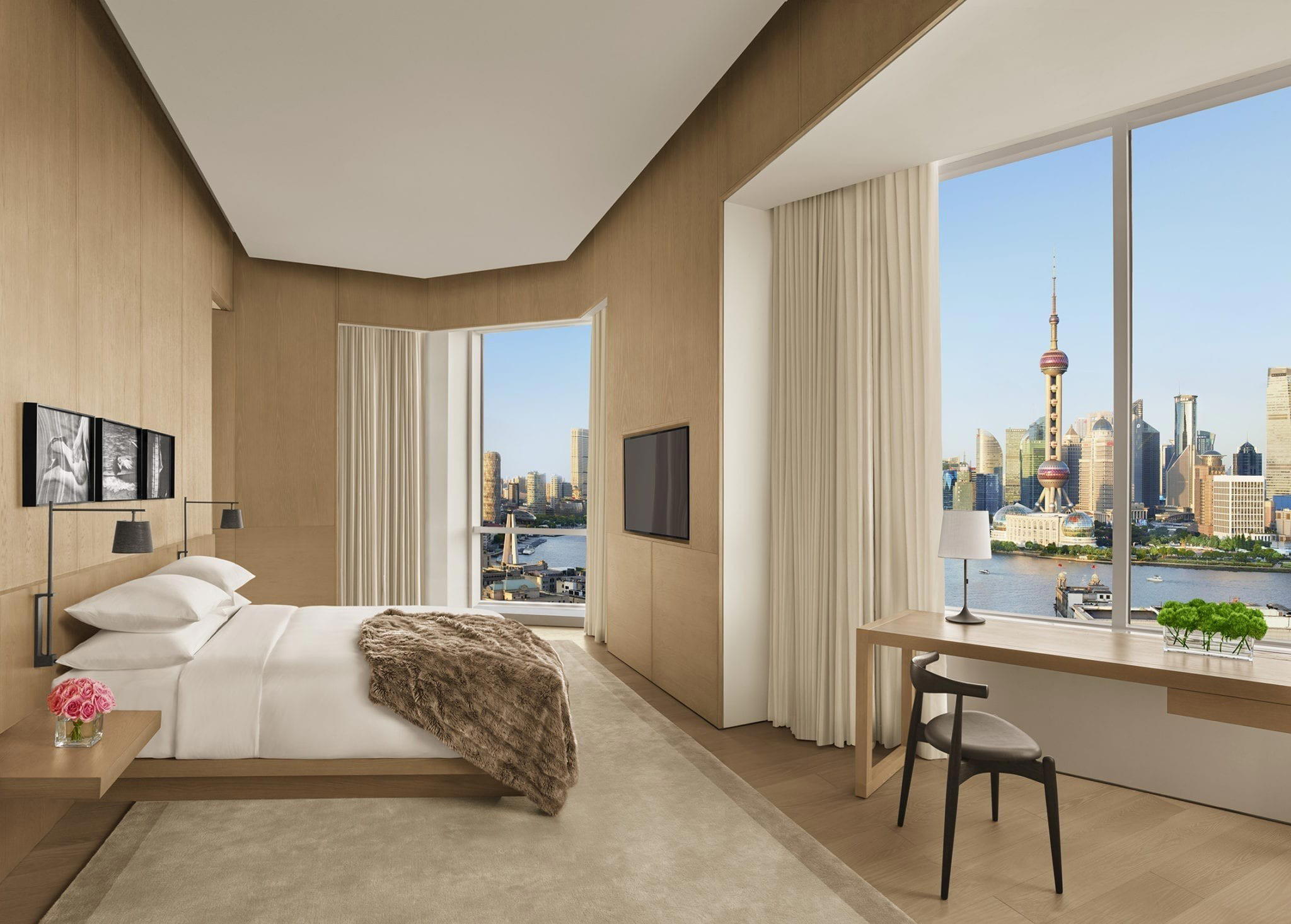
The editorial angle on large luxury hotels increasingly lives or dies in the room, where the gap between marketing language and delivered experience tends to be most visible. At The Langham Shanghai, the room design prioritizes control and comfort in a way that reads as genuinely considered rather than specification-sheet complete. Bedside controls manage the drapes, temperature, and lighting from a single panel, which sounds minor but materially changes how you interact with the space during a long stay. The pillow menu runs to seven options: three fragrant varieties, a therapeutic pillow, a foam pillow, a cozy pillow, and a qiao mai pillow stuffed with buckwheat in the traditional Chinese format. That last choice in particular signals that the hotel is thinking beyond the standard Western luxury template.
Bathroom leans into scale. A white porcelain soaking tub sits alongside a rainfall showerhead option, and an automated toilet brings the kind of functionality that many travelers encounter in Japan but still find notable in a Shanghai hotel context. The mini-bar is stocked rather than curated, and an in-room espresso maker means the morning caffeine decision doesn't require a lobby trip. Free Wi-Fi, internet radio, and premium television channels round out the in-room entertainment stack. These details read cumulatively: the room was designed around the assumption of a guest who spends real time in it, not just someone passing through between activities.
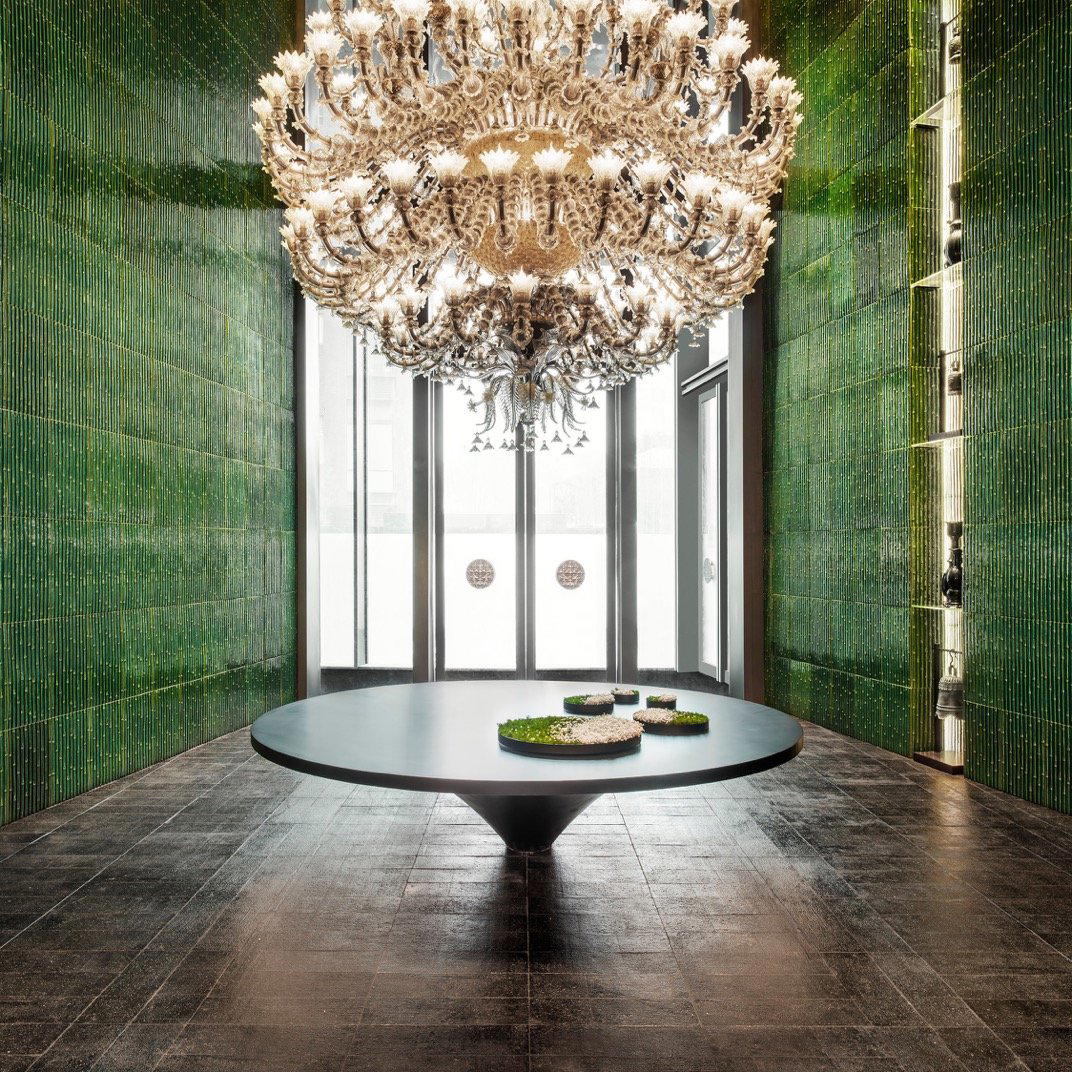
Signature scent deserves a mention not as amenity padding but as a category signal. The ginger flower fragrance spritzed throughout the public areas is deliberate sensory programming, and the hotel sells it bottled in the lobby shop. That kind of olfactory branding has become a recognizable marker of serious luxury hospitality, used consistently by properties across Asia that are competing on total atmosphere rather than individual feature lists. It places The Langham Shanghai in a particular conversation about what full-property design investment looks like.
The Pool, the Spa, and the Rhythm of a Long Stay
An 82-foot pool gives guests a legitimate morning exercise option rather than the token lap-pool that appears in many urban hotels primarily for the amenity checklist. The Jacuzzi alongside it shifts the equation for guests returning from a full day on foot in Shanghai's denser neighborhoods. Chuan Spa carries significant programming depth, with a menu of services delivered inside a space the hotel describes as taking design cues from lunar aesthetics. Spa programming at this scale typically functions as a standalone revenue center, and Chuan operates within the broader Langham Hospitality Group framework, which means the format is consistent across the group's properties rather than improvised locally.
For guests considering how this fits against other Huang Pu options, Andaz Xintiandi, Shanghai sits in the same immediate neighborhood and offers a different tonal approach under the Hyatt umbrella, while Alila Shanghai and Bellagio Shanghai each represent distinct positioning within the city's broader luxury accommodation spread. The Langham's advantage here is amenity depth at scale: pool, spa, and multiple dining options in a single footprint.
T'ang Court and the Dining Argument
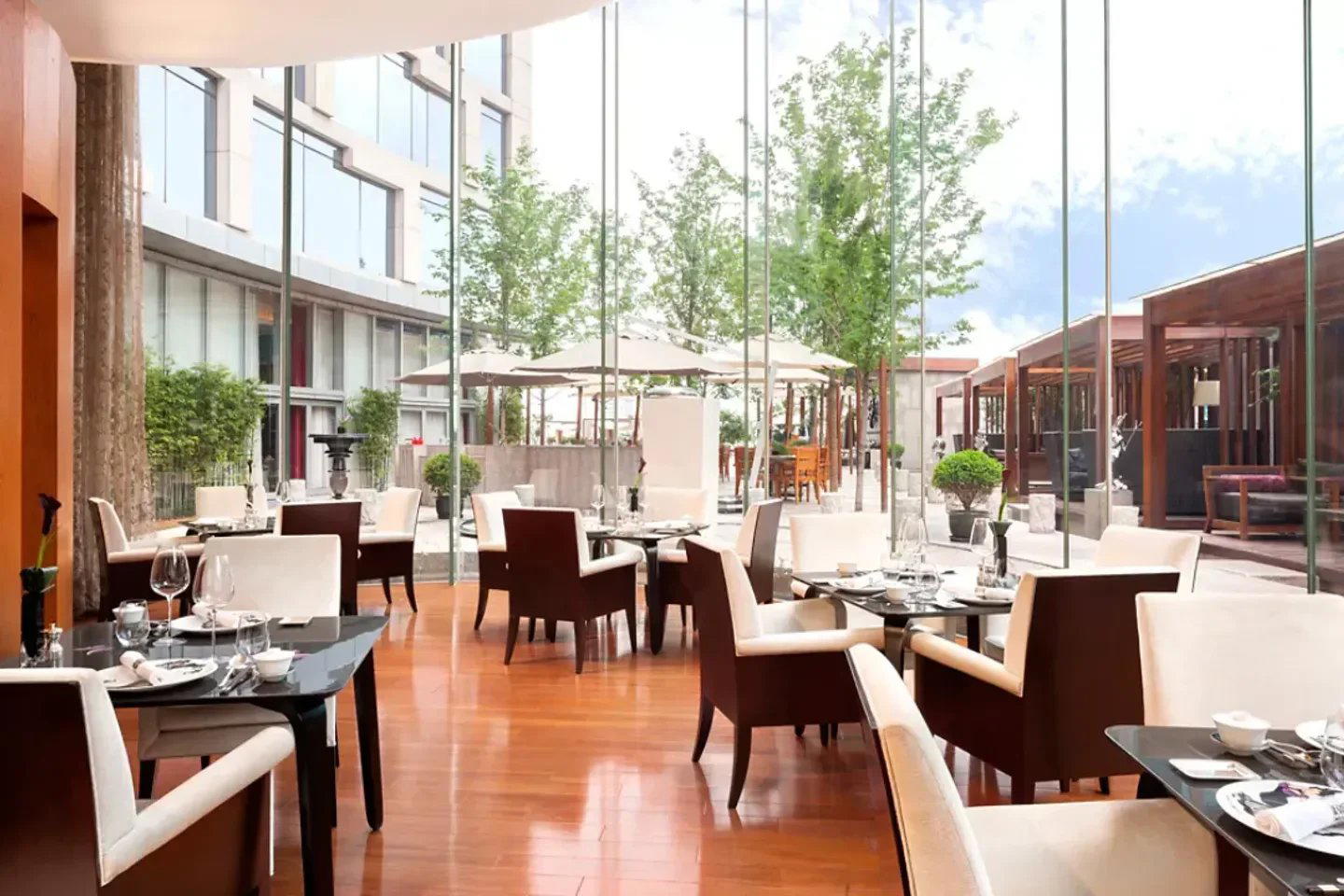
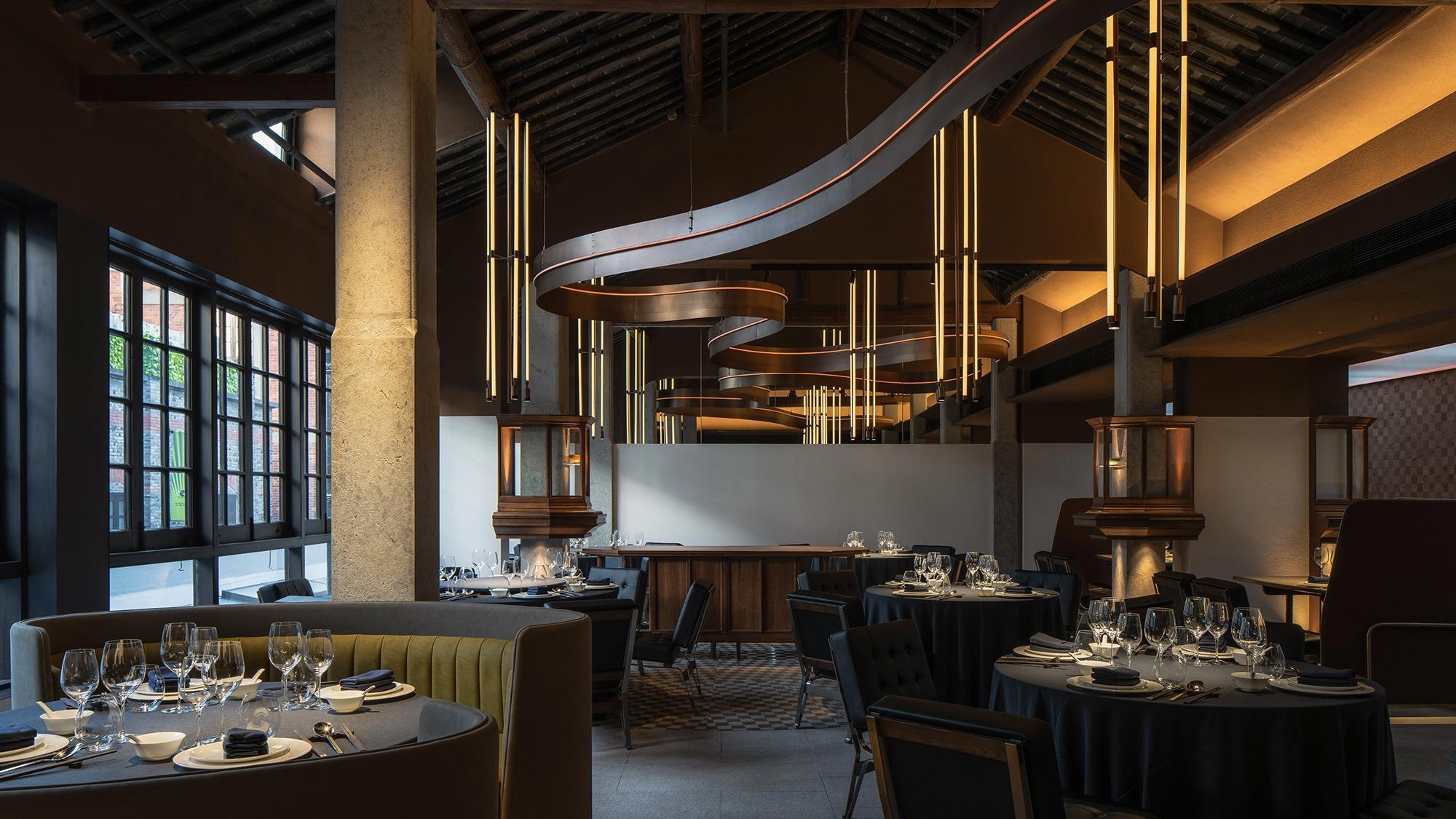
Classic Cantonese cuisine has a specific competitive position in Shanghai's dining scene. The city's own local traditions run to Shanghainese cooking, while Cantonese restaurants occupy a separate niche built around technical precision, premium ingredients, and an older-school formality that signals serious intent. T'ang Court operates inside that tradition, with dishes like pan-fried wagyu beef with black truffles and braised coral leopard grouper with fish maw and vegetables anchoring a menu that maintains classic form rather than pursuing contemporary fusion. Meticulous service is the operating standard cited in the hotel's own recognition material, which aligns with the style Cantonese fine dining typically demands.
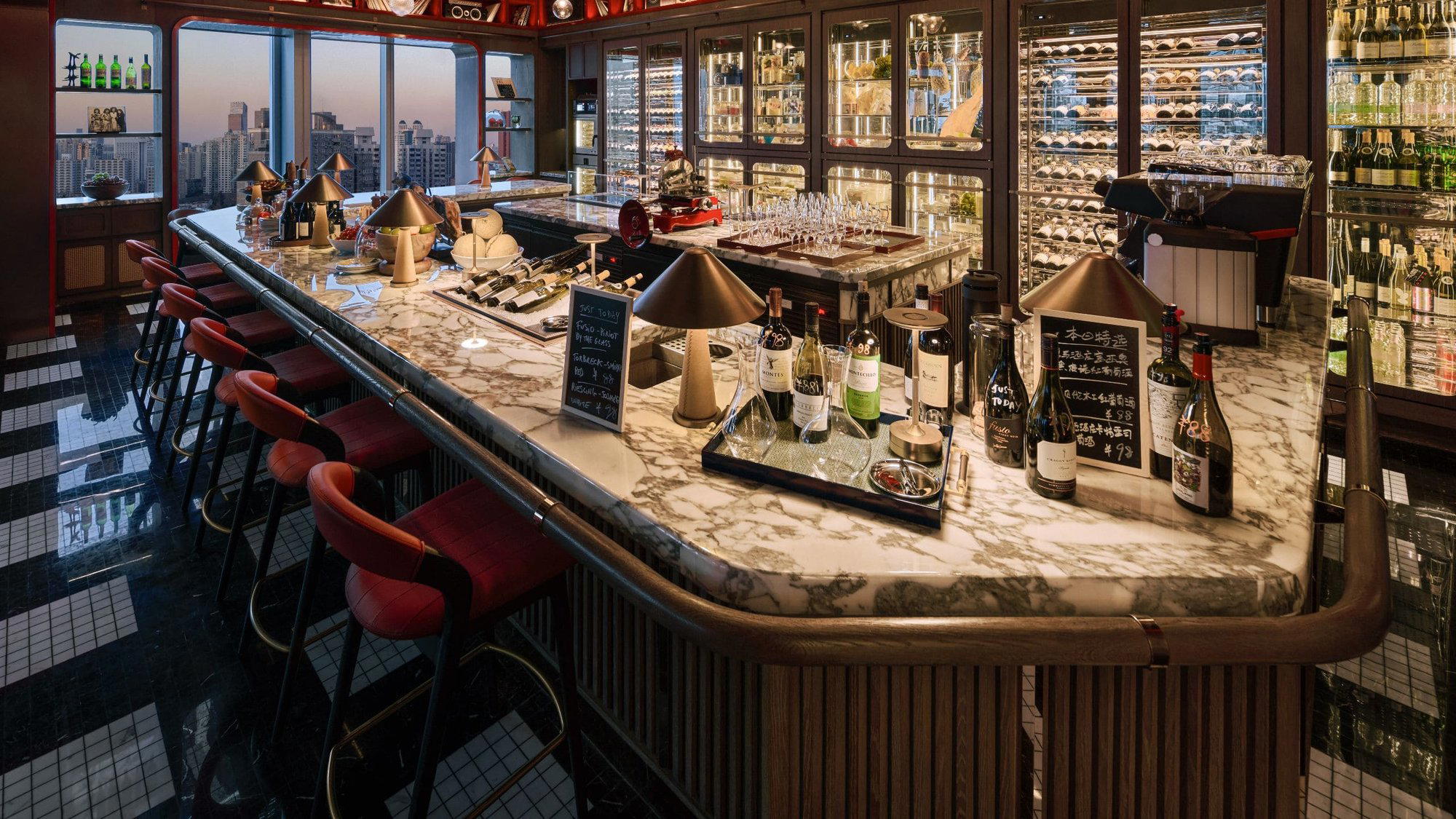
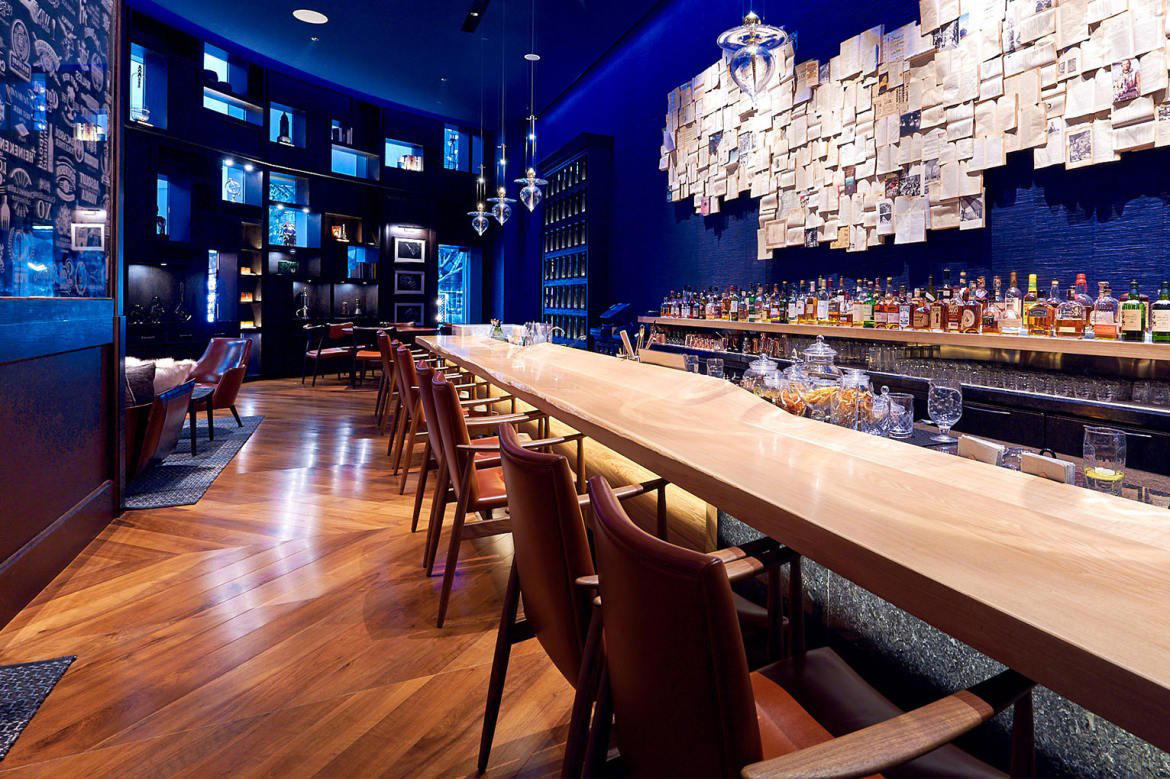
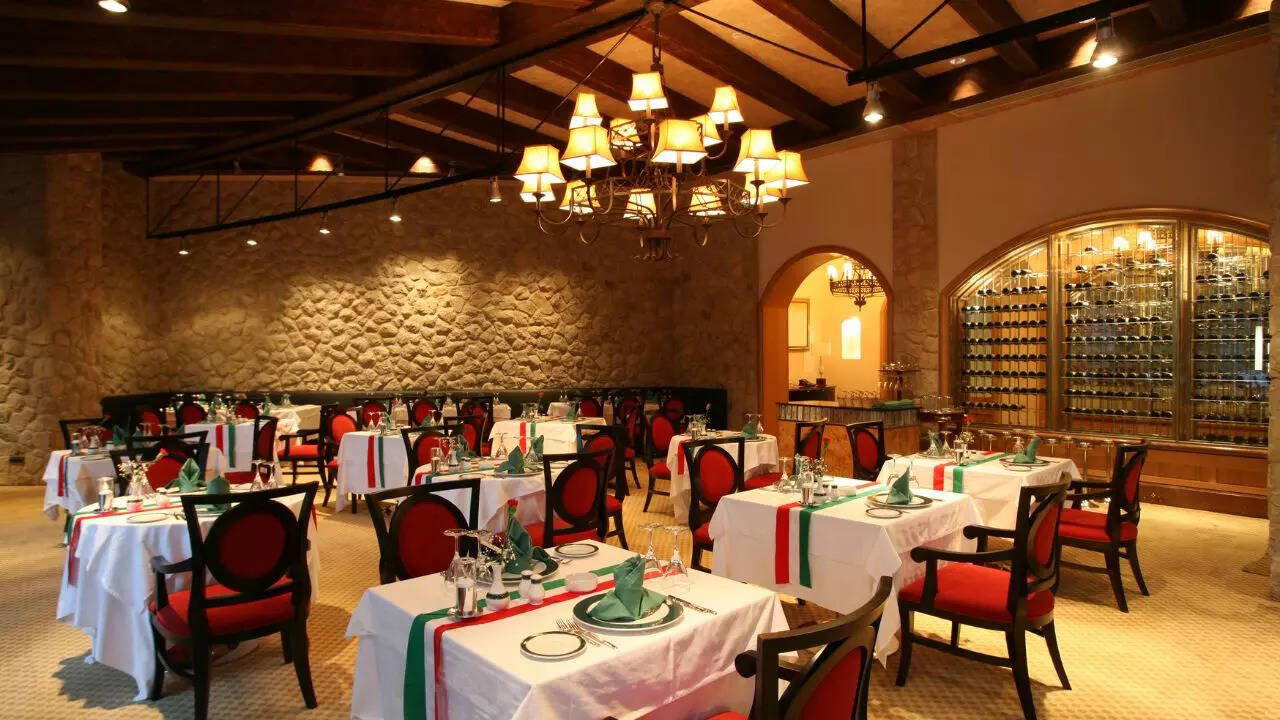
For guests with families or those seeking a lower-key meal, Cachet provides a more accessible dining register, with a menu that includes child-friendly options presented under themed categories. The two restaurants effectively cover the spectrum from formal occasion dining to relaxed in-house eating without requiring guests to leave the property, which matters in a city where navigating restaurant bookings for a group can consume significant planning energy. See our full Shanghai restaurants guide for context on how T'ang Court sits within the city's wider Cantonese dining picture.
Planning Your Stay
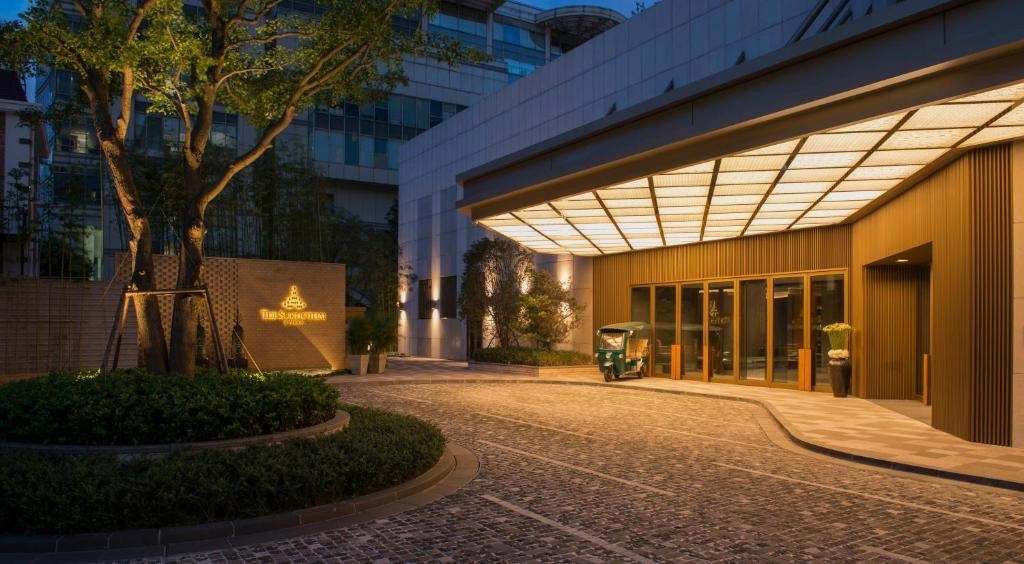
The hotel sits at 99 Madang Road in Huang Pu, a location that places it within the Xintiandi area and within practical walking distance of several major Shanghai sites. The Langham Hospitality Group manages the property, and the group's established systems mean standard booking channels are reliable. Guests comparing this against smaller-footprint alternatives in the city might also consider Artyzen NEW BUND 31 Shanghai or Cachet Boutique Shanghai for a different scale of experience.
For those building a broader China itinerary around this Shanghai base, the EP Club also covers properties including Mandarin Oriental Qianmen in Beijing, Amanfayun in Hangzhou, Amandayan in Lijiang, 1 Hotel Haitang Bay, Sanya, Andaz Shenzhen Bay, and Xiamen Yunding Resort. For those extending further into the northeast, options include Vanke Lake Songhua Yunlu Hotel in Jilin, Beidahu Asian Games Village, and Mohe Youran Mountain Residence. Other regional options include Green Lake Hotel Kunming, Huyi District in Xi'an, Hyatt Place Nanjing Xuanwu, and Altira Macau. For international comparisons at a similar tier, The Fifth Avenue Hotel and Aman New York in New York City, and Aman Venice provide useful reference points for how this class of property calibrates across markets.
Where It Fits
Comparable venues nearby, for context on price, style, and recognition.
| Venue | Cuisine | Price | Awards | Notes |
|---|---|---|---|---|
| The Langham, Shanghai, XintiandiThis venue — the venue you are viewing | Blending old-world Shikumen charm with modern luxury in a 28-floor urban sanctuary. | Not listed | Michelin Selected · La Liste Top Hotels | Not listed |
| Andaz Xintiandi, Shanghai | Contemporary luxury boutique in restored Shikumen district | $100–200 | Michelin Selected · Forbes Recommended | Lao Ximen |
| Kerry Hotel, Pudong, Shanghai | Contemporary urban hotel integrated with shopping and expo facilities | $200–300 | Forbes Recommended | Yanqiao Xiang |
| Longemont Shanghai | Contemporary luxury urban hotel with premium conference facilities and culinary destination positioning. | $100–200 | Preferred Hotels Member | Changning |
| 上海万达瑞华酒店 | Landmark 6-star luxury hotel positioned as a cultural gateway blending Shanghai's historic Bund with contemporary design excellence, designed by Foster + Partners. | $300–500 | Michelin Selected · La Liste Top Hotels | Lu Jia Du |
| J Hotel Shanghai Tower | Sky-high luxury sanctuary in Shanghai Tower | $300–500 | Virtuoso Luxury Hotel Partner · Forbes Recommended | Lu Jia Du |
Recognition history
Dated appearances from independent guides and award organizations, with the underlying list record or original source where available.
Michelin Selected
Michelin
La Liste Top Hotels
La Liste
Forbes Recommended
Forbes
Travel + Leisure 100 Favorite Hotels in the World #27
Travel + Leisure
Full recognition history (5 entries)
Forbes Recommended
Forbes
Details
- Elegant
- Sophisticated
- Modern
- Ornate
- Business Trip
- Romantic Getaway
- Celebration
- Rooftop Pool
- Historic Building
- Panoramic View
- Wi Fi
- Pool
- Spa
- Fitness Center
- Room Service
- Concierge
- Business Center
- Valet Parking
- Skyline
- Street Scene
- Wheelchair Accessible
- Elevator
- Step Free Entrance
- Accessible Parking
Elegant and inviting with modern luxury, spacious soundproofed rooms, and serene spa atmosphere praised for comfort and city skyline views.