





2 Michelin Stars · La Liste Top Restaurants · Black Pearl 1 Diamond
Our verdict
Bao Li Xuan holds two Michelin stars and a Black Pearl Diamond at the Bvlgari Hotel's Chinese restaurant on Beijing Road East, Huangpu. Chef Bill Fu leads a Cantonese kitchen where hand-crafted dim sum and precision roasting define the format. La Liste places it among the top tier of mainland Chinese restaurants in 2025, with a 350-label wine list weighted toward Piedmont, Tuscany, and Champagne.

Pearl is the En Primeur Club membership app, where members save venues, book tables and use the concierge.
The menu
What to order
- Hand-crafted dim sum
- Soy-marinated chicken with Chinese rose wine
- Whole abalone puff pastry
- Char siu pork pastry
- Braised fish maw with abalone sauce
- Steamed yellow croaker with preserved vegetables
- M9 wagyu beef
Century Tiles, Private Rooms, and the Weight of Cantonese Tradition
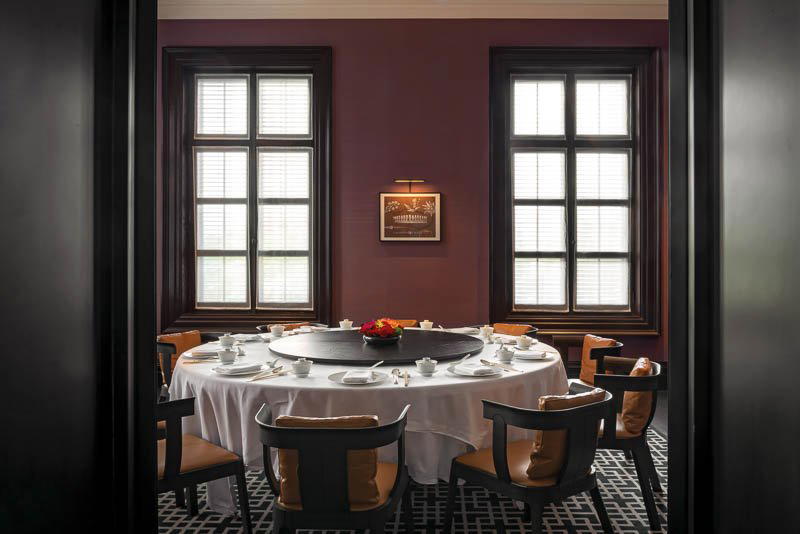
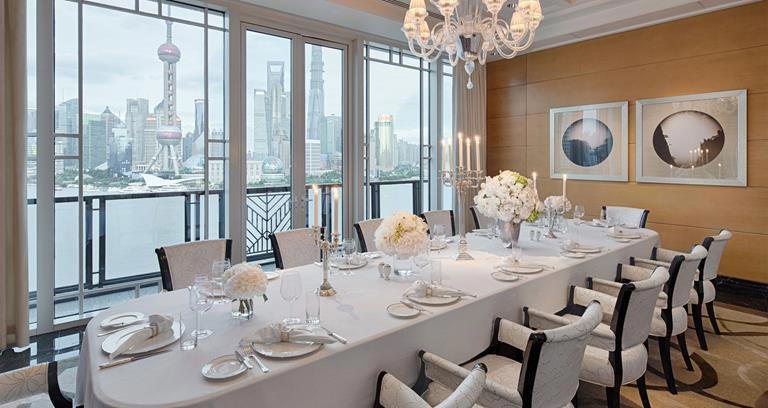
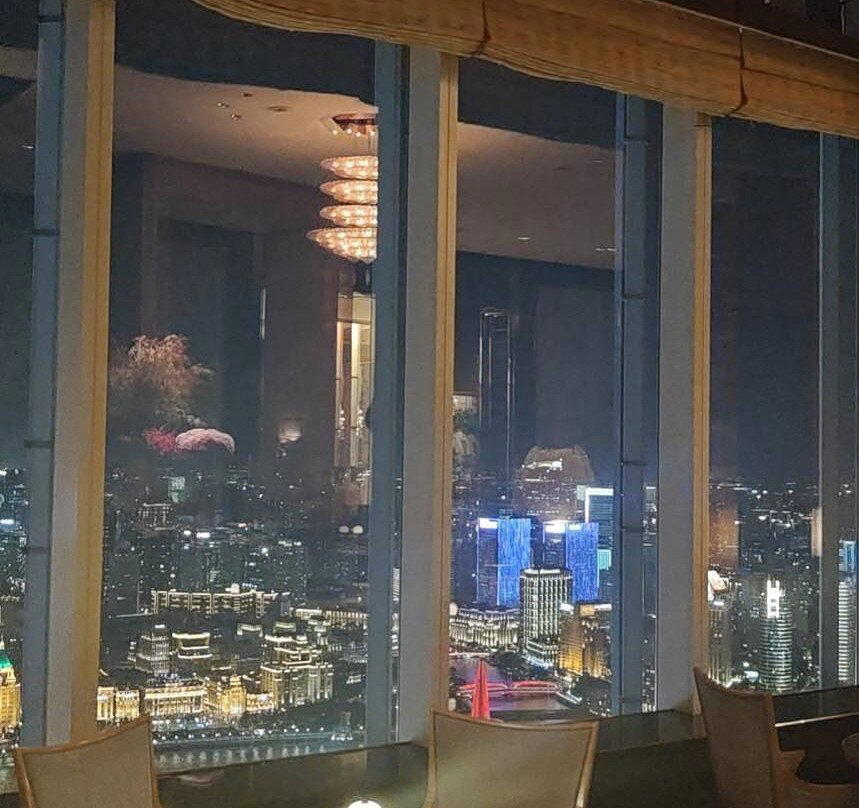
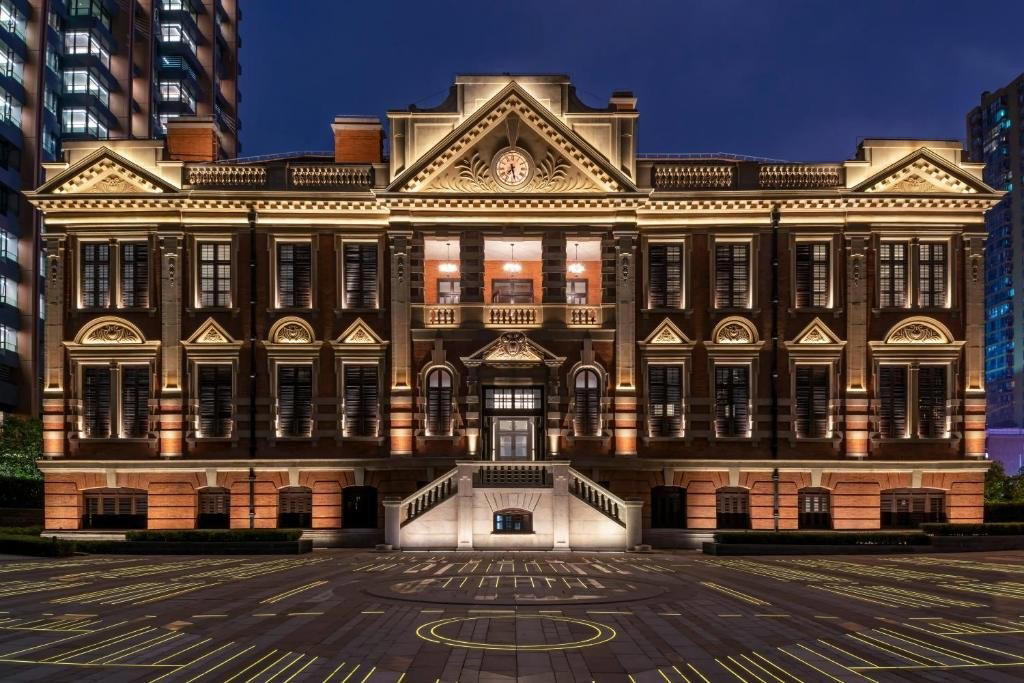
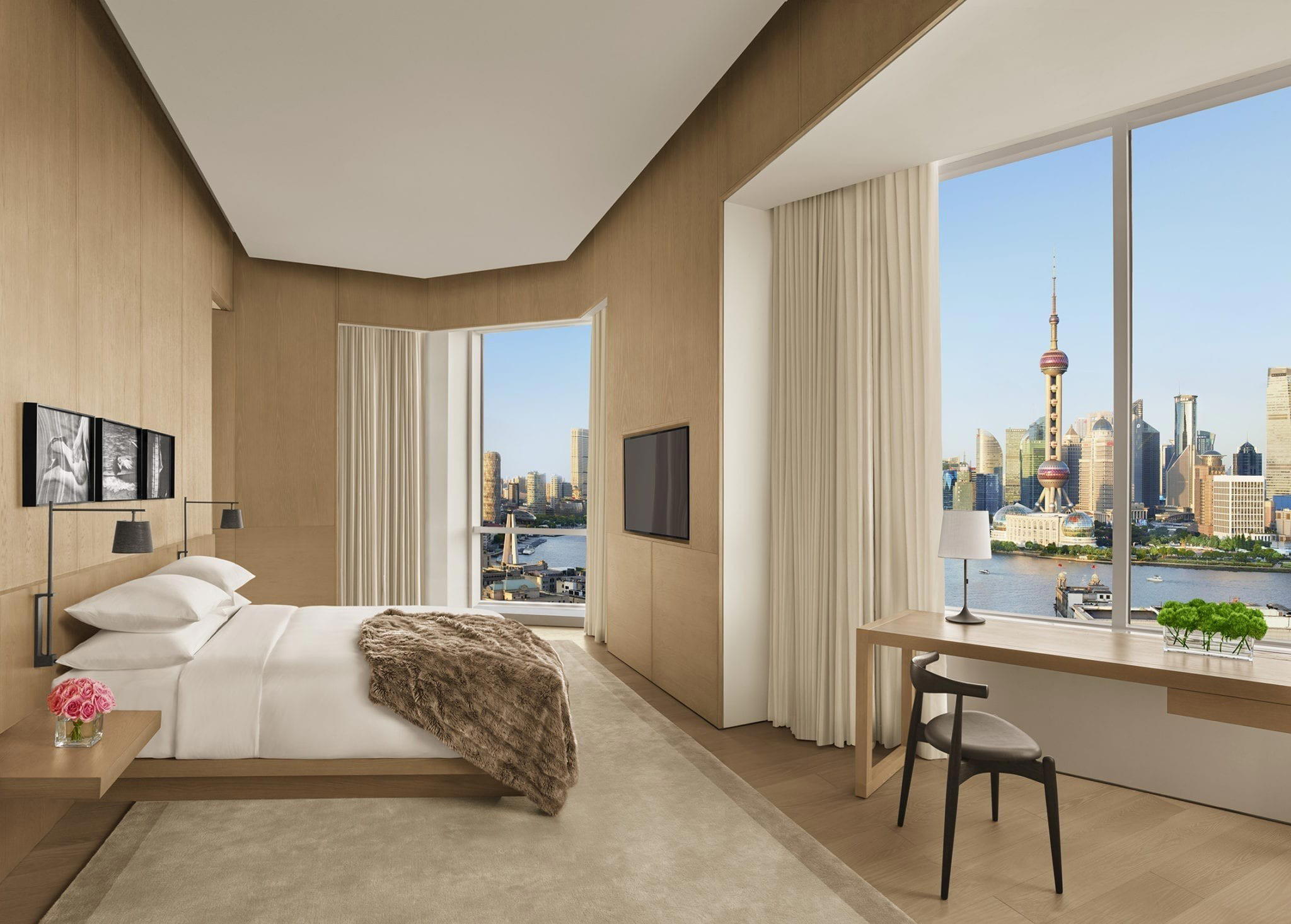
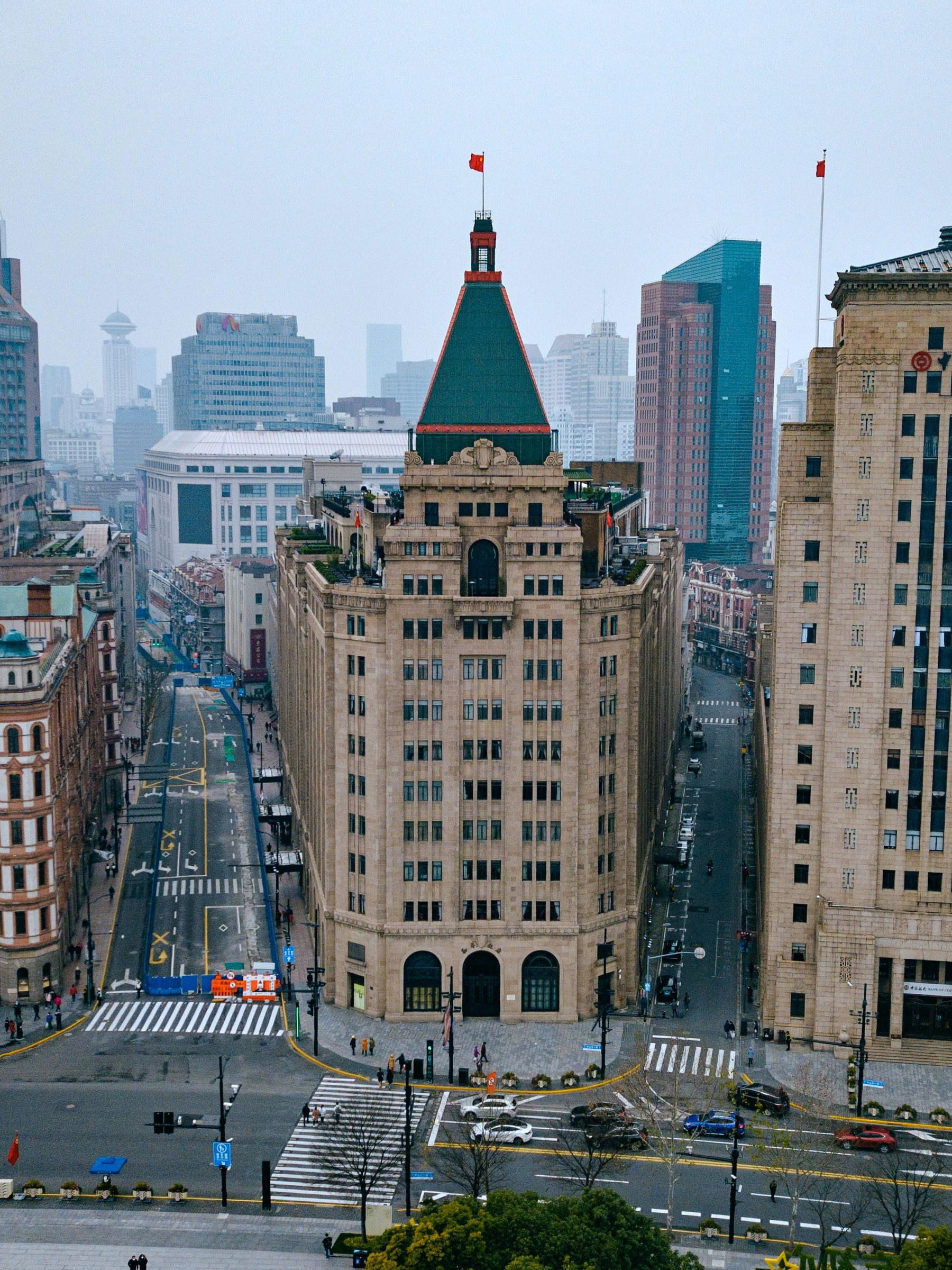
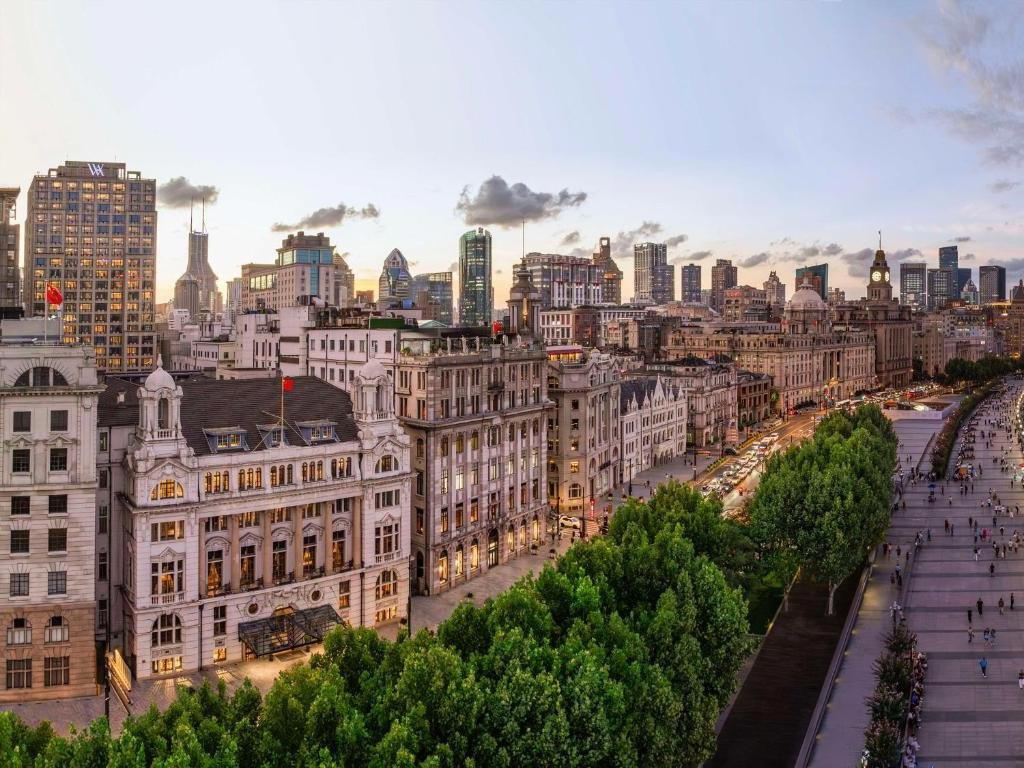
The Bvlgari Hotel's Chinese restaurant occupies a century-old building adjacent to the main tower on Beijing Road East in Huangpu, a detail that distinguishes it from the glass-and-marble hotel dining rooms that define much of Shanghai's luxury tier. Six private rooms reference Bvlgari jewellery design, which sounds like decorator's theatre until you consider that Cantonese banquet culture has always organised itself around the private room: the negotiation of space and exclusivity is part of the format, not a decoration of it. Walking into Bao Li Xuan situates you inside that tradition rather than outside looking at a reproduction of it.
Shanghai's Cantonese dining scene sits in an interesting position relative to the wider mainland. The city is not Guangzhou or Hong Kong, where Cantonese cuisine generates its strongest institutional identity, yet it hosts some of the most technically accomplished Cantonese kitchens operating anywhere on the mainland. The upper tier of that Shanghai subset, which now includes two-Michelin-star recipients, prices and competes against a peer group that extends well beyond the city's own borders. Bao Li Xuan's 2025 recognition from both Michelin (two stars) and Black Pearl (one diamond), combined with its La Liste score of 75 points and an Opinionated About Dining ranking of #360 in Asia, places it unambiguously in that upper bracket.
Char Siu and the Standards of Chinese Roasting
The editorial angle that matters most when assessing any serious Cantonese kitchen is roasting. Char siu, the honey-lacquered barbecue pork that appears in every dim sum trolley from Kowloon to Kuala Lumpur, functions as a baseline competence test: the sugar must caramelise without burning, the marinade must penetrate without overpowering, and the fat ratio in the cut must be read correctly before the oven is even lit. In a kitchen at this price tier, char siu pastry, the char siu pork pastry specifically flagged in Bao Li Xuan's award documentation, represents a further compression of that discipline. The filling's integrity and the pastry's lamination are separate skills that must converge in a single two-bite piece.
Cantonese roasting culture produces a hierarchy of technical difficulty, and whole abalone sits near its peak. Unlike pork, abalone does not forgive imprecision: its texture is a function of time, heat, and the quality of the braising liquor in a way that produces either something memorable or something expensive and disappointing, with little middle ground. That both the whole abalone and the char siu pork pastry appear in Bao Li Xuan's documented dish set suggests a kitchen comfortable operating across that difficulty range. Chef Bill Fu leads the team alongside General Manager Matthias Terrettaz and Sommelier Adrian Zhang, a combination of culinary and front-of-house credentials that is more European in its structural formality than most Cantonese restaurants operate with.
The soy-marinated chicken with Chinese rose wine noted in Bao Li Xuan's award write-up points to a different axis of Cantonese roasting tradition. Brine and aromatic marinade technique requires patience and restraint in a way that open-flame roasting does not; the result should carry floral fragrance without sweetness and produce flesh that parts cleanly from the bone. Describing it as producing silky flesh with a hint of Chinese rose wine aromas, as the award documentation does, signals precision over power, which is the tonal register Cantonese cuisine at this level is expected to maintain.
Dim Sum as the Main Event
Across mainland China's premium Cantonese tier, dim sum occupies an unusual position. It is both the most democratic expression of the cuisine, familiar from weekend family dining halls, and the most technically demanding at high levels, where hand-crafted doughs, fills, and folding techniques separate competent from distinguished kitchens. Bao Li Xuan's documentation specifically emphasises hand-crafted dim sum and singles out the puff pastry as particularly well executed, citing its flaky, airy quality. Puff pastry in the Cantonese context requires lamination technique that aligns more closely with French viennoiserie than with the simpler wheat-starch or rice-flour skins that make up the rest of a dim sum menu.
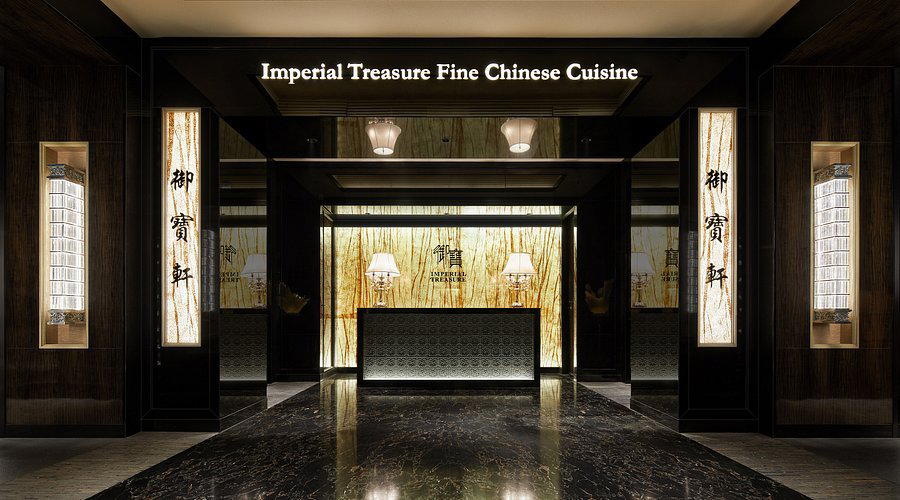
This positioning of dim sum as the primary event rather than a preliminary or a side genre places Bao Li Xuan in an interesting competitive set. Among Shanghai's Cantonese restaurants, the distinction between places that treat dim sum as a showcase and places that treat it as a set-up for à la carte dishes is meaningful. For comparisons within the city's Cantonese tier, Canton 8 (Huangpu) and Canton Table occupy adjacent segments of the market, while Imperial Treasure Fine Chinese Cuisine and Ji Pin Court represent the broader luxury Chinese dining tier in which Bao Li Xuan also competes. Outside Shanghai, the reference points extend to Forum in Hong Kong and Jade Dragon in Macau, both of which operate at the upper end of Cantonese fine dining across the region. Mainland comparisons include Imperial Treasure Fine Chinese Cuisine in Guangzhou and Chef Tam's Seasons in Macau, venues that illustrate how Cantonese cooking at two-star and above operates across different city contexts.
The Wine List in Context
A 350-label wine list with a 3,000-bottle inventory and pricing in the $$$ range, meaning many bottles exceed $100, is an unusual commitment for a Chinese restaurant in any market. The list's documented strengths in Piedmont, Tuscany, and Champagne suggest a deliberate alignment with Bvlgari's Italian identity rather than a generic luxury hotel approach. Cantonese cuisine's flavour architecture, built on umami depth, restrained sweetness, and clean savouriness, pairs productively with both Barolo's tannin structure and Champagne's acidity, so the tilt toward Italian reds and French sparkling is not purely cosmetic. Sommelier Adrian Zhang manages the selection, which at this inventory scale requires curatorial decisions about producer diversity, vintage depth, and how the list speaks to Chinese diners who increasingly arrive with European wine literacy.
For Chinese fine dining restaurants in Shanghai that are not hotel properties, comparable wine ambition is less common at this price point. The combination of serious Cantonese cooking and a three-tier wine program positions Bao Li Xuan closer to European fine dining in its hospitality architecture than to the traditional banquet format where tea and spirits dominate.
Where It Sits in a Broader Shanghai Dining Week
Huangpu's restaurant density is high, and the area around Beijing Road East accommodates several formats at the luxury tier. For visitors structuring a multi-day Shanghai itinerary, Bao Li Xuan fits most logically as a lunch or dinner anchor on a day that combines the Bund's architectural history with the financial district's adjacency. Lunch and dinner service both run according to the venue's documentation, and the private room format suits business entertaining or small-group bookings where the open dining room's atmosphere would be secondary to conversation.
For broader Shanghai planning, our full Shanghai restaurants guide maps the city's dining tier by cuisine and neighbourhood. Those building a complete itinerary can also reference our Shanghai hotels guide, our Shanghai bars guide, and our Shanghai experiences guide. Cross-city Cantonese comparisons extend to Dai Yuet Heen in Nanjing, Ru Yuan in Hangzhou, and northern Chinese fine dining references such as Xin Rong Ji in Beijing and Xin Rong Ji in Chengdu. Within Shanghai, 102 House represents the contemporary fine dining tier, while our Shanghai wineries guide is available for those extending their wine interest beyond the restaurant list.
Planning a Visit
Bao Li Xuan is located at 230 Beijing Road East, Huangpu, within the Bvlgari Hotel complex. The restaurant operates for both lunch and dinner. Cuisine pricing sits in the $$$ range, consistent with a typical two-course meal above ¥66 per person before beverages; the wine list operates on a separate $$$ tier with many bottles above the $100 equivalent threshold. The six private rooms and the broader Cantonese banquet format make advance booking advisable, particularly for groups using the private dining configuration. At two Michelin stars and with a 2025 Black Pearl Diamond and La Liste recognition, the reservation timeline should be treated accordingly.
What Should I Eat at Bao Li Xuan?
The documented dish set gives the clearest direction. The char siu pork pastry and whole abalone are the two flagged set pieces, and both sit at the technical centre of what the kitchen is recognised for. The hand-crafted dim sum program, particularly the puff pastry items, is the format's main event according to award documentation, so any meal should anchor around the dim sum selection rather than treating it as an afterthought. The soy-marinated chicken with Chinese rose wine is the third documented recommendation, offering a different register, aromatic and restrained, against the richer char siu and abalone courses. With Sommelier Adrian Zhang managing a 3,000-bottle cellar weighted toward Piedmont and Champagne, wine pairing is worth engaging with rather than defaulting to tea service.
Frequently asked questions
What distinctions does Bao Li Xuan have?
Bao Li Xuan has received recognition including: WINE: Wine Strengths: Piedmont, Tuscany, Italy, Champagne, France Pricing: $$$ i Wine pricing: Based on the list\'s general markup and high and low price points:$ has many bottles < $50;$$ has a range of pricing;$$$ has many $100+ bottles S….
What's the address for Bao Li Xuan?
Bao Li Xuan is located at 230 Beijing Rd (E), Huangpu, Shanghai, China, 200002, Shanghai.
What should I eat at Bao Li Xuan?
The char siu pork pastry and whole abalone are the two dishes flagged by both Michelin and Black Pearl reviewers as representative of the kitchen's range. The dim sum program is the anchor of any meal here: the puff pastry in particular draws specific editorial attention for its flaky, airy texture. Soy-marinated chicken, noted for silky flesh and Chinese rose wine aromatics, rounds out the set pieces worth ordering.
What's the price range at Bao Li Xuan?
Pricing at Bao Li Xuan is listed as ¥¥¥¥.
Who is the chef connected to Bao Li Xuan?
The chef associated with Bao Li Xuan is Bill Fu.
Price and Recognition
| Venue | Cuisine | Price | Awards | Notes |
|---|---|---|---|---|
| Bao Li XuanThis venue (the venue you are viewing) | Haute Cantonese Fine Dining | $150–200 | 2 Michelin Stars · La Liste Top Restaurants | Not listed |
| Fu He Hui | Modern Seasonal Vegetarian Fine Dining | $200–300 | 2 Michelin Stars · World's 50 Best #11 | Vegetarian |
| Ming Court | Cantonese with Shanghainese Influences | $30–50 | 1 Michelin Star · Black Pearl 1 Diamond | Cantonese |
| Polux | French Bistro | $30–50 | Michelin Bib Gourmand | French |
| Royal China Club | Cantonese Dim Sum | $100–150 | Michelin Plate · The Good Food Guide GFG Good | Chinese, Cantonese |
| Scarpetta | Refined Italian Pasta & Pizza | $50–100 | Michelin Plate · Wine Spectator Best of Award of Excellence | Italian |
Recognition history
Dated appearances from independent guides and award organizations, with the underlying list record or original source where available.
Michelin 2 Stars
Michelin
La Liste Top Restaurants
La Liste
Black Pearl 1 Diamond
Black Pearl
Wine Spectator Award of Excellence
Wine Spectator
Opinionated About Dining Top Restaurants in Asia Ranked #360
Opinionated About Dining
Full recognition history (10 entries)
Black Pearl 1 Diamond
Black Pearl
Michelin 2 Stars
Michelin
Wine Spectator Award of Excellence
Wine Spectator
World Culinary Awards China's Best Hotel Restaurant 2025 #1
World Culinary Awards
Michelin 2 Stars
Michelin
Continue exploring
More in Shanghai
Restaurants in Shanghai
All restaurants in Shanghai →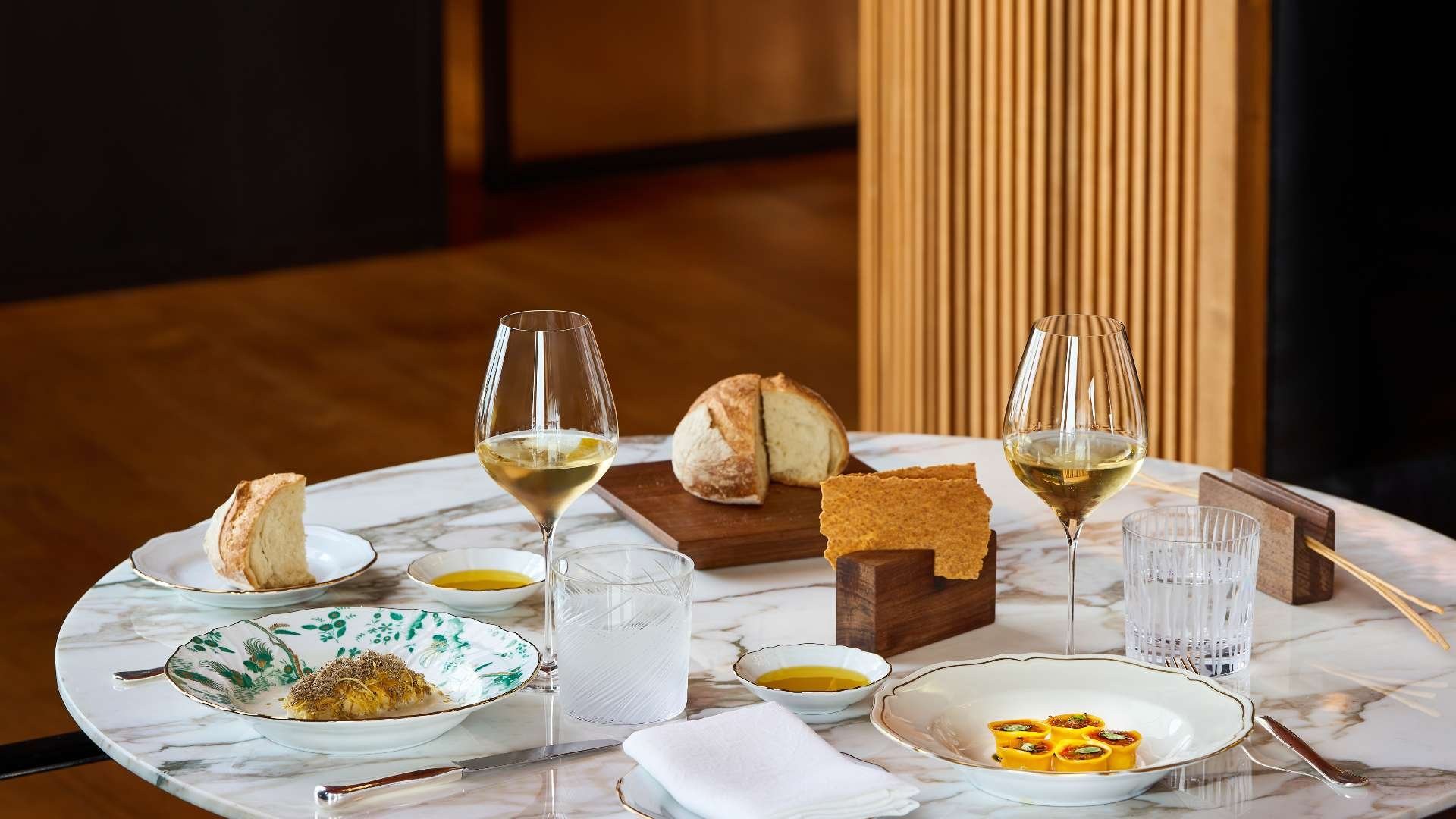
Bars in Shanghai
All bars in Shanghai →

Bao Li Xuan
The wine
Bao Li Xuan holds the Wine Spectator Award of Excellence, which Wine Spectator gives to lists of usually 90 or more selections.
- Wine program
- Deep wine list
- Wine Spectator
- Wine Spectator Award of Excellence
- Selections
- 350
- Bottles in cellar
- 3,000
- List strengths
- Piedmont, Tuscany, Italy, Champagne, France
- Extensive wine list
- Sommelier-led
- Sake program
Details
- Elegant
- Sophisticated
- Quiet
- Classic
- Business Dinner
- Celebration
- Special Occasion
- Date Night
- Private Dining
- Historic Building
- Design Destination
- Hotel Restaurant
- Wine Cellar
- Extensive Wine List
- Sommelier Led
- Sake Program
- Tasting Menu
- A La Carte
- Prix Fixe
- Fine Wine
- Chinese Baijiu
- Yellow Wine
- Premium Tea
- Vegetarian Friendly
- Allergy Accommodating
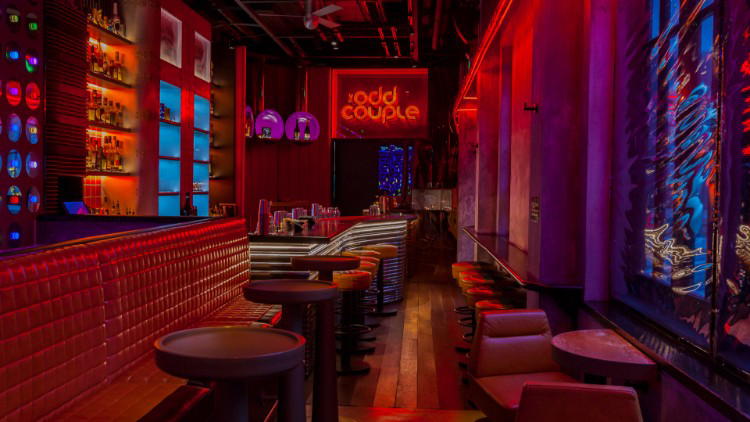
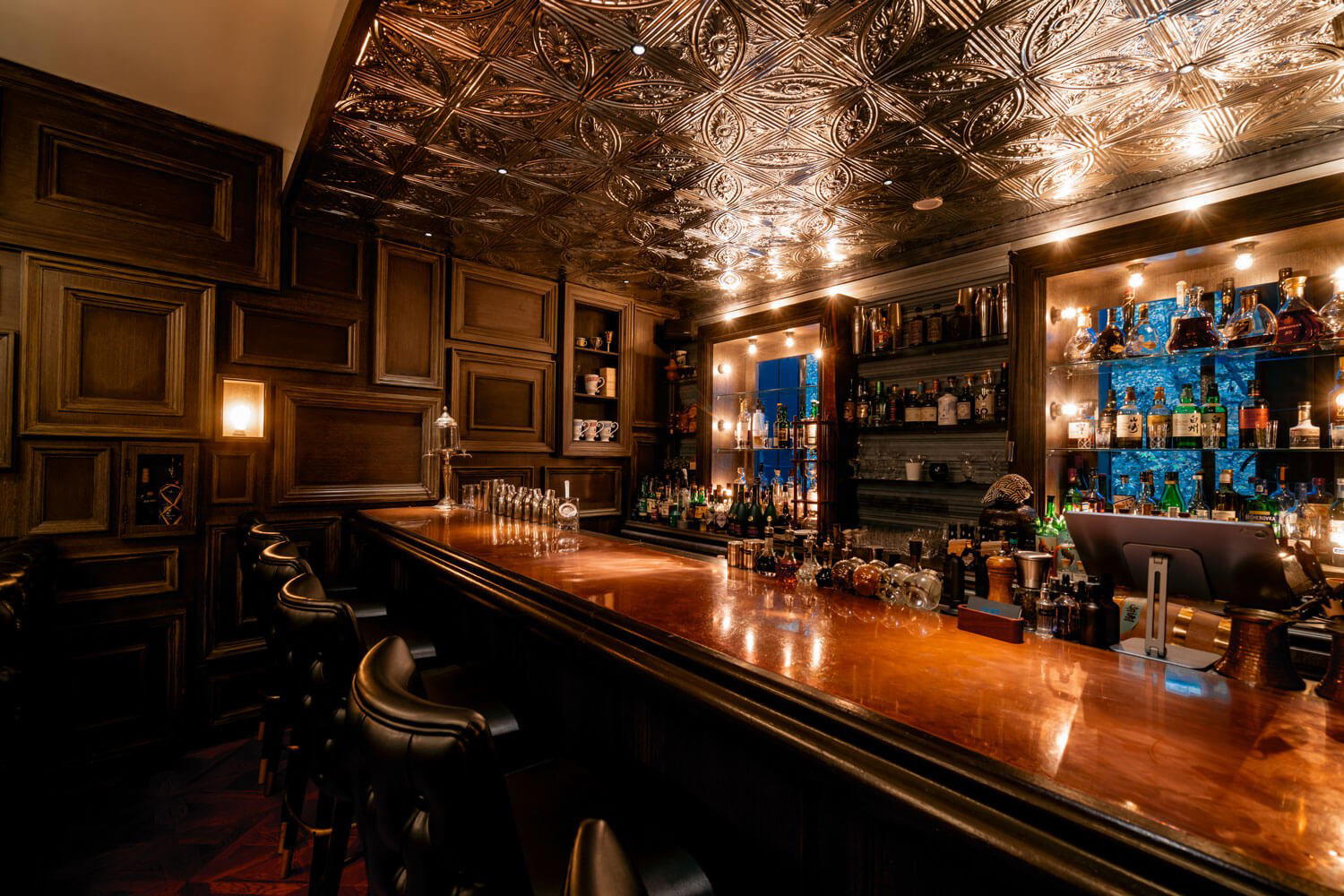
Elegant and refined with turquoise raw silk wallpaper, black lacquer panels, art deco patterned carpets, and restored coffered ceilings; intimate and quiet atmosphere with Bvlgari luxury aesthetic and jewelry-inspired private dining rooms.