Gosari Express

A Michelin Plate-recognised vegan restaurant in Seoul's Jung District, Gosari Express holds, making it one of the most accessible plant-based addresses in a city where vegan fine dining typically commands a significant premium. The Jung District address places it within reach of central Seoul's broader dining circuit.
Pearl is the En Primeur Club membership app — saves, bookings, and concierge access live there. Same editors, same standards.
- Address
- 12-10 Toegye-ro 85-gil, Jung District, Seoul, South Korea
- Phone
- +82 2-2039-3140
- Website
- vegetablerevolution.net
- Directions
- Get directions
 Saves & bookings on Pearl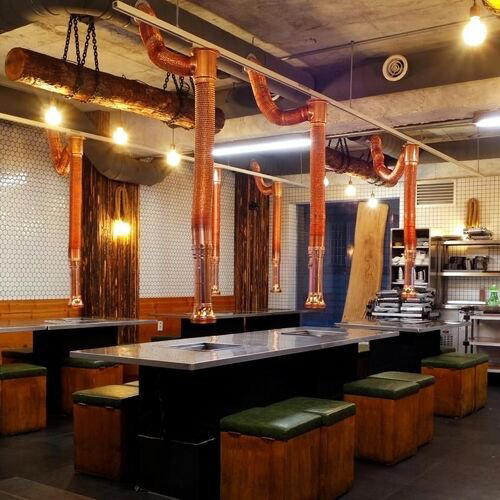
Plant-Based Seoul, Priced for Regulars
Seoul's vegan dining scene has split into two distinct tiers. At the upper end, restaurants like Légume and ALT.a operate within the same price bracket as tasting-menu Korean contemporaries — Mingles, alla prima, Jungsik — where plant-forward menus function as a prestige signal rather than a value proposition. At the other end sits a smaller, less documented tier: vegan addresses that hold Michelin recognition but price at the entry level, where the audience is working Seoulites eating lunch twice a week rather than international visitors with a single evening to spend. Gosari Express occupies that second tier, and its position there is the more interesting editorial story.
A Michelin Plate for 2025 at the single-Won (₩) price point is not a common combination in Seoul. The Michelin Plate designation signals that inspectors found the cooking worth eating, not merely worth noting. At this price tier, that credential places Gosari Express in a small category alongside temple food specialists and neighbourhood Korean institutions that achieve recognition without adjusting their economics upward.
Jung District and the Daytime Equation
The address at 12-10 Toegye-ro 85-gil in Jung District matters for understanding when this restaurant functions leading. Jung is central Seoul, Myeongdong, Namdaemun Market, and the old city hall corridor all fall within the district. It is an area that empties differently depending on the time of day. Lunch in Jung draws office workers, local traders, and visitors moving between central landmarks; dinner narrows to a more deliberate crowd, people who have specifically chosen to be there rather than passing through.
For a single-Won vegan restaurant with a Michelin Plate, that dynamic strongly favours daytime service. Lunch here likely operates as the primary service: faster turnover, a crowd that knows the neighbourhood, and price points that make a weekday meal a direct decision rather than a considered booking. The mood at lunch in a place like this is functional efficiency with a quality floor set by the Michelin recognition, precisely the format that has made Korean lunchtime dining one of the more underrated value propositions in the city.
Evening service, if it exists, would shift the context. Dinner at a low-price-point vegan address in Jung carries a different character, quieter, potentially more leisurely, with the surrounding district less animated than Gangnam or Itaewon after dark. Whether that represents a feature or a limitation depends on what the reader is after. For those who prefer eating without ambient noise or competitive booking pressure, a central but low-key dinner has its own logic. For those expecting the energy of Seoul's more concentrated dining neighbourhoods, the Jung District evening is a different proposition entirely.
Where Gosari Express Sits in Seoul's Vegan Moment
Korean cuisine has a longer and more sophisticated plant-based tradition than its international reputation often suggests. Temple food, rooted in Buddhist practice, has been documented at places like Baegyangsa Temple in Jangseong-gun, and the techniques developed there, fermentation, controlled bitterness, textural contrast through preserved vegetables, have begun appearing in more secular Seoul contexts. The name Gosari itself references bracken fern, a staple of Korean mountain vegetable cuisine with deep roots in both royal court cooking and everyday banchan.
That cultural lineage gives Seoul's vegan scene a different character than its equivalents in Europe. Where restaurants like KLE in Zurich, Plates London, and Seven Swans in Frankfurt tend to frame plant-based cooking as a deliberate departure from the surrounding culinary tradition, Seoul's accessible vegan addresses can draw on a native vocabulary, namul, doenjang, kimchi without fish paste, ganjang-braised roots, that doesn't require any justification beyond the food itself. At the single-Won tier, Gosari Express likely expresses that native vocabulary rather than importing a western vegan framework onto Korean ingredients.
For comparative positioning, the contrast with the Michelin-starred Korean addresses in Seoul is instructive. Gaon and Kwon Sook Soo sit at the formal, high-ceremony end of Korean dining, where the price point reflects both ingredient cost and the theatre of service. Gosari Express operates without that overhead, which means the Michelin Plate recognition is doing different work: it's a quality marker within an accessible format, not a signal of luxury positioning.
How to Approach a Visit
The practical case for Gosari Express is clearest at lunch. The Jung District location puts it within a short walk of Chungmuro or Toegyero subway stations, making it accessible from most central Seoul positions without a dedicated taxi journey. For visitors staying in central hotels, options are covered in our full Seoul hotels guide, the location fits naturally into a morning or midday itinerary rather than requiring a separate evening trip across the city.
For visitors, arriving at an off-peak lunch hour is a more reliable approach than attempting advance booking through third-party channels without confirmation of what those channels are.
Those building a broader Seoul dining itinerary can use our full Seoul restaurants guide to map Gosari Express against higher-price-point options at dinner. Related Seoul exploration, bars, wineries, experiences, is covered in our full Seoul bars guide, our full Seoul wineries guide, and our full Seoul experiences guide. For those extending the trip to other Korean cities, Mori in Busan and The Flying Hog in Seogwipo represent the regional range of Korean dining worth knowing. The single-Won price point means a lunch at Gosari Express adds minimal cost to any day's plan, which removes the usual calculus around whether a Michelin-recognised address is worth prioritising. It simply is.
What People Recommend at Gosari Express
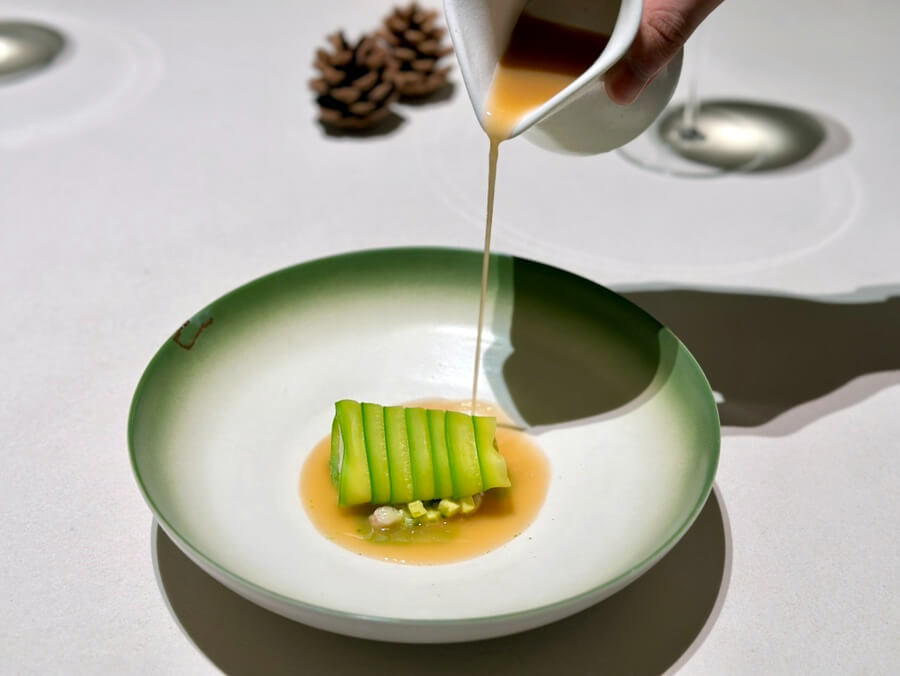
With no published menu data or signature dish list in the current record, specific dish recommendations cannot be confirmed. The vegan format and the Korean cultural context together point toward a menu built on plant-based interpretations of native ingredients, fermented, braised, or pickled preparations rather than western-style substitutes. The Jung District address and single-Won pricing signal that portions are likely substantial enough to function as a full meal rather than a tasting exercise. Visitors with specific dietary requirements beyond veganism, allergies, gluten intolerance, should confirm details directly on arrival given the absence of contactable booking information.
How Gosari Express Seoul compares with similar nearby venues.
| Venue | Cuisine | Price | Awards |
|---|---|---|---|
| Gosari Express | Vegan | ₩ | Bib Gourmand |
| y'east | Contemporary | ₩₩₩ | Not listed |
| Pyeongyang Myeonok | Naengmyeon | ₩ | Not listed |
| ALT.a | Vegan | ₩ | Not listed |
| Légume | Vegan | ₩₩ | Not listed |
Recognition history
Dated appearances from independent guides and award organizations, with the underlying list record or original source where available.
Michelin Bib Gourmand
Michelin
Michelin Plate
Michelin
Continue exploring
More in Seoul
Restaurants in Seoul
Browse all →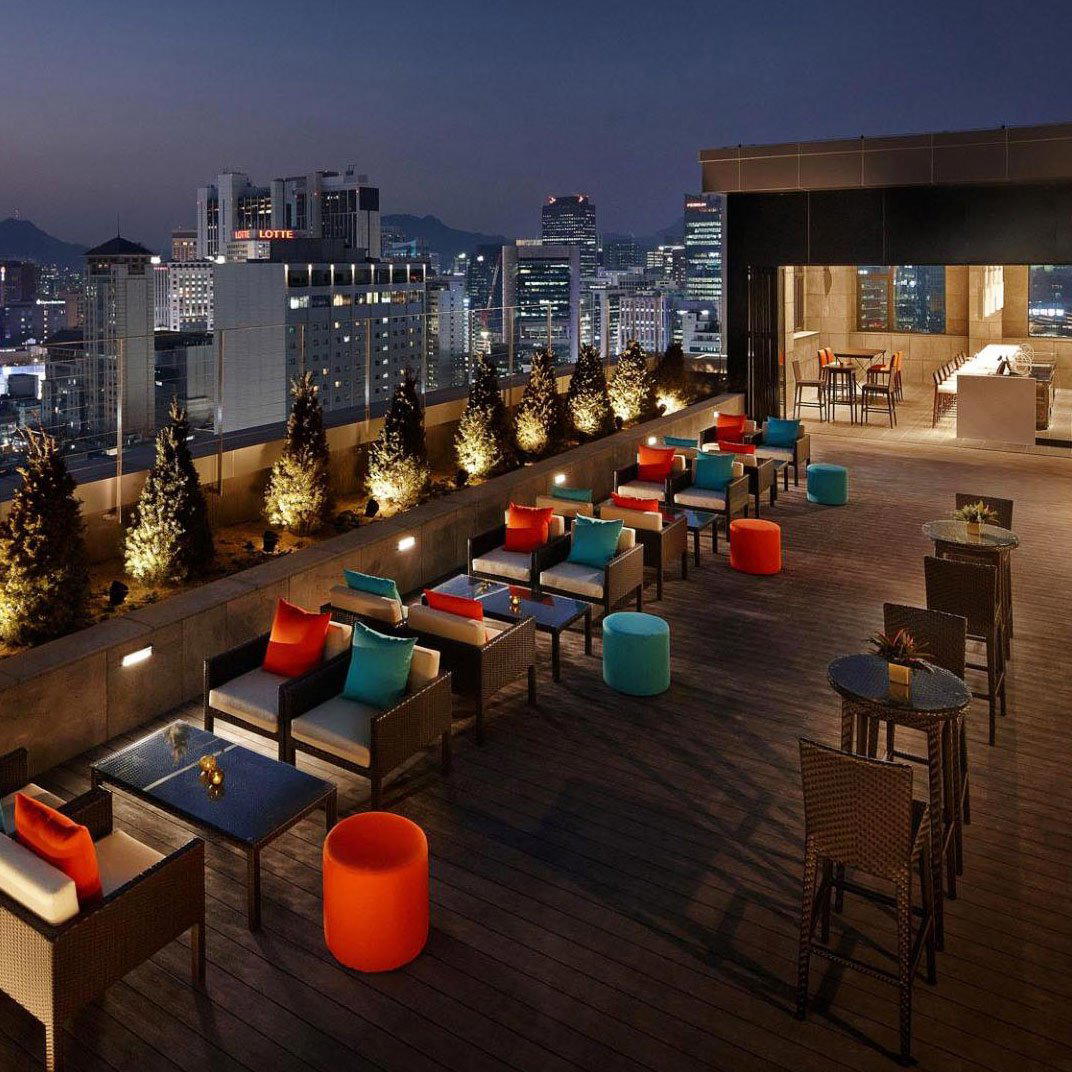
At a Glance
- Trendy
- Cozy
- Casual Hangout
- Sake Program
- Local Sourcing
Current opening hours
- Monday
- Closed
- Tuesday
- 11:30 AM–2:30 PM, 5–8:30 PM
- Wednesday
- 11:30 AM–2:30 PM, 5–8:30 PM
- Thursday
- 11:30 AM–2:30 PM, 5–8:30 PM
- Friday
- 11:30 AM–2:30 PM, 5–8:30 PM
- Saturday
- 11:30 AM–2:30 PM, 5–8:30 PM
- Sunday
- Closed
Hours can change for holidays and private events. Last verified .
Stylish underground atmosphere with graffiti-adorned entrance, good music, and enticing aromas of rich spices.
Know Before You Go
- Getting there
- 12-10 Toegye-ro 85-gil, Jung District, Seoul, South Korea