ALT.a

ALT.a holds consecutive Michelin Bib Gourmand recognition (2024 and 2025) for its plant-based cooking in Yongsan District, where Chef Mino Han translates Korean seasonal produce into a vegan menu that operates well below the price tier of Seoul's starred dining rooms.
Pearl is the En Primeur Club membership app — saves, bookings, and concierge access live there. Same editors, same standards.
- Address
- 109 Bogwang-ro, Yongsan District, Seoul, South Korea
- Phone
- +82 2-790-8688
- Directions
- Get directions
 Saves & bookings on Pearl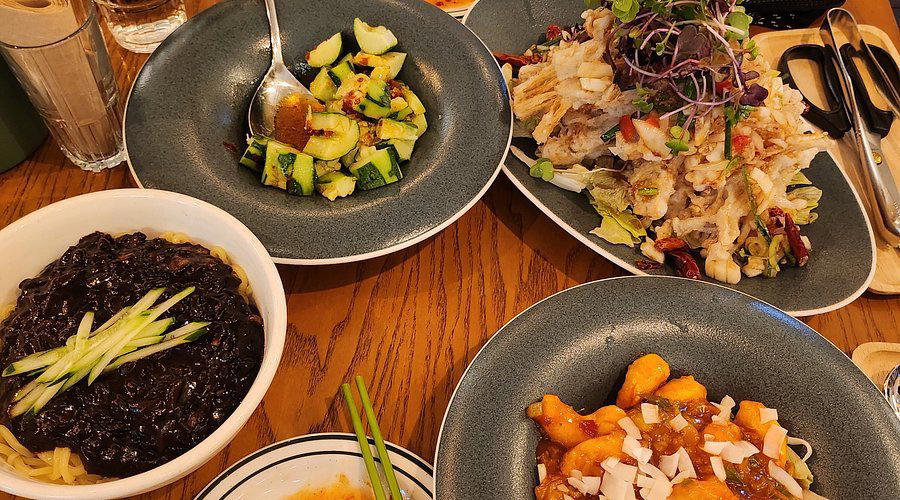
Vegan Seoul, Beyond the Fringe
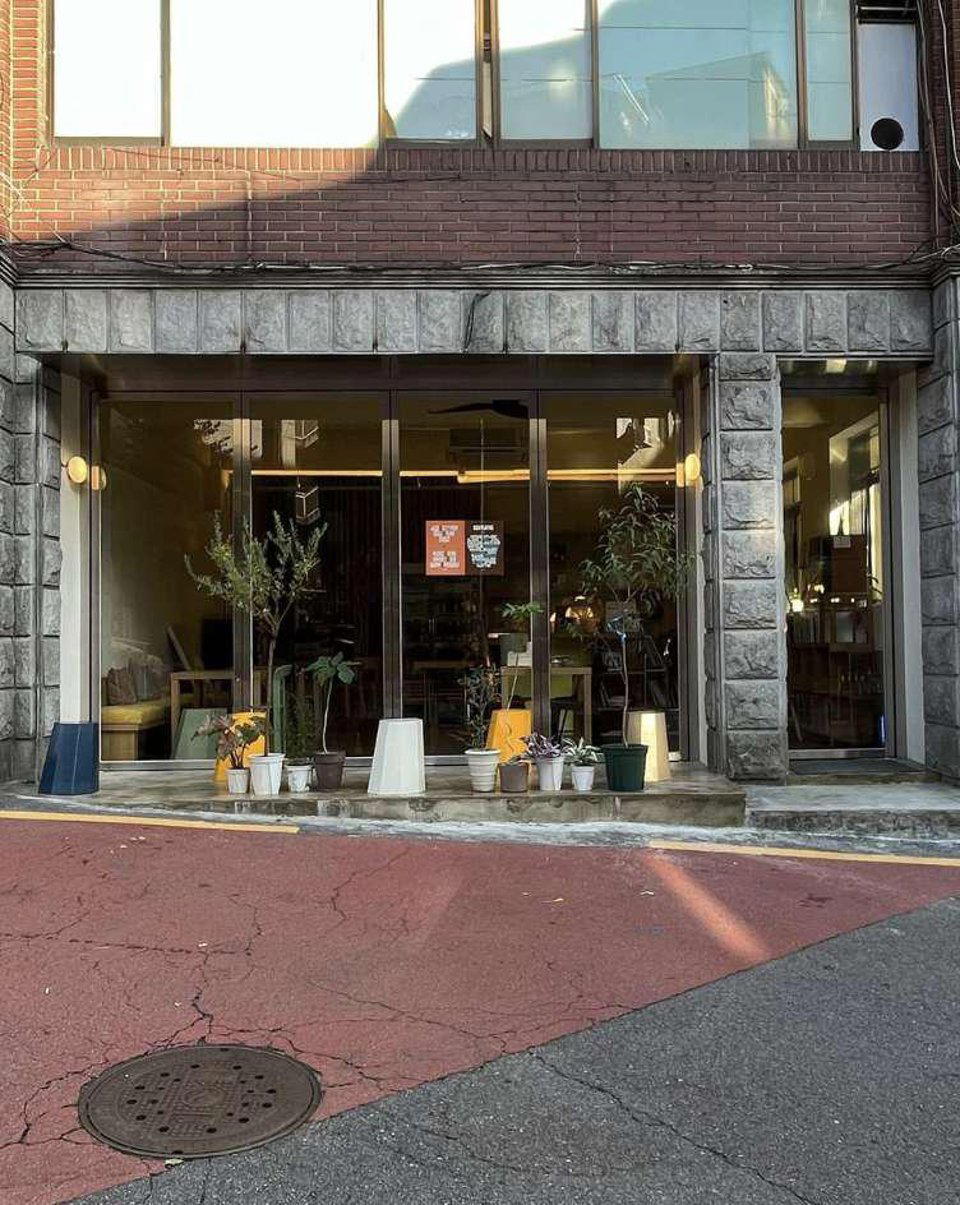
Seoul's dining conversation has long centred on fermented complexity, animal protein, and the theatrical formats of its high-end Korean tasting menus. Against that backdrop, Bogwang-ro in Yongsan District operates at a lower frequency: residential in texture, quieter than the Gangnam corridors where starred dining tends to cluster. ALT.a occupies this calmer register, in a neighbourhood where the foot traffic is local rather than destination-driven, and where the surrounding streets offer context rather than competition. The approach from the street offers none of the ceremonial architecture that marks Seoul's upper tier, and that absence is, in its own way, informative.
Plant-based restaurants have made their case in European cities before Korean ones. Venues like KLE in Zurich, Plates in London, and Seven Swans in Frankfurt built the early argument that vegan cooking could carry fine-dining ambition. In Seoul, that argument is newer and less settled. ALT.a enters that conversation without the weight of an established local tradition to draw from, which means the sourcing relationships and seasonal intelligence built into its menu carry more of the technical load than they might elsewhere.
What the Bib Gourmand Actually Signals
The Michelin Bib Gourmand category rewards quality-to-value ratio rather than complexity for its own sake. ALT.a received that designation in both 2024 and 2025, which positions it in a tier that Michelin inspectors reserve for places where the cooking earns attention independently of price. In Seoul's vegan category, that recognition is not common. The city's Michelin-recognised plant-forward entries are sparse, and ALT.a's consecutive listings place it in a narrow peer group.
For context, the starred venues that form Seoul's formal dining establishment — Jungsik, Mingles, Gaon, Kwon Sook Soo — operate at ₩₩₩₩ price points with the architectural menus and reservation lead times that entails. ALT.a prices at ₩, which places it structurally below not just the starred tier but also most of the mid-range Korean dining scene. That pricing against a Bib Gourmand outcome is the functional argument the restaurant makes to the reader deciding where to eat.
Seasonal Sourcing as Kitchen Logic
The editorial angle that shapes how to read ALT.a is not the absence of meat but the presence of a sourcing framework. Plant-based menus that succeed at any serious level tend to do so because the kitchen has built direct relationships with growers and markets, relationships that give the cook access to produce at a quality and specificity that supermarket procurement cannot match.
Korean seasonal produce provides a demanding and rewarding curriculum for a kitchen working in this mode. The peninsula's climate produces marked seasonal shifts: spring greens, summer ferments, autumn roots, and winter preserved ingredients that form the backbone of traditional Korean cooking. A vegan restaurant operating within this framework is not working against Korean culinary logic, fermentation, pickling, and plant-forward banchan are all deeply embedded in the tradition. What ALT.a does is isolate those elements and build around them rather than treating them as sides to protein. Venues like Légume and Gosari Express operate in adjacent territory in Seoul, suggesting a small but forming cluster of plant-forward thinking in the city. The comparison with temple food tradition is instructive: Baegyangsa Temple in Jangseong-gun and venues like Mori in Busan demonstrate that Korean plant-based cooking has older roots than its contemporary restaurant scene implies.
Where ALT.a Sits in the Seoul Conversation
Seoul's contemporary dining scene has become increasingly plural. The dominance of Korean-format tasting menus at the high end, represented by the likes of alla prima with its innovative positioning, sits alongside a growing number of formats that take the city's produce intelligence and apply it through different lenses. Vegetable-focused cooking, whether or not it carries a vegan label, is part of that diversification. The Eatanic Garden's Michelin-starred contemporary approach and places like The Flying Hog in Seogwipo illustrate how far the range now extends across the peninsula.
Within that range, ALT.a occupies the accessible end without sacrificing the sourcing discipline that gives its cooking credibility. The Bib Gourmand does not travel to restaurants that coast on low prices, it follows quality. That two consecutive years of recognition have come to a single-price-tier vegan kitchen in Yongsan rather than to a more conventionally prestigious address says something about where Michelin inspectors believe Korean plant-based cooking is headed.
Planning Your Visit
ALT.a sits at 109 Bogwang-ro in Yongsan District, accessible from Itaewon station on Seoul Metro Line 6, a short walk through a neighbourhood that rewards slow movement rather than efficiency. The ₩ price point means the financial commitment is low relative to most international dining decisions, and the Bib Gourmand designation provides a reliable quality floor. Chef Mino Han's kitchen is compact in the way that most serious single-chef operations in this price tier tend to be, which means the room fills and the menu sells out at pace. For Seoul dining beyond ALT.a, our full Seoul restaurants guide covers the breadth of the city's current offer, while our Seoul hotels guide, bars guide, wineries guide, and experiences guide map the wider visit.
Side-by-Side Snapshot
A quick peer list to put this venue’s basics in context.
| Venue | Cuisine | Price | Awards |
|---|---|---|---|
| ALT.aThis venue — the venue you are viewing | Vegan | ₩ | Bib Gourmand |
| 7th Door | Korean, Contemporary | ₩₩₩₩ | Michelin 1 Star |
| Solbam | Contemporary | ₩₩₩₩ | Michelin 1 Star |
| Onjium | Korean | ₩₩₩₩ | Michelin 1 Star |
| L'Amitié | French | ₩₩₩ | Michelin 1 Star |
| Zero Complex | Korean-French, Innovative | ₩₩₩₩ | Michelin 1 Star |
Recognition history
Dated appearances from independent guides and award organizations, with the underlying list record or original source where available.
Michelin Bib Gourmand
Michelin
Michelin Bib Gourmand
Michelin


At a Glance
- Cozy
- Modern
- Trendy
- Date Night
- Casual Hangout
- Solo
- Craft Cocktails
- Local Sourcing
Current opening hours
- Monday
- 11:30 AM–3 PM, 5–10 PM
- Tuesday
- 11:30 AM–3 PM, 5–10 PM
- Wednesday
- 11:30 AM–3 PM, 5–10 PM
- Thursday
- 11:30 AM–3 PM, 5–10 PM
- Friday
- 11:30 AM–3 PM, 5–10 PM
- Saturday
- 11:30 AM–3 PM, 5–10 PM
- Sunday
- 11:30 AM–3 PM, 5–10 PM
Hours can change for holidays and private events. Last verified .
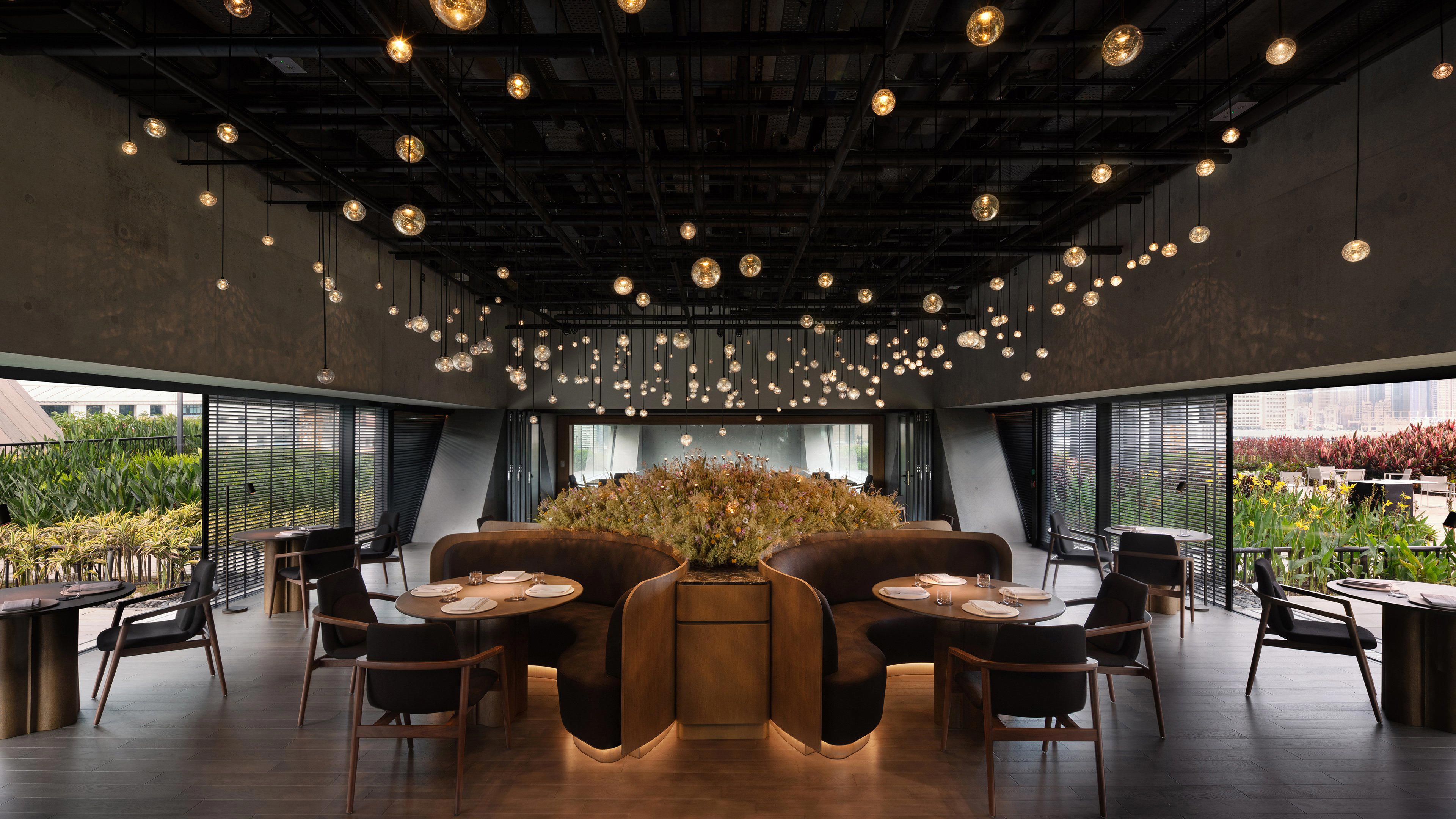
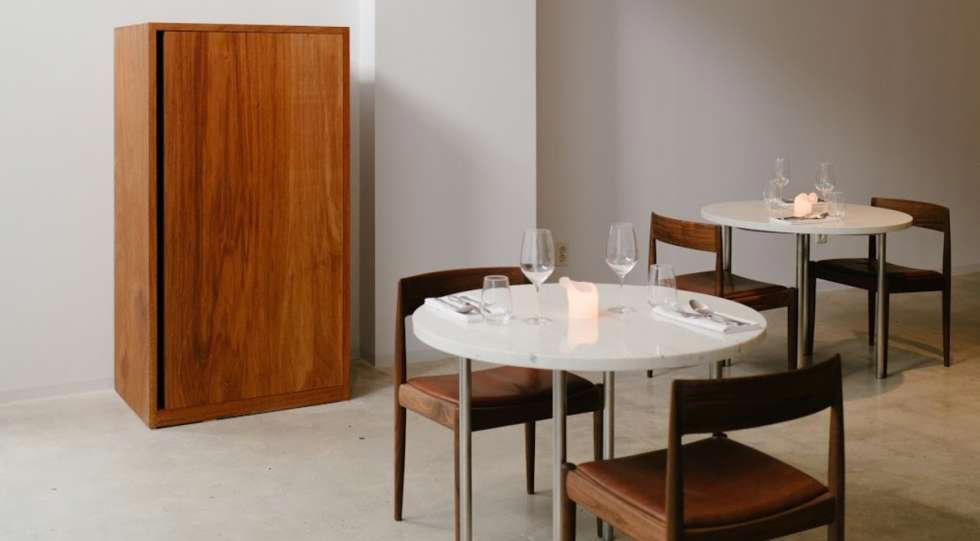
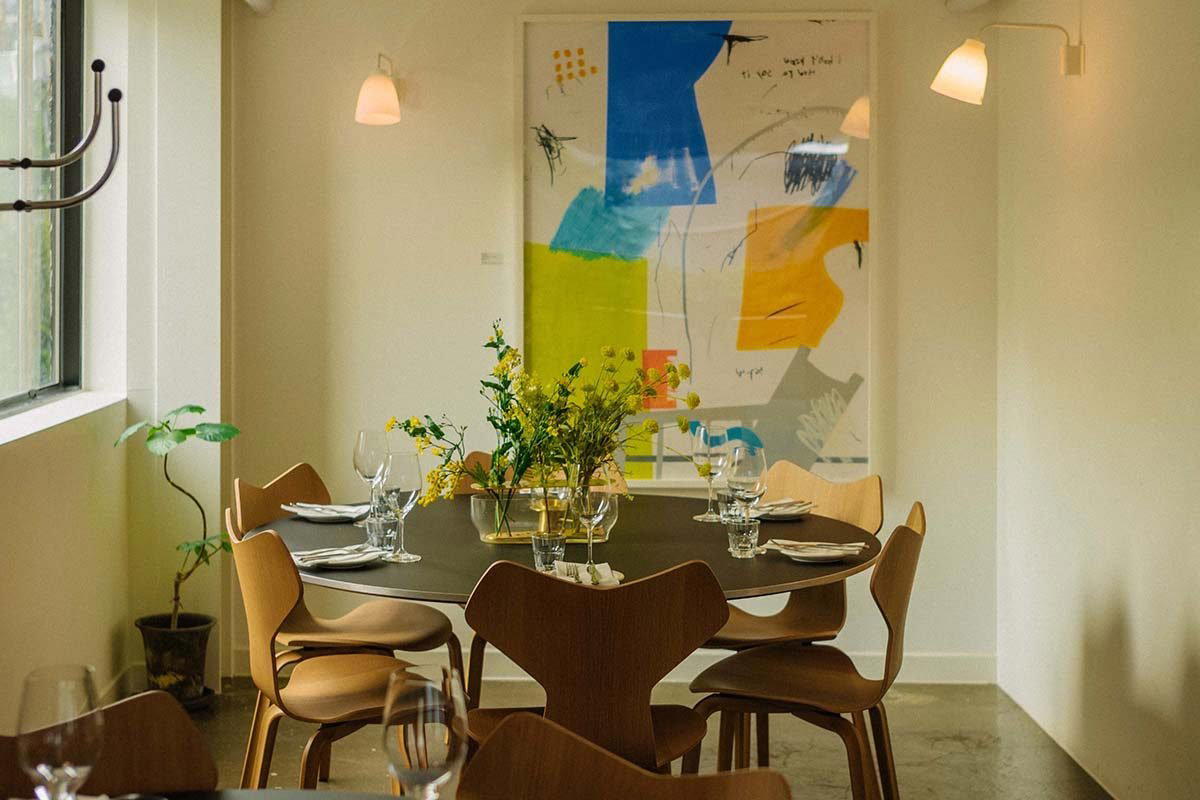
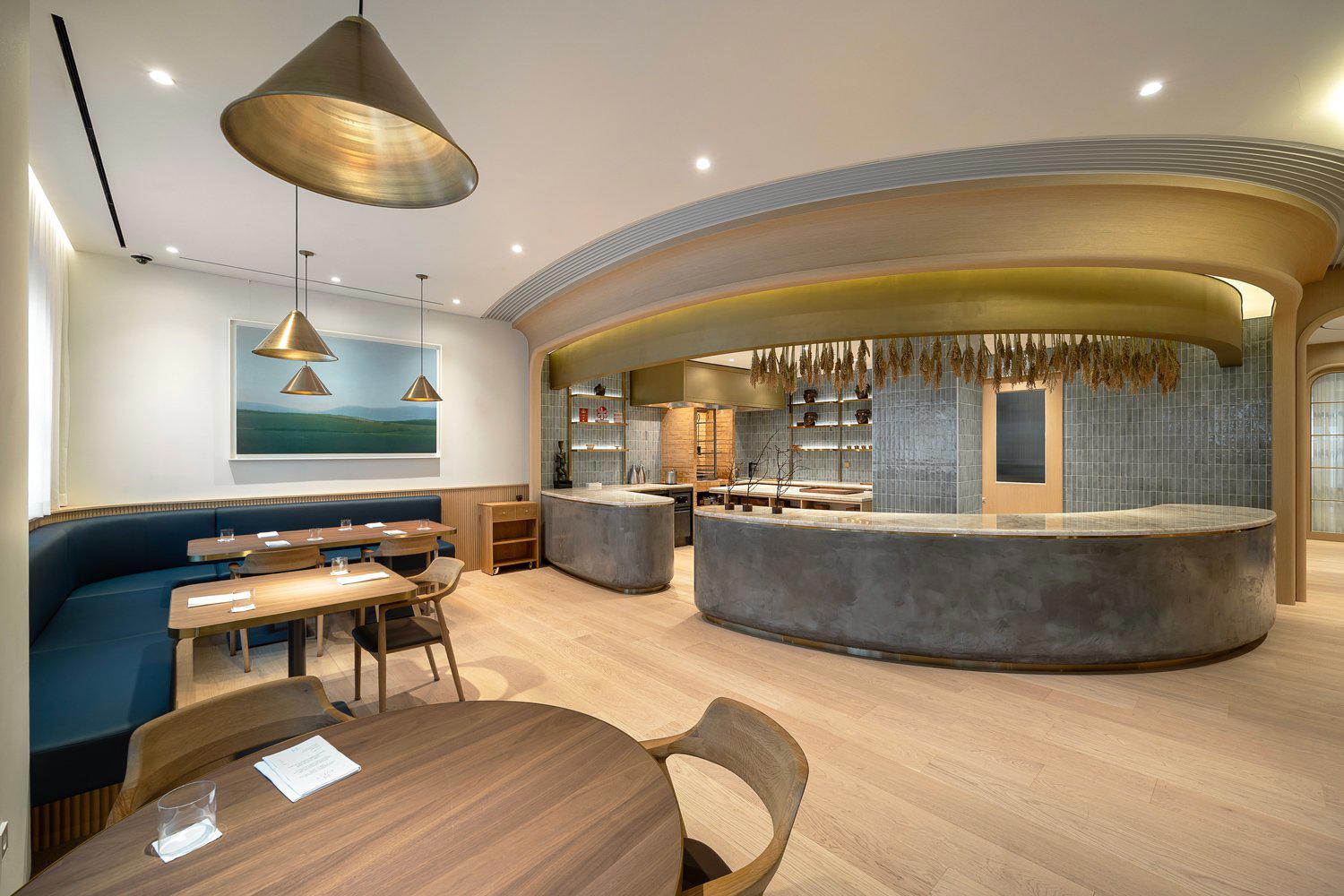
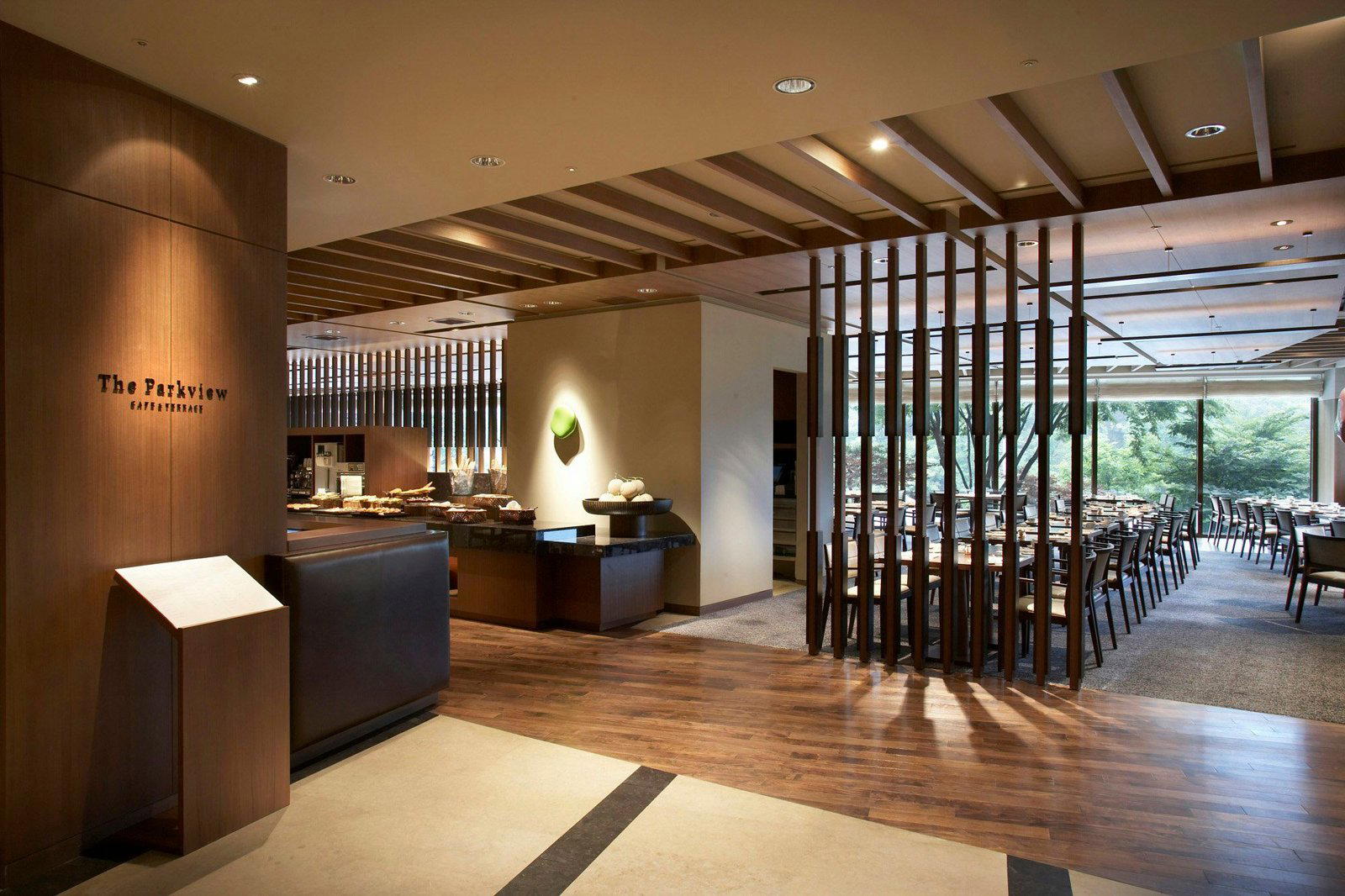
Cozy atmosphere with wooden furniture, nice lighting, and a relaxed, welcoming vibe.
Know Before You Go
- Getting there
- 109 Bogwang-ro, Yongsan District, Seoul, South Korea