Plates London







Plates London earned a Michelin star in January 2025, just seven months after opening on Old Street — making it the UK's first starred vegan restaurant. Chef Kirk Haworth's 25-seat counter in Shoreditch delivers a tasting menu built entirely from plants, with classical technique applied to ingredients that most fine-dining kitchens treat as supporting cast. Bookings run months ahead.
Pearl is the En Primeur Club membership app — saves, bookings, and concierge access live there. Same editors, same standards.
- Address
- 320 Old St, London EC1V 9DR, United Kingdom
- Phone
- +44 20 8050 6682
- Website
- plates-london.com
- Directions
- Get directions
 Saves & bookings on Pearl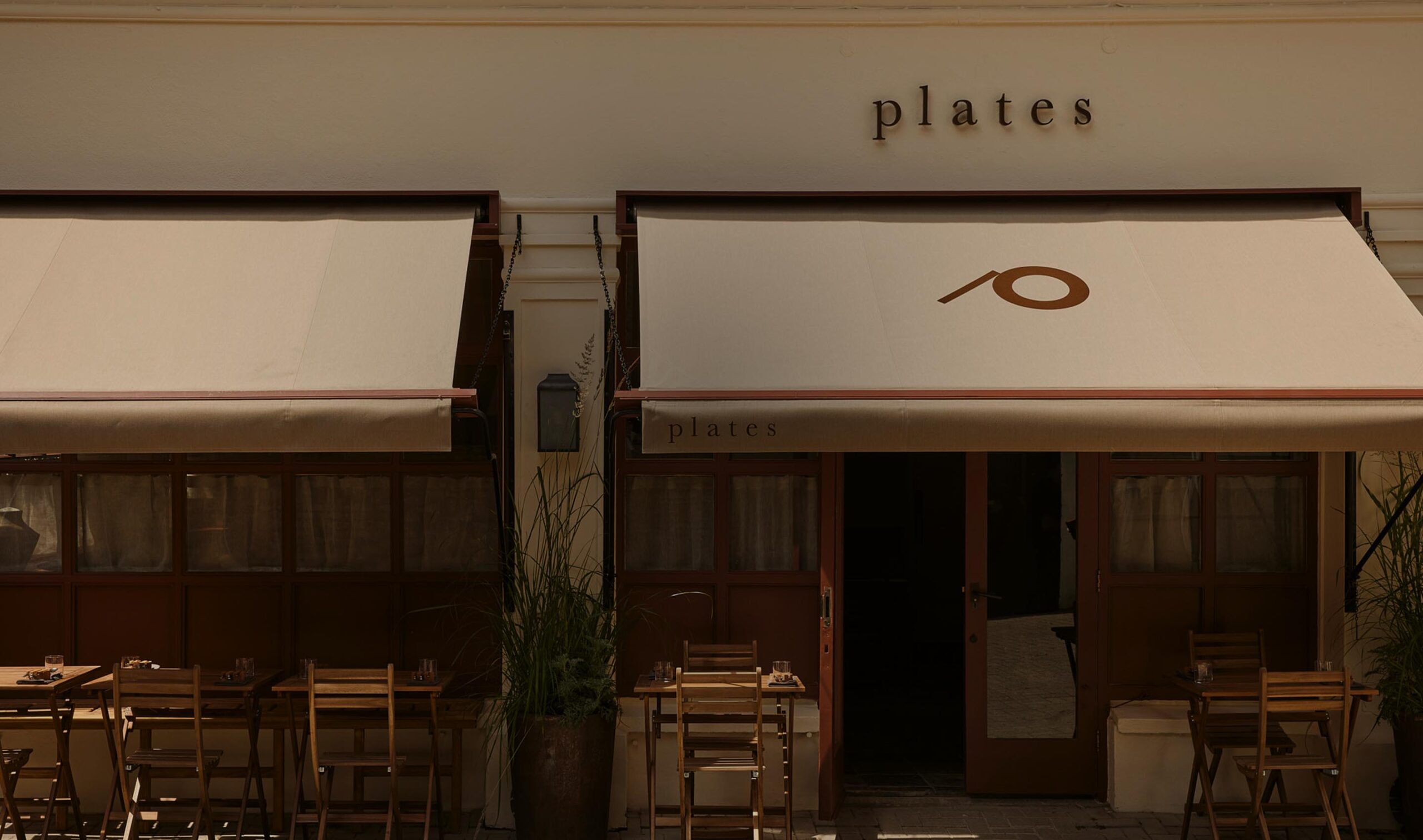
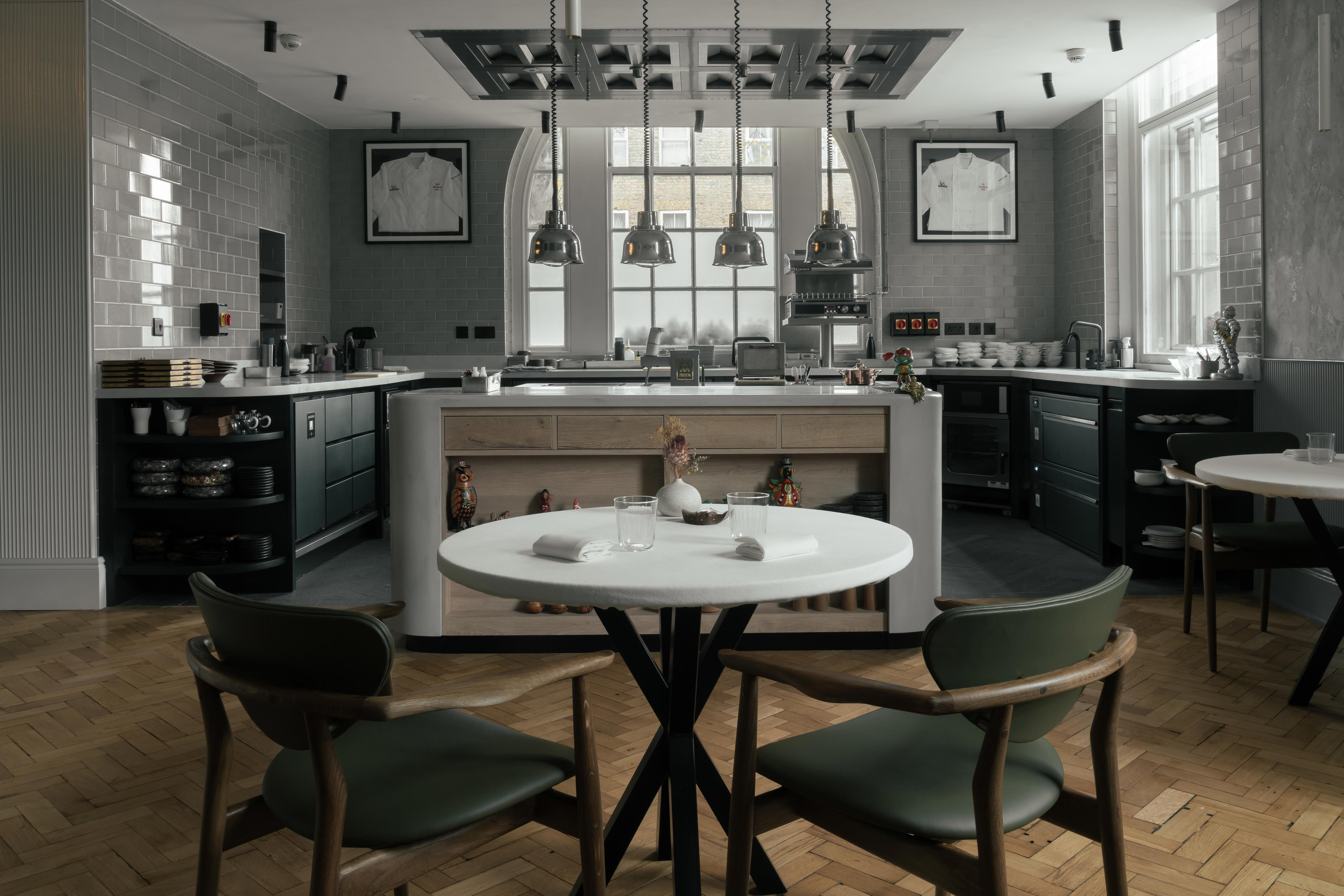
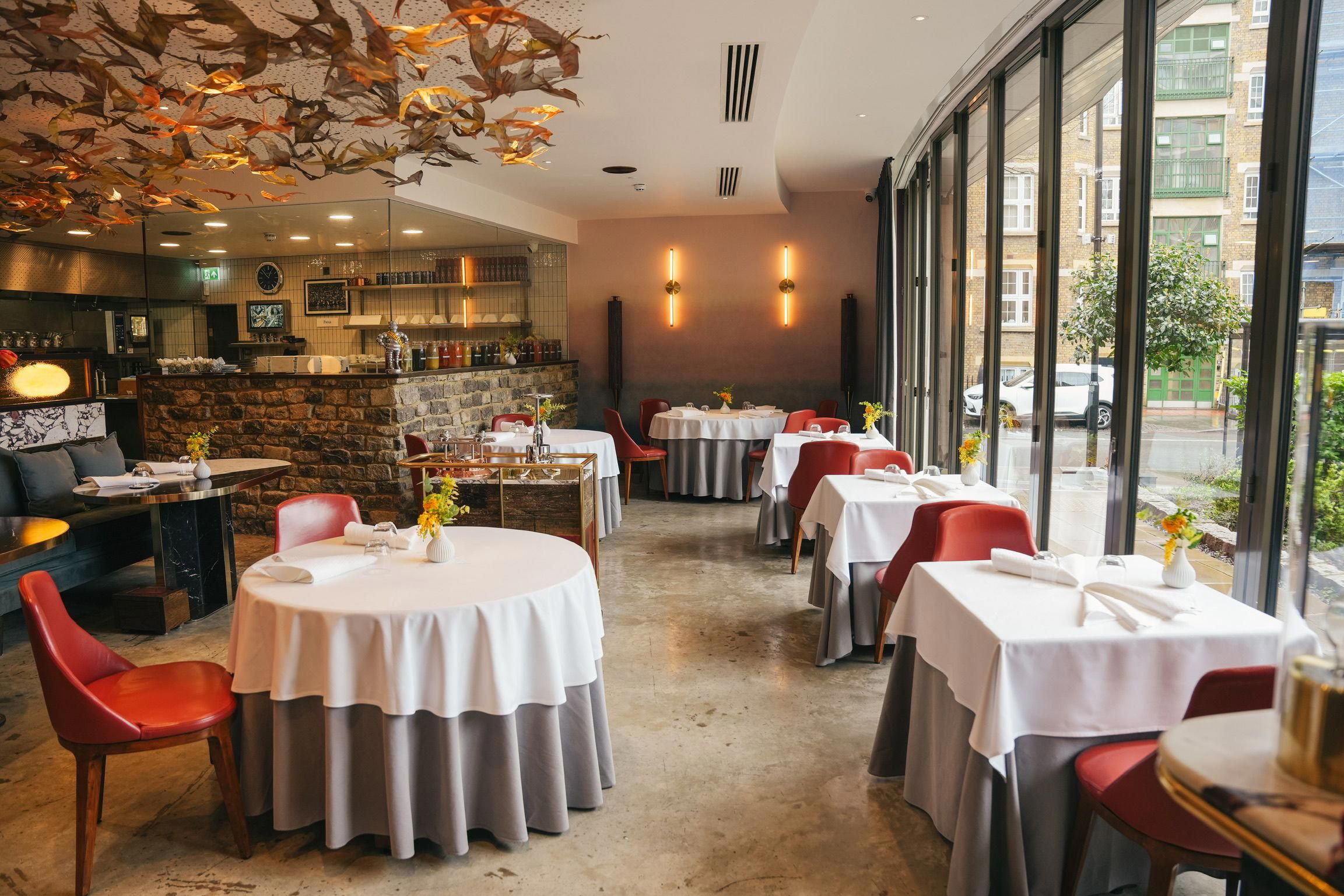
Twenty-five seats. A slate floor, warm plaster walls, and a counter that looks directly into the kitchen. When Plates opened on Old Street in July 2024, the physical format announced its intentions clearly: this was not a plant-based restaurant making concessions toward fine dining, but a fine-dining operation that had dispensed with animal products entirely. By January 2025, seven months into its existence, Michelin had awarded it a star — the first ever given to a vegan restaurant in the United Kingdom.
A New Category in London's Tasting-Menu Scene
London's tasting-menu tier has long been defined by classically trained chefs applying French technique to premium animal proteins. The roster runs from CORE by Clare Smyth and Restaurant Gordon Ramsay through to Sketch, The Lecture Room and Library, each operating at the ££££ ceiling with protein-forward menus as the structural norm. Plates sits at £££ in Shoreditch and prices itself against a different set: not the white-tablecloth West End rooms, but the growing cohort of ingredient-led counters where the constraint of the format is itself the point. The constraint here is complete plant exclusivity, and what Kirk Haworth does within that constraint is what earned the star.
The comparison to other vegan fine-dining operations internationally is instructive. KLE in Zurich and Légume in Seoul represent the category's ambition in their respective cities. London, a city with more Michelin-starred restaurants than any other in the UK and a plant-forward dining culture that has expanded sharply since 2018, had no equivalent at the starred level until Plates arrived.
The Arc of the Meal
Counter dining imposes a particular rhythm on a tasting menu: the kitchen's sequencing becomes the diner's experience in real time, with no physical separation between preparation and consumption. At Plates, that proximity is deliberate. Kirk Haworth serves directly and engages with guests during the meal, which reviewers in Harden's annual diners' poll describe as making them feel "like family" — an unusual register for a Michelin-starred room.
The progression reported by diners moves from delicate early courses toward more structurally complex mid-meal dishes, with the kitchen's classical training most visible in preparations that would be technically demanding even with conventional ingredients. The maitake mushroom with black bean mole is cited consistently as a standout: a dish where umami depth is built through fungal intensity and fermented base rather than meat stock, and where the technique is audible in the result. The raw cocoa gateau that closes the meal functions as the kind of finisher that earns specific recall, chocolate preparation at this level requires precision with temperature and texture that classical pastry training addresses directly, and Haworth's background through Great British Menu delivers that.
The bread course draws its own commentary. One Harden's diner noted: "Grateful for the excellent laminated bread, otherwise it would have been light on carbs", a remark that captures something real about the architecture of a plant-only tasting menu. Managing satiety, energy density, and textural satisfaction without the ballast that meat and dairy provide is an underappreciated technical problem. The laminated bread is load-bearing in more than a structural sense; it anchors the early part of the meal and signals that the kitchen understands the physiological shape of the progression, not just its aesthetic one.
Lasagne, flagged separately in diner feedback as a highlight, represents a different challenge: a dish with deep cultural associations built on cheese and meat, reinterpreted through plant ingredients without ironic distance or obvious substitution logic. Dishes like this are the most revealing tests of a kitchen's conviction. When they work at this level, they suggest the menu has been built from plant ingredients outward, not retrofitted from existing recipes.
Shoreditch as Context
Old Street EC1 is not the neighbourhood one would have predicted for the UK's first Michelin-starred vegan restaurant. Shoreditch's dining identity has historically been built around accessible price points, casual formats, and a demographic that skews younger and more experimental. The neighbourhood has always supported plant-forward eating in its casual tier, a function of its demographic profile and proximity to London's tech and creative industries. What it had not previously supported at the fine-dining end was a serious, price-committed tasting menu format.
Plates changes that calculus. The 25-seat room on Old Street is physically modest, reviewers note it feels "somewhat cramped", but that compression is consistent with the counter-omakase model that has spread from Japanese dining into broader European fine dining over the past decade. The format works because the proximity creates engagement, and the engagement is part of the product. Larger rooms at this price point often struggle to deliver the same sense of occasion; the constraint of scale at Plates is partly structural and partly a considered positioning choice.
For those planning a broader Shoreditch or East London dining itinerary, the neighbourhood offers several other plant-forward options. Holy Carrot and Naïfs operate in adjacent territory, though without the tasting-menu format or starred recognition that defines Plates. For the starred tasting-menu format elsewhere in London, the reference points are the West End and Chelsea rooms: CORE by Clare Smyth and Restaurant Gordon Ramsay represent the classical British end of that spectrum, while Plates offers the only plant-exclusive entry point into the tier.
The Credential Behind the Kitchen
The speed of the Michelin recognition, one star within seven months of opening, is unusual enough to warrant context. Michelin inspectors typically observe a restaurant across multiple visits over a longer period before awarding. Stars within the first year of operation occur but represent a minority of awards; they indicate a kitchen operating at a level that generates consistent results from very early in its existence. Kirk Haworth's background as a Great British Menu winner provided the pre-existing credential that made early recognition plausible, but the diners' poll responses across Harden's suggest the food quality is independently substantial, not merely a function of the chef's reputation arriving ahead of him.
For the broader context of UK destination dining, the comparison set beyond London includes restaurants like The Fat Duck in Bray, L'Enclume in Cartmel, Moor Hall in Aughton, Gidleigh Park in Chagford, Hand and Flowers in Marlow, and Le Manoir aux Quat' Saisons in Great Milton, all operating within the country's most recognised tier of destination restaurants. Plates is the only entry in that conversation built entirely around plant ingredients.
The wine program has also drawn recognition: Star Wine List ranked it number one in 2025, which signals that the pairing program is being treated with the same seriousness as the food, a non-trivial achievement for a plant-only menu, where sommeliers must build progression and contrast without the anchoring effect that meat proteins provide for wine pairing logic.
Know Before You Go
Address: 320 Old St, London EC1V 9DR
Price range: £££
Hours: Wednesday to Saturday, 12 PM–4 PM and 6 PM–11:30 PM. Closed Sunday, Monday, and Tuesday.
Cuisine: Vegan tasting menu
Seats: 25 (counter and table seating)
Awards: Michelin 1 Star (awarded January 2025); Star Wine List #1 (2025)
Booking: Demand runs months ahead; plan well in advance, particularly for weekend dinner service.
Format: Counter seating with open kitchen; chef engagement during service.
For planning the rest of a London trip around this visit, EP Club's full guides cover London restaurants, London hotels, London bars, London wineries, and London experiences.
Comparable Options
| Venue | Cuisine | Price |
|---|---|---|
| Plates LondonThis venue — the venue you are viewing | Vegan | £££ |
| The Ledbury | Modern European, Modern Cuisine | ££££ |
| Sketch, The Lecture Room and Library | Modern French | ££££ |
| CORE by Clare Smyth | Modern British | ££££ |
| Restaurant Gordon Ramsay | Contemporary European, French | ££££ |
| Dinner by Heston Blumenthal | Modern British, Traditional British | ££££ |
Recognition history
Dated appearances from independent guides and award organizations, with the underlying list record or original source where available.
Harden's Top 100 UK Restaurants #21
Harden's
Michelin 1 Star
Michelin
Opinionated About Dining Newly Added European Restaurants
Opinionated About Dining
Opinionated About Dining Top Restaurants in Europe Recommended
Opinionated About Dining
Opinionated About Dining Top New Restaurants in Europe Ranked #30
Opinionated About Dining
Star Wine List
Star Wine List
Michelin 1 Star
Michelin
National Restaurant Awards Top 100 #64
National Restaurant Awards
Star Wine List
Star Wine List
The Best Chef One Knife
The Best Chef
We're Smart World 5 Radishes
We're Smart World
We're Smart World Top 100 #14
We're Smart World
Michelin 1 Star
Michelin
Continue exploring
More in London
Restaurants in London
Browse all →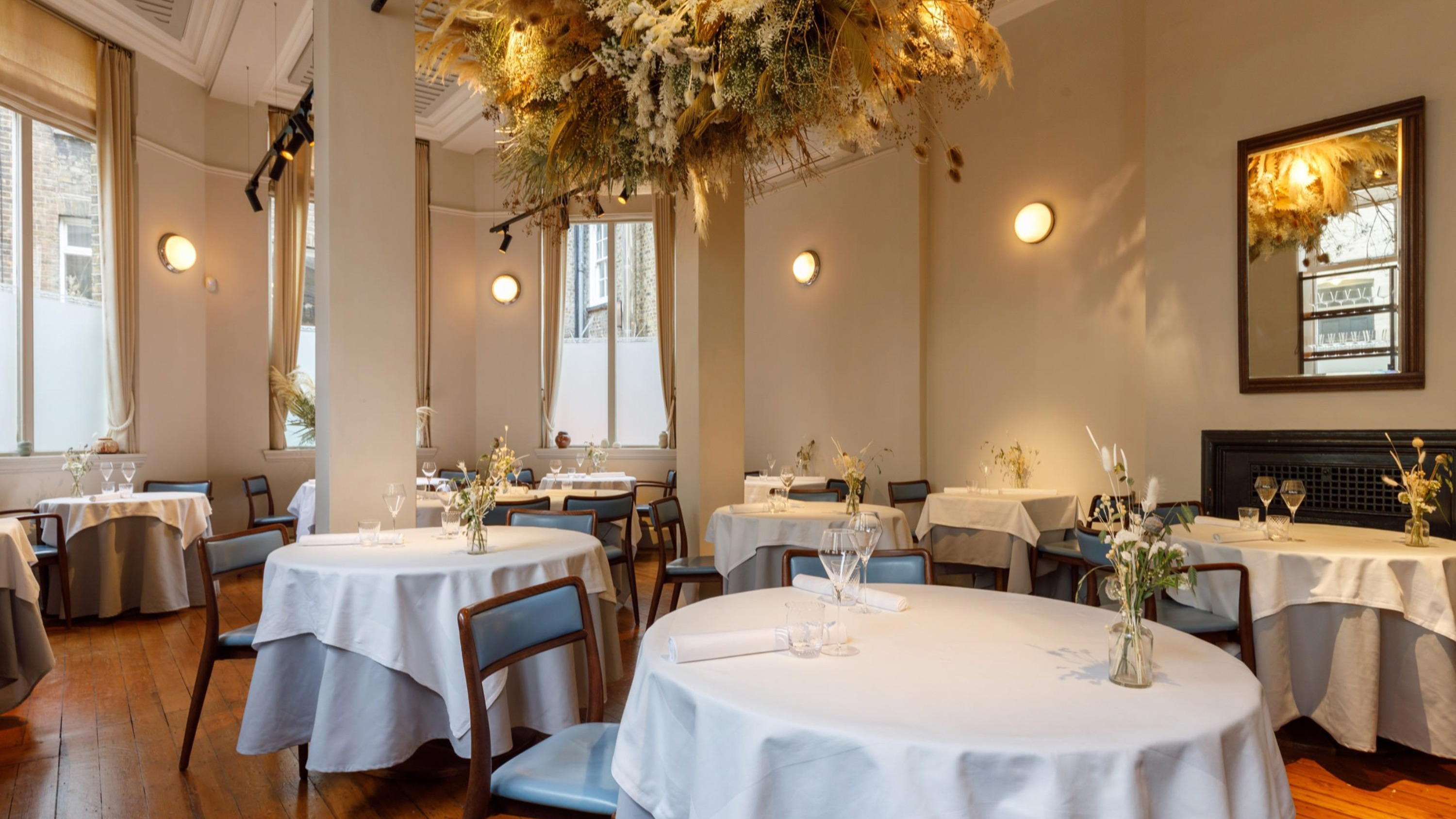
Bars in London
Browse all →
Hotels in London
Browse all →


At a Glance
- Elegant
- Intimate
- Modern
- Minimalist
- Date Night
- Special Occasion
- Open Kitchen
- Extensive Wine List
- Natural Wine
- Biodynamic
- Local Sourcing
Current opening hours
- Monday
- Closed
- Tuesday
- Closed
- Wednesday
- 12–4 PM, 6–11:30 PM
- Thursday
- 12–4 PM, 6–11:30 PM
- Friday
- 12–4 PM, 6–11:30 PM
- Saturday
- 12–4 PM, 6–11:30 PM
- Sunday
- Closed
Hours can change for holidays and private events. Last verified .
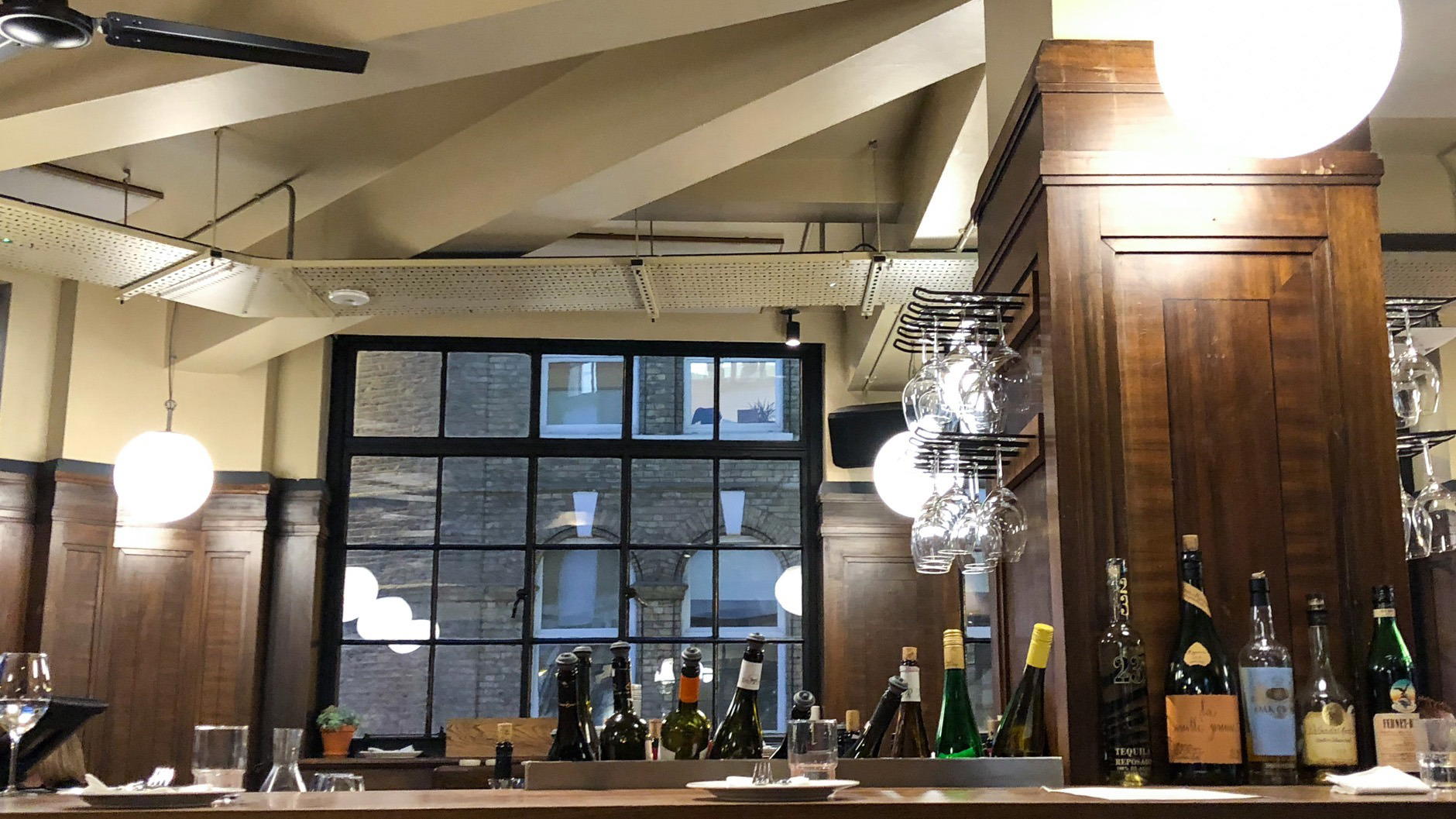
Intimate 25-cover space with earthy, natural vibe featuring slate floors, warm hues, rustic plastering, minimalist Scandi-style decor, soft lighting that dims, and open kitchen.
Know Before You Go
- Getting there
- 320 Old St, London EC1V 9DR, United Kingdom