Gaeseong Mandu Koong

Michelin Bib Gourmand
Our verdict
A Michelin Bib Gourmand recipient in 2024 and 2025, Gaeseong Mandu Koong sits in the residential backstreets of Seodaemun-gu, where Seoul's mandu tradition runs older and less polished than the tourist-facing versions found closer to the centre. The kitchen focuses on the Gaeseong style of dumpling, a Northern Korean regional form that remains relatively rare in the capital's restaurant landscape.

Pearl is the En Primeur Club membership app, where members save venues, book tables and use the concierge.
The menu
What to order
- Pork dumplings
- Dumpling soup
- Mung bean pancake
Where Seodaemun Keeps Its Oldest Flavours
The streets around Yeonhuimat-ro in Seodaemun-gu occupy a different register than the dining corridors most visitors map onto Seoul. There are no neon-lit food halls here, no queues managed by clipboard staff. The neighbourhood slopes upward from the main roads, running through a mix of older residential blocks and small commercial strips that have changed slowly relative to the pace of redevelopment elsewhere in the city. It is in precisely this kind of setting that Seoul's more durable food traditions tend to persist, not because the area is frozen, but because lower commercial pressure allows a kitchen to stay focused on one thing rather than pivoting toward whatever is selling well in Itaewon or Apgujeong.
Gaeseong Mandu Koong, at 23 Yeonhuimat-ro, is one of those focused kitchens. Its subject is mandu, the Korean dumpling form that stretches across regional styles and centuries of culinary history, and more specifically the Gaeseong tradition, which originates from the historic city that now sits just north of the demilitarized zone. That lineage matters to the food in concrete ways: Gaeseong mandu tend to be larger than the thin-skinned Seoul styles, with thicker wrappers and fillings that lean toward tofu, meat, and vegetables in ratios that read as substantial rather than delicate. The form carries a particular weight, both literally and historically, as a piece of Korean culinary identity that was geographically severed and then partially reconstructed in the South through the migration of families after partition.
A Regional Form in a City That Often Prefers Novelty
Seoul's restaurant market in 2025 is not short of ambition. The Michelin Guide covers a range that runs from multi-course Korean fine dining rooms in Gangnam, such as Gaon and Kwon Sook Soo, to contemporary Korean-French fusion formats and innovation-led tasting menus. The Bib Gourmand category, which recognises good cooking at accessible prices, functions as a counterweight to that fine dining tier, pointing toward places where the value proposition is built around craft and specificity rather than ceremony and spectacle. Gaeseong Mandu Koong has held its Bib Gourmand in both 2024 and 2025, which confirms a consistency that single-year recognition cannot.
Within Seoul's mandu scene, the Gaeseong style occupies a position comparable to what Northern regional forms hold in other food cultures: respected by those who know it, somewhat marginalised by commercial popularity of lighter or more immediately accessible variations. Jaha Son Mandu in Buam-dong has long been the address associated with hand-made mandu at an established level, and Jaha Son Mandu draws considerable attention as a result. The Seodaemun operation competes in spirit with that kind of focus, though from a different neighbourhood base and a lower commercial profile. Other addresses worth knowing in Seoul's dumpling and Korean comfort food spectrum include Mandujip and Mipildam, each working in adjacent but distinct registers. For Korean food with a more contemporary editorial, Bongsanok offers a point of comparison.
The price tier here, marked at the lowest bracket on the scale, puts Gaeseong Mandu Koong in a category where the entire meal should come in well below the cost of a single course at many of Seoul's starred restaurants. This is characteristic of the Bib Gourmand bracket across most cities, and in Seoul it represents a genuine opportunity to eat within a specific culinary tradition without the overhead of a formal dining room. The contrast with the fine dining end of the Seoul Michelin list, where venues like Mingles operate at a completely different price point, is considerable, but both ends of that range reflect serious intent.
The Seodaemun Setting and What It Delivers
The neighbourhood context shapes the experience as much as the food itself. Seodaemun-gu is not a district that positions itself for food tourism. It lacks the concentrated dining clusters of Mapo or the international visibility of Yongsan. What it offers instead is a residential authenticity that is increasingly difficult to find in districts that have been fully absorbed into Seoul's food media circuit. Coming to Gaeseong Mandu Koong requires a degree of intentionality: the address demands navigation rather than casual discovery, and the low-key setting means the visit is about the food rather than the experience architecture around it.
That kind of setting tends to suit a particular type of traveller, one who is already familiar with Seoul's more prominent dining stops and wants to move beyond them, or one who is specifically tracing Korean regional food traditions rather than consuming a generalised Korean cuisine narrative. The Gaeseong angle provides a genuine entry point into a history that does not surface prominently in most Korean restaurant contexts outside of specialist houses. In that sense, the address offers something that the fine dining corridors of Gangnam cannot replicate, not better or worse, but different in kind.
For those building a wider Seoul itinerary, the full Seoul restaurants guide covers the range from addresses like this one to the starred tasting menu tier. The Seoul hotels guide and Seoul bars guide round out the practical picture. Those extending travel beyond the capital might also consider Mori in Busan or the temple food tradition at Baegyangsa Temple in Jangseong-gun for a sense of how regional Korean food traditions vary across geography. The Seoul experiences guide and Seoul wineries guide are available for those planning longer stays.
Planning the Visit
Seoul's metro system covers Seodaemun-gu with reasonable density, and the address on Yeonhuimat-ro is reachable by several surface routes from central points in the city.
Frequently asked questions
What should I order at Gaeseong Mandu Koong?
The kitchen's identity is built around the Gaeseong style of mandu, the Northern Korean dumpling tradition distinguished by its thicker wrappers and substantial fillings of tofu, meat, and vegetables. That regional form is the reason the Michelin Bib Gourmand has recognised the address in both 2024 and 2025, and it is the logical focus of any visit. In the broader Seoul mandu scene, where lighter or more commercial dumpling styles dominate, the Gaeseong approach represents a specific culinary lineage. Comparable addresses for hand-made mandu in Seoul include Jaha Son Mandu and Mandujip, though each works from a different tradition. For Korean cooking at a more formal level, Gaon offers a contrasting point on the same national cuisine spectrum.
Do they take walk-ins at Gaeseong Mandu Koong?
That said, the Michelin recognition in both 2024 and 2025 will have increased visibility, so arriving at off-peak times reduces the risk of a wait. Seoul has a number of comparable mandu addresses worth knowing as alternatives if the timing does not work out, including Mipildam. For further planning, the full Seoul restaurants guide covers the range across price tiers and neighbourhoods.
Cuisine Lens
Comparable options at a glance, pulled from our tracked venues.
| Venue | Cuisine | Price | Awards | Notes |
|---|---|---|---|---|
| Gaeseong Mandu KoongThis venue (the venue you are viewing) | Traditional Gaeseong-Style Korean Dumplings | $10–20 | Michelin Bib Gourmand | Not listed |
| 7th Door | Modern Korean Fermentation Fine Dining | $100–150 | 1 Michelin Star · World's 50 Best #49 | Korean, Contemporary |
| Solbam | Contemporary Neo-Classical Korean | $200–300 | 1 Michelin Star · World's 50 Best #55 | Contemporary |
| Onjium | Modern Korean Royal Court Cuisine | Not listed | 1 Michelin Star · World's 50 Best #14 | Korean |
| L'Amitié | Classic French Fine Dining | $100–150 | 1 Michelin Star · La Liste Top Restaurants | French |
| Zero Complex | Modern French Neo-Bistro | $100–150 | 1 Michelin Star · La Liste Top Restaurants | Korean-French, Innovative |
Recognition history
Dated appearances from independent guides and award organizations, with the underlying list record or original source where available.
Michelin Bib Gourmand
Michelin
Full recognition history (2 entries)
Michelin Bib Gourmand
Michelin
Continue exploring
More in Seoul
Restaurants in Seoul
All restaurants in Seoul →
Bars in Seoul
All bars in Seoul →
Details
- Cozy
- Classic
- Intimate
- Casual Hangout
- Historic Building
- Local Sourcing
- A La Carte
Current opening hours
- Monday
- 11:30 AM–9:30 PM
- Tuesday
- 11:30 AM–9:30 PM
- Wednesday
- 11:30 AM–9:30 PM
- Thursday
- 11:30 AM–9:30 PM
- Friday
- 11:30 AM–9:30 PM
- Saturday
- 11:30 AM–9:30 PM
- Sunday
- 11:30 AM–9:30 PM
Hours can change for holidays and private events. Hours as of .
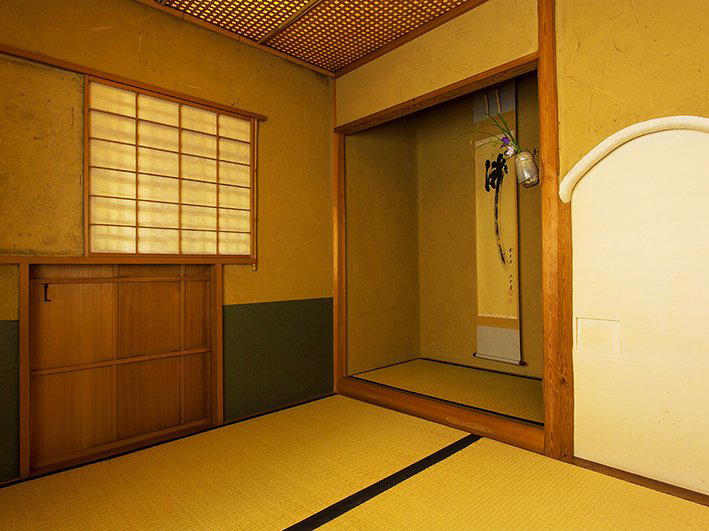
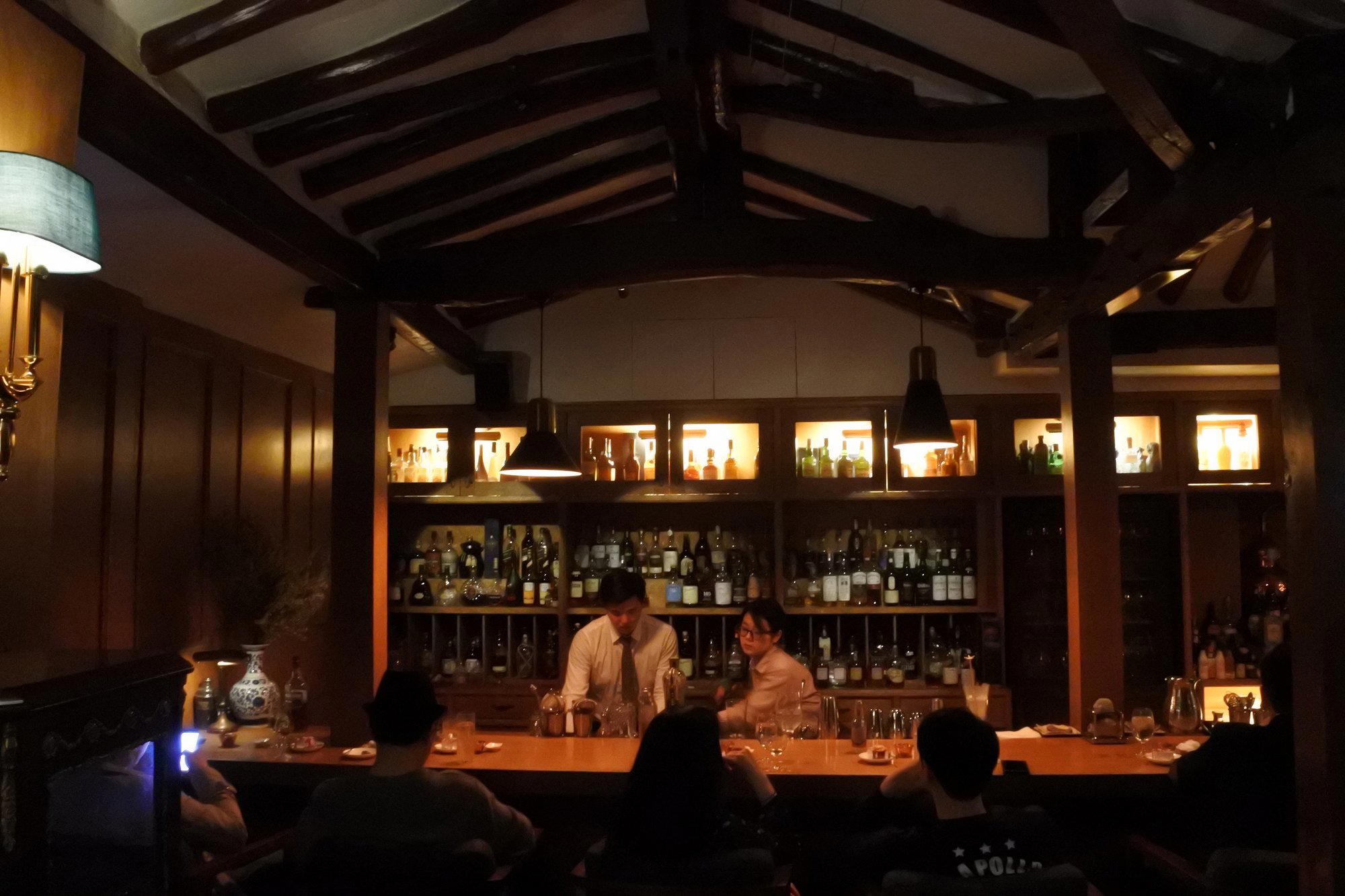
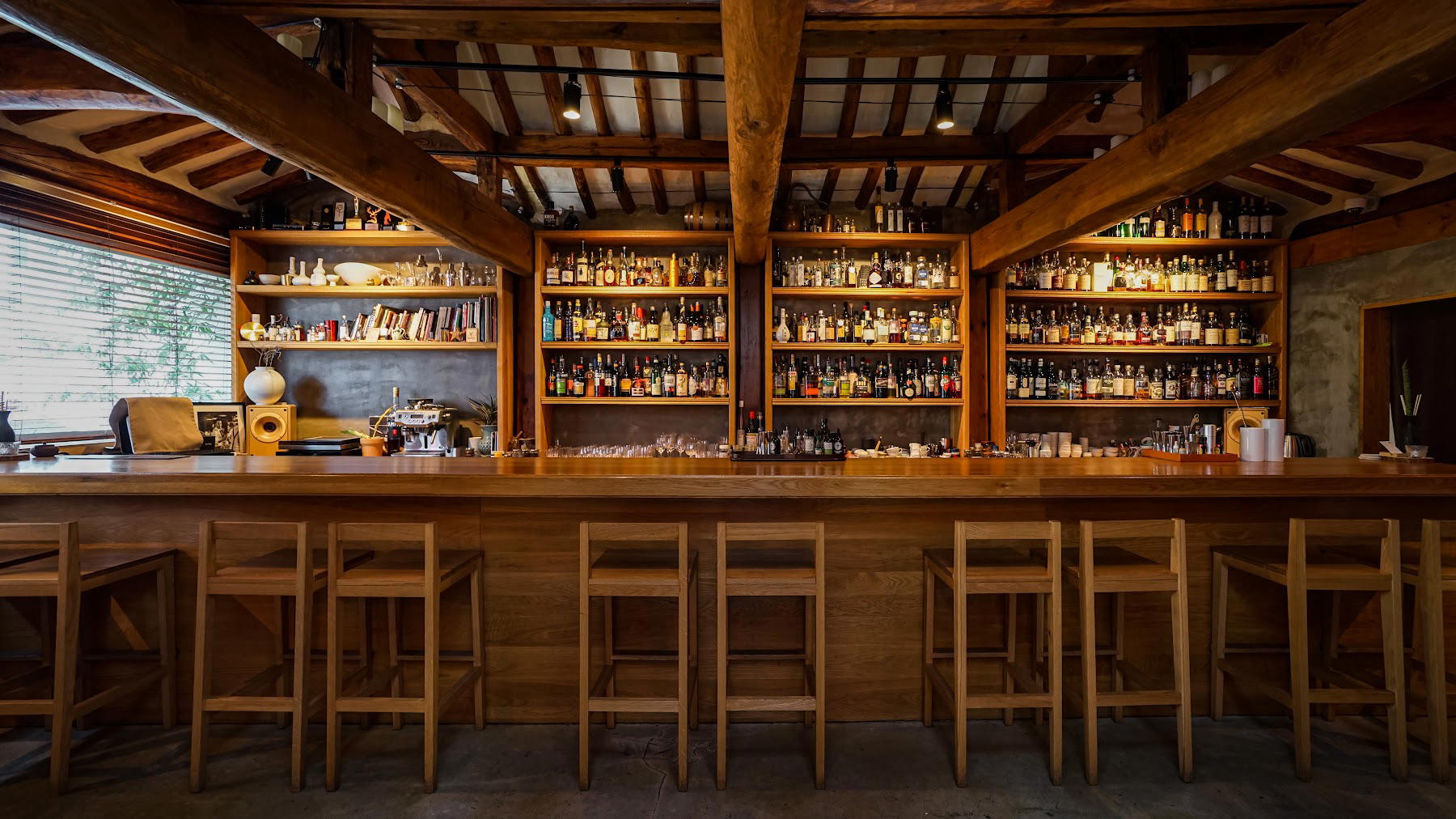
Charming traditional Korean hanok with wooden beams, cozy steaming atmosphere, and visible dumpling preparation.