Wangbijib (왕비집)
Wangbijib sits in the heart of Myeongdong, one of Seoul's most densely trafficked commercial districts, where traditional Korean dining formats hold their ground against a tide of international fast-food chains and tourist-facing restaurants. The name translates roughly to 'Queen's House,' signalling a register of home-style Korean cooking that positions it distinctly from the fine-dining Korean houses elsewhere in the city.
Pearl is the En Primeur Club membership app — saves, bookings, and concierge access live there. Same editors, same standards.
- Address
- 중구 명동8나길 45 (명동3호점), 명동, 중구, 서울특별시, 04535
 Saves & bookings on Pearl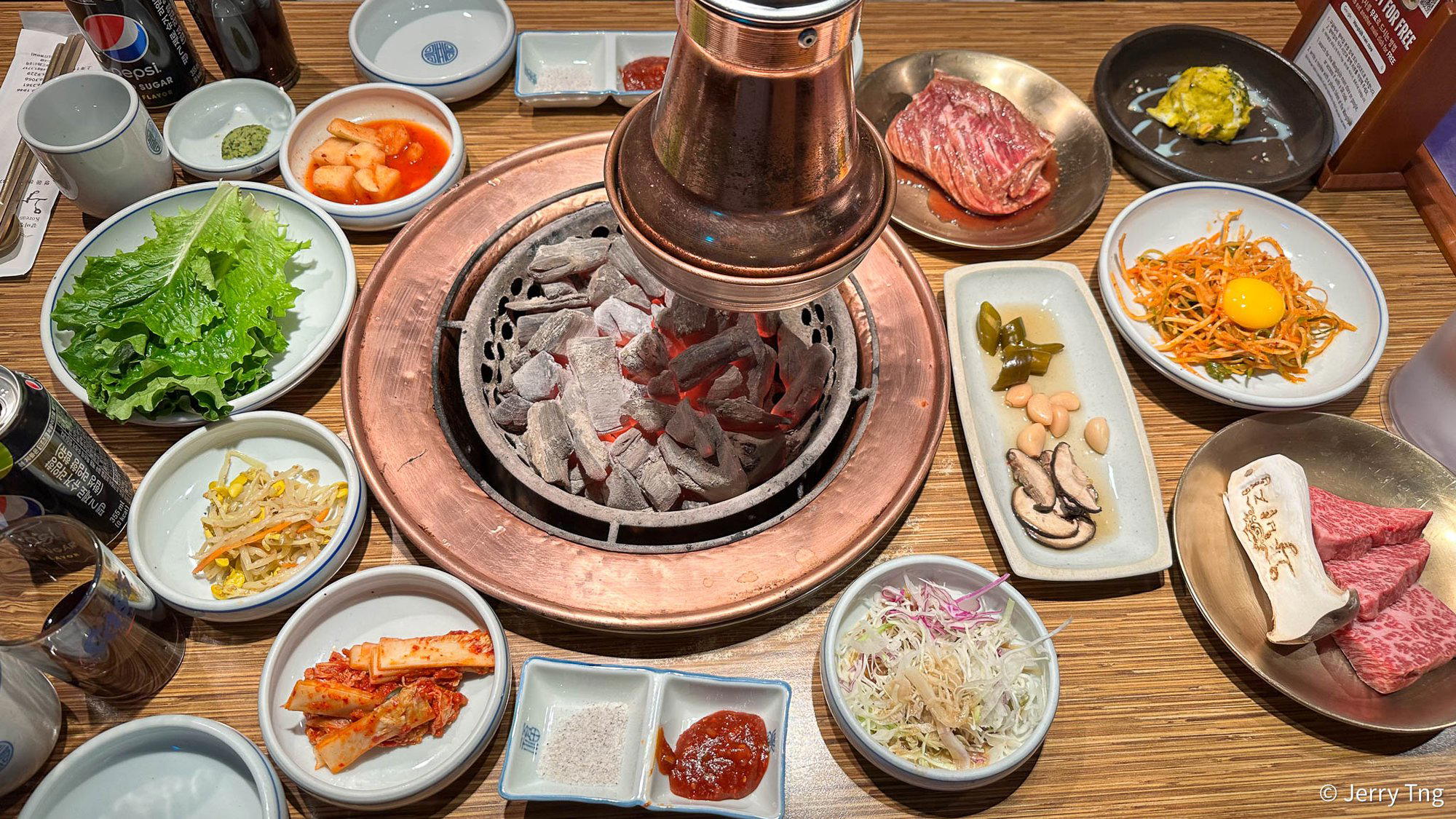
Myeongdong's Ground-Level Reality
Myeongdong is the kind of neighbourhood that tests a city's culinary identity. The streets between the major retail arteries are choked with Korean fried chicken counters, Japanese ramen imports, and bubble tea outlets angled squarely at the tourist and office-lunch crowd. Finding a restaurant that operates from a different register here, one rooted in a recognisable Korean cooking tradition rather than international trend-following, requires knowing where to look. Wangbijib (왕비집), located on Myeongdong 8na-gil in Jung-gu, occupies that narrower category. Its address alone (중구 명동8나길 45, the third Myeongdong branch) signals something about how the format has scaled: not into a sprawling chain, but into a small cluster of neighbourhood-specific locations that each carry the same cooking logic.
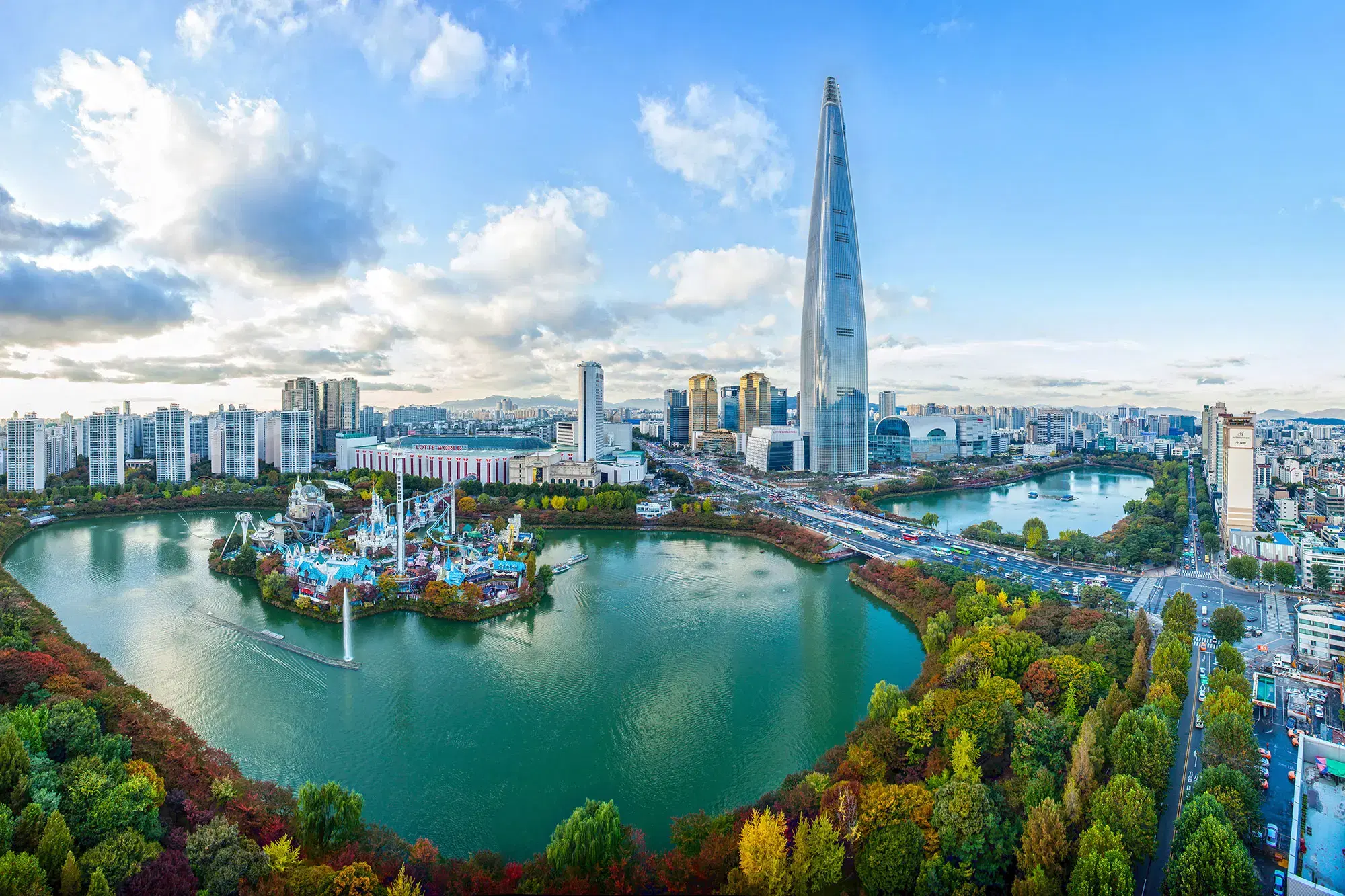
Jung-gu, the central district that contains Myeongdong, sits between Seoul's commercial core and its historic palace belt. It is the district that absorbs the city's highest tourist volumes while simultaneously housing a working population that expects functional, honest Korean food at lunch and dinner. Restaurants that survive here long-term do so by serving both audiences without compromising for either. That dual-audience pressure shapes everything from portion sizing to service pace in a way that upscale districts like Cheongdam or Bukchon simply don't experience.
The Korean Home-Cooking Tier in a Fine-Dining City
Seoul's restaurant conversation in the last decade has been dominated by its upper tier: the Michelin-recognised houses working with fermented ingredients, seasonal Korean produce, and European technique. Mingles and Jungsik (Contemporary) represent that upward trajectory, as do contemporaries like Kwonsooksoo and the more experimentally inclined Soigné and alla prima. Those venues operate in a different economic and conceptual register entirely: tasting menus, reservation lead times measured in months, and price points that exclude most of Seoul's daily dining population.
Wangbijib operates below that tier and is not trying to compete within it. The name, 'Queen's House', invokes a tradition of generous, home-style Korean cooking rather than chef-driven restraint or seasonal composition. This positions it within a segment of Seoul dining that has genuine cultural weight: the category of restaurants where the food is understood through familiarity and comfort rather than innovation. For context on how this plays out across South Korea more broadly, the same dynamic appears in regional Korean dining from Doosoogobang in Suwon to Gobojeong Galbi #1 in Suwon, where the draw is not novelty but execution of a known form.
What the Location Tells You About the Experience
The editorial angle here is geographic and functional. Myeongdong 8na-gil is a secondary alley running off the main commercial strip, which means the foot traffic is more purposeful than ambient. People on that street are looking for something specific rather than window-shopping for dinner. That pedestrian self-selection tends to produce a more focused, less chaotic dining room than the restaurants fronting the main boulevard, where walk-in tourists dominate.
The Jung-gu setting also means proximity to several major transit nodes, with Myeongdong Station (Line 4) within walking distance. For visitors staying in the Myeongdong hotel corridor or transiting between Namdaemun Market and the N Seoul Tower cable car, the address functions as a convenient anchor for a mid-day or early-evening meal. That logistical utility is part of what sustains the multi-branch model in this neighbourhood.
Korean dining in Myeongdong also tends to run on a faster rhythm than the long-table formats common in Insadong or the leisurely dinner pace of Itaewon. Expect a brisk, efficient service model calibrated for a district that moves at commercial speed. This is not a criticism; it reflects the character of the neighbourhood and the audience it serves.
Placing Wangbijib in the Broader Korean Dining Map
For travellers who have been tracking Korean food beyond Seoul, the home-cooking register that Wangbijib represents appears in different local forms across the peninsula. In Jeju, spots like 88돼지 and Black Pork BBQ in Seogwipo anchor their menus around island-specific pork traditions. In Busan, Mori and Dining Room navigate a port city's relationship with seafood and regional spice. In Gyeongju, Gyeongju Wonjo Kongguk and Hwangnam Bread and Busan Steamed Bun represent an older, heritage-rooted food culture. What Wangbijib does is translate that orientation into Seoul's most internationally visible neighbourhood, making it accessible to a visitor who might otherwise only encounter Korean food through hotel restaurants or tourist-formatted street food.
For international visitors who have previously encountered Korean cuisine at a high level, through restaurants like Atomix in New York City, Wangbijib offers something structurally different: not the refined, plated expression of Korean tradition, but the less mediated version that Seoul residents actually eat. That contrast has its own value as a reference point. Our full Seoul restaurants guide maps both ends of that spectrum.
Planning a Visit
Wangbijib is in Myeongdong's secondary street network, reachable on foot from Myeongdong Station (Line 4, Exit 5 or 6) in under five minutes. The Myeongdong district operates at high volume from midday through the evening, particularly on weekends when the main shopping streets draw significant tourist crowds; arriving earlier in the lunch window or before the peak dinner rush tends to mean shorter waits. Given the multi-branch setup, confirming you are at the correct Myeongdong location (the third branch, at 명동8나길 45) before queuing avoids confusion with the other nearby branches.
Just the Basics
Comparable venues nearby, for context on price, style, and recognition.
| Venue | Cuisine | Price | Notes |
|---|---|---|---|
| Wangbijib (왕비집)This venue — the venue you are viewing | Myeongdong, Traditional Korean BBQ | $$ | Not listed |
| 대우부대찌개 | Not listed | $$ | Yeoksam-dong, Gangnam-gu, Korean Budae Jjigae (Army Stew) |
| Baek Nyeon Baekse Ginseng Chicken Soup | Not listed | $$ | 연남동, Traditional Korean Ginseng Chicken Soup |
| Hongdae Restaurant GIT TTEUL | 연남동, Korean Pork BBQ | $$ | Not listed |
| 할머니의 레시피 | Not listed | $$ | Seongsu-dong, Refined Korean Home-Style Cuisine |
| Seasons Table buffet | 가회동, Seasonal Korean Buffet | $$ | Not listed |
Continue exploring
More in Seoul
Restaurants in Seoul
Browse all →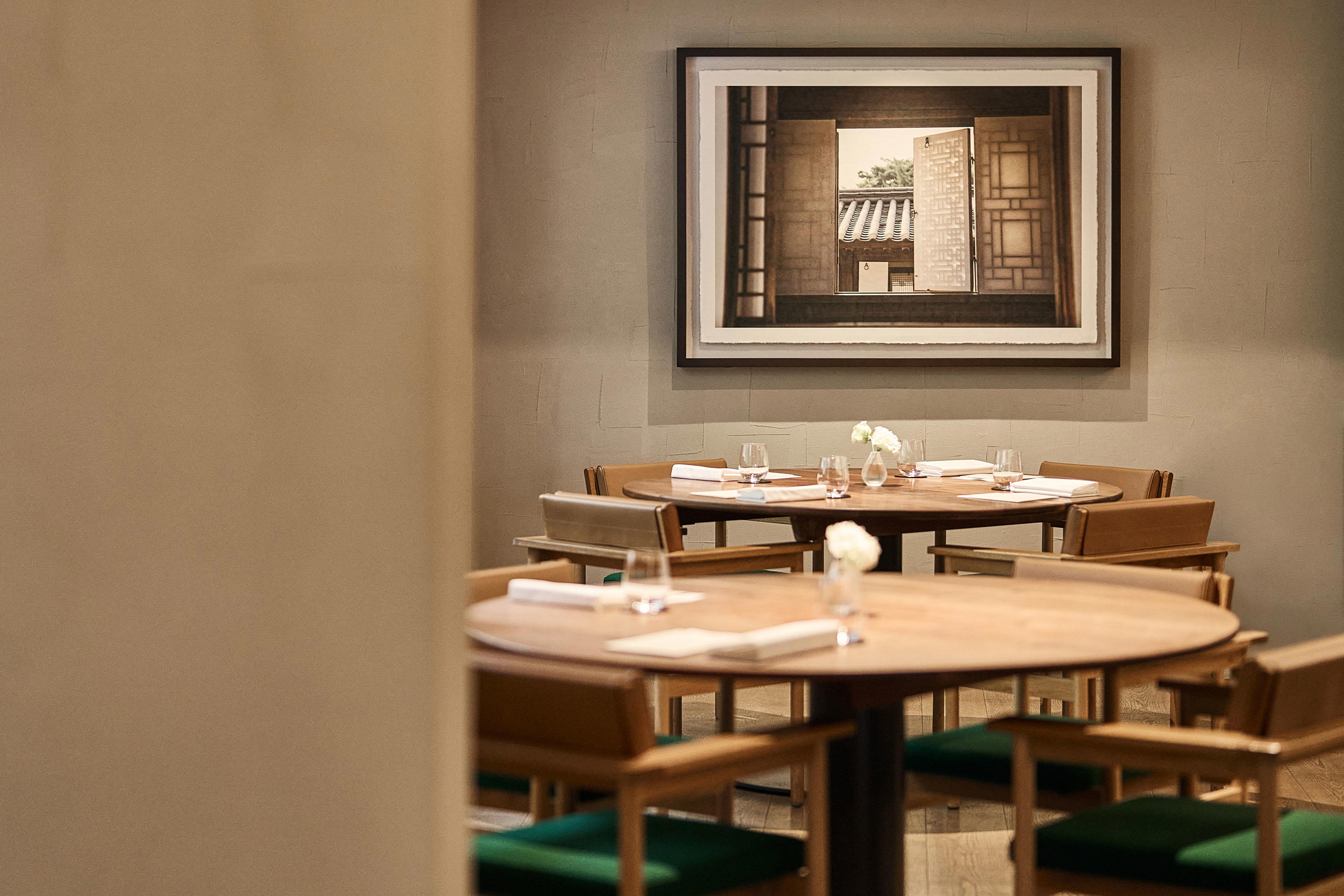
At a Glance
- Classic
- Cozy
- Group Dining
- Casual Hangout
- Late Night
- Open Kitchen
- Sake Program
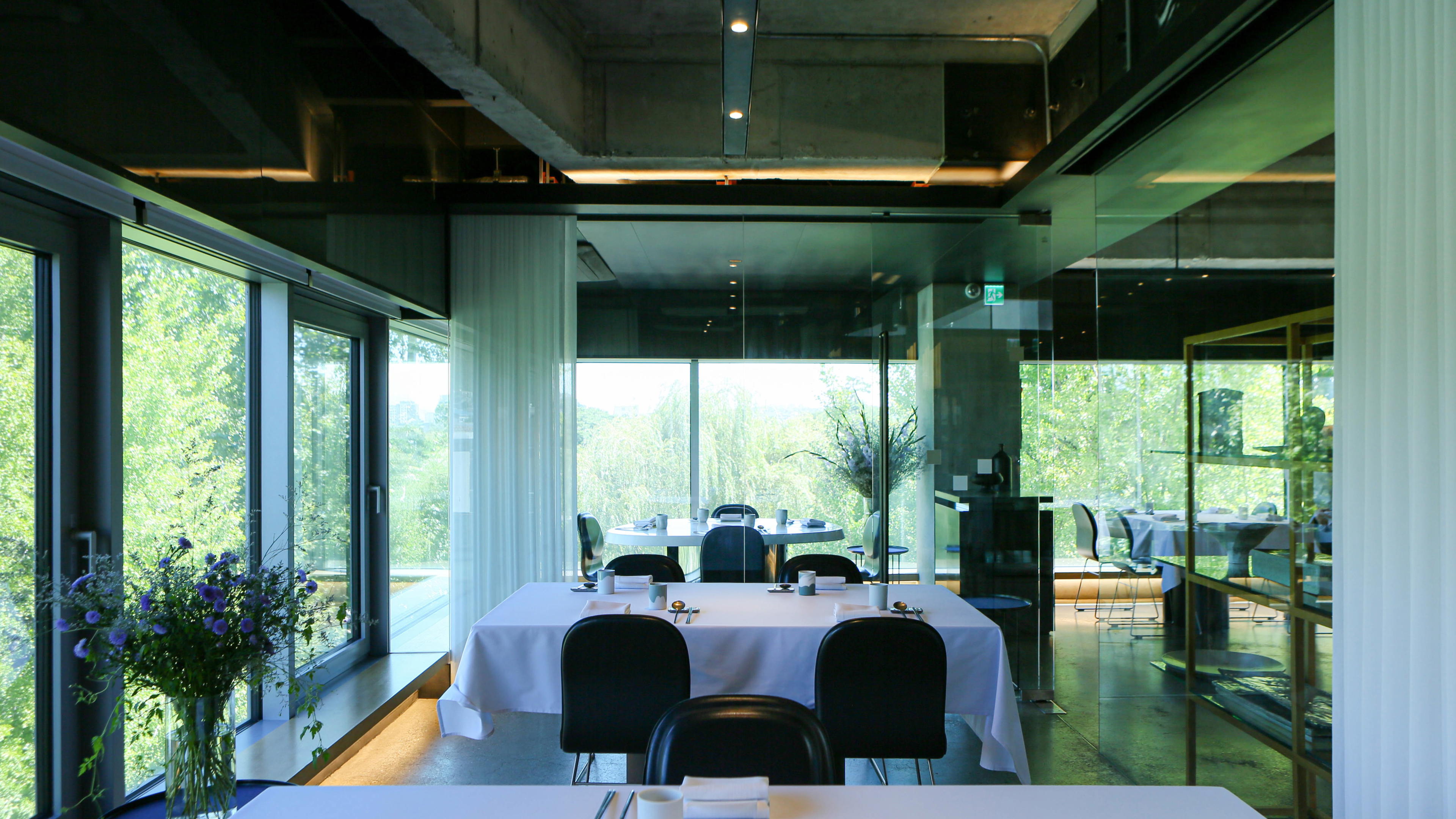
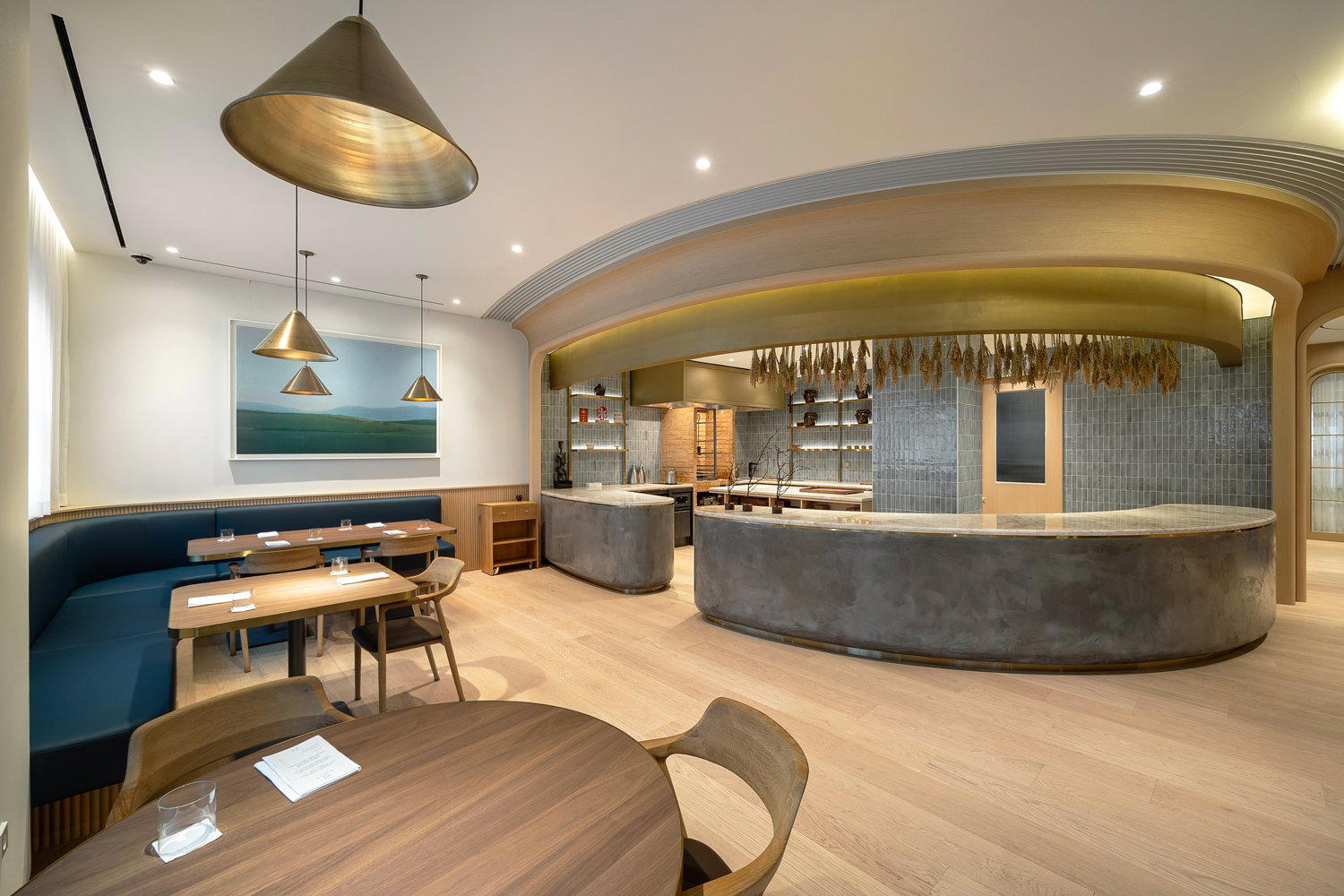
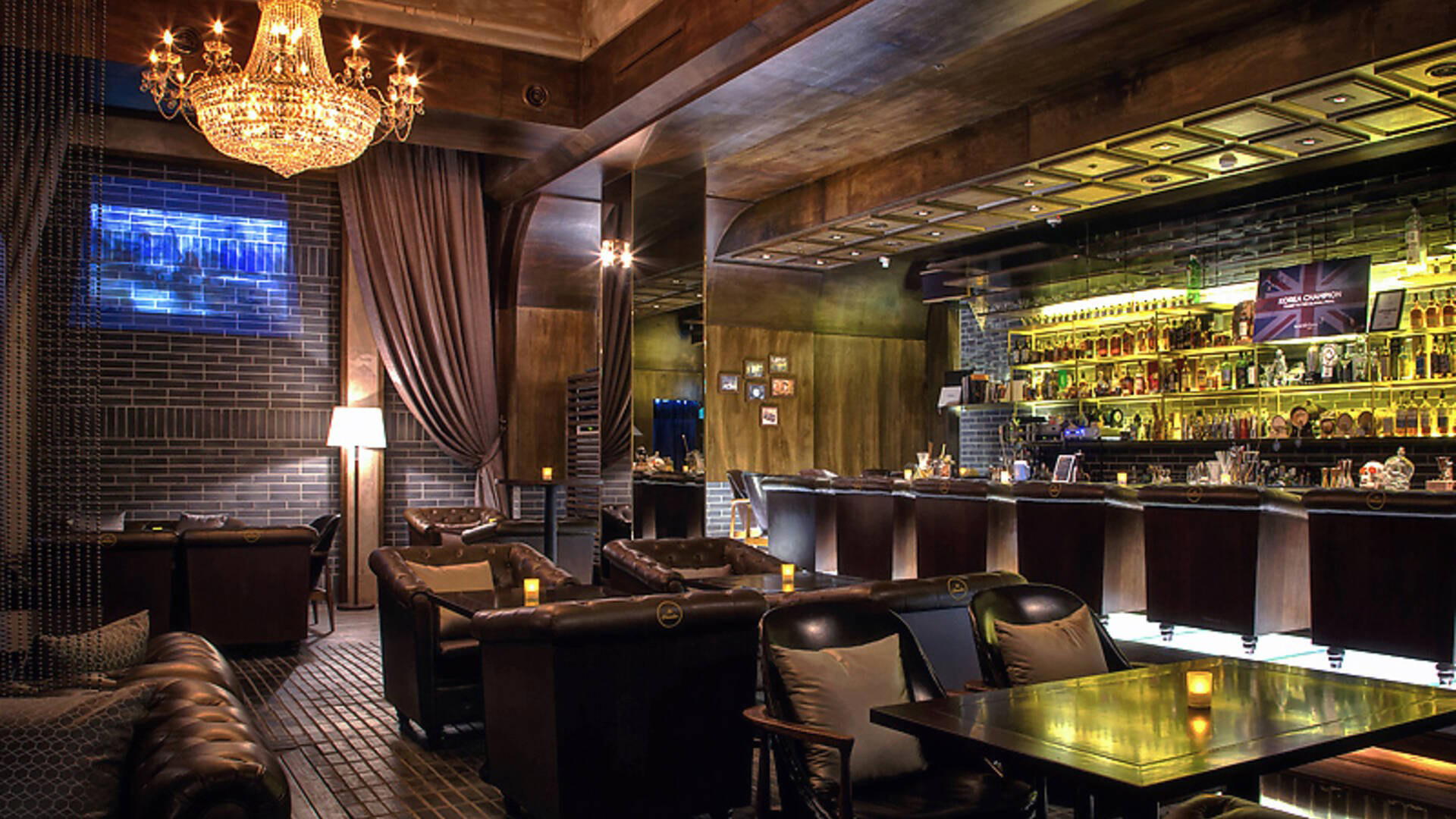
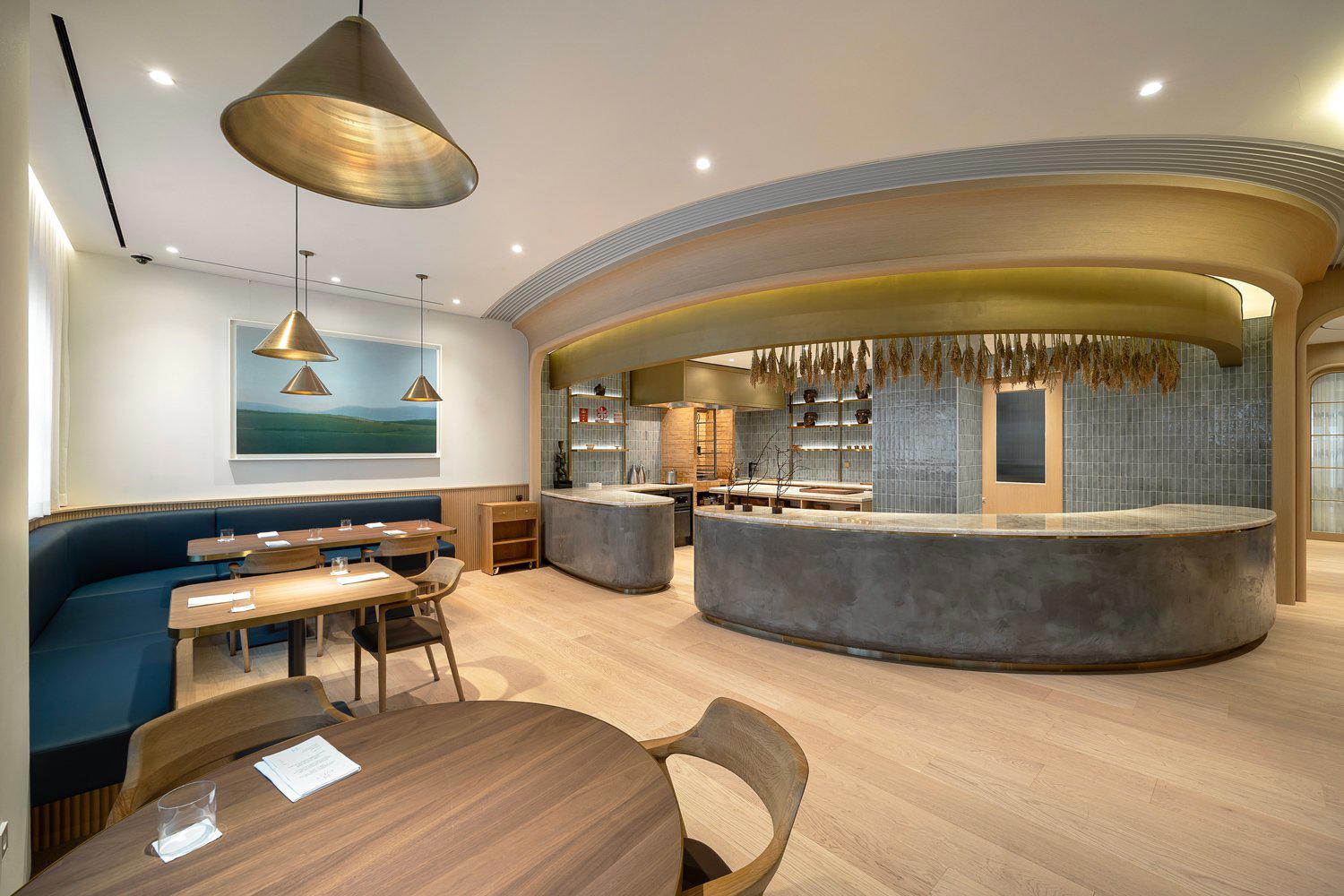
Modern Korean interior with efficient service and good exhaust systems for a comfortable grilling experience.