
Michelin Bib Gourmand
Our verdict
A Michelin Bib Gourmand recipient in 2024 and 2025, Gion Yorozuya serves udon at the single-digit price point in the heart of Higashiyama Ward. The restaurant built its reputation through deliveries to Gion's teahouses and remains anchored to Kyoto-grown Kujo spring onion, a local ingredient that defines both the kitchen's identity and its most-ordered dish. Queues form before the doors open.

Pearl is the En Primeur Club membership app, where members save venues, book tables and use the concierge.
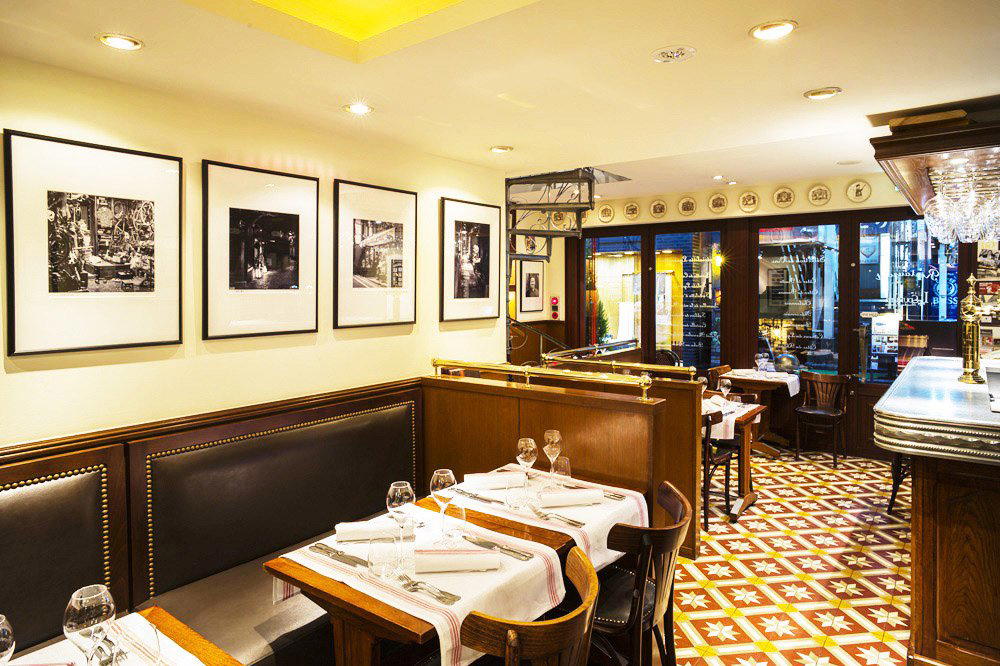
The menu
What to order
- Negi Udon
- Tsunoda
- Mari
Before the Lanterns Are Lit: Udon in the Backstreets of Gion
By the time most visitors to Higashiyama Ward are assembling their day over coffee, a queue has already formed outside a low-key address at 555-1 Komatsucho. The street sits close enough to Gion's ochaya district that the geography carries meaning: this is a neighbourhood where teahouses set culinary standards, where geisha and maiko have long shaped which kitchens survive and which disappear. Gion Yorozuya emerged from that particular ecosystem, and it has never really left it.
The broader Gion area supports a range of price points and formats. At the leading, kaiseki restaurants like Gion Sasaki, three Michelin stars, and multi-course institutions like Kikunoi Honten and Hyotei command the premium end. Below that tier, the neighbourhood is thinner. Yorozuya occupies the accessible bracket with unusual conviction, holding two consecutive Michelin Bib Gourmand recognitions (2024 and 2025) while operating at the ¥ price point. In a city where that award often attaches itself to ramen shops or set-lunch counters, a Gion address is notable.
A Kitchen Shaped by the Teahouse Economy
Gion Yorozuya's founding purpose was not the restaurant trade in any conventional sense. The kitchen began by delivering meals to the teahouses and playhouses that define this part of Kyoto, feeding performers and the establishments that hosted them. That origin matters for understanding the food: the recipes were calibrated for people with specific tastes, professional opinions, and no patience for mediocrity. The geisha and maiko who favoured the kitchen did not do so because the food was convenient. They did so because it was good, and because it was theirs.
That relationship with Gion's professional entertainers left a visible trace on the menu. Two dishes carry names borrowed from the celebrities who championed specific ingredient combinations: "Mari," built around pickled plums, and "Tsunoda," incorporating chicken meat. Neither name is generic branding. Both are records of how this kitchen absorbed the preferences of its most demanding early customers and built dishes around them. The practice of naming dishes after patrons appears occasionally in Japanese culinary history, but it is especially consistent with the teahouse culture of Gion, where relationships between kitchen and client were long-term and particular.
The Three Pillars: Noodle, Dashi, Onion
Udon in Kyoto sits in a different register than its Kagawa or Osaka counterparts. Sanuki-style udon, with its firm, machine-consistent chew, is the national reference point. Kyoto udon tends softer, more yielding, and built around a dashi that carries more weight relative to the noodle. The broth is often the argument.
At Yorozuya, the kitchen frames its approach around three elements: tender noodles, dashi, and onion. The third element is where the Kyoto-specific character becomes most explicit. Kujo spring onion is a heritage vegetable tied to the Kujo area of Kyoto, cultivated for a flavour that is sweeter and less aggressive than common varieties. The chef applies it generously, the menu's signature onion udon is defined by the quantity and quality of this single ingredient. For a kitchen working at the ¥ price point, sourcing a specific local cultivar rather than substituting a cheaper equivalent is a signal about priorities.
This insistence on Kyoto foodstuffs connects Yorozuya to a broader set of mid-market kitchens in the city that have built distinct identities through ingredient provenance rather than format prestige. The contrast with kaiseki's elaborate multi-course structure is obvious, but the underlying commitment to local produce is not so different. For a sense of how udon fits into Kyoto's wider noodle culture, Omen Udon offers a useful second reference point in the same city. For regional comparison, Aozora Blue in Osaka and Hyun Udon in Seoul illustrate how the format travels across different urban contexts.
The Queue as Context
Guests arriving at Yorozuya without timing awareness tend to find a line already assembled. The queue forms well before the doors open, not because the seating is unusually limited or the service slow, but because the combination of price, neighbourhood, and Michelin recognition has compressed demand considerably. This is a consistent pattern with Bib Gourmand-recognised addresses in tourist-heavy parts of Kyoto: the award creates visibility that the room size cannot absorb without some rationing by arrival time.
The practical implication is direct. Early arrival is not optional if you want to eat without a significant wait. The ¥ price point means this is accessible to a wide range of visitors, which amplifies the demand pressure further. In Gion, where the surrounding options trend considerably more expensive, a well-regarded, affordable meal in a neighbourhood with historical character draws from a large pool of potential customers.
Higashiyama Ward as a whole rewards those who move through it at the pace the streets suggest. The lanes around Komatsucho are narrow and old in character, more working neighbourhood than scenic set piece. Yorozuya fits that register: no theatrical presentation, no elaborate staging, just a kitchen that has been feeding this particular corner of Kyoto for long enough that its presence is taken for granted by locals and sought out by those who know to look.
Where Yorozuya Sits in the Kyoto Picture
The Michelin Guide's Bib Gourmand category exists to flag value-conscious kitchens that inspectors consider worth tracking alongside the starred addresses. In Kyoto, the starred roster is long and prestigious: Isshisoden Nakamura carries its own historical weight, while contemporary kaiseki sits at the multi-star tier. Yorozuya does not compete with those addresses on format or ambition. It competes on the narrower question of whether a single-dish, single-ingredient-focused kitchen in a historically significant neighbourhood can sustain Michelin attention. Two consecutive years of Bib Gourmand recognition suggests the answer is yes.
For visitors assembling a Kyoto itinerary around dining, Yorozuya functions as the kind of midday or early-lunch anchor that balances the weight of a kaiseki dinner. The price differential between a Yorozuya bowl and an evening at one of Gion's multi-starred tables is substantial enough that combining both on the same day is not unreasonable. EP Club's full dining coverage for the city is available in our Kyoto restaurants guide, alongside hotels, bars, wineries, and experiences for broader trip planning.
For those extending a Kansai itinerary beyond Kyoto, HAJIME in Osaka and akordu in Nara represent contrasting registers. Further afield, Harutaka in Tokyo, Goh in Fukuoka, 1000 in Yokohama, and 6 in Okinawa fill out a Japan-wide picture of where serious kitchens are operating across different formats and price tiers.
Planning Your Visit
Gion Yorozuya is at 555-1 Komatsucho, Higashiyama Ward, Kyoto 605-0811. The ¥ price point means a bowl lands comfortably within the budget of most meal formats. Arrive before opening to avoid a wait. The address is accessible on foot from the main Higashiyama sightseeing corridor, within the lanes that run between the major temple approaches.
Frequently asked questions
What do regulars order at Gion Yorozuya?
The onion udon is the dish with the longest track record here, built around Kujo spring onion sourced from the Kyoto region. The kitchen applies the onion generously, and the combination of soft noodles, dashi broth, and this local cultivar is the primary reason the restaurant earned its following among Gion's teahouse community. Beyond the signature, two named dishes command repeat orders: "Mari," which incorporates pickled plums, and "Tsunoda," made with chicken meat. Both were developed around the preferences of specific patrons and have since become fixed points on the menu. For first-time visitors, the onion udon is the clearest entry point to understanding what the kitchen does and where its ingredient priorities sit.
Booking and Cost Snapshot
| Venue | Cuisine | Price | Awards | Notes |
|---|---|---|---|---|
| Gion YorozuyaThis venue (the venue you are viewing) | Kyoto Udon | $10–20 | Michelin Bib Gourmand | Not listed |
| Gion Sasaki | Modern Kaiseki | $300–500 | 3 Michelin Stars · La Liste Top Restaurants | Kaiseki, Japanese |
| cenci | Innovative Italian-Japanese Fusion | $100–150 | 1 Michelin Star · World's 50 Best #76 | Italian |
| Ifuki | Sumibi Kappo Kaiseki | $200–300 | 2 Michelin Stars · La Liste Top Restaurants | Kaiseki |
| Kyokaiseki Kichisen | Kyoto Kaiseki | $200–300 | 2 Michelin Stars · La Liste Top Restaurants | Japanese |
| Kyo Seika | Modern Chinese Fine Dining | $150–200 | 1 Michelin Star · Tabelog Bronze #216 | Chinese |
Recognition history
Dated appearances from independent guides and award organizations, with the underlying list record or original source where available.
Michelin Bib Gourmand
Michelin
Full recognition history (3 entries)
Michelin Bib Gourmand
Michelin
Michelin Bib Gourmand
Michelin
Continue exploring
More in Kyoto
Restaurants in Kyoto
All restaurants in Kyoto →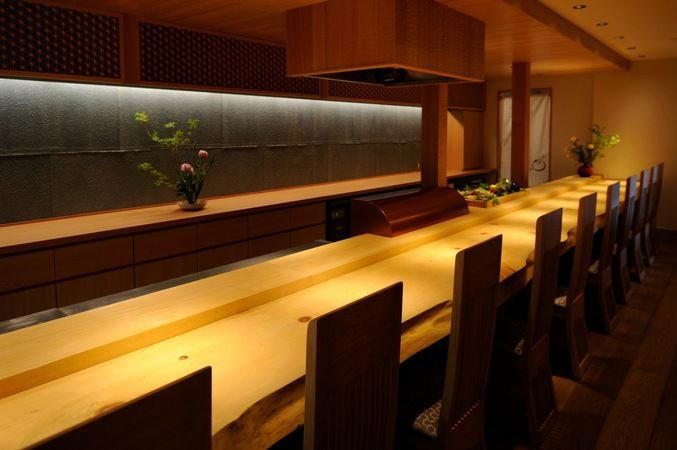
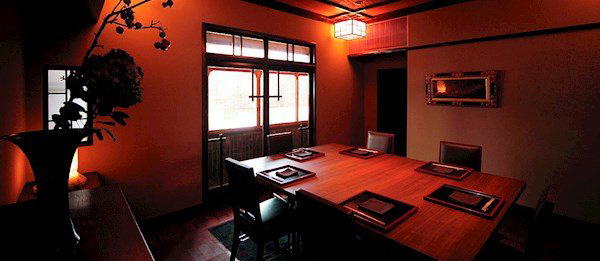
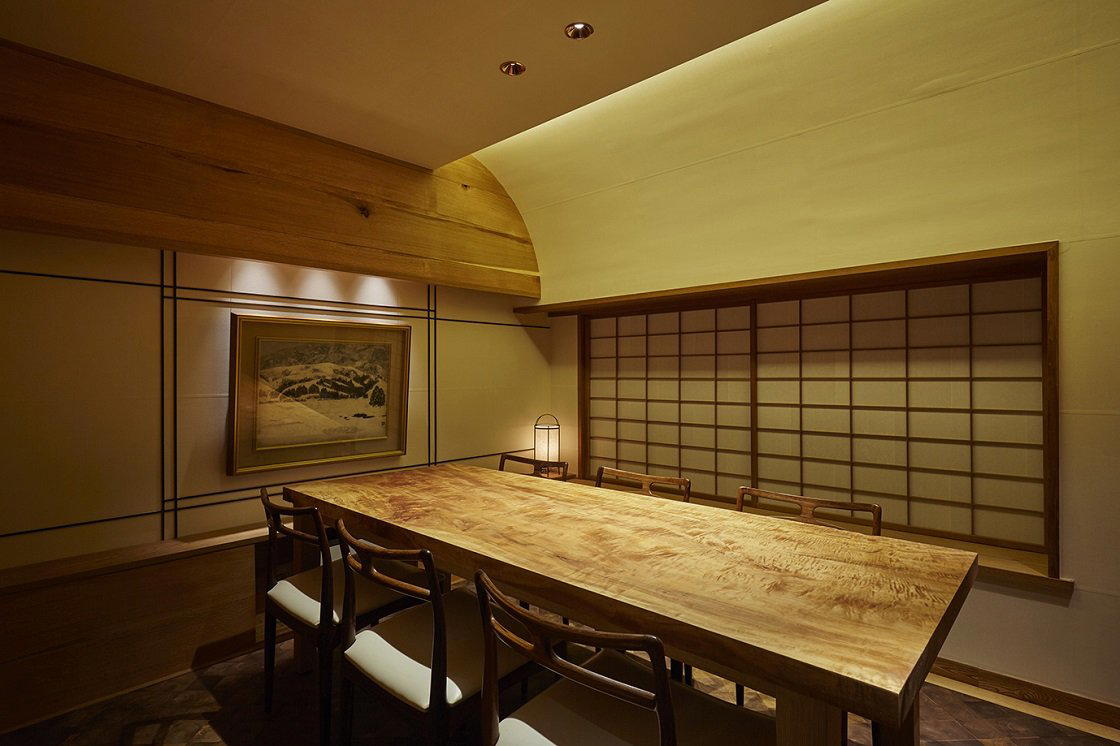
Bars in Kyoto
All bars in Kyoto →
Hotels in Kyoto
All hotels in Kyoto →
Wineries in Kyoto
Browse all →
Details
- Cozy
- Classic
- Intimate
- Casual Hangout
- Solo
- Historic Building
- Sake Program
- Local Sourcing
- A La Carte
Current opening hours
- Monday
- 12:30–3 PM, 5:30–7 PM
- Tuesday
- 12:30–3 PM, 5:30–7 PM
- Wednesday
- 12:30–3 PM, 5:30–7 PM
- Thursday
- 12:30–3 PM, 5:30–7 PM
- Friday
- 12:30–3 PM, 5:30–7 PM
- Saturday
- 12:30–3 PM, 5:30–7 PM
- Sunday
- 12:30–3:30 PM
Hours can change for holidays and private events. Hours as of .
Warm wooden interiors in a small, relaxing 14-seat space set in a quiet Gion alley, offering a traditional and heartwarming atmosphere.