Hyun Udon

Michelin Bib Gourmand
Our verdict
A Michelin Bib Gourmand recipient in both 2024 and 2025, Hyun Udon brings Japanese udon traditions to Gangnam's Nonhyeon neighbourhood at a price point that sits far below the area's starred fine-dining tier. Chef Park Sang-hyeon's kitchen represents Seoul's growing appetite for single-discipline bowl cooking done with the rigour usually reserved for tasting-menu restaurants.

Pearl is the En Primeur Club membership app, where members save venues, book tables and use the concierge.
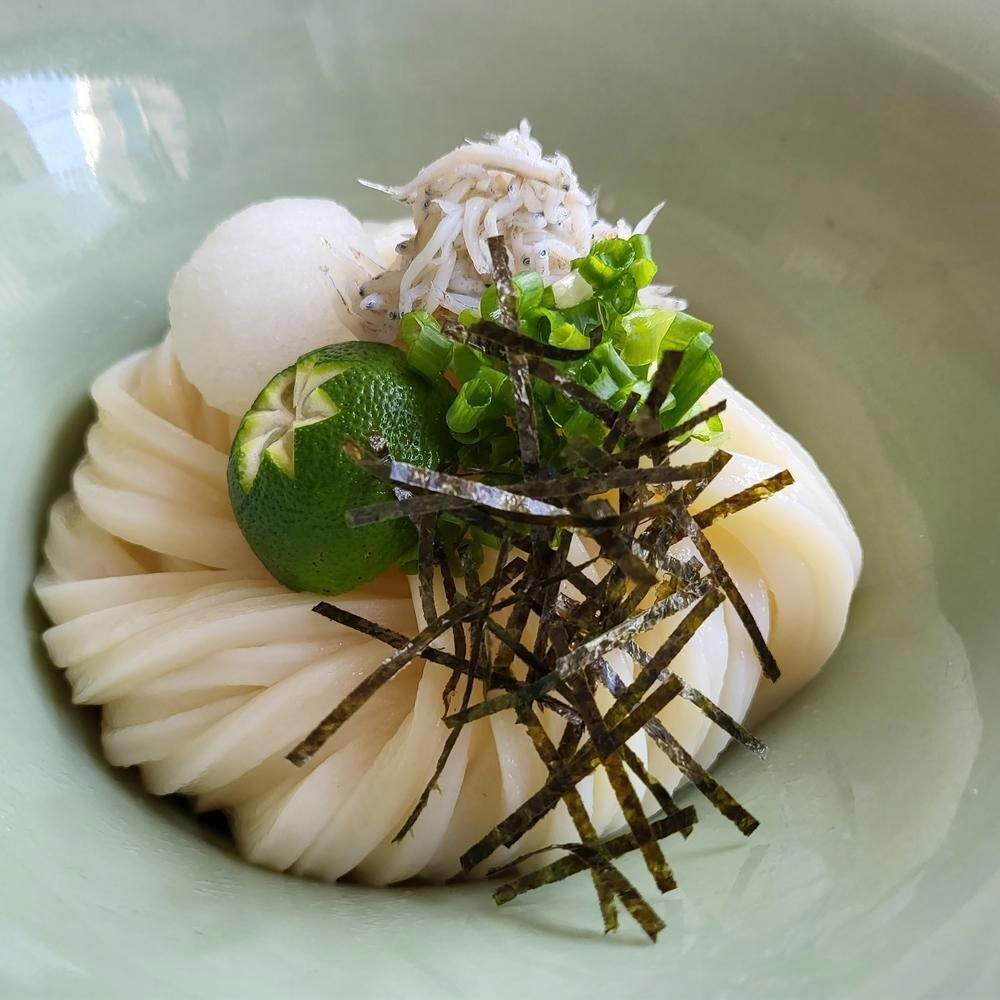
The menu
What to order
- Tempura Bukkake Udon
- Curry Udon with Tonkatsu
- Mentaiko Ankake Tamagotoji Udon
Udon in Gangnam: The Case for Disciplined Simplicity
Nonhyeon-ro's side streets move between high-end Korean restaurants and neighbourhood spots that have earned loyalty through consistency rather than spectacle. The block housing Hyun Udon sits closer to the latter: no elaborate signage, no lobby moment, just the low hum of a kitchen focused on a single category of dish. In a district where venues like Kwonsooksoo and Jungsik operate at the premium end of Korean and contemporary dining, a single-discipline udon counter at the ₩ price tier reads, at first, as an outlier. The Michelin Bib Gourmand awarded in both 2024 and 2025 reframes it: this is a kitchen operating with a level of intent that the guide's inspectors deemed worth marking two years running.
Where Udon Sits in Seoul's Bowl-Food Tradition
Seoul has long maintained a parallel track of noodle discipline running alongside its banchan-and-rice traditions. Naengmyeon, kalguksu, and ramyeon each have their specialist houses, and the arrival of Japanese udon as a category demanding its own dedicated kitchen reflects how thoroughly Japanese food culture has embedded itself in the city's dining habits over the past two decades. The question for any Seoul udon specialist is not whether the format is legitimate, it is, but whether the kitchen is sourcing and executing at a level that justifies the category's reputation for ingredient dependency.
Udon is among the most ingredient-transparent dishes in Japanese noodle cooking. The wheat used for the dough, the dashi built from kombu and katsuobushi, and the quality of any toppings are all directly legible in the bowl. There is nowhere to hide a shortcut. This is partly why dedicated udon houses in Japan, places like Gion Yorozuya in Kyoto or the specialist counters represented by Aozora Blue in Osaka, tend to operate around a near-obsessive focus on flour origin, milling, and water ratio. Abroad, spots like Kunitoraya in Paris have demonstrated that the format travels precisely because ingredient sourcing discipline is portable.
Sourcing Discipline at the ₩ Tier
The editorial angle that the Bib Gourmand opens is a useful one. Michelin's Bib designation is awarded when a kitchen delivers quality above what its price point would suggest, it is, in structural terms, a sourcing and execution signal. At the ₩ price tier in Gangnam, where the surrounding starred restaurants operate at ₩₩₩₩, Hyun Udon is not competing for the same customer on the same occasion. It occupies the niche of precision casual: a bowl that reflects serious ingredient choices without requiring a tasting-menu budget.
This tier of dining in Seoul is less crowded than it might appear. The city's recognised restaurants cluster either at the fine-dining end, Mingles, alla prima, and Gaon operate in entirely different price brackets, or at the street-food end where Michelin's Street Food designations apply. The middle band of specialist, single-discipline cooking with documented award recognition is narrower, and Hyun Udon's two consecutive Bib Gourmands place it in that band with some authority. For comparison, the Bib Gourmand awarded to Gangnam-area venues at this price tier is rarely retained across consecutive years without consistent execution.
Chef Park Sang-hyeon and the Logic of the Single-Category Kitchen
The single-discipline kitchen model, one cuisine type, executed repeatedly, refined over service, has produced some of the most recognisable restaurants in East Asia. It is the logic behind the leading sushi-ya, behind dedicated tempura counters, and behind the leading ramen houses. Chef Park Sang-hyeon's decision to build around udon specifically positions Hyun Udon within this tradition. The chef's name is attached to a kitchen that has now held consecutive Bib Gourmands, which functions as a peer credential in the same way that a starred lineage functions for fine-dining chefs. The Michelin record is what the public record confirms; the sourcing choices and dough discipline that produce the award are what make the case editorially. Among Seoul's Korean-cuisine specialists, places like Kyodaiya demonstrate how Japanese-adjacent food culture in the city has developed its own local roots, Hyun Udon operates in a related but distinct lane.
Gangnam's Dining Spread and Where Hyun Udon Fits
Gangnam's restaurant scene is often described in terms of its fine-dining density, and that density is real: the district houses a disproportionate share of Seoul's Michelin-starred addresses. But the neighbourhood also supports a quieter layer of specialist spots that serve the area's large working and resident population on everyday occasions. Hyun Udon's address on Nonhyeon-ro 149-gil places it within walking distance of this fine-dining cluster without competing for the same booking window or spend level.
For travellers building a Seoul itinerary around the full range of the city's recognised dining, the Bib Gourmand tier is often the most practical discovery. A single visit to a ₩₩₩₩ tasting-menu address like Kwon Sook Soo in Gangnam-gu represents a significant commitment of time and budget; a Bib-recognised udon counter in the same district can anchor a lunch or early dinner around a completely different register of quality. South Korea's broader dining geography, from Mori in Busan to Baegyangsa Temple in Jangseong-gun, demonstrates that the country's food recognition extends well beyond Seoul's fine-dining core, but within the city, the Bib tier is an efficient way to access documented quality without the lead time required for starred bookings.
Planning a Visit
Hyun Udon is located at 53 Nonhyeon-ro 149-gil in Gangnam District, accessible from Nonhyeon or Hakdong subway stations. The ₩ price tier makes it one of the more accessible Bib Gourmand addresses in the district. For broader Seoul planning, EP Club's full guides cover the city's restaurants, hotels, bars, wineries, and experiences in full. If your visit extends beyond Seoul, The Flying Hog in Seogwipo represents a different register of Korean casual dining worth noting for Jeju itineraries.
Frequently asked questions
What is the signature dish at Hyun Udon?
What the Michelin Bib Gourmand record, awarded in both 2024 and 2025, signals is that the kitchen's output across its udon format has been consistently recognised for quality above its price tier. Udon as a category centres on the noodle itself, the dashi broth, and the quality of toppings, so the most instructive read on any specialist counter is the base bowl rather than a single named dish. Chef Park Sang-hyeon's kitchen sits within a tradition of Japanese udon craftsmanship that prioritises these fundamentals; the awards are the verifiable evidence of that execution.
Can I walk in to Hyun Udon?
Arriving outside standard lunch and dinner rush periods is the most practical approach if walk-in is your preference. Seoul's Gangnam District offers enough depth in its restaurant scene that a short wait here can be planned around neighbouring options without disrupting an itinerary.
City Peers
| Venue | Cuisine | Price | Awards | Notes |
|---|---|---|---|---|
| Hyun UdonThis venue (the venue you are viewing) | Traditional Japanese Udon | $10–20 | Michelin Bib Gourmand | Not listed |
| 7th Door | Modern Korean Fermentation Fine Dining | $100–150 | 1 Michelin Star · World's 50 Best #49 | Korean, Contemporary |
| Solbam | Contemporary Neo-Classical Korean | $200–300 | 1 Michelin Star · World's 50 Best #55 | Contemporary |
| Onjium | Modern Korean Royal Court Cuisine | Not listed | 1 Michelin Star · World's 50 Best #14 | Korean |
| L'Amitié | Classic French Fine Dining | $100–150 | 1 Michelin Star · La Liste Top Restaurants | French |
| Zero Complex | Modern French Neo-Bistro | $100–150 | 1 Michelin Star · La Liste Top Restaurants | Korean-French, Innovative |
Recognition history
Dated appearances from independent guides and award organizations, with the underlying list record or original source where available.
Michelin Bib Gourmand
Michelin
Full recognition history (2 entries)
Michelin Bib Gourmand
Michelin
Continue exploring
More in Seoul
Restaurants in Seoul
All restaurants in Seoul →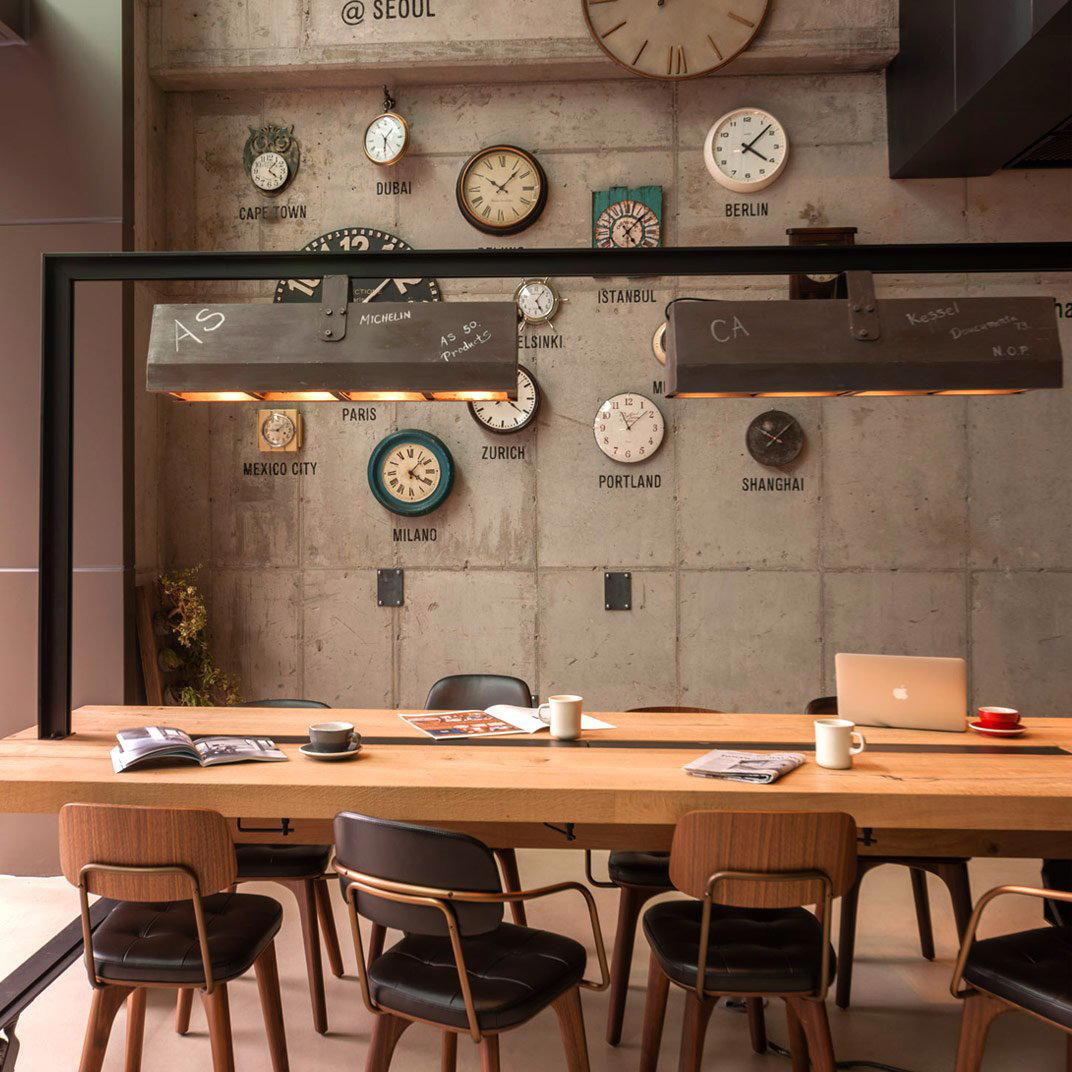
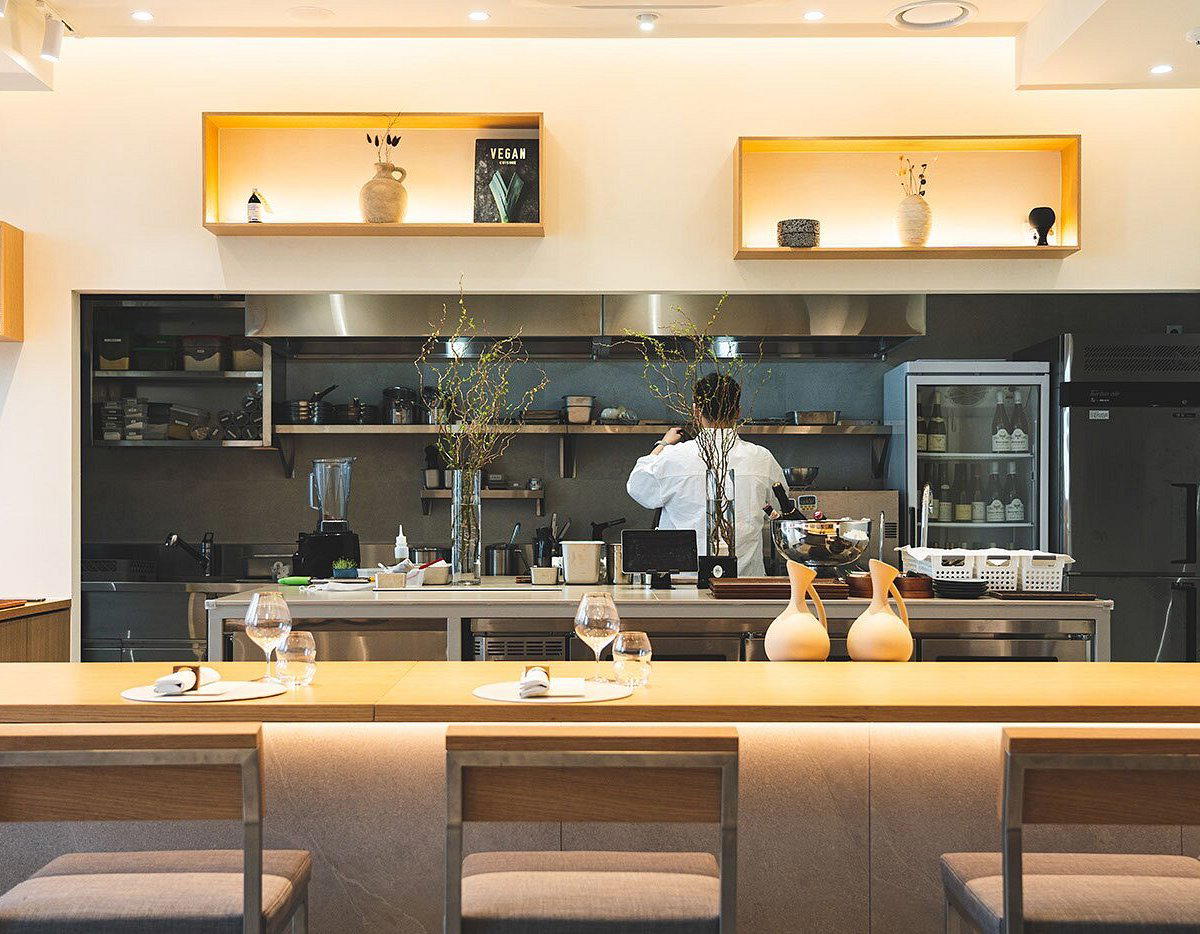
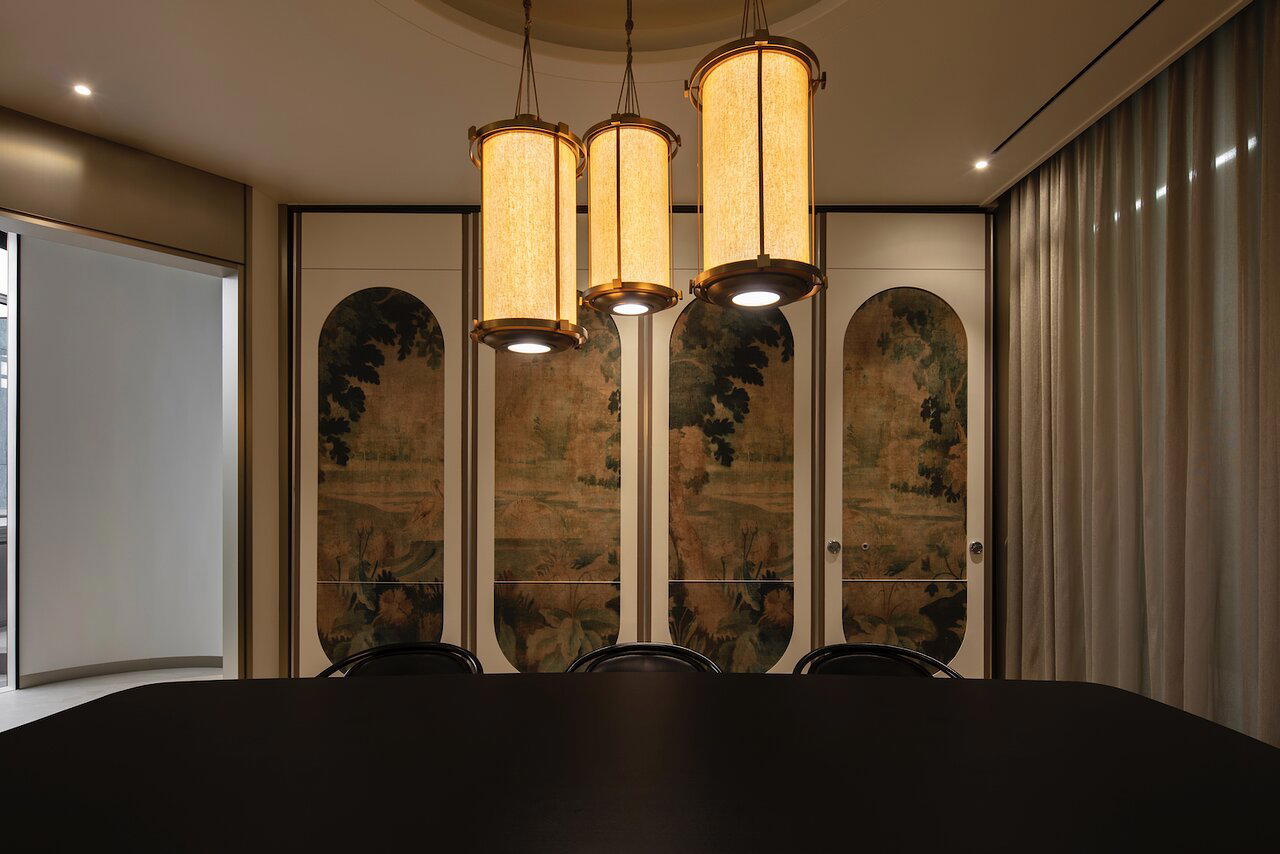
Bars in Seoul
All bars in Seoul →

Details
- Classic
- Cozy
- Lively
- Casual Hangout
- Solo
- Open Kitchen
- Counter Dining
- A La Carte
Current opening hours
- Monday
- 11:30 AM–2:30 PM, 5:30–9 PM
- Tuesday
- 11:30 AM–2:30 PM, 5:30–9 PM
- Wednesday
- 11:30 AM–2:30 PM, 5:30–9 PM
- Thursday
- 11:30 AM–2:30 PM, 5:30–9 PM
- Friday
- 11:30 AM–2:30 PM, 5:30–9 PM
- Saturday
- 11:30 AM–2:30 PM, 5:30–9 PM
- Sunday
- Closed
Hours can change for holidays and private events. Hours as of .
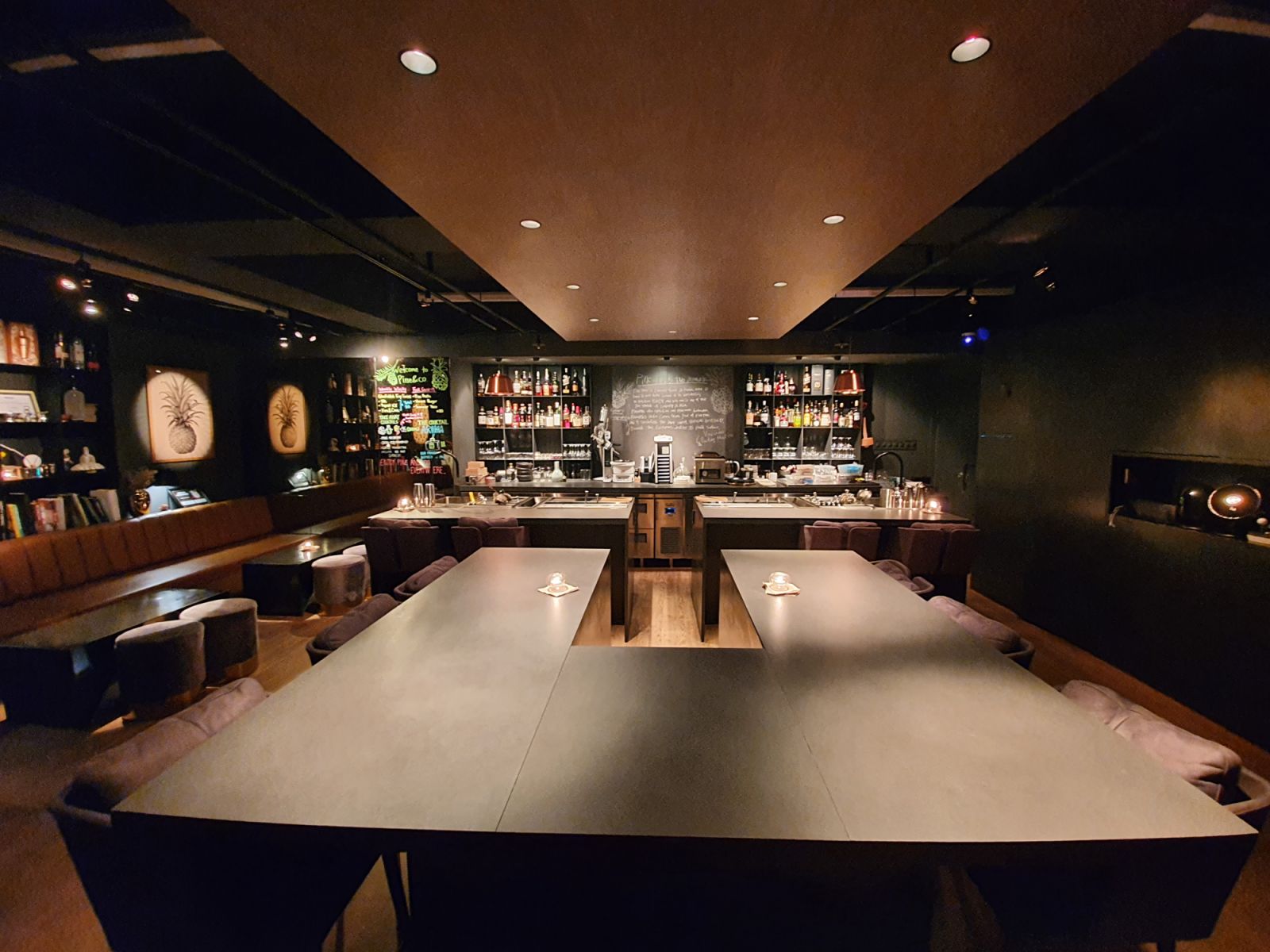
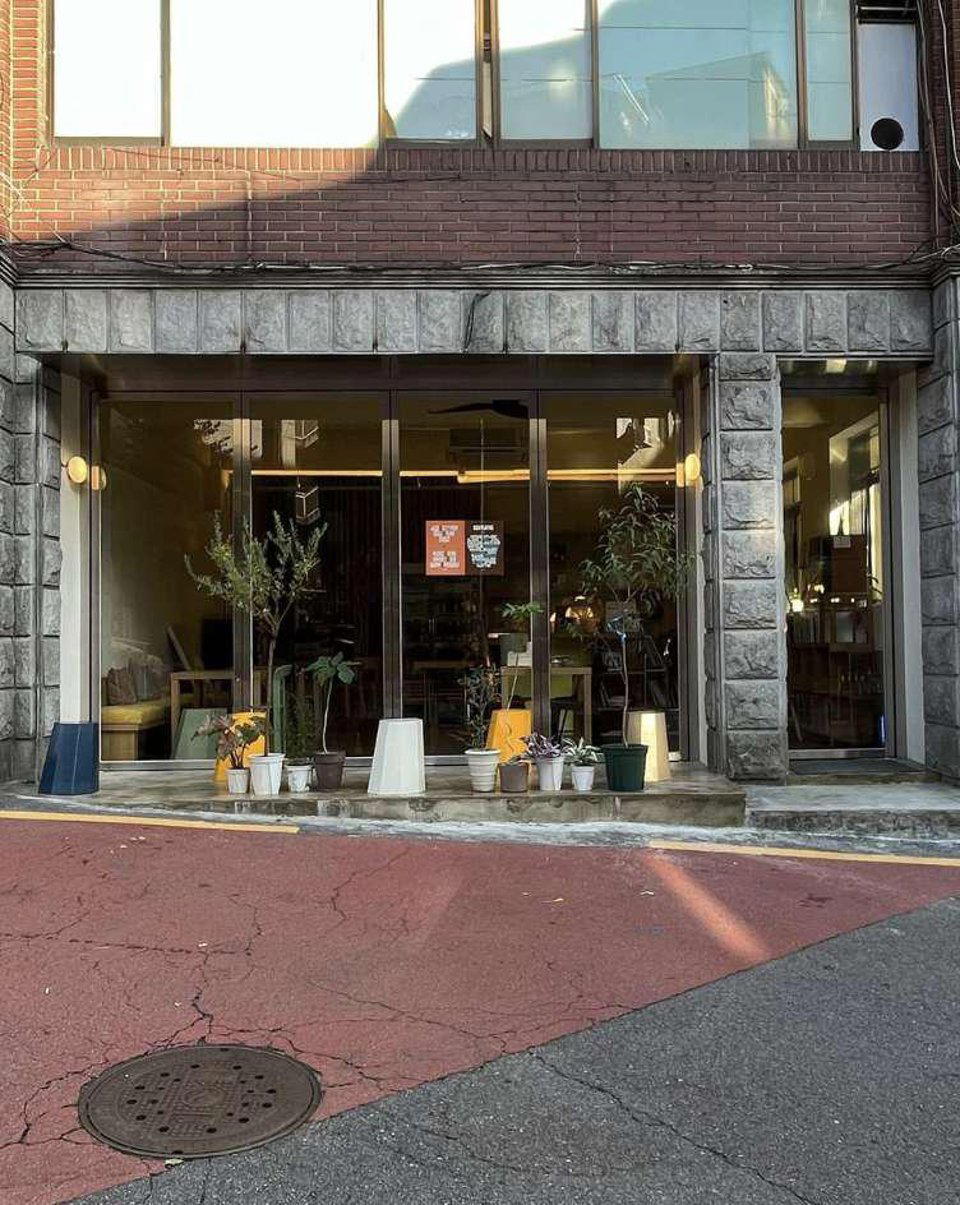
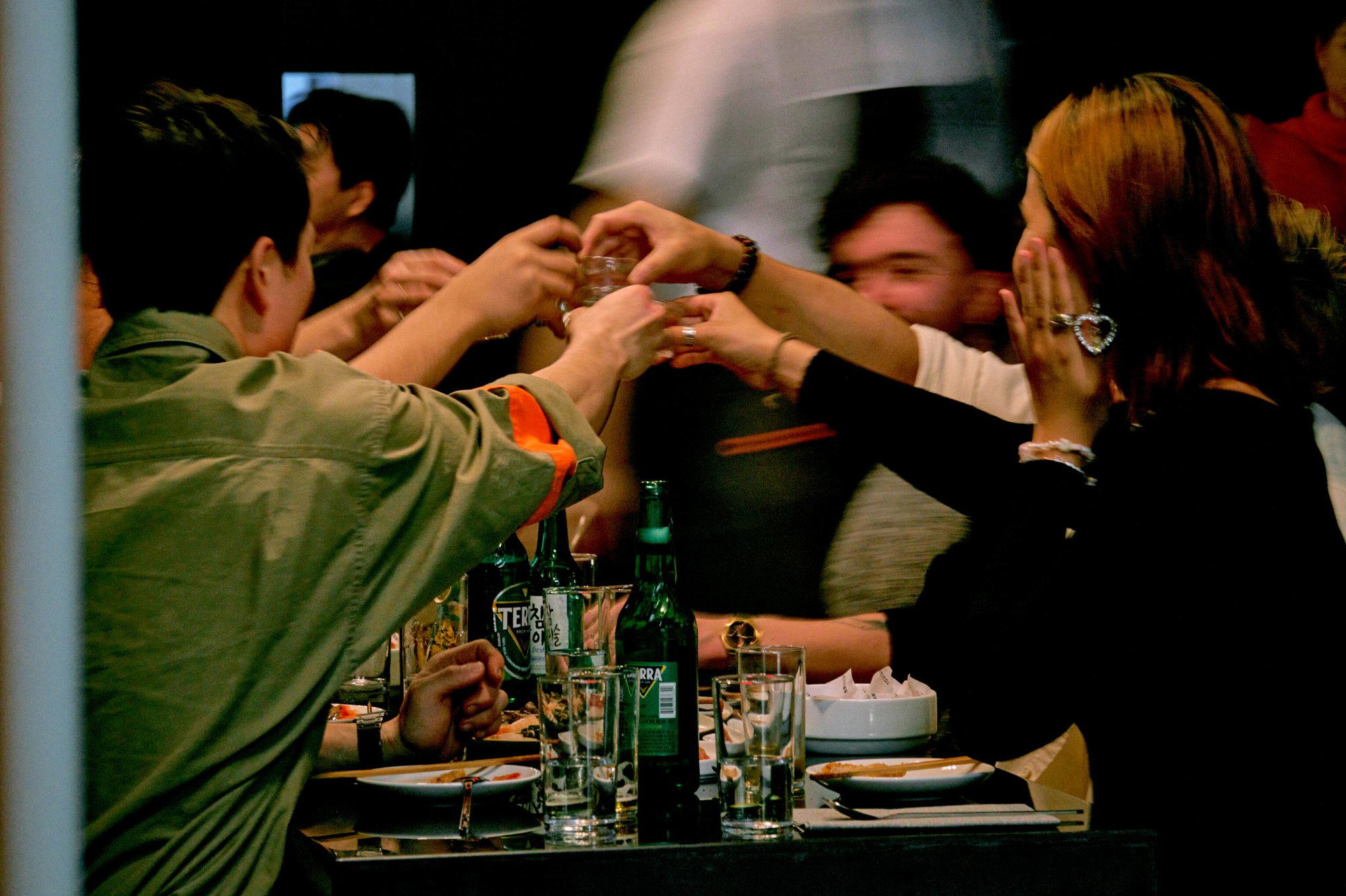
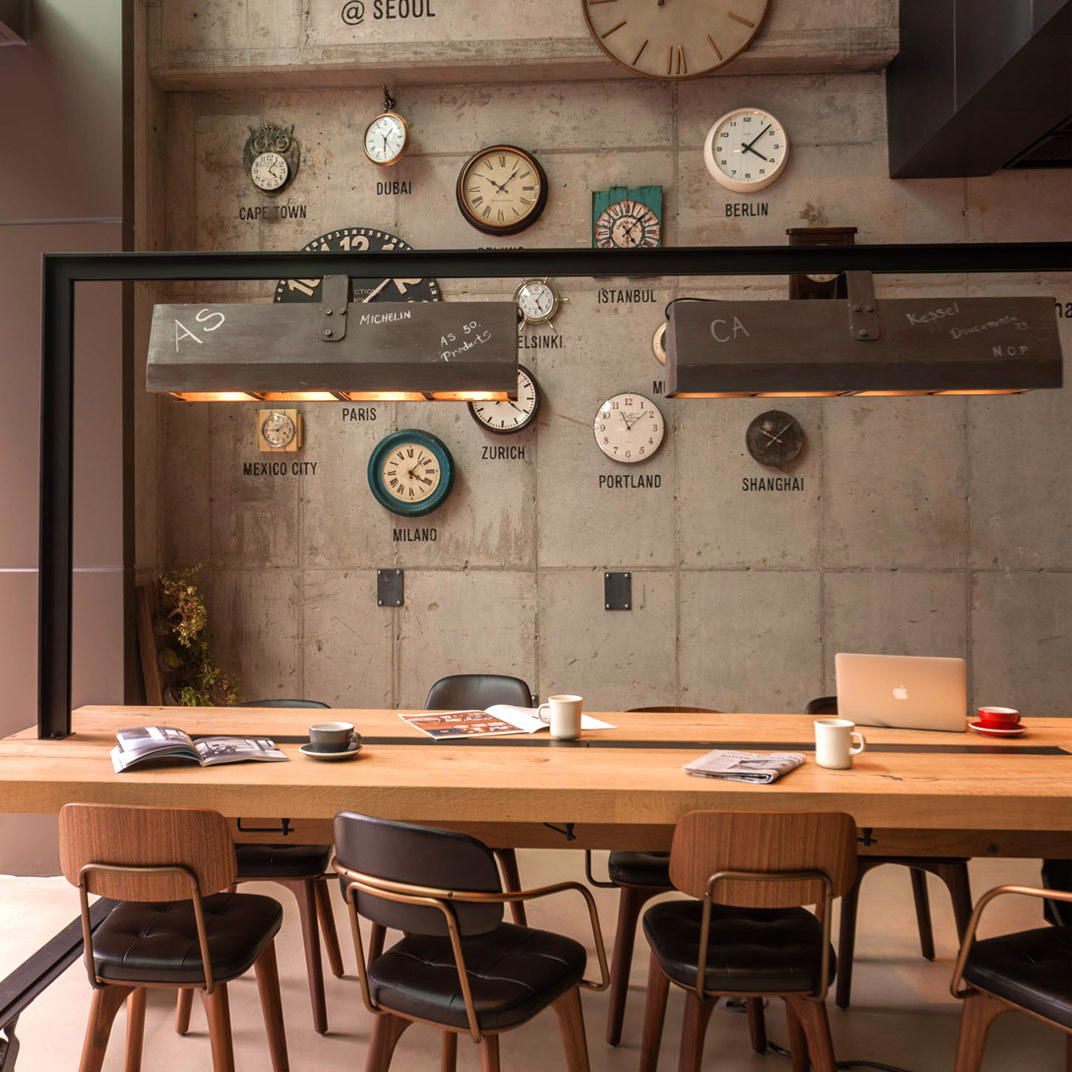
Warm, casual Japanese interior with wooden tables and counter seating; busy and bustling atmosphere with customers seated closely together, creating an energetic communal dining experience.