

Michelin Bib Gourmand · Tabelog 100 #6
Our verdict
Aozora blue in Osaka's Hiranomachi district applies soba-craft principles to udon, using millstone-ground unpolished wheat and the soba maxim of freshly ground, freshly rolled, freshly boiled. Chef Richard Stöckli holds consecutive Michelin Bib Gourmand recognition (2024 and 2025). The Arabiki Zaru Udon, served with salt and wasabi rather than conventional dipping sauce, is the dish to order.

Pearl is the En Primeur Club membership app, where members save venues, book tables and use the concierge.
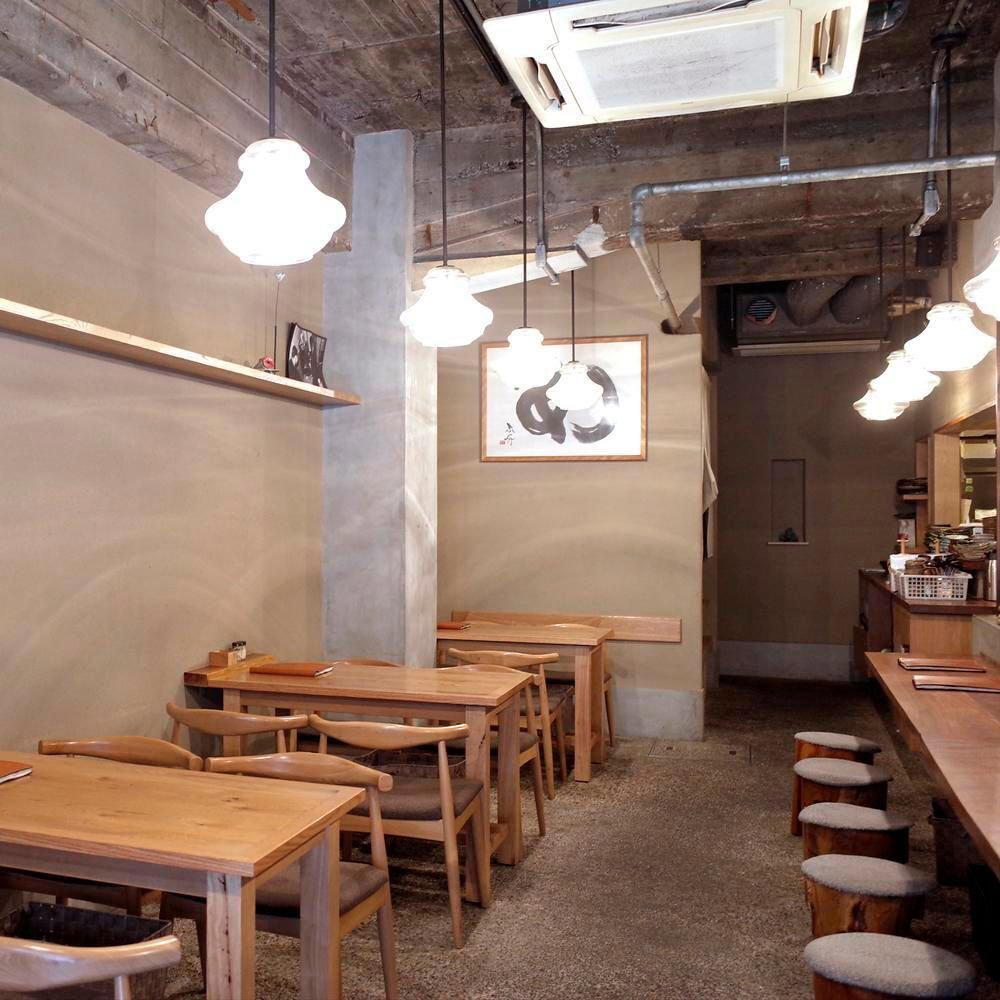
Hiranomachi, Ground Level
The Inoue Building on Hiranomachi 4-chome sits in a stretch of Chuo Ward that still reads as a working commercial district rather than a curated dining destination. Office buildings, small trading firms, and the quieter end of Osaka's financial quarter make up the immediate neighbourhood. Ground-floor restaurant tenants here tend to serve the surrounding workforce, which means lunch counters, affordable set menus, and places where noodles are eaten quickly and without ceremony. Aozora blue occupies that same physical register while operating at a different level of craft than its surroundings would suggest.
Osaka's most decorated restaurants cluster further west toward Namba or north in Umeda and Fukushima, where foot traffic and tourist spend justify higher rents and more elaborate formats. Hiranomachi operates by different logic. The restaurants that survive here do so because the immediate streets sustain them, not because visitors seek them out. That commercial-district dynamic tends to produce a particular kind of discipline: no theatre budget, no captive tourist audience, just the daily pressure of being good enough that the same people return.
What Soba Knowledge Does to Udon
Japanese noodle culture carries a well-established hierarchy of craft signals. Soba, made from buckwheat, has historically attracted the more formalised tradition of handmade technique, with the phrase hikitate, uchitatate, yudatate (freshly ground, freshly rolled, freshly boiled) encoding a set of standards that serious practitioners treat as non-negotiable. Udon, made from wheat, occupies a different cultural position: more democratic, more regional, associated in the popular imagination with thick, soft strands served fast and cheap in train-station shops or Sanuki-style chains.
What Aozora blue does is apply the soba framework to wheat. Unpolished wheat is ground on a millstone to produce flour with more bran contact and a coarser character than commercially milled alternatives. The three-stage soba principle governs the production sequence. The result sits in a small category of udon preparation that is genuinely rare: not Sanuki-style, not the smooth, thick Osaka-style served in dashi-forward broths, but something that reads more like a craftsperson's interpretation of what wheat can do when treated with the same attention usually reserved for buckwheat.
Among the udon counters on the EP Club Osaka list, Ogimachi Udonya Asuro, Oudon Yomogi, and Udondokoro Shigemi each take distinct approaches to the category. Aozora blue's cross-discipline method places it in a different competitive conversation from any of them. The millstone-ground flour and the soba-derived production ethic are not standard features of Osaka udon, and the Michelin committee's consecutive Bib Gourmand recognition in 2024 and 2025 suggests the approach has been assessed as worth documenting.
Arabiki Zaru Udon and the Logic of Restraint
The dish to order is the Arabiki Zaru Udon: coarse-ground udon served cold on a wicker basket, accompanied by salt and wasabi. The format directly mirrors how zaru soba is served, translating a buckwheat presentation tradition into a wheat context. Salt and wasabi as condiments, rather than the tsuyu dipping broth that typically accompanies cold noodles, directs attention to the noodle itself. There is nowhere else for the flavour to come from.
The meal closes with udon water, the starchy liquid left after the noodles are cooked, served warm. In soba restaurants this practice is standard and the water is soba water; here the parallel convention is applied to udon, which is less common. The choice signals that Aozora blue is thinking about the full arc of the meal rather than just the plate. Drinks and snacks are chosen to complement an udon meal specifically, not to function as generic bar additions. That coherence of format, from the flour sourcing through to the closing cup, is what separates craft-driven operations from technically proficient ones.
Osaka's Price Spectrum and Where This Sits
Single-¥ price range places Aozora blue at the affordable end of Osaka's dining market, a market that runs a considerable distance upward. HAJIME (three Michelin stars, French innovative, ¥¥¥¥) and La Cime (two Michelin stars, French, ¥¥¥¥) represent the best of the formal end. Kaiseki houses at ¥¥¥ occupy the next tier. The Bib Gourmand designation is specifically designed to mark value at the lower end of the price range, and Aozora blue's consecutive recognition confirms it has held that position across more than one assessment cycle.
Within Japan's broader udon geography, the cross-discipline approach here connects to a wider conversation about craft signals in traditionally affordable categories. Gion Yorozuya in Kyoto and Hyun Udon in Seoul operate in related territory. The Kansai region more broadly has been producing this kind of specialised approach to noodle categories at accessible price points, which is part of what makes it a more interesting area than the headline fine-dining circuit alone would suggest.
Planning a Visit
Aozora blue is located at Hiranomachi 4-chome 5-8, Inoue Building 1F, in Chuo Ward, Osaka. The address sits in walking distance of Kitahama Station on the Osaka Metro Sakaisuji and Keihan lines, placing it at the edge of the Kitahama business district.
The ¥ price range means a meal here does not require budget planning in the way the upper tiers do. What it does require is a degree of attention: the format rewards diners who eat the noodles at the pace and with the condiments the kitchen specifies, rather than treating the meal as a quick refuelling stop. The distinction matters in a room where the flour has been ground on a millstone and the production sequence follows a craft discipline borrowed from a different noodle tradition entirely.
For broader context on eating and staying in the city, EP Club maintains full guides to Osaka restaurants, Osaka hotels, Osaka bars, Osaka wineries, and Osaka experiences. Elsewhere in the Kansai and wider Japan region, Gion Sasaki in Kyoto and akordu in Nara sit in the same editorial scope, while Harutaka in Tokyo, Goh in Fukuoka, 1000 in Yokohama, and 6 in Okinawa extend the national picture.
What to Eat at Aozora Blue
What should I eat at Aozora blue?
The Arabiki Zaru Udon is the order to make. It is coarse-ground udon served cold on a wicker basket with salt and wasabi as condiments, which directs attention to the texture and character of the noodle itself rather than a dipping sauce. The format follows zaru soba convention applied to wheat, and the meal closes with udon water served warm. Chef Richard Stöckli developed the approach through soba craft before switching to udon, and the millstone-ground unpolished wheat flour is central to what the dish delivers. The Michelin Bib Gourmand in both 2024 and 2025 confirms the committee's view that this is a kitchen operating at a level above what the price point would ordinarily suggest.
Frequently asked questions
What's Aozora blue's location?
Aozora blue is located at Japan, 〒541-0046 Osaka, Chuo Ward, Hiranomachi, 4 Chome−5−8 Inoue Bldg. 1F, Osaka.
How much does it cost to eat at Aozora blue?
Pricing at Aozora blue is listed as ¥.
What distinctions does Aozora blue have?
Aozora blue has received recognition including: This distinctive udon is prepared using the techniques of handmade soba, which the chef mastered before switching to udon. Unpolished wheat is ground on a millstone. The experience of the soba craftsman lives in the principle of ‘freshly gr….
What should I eat at Aozora blue?
Order the Arabiki Zaru Udon: coarse-ground udon served cold on a wicker basket, with salt and wasabi as the only condiments. The format reflects the soba-school logic behind the kitchen, restraint over garnish, the noodle itself as the argument. The meal closes with udon water rather than the soba water you would find elsewhere, a deliberate statement of the house's identity. The Bib Gourmand recognition in both 2024 and 2025 confirms this single dish approach is working.
A small set of peers for context, based on recorded venue fields.
| Venue | Cuisine | Price | Awards | Notes |
|---|---|---|---|---|
| Aozora blueThis venue (the venue you are viewing) | Stone-Ground Udon Specialist | $10–20 | Michelin Bib Gourmand · Tabelog 100 #6 | Not listed |
| HAJIME | Avant-Garde Japanese Fine Dining | $300–500 | 3 Michelin Stars · World's 50 Best #83 | French, Innovative |
| La Cime | Modern French with Japanese Ingredients | $150–200 | 2 Michelin Stars · World's 50 Best #13 | French |
| Kashiwaya Osaka Senriyama | Seasonal Kaiseki Omakase | $200–300 | 3 Michelin Stars · La Liste Top Restaurants | Japanese |
| Taian | Traditional Japanese Kaiseki Omakase | $150–200 | 3 Michelin Stars · La Liste Top Restaurants | Kaiseki, Japanese |
| Fujiya 1935 | Modern Japanese with European influences | $100–150 | 2 Michelin Stars · La Liste Top Restaurants | Innovative |
Recognition history
Dated appearances from independent guides and award organizations, with the underlying list record or original source where available.
Michelin Bib Gourmand
Michelin
Tabelog 100 #6 · No. 6
Tabelog · Tabelog 100 - Udon - WEST - 2024
Full recognition history (4 entries)
Michelin Bib Gourmand
Michelin
Michelin Bib Gourmand
Michelin
Continue exploring
More in Osaka
Restaurants in Osaka
All restaurants in Osaka →


Bars in Osaka
All bars in Osaka →

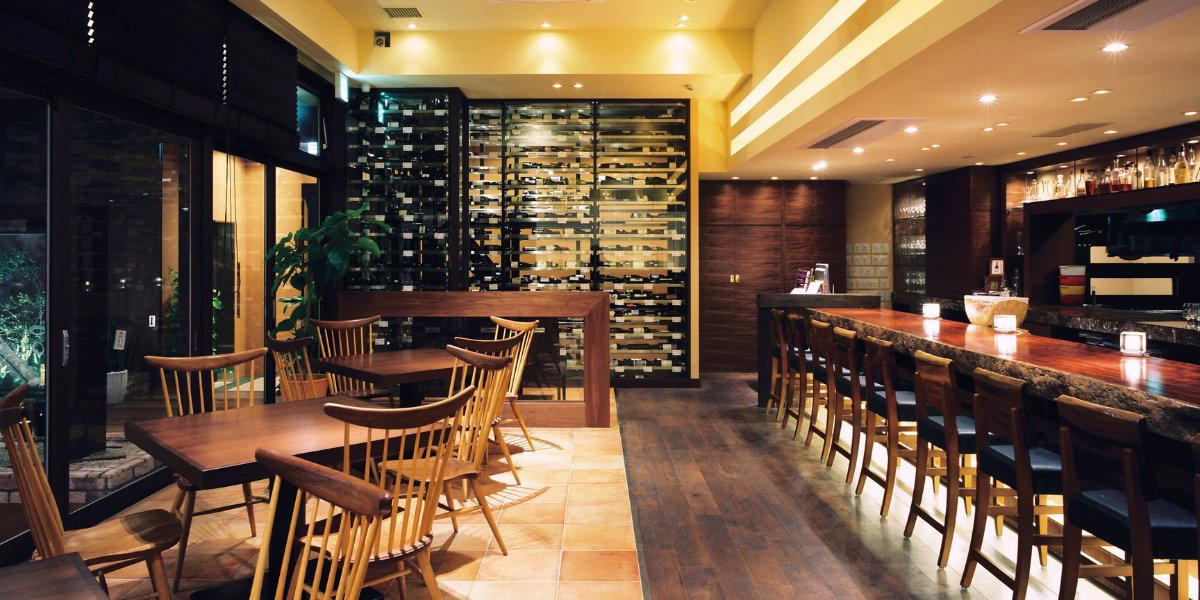
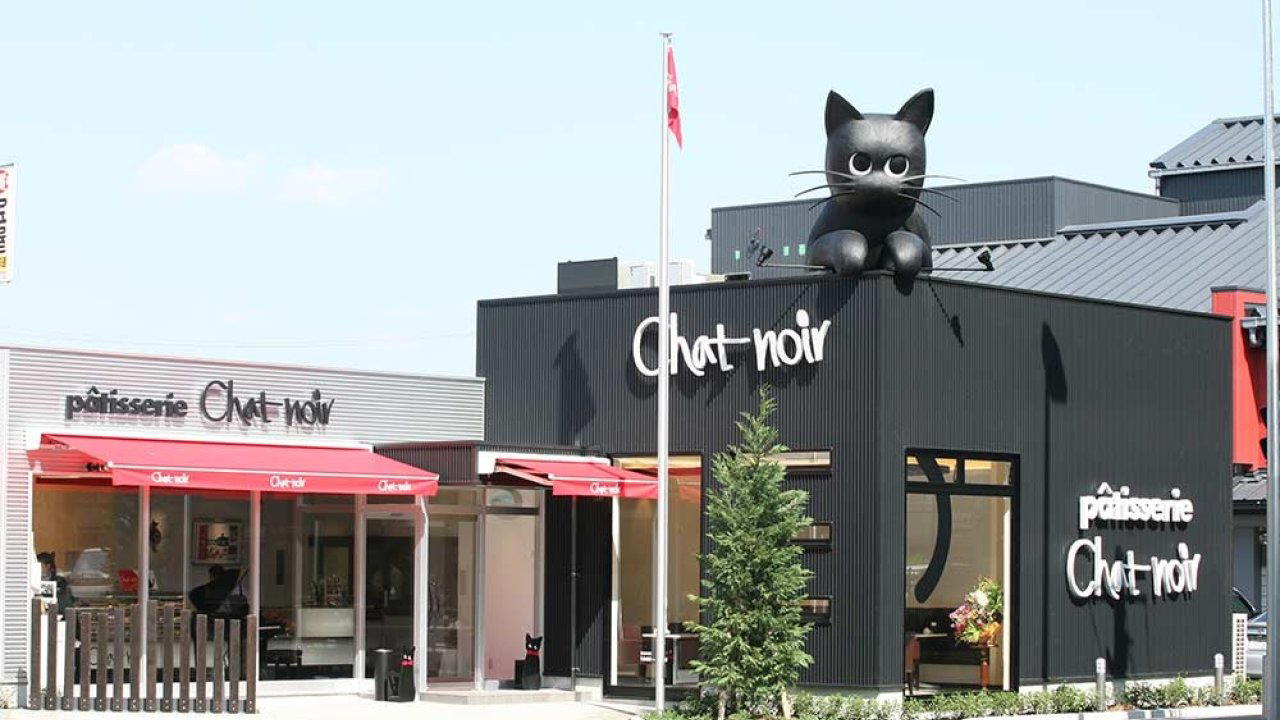
Hotels in Osaka
All hotels in Osaka →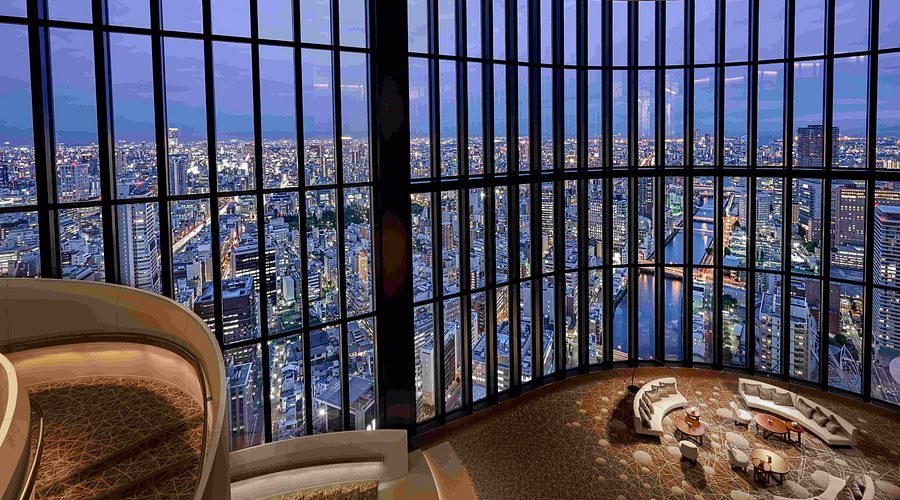


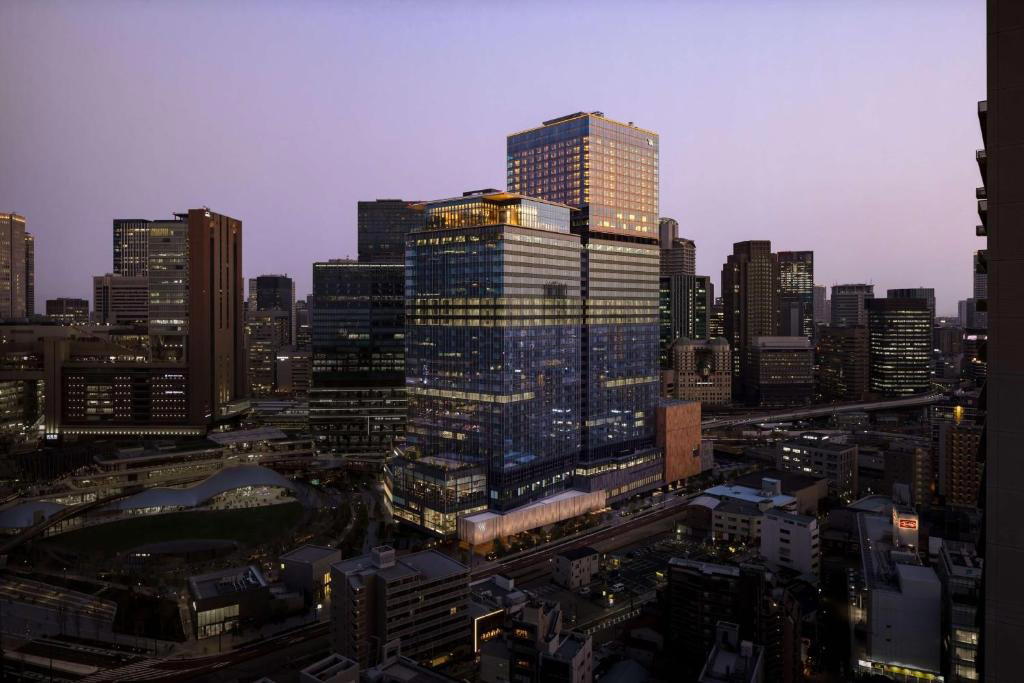
Wineries in Osaka
Browse all →
Details
- Modern
- Trendy
- Elegant
- Cozy
- Solo
- Family
- Casual Hangout
- Open Kitchen
- Sake Program
- A La Carte
- Sake Program
- Vegetarian Friendly
Current opening hours
- Monday
- 11:30 AM–2:30 PM, 5:30–10 PM
- Tuesday
- 11:30 AM–2:30 PM, 5:30–10 PM
- Wednesday
- 11:30 AM–2:30 PM, 5:30–10 PM
- Thursday
- 11:30 AM–2:30 PM, 5:30–10 PM
- Friday
- 11:30 AM–2:30 PM, 5:30–10 PM
- Saturday
- 11:30 AM–2:30 PM, 5:30–9 PM
- Sunday
- Closed
Hours can change for holidays and private events. Hours as of .
Warm, rustic decor with modern stylish aesthetics, appropriate lighting creating a trendy yet traditional Japanese atmosphere.