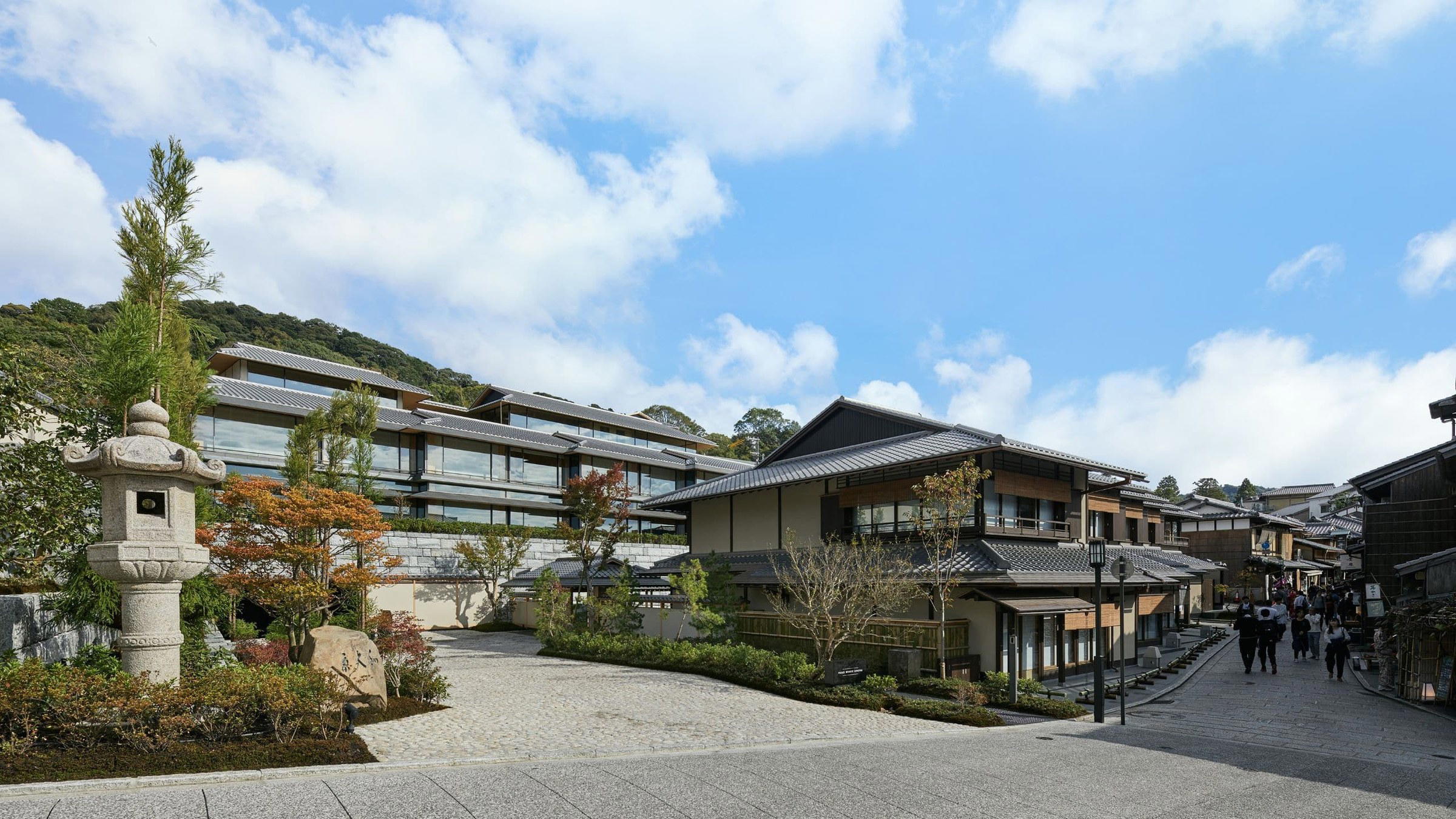
Located on Shinbashi-dori in Kyoto's Higashiyama district, ユキフラン佐藤 occupies a ground-floor space in the Yaohira Building, steps from the Gion Hanamikoji corridor. The address places it inside one of Kyoto's most concentrated zones for serious dining, where the question of provenance, where ingredients come from and how they travel, shapes kitchen identity as much as technique does.
Pearl is the En Primeur Club membership app — saves, bookings, and concierge access live there. Same editors, same standards.
- Address
- 京都府京都市東山区新橋通花見小路東入ル南側2軒目 八百平ビル 1F, 京都市, 京都府
 Saves & bookings on Pearl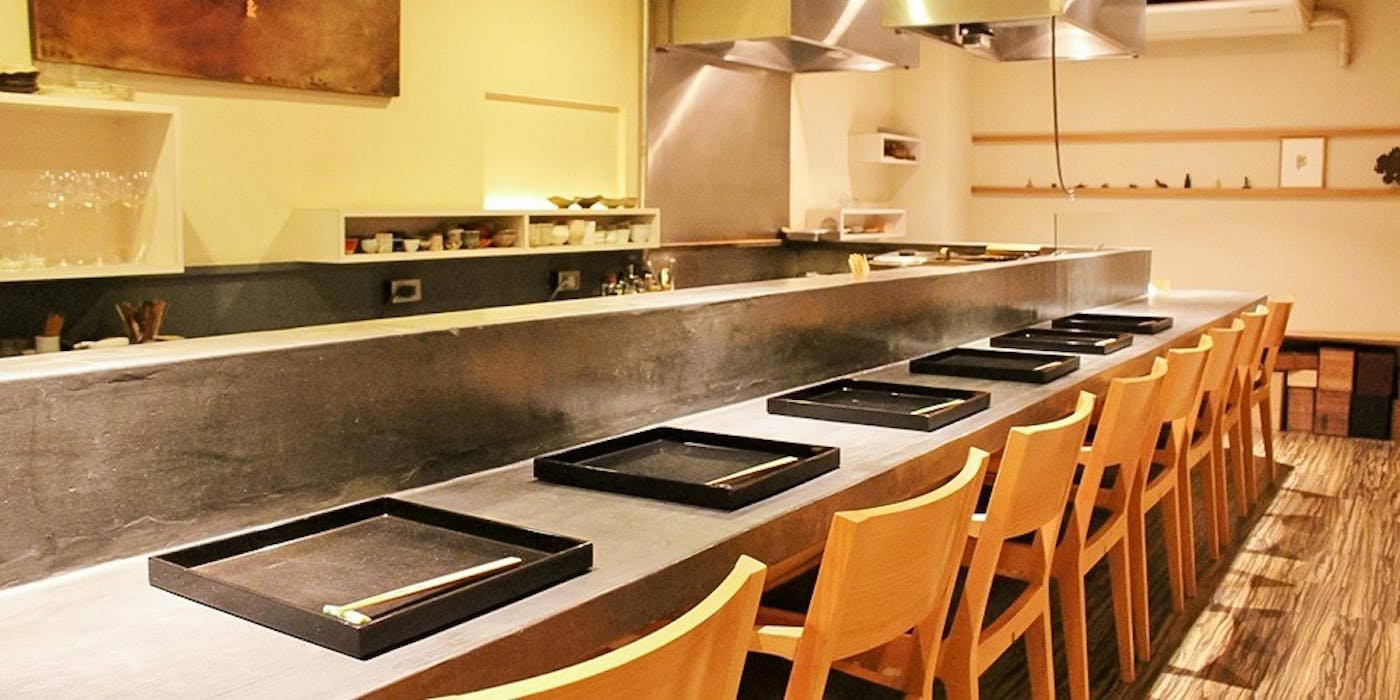
Where Higashiyama's Dining Density Sets the Standard
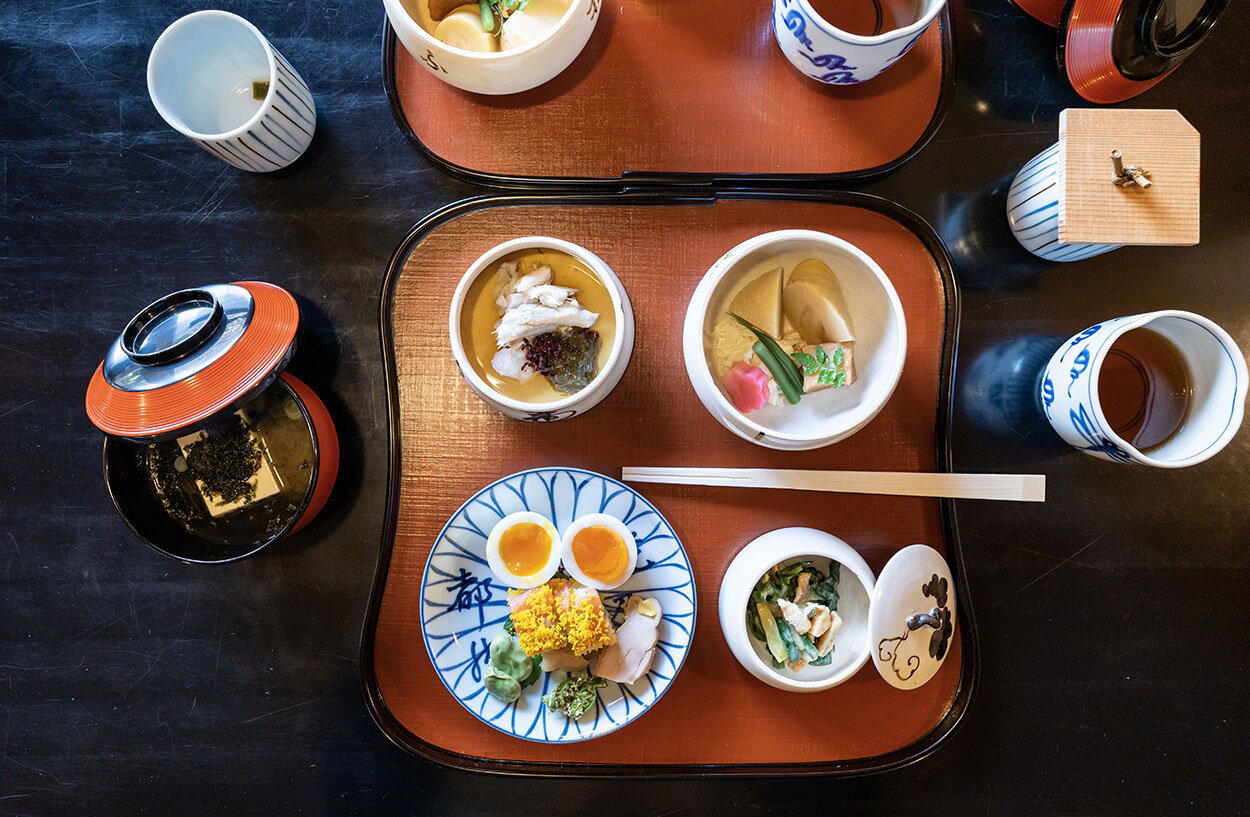
ユキフラン佐藤 is a Creative Kaiseki restaurant in Kyoto, priced at about US$125 per person.
Shinbashi-dori, the lantern-lit street that runs east from Hanamikoji through the Gion preservation district, is among the more compressed fine-dining corridors in Japan. Within a few hundred metres, the address density rivals Ginza or Nishiazabu at their peak: kaiseki houses with multi-decade reputations, machiya-fronted counters operating reservation-only, and a handful of younger operators who have positioned themselves deliberately inside this geography rather than in lower-rent Nakagyo or Fushimi. ユキフラン佐藤 sits at the southern side of Shinbashi-dori, in the ground floor of the Yaohira Building, and the choice of location is itself a statement about the competitive set it aims for.
In Higashiyama, proximity to Hanamikoji is not incidental. The corridor anchors Kyoto's highest-tariff dining zone, where venues like Gion Sasaki have set a benchmark for what precision kaiseki at the summit of the price register looks like. Operating within that neighbourhood means a kitchen is read against those neighbours first, regardless of its own price point or format. Guests arriving from Gion's cobblestones carry expectations calibrated by the area's accumulated reputation.
Ingredient Sourcing as the Defining Discipline
Kyoto's culinary identity has always been structured around the philosophy of shun, the idea that a dish's authority derives from ingredients used at the precise peak of their seasonal availability, not a week before or after. The city's historic geography explains why this became doctrine here rather than elsewhere: surrounded by mountains to the north, east, and west, Kyoto was for centuries a landlocked court capital, reliant on preserved seafood from the coast and hyper-local vegetables from the basin's alluvial soil. That constraint produced kyo-yasai, the collective term for Kyoto's heritage vegetable varieties, Kamo eggplant, Shogoin turnip, Manganji pepper, which remain the sourcing currency of serious kitchens in the city today.
The logic of sourcing in this context is not decorative. A kitchen that can demonstrate access to Kyoto Prefecture-certified heritage produce, or direct relationships with the temple farms and smallholders of the basin, signals something about its position in the supply chain that a menu description alone cannot. Across the city's kaiseki tier, from Kikunoi Honten to Mizai, the sourcing story is as legible to a knowledgeable diner as the plating style or the lacquerware. It functions as a kind of provenance credential, auditable through what actually arrives on the plate.
Outside the vegetable supply, Kyoto kitchens divide on fish sourcing. The inland city's traditional answer to this constraint was saba no heshiko (salt-fermented mackerel from Wakasa Bay, aged for months), preserved eel from Lake Biwa, and river fish from the Kamo. Contemporary kitchens in the city's upper tier have largely shifted to direct overnight delivery from Tsukiji's successor market at Toyosu or from Osaka's Honmachi suppliers, but the more distinctive sourcing stories still run through the Wakasa or San'in coast routes that served the old imperial capital. That geographic logic has not disappeared; it has been updated. Venues in the broader Kansai region, including HAJIME in Osaka and akordu in Nara, each make distinct sourcing decisions that reflect their city's geography and the competitive tier they occupy.
The Higashiyama Format Question
One of the practical distinctions between Kyoto's Higashiyama venues and those in other Japanese cities is format density: how many seats per service, and how many services per day. In Tokyo's Ginza or Roppongi, a high-end counter might run two services with eight to twelve seats each. In Kyoto's preservation districts, planning restrictions, machiya floor plans, and a cultural preference for unhurried dining tend to compress seat counts further. Isshisoden Nakamura is a reference point for how a historic Kyoto house manages scale across multiple generations; Hyotei offers a comparable study in longevity meeting contemporary recognition.
Smaller seat counts concentrate the sourcing challenge: every cover must be fed from produce sourced that morning or the night before, which means the kitchen's supplier relationships are tested daily rather than managed at scale. This is where the Higashiyama address earns its difficulty premium. The area's leading kitchens carry the reputational cost of any sourcing shortfall immediately, because the diner-to-staff ratio is tight enough that nothing goes unnoticed at the table.
For comparison across Japan's serious dining circuit, the sourcing discipline visible in Kyoto's kaiseki tradition finds parallels at different scales: Harutaka in Tokyo works with similar supplier-relationship depth in a sushi format, while Goh in Fukuoka draws on Kyushu's distinct agricultural and coastal supply lines. Regional sourcing identity, at each of these addresses, is the editorial story underneath the plating.
Reading the Address Relative to Kyoto's Dining Map
The Yaohira Building's ground-floor position on Shinbashi-dori places ユキフラン佐藤 in walkable reach of the Gion Shijo metro station and the main Hanamikoji strip, which means foot traffic from serious diners is a given, but so is competition for attention from every other venue on that corridor. Kyoto's dining geography rewards specificity: a venue that can articulate what it sources, from where, and why earns the loyalty of repeat visitors who treat the city as a seasonal destination rather than a one-time tick.
That seasonal-return pattern is one of Kyoto's defining dining dynamics. Regulars plan visits around the calendar: March and April for bamboo shoot season, June for ayu sweetfish, September for matsutake mushroom, November for the first kani crab from the Sea of Japan. A kitchen that structures its sourcing around these windows, and communicates that structure clearly, gives diners a reason to return across the year.
Beyond Kyoto's borders, comparable sourcing-led operations appear across Japan: a counter in Nanao drawing on Noto Peninsula seafood, a Sapporo kitchen working Hokkaido's agricultural depth, a Takashima address using Lake Biwa basin produce, and a Nishikawa Machi venue in the Yamagata mountains. Each represents a version of the same argument: that where food comes from is the first sentence of any serious kitchen's story.
Price and Positioning
Comparable venues nearby, for context on price, style, and recognition.
| Venue | Cuisine | Price | Notes |
|---|---|---|---|
| ユキフラン佐藤This venue — the venue you are viewing | Gion, Creative Kaiseki | $$$$ | Not listed |
| 未在 | Higashiyama, Seasonal Kaiseki Kappo | $$$$ | Not listed |
| Kawano | Sakyō, Edomae Sushi Omakase | $$$$ | Not listed |
| Kyo-Suiran (京 翠嵐) | Not listed | $$$$ | Arashiyama, French-Inspired Traditional Kaiseki |
| 祇園 さゝ木 | 祇園四条, 京割烹 | $$$$ | Not listed |
| 天ぷら 京星 | 祇園, Kyoto-Style Tempura | $$$$ | Not listed |
At a Glance
- Intimate
- Elegant
- Cozy
- Sophisticated
- Date Night
- Special Occasion
- Chefs Counter
- Open Kitchen
- Sake Program
- Local Sourcing
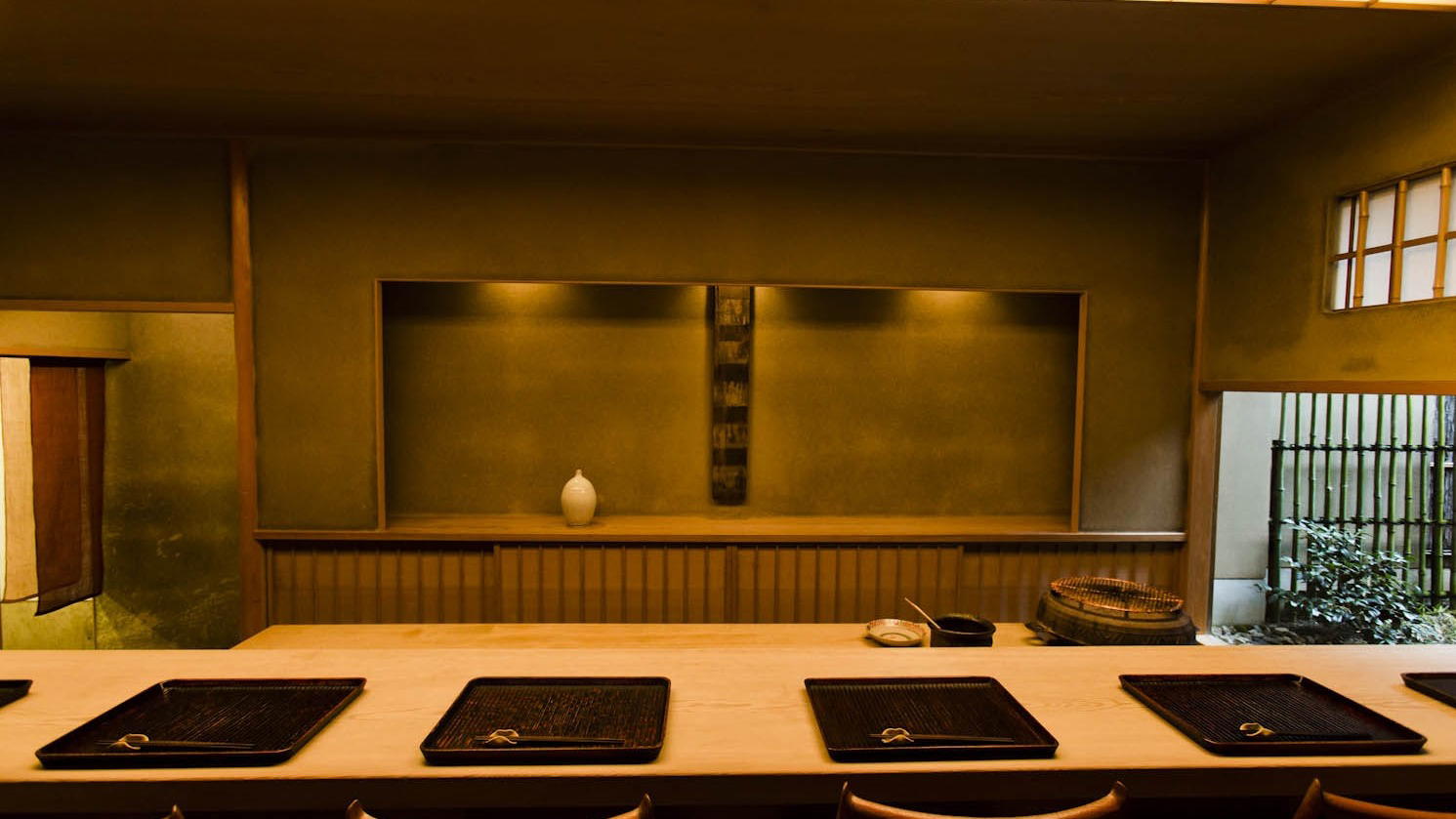
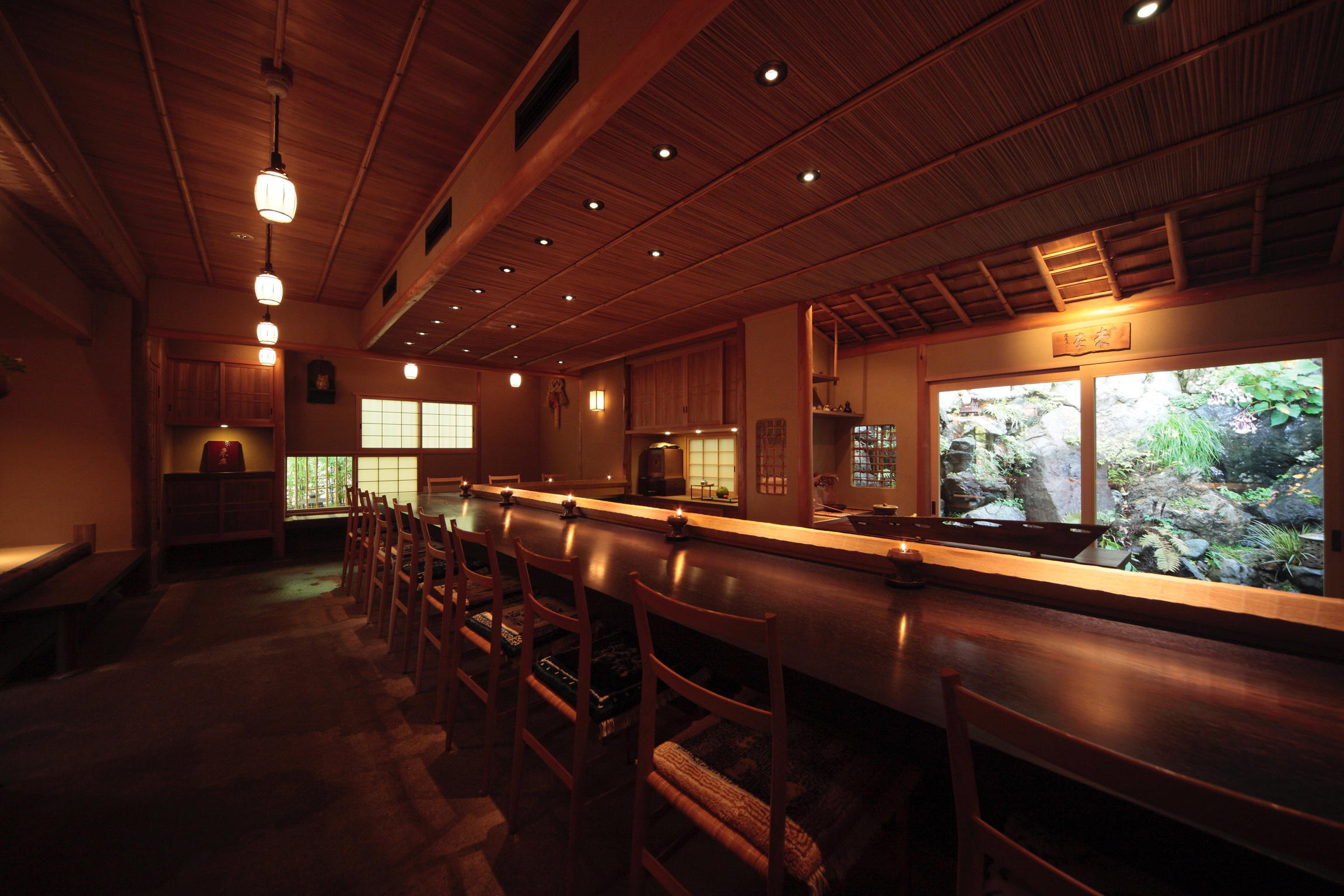
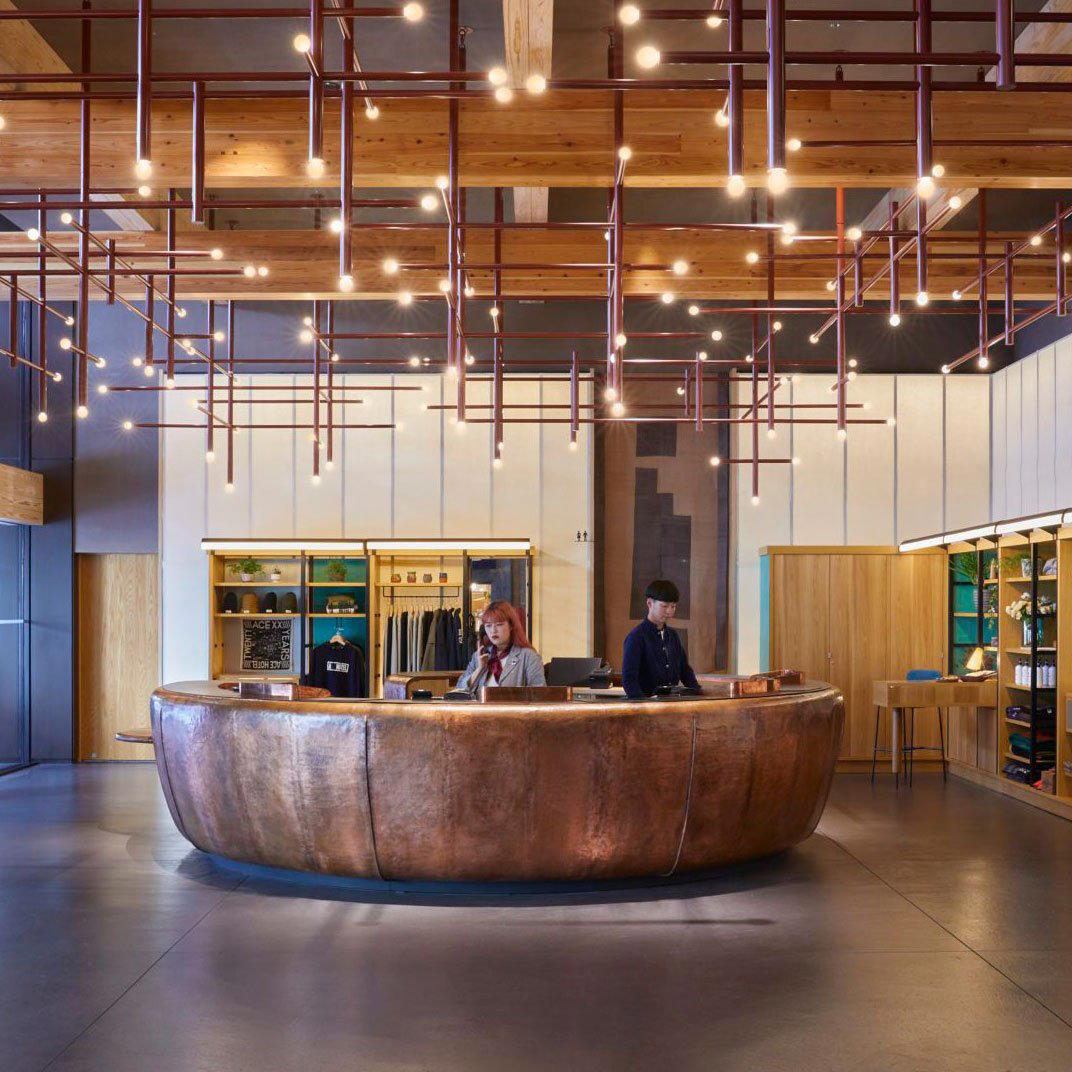
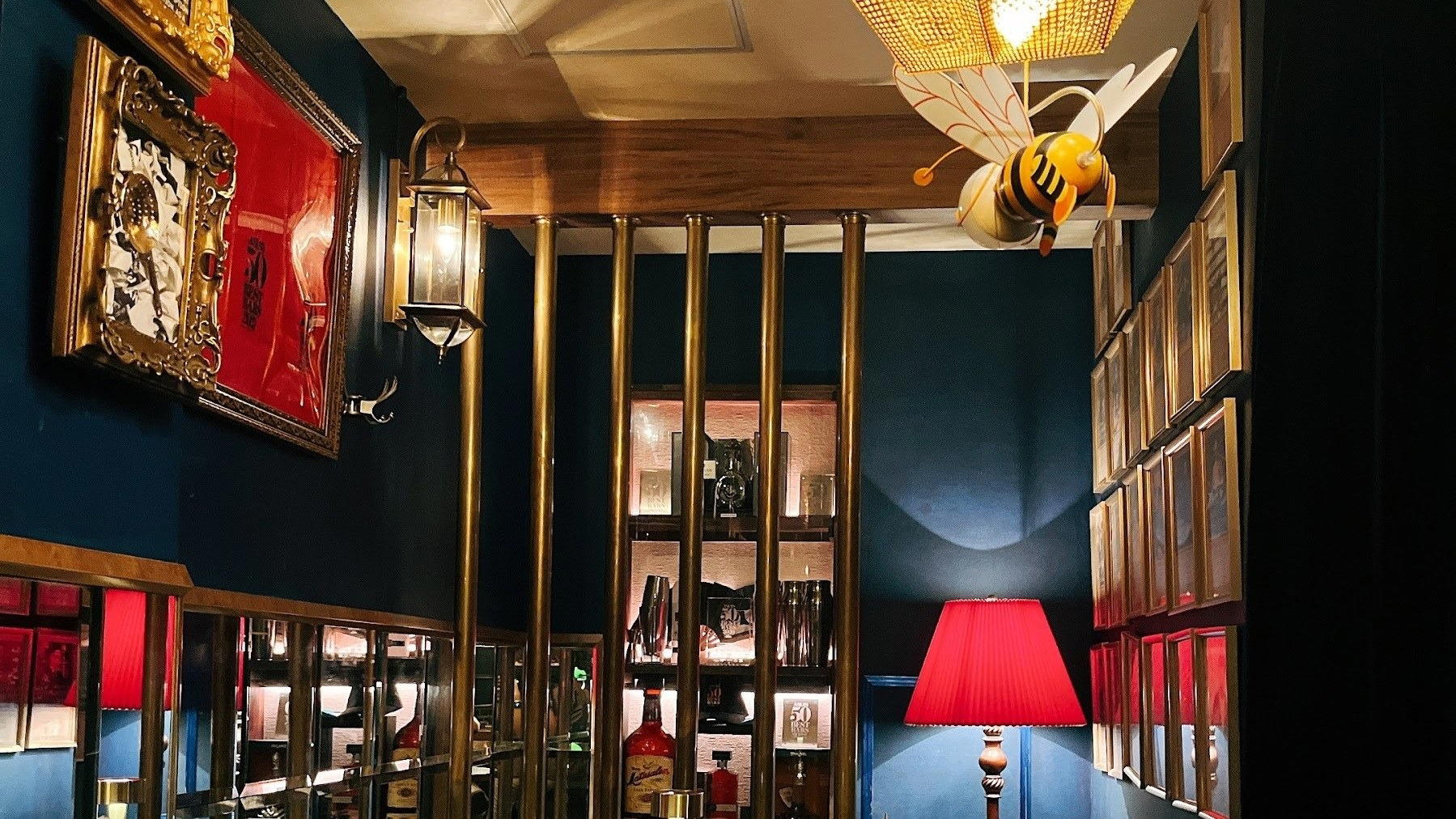
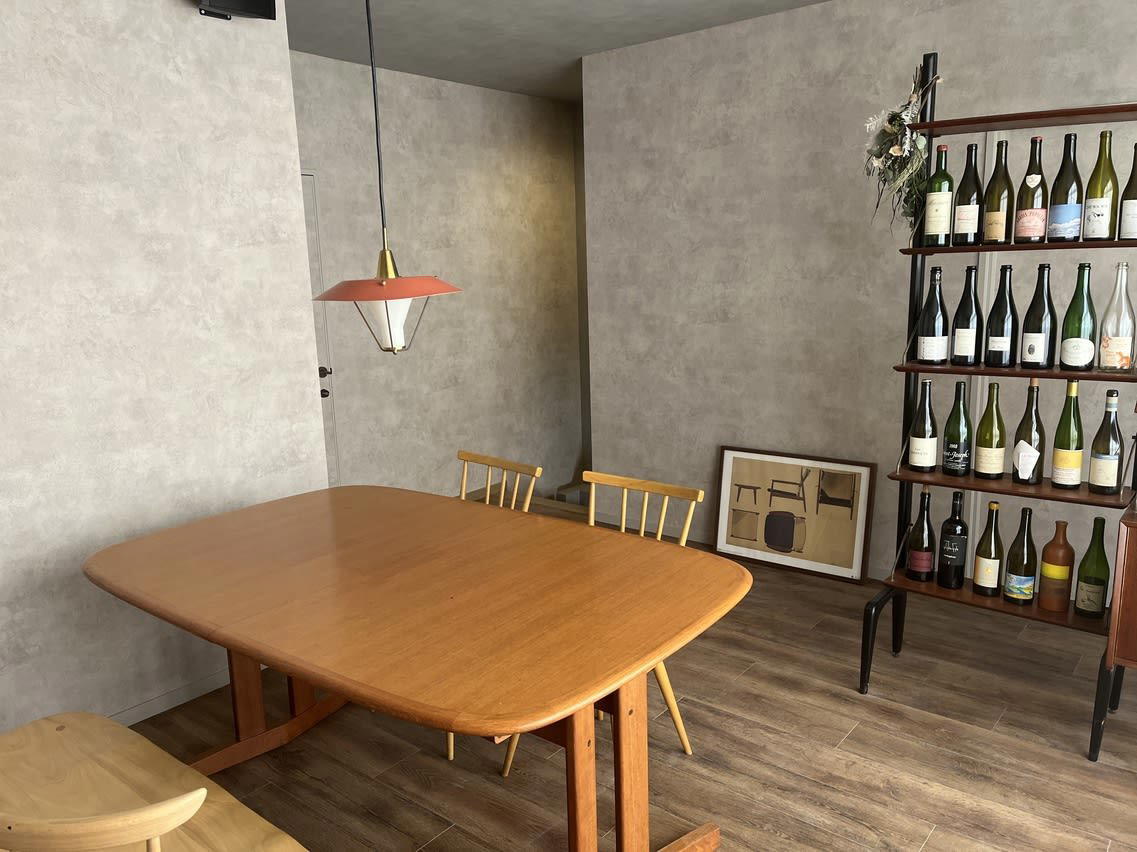
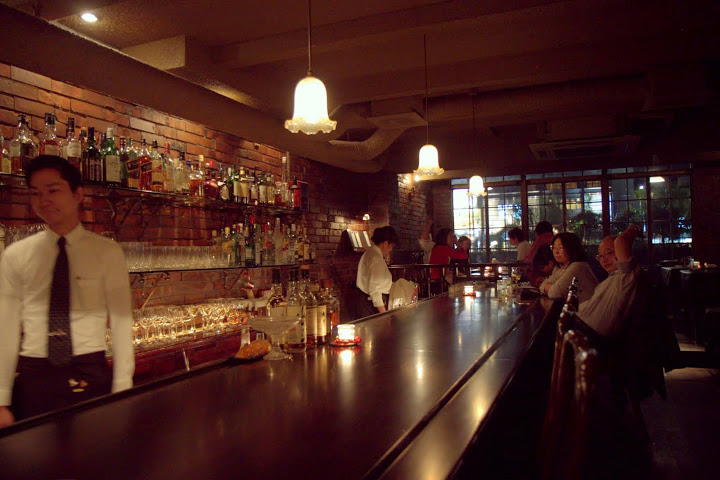
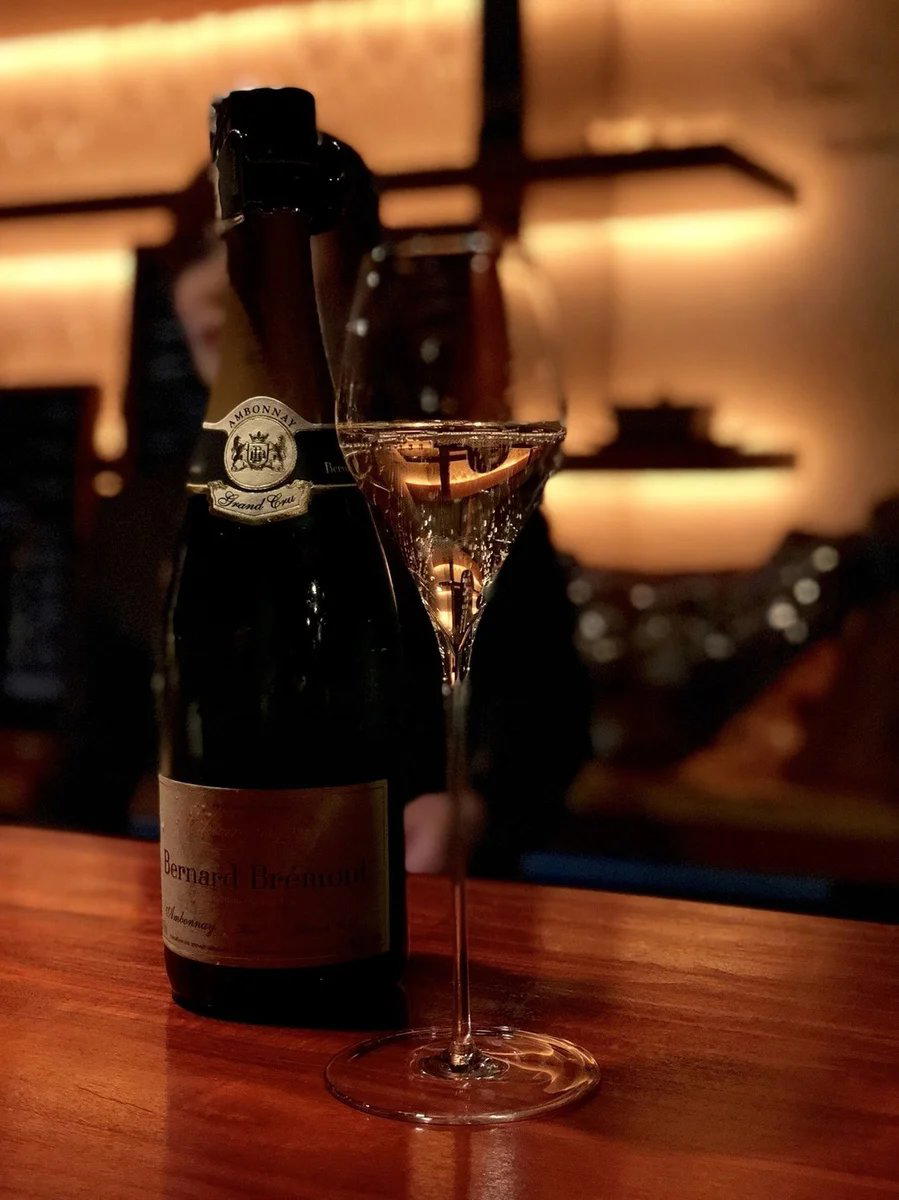
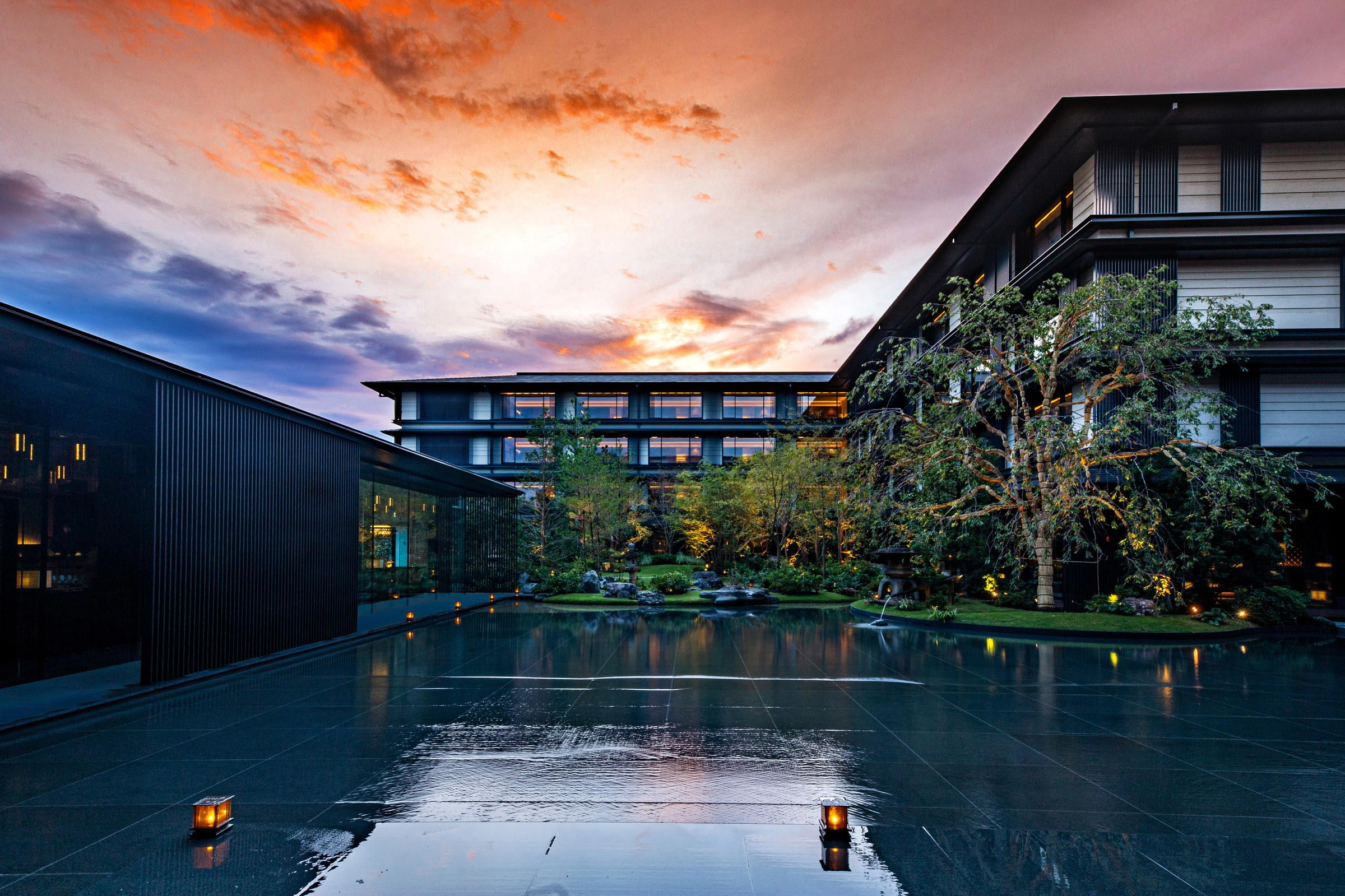
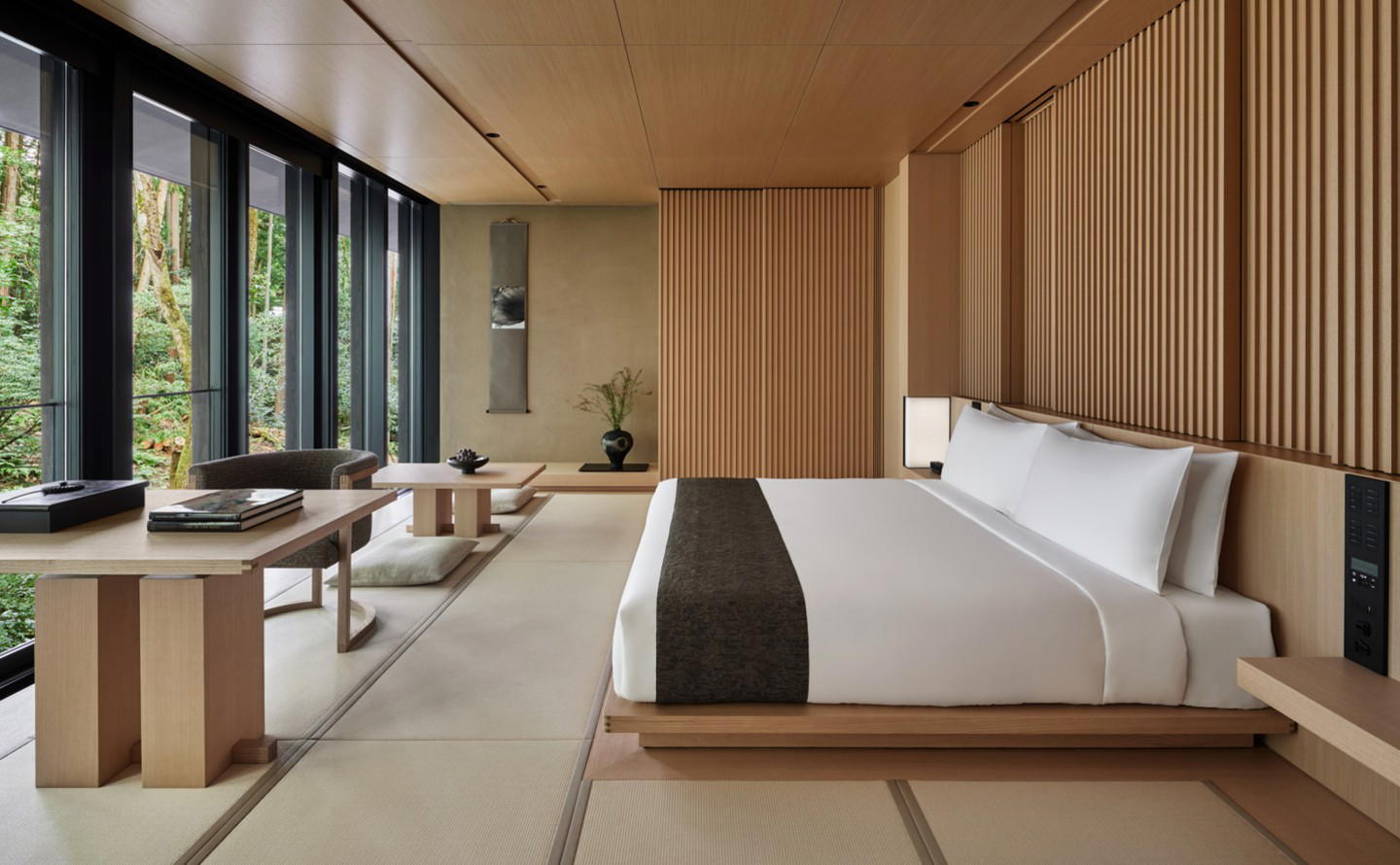
Relaxing, intimate space with a modest entrance blending into Gion's traditional machiya atmosphere, focused on the chef's live culinary performance.