1 Michelin Star
Our verdict
Gion Fukushi holds a Michelin star in Kyoto's most storied dining district, offering Japanese cuisine prepared at the counter in full view of guests. The chef has represented Japanese cooking at two world expos. Priced at ¥¥¥, it sits at an accessible point within Gion's premium tier.

Pearl is the En Primeur Club membership app, where members save venues, book tables and use the concierge.
What the Counter Regulars Already Know
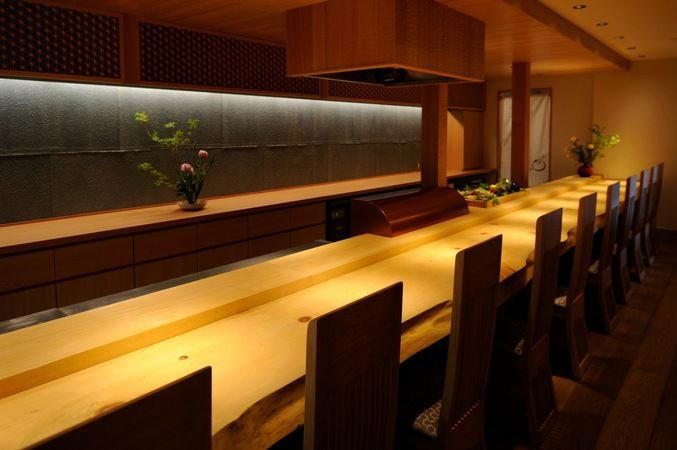
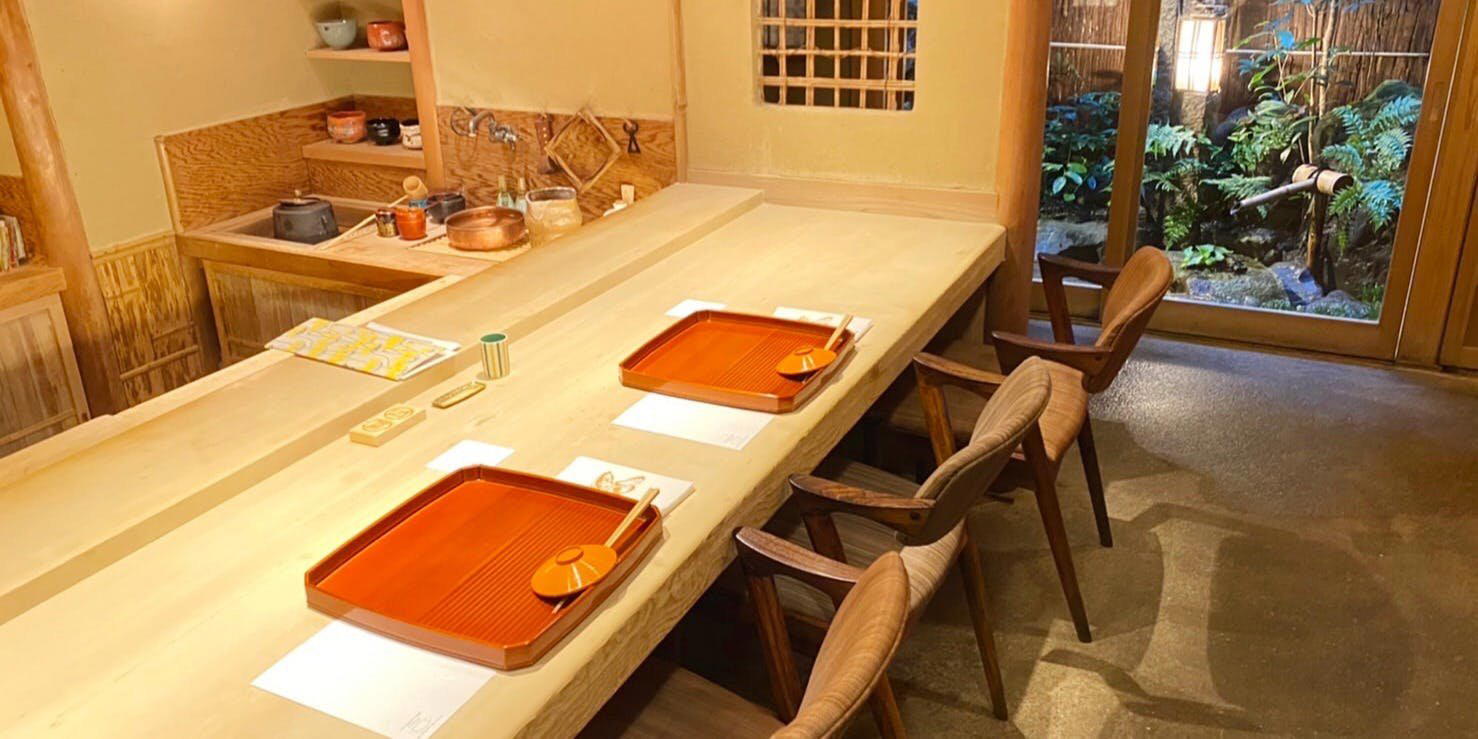
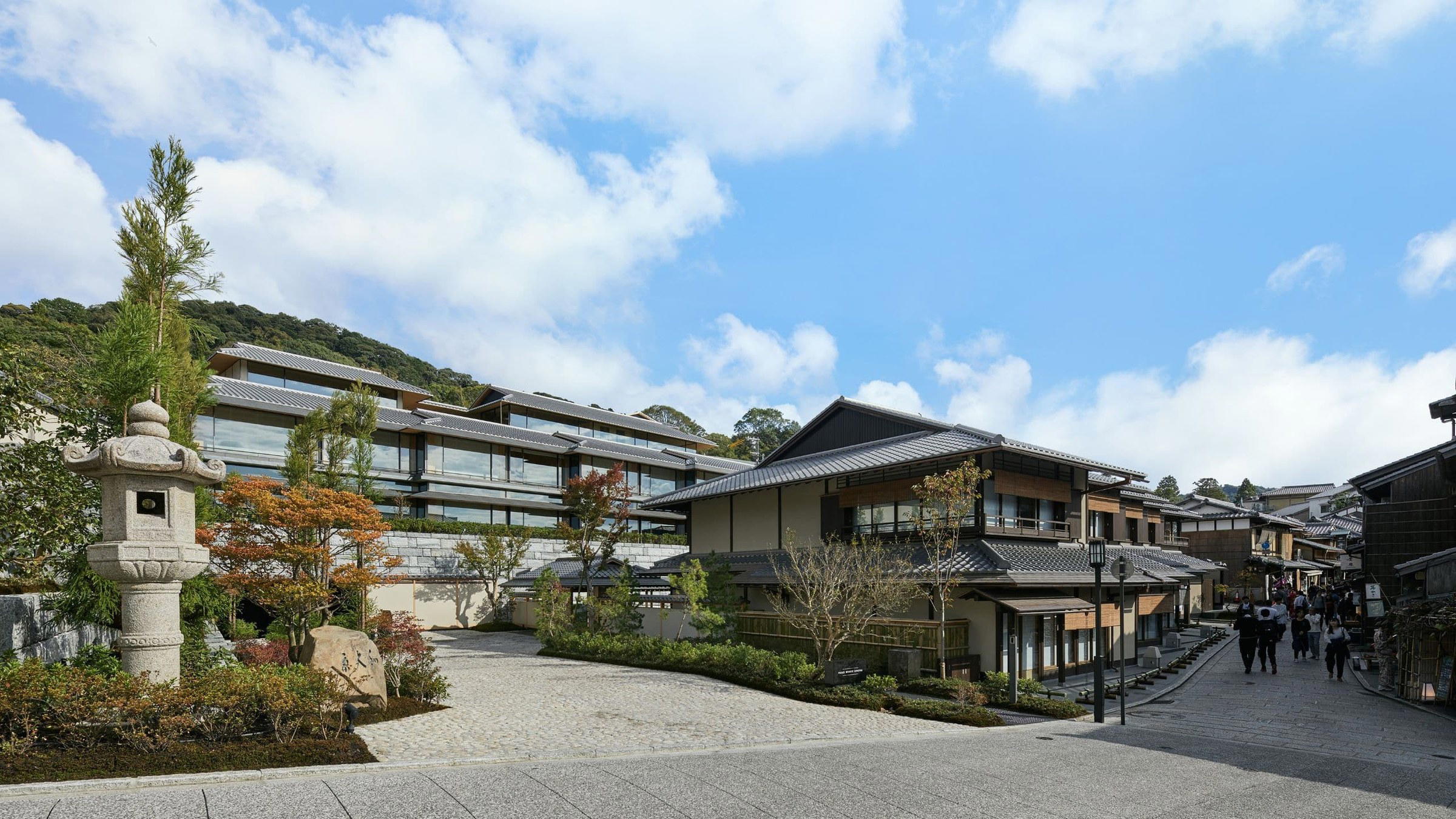
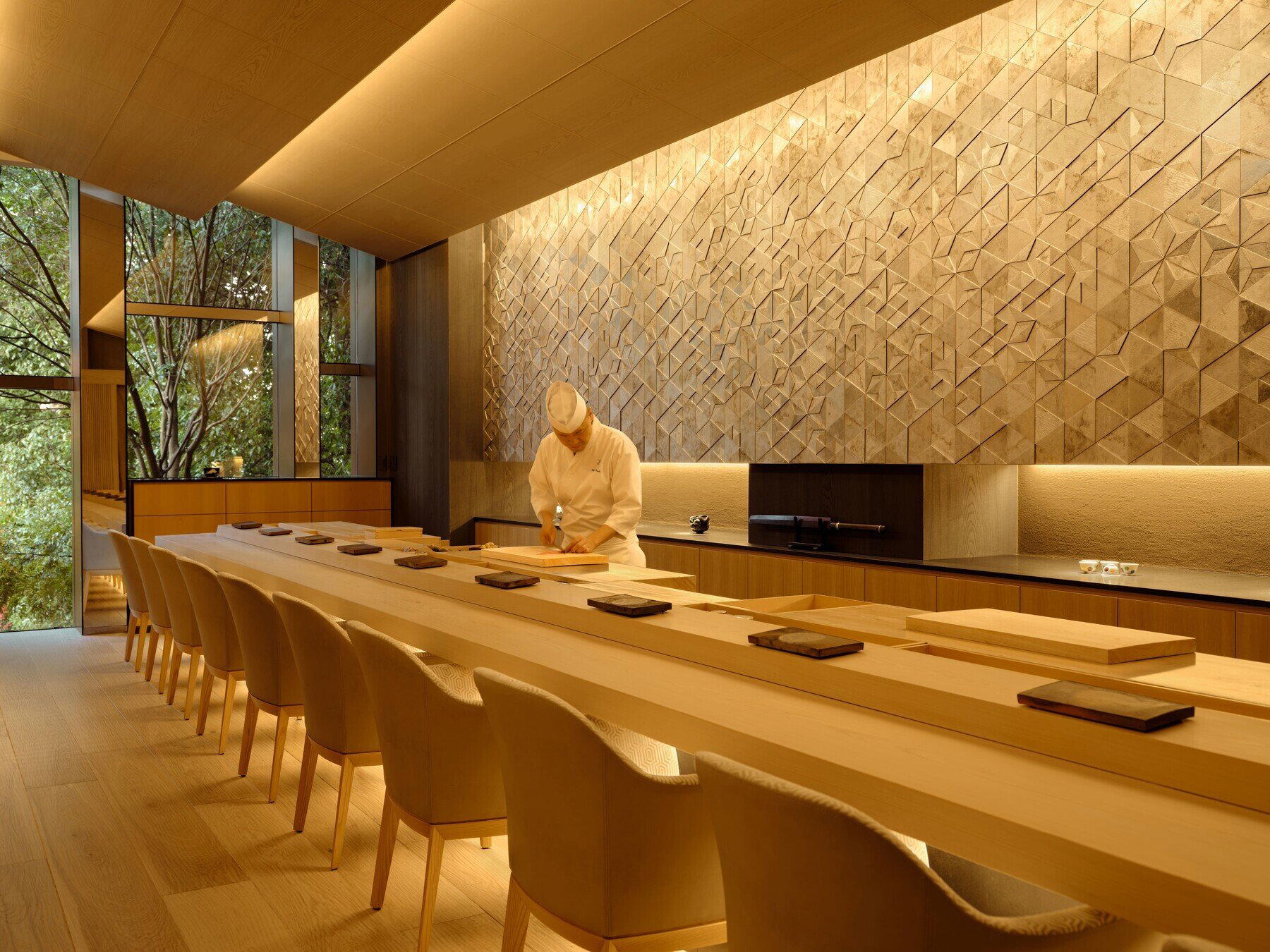
In Gion's Minamigawa district, the streets narrow to stone-paved lanes where wooden machiya frontages signal the serious restaurants from the transient ones. Diners who return to Gion Fukushi repeatedly tend not to explain themselves in terms of occasions or celebrations. They come back because counter dining at this level operates on a different register from table service: proximity to the preparation creates an accountability that changes both the cooking and the eating. The rhythm of a knife, the scent of a broth building in real time, the chef's adjustments made visible rather than hidden in a kitchen, these are the things regulars describe when they articulate why they rebook.
Gion is one of the few districts in Japan where the concentration of Michelin-recognised restaurants is dense enough that a diner can construct an entire itinerary without leaving the neighbourhood. Gion Matayoshi and Kenninji Gion Maruyama share the same immediate geography. Isshisoden Nakamura, one of Kyoto's most established Japanese houses, draws from the same culinary lineage. Within this set, Gion Fukushi occupies a specific position: a single Michelin star (2024), a ¥¥¥ price point, and a format that prioritises directness over ceremony.
The Counter Format and What It Demands
Counter dining in Japan exists on a spectrum. At one end are the large sushi bars where chefs work in near-silence and the distance between cook and diner is professional and managed. At the other are the intimate counters where the separation nearly disappears and the meal becomes a shared act. Gion Fukushi operates closer to that second mode. The counter format here is not decorative, it is structural to how the food is experienced.
The format also carries an ethic. At Gion Fukushi, the meal begins simultaneously for all guests. This is not standard Japanese restaurant practice, and it reflects a considered position: ingredients are treated as finite and the cooking process as communal. The simultaneity signals that nothing will be held back or pre-staged, what the chef prepares, everyone receives at the same moment, in the same condition.
This approach aligns with a broader pattern among smaller Kyoto restaurants that have moved away from the elaborate kaiseki sequence format. The kaiseki tradition dominates Kyoto's upper tier, Kikunoi Roan and Kodaiji Jugyuan both operate within that grammar, but a smaller cohort of restaurants, Gion Fukushi among them, work in a register that is Japanese in its sensibility without being bound to kaiseki's sequential architecture.
The World Expo Context and What It Implies About the Cooking
Among Kyoto's Michelin-starred restaurants, relatively few carry the credential of having represented Japanese cuisine on an international diplomatic platform. The chef at Gion Fukushi has done so twice: at Expo 2010 in Shanghai and at Expo 2015 in Milan. These are not culinary competition appearances or pop-up formats; world expos are among the most scrutinised public stages for national cultural representation.
The implication for regular guests is practical: the cooking here has been tested against international palates and adjusted, where necessary, without abandoning its Japanese foundation. That dual orientation, rooted in Japanese ingredient logic but calibrated for communicability, makes Gion Fukushi a more accessible entry point than some of its Gion neighbours, without compromising the technical standard that earns a Michelin star.
For comparison within the region, HAJIME in Osaka represents the higher-abstraction end of Japan's recognised restaurant scene, while akordu in Nara blends European and Japanese frameworks in a different way. Gion Fukushi sits in neither of those territories: it is squarely Japanese in its reference points, with an outward-facing confidence that comes from having operated on international stages.
Where Gion Fukushi Sits in Kyoto's Price Tier
Kyoto's Michelin-starred restaurant set covers a wide price range. At the leading, three-star kaiseki houses such as Gion Sasaki operate at ¥¥¥¥, as do two-star restaurants including Ifuki and Kyokaiseki Kichisen. The ¥¥¥¥ tier in Kyoto is, by international comparison, already expensive; some multi-course kaiseki experiences in the ¥¥¥¥ bracket run to figures that would place them among the most costly dinners in Western Europe.
Gion Fukushi's ¥¥¥ positioning places it one tier below. This is the same bracket as Kenninji Gion Maruyama and comparable in pricing to cenci, Kyoto's Italian Michelin-starred outlier. Within its own category, Japanese cuisine, Michelin one star, counter format, the ¥¥¥ price point represents reasonable value relative to the award credential. It is accessible to a diner who wants Michelin-recognised Japanese cooking in Gion without committing to the ¥¥¥¥ tier.
Planning a Visit
Gion Fukushi is located at 570-120 Gionmachi Minamigawa, Higashiyama Ward, the central address for Gion's dining strip. The Minamigawa side of Shijo-dori is walkable from Gion-Shijo Station on the Keihan Line, placing the restaurant within a short walk of Kyoto's broader temple and heritage circuit. Booking ahead is advisable for any Michelin-starred restaurant in Gion, particularly during Kyoto's peak seasons in spring (cherry blossom, late March to mid-April) and autumn (foliage, mid-November to early December), when accommodation and dining demand in the city compresses significantly.
For those building a broader Kyoto itinerary around dining, our full Kyoto restaurants guide covers the range of options across neighbourhoods and price tiers. For dining experiences beyond Kyoto, the wider Kansai and Japan circuit includes Harutaka in Tokyo, Goh in Fukuoka, 1000 in Yokohama, and 6 in Okinawa. Japanese counter dining in Tokyo can also be explored through Myojaku and Azabu Kadowaki.
For accommodation and other aspects of a Kyoto visit, our Kyoto hotels guide, bars guide, wineries guide, and experiences guide provide coverage across the full range of the city's premium offer.
Frequently asked questions
What's the price range at Gion Fukushi?
Pricing at Gion Fukushi is listed as ¥¥¥.
What kind of recognition has Gion Fukushi received?
Gion Fukushi has received recognition including: Across the counter, the chef works his culinary magic right before your eyes. The aroma of the broth, the rhythmic chop of knife—this is not just a meal, it is a journey through all five senses into the subtleties of cooking and the soul of….
What's the best thing to order at Gion Fukushi?
Gion Fukushi does not operate an à la carte menu in the conventional sense. The counter format means the chef sets the progression for all diners simultaneously, beginning the meal at the same moment for everyone, a practice rooted in respect for ingredients and minimal waste. Expect a fixed course structured around Japanese cuisine, where the broth and knife work are the reference points the chef has refined across two World Expo appearances, in Shanghai (2010) and Milan (2015).
What's the cuisine at Gion Fukushi?
What part of town is Gion Fukushi in?
Gion Fukushi is located at 570-120 Gionmachi Minamigawa, Higashiyama Ward, Kyoto, 605-0074, Japan, Kyoto.
How hard is it to get a table at Gion Fukushi?
Gion Fukushi holds a Michelin star (2024) on the Minamigawa strip in Gion, Kyoto's most concentrated block of serious dining addresses. That combination of award recognition and a small counter format means availability is limited, and advance planning is advisable. No phone or direct booking link is listed publicly, so reservations typically require contact through a hotel concierge or a specialist reservation service.
What's the standout thing about Gion Fukushi?
The defining feature is the open counter, where the chef works directly in front of diners, not as theatre for its own sake, but as a format that demands honesty in technique. Fewer Kyoto Michelin-starred restaurants carry the specific credential of having represented Japanese cuisine at two consecutive World Expos, which places the cooking in a context of diplomatic-level cultural advocacy rather than local prestige alone. At ¥¥¥ pricing, it sits below the ¥¥¥¥ three-star kaiseki tier, making the Michelin recognition accessible relative to Gion Sasaki and comparable houses.
Price Lens
| Venue | Cuisine | Price | Awards | Notes |
|---|---|---|---|---|
| Gion FukushiThis venue (the venue you are viewing) | Kyoto Kaiseki | $200–300 | 1 Michelin Star | Not listed |
| Gion Sasaki | Modern Kaiseki | $300–500 | 3 Michelin Stars · La Liste Top Restaurants | Kaiseki, Japanese |
| cenci | Innovative Italian-Japanese Fusion | $100–150 | 1 Michelin Star · World's 50 Best #76 | Italian |
| Ifuki | Sumibi Kappo Kaiseki | $200–300 | 2 Michelin Stars · La Liste Top Restaurants | Kaiseki |
| Kyokaiseki Kichisen | Kyoto Kaiseki | $200–300 | 2 Michelin Stars · La Liste Top Restaurants | Japanese |
| Kyo Seika | Modern Chinese Fine Dining | $150–200 | 1 Michelin Star · Tabelog Bronze #216 | Chinese |
Recognition history
Dated appearances from independent guides and award organizations, with the underlying list record or original source where available.
Michelin 1 Star
Michelin
Full recognition history (2 entries)
Michelin 1 Star
Michelin