
Oryori Shibuu sits in Ginza’s high-control Japanese cuisine tier: small, quiet, and shaped around seasonal cooking rather than spectacle. Its 2025 selection for Tabelog 100 Japanese cuisine Tokyo and 3.72 Tabelog score place it in a serious local conversation, while the seven-seat scale keeps the room closer to a private counter than a large dining room.
Pearl is the En Primeur Club membership app — saves, bookings, and concierge access live there. Same editors, same standards.
- Address
- Japan, 〒104-0061 Tokyo, Chuo City, Ginza, 2 Chome−4−19 千里軒ビル B1F
- Phone
- +81 3-3563-4533
- Website
- shibuu.jp
 Saves & bookings on Pearl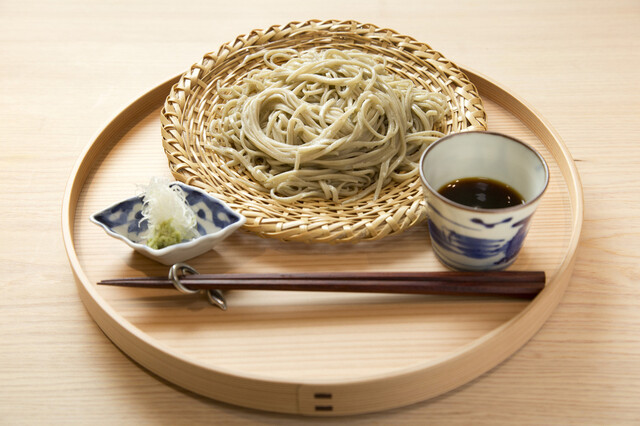
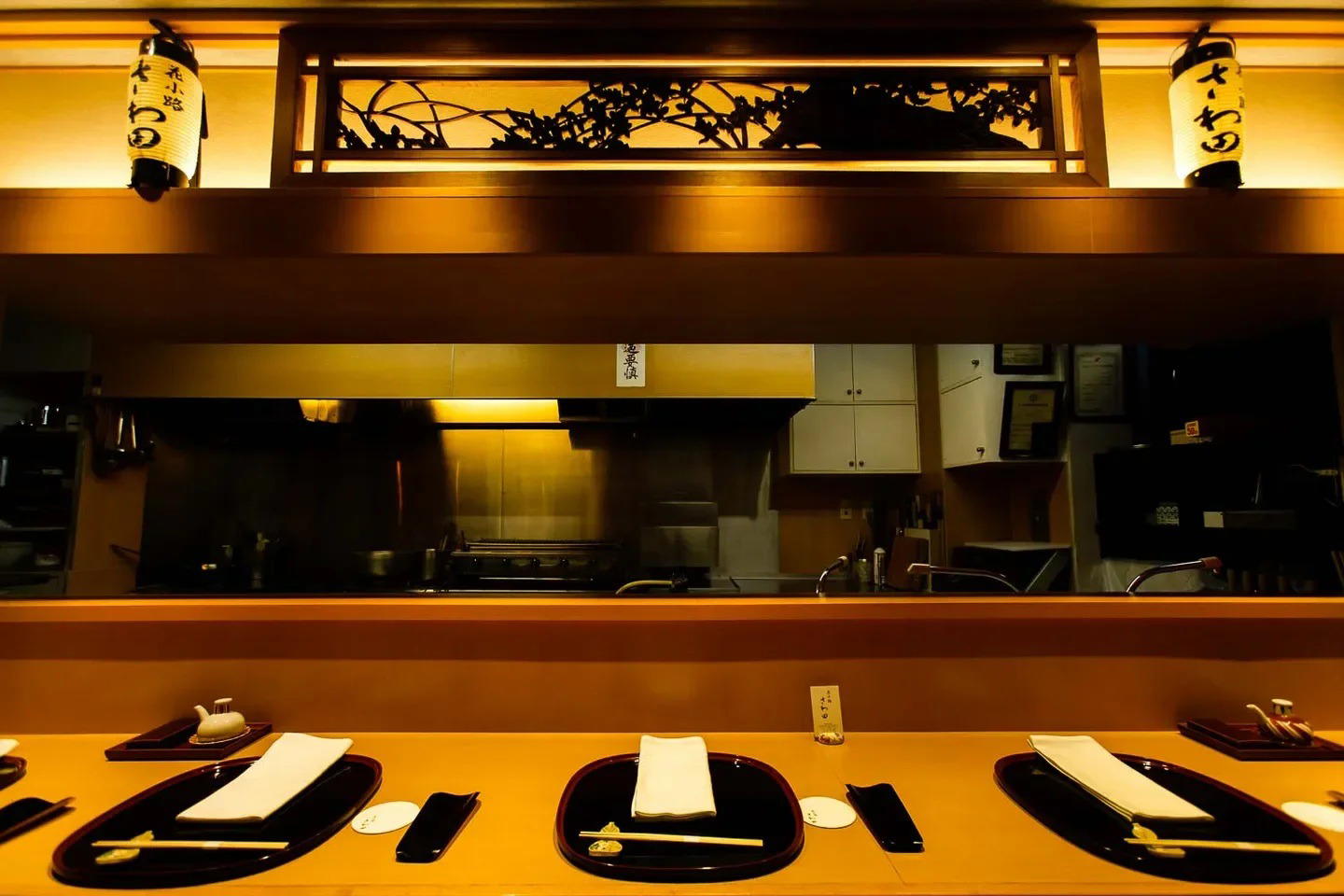
Ginza’s smaller Japanese restaurants often begin before the first course, in the descent from street glare to basement quiet. The change in volume matters. Department-store traffic, bar signs, and taxi doors fall away, replaced by the compressed hush of a room built for close observation. At this scale, the dining experience is not about theatrical entrance or table-hopping energy; it is about the sound of service, the pacing of a course menu, and the discipline required when every seat is visible from every other seat.
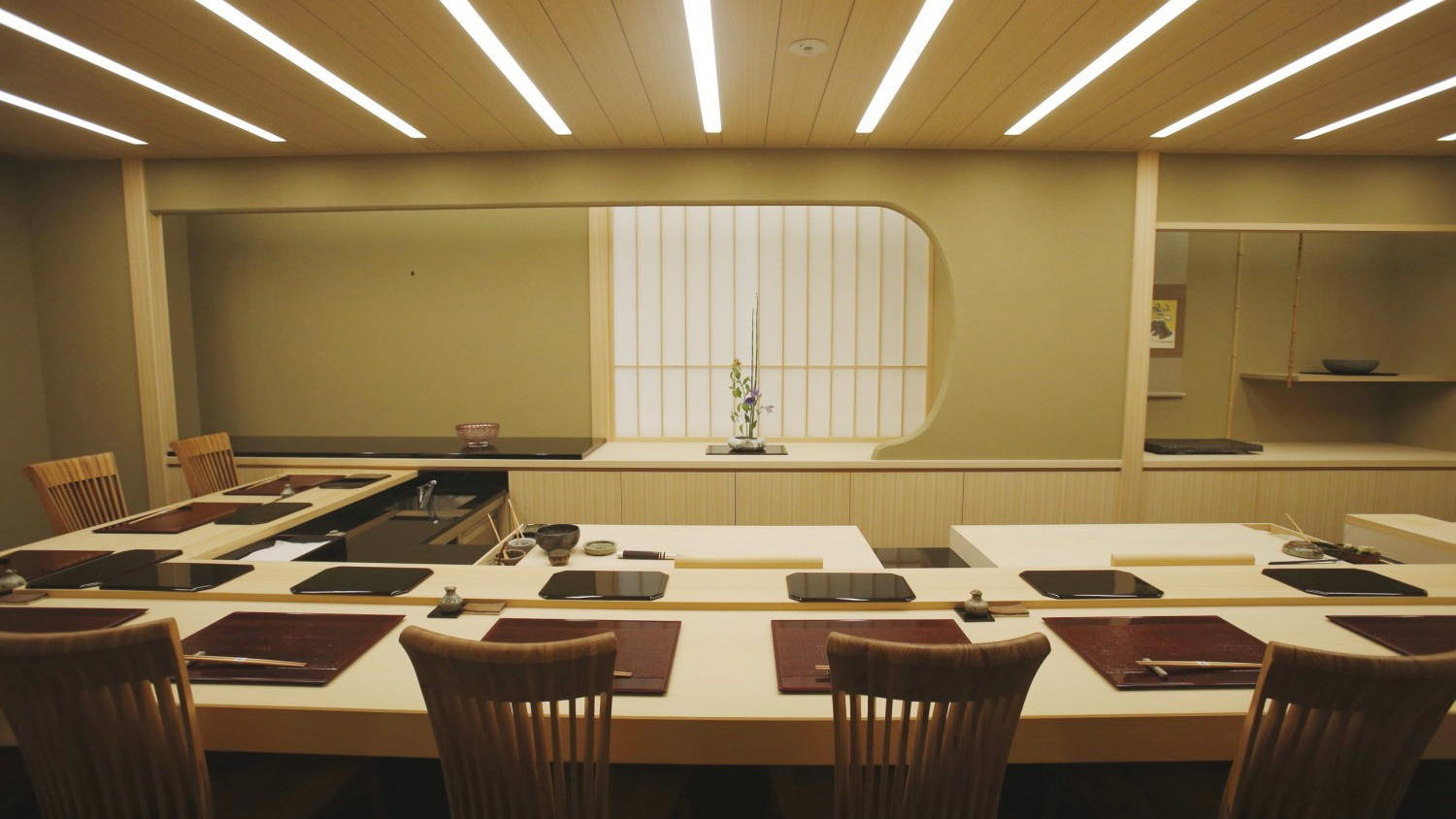
Oryori Shibuu belongs to that Ginza category where Japanese cuisine is judged less by size than by concentration. The restaurant was selected for Tabelog 100 Japanese cuisine Tokyo 2025 and carries a 3.72 Tabelog score, useful signals in a city where local rating culture can be more exacting than international guide shorthand. The format is compact, with seven seats, and that number changes the way the room reads: less restaurant-as-stage, more controlled chamber for seasonal cooking.
Ginza Japanese cuisine at counter scale
Tokyo’s premium Japanese dining scene is often discussed through sushi, kaiseki, and kappo as if the categories are fixed. In practice, Ginza blurs those lines. The district supports counters where a course can move from vegetable work to seafood, soup, rice, and wine without becoming either formal banquet cuisine or casual izakaya cooking. That middle ground is demanding because it gives the kitchen fewer distractions. The room, the sequence, and the seasonal logic have to carry the evening.
At Oryori Shibuu, the public positioning is Japanese cuisine rather than a narrow single-product identity. That matters for diners comparing it with sushi counters or beef-led rooms in the area. The expectation should be a composed course format rooted in Japanese seasonality, not a menu built around a single headline ingredient. The restaurant’s own description emphasizes nourishing ingredients and seasonal premium produce, but the more useful editorial read is structural: this is Ginza dining for people who value progression, restraint, and controlled tempo over maximal luxury signaling.
The sensory register follows from the scale. A seven-seat restaurant leaves little room for noise as decoration. Plates arrive into a room where small movements register; glassware, ceramics, and the cadence of service become part of the experience. This is the opposite of the large-format Tokyo night out. It suits diners who prefer concentration to spectacle and who understand that Japanese cuisine at this level often works through sequence rather than isolated showpiece dishes.
What the recognition says, and what it does not
Tabelog’s Hyakumeiten lists are especially useful for Japanese cuisine because they reflect a domestic dining conversation rather than a travel-market one. A 2025 Tabelog 100 Tokyo selection places Oryori Shibuu among restaurants that Japanese diners are already measuring against one another, and the 3.72 score reinforces that it sits in a serious band for the category. It is not the same signal as a Michelin star, and it should not be read that way. It points instead to local traction, consistency, and relevance inside a competitive Tokyo field.
That distinction is important in Ginza, where international diners often default to famous sushi names, hotel restaurants, or cocktail institutions. Nearby comparison points show how fragmented the district has become: BAR Opa Ginza and STAR BAR GINZA represent the polished cocktail side of the neighbourhood, MASIA brings a Spanish frame into the same luxury geography, and Argento occupies a different dining register altogether. Oryori Shibuu’s lane is quieter: Japanese cuisine in a small room, with the meal’s value tied to pacing, ingredients, and attention rather than branding volume.
For broader planning, the restaurant belongs in a different decision set from casual Tokyo dining. Those building a multi-day itinerary can use Our full Tokyo restaurants guide for range, then separate counter-scale Japanese cuisine from curry, café, yakitori, and seafood-led stops. The same trip may include 124. KAGURAZAKA (Yakitori) for skewers, 3 Chome no Curry Ya San for a narrower comfort-food brief, or . 鮪と炭火焼き うお炭 秋葉原店 for tuna and charcoal cooking. Those are not substitutes; they clarify how specific this Ginza format is.
How to read the room before choosing it
This is a restaurant for diners who want a composed Japanese meal in a controlled environment, not for a loose group night. The seven-seat count pushes the experience toward attentiveness, and the lack of private rooms reinforces the idea that the shared room is part of the discipline. Non-smoking status also matters in this category, where aroma and temperature can be as central as visible plating.
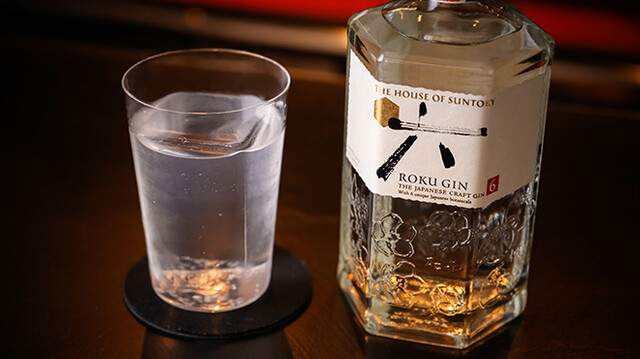
The wine note is also telling. French-leaning wine pairings have become common in Tokyo’s contemporary Japanese cuisine, especially in rooms that want to speak to Ginza’s international audience without abandoning Japanese structure. That does not turn the meal into fusion. It reflects a wider Tokyo habit: serious Japanese restaurants increasingly treat wine as a parallel language for seasonality, acidity, and texture.
Readers mapping the rest of the city should resist treating Ginza as a single dining mood. It contains high-polish bars, department-store lunch counters, hotel dining rooms, and small Japanese counters within a few blocks. Our full Tokyo bars guide helps frame the after-dinner side, while Our full Tokyo hotels guide, Our full Tokyo experiences guide, and Our full Tokyo wineries guide fill in the surrounding trip logic. For contrast beyond Ginza, consider how different the city feels through 12/10 Shinjuku ten or the graphic café culture around 2D Cafe.
Japan’s dining map rewards those comparisons. A Tokyo meal at this scale has little in common with -Grilled beef Sukiyaki- KAMAKURA TANUKIAN 鎌倉 たぬき庵 in Kamakura.cafe in Osaka.know in Kumamoto, (Shoku) Vietnam in Kawasaki, [Curry Senmon Ten] Maruyama Kyoju. in Sapporo, or [ki:] in Kyoto. Even overseas Japanese-adjacent dining, from Jōdo Saké Bar in Los Angeles to Onigiri Time in Pasadena, operates by different rules. The restaurant is for the Tokyo diner who wants the city turned down to a smaller frequency: seasonal Japanese cooking, a limited room, and the kind of quiet where details have nowhere to hide.
Cuisine and Credentials
Comparable venues for cuisine and category context.
| Venue | Cuisine | Price | Notes |
|---|---|---|---|
| Oryori ShibuuThis venue — the venue you are viewing | Japanese Kaiseki | $$$$ | Not listed |
| 重箱 | Traditional Japanese Unagi Fine Dining | $$$$ | Akasaka |
| 銀座 よし澤 | Traditional Japanese Kaiseki | $$$$ | Chūō |
| Karyu | Wagyu Kaiseki | $$$$ | Chūō |
| Jubako | Traditional Japanese Unagi | $$$$ | Minato |
| Ningyocho Imahan Toukyou gaaden terasu kioichou ten | Traditional Wagyu Sukiyaki & Shabu-shabu | $$$$ | Chiyoda |
Recognition history
Dated appearances from independent guides and award organizations, with the underlying list record or original source where available.
Tabelog 100 #63 · No. 63
Tabelog · Tabelog 100 - Japanese cuisine - TOKYO - 2025





At a Glance
- Elegant
- Sophisticated
- Intimate
- Quiet
- Date Night
- Special Occasion
- Private Event
- Solo
- Standalone
- Local Sourcing
Current opening hours
- Monday
- 6–10 PM
- Tuesday
- 6–9 PM
- Wednesday
- 11:30 AM–2 PM, 6–9 PM
- Thursday
- 6–9 PM
- Friday
- 6–9 PM
- Saturday
- 6–9 PM
- Sunday
- 6–9 PM
Hours can change for holidays and private events. Last verified .
Serene, refined, and understated, with an intimate atmosphere suited to a quiet, special-occasion meal.