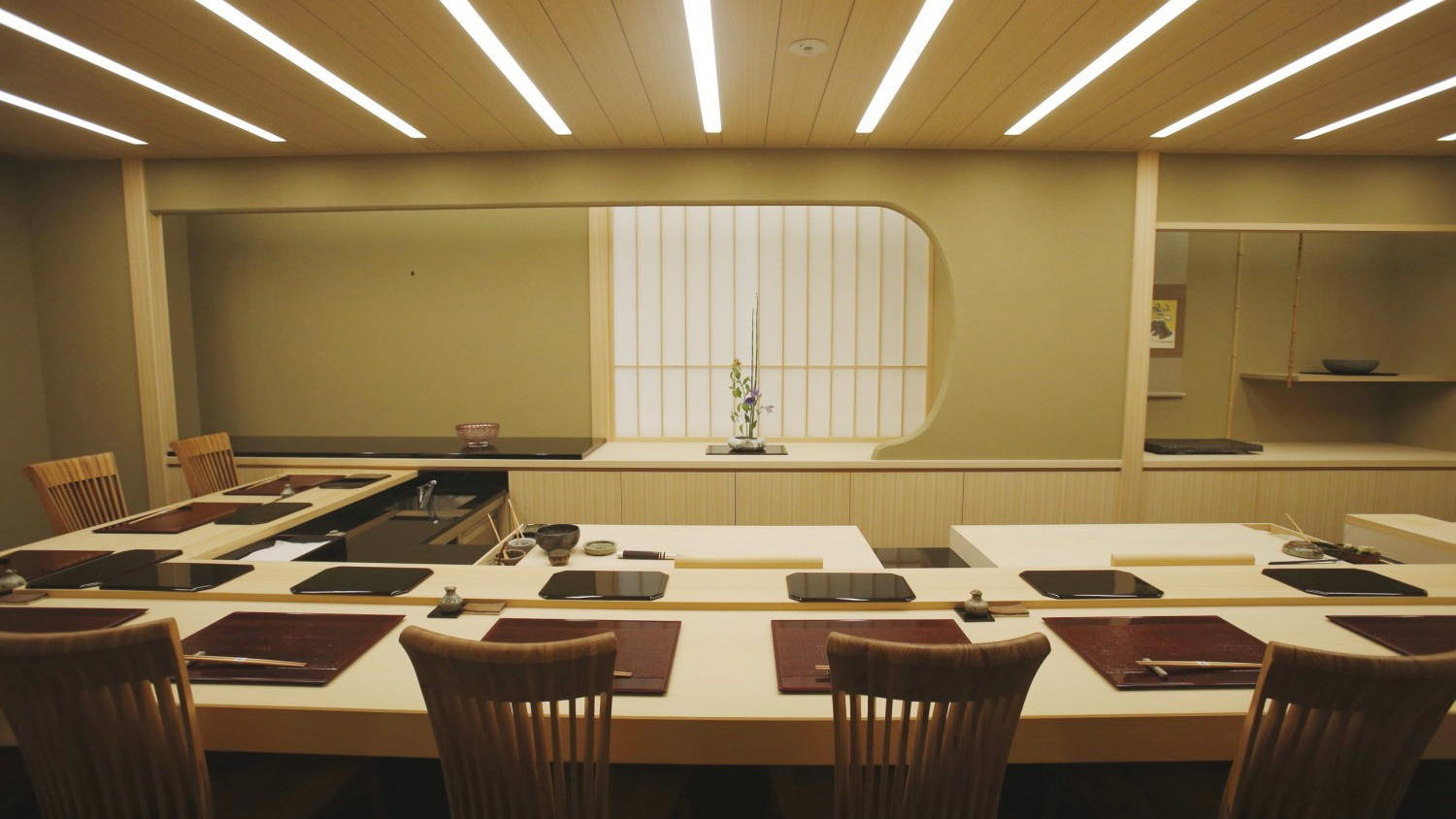
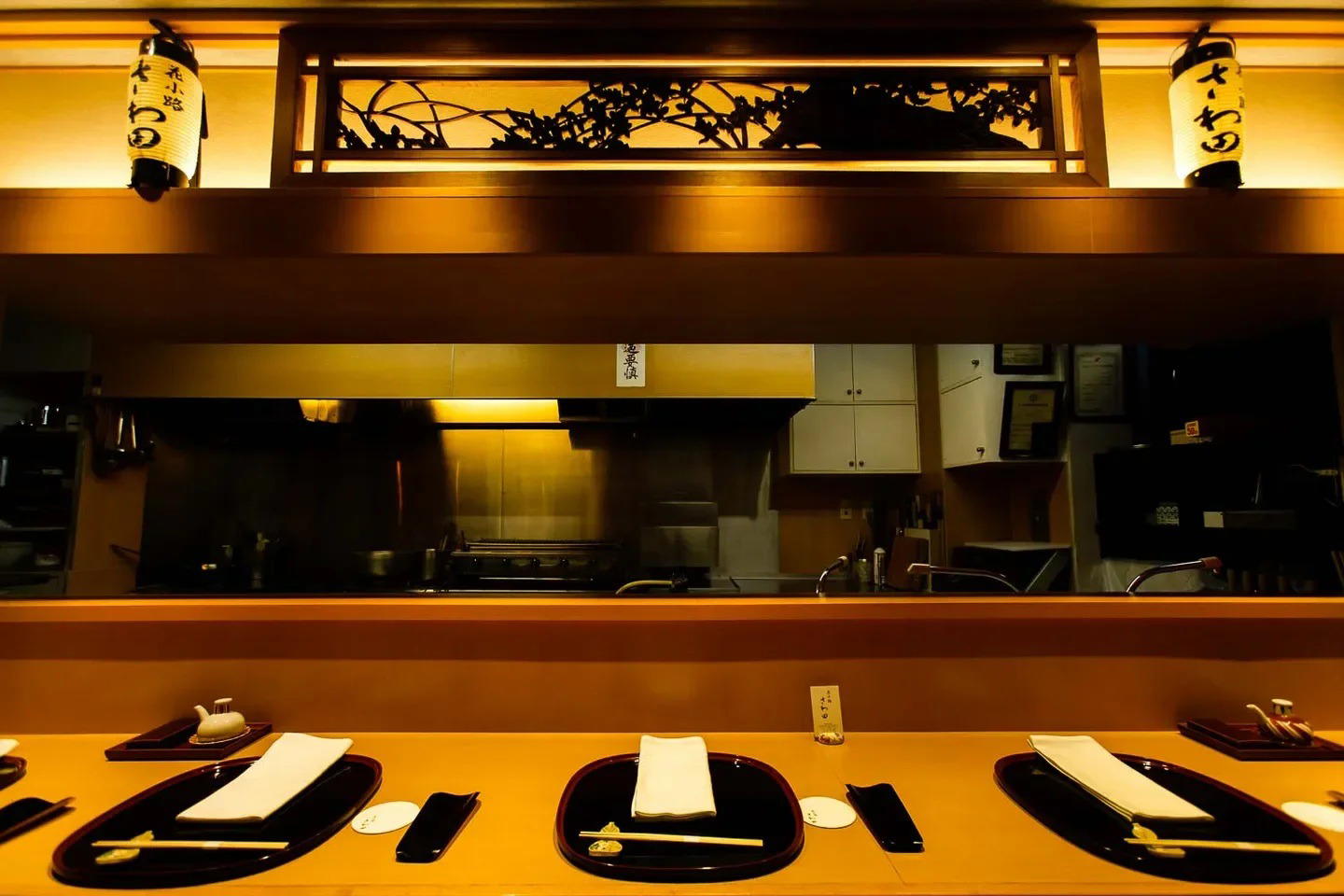
Kappou ukai sits beneath Ginza 8-chome in a basement counter format that positions it within Tokyo's most demanding dining tier. The kappou tradition, where the kitchen performs openly before a seated few, defines its menu architecture: courses unfold in a sequence shaped by the chef's reading of each evening, not a fixed script. For visitors comparing Ginza's high-end Japanese options, this is the format that prioritises craft visibility over ceremony.
Pearl is the En Primeur Club membership app — saves, bookings, and concierge access live there. Same editors, same standards.
- Address
- Japan, 〒104-0061 Tokyo, Chuo City, Ginza, 8 Chome−9−15 Jewel Box Ginza, B1
- Phone
- +81355681515
- Website
- ukai.co.jp
- Directions
- Get directions
 Saves & bookings on Pearl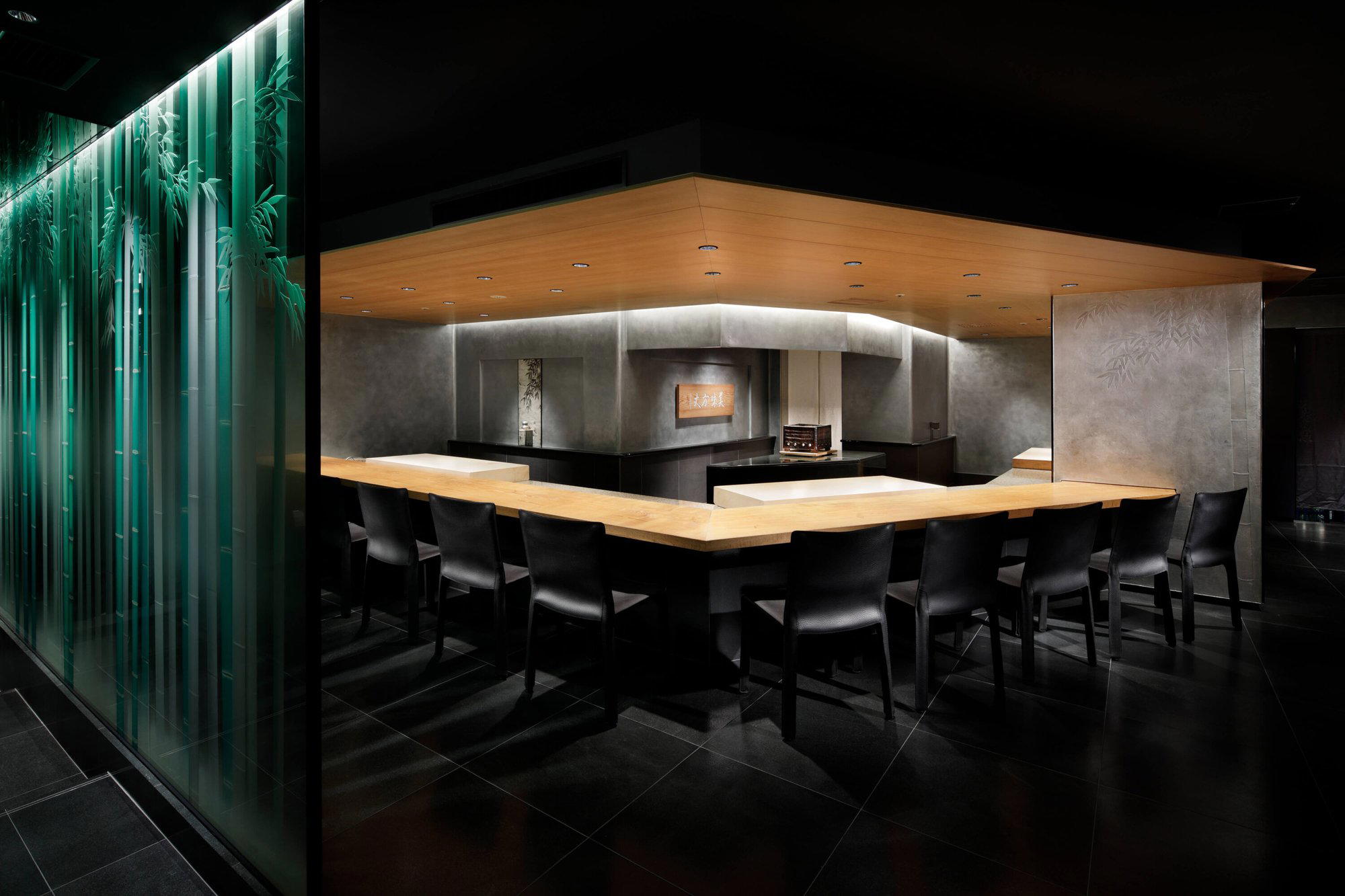
Beneath Ginza: The Basement Counter and What It Signals
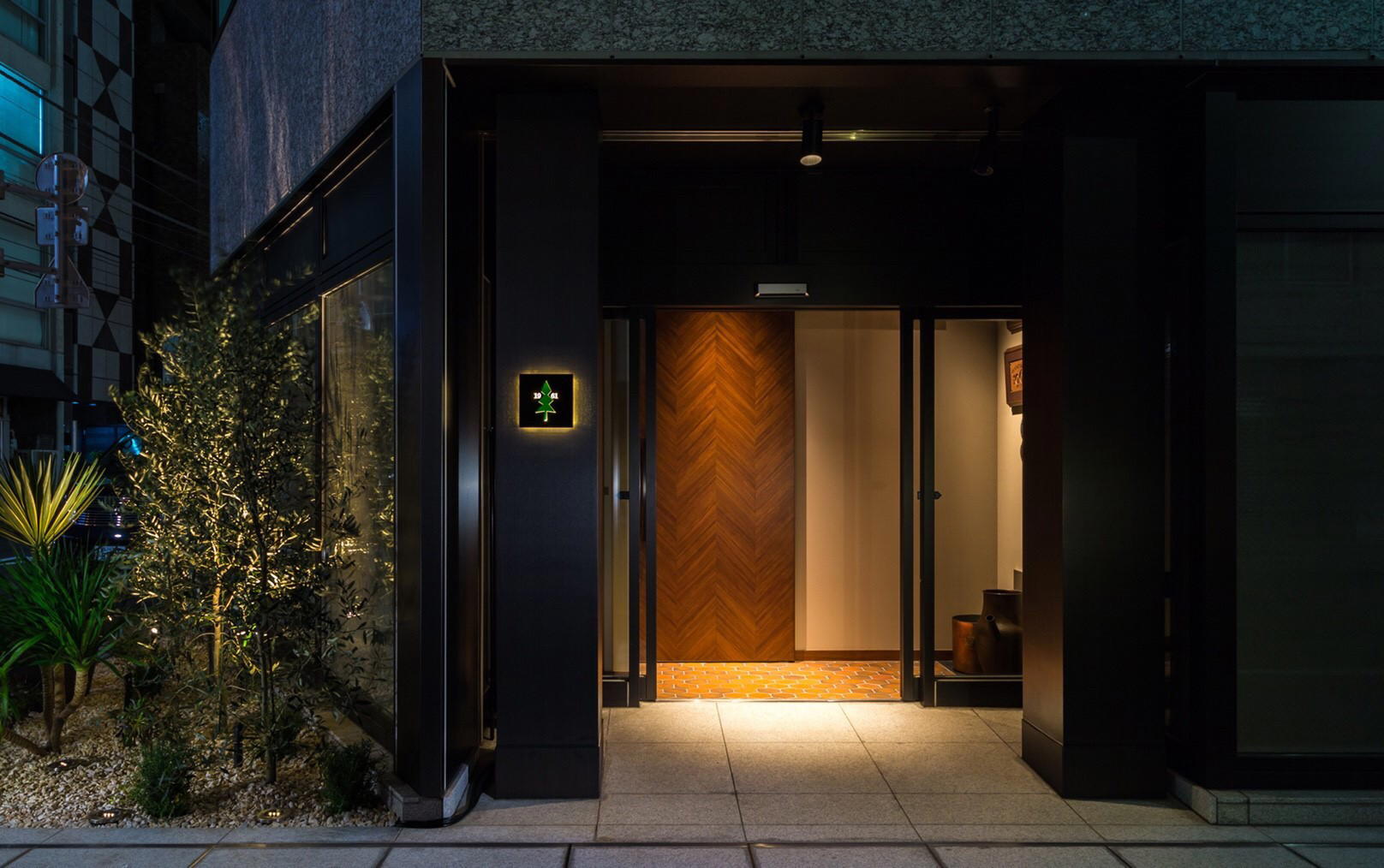
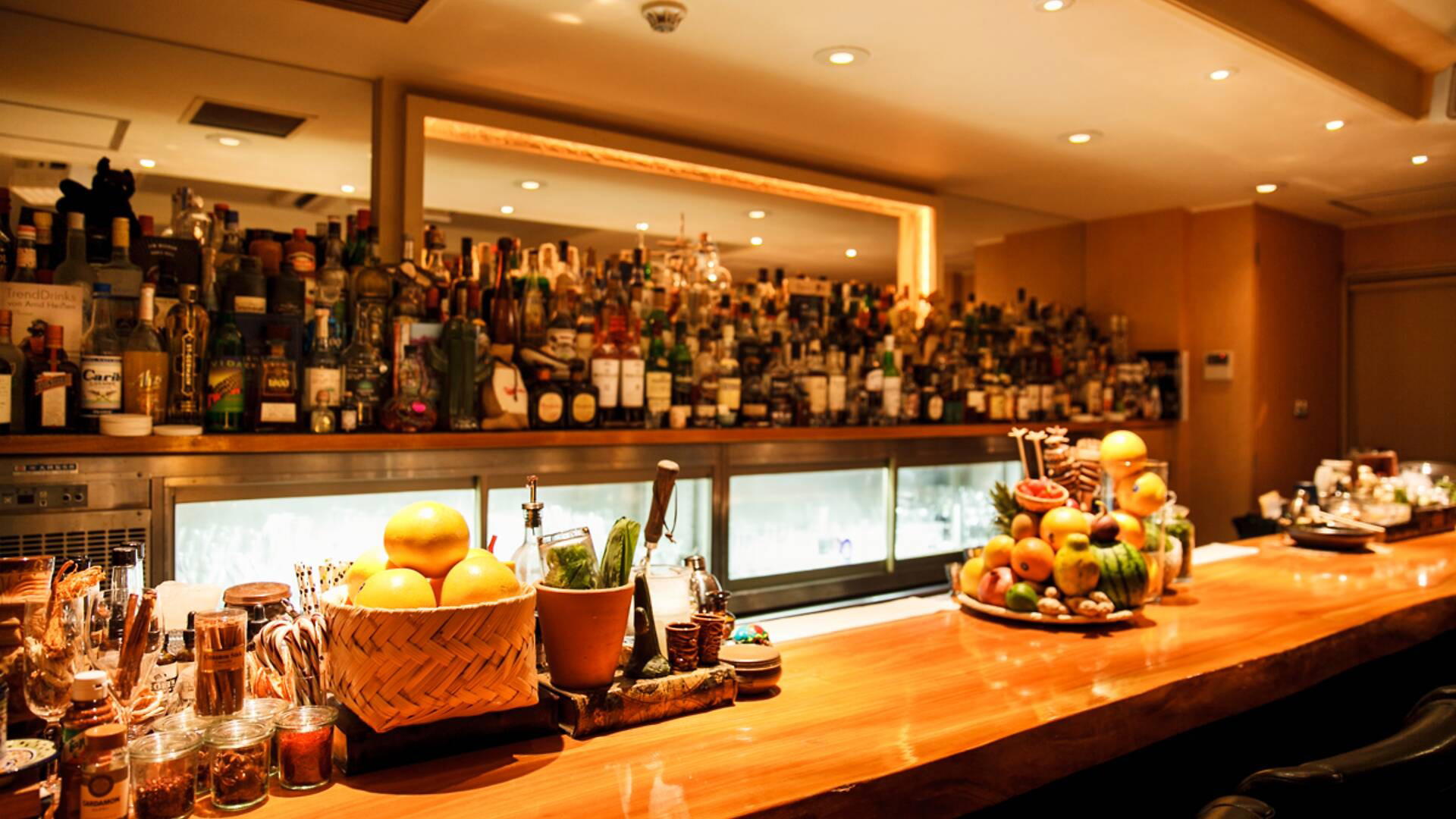
Ginza's premium dining addresses tend to announce themselves through lobbies, elevator banks, and reception staff in formal attire. The basement entry at Jewel Box Ginza on 8-chome signals something different. Going underground in this neighbourhood is rarely accidental, it is a format choice that concentrates the room, tightens the sightlines between kitchen and guest, and removes the distractions that a street-level space invites. Harutaka, the celebrated sushi counter in the same district, uses a similar spatial logic: fewer seats, closer proximity to the chef's hands, and no ambient noise from a passing street. The basement counter in Ginza has become its own sub-category of premium dining, and 銀座 kappou ukai belongs to that lineage.
The Kappou Format: Menu Architecture as the Main Event
Kappou is the structural framework that separates venues like this from kaiseki restaurants and from the broader omakase category. In kaiseki, a centuries-old sequence determines the meal's architecture, soup, hassun, yakimono, rice, and the chef works within that inherited grammar. In omakase sushi, the sequence is market-driven but the category is fixed: the meal is fish. Kappou relaxes both constraints. The chef selects techniques freely across grilling, simmering, steaming, and raw preparation, and the sequence responds to what arrived at market that morning, what the season is doing at its edges, and sometimes what the room appears to need.
This is the tradition that gives kappou its reputation for being harder to read than kaiseki but more expressive than set tasting menus. A guest at a kaiseki counter knows the shape of the meal before it begins. A guest at a serious kappou counter does not, and that uncertainty is intentional. The kitchen's editorial judgment, not a published menu, is the product being sold.
The ukai group's positioning in this format is worth noting in Tokyo's competitive landscape. The group operates multiple high-end Japanese restaurants across different sub-genres, including teppanyaki and tofu-focused kaiseki. At 銀座 kappou ukai, the format is specifically the open-counter kappou style, where the kitchen's work is visible and the pacing of courses is a live decision. This places it in a different comparable set than the group's other venues, the relevant comparisons here are other kappou counters, not teppanyaki houses or kaiseki rooms. For Tokyo's high-end Japanese dining category, the distinction matters when choosing between reservation targets. RyuGin, with three Michelin stars and a kaiseki format in nearby Roppongi, offers a useful contrast: its menu architecture is more prescribed, its ceremony more formal. Kappou's informality, relative to kaiseki, is a feature, not a compromise.
Ginza's Tier Structure and Where Kappou Sits
Tokyo's Ginza has one of the highest concentrations of high-end Japanese dining in any single neighbourhood globally. The tier structure runs from the approximately ¥30,000-per-head omakase counters up through the ¥60,000-plus rooms where kaiseki and kappou formats command premium pricing against peer-set competition rather than against casual dining. L'Effervescence and Sézanne hold down the upper tier of French fine dining in the city; the equivalent pressure point in Japanese formats runs through kaiseki rooms and the better kappou counters. 銀座 kappou ukai's Ginza 8-chome address places it in the district's dense core, where foot traffic is irrelevant and reputation and reservation availability are the actual metrics of positioning.
Across Japan more broadly, kappou counters in major cities, Osaka, Kyoto, Fukuoka, tend to operate with similar spatial logic: small rooms, counter seating, direct kitchen access. What changes by city is the seasonal ingredient emphasis. Tokyo kappou counters draw from Tsukiji and Toyosu markets with a bias toward seafood; Kyoto kappou counters lean into mountain vegetables and freshwater fish. The kappou format is the constant; the local sourcing is what inflects it regionally.
What the Open Counter Reveals About the Kitchen
The kappou counter is, among other things, an accountability structure. Dishes do not travel from a closed kitchen through a pass and into a dining room where preparation is invisible. The chef's knife work, plating decisions, and timing are on display throughout the meal. This format raises the cost of inconsistency, there is no concealment, and it also raises the information value for the guest. Watching a course constructed is part of the experience in a way that a fully closed kitchen cannot replicate.
For guests accustomed to formats like Crony's more experimental French approach in Tokyo, or the theatrics of Lazy Bear in San Francisco or the discipline of Le Bernardin in New York, the kappou counter will read as both more intimate and more technical. The kitchen's competence is not interpreted through a dish arriving at the table, it is observed directly across the counter. That changes the dynamic of the meal and is one reason serious food travellers often rank kappou counter seats among the more demanding dining formats to read and appreciate on first encounter.
Planning a Reservation
Reservations at Ginza's upper-tier Japanese counters typically require advance planning, with many counters booking one to three months ahead for weekend slots. For visitors building a Tokyo itinerary, it is worth cross-referencing the restaurant with other high-end Japanese dining options. The Ginza 8-chome location is accessible from Ginza Station on the Tokyo Metro (Ginza, Marunouchi, and Hibiya lines).
| Venue | Format | Price Tier | Neighbourhood | comparable set |
|---|---|---|---|---|
| é座 kappou ukai | Kappou counter | ¥¥¥¥ | Ginza 8-chome | Tokyo kappou |
| Harutaka | Omakase sushi | ¥¥¥¥ | Ginza | Tokyo premium sushi |
| RyuGin | Kaiseki | ¥¥¥¥ | Roppongi | Tokyo kaiseki |
| L'Effervescence | French tasting | ¥¥¥¥ | Nishi-Azabu | Tokyo French fine dining |
| Crony | Innovative French | ¥¥¥¥ | Tokyo | Tokyo innovative |
A Lean Comparison
Comparable venues nearby, for context on price, style, and recognition.
| Venue | Cuisine | Price | Notes |
|---|---|---|---|
| 銀座 kappou ukaiThis venue — the venue you are viewing | Chūō, Traditional Kappou Robatayaki | $$$$ | Not listed |
| くろぎ | Hamamatsucho, Tokyo Kappo Kaiseki | $$$$ | Not listed |
| Iwai | Chūō, Edo-Style Tempura Omakase | $$$$ | Not listed |
| Ginza Yamashina | Not listed | $$$$ | Chūō, Luxury Wagyu Yakiniku & Steak in Private Rooms |
| Ginza Chikamitsu Rokuchome | Chūō, Modern Wagyu Yakiniku | $$$$ | Not listed |
| Ginza Cobau | Chūō, Modern Yakiniku with Wagyu | $$$$ | Not listed |




At a Glance
- Elegant
- Sophisticated
- Intimate
- Classic
- Special Occasion
- Date Night
- Business Dinner
- Garden
- Open Kitchen
- Private Dining
- Sake Program
- Extensive Wine List
- Garden
Current opening hours
- Monday
- Closed
- Tuesday
- 12–3 PM, 5–9:30 PM
- Wednesday
- 12–3 PM, 5–9:30 PM
- Thursday
- 12–3 PM, 5–9:30 PM
- Friday
- 12–3 PM, 5–9:30 PM
- Saturday
- 12–3 PM, 5–9:30 PM
- Sunday
- Closed
Hours can change for holidays and private events. Last verified .
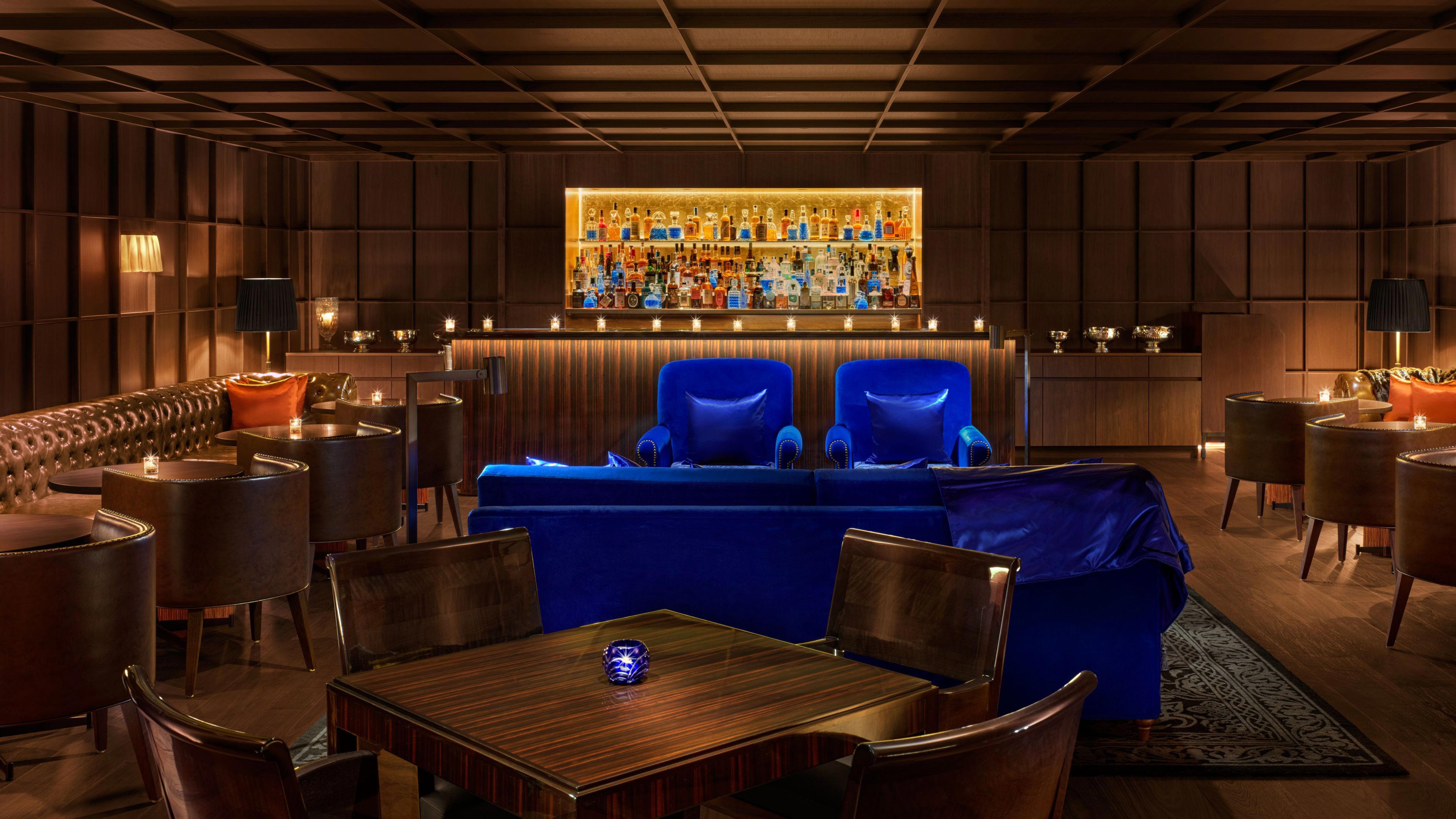
Elegant and tranquil with soft lighting, tatami rooms, and a peaceful garden atmosphere evoking classic Japanese refinement.