Our verdict
On a quiet stretch of Ginza's backstreets, Sushi Ishijima occupies the address that serious omakase devotees tend to seek out before word fully travels. The format is the meal itself: a counter progression through seasonal Edomae technique, paced to reveal rather than rush. For those mapping Tokyo's top sushi tier, it belongs in the same conversation as the neighbourhood's most closely watched counters.

Pearl is the En Primeur Club membership app, where members save venues, book tables and use the concierge.
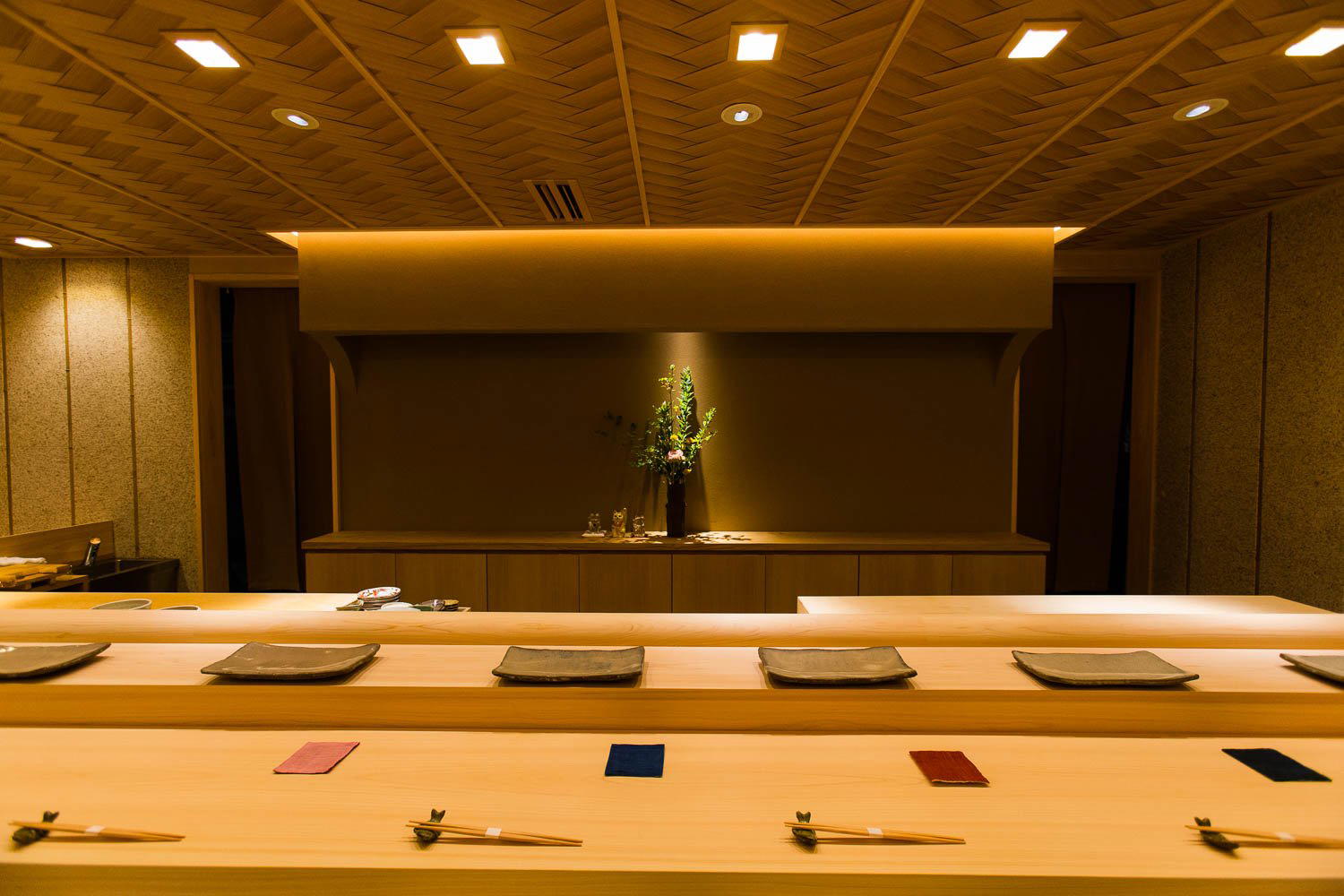
A Counter in Ginza's Upper Register
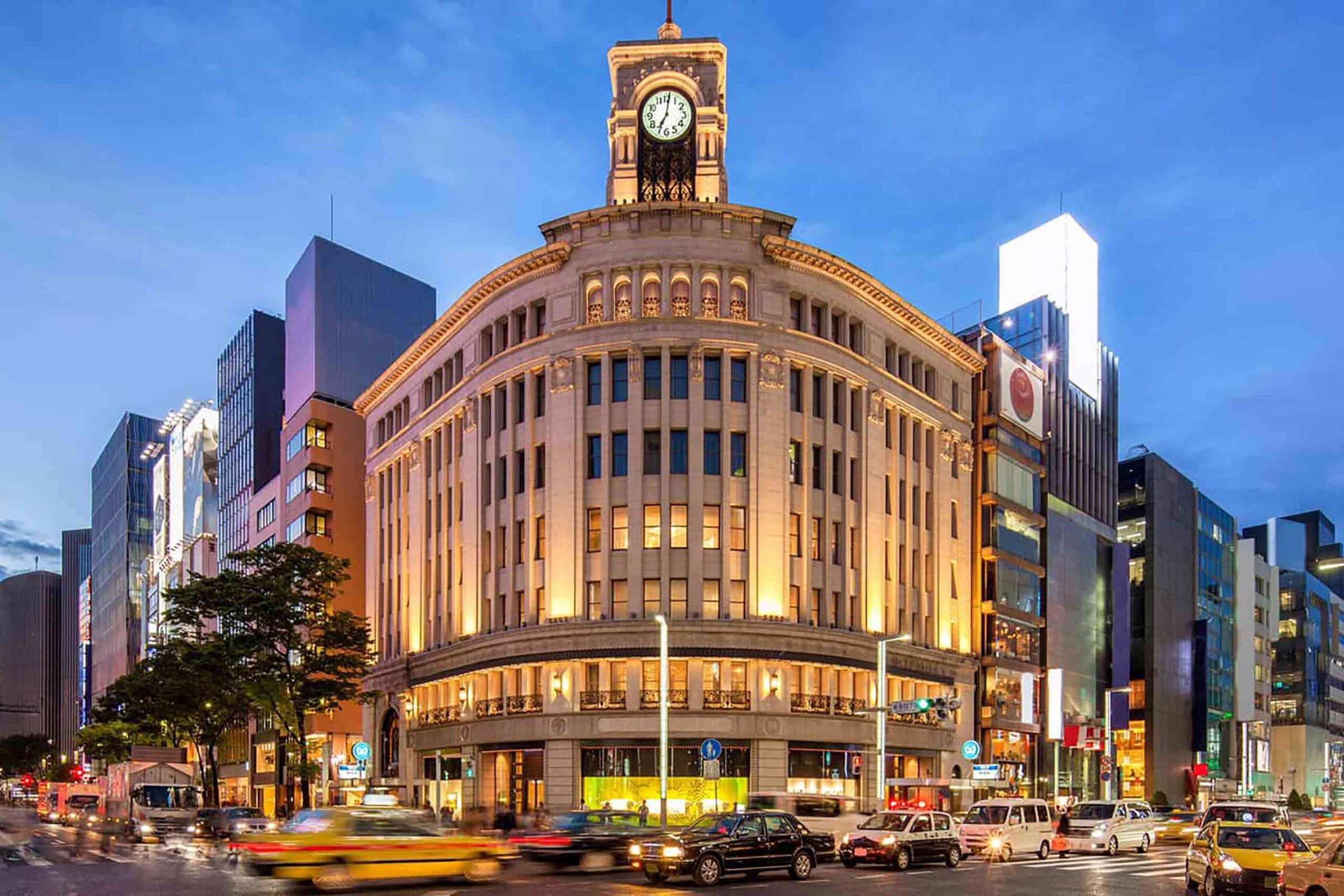
Ginza's sushi scene has reorganised itself over the past decade into something closer to a two-tier structure. At the upper end sit counters where omakase pricing reflects not just ingredient cost but scarcity of seats, depth of supplier relationships, and the compounding recognition that comes with sustained critical attention. Sushi Ishijima, at 1 Chome-24-3 in Ginza's Chuo district, occupies this upper register. The address itself carries weight: this stretch of central Tokyo has long been where the city's most serious counter dining concentrates, and the competition for attention is correspondingly intense.
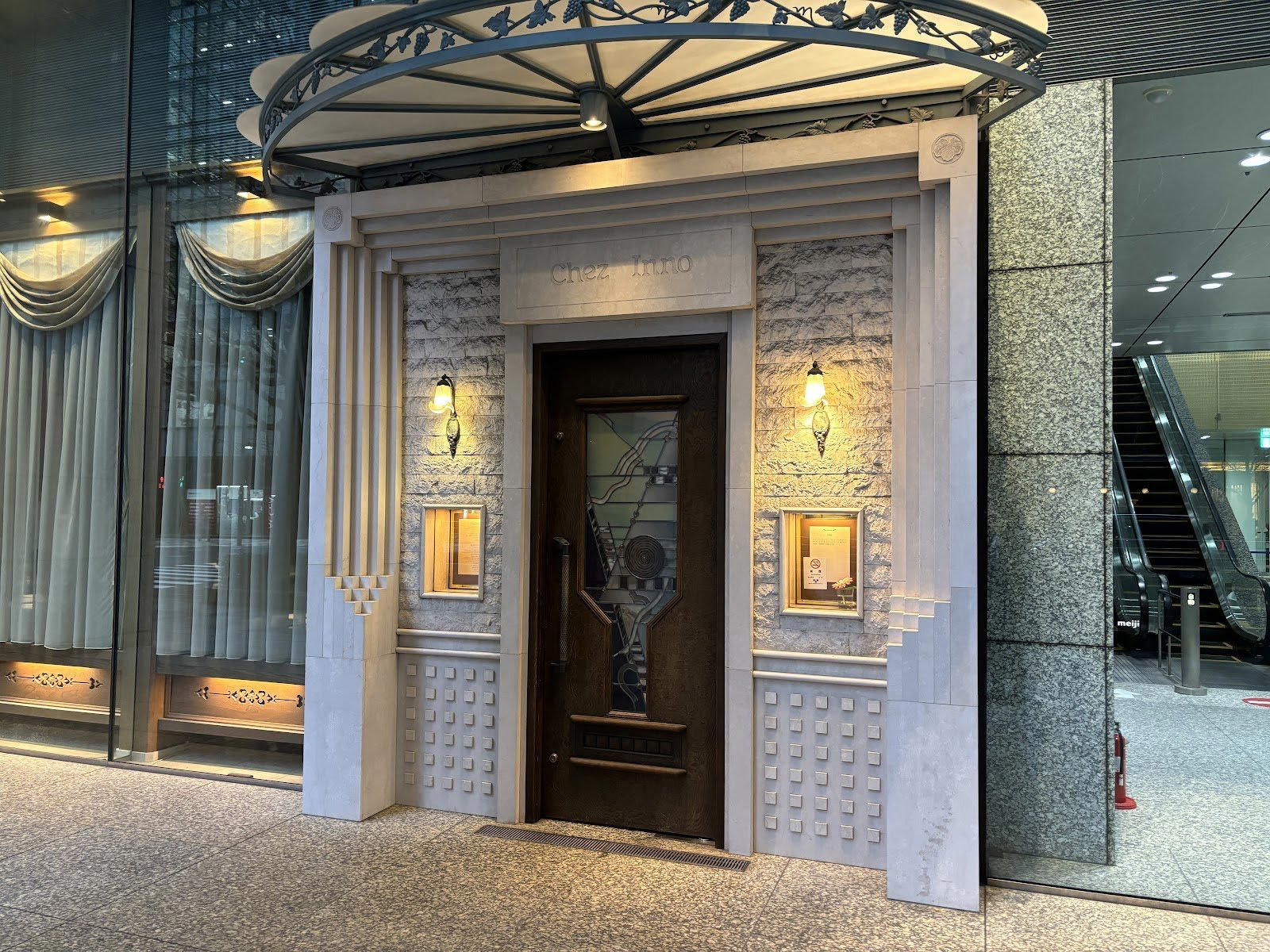
The physical approach matters at counters like this. Ginza's premium sushi houses tend toward understatement at street level, and Ishijima follows that tradition. Arriving here, the signal is restraint rather than display, which in this neighbourhood functions as its own form of confidence. Inside, the counter format that defines Edomae sushi at this level keeps the meal focused: chef and diner share the same narrow geography, and the sequencing of what arrives becomes the architecture of the evening.
The Logic of the Progression
Edomae sushi, rooted in the techniques developed along Edo-period Tokyo Bay, is less a cuisine than a system of decisions made in real time. The omakase counter format that Ginza houses like Ishijima practice is built on that logic: each piece arrives in sequence, and the progression carries its own internal narrative. The meal typically opens with lighter, more acidic preparations, moving through the counter's reading of what the season and the day's market have delivered, and building toward richer, fattier cuts before landing on the concluding rolls and tamago that close most traditional sequences.
What distinguishes the higher tier of Ginza counters from the mid-market omakase that has proliferated across Tokyo is the granularity of those decisions. Ageing protocols, rice temperature, vinegar balance, the precise moment at which a given fish peaks: these are not variables that can be standardised at scale. They are daily judgments, and at a counter operating at this level, they are the product. Comparable counters in the same neighbourhood, including Harutaka, benchmark against this same logic, with Harutaka's four-price-bracket positioning and sustained recognition placing it inside the same competitive set.
The progression at counters in this tier also tends to use the seasonal calendar as structure rather than decoration. Early spring brings different demands on the chef than late autumn, and the leading Ginza counters treat that difference as an editorial choice rather than a supply constraint. Diners who visit Ishijima at different points in the year are effectively attending different events shaped by the same underlying sensibility.
Where Ishijima Sits in Tokyo's Dining Ecology
Tokyo's fine-dining scene is often discussed as a monolith, but it operates more like a cluster of distinct traditions that rarely overlap. Sushi at this level does not compete with kaiseki in the way that French-derived formats compete with each other. RyuGin, which represents kaiseki at its most technically ambitious, and L'Effervescence, which occupies a similar bracket in French-inflected fine dining, draw from overlapping but distinct audiences. A counter like Ishijima operates in a tradition where the chef's choices about fish sourcing and rice calibration are the primary language, rather than the plating grammar or sauce architecture that French-lineage kitchens deploy.
That specialisation is not a limitation. It is precisely what makes the leading Ginza sushi counters legible to the kind of traveller who visits Tokyo to eat with intention. At this tier, you are not choosing between restaurants in the way you might in Paris or New York. You are choosing between different practitioners of the same demanding form, each working within constraints that are centuries old and still being refined. Sézanne and Crony draw their own serious crowds in Tokyo's French-lineage tier, but the audience arriving at a Ginza sushi counter tends to have made a different kind of decision about what they are there for.
For readers building a longer itinerary through Japan, the same discipline that structures Tokyo's leading counters operates differently in other cities. Gion Sasaki in Kyoto and HAJIME in Osaka each represent their city's upper bracket with their own regional logic, and Goh in Fukuoka demonstrates how fine dining adapts to a food culture built on proximity to different seafood sources. Further afield, venues like 一本木 佐川制 in Nanao, 夕刊仙之 in Sapporo, 湖畔庵 in Takashima, and 庄羽屋 in Nishikawa Machi point toward Japan's deep regional dining geography, which rewards exploration beyond the flagship cities. For Japanese-influenced cooking transposed to other contexts, Atomix in New York City demonstrates how Korean fine dining absorbs some of the same precision instincts, while Le Bernardin shows how seafood-focused cooking operates at a comparable level of seriousness in a completely different culinary grammar.
The Case for This Address Specifically
Among Ginza's concentration of serious counters, the question for any given visit is not whether the neighbourhood will deliver at this level, but which specific tradition and sensibility to commit an evening to. The Edomae framework is not infinitely flexible: it rewards repetition and familiarity from the diner's side as much as from the chef's. First-time visitors to this tier often find that the progression reveals more on a second visit, once the pacing and the logic of the sequence become familiar.
Ishijima's Ginza address places it within walking distance of the neighbourhood's other reference-level counters, which makes it possible to treat a multi-day Tokyo visit as a structured comparison across different practitioners of the same form. That kind of deliberate, sequenced approach to eating through a city is what the Ginza sushi district rewards more than almost any comparable concentration of fine dining anywhere. Readers planning that kind of trip will find the full picture in our Tokyo restaurants guide, which maps the city's dining tiers across cuisines and neighbourhoods. Regional Japanese dining beyond Tokyo is covered through venues including akordu in Nara, Birdland in Sakai, and Bistro Ange in Toyohashi, each offering a different window into how Japan's dining culture distributes itself outside the metropolitan centres.
Planning Your Visit
Reservations at Ginza's leading omakase counters are typically made weeks to months in advance, often through concierge channels or direct contact. Walk-in access at this tier is not a realistic expectation. Diners with dietary restrictions should flag them well before arrival, as omakase formats are built around fixed progressions where substitutions are difficult to accommodate at short notice. The address is 1 Chome-24-3 Ginza, Chuo City, Tokyo 104-0061, accessible from Ginza Station on multiple subway lines.
Quick reference: Sushi Ishijima, 1 Chome-24-3 Ginza, Chuo City, Tokyo 104-0061. Advance reservations required.
Frequently asked questions
What's Sushi Ishijima's location?
Sushi Ishijima is located at 1 Chome-24-3 Ginza, Chuo City, Tokyo 104-0061, Japan, Tokyo.
How does Sushi Ishijima compare to other omakase counters in Ginza?
Ginza's 1-chome concentration includes some of Tokyo's most rigorously traditional edomae counters, and Ishijima operates within that peer group rather than apart from it. The relevant comparison is not price or décor but how each counter interprets the same foundational techniques, rice temperature, neta conditioning, and sequencing, under real-time conditions. Ishijima's Ginza address (1 Chome-24-3, Chuo City) places it squarely in this circuit, making it a logical consideration for anyone working through Tokyo's serious sushi tier systematically.
What's the must-try dish at Sushi Ishijima?
Sushi Ishijima operates on the omakase format, meaning the chef determines the progression rather than the guest selecting individual pieces. In Ginza's upper-tier counters, this typically means a sequence built around edomae techniques, cured, aged, or vinegar-seasoned fish prepared to the chef's judgement on the day. There is no fixed dish to single out; the logic of the full progression is the point.
Can I walk in to Sushi Ishijima?
Walk-ins are not a realistic option at Ginza omakase counters operating at this level. Reservations at addresses in this tier are typically secured weeks to months in advance, often through hotel concierge services or direct contact. Ishijima sits at 1 Chome-24-3 Ginza, Chuo City, a corridor where demand consistently exceeds available seats.
What's the standout thing about Sushi Ishijima?
The address itself is a credential. Ginza's 1-chome block hosts some of Tokyo's most seriously regarded sushi counters, and operating in that cluster means the bar for precision and sourcing is set by immediate neighbours, not by the broader city average. Ishijima holds its position in that company through counter-format omakase rooted in classical edomae tradition.
Is Sushi Ishijima allergy-friendly?
Omakase counters in this category are structured around a fixed chef-led progression, which limits the scope for substitutions. Guests with serious allergies should communicate requirements at the time of reservation, not on arrival, counters at this level in Ginza often source specific fish days in advance, and last-minute changes to the sequence are rarely feasible.
Is Sushi Ishijima overpriced or worth every penny?
Pricing data for Sushi Ishijima is not publicly listed, which is consistent with how Ginza's top omakase counters typically operate, figures are confirmed at reservation. For context, serious edomae omakase in Ginza generally runs from ¥30,000 to ¥60,000 per person, a range that reflects sourcing costs and seat count rather than margin. Whether that represents value depends on how the execution compares to the neighbourhood's reference points.
Accolades, Compared
Comparable venues nearby, for context on price, style, and recognition.
| Venue | Cuisine | Price | Awards | Notes |
|---|---|---|---|---|
| Sushi IshijimaThis venue (the venue you are viewing) | Edomae Sushi Omakase | $50–100 | Not listed | Not listed |
| 鮨よしたけ | 3-Michelin-Star Omakase Sushi | $500+ | La Liste Top Restaurants · Tabelog Bronze #530 | Ginza |
| Motoyoshi (天ぷら 元吉) | Michelin-Starred Modern Tempura Omakase | $200–300 | Not listed | Ebisu |
| Kobikicho Tomoki | High-End Edomae Sushi Omakase | $300–500 | Tabelog 100 #51 | Chūō |
| てんぷら 小野 | Seasonal Tempura Omakase | $200–300 | Not listed | Chūō |
| Ginza Furuta | Ishikawa Regional Japanese Kaiseki | $100–150 | Michelin Plate | Chūō |
Continue exploring
More in Tokyo
Restaurants in Tokyo
All restaurants in Tokyo →

Details
- Intimate
- Elegant
- Classic
- Cozy
- Date Night
- Solo
- Special Occasion
- Chefs Counter
- Sake Program
- Omakase
- Counter Dining
- Pescatarian Friendly
Current opening hours
- Monday
- 11:30 AM–2 PM, 6–8 PM
- Tuesday
- 11:30 AM–2 PM, 6–8 PM
- Wednesday
- 11:30 AM–2 PM, 6–8 PM
- Thursday
- 11:30 AM–2 PM, 6–8 PM
- Friday
- 11:30 AM–2 PM, 6–8 PM
- Saturday
- 11:30 AM–2 PM, 6–8 PM
- Sunday
- Closed
Hours can change for holidays and private events. Hours as of .
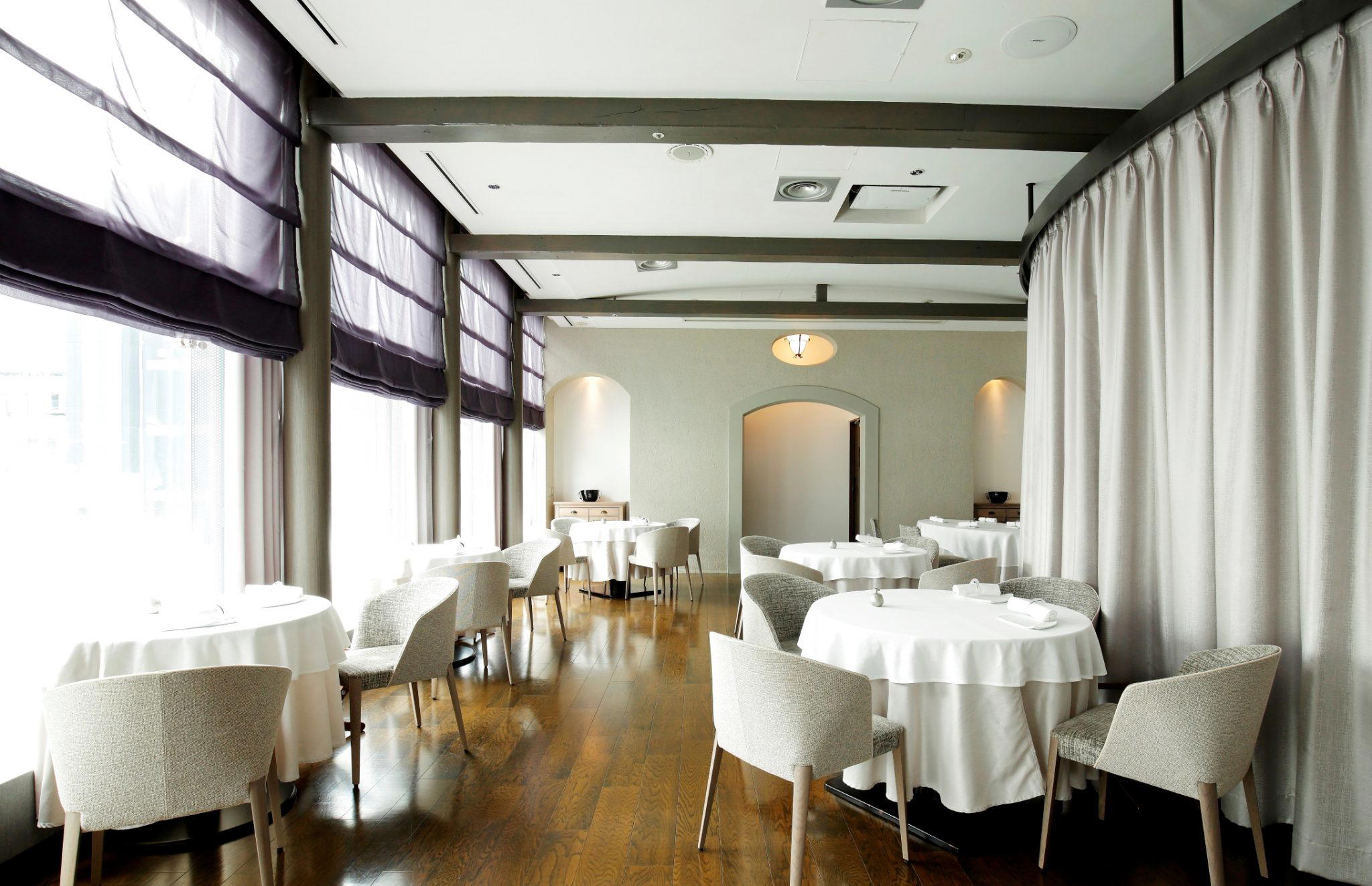
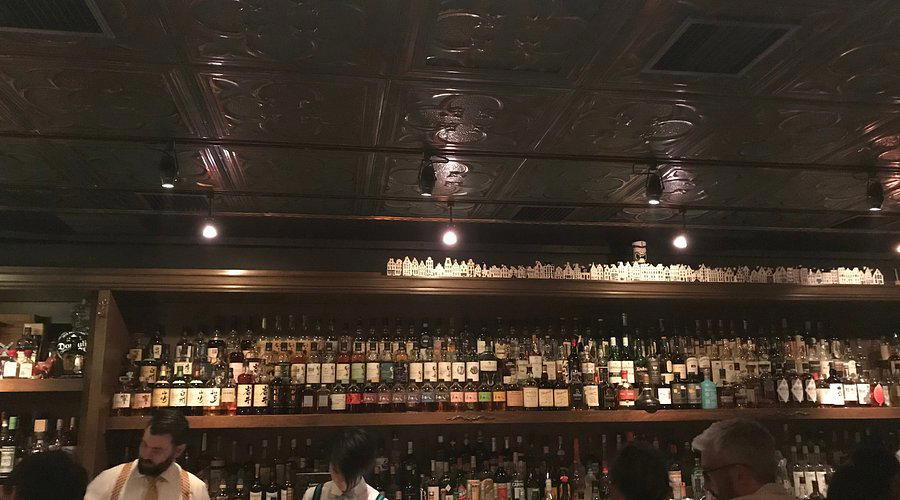
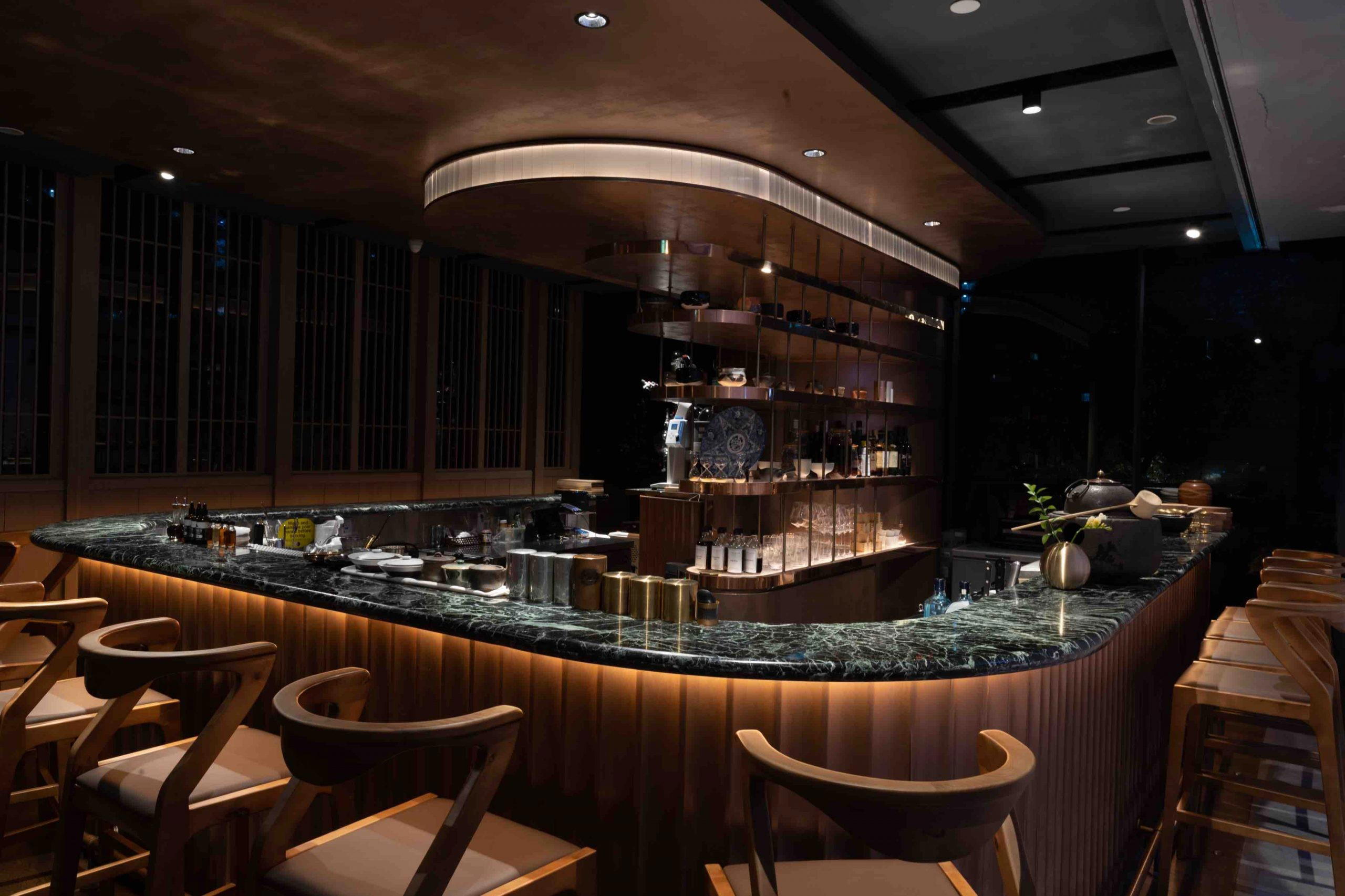
Neutral-toned dining room dominated by a wooden chef's table in an unassuming building, creating a refined and intimate atmosphere.