

Tabelog 100 #30
Our verdict
Ristorante Aso in Shibuya's Daikanyama pocket has tracked steadily up Opinionated About Dining's Japan rankings since its first listing in 2023, reaching #358 by mid-2024. Chef Taku Takashina's Italian kitchen runs a tight service window, lunch and dinner, six days a week, and draws. It occupies a specific niche in Tokyo's Italian scene: serious, neighbourhood-rooted, and consistently noticed by the lists that pay attention to that tier.

Pearl is the En Primeur Club membership app, where members save venues, book tables and use the concierge.
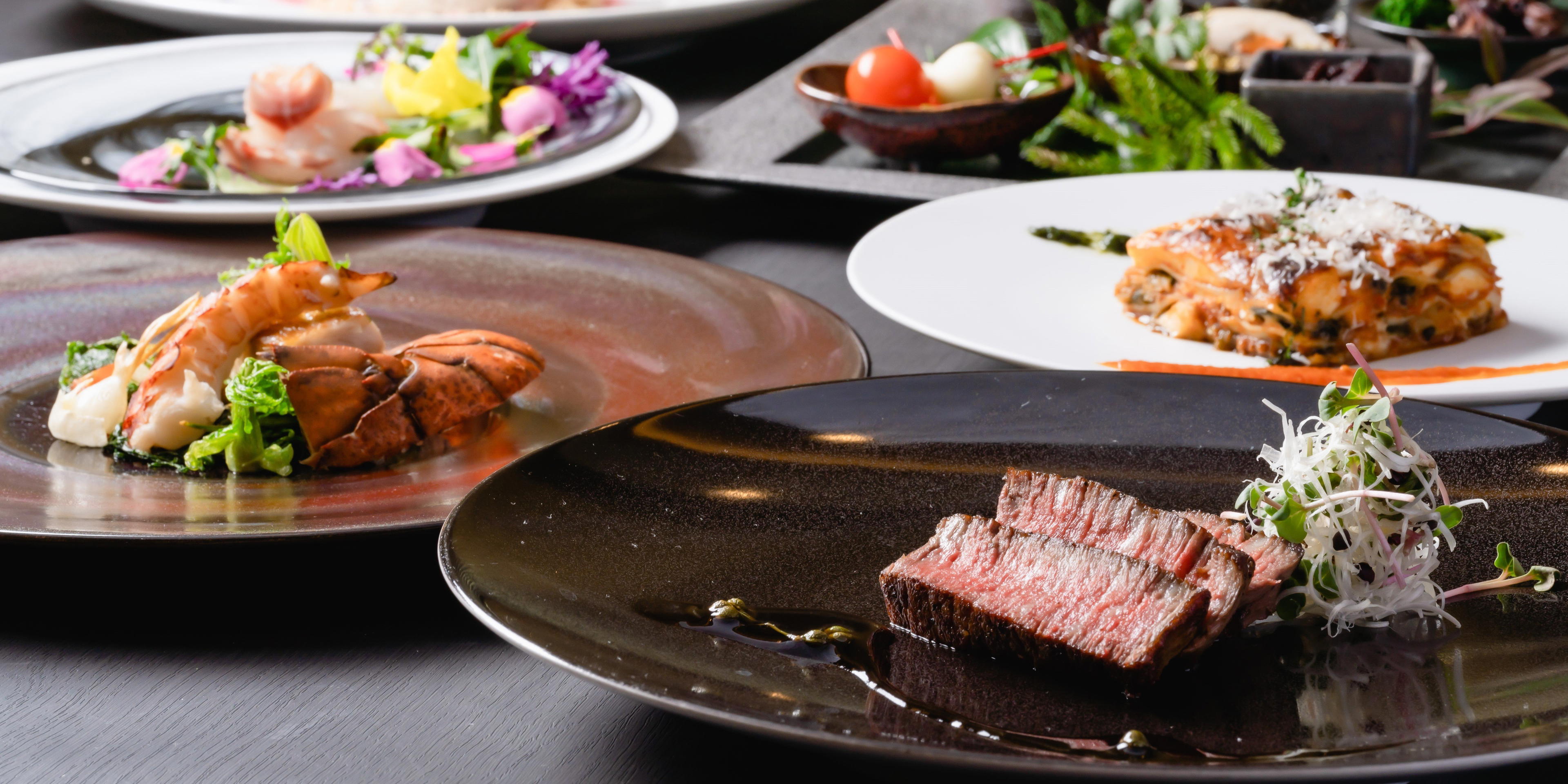
The menu
What to order
- Sea_bass_steamed_on_hot_stones
- Seafood_spaghetti
- Truffle_risotto
Italian in Tokyo: The Counter-Intuitive Tier
Tokyo's Italian restaurant scene has developed along lines that have little to do with geography and everything to do with culinary rigour. The city now sustains a cohort of Italian kitchens that operate at a level of technical seriousness comparable to their counterparts in Milan or Rome, drawing on Japanese sourcing discipline and a precision-first kitchen culture. These are not novelty crossovers. They are restaurants that have spent years earning the trust of a dining public with very high expectations and very low tolerance for imprecision. Ristorante Aso, at 29-3 Sarugakucho in Shibuya, belongs to this cohort. It has appeared on Opinionated About Dining's Japan rankings every year since 2023, moving from Recommended to Highly Recommended that same year, then into the numbered rankings at #358 in mid-2024, #424 later in 2024, and #483 in 2025. That trajectory, tracked across three consecutive years of OAD coverage, positions it inside a specific tier of Tokyo's Italian offering: serious, neighbourhood-anchored, and noticed by the surveys that track this kind of work.
The Daikanyama Context
Sarugakucho sits within the Daikanyama quarter of Shibuya, one of the few Tokyo neighbourhoods where a small-footprint restaurant can survive on a combination of local loyalty and word-of-mouth recommendation. Daikanyama has long attracted a quieter, more design-literate crowd than nearby Shibuya's commercial core. The streets are lower-rise, the retail is independent, and the restaurants that last here tend to be ones that reward regulars rather than rely on tourist traffic. An Italian restaurant in this setting is making a specific choice about its audience: it is not pitching to the expense-account circuit that sustains some of Tokyo's larger Italian operations, nor is it operating in the tourist-dense zones of Shinjuku or Roppongi. It is, in effect, a neighbourhood restaurant with the kitchen ambitions of something much larger. For context on the range of Italian dining available across the city, see our full Tokyo restaurants guide.
Menu Architecture: What the Structure Reveals
The editorial angle that matters most when reading a restaurant like Ristorante Aso is not the individual dishes but the architecture of the menu itself, and what that structure signals about the kitchen's priorities. Japanese-trained Italian chefs working at this level almost always make the same foundational decision: whether to produce a tasting menu with fixed progression, a carte format that allows guest autonomy, or a hybrid that offers both within a constrained service window. Ristorante Aso's operating hours, lunch sittings from 12 to 1:30 pm and dinner from 6 to 8 pm, six days a week with Wednesday closures, tell you something important before you have seen a single dish. A 90-minute window for each service is tight. It implies sequenced menus rather than open-ended ordering, a kitchen that controls the arc of the meal rather than responding to variable table demands. This kind of structure is common among Tokyo's Italian operators who have trained seriously in Italy and returned with the belief that pacing is as much a part of the dish as the seasoning. Chef Taku Takashina's kitchen operates within these constraints by design.
The menu architecture at restaurants of this type typically reflects a Japanese sensitivity to seasonal rhythm applied to Italian ingredients and techniques. That means the sourcing calendar drives the structure as much as the cuisine does: a spring menu built around mountain vegetables and lighter proteins gives way to autumn menus with denser, longer-cooked preparations. This is not fusion; it is a philosophical alignment between two kitchen cultures that both take seasonal sourcing seriously. For a comparison point within Tokyo's Italian scene, Aroma Fresca operates in the same tradition with a longer track record, while PRISMA and Principio represent newer entrants pushing the format in different directions. AlCeppo and Gucci Osteria da Massimo Bottura Tokyo sit in different segments of the same broad category, with the latter's brand profile placing it in a distinct competitive set.
OAD Rankings as a Calibration Tool
Opinionated About Dining's Japan list operates differently from Michelin: it is survey-driven, with votes weighted toward frequent restaurant-goers and food professionals, and it tends to surface restaurants earlier in their recognition curve than the guide system does. Ristorante Aso's progression from Recommended in 2023 to a numbered ranking by mid-2024 suggests a kitchen that was already being noticed by the survey's core voter base before broader recognition followed. For Italian at a comparable level of seriousness elsewhere in Japan, cenci in Kyoto and 8½ Otto e Mezzo Bombana in Hong Kong operate in the same tradition across different cities.
Where Ristorante Aso Sits in Tokyo's Wider Dining Map
Tokyo's high-end dining scene is frequently discussed through the lens of Japanese cuisine: the sushi counters, kaiseki progressions, and yakitori specialists that define the city's global reputation. But the Italian tier has developed its own internal hierarchy over the past two decades, and it now contains restaurants that can be assessed on their own terms rather than as curiosities within a Japanese context. Ristorante Aso belongs to the mid-to-upper level of that Italian hierarchy: not a marquee destination in the way that a three-starred operation might be, but a restaurant that the people who track this scene have consistently found worth noting. The city's broader dining context includes landmarks across cuisines, from the kaiseki tradition represented by HAJIME in Osaka and Gion Sasaki in Kyoto to the regional diversity found at Goh in Fukuoka, akordu in Nara, 1000 in Yokohama, and 6 in Okinawa. For those exploring Tokyo's hospitality scene beyond restaurants, our Tokyo hotels guide, bars guide, wineries guide, and experiences guide map the full range.
Planning Your Visit
Address: 29-3 Sarugakucho, Shibuya, Tokyo 150-0033. Hours: Monday, Tuesday, Thursday, Friday, Saturday, Sunday, lunch 12:00–1:30 pm, dinner 6:00–8:00 pm; closed Wednesday. Reservations: The tight service windows and consistent OAD recognition suggest advance booking is advisable; contact the restaurant directly as no booking platform is listed in available data. Budget: Price range data is not published, but the service format and peer-set position suggest a mid-to-upper spend for Tokyo Italian dining. Getting there: Daikanyama Station on the Tokyu Toyoko Line is the nearest rail access point for Sarugakucho.
Frequently asked questions
Can I bring kids to Ristorante Aso?
No formal family policy is published. Ristorante Aso operates structured lunch sittings of 90 minutes and dinner from 6–8 pm, a format typical of OAD-recognised Italian restaurants in Tokyo where a focused pace is expected. Families with older children comfortable in that setting are likely better placed than those with young ones. check the venue's official channels to confirm before booking.
What kind of setting is Ristorante Aso?
Ristorante Aso occupies a small-footprint position in Sarugakucho, within Daikanyama, a Shibuya quarter known for considered, neighbourhood-scale dining rather than high-traffic venues. Chef Taku Takashina runs an Italian kitchen that has climbed the Opinionated About Dining Japan list from Recommended in 2023 to #358 by late 2024, which signals a tightly run operation with a committed regular following rather than a sprawling dining room.
What distinctions does Ristorante Aso have?
Ristorante Aso has received recognition including: Opinionated About Dining Top Restaurants in Japan Ranked #483 (2025); Opinionated About Dining Top Restaurants in Japan Ranked #424 (2024); Opinionated About Dining Top Restaurants in Japan Ranked #358 (2024); Opinionated About Dining Top R….
What's the best thing to order at Ristorante Aso?
Verified menu data is not available, so specific dish calls aren't possible here. What the OAD trajectory, Recommended in 2023 to #358 in Japan by 2024, does confirm is that Chef Takashina's cooking is compelling enough to draw repeat critical attention. Italian kitchens in Tokyo at this recognition tier tend to build around seasonal Japanese ingredients interpreted through Italian technique, so the menu structure is likely to reward ordering broadly rather than selectively.
Is Ristorante Aso open every day?
Hours at Ristorante Aso: Hours: Monday 12–1:30 pm, 6–8 pm Tuesday 12–1:30 pm, 6–8 pm Wednesday Closed Thursday 12–1:30 pm, 6–8 pm Friday 12–1:30 pm, 6–8 pm Saturday 12–1:30 pm, 6–8 pm Sunday 12–1:30 pm, 6–8 pm.
Price and Recognition
| Venue | Cuisine | Price | Awards | Notes |
|---|---|---|---|---|
| Ristorante AsoThis venue (the venue you are viewing) | Modern Italian with Japanese influences | $150–200 | Tabelog 100 #30 | Not listed |
| Harutaka | Edo-Style Omakase Sushi | $200–300 | 3 Michelin Stars · World's 50 Best #76 | Sushi |
| RyuGin | Modern Kaiseki | $500+ | 3 Michelin Stars · World's 50 Best #41 | Kaiseki, Japanese |
| L'Effervescence | Modern French with Japanese Influences | $200–300 | 3 Michelin Stars · World's 50 Best #69 | French |
| HOMMAGE | Modern French with Japanese Influences | $150–200 | 2 Michelin Stars · World's 50 Best #78 | Innovtive French, French |
| MAZ | Innovative Peruvian-Japanese Fusion | $150–200 | 2 Michelin Stars · World's 50 Best #28 | Innovative |
Recognition history
Dated appearances from independent guides and award organizations, with the underlying list record or original source where available.
Opinionated About Dining Top Restaurants in Japan Recommended
Opinionated About Dining
Tabelog 100 #30 · No. 30
Tabelog · Tabelog 100 - Italian - TOKYO - 2025
Full recognition history (7 entries)
Opinionated About Dining Top Restaurants in Japan Ranked #483
Opinionated About Dining
Opinionated About Dining Top Restaurants in Japan Ranked #358
Opinionated About Dining
Opinionated About Dining Top Restaurants in Japan Ranked #424
Opinionated About Dining
Opinionated About Dining Top Restaurants in Japan Recommended
Opinionated About Dining
Opinionated About Dining Top Restaurants in Japan Highly Recommended
Opinionated About Dining
Continue exploring
More in Tokyo
Restaurants in Tokyo
All restaurants in Tokyo →


Bars in Tokyo
All bars in Tokyo →



Details
- Romantic
- Elegant
- Classic
- Intimate
- Sophisticated
- Date Night
- Business Dinner
- Special Occasion
- Garden
- Private Dining
- Historic Building
- Extensive Wine List
- Garden
- Tasting Menu
- A La Carte
Current opening hours
- Monday
- 12–3:30 PM, 6–10:30 PM
- Tuesday
- 12–3:30 PM, 6–10:30 PM
- Wednesday
- Closed
- Thursday
- 12–3:30 PM, 6–10:30 PM
- Friday
- 12–3:30 PM, 6–10:30 PM
- Saturday
- 12–3:30 PM, 6–10:30 PM
- Sunday
- 12–3:30 PM, 6–10:30 PM
Hours can change for holidays and private events. Hours as of .
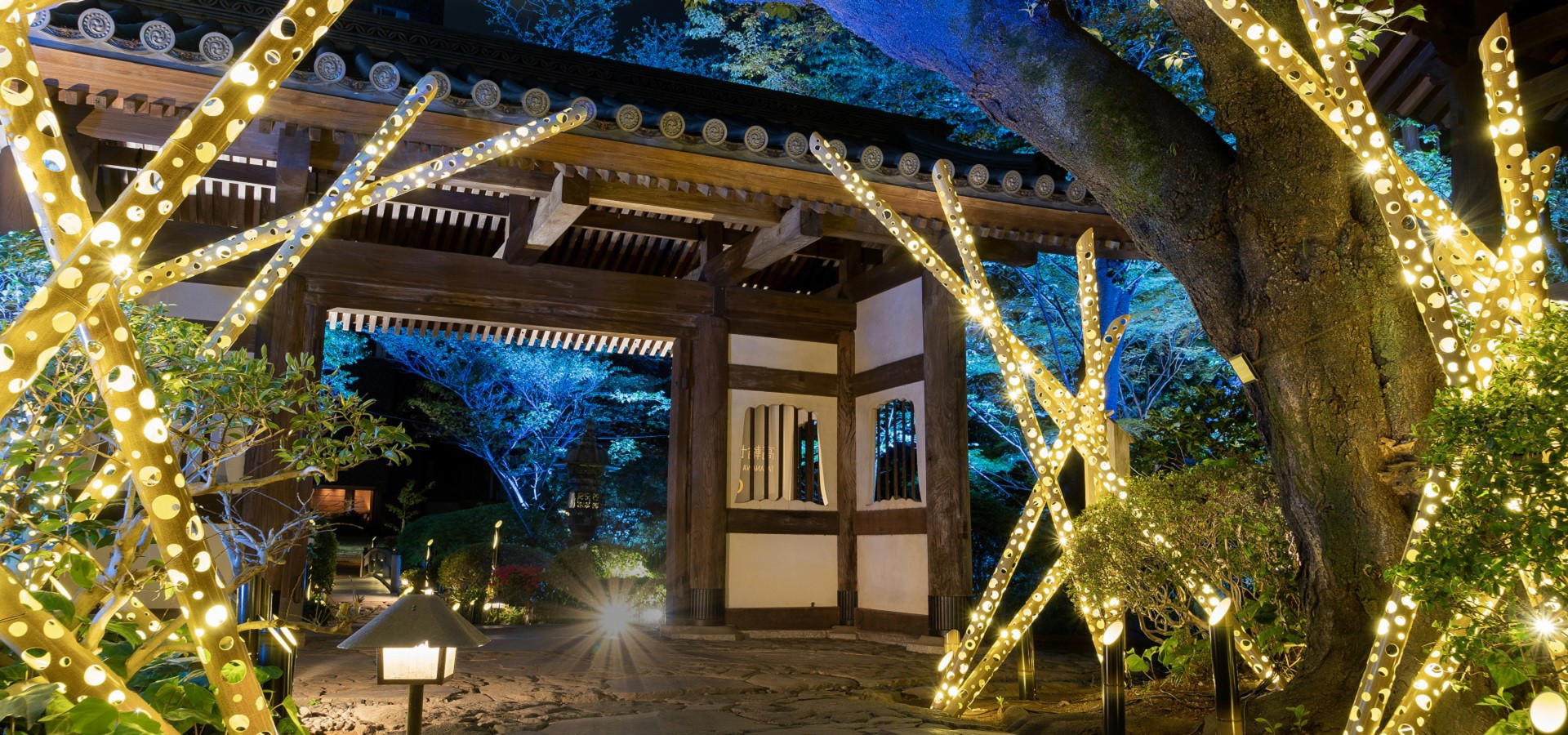
Several western-style dining rooms with wooden floors, quiet piano music, natural light, and garden views from some tables.