
Our verdict
Family Li Imperial Cuisine on Jinbao Street revives the banquet traditions of Qing Dynasty court cooking, applying techniques that predate modern restaurant culture by centuries. The kitchen has held a position on the Opinionated About Dining Asia rankings for three consecutive years through 2025. For Beijing diners interested in the roots of Chinese fine dining, this address sits in a category largely to itself.

Pearl is the En Primeur Club membership app, where members save venues, book tables and use the concierge.
The menu
What to order
- Fried Egg Custard
- Three Non-Sticks
- Deep-Fried Duck with Shrimp Paste and Sesame
- Bird's Nest Soup
- Braised Abalone
- Beijing Smoked Pork
- Sweet and Sour Ribs
Court Cuisine in a Commercial Age
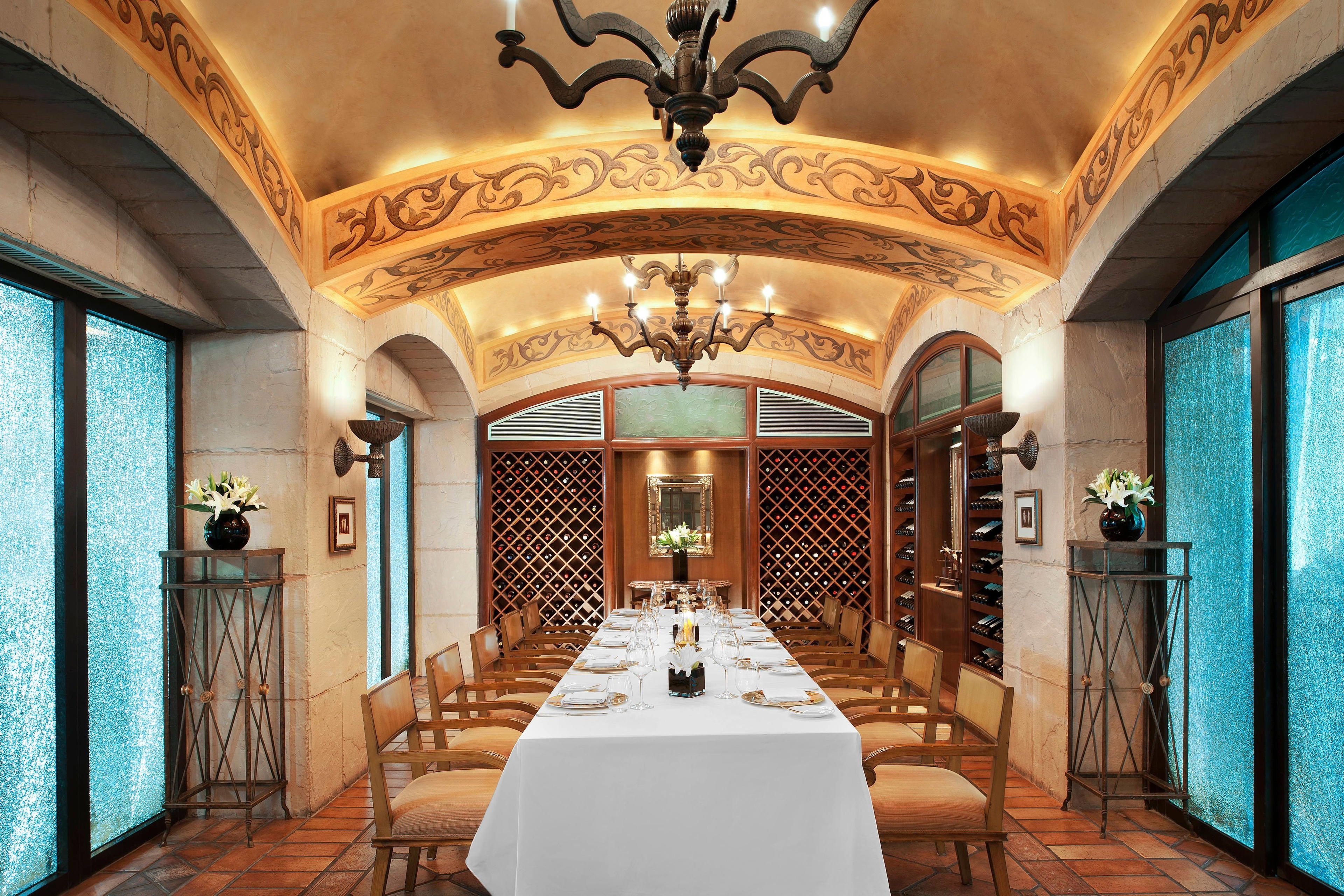
Jinbao Street in Dongcheng runs through one of Beijing's denser luxury corridors, lined with international hotels and finance towers. It is not, on face value, the obvious address for a restaurant rooted in the protocols of Qing imperial banquets. Yet that tension is part of what makes Family Li Imperial Cuisine worth understanding. The dining room carries the register of a private residence rather than a commercial operation, an aesthetic choice that reflects the origins of this style of cooking, which developed inside palace walls rather than in public kitchens, and which reached diners historically only through family networks and personal invitation.
Imperial Chinese cuisine as a category is distinct from regional Chinese fine dining in a way that matters. Where restaurants like Xin Rong Ji (Xinyuan South Road) draw their authority from a specific coastal regional tradition (Taizhou, in that case, with three Michelin stars), and where roast duck houses like Da Dong, Duck de Chine, and Liqun Roast Duck operate within a specific, well-defined dish tradition, imperial cuisine draws from the synthesis of ingredients and techniques assembled from across the empire specifically to serve the palace. That synthesis was, by design, a form of extraction: the leading produce from every region, prepared according to documented recipes, for a closed institution. Recreating it today involves a different kind of sourcing logic.
The Sustainability Argument in Historical Kitchens
There is an underexamined connection between traditional imperial cooking and what contemporary restaurants frame as ethical sourcing. Qing court cuisine operated under strict procurement hierarchies: seasonal availability, geographic provenance, and preparation method were all codified. Nothing was casual. In that sense, the structure of this style of cooking has more in common with modern ingredient-traceability programs than it does with the improvisational restaurant kitchens of the twentieth century.
Family Li's approach inherits that framework. Whether the kitchen articulates it in the vocabulary of contemporary sustainability is less important than the structural fact: cooking from documented historical recipes with fixed seasonal ingredients requires knowing where those ingredients come from and when they are available. At a time when Beijing's broader fine dining scene is grappling with supply chain transparency, a concern visible at restaurants from Made in China to the vegetarian-focused Lamdre (Michelin one star), imperial cuisine's historically codified ingredient logic offers a different kind of answer to the sourcing question: not a contemporary policy, but a structural inheritance.
Across China's broader fine dining circuit, the sourcing conversation has sharpened. Ru Yuan in Hangzhou and Xin Rong Ji in Chengdu both operate with supply chains tied to specific regional producers. 102 House in Shanghai and Chef Tam's Seasons in Macau each approach Chinese fine dining through a precision that implies equivalent sourcing discipline. Family Li operates from a different historical starting point but arrives at a comparable destination: a kitchen in which ingredient provenance is structurally embedded, not retroactively marketed.
Where It Sits in Beijing's Fine Dining Tier
Beijing's higher-end Chinese restaurant tier has consolidated around Michelin recognition and the Opinionated About Dining (OAD) Asia list in recent years. Family Li Imperial Cuisine has appeared on the OAD Asia rankings in three consecutive cycles: Highly Recommended in 2023, ranked 238th in 2024, and ranked 262nd in 2025. That trajectory, recognized, then ranked, then maintaining a ranked position, places it in the same reference conversation as Xin Rong Ji and Jingji (Michelin two stars, Beijing cuisine) without sharing their precise Michelin footprint.
The OAD methodology is critic and industry-vote driven, which means a sustained ranking signals that food professionals with comparative reference points across Asia consider this kitchen relevant. The movement from Highly Recommended to ranked, and the maintenance of that rank, is a meaningful signal rather than a one-cycle anomaly. It positions Family Li in a different competitive set than the broader Dongcheng restaurant market, closer to the specialist fine dining tier than to the general upscale Chinese restaurant category.
For international reference, the level of technique and historical depth in imperial cuisine has attracted attention beyond the China market. Restaurant Tim Raue in Berlin and Mister Jiu's in San Francisco represent how Chinese culinary traditions travel and transform in diaspora contexts. Family Li operates at the opposite end of that spectrum: a kitchen working from source material in its place of origin, with the institutional memory that comes with that proximity.
Within China's fine dining geography, imperial Beijing cuisine occupies a narrow niche. The dominant force in Chinese fine dining recognition has, over the past decade, leaned toward Cantonese and regional coastal traditions. Imperial Treasure Fine Chinese Cuisine in Guangzhou and Dai Yuet Heen in Nanjing illustrate how the premium Chinese dining tier has expanded geographically while remaining largely anchored in Cantonese technique at its upper end. Imperial Beijing cuisine as practiced at Family Li represents a counter-current: northern, historically specific, and drawing from a culinary archive rather than from the dominant contemporary fine dining language.
That specificity is what gives the restaurant its standing in the OAD rankings. In a field where differentiation is difficult and most fine dining restaurants compete on execution refinement, a kitchen working from a documented historical repertoire carries a form of authority that cannot be replicated by technical ambition alone.
Planning Your Visit
Family Li Imperial Cuisine is located on Jinbao Street in Dongcheng, accessible from multiple metro lines serving central Beijing. The residential-scale setting means capacity is limited, and advance booking through direct contact with the restaurant is the practical approach for groups and first-time visitors. Given the kitchen's position in the OAD rankings and the specialist nature of the format, demand from both domestic and international diners is consistent. Visiting Beijing for fine dining more broadly? Our full Beijing restaurants guide covers the range of the city's table, and our full Beijing hotels guide will help with base camp. For the full picture on nightlife and cultural programming, our Beijing bars guide, wineries guide, and experiences guide complete the picture.
What to Order at Family Li Imperial Cuisine
The menu at Family Li is built around the documented recipes of Qing court cooking rather than a chef's seasonal improvisation, which means the dishes that have drawn OAD recognition over three consecutive years are the same dishes that define the kitchen's identity. Given the absence of publicly available menu specifics, the practical guidance is structural: the format is set-menu or pre-arranged, not à la carte in the conventional sense, and the most direct way to experience the range of the imperial repertoire is to take the full sequence rather than editing it. The menu is best understood as a single coherent argument rather than a collection of individually orderable dishes. Ask the kitchen to guide the selection according to seasonal availability: the ingredient logic of this style of cooking makes timing a genuine variable, not a marketing point.
Frequently asked questions
Is Family Li Imperial Cuisine chef-led?
The restaurant cooks from the Li family's documented Qing court recipes. We do not list a named head chef for this branch.
What should I order at Family Li Imperial Cuisine?
The menu draws directly from documented Qing court recipes rather than a chef's seasonal improvisation, which means the dishes with the longest standing in that canon are the ones to seek out. Family Li has held a position on the Opinionated About Dining Asia list every year from 2023 through 2025, suggesting the kitchen's consistency with its core repertoire rather than any rotating concept. Ask staff which preparations are most representative of Li Shanlin's original family archive, as that lineage is the restaurant's defining credential.
How do I find Family Li Imperial Cuisine?
Family Li Imperial Cuisine is located at China, Beijing, Dongcheng, 金宝街, Beijing.
What awards or recognition does Family Li Imperial Cuisine have?
Family Li Imperial Cuisine has received recognition including: Opinionated About Dining Top Restaurants in Asia Ranked #262 (2025); Opinionated About Dining Top Restaurants in Asia Ranked #238 (2024); Opinionated About Dining Top Restaurants in Asia Highly Recommended (2023).
| Venue | Cuisine | Price | Awards | Notes |
|---|---|---|---|---|
| Family Li Imperial CuisineThis venue (the venue you are viewing) | Imperial Qing Dynasty Court Cuisine | $150–200 | Not listed | Not listed |
| Jing | Modern French with Asian Influences | $300–500 | 1 Michelin Star · Black Pearl 1 Diamond | French Contemporary |
| Xin Rong Ji (Xinyuan South Road) | Taizhou Chinese Fine Dining | $300–500 | 3 Michelin Stars · World's 50 Best #84 | Taizhou |
| Chao Shang Chao (Chaoyang) | Modern Teochew (Chaoshan) Fine Dining | $200–300 | Michelin Plate · La Liste Top Restaurants | Chao Zhou |
| Lamdre | Modern Plant-Based Chinese Vegetarian | Not listed | 2 Michelin Stars · World's 50 Best #17 | Vegetarian |
| Jingji | Imperial Beijing Royal Cuisine | $200–300 | 2 Michelin Stars · La Liste Top Restaurants | Beijing Cuisine |
Recognition history
Dated appearances from independent guides and award organizations, with the underlying list record or original source where available.
Opinionated About Dining Top Restaurants in Asia Ranked #262
Opinionated About Dining
Full recognition history (3 entries)
Opinionated About Dining Top Restaurants in Asia Ranked #238
Opinionated About Dining
Opinionated About Dining Top Restaurants in Asia Highly Recommended
Opinionated About Dining
Continue exploring
More in Beijing
Restaurants in Beijing
All restaurants in Beijing →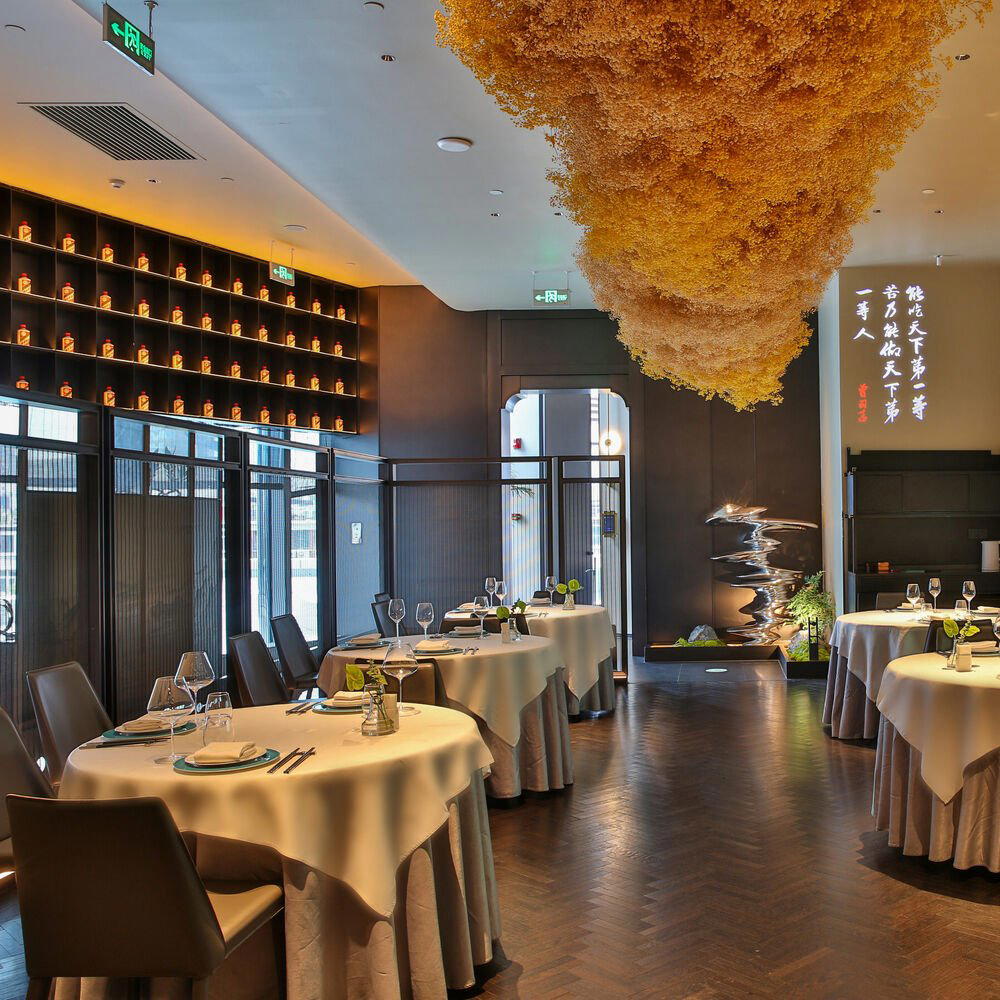
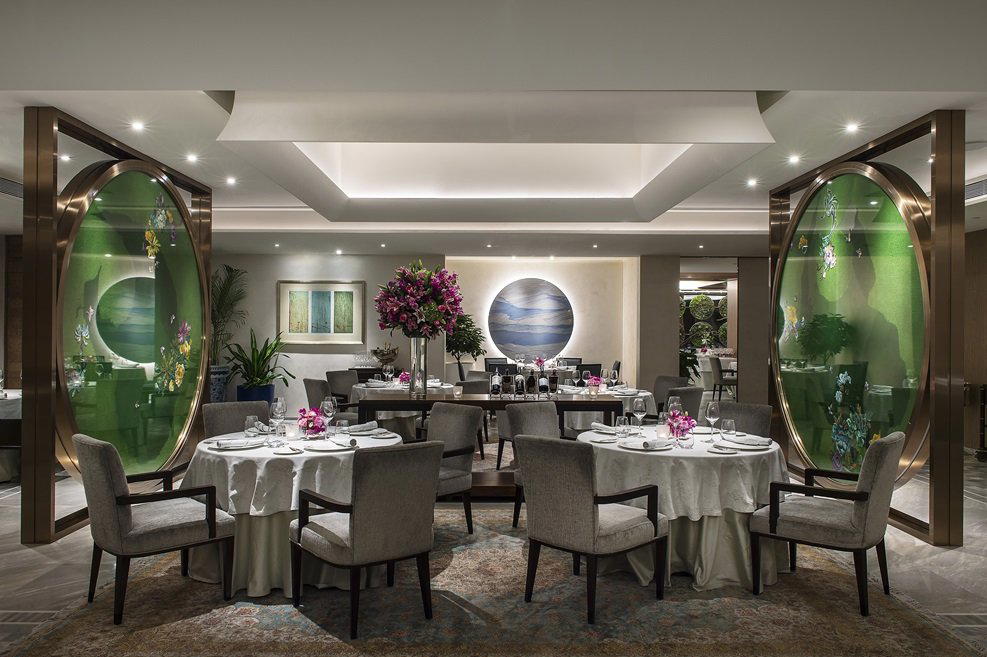
Bars in Beijing
All bars in Beijing →


Details
- Elegant
- Intimate
- Classic
- Ornate
- Sophisticated
- Special Occasion
- Celebration
- Business Dinner
- Private Event
- Private Dining
- Historic Building
- Courtyard
- Extensive Wine List
- Organic
- Local Sourcing
- Set Menu
- Tasting Menu
- Family Style
- Wine
Current opening hours
- Monday
- 10 AM–10 PM
- Tuesday
- 10 AM–10 PM
- Wednesday
- 10 AM–10 PM
- Thursday
- 10 AM–10 PM
- Friday
- 10 AM–10 PM
- Saturday
- 10 AM–10 PM
- Sunday
- 10 AM–10 PM
Hours can change for holidays and private events. Hours as of .
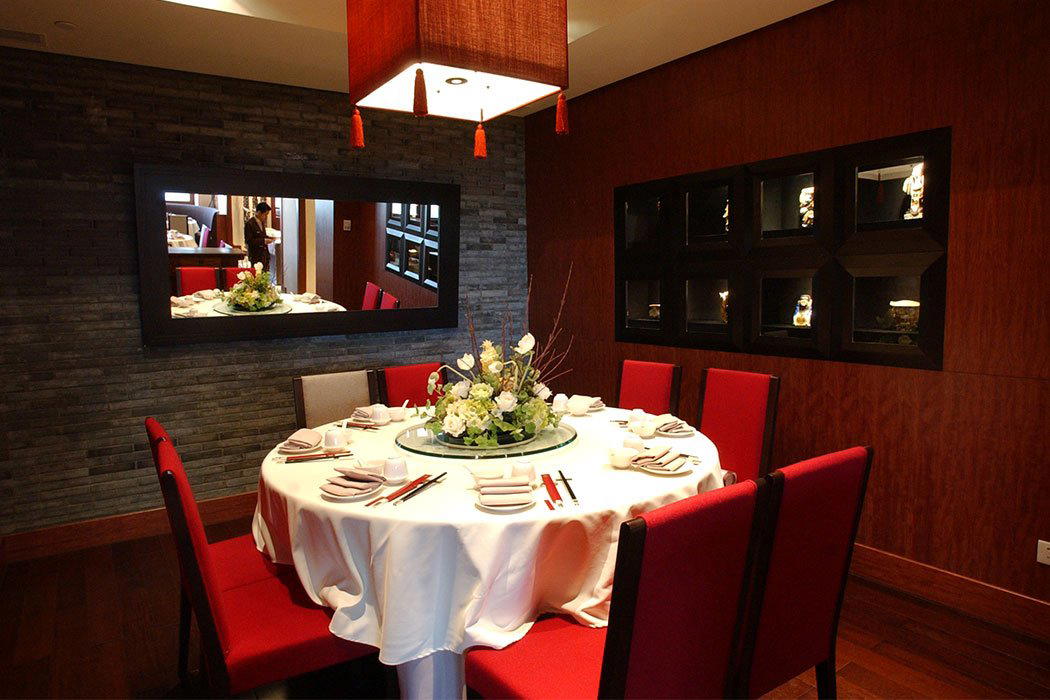
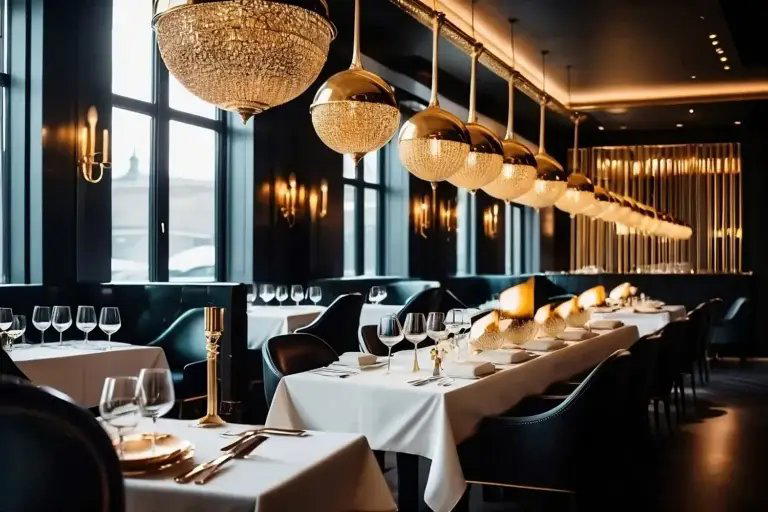
Dark, intimate private rooms with traditional Chinese elements and eighties-style marble; home-like setting with minimal modern décor; dim lighting creates an understated, exclusive atmosphere focused on culinary heritage over visual spectacle.