
Gastro Esthetics at DaDong(Beijing Nanxincang Branch) belongs to Beijing’s polished Chinese dining tier, where ingredient selection and presentation carry as much weight as technique. Its Black Pearl Restaurant Guide 2026 two-diamond recognition places it in a serious domestic awards bracket, useful for travellers weighing Beijing’s formal dining rooms against more casual roast-duck and regional restaurants.

Pearl is the En Primeur Club membership app — saves, bookings, and concierge access live there. Same editors, same standards.
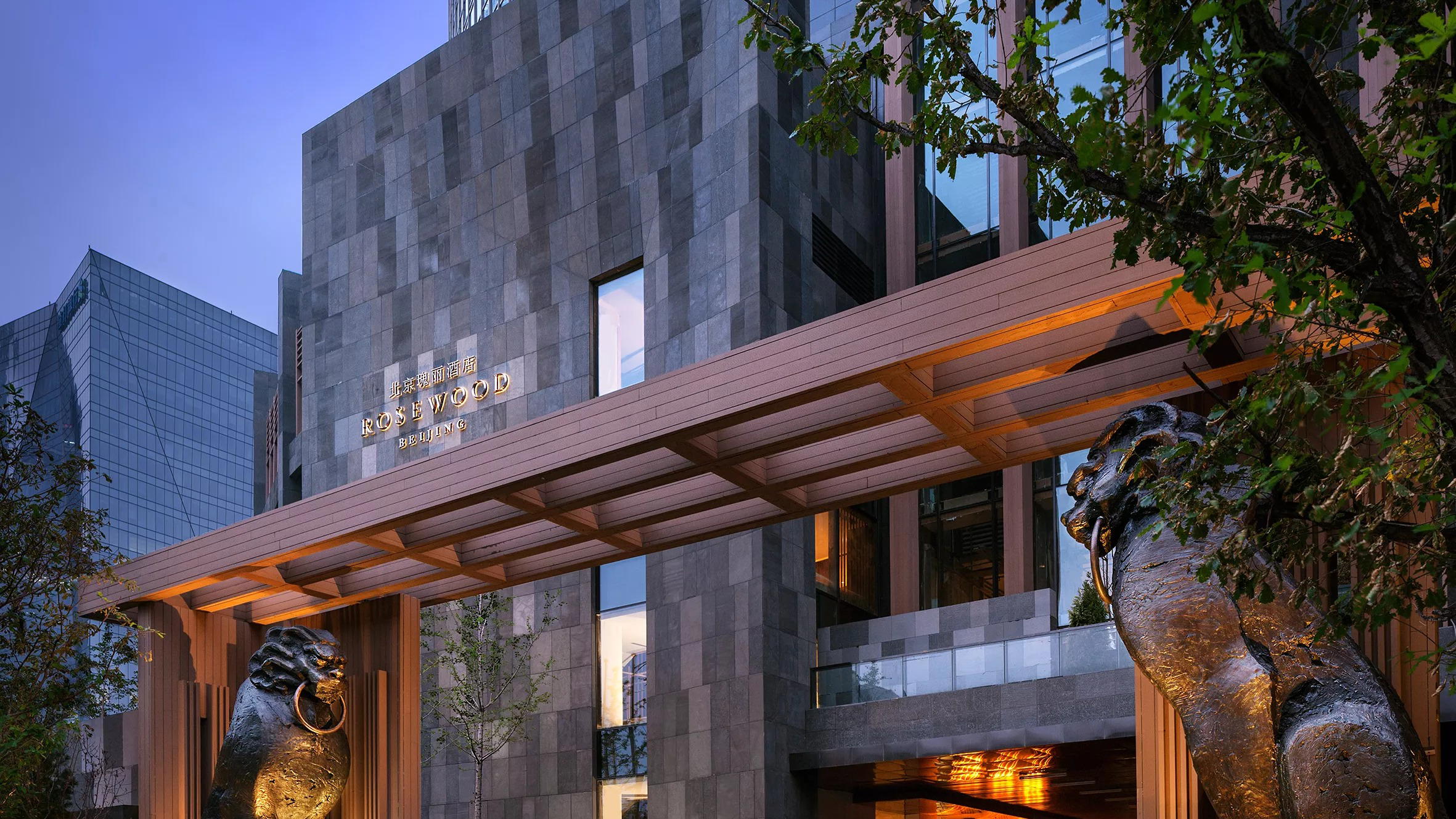
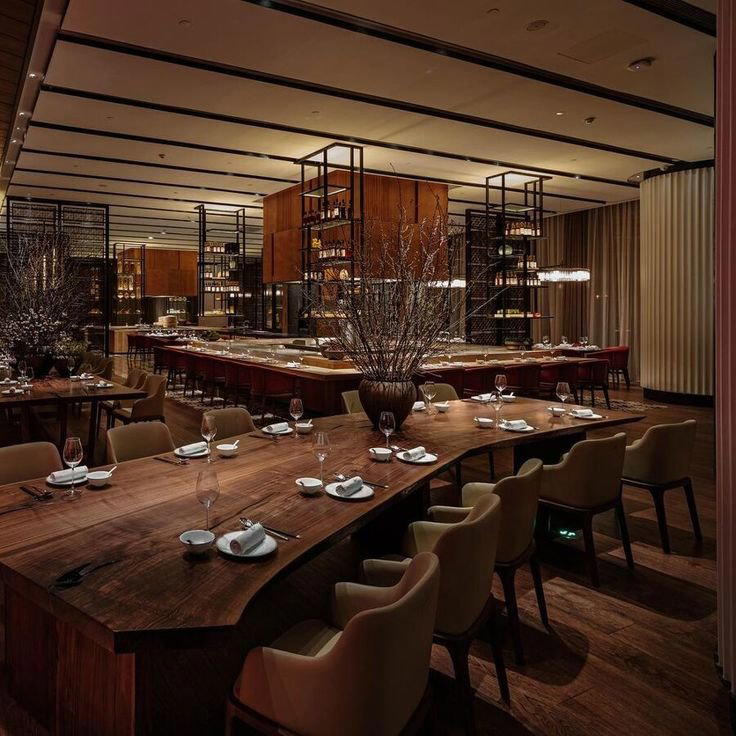
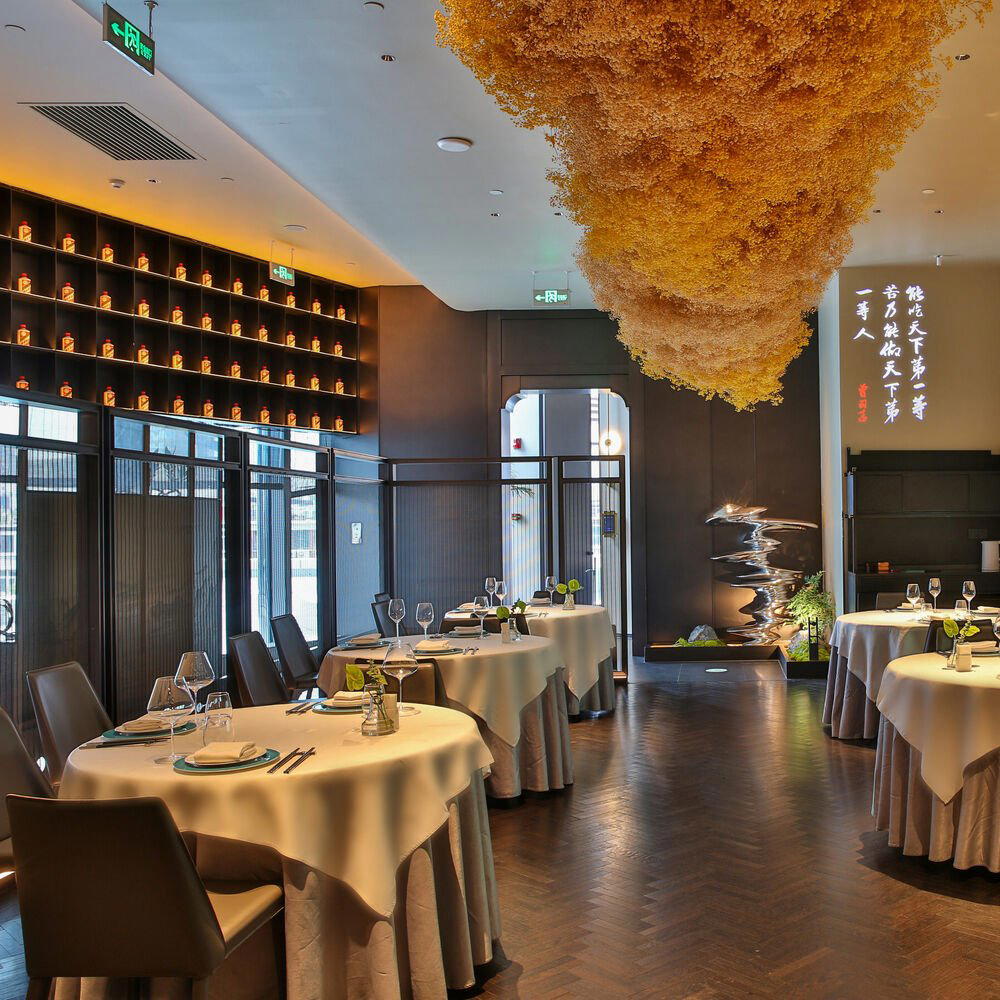
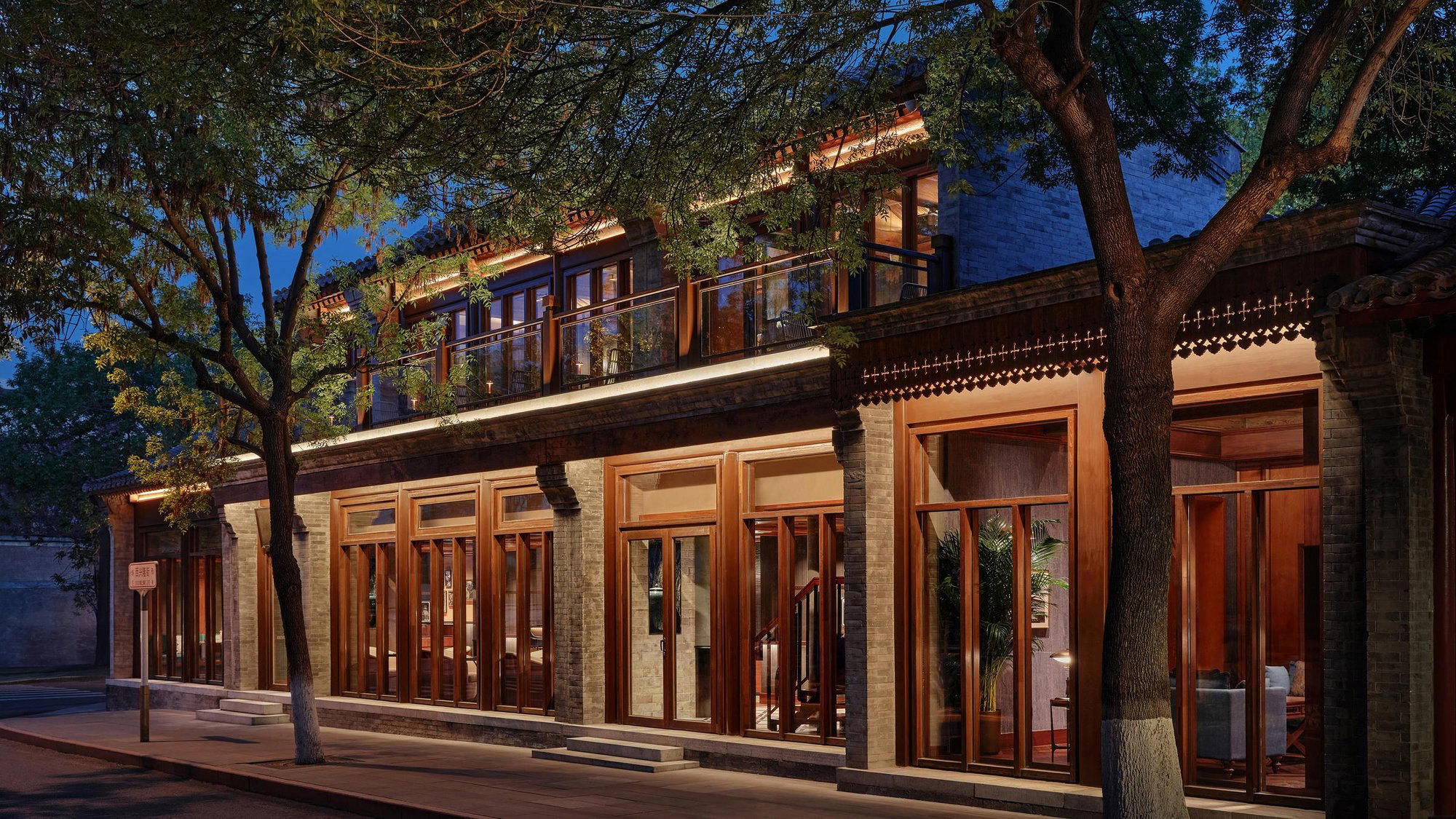
Nanxincang gives the arrival a distinctly Beijing frame: old granary architecture, heavy masonry, and the sense of a capital city that keeps folding imperial-era material into contemporary dining. In that setting, Gastro Esthetics at DaDong(Beijing Nanxincang Branch) reads less as a simple restaurant choice than as a statement about where high-end Chinese dining in Beijing has moved: away from banquet excess alone and toward controlled sourcing, presentation discipline, and a room built for guests who notice both.
The useful context is the Black Restaurant Guide 2026 two-diamond designation. In China’s domestic fine-dining conversation, Black carries particular weight because it assesses restaurants within local expectations of service, Chinese regional cooking, and luxury dining culture rather than through a purely imported template. A two-diamond listing signals a restaurant operating above the city’s broad premium tier, but not merely because it is formal. It points to consistency, ingredient quality, and an experience calibrated for diners who already understand Beijing’s better-known dining categories.
Beijing fine dining is increasingly a sourcing argument
Beijing has always been a city where ingredient hierarchies matter. The capital’s formal tables have long prized seasonality, provenance, and texture, from northern wheat traditions to banquet seafood, dry-aged meats, river fish, and the exacting standards around poultry skin and fat. Contemporary luxury Chinese restaurants now make that hierarchy more visible. The question is not only what appears on the plate, but how clearly the kitchen can justify the choice of product, the restraint of the cooking, and the pacing of the meal.
That is the lens through which this branch makes sense. The “Gastro Esthetics” framing sits inside a wider shift in Chinese fine dining: dishes are expected to carry visual control without losing regional identity. For travellers, this matters because Beijing can be misread as a city of single-dish pilgrimages. The stronger rooms operate differently. They treat sourcing as structure, not decoration: produce, seafood, poultry, grain, tea, and condiments become the grammar of the meal rather than supporting detail.
There is also a useful contrast between domestic recognition and international shorthand. Michelin stars often dominate travel planning in other capitals, but in mainland China the Black system is a practical marker for restaurants built around Chinese dining codes: private-room culture, pacing across multiple courses, service choreography, and the importance of ingredient status. A two-diamond address in Beijing should be read within that context, especially by visitors used to European tasting-menu logic.
The room belongs to the capital's polished Chinese dining tier
The Nanxincang setting helps place the restaurant in Beijing’s upper dining map. This is not the hutong snack version of the city, nor the hotel dining room as neutral international stage. It sits closer to the capital’s formal Chinese tradition, where architecture, hosting, and product selection contribute to the meal’s authority. The appeal is strongest for diners who want a Beijing dinner with ceremony but without turning the evening into a museum piece.
For families, business hosts, and visitors arranging a serious meal in the city, the decision turns on expectations. A Black two-diamond restaurant is better suited to diners comfortable with a polished service rhythm and a higher-spend environment than to a casual drop-in meal between sightseeing stops. Beijing rewards advance planning at this level, particularly when a restaurant has domestic awards recognition and sits in a destination complex rather than a purely neighbourhood setting.
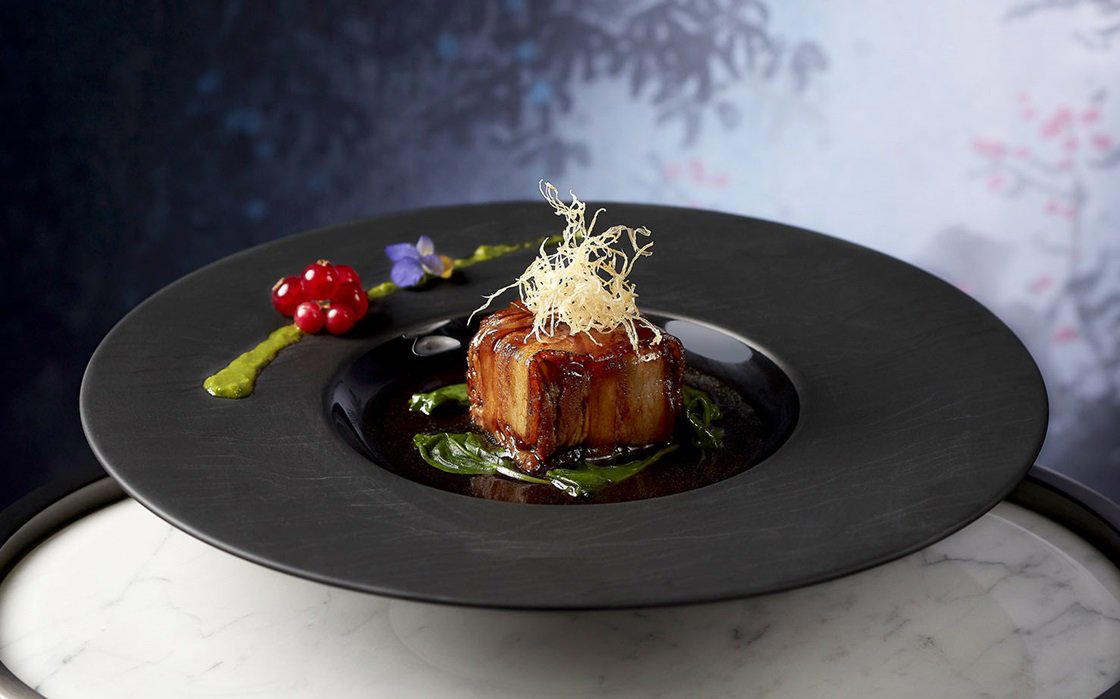
The better way to approach the menu is by category rather than by hunting for a single named dish. Look for how the kitchen handles premium ingredients, how it sequences richer and lighter courses, and whether visual composition clarifies the cooking rather than distracting from it. In Beijing’s current fine-dining culture, that balance is where serious restaurants separate themselves from expensive rooms with little point of view.
How to use it in a Beijing itinerary
Gastro Esthetics at DaDong(Beijing Nanxincang Branch) fits a trip when the brief is a formal Chinese meal with contemporary polish and domestic awards validation. It is less useful as a quick introduction to everyday Beijing eating. Travellers building a broader food itinerary should pair a dinner here with more casual and historically rooted meals elsewhere in the city, then use the contrast to understand how broad Beijing dining has become.
For wider planning, EP Club’s city pages are the cleaner starting point: our full Beijing restaurants guide, our full Beijing hotels guide, our full Beijing bars guide, our full Beijing wineries guide, and our full Beijing experiences guide. For other Beijing dining references, see 1949 - Duck de Chine, 1949 The Hidden City (Beijing cuisine), 1949-å ¨é¸å£, Amico BJ (European Contemporary), and Aroma. For cross-city context in China, the archive also includes #8 in Chengdu, 100 Century Avenue Cantonese in Shanghai, 167 Shan Hai Li in Fuzhou, 1913 in Hangzhou, 1927 Dong Yuan Si Chu in Xiamen, and 1980烧肉粽 in 厦门市. For a broader Asian and Asian-influenced dining thread beyond China, see Jōdo Saké Bar in Los Angeles and Onigiri Time in Pasadena.
The editorial read is clear: choose this restaurant for Beijing’s contemporary formal Chinese register, not for a casual checklist meal. The two-diamond Black recognition supplies the trust signal; the Nanxincang context supplies the sense of place; the stronger argument is the way modern capital-city dining increasingly treats ingredient sourcing as the foundation of luxury.
Reputation & Price
Comparable venues nearby, for context on price, style, and recognition.
| Venue | Cuisine | Price | Notes |
|---|---|---|---|
| Gastro Esthetics at DaDong(Beijing Nanxincang Branch)This venue — the venue you are viewing | Not listed | $$$$ | Not listed |
| Chaoshangchao Zhengda Store | Not listed | $$$$ | Chaoyang District, Chaoshan / Chaozhou Fine Dining |
| ææ°¸å ´ Sheng Yong Xing | Not listed | $$$$ | Beijing International Convention Centre, Luxury Beijing Roast Duck |
| Huang Ting | Chaoyangmen, Cantonese Fine Dining | $$$$ | Not listed |
| Beijing Da Dong | Dongzhimen, Modern Peking Duck | $$$$ | Not listed |
| Chao Shang Chao | Not listed | $$$$ | Chaoyang, Modern Chaoshan (Teochew) Fine Dining |
Recognition history
Dated appearances from independent guides and award organizations, with the underlying list record or original source where available.
Black Pearl 2 Diamond
Black Pearl
At a Glance
- Elegant
- Modern
- Sophisticated
- Ornate
- Business Dinner
- Special Occasion
- Celebration
- Group Dining
- Date Night
- Design Destination
- Private Dining
- Standalone
- Extensive Wine List
- Craft Cocktails
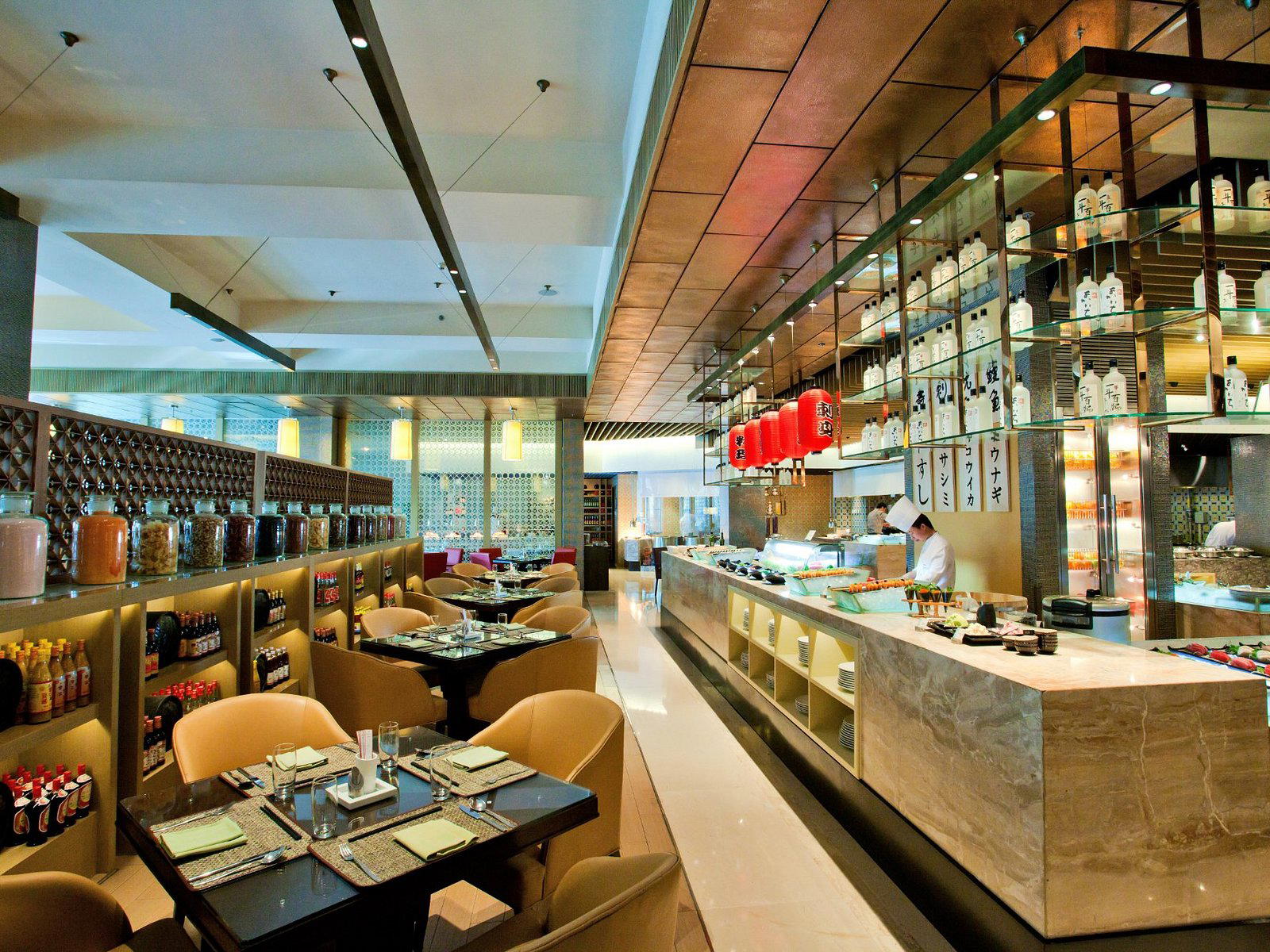
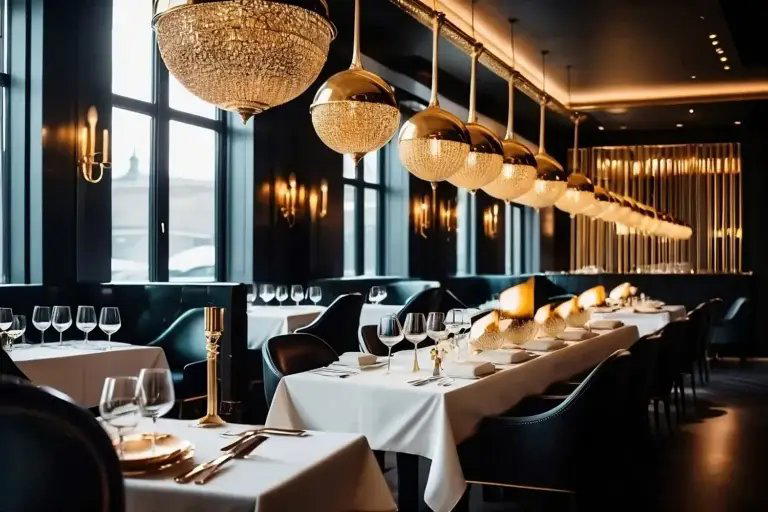
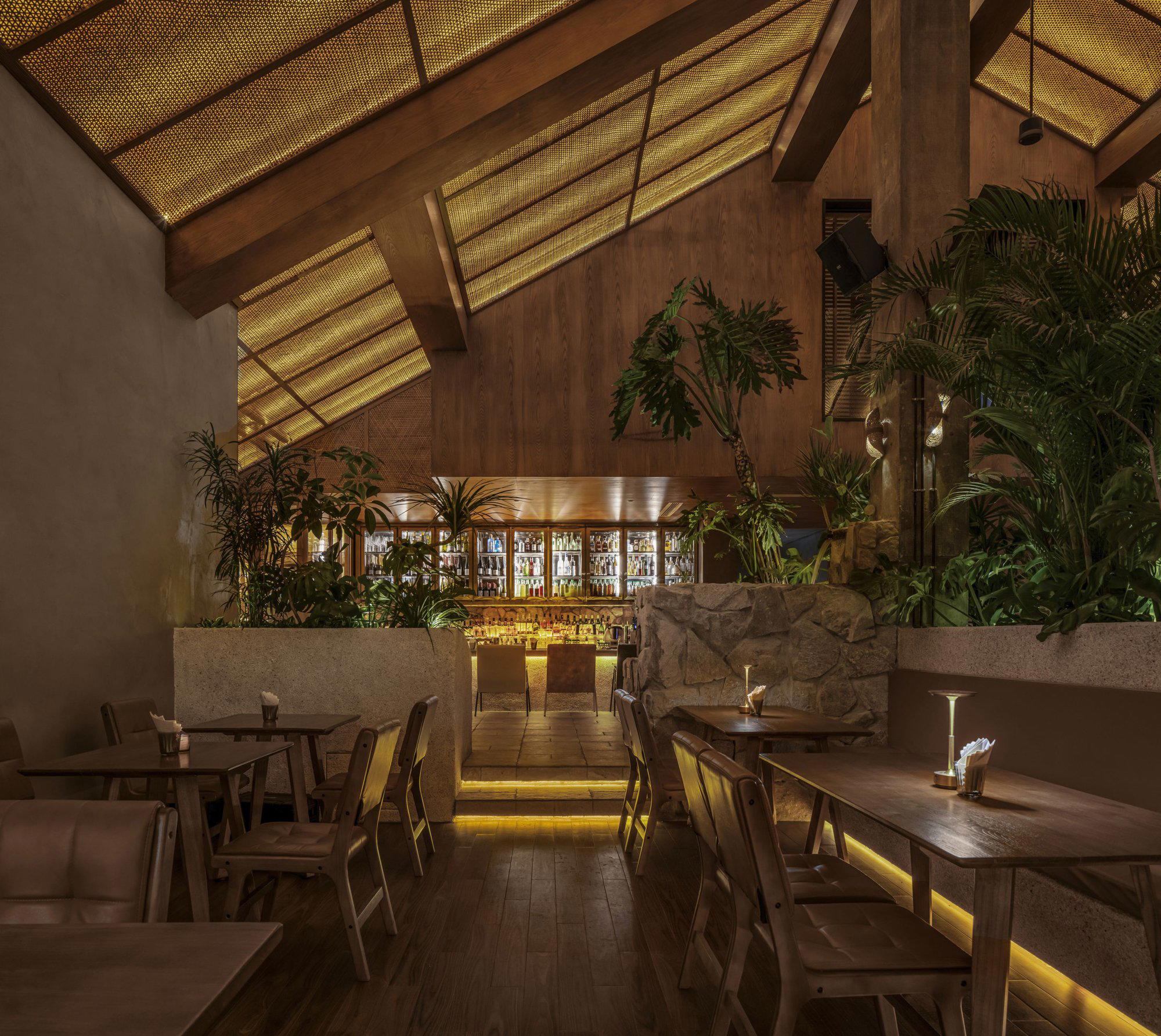
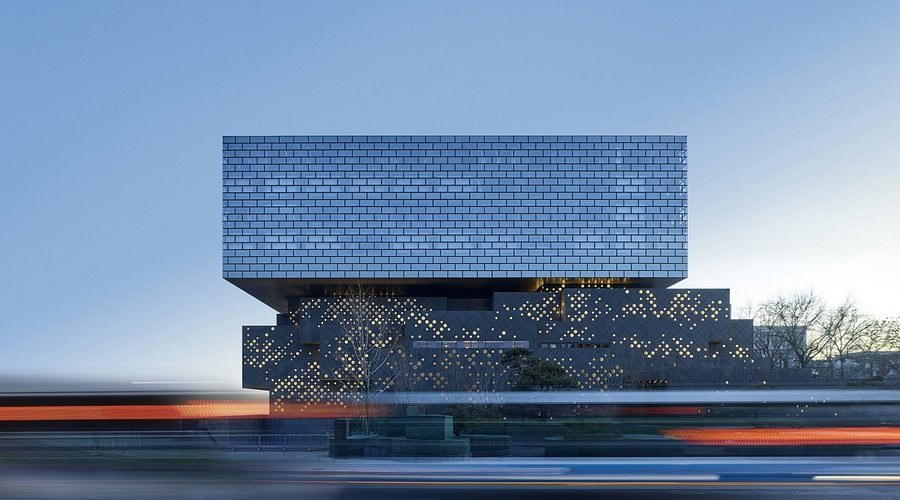
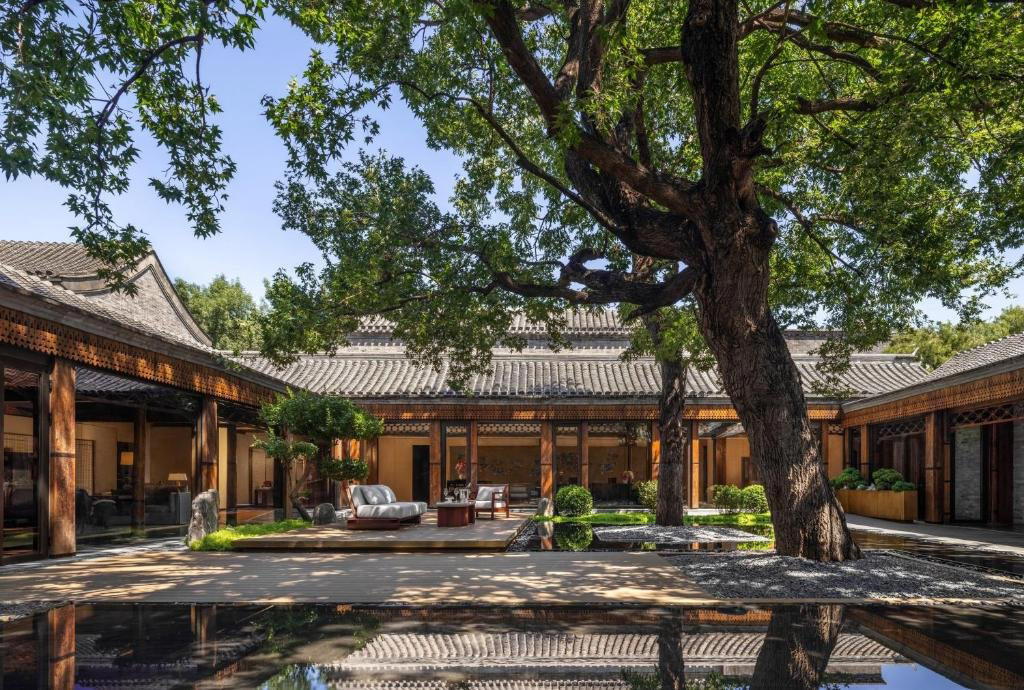
High-end contemporary Chinese fine dining with gallery-like interiors, dramatic design and a polished, formal atmosphere suited to business entertaining and special occasions.