
Chao Shang Chao (Xicheng) holds a 2025 Michelin Plate for its Chao Zhou cooking in central Beijing, placing it a tier below the group's Chaoyang flagship but in the same culinary tradition. The kitchen draws on the canon of coastal Teochew technique, braising, steaming, and precise seasoning over heat, at a price point that makes it one of the more accessible entries into serious Chao Zhou dining in the capital.
Pearl is the En Primeur Club membership app — saves, bookings, and concierge access live there. Same editors, same standards.
- Address
- 39 Shenlu St, Chaoyang, Beijing, China, 100020
- Phone
- +86 10 8562 2614
 Saves & bookings on Pearl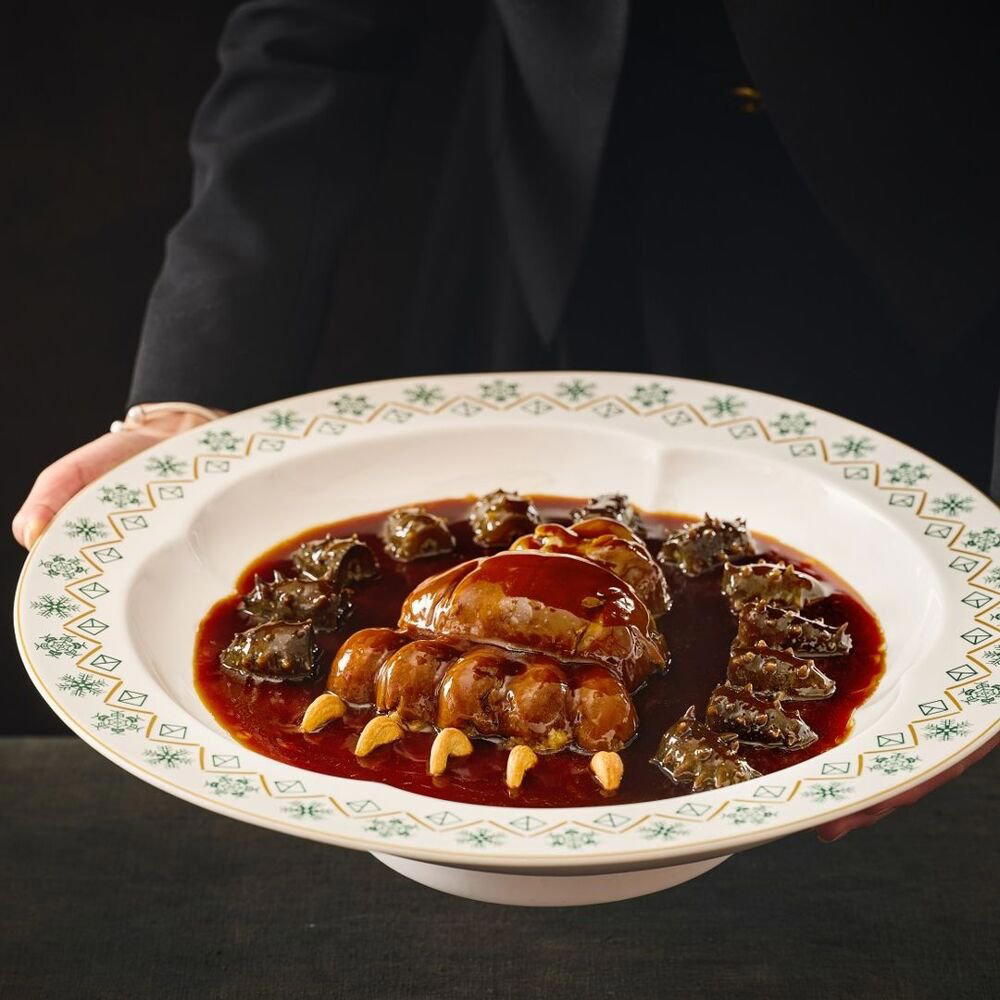
Chao Zhou Cooking in Beijing's City Core
Beijing's serious Chinese restaurant scene has historically skewed toward northern idioms: roast duck, hand-pulled noodles, the braised and fermented flavours of Shandong-inflected imperial kitchens. Chao Zhou cuisine, the coastal dialect of Guangdong province, sometimes called Teochew, occupies a quieter corner of that scene, prized by diners who know it well and largely overlooked by those who don't. That dynamic makes Chao Shang Chao a useful reference point in central Beijing. Positioned at ¥¥¥ and carrying a 2025 Michelin Plate, it sits one price tier and two Michelin steps below its Chaoyang sibling, which holds three Michelin stars at the ¥¥¥¥ tier. The gap between those two addresses tells you something useful about the Chao Zhou category in Beijing: the tradition can sustain both a destination-level flagship and a more everyday neighbourhood expression, and the cooking doesn't collapse at the lower price point.
Teochew cuisine is built around restraint and precision rather than complexity for its own sake. Cold marinated dishes, slow-braised meats, clear broths, and steamed fish that depend entirely on the quality of the fish rather than the sauce, these are not techniques that forgive shortcuts. That precision makes Chao Zhou restaurants natural candidates for Michelin recognition even at mid-tier price points, because the standard of execution is legible in the bowl and on the plate. For comparison, Fleurs Et Festin in Xiamen and Imperial Treasure Fine Teochew Cuisine in Guangzhou represent the tradition in cities closer to its geographic origin, but Beijing's versions carry a different kind of interest: Teochew cooking practised at distance from the coast, serving a capital-city clientele with different expectations and different sourcing constraints.
The Lunch and Dinner Divide
Chao Zhou restaurants in China tend to perform differently across the service split, and the Xicheng address of Chao Shang Chao is no exception to the broader pattern. Lunch in this tradition typically emphasises lighter, cleaner preparations: steamed dishes, cold marinated offerings, and the kind of rice-forward eating that the cuisine's home region built around daily sustenance rather than occasion dining. The pacing is faster, the group sizes often smaller, and the overall register is less formal. At a ¥¥¥ price point, lunch here competes with a different set of considerations than dinner, it functions more as a working-meal option in a city-centre location than as a dedicated dining event.
Evening service shifts the register. Braised dishes that require longer preparation anchor dinner menus across the Teochew tradition, and the table dynamics change with larger groups who are spending more time and attention on the meal. Beijing's premium Chinese dining culture has a pronounced evening bias; the city's white-collar and business dining communities tend to treat dinner as the high-stakes service, which affects both ordering patterns and the kitchen's sense of what needs to perform. At ¥¥¥, the Xicheng address occupies an interesting position: formal enough to serve as a dinner destination for Chao Zhou enthusiasts, accessible enough to function as a reliable lunch spot. That dual utility is less common at this cuisine type than it sounds, many Teochew restaurants in Beijing operate more firmly in one register than the other.
For reference within Beijing's mid-to-upper Chinese dining tier, Jingji (¥¥¥¥, Michelin 2 Stars) and Lamdre (¥¥¥¥, Michelin 1 Star, vegetarian) operate at a higher price point with different cuisines, while King's Joy represents Beijing's premium vegetarian Chinese tradition. The ¥¥¥ positioning of the Xicheng address puts it closer to a broader entry point for serious cooking in the capital, sharing a price tier with French Contemporary options like Jing (¥¥¥, Michelin 1 Star) while remaining firmly within the Chinese fine-dining category.
The Teochew comparable set Across Greater China
Understanding where this address sits requires a sense of the Teochew dining tier across the region. At the top of the category, the Chaoyang flagship carries three Michelin stars, a recognition that places it in the company of restaurants like Xin Rong Ji (Xinyuan South Road) (¥¥¥¥, Michelin 3 Stars) among Beijing's most decorated Chinese tables. Below that level, the Plate designation signals a kitchen operating at a standard Michelin inspectors consider worth noting without yet awarding a star. For diners tracking Teochew cooking across China, the relevant peer comparisons extend to Chef Tam's Seasons in Macau, 102 House in Shanghai, and Ru Yuan in Hangzhou, each working within the broader coastal Chinese fine-dining tradition that Chao Zhou sits alongside. Further afield, Xin Rong Ji in Chengdu, Imperial Treasure Fine Chinese Cuisine in Guangzhou, and Dai Yuet Heen in Nanjing map the range of premium Chinese cooking recognition across the mainland, each with a different regional emphasis.
The Michelin Plate at the Xicheng address means the guide considers the cooking here to be at an above-average standard without the consistency or distinction required for a star. For Chao Zhou specifically, that threshold matters: the tradition rewards technical discipline over creative originality, so a Plate at this level is a meaningful signal that the fundamentals are being executed correctly rather than approximately.
Planning a Visit
The Xicheng address sits in central Beijing, giving it better accessibility from the city's older residential and commercial districts than the Chaoyang flagship, which draws a more eastward, embassy-district crowd. At ¥¥¥, the per-person spend will be moderate by Beijing fine-dining standards, roughly in the range you'd expect from other mid-tier Chinese addresses holding Michelin recognition. Booking in advance is advisable given the Michelin Plate status, which typically pushes table demand above walk-in capacity at this tier. Reservations are essential.
Lunch visits offer the cleaner, faster engagement with the cooking; dinner suits groups or diners who want to move through a fuller range of dishes at a slower pace. For those building a Beijing dining itinerary across multiple Chinese traditions, pairing a visit here with a meal at Jingji for Beijing-native cuisine gives a useful contrast in regional Chinese cooking styles.
Recognition, Side-by-Side
Comparable venues nearby, for context on price, style, and recognition.
| Venue | Cuisine | Price | Awards | Notes |
|---|---|---|---|---|
| Chao Shang Chao (Xicheng)This venue — the venue you are viewing | Refined Chaozhou Cuisine | $$$ | Michelin Plate | |
| Hong 0871 | Refined Yunnan Cuisine | $$$ | Michelin Plate | Beixinqiao |
| Meng Du Hui | New Huizhou Cuisine | $$$ | Michelin Plate | Chaowai |
| Xiang Shang Xiang (Jinhe East Road) | Modern Hunanese Tasting | $$$ | Michelin Plate | Chaoyang |
| La Roba | Yunnanese | $$$ | Michelin Plate | Dongshenglu |
| Rong Pao | Yibin Sichuan Cuisine | $$$$ | Michelin Plate | Jiulongshan |

At a Glance
- Elegant
- Sophisticated
- Intimate
- Special Occasion
- Celebration
- Business Dinner
- Date Night
- Private Dining
- Extensive Wine List
- Sommelier Led
- Local Sourcing
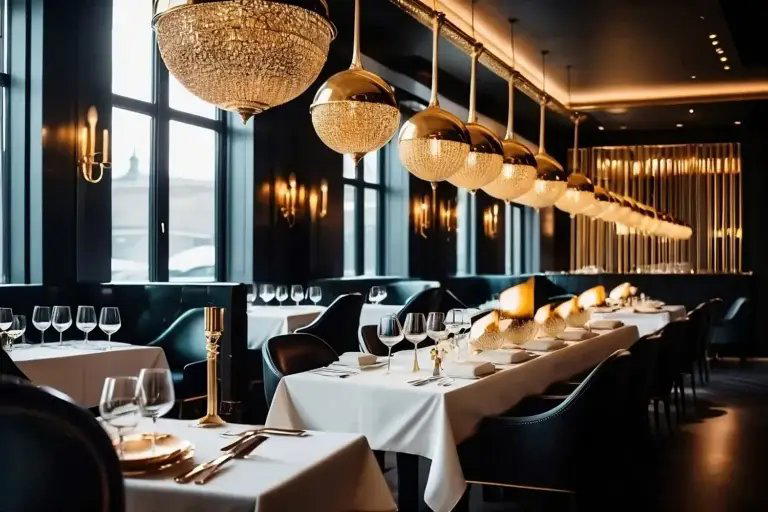
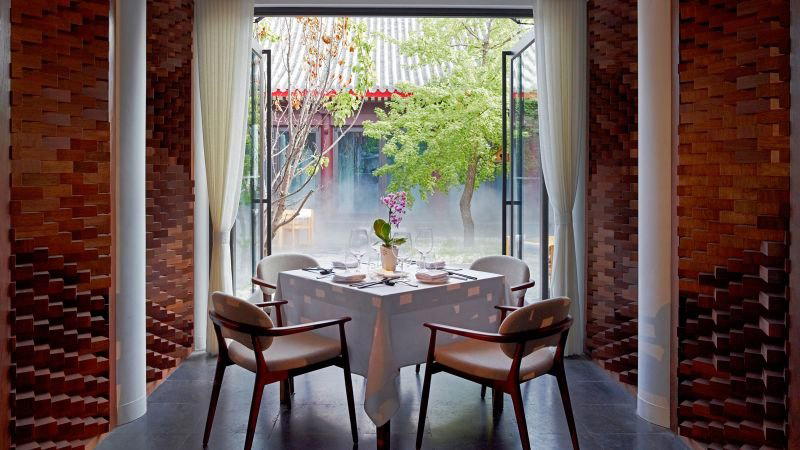
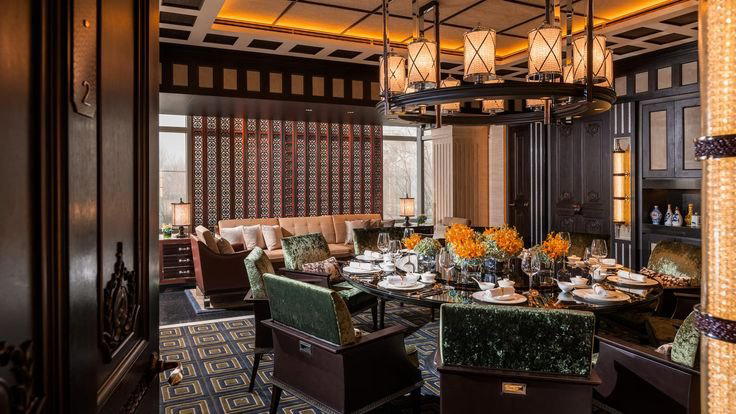
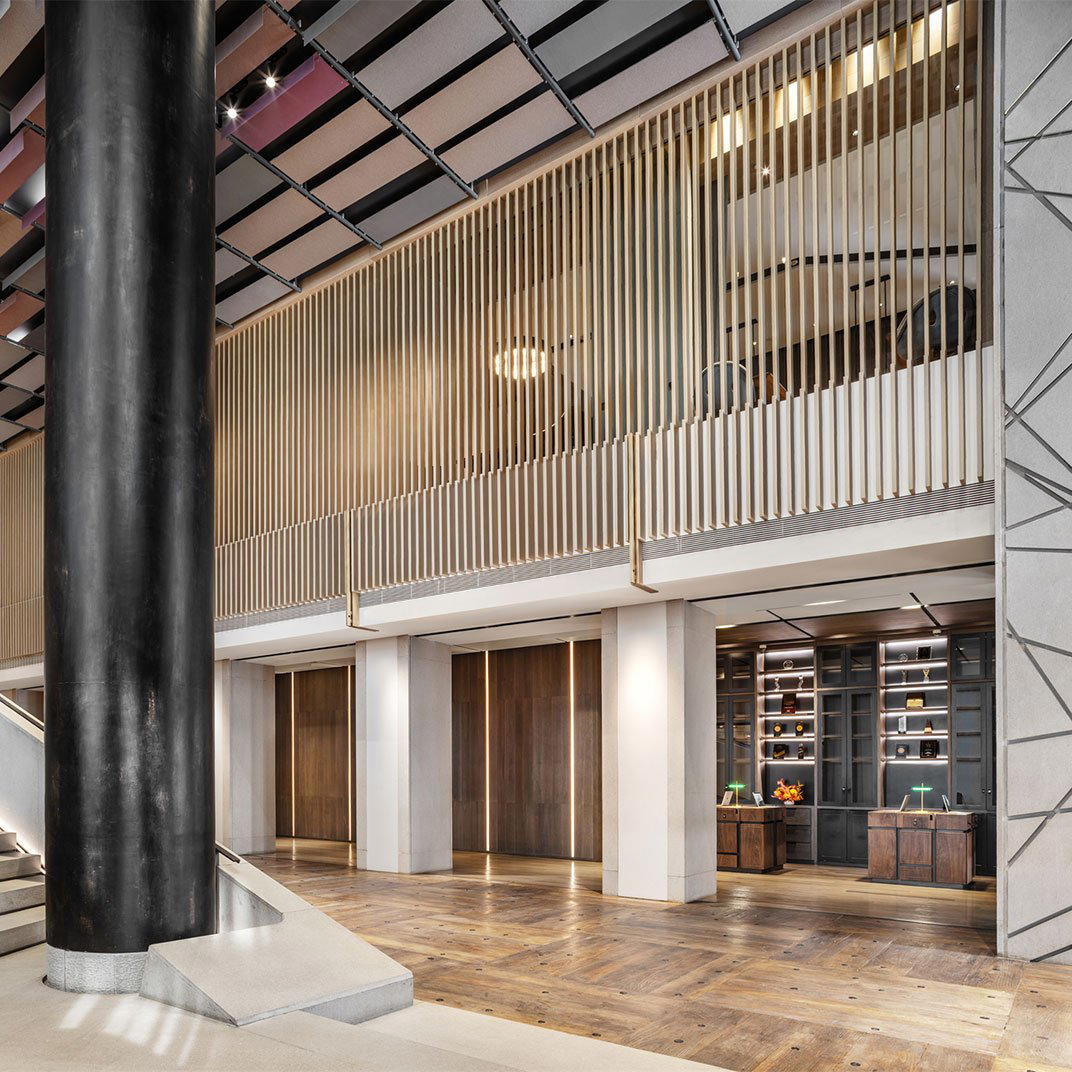
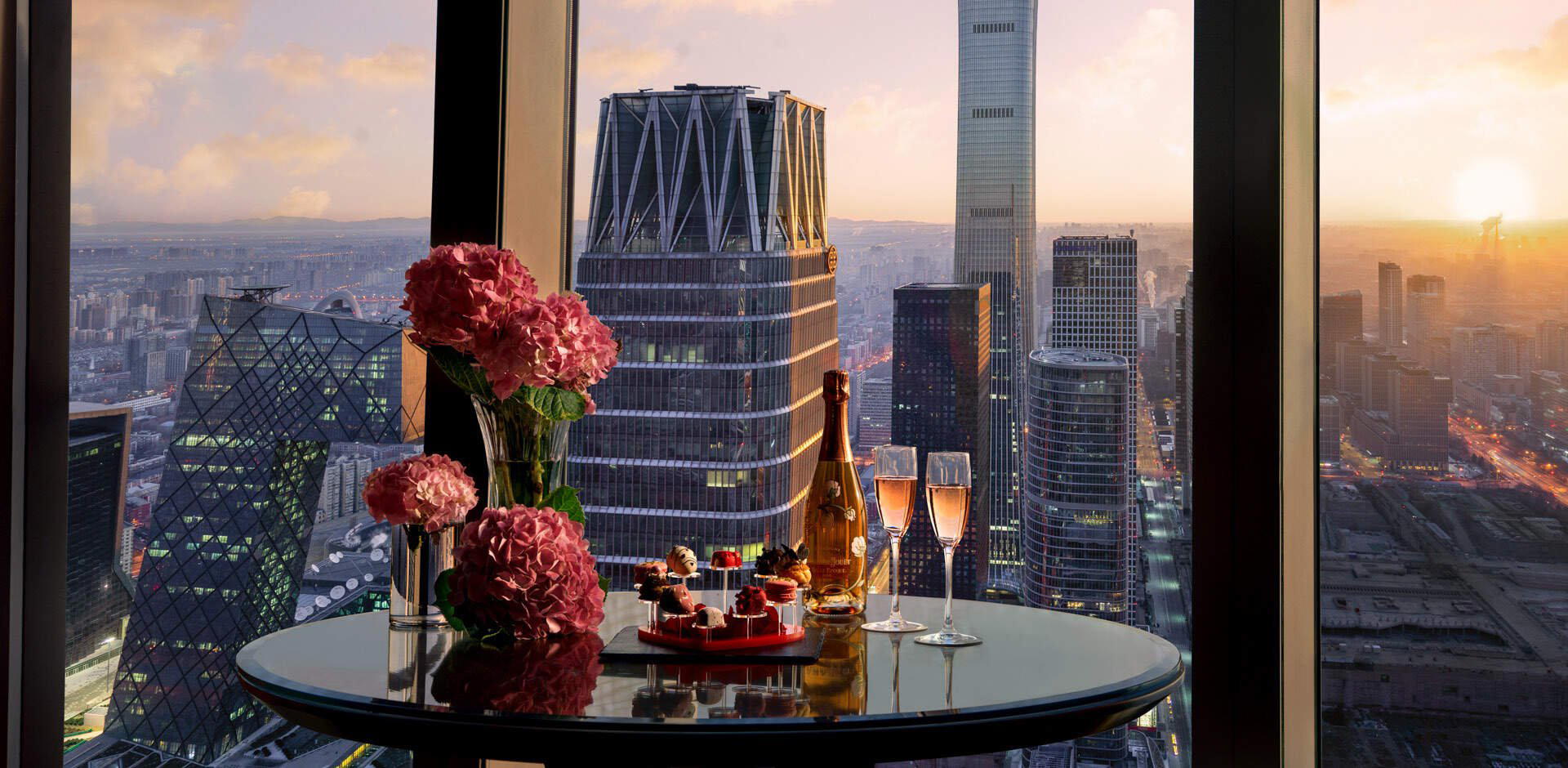
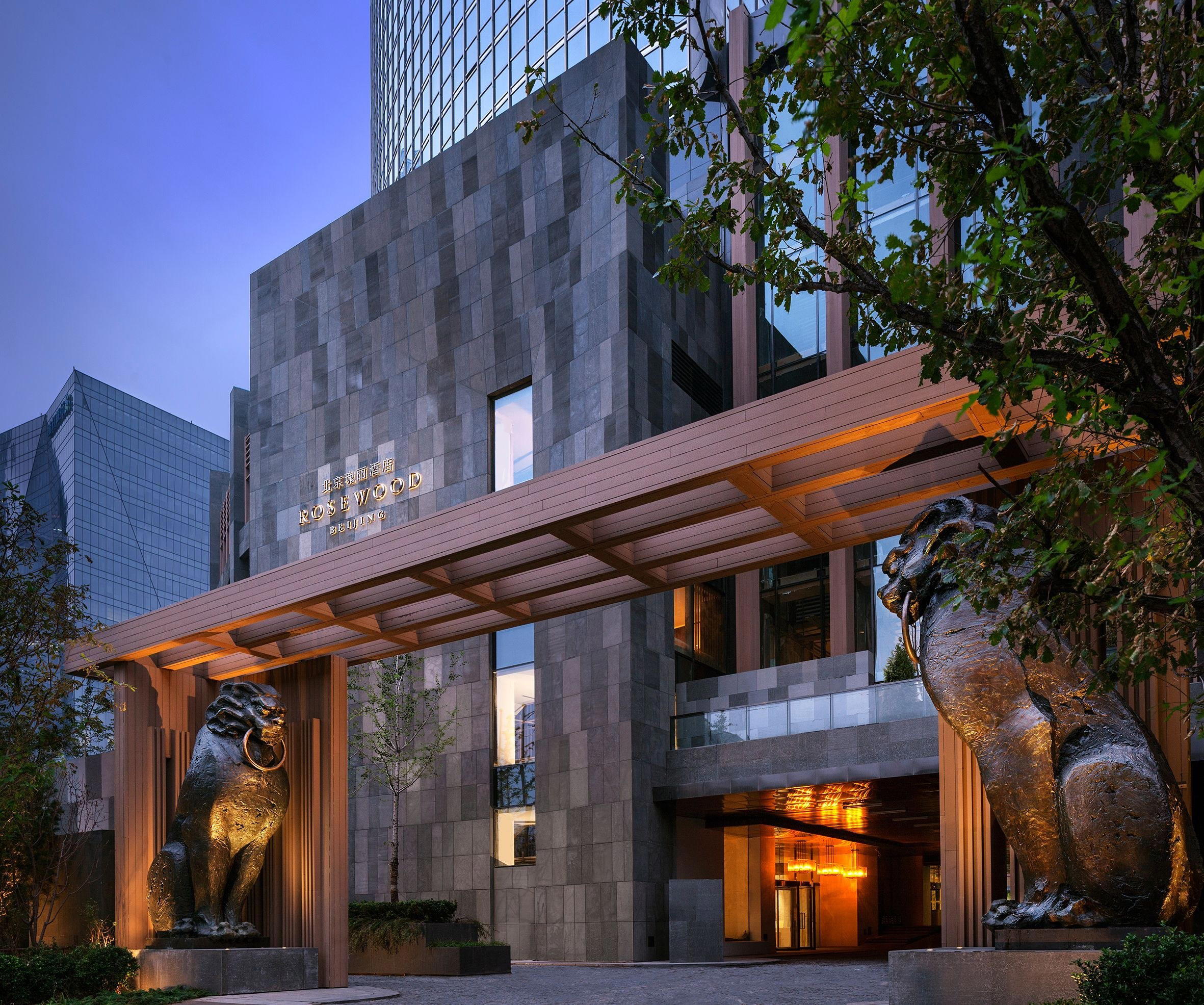
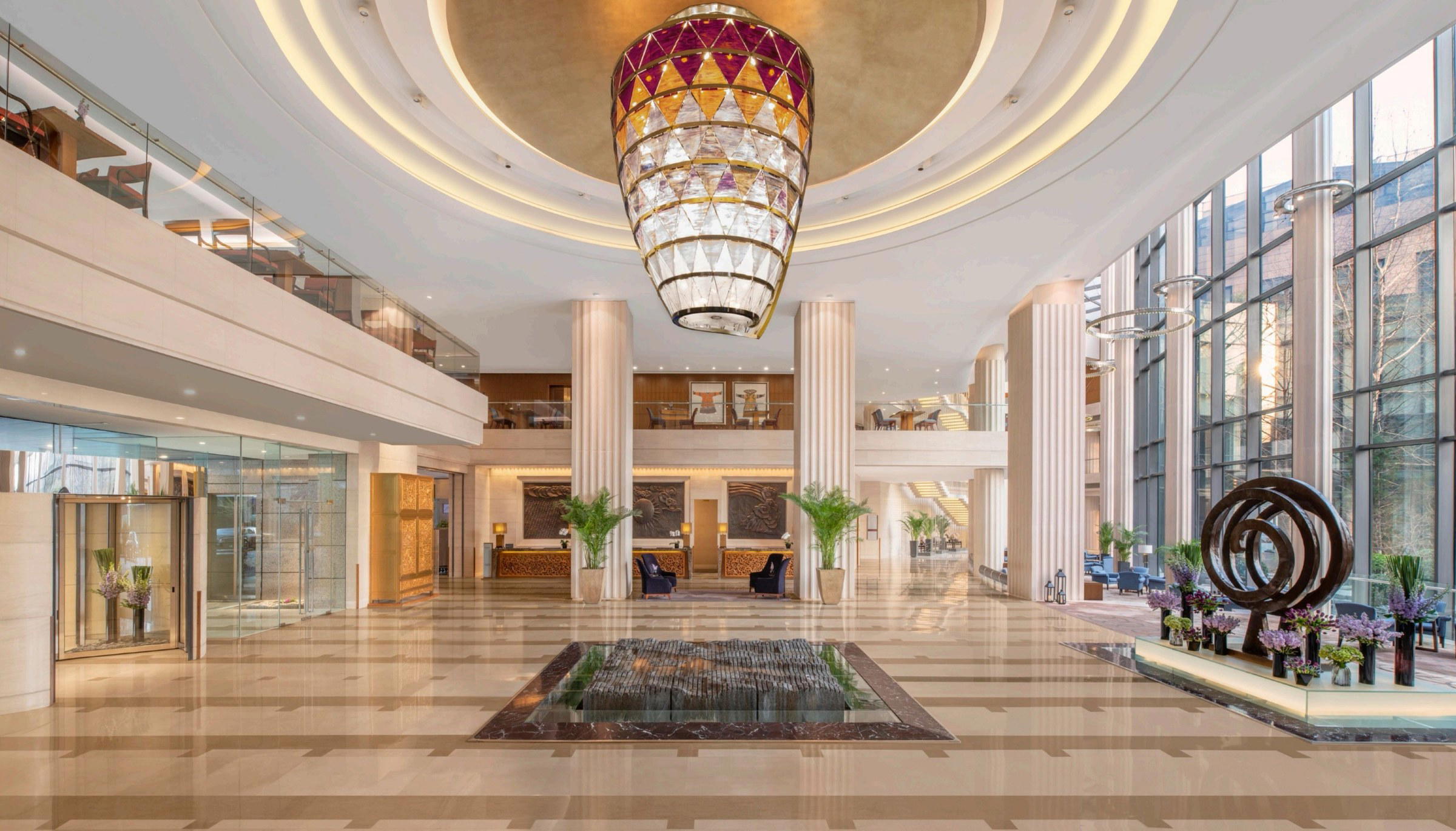
Upmarket dining room with elegant furnishings and refined atmosphere befitting fine dining.