

ShengYongXing sits in Chaoyang's Xindong Road corridor, where Beijing's more serious Chinese dining has consolidated over the past decade. The address places it among a cohort of full-service restaurants that compete on sourcing and kitchen discipline rather than novelty. Visitors should expect a dining room format calibrated to the capital's appetite for refined regional cooking.
Pearl is the En Primeur Club membership app — saves, bookings, and concierge access live there. Same editors, same standards.
- Address
- China, 5, Chaoyang, Xindong Rd, ç²5å·CN åäº¬å¸ é®æ¿ç¼ç
- Phone
- +861064640968
 Saves & bookings on Pearl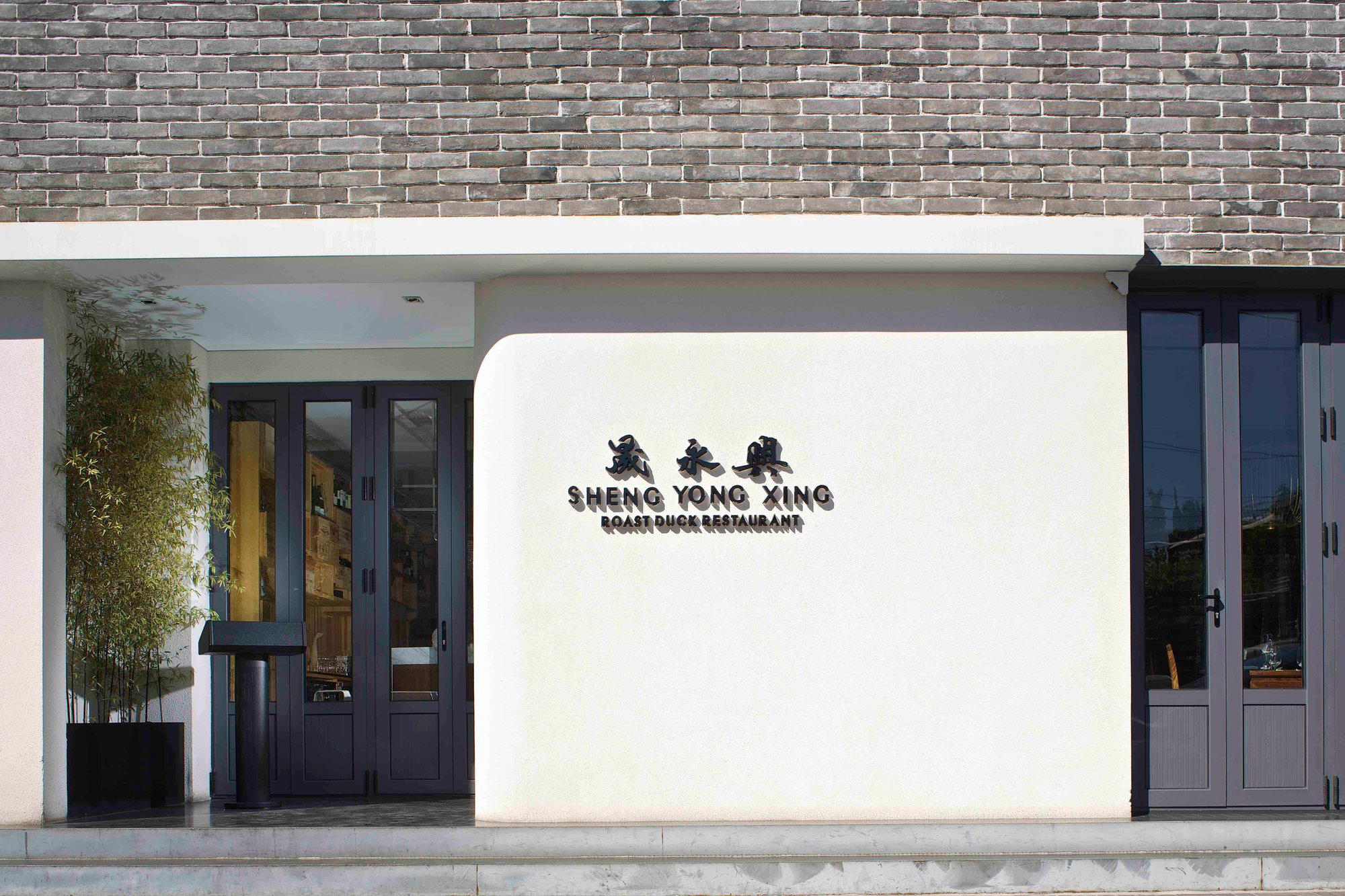
Chaoyang's Corridor for Serious Chinese Dining
Beijing's Chaoyang district has undergone a quiet stratification in its restaurant offer over the past fifteen years. The broad middle of the market, banquet-hall Chinese with perfunctory sourcing and rotary lazy Susans, has gradually ceded territory to a tier of restaurants that compete on provenance, kitchen precision, and the kind of service architecture that sustains long meals. Xindong Road, where ShengYongXing is addressed, sits at the functional centre of that shift. The corridor is not a tourist-facing dining strip; it runs through a residential and commercial Chaoyang neighbourhood where local professionals and families who take food seriously have always eaten, and the restaurants that have survived and thrived here have done so without relying on passing trade or novelty positioning.
That geography matters because it shapes what a restaurant in this location has to do to hold its clientele. In a district that also contains the Beijing branches of Taizhou-specialist Xin Rong Ji (Xinyuan South Road) and Chaozhou-focused Chao Shang Chao, the competitive pressure is for kitchen quality and sourcing credibility rather than atmosphere or concept. Chaoyang diners in this price tier have seen enough to require more than a well-decorated room.
Ingredient Sourcing as the Central Argument
Across the tier of serious Chinese restaurants that have emerged in Beijing over the past decade, the competitive distinction most consistently referenced by repeat diners is sourcing. Not technique in isolation, and not service format, but the provenance and handling of primary ingredients, whether the fish has been transported correctly, whether the vegetables arrive from named growing regions, whether the poultry has been raised in conditions that produce the fat distribution serious cooks require. This is the frame in which ShengYongXing operates and the standard against which it is reasonably measured.
The logic of ingredient-first cooking in the Chinese tradition is not new, but its application at the restaurant level in Beijing has become more rigorous as the supply chain has matured. Restaurants at the upper end of Chaoyang's full-service market now source from producers in Shandong, Hebei, and further afield across China's agricultural interior, relationships built over years rather than transactional wholesale arrangements. That sourcing infrastructure, invisible to the diner but present in the texture and flavour of what arrives at the table, is what separates the restaurants that repeat diners return to from those that rely on novelty and occasion traffic. ShengYongXing's position on Xindong Road places it within reach of the supply logistics that make this kind of sourcing viable for a Beijing restaurant.
For comparison across China's serious regional-Chinese dining tier, similar sourcing philosophies drive the offer at Xin Rong Ji in Chengdu, Ru Yuan in Hangzhou, and Imperial Treasure Fine Chinese Cuisine in Guangzhou, restaurants where the produce itself, not a signature chef narrative, carries the editorial weight of the menu.
How ShengYongXing Positions Against Beijing's Premium Chinese Tier
Beijing's premium Chinese dining is not a monolithic category. It splits, broadly, between restaurants that lead with regional specificity, a declared cuisine type and the sourcing discipline that supports it, and those that operate in a more eclectic Beijing-banquet tradition drawing on northern Chinese ingredients and preparation. Jingji, which works the Beijing Cuisine designation at the ¥¥¥¥ tier, represents the latter approach. Lamdre and King's Joy operate within a vegetarian framework that draws on Buddhist Chinese culinary traditions and high-end produce sourcing. Each of these addresses a distinct diner with a distinct set of expectations.
ShengYongXing occupies its own position within this ecology. The address in Chaoyang, combined with what the neighbourhood's competitive set implies about format and price, suggests a full-service Chinese restaurant calibrated to multi-course shared dining, the format that Beijing's corporate and family dining culture still favours at this level. That format puts a premium on kitchen throughput and ingredient consistency across a large menu, which is a different kind of operational challenge than the focused tasting-menu model that dominates at venues like 102 House in Shanghai or the refined seasonal programming at Chef Tam's Seasons in Macau.
Across the broader EP Club network of Chinese dining, the restaurants that have sustained critical attention in this shared-dining format, including Dai Yuet Heen in Nanjing, Dingshan·Jiangyan in Suzhou, Shang Palace in Yangzhou, Fleurs Et Festin in Xiamen, and Jiangnan Wok·Rong in Fuzhou, tend to share a kitchen philosophy grounded in seasonal produce rotation and a willingness to let the ingredient lead rather than dressing it with technique for its own sake.
Seasonal Timing and When to Go
In Beijing's serious Chinese dining tier, the calendar matters. Spring produces a short window for quality wild vegetables and river produce before summer heat compromises the cold chain. Autumn brings the strongest case for northern Chinese cooking, the season when game, root vegetables, and the premium ingredients that define northern harvest menus arrive in their leading condition. Winter, despite the cold, is when Beijing's appetite for slow-cooked and rich preparations aligns most naturally with what the leading kitchens in the city are technically equipped to produce. Planning a visit to a Chaoyang restaurant of this type in the October-to-December window tends to deliver the widest range of the kitchen's seasonal repertoire in coherent form.
For those looking at internationally comparable premium Chinese or tasting-menu experiences, Le Bernardin in New York City and Atomix in New York City represent the Western analogue: kitchens where sourcing relationships and seasonal discipline are the primary editorial argument, regardless of cuisine category.
Planning a Visit
ShengYongXing is located on Xindong Road in Chaoyang, a district well served by Beijing's subway network.
Peers Worth Knowing
Comparable venues nearby, for context on price, style, and recognition.
| Venue | Cuisine | Price | Notes |
|---|---|---|---|
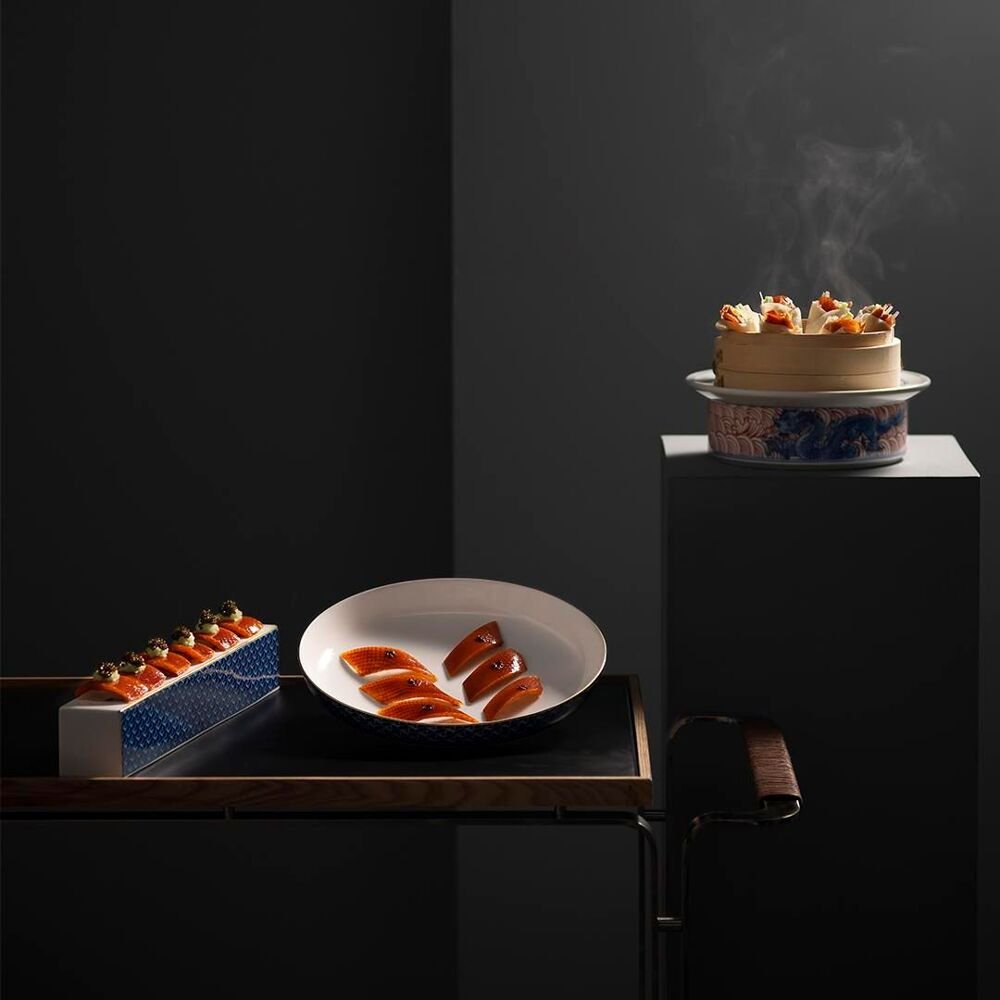
| ShengYongXingThis venue — the venue you are viewing | Contemporary Beijing Cuisine with Signature Peking Duck | $$$$ | Not listed |
| Made In China (长安壹号) | Modern Northern Chinese with Peking Duck | $$$$ | Wangfujing |
| Vege Wonder | Modern Chinese Vegetarian | $$$$ | Dongcheng |
| LU STYLE | Modern Shandong Seafood | $$$ | Chaoyang District |
| FuRong Hu'nan Cuisine by Rong | Upscale Hunan cuisine by Xin Rong Ji | $$$ | Xicheng |
| JINGJI Aristocrat Cuisine by Rong | Royal Chinese Fine Dining | $$$$ | Chaoyang District |
Recognition history
Dated appearances from independent guides and award organizations, with the underlying list record or original source where available.
Black Pearl 1 Diamond
Black Pearl
Opinionated About Dining Top Restaurants in Asia Recommended
Opinionated About Dining


At a Glance
- Elegant
- Sophisticated
- Modern
- Romantic
- Date Night
- Business Dinner
- Special Occasion
- Wine Cellar
- Open Kitchen
- Panoramic View
- Extensive Wine List
- Sommelier Led
- Local Sourcing
- Skyline
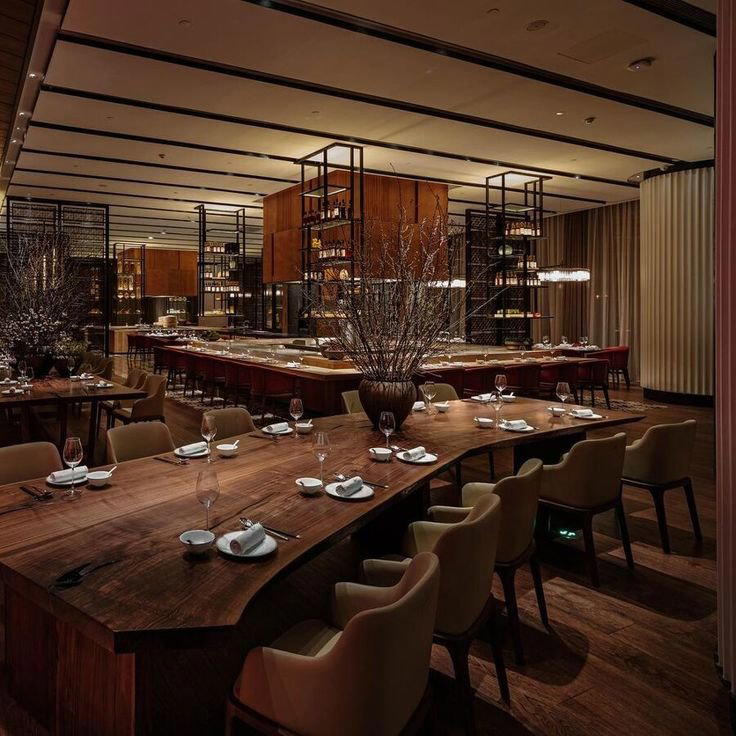
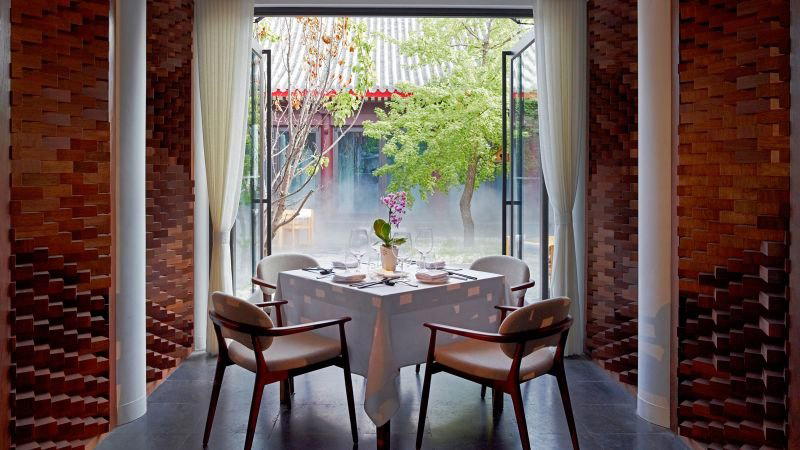
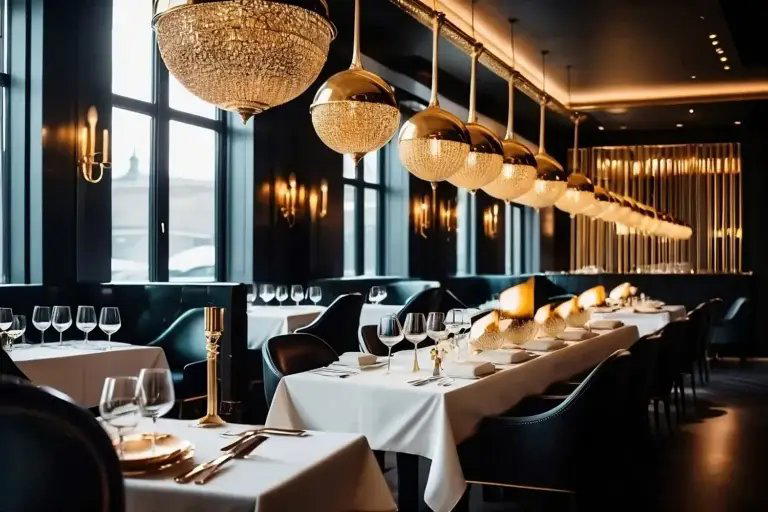
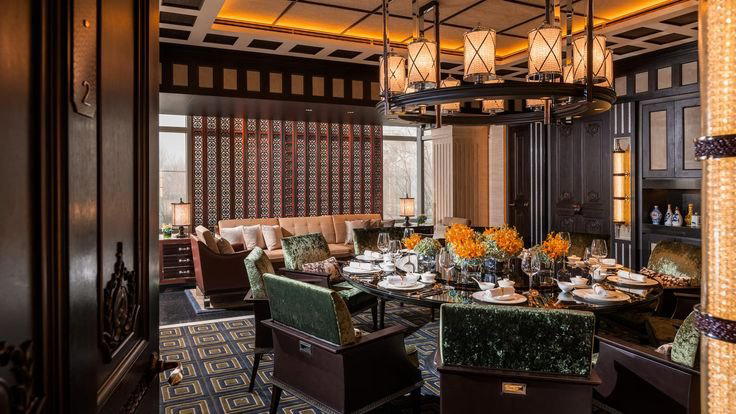
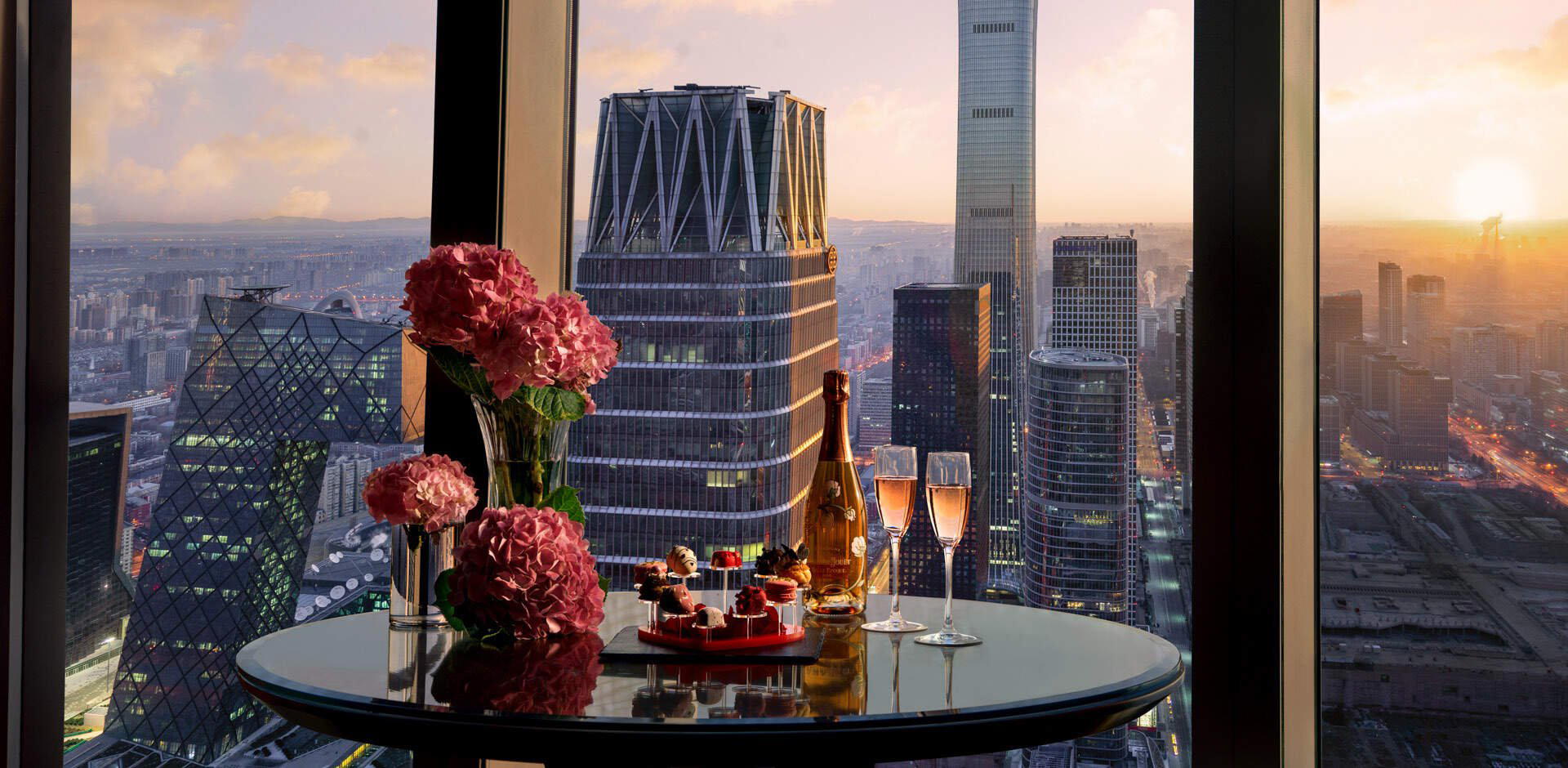
Bright, open dining room with stylish East-meets-West decor, well-spaced tables, glass-encased wine cellar, and elegant bar; modern minimalist Chinese design with sweeping views across the river.