

La Liste Top Restaurants
Our verdict
Da Dong sits in Beijing’s grand Chinese dining tier, where roast duck, regional technique, and polished service operate as cultural shorthand rather than novelty. Its recognition from La Liste and Opinionated About Dining places it in a documented competitive set, but the more useful reading is culinary: how Beijing restaurants absorb chilli heat, numbing spice, and banquet rhythm without becoming narrowly Sichuan.

Pearl is the En Primeur Club membership app, where members save venues, book tables and use the concierge.
The menu
What to order
- DaDong SuBuNi crispy non-fatty roast duck
- Peking duck
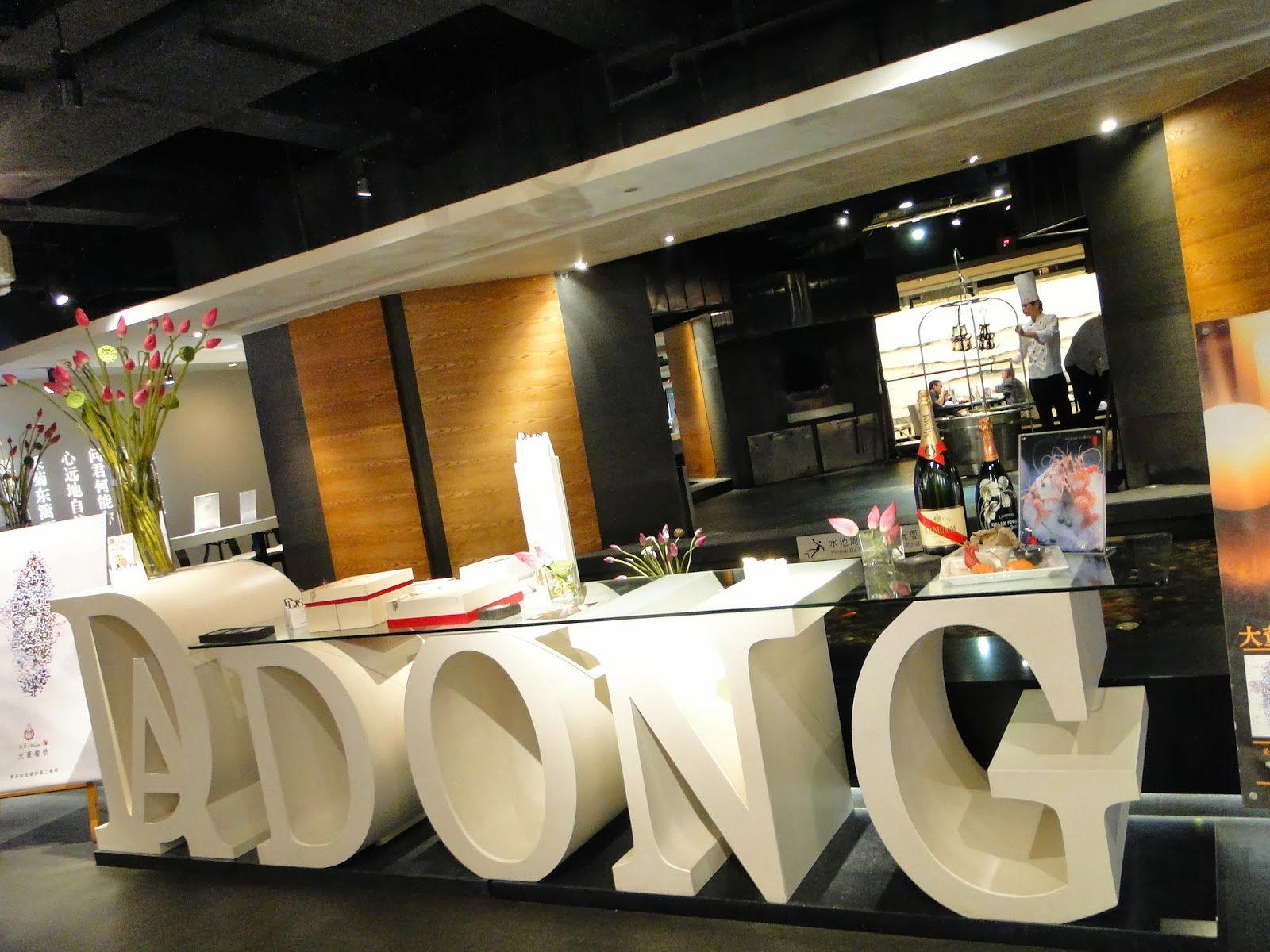
Approaching a serious Beijing dining room is rarely about theatrical secrecy. The cue is scale: multiple generations at large tables, business meals moving at pace, and a menu architecture built to carry a formal meal across many tastes. Da Dong belongs to that category, but its more interesting place in the city is not simply as a single-address recommendation. It sits at the point where Beijing’s polished restaurant culture makes room for contrast: fragrance, texture, savoury depth, and sharper notes used as structure rather than noise.
Beijing has long been a city where dining rooms absorb different vocabularies and reorder them for mixed tables, where one guest wants a ceremonial centrepiece, another wants stronger seasoning, and a third wants the meal to hold together across opening plates, mains, vegetables, and starch. That is the useful frame for reading Da Dong. The restaurant’s public identity is tied to its Beijing profile, but the broader story is how a high-recognition restaurant in Beijing handles range without losing the city’s preference for ceremony and breadth.
Beijing dining culture meets the sharper end of the spectrum
Formal dining remains one of Beijing’s defining restaurant rituals because it is social, visual, and portioned for a table. Around that broader city tradition, stronger dining rooms have built menus that speak beyond a single dish category. In that setting, stronger seasoning is not judged only by force. The more serious question is whether intensity is layered: aroma, savoury depth, brightness, complexity, and the cooling logic of vegetables or starch alongside richer dishes.
Da Dong’s placement in La Liste Top Restaurants 2026 at 85 points, plus Opinionated About Dining’s Asia rankings at #122 in 2025, #93 in 2024, and #109 in 2023, matters because it signals external recognition across several years rather than a single burst of attention. Those lists do not tell a diner what to order, but they do clarify tier. This is not the same decision as choosing a stripped-back neighbourhood dining room or a nostalgia-driven formal format. It belongs to Beijing’s polished restaurant bracket, where the table can move from city ceremony into sharper registers.
The comparison inside Beijing is useful. Duck de Chine points diners toward another premium reading of the city’s dining culture, while Liqun Roast Duck represents a more focused, tradition-led reference point. Family Li Imperial Cuisine and Xitan Beijing also belong in the same broader conversation about premium Beijing dining. Da Dong is read differently: less as a single-subject stop, more as a broad Beijing dining room with enough recognition to compete in the city’s premium bracket.
Heat in Beijing is about control, not volume
The sharper-seasoning lens is especially useful for travellers who arrive in Beijing after other Chinese dining cities and expect intensity to behave the same way everywhere. In some regional settings, heat can drive a meal’s identity. In Beijing’s grand rooms, intensity tends to be one register among several. That difference changes how to order. A table built entirely around the same forceful profile can flatten the rhythm; a table that alternates crisp textures, savoury sauces, milder plates, and brighter moments gives the kitchen more room to show contrast.
This is where Da Dong fits the capital rather than imitating another city. The restaurant’s category is broad, and its recognition suggests an audience that includes both local business dining and visitors using award lists as a filter. For travellers specifically chasing maximum intensity, other dining rooms may give a clearer benchmark.
The international contrast is another useful one. Beijing does not need to translate its dining culture for a foreign luxury grammar in the same way. The city’s premium rooms carry social function first: hosting, hierarchy, family meals, business pacing, and breadth of appetite.
Who should choose this table
Da Dong makes sense for diners who want a polished Beijing meal rather than a single-purpose stop. It is also a stronger choice for mixed groups than for purists hunting one narrow lane. The sharper-seasoning angle matters here because it prevents the common ordering mistake: treating intensity as a dare. In this tier of Beijing restaurant, the more forceful dishes work better when placed against cleaner, milder, and more textural plates. Heat becomes punctuation, not the whole sentence.
The recognition profile gives the restaurant a firmer claim than reputation alone. La Liste’s 85-point score in 2026 and three consecutive Opinionated About Dining Asia placements from 2023 through 2025 place it in a visible international conversation, even if Beijing locals may judge it through a more pragmatic lens: consistency, table suitability, and how well the meal handles guests with different appetites. That split between global validation and local function is exactly what defines the city’s upper dining tier.
For planning a wider Beijing trip, treat Da Dong as one node in a city that rewards category thinking. Pair a polished meal with other formats rather than repeating the same register. Our full Beijing restaurants guide is the natural starting point for dining comparisons, while our full Beijing hotels guide, our full Beijing bars guide, our full Beijing wineries guide, and our full Beijing experiences guide help separate meals from the rest of the itinerary. The strongest reason to choose this address is not a claim of novelty. It is the way Beijing’s formal restaurant culture can hold ceremony, contrast, and award-recognised polish at the same table.
Frequently asked questions
What part of town is Da Dong in?
Beijing.
When is Da Dong open?
Check current opening hours directly with Da Dong before visiting.
Does Da Dong have a Michelin star or similar recognition?
Da Dong has received recognition including: La Liste Top Restaurants (2026): 85pts; Opinionated About Dining Top Restaurants in Asia Ranked #122 (2025); Opinionated About Dining Top Restaurants in Asia Ranked #93 (2024); Opinionated About Dining Top Restaurants in Asia Ranked #109 (2023).
What style of cooking does Da Dong do?
Da Dong is a recognised Beijing dining room.
Is there a head chef associated with Da Dong?
No specific head-chef detail is provided here for Da Dong.
Accolades, Compared
Side-by-side context: comparable cuisine and price.
| Venue | Cuisine | Price | Awards | Notes |
|---|---|---|---|---|
| Da DongThis venue (the venue you are viewing) | Modern Peking Duck | $50–100 | La Liste Top Restaurants | Not listed |
| Duck de Chine | Modern Peking Duck | $50–100 | Michelin Plate | Chinese |
| Family Li Imperial Cuisine | Imperial Qing Dynasty Court Cuisine | $150–200 | Not listed | Chinese |
| Made in China | Traditional Northern Chinese with Peking Duck | $50–100 | Not listed | Chinese |
| Liqun Roast Duck | Traditional Peking Roast Duck | $20–30 | Not listed | Chinese |
| Xitan Beijing | Modern Chinese Fine Dining | Not listed | Relais Chateaux Award | Chinese |
Recognition history
Dated appearances from independent guides and award organizations, with the underlying list record or original source where available.
La Liste Top Restaurants
La Liste
Opinionated About Dining Top Restaurants in Asia Ranked #122
Opinionated About Dining
Full recognition history (4 entries)
Opinionated About Dining Top Restaurants in Asia Ranked #93
Opinionated About Dining
Opinionated About Dining Top Restaurants in Asia Ranked #109
Opinionated About Dining
Continue exploring
More in Beijing
More from Chef Dong Zhenxiang
Browse all →
Restaurants in Beijing
All restaurants in Beijing →
Bars in Beijing
All bars in Beijing →

Details
- Elegant
- Modern
- Sophisticated
- Well Known
- Business Dinner
- Special Occasion
- Group Dining
- Family
- Private Dining
- Historic Building
- A La Carte
- Vegetarian Friendly
- Gluten Free Options
Current opening hours
- Monday
- 11 AM–10 PM
- Tuesday
- 11 AM–10 PM
- Wednesday
- 11 AM–10 PM
- Thursday
- 11 AM–10 PM
- Friday
- 11 AM–10 PM
- Saturday
- 11 AM–10 PM
- Sunday
- 11 AM–10 PM
Hours can change for holidays and private events. Hours as of .
Elegant dining space in a restored Ming dynasty palace with modern decor and lighting, creating a sophisticated atmosphere.