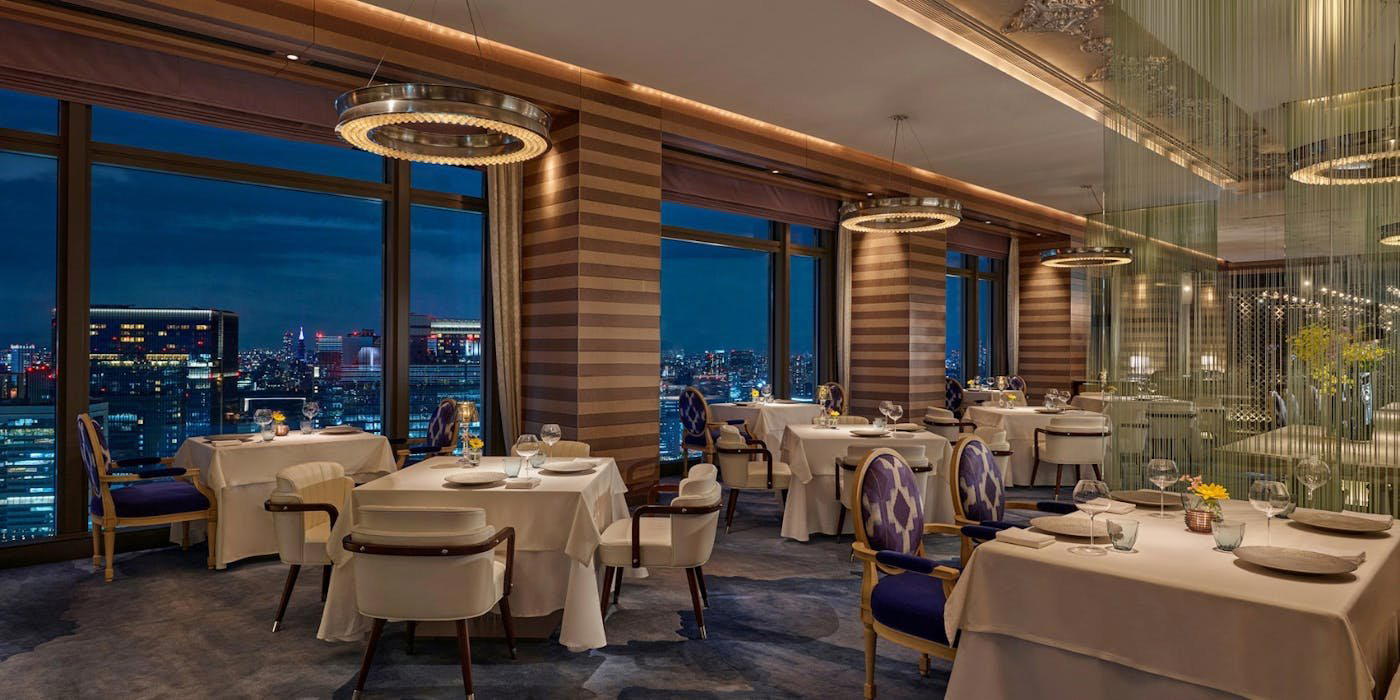
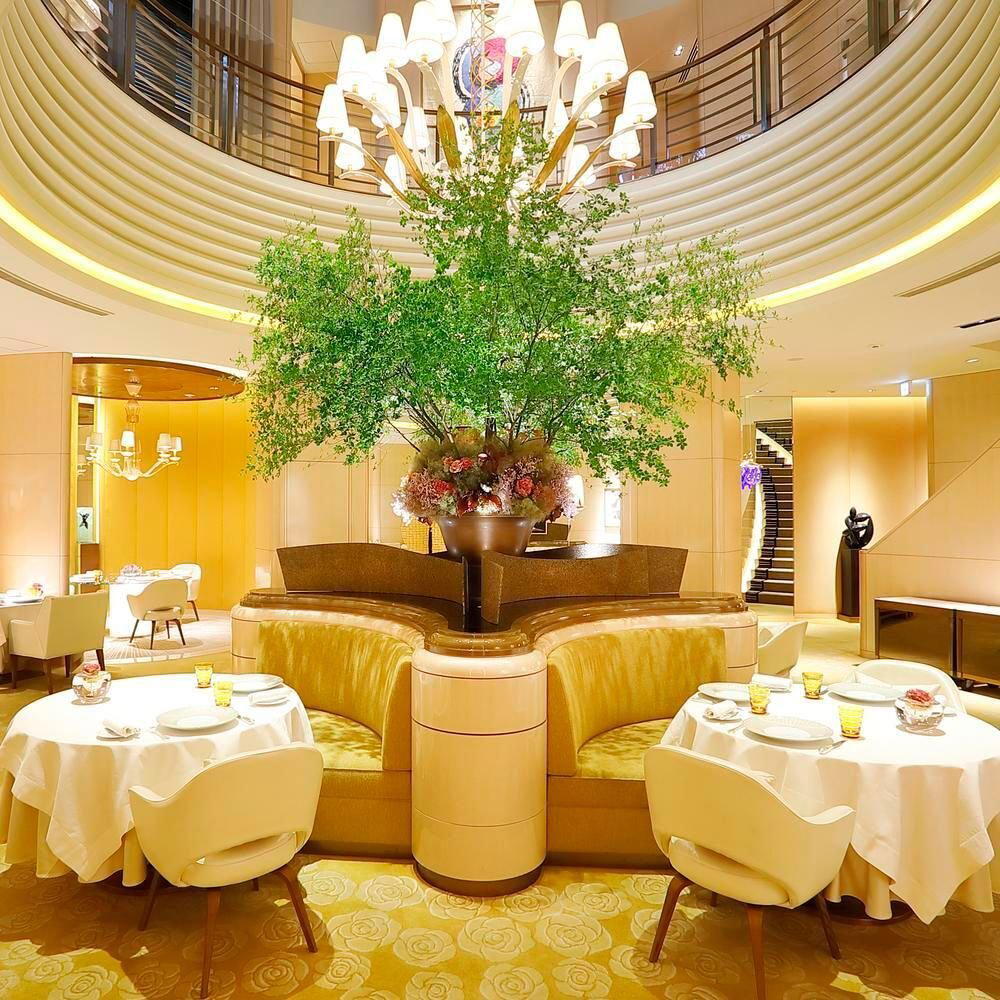
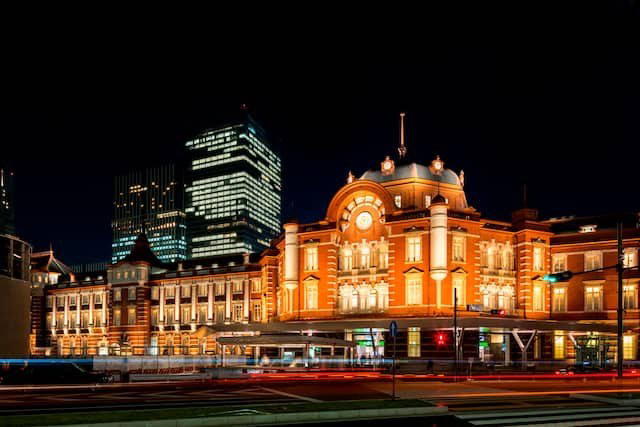
シグネチャー occupies a notable address in Nihonbashimuromachi, one of central Tokyo's most historically layered commercial districts. The restaurant sits within the premium dining tier that defines this part of Chuo City, where formal meal structures and attentive service set the pace. For visitors approaching Tokyo's serious dining scene, it represents a point of entry into the rituals that distinguish the city's top-tier restaurant culture.
 Discover on Pearl
Pearl is the En Primeur Club membership app — saves, bookings, and concierge access live there. Same editors, same standards.
- Address
- 2 Chome-1-1 Nihonbashimuromachi, Chuo City, Tokyo 103-8328, Japan
- Phone
- +81332708188
- Website
- mandarinoriental.co.jp
Nihonbashi's Dining Register
Nihonbashimuromachi is not where Tokyo eats casually. The district's identity, built over centuries as the city's commercial and financial centre, has attracted a dining culture that reflects its clientele: measured, deliberate, and attentive to form. Restaurants in this part of Chuo City tend to operate at a register where the meal is structured rather than improvised, where arrival time matters, and where the progression from first course to last follows a logic the kitchen controls. RyuGin and L'Effervescence both demonstrate how Tokyo's premium tier, across kaiseki and French formats alike, treats pacing as a design element rather than an afterthought. シグネチャー is a modern French fine dining restaurant in Tokyo's Chuo City, at 2 Chome-1-1 Nihonbashimuromachi.
The Architecture of a Formal Tokyo Meal
Tokyo's serious dining culture is, in many ways, a study in ritual. The customs that govern a meal at this level, the way a guest is received, the sequence of courses, the timing of service, the unspoken agreement between kitchen and table, are not incidental. They are the product of decades of refinement across Japanese and Western fine dining formats. In the kaiseki tradition, each course arrives as a discrete statement, with season, technique, and vessel all chosen to reinforce a single point. In the French tradition as practiced in Tokyo, a comparable discipline applies: the menu is authored, not assembled, and the pace is set by the kitchen rather than negotiated at the table. Sézanne and Crony both illustrate how French formats in Tokyo have absorbed some of this structural rigour, producing meals where timing carries as much meaning as flavour.
シグネチャー sits within this broader pattern. The address in Nihonbashimuromachi places it among the restaurants that serve corporate and institutional Tokyo, a clientele that tends to understand the conventions of formal dining and expects them to be observed. This is not the Tokyo of counter-seat omakase or casual izakaya; it is the Tokyo where a reservation signals intent, and where the meal unfolds according to a predetermined arc.
Comparing Formats Across the Premium Tier
Tokyo's premium tier encompasses a range of formats that share price point but diverge sharply in philosophy. Harutaka operates at the intimacy-focused end of the sushi counter spectrum, where the chef's direct relationship with each guest is the defining experience. The kaiseki model, exemplified by venues like RyuGin, distributes the meal across many small courses with a seasonal logic that ties each visit to a specific moment in the calendar. French tasting menus in Tokyo, whether at L'Effervescence or its peers, tend toward a hybrid register that draws on Japanese ingredient sensibility while maintaining European structural conventions.
What unites these formats at the top of the market is a shared commitment to the meal as a composed experience rather than a collection of individual dishes. The guest's role is participatory but not directive: you follow the kitchen's sequence, and the pleasure comes from surrendering to that sequence rather than customising it. For visitors arriving from cities like New York, where Le Bernardin and Atomix represent comparable formal registers, the underlying logic is recognisable even if the specific customs differ.
The Nihonbashi Address as Context
The specific location at 2 Chome-1-1 Nihonbashimuromachi is worth noting for practical reasons. The Nihonbashi area is well-served by Tokyo's subway network, with Mitsukoshimae Station on the Ginza and Hanzomon lines placing the address within easy reach of central and western Tokyo. The district's character, formal, purposeful, historically rooted, means that the surrounding streets are quieter in the evening than Ginza or Roppongi, which changes the tone of arrival. Approaching a restaurant here feels less like navigating a nightlife district and more like entering an institution that has earned its place through reliability rather than spectacle.
That institutional quality is not a drawback. For the style of meal that Nihonbashi's leading restaurants offer, the calm of the neighbourhood reinforces rather than undercuts the experience. The transition from the street to the dining room is part of the ritual, and streets that do not compete for your attention make that transition easier to feel.
Beyond Tokyo: The Wider Japanese Fine Dining Circuit
For visitors using Tokyo as a base to explore Japan's broader fine dining culture, the country's regional premium tier is worth factoring into any serious itinerary. HAJIME in Osaka operates at a comparable level of formal ambition, with a menu architecture that reflects the Osaka tradition of ingredient-led cooking pushed toward technical precision. Gion Sasaki in Kyoto represents a different point on the same spectrum, rooted in the kaiseki conventions that Kyoto has refined over generations. Further afield, akordu in Nara and Goh in Fukuoka each demonstrate how premium dining in Japan has distributed itself beyond the two major cities, with regional kitchens drawing on local produce and traditions to produce meals that resist easy comparison with Tokyo equivalents.
The contrast with more rural or remote options, such as 湖畔荘 in Takashima or 庄羽屋 in Nishikawa Machi, illustrates how Japanese fine dining at its most serious often depends on proximity to specific landscapes and producers. Urban restaurants like those in Nihonbashi work with those same ingredients but translate them into a different kind of experience: one suited to the city's pace and its particular relationship with formal hospitality.
Restaurants with strong regional profiles, such as Birdland in Sakai, Bistro Ange in Toyohashi, Blue Ocean Steak in Nakagami District, and bodai in 那智勝浦町, each reflect Japan's appetite for serious cooking outside the metropolitan centres, a pattern that rewards travellers willing to extend their itineraries beyond Tokyo and Kyoto.
Planning a Visit
Dining at this level in Tokyo generally requires advance planning. The premium tier in Nihonbashi is not designed for walk-in visits, and the neighbourhood's business-oriented character means that reservation windows can move quickly, particularly for weekday evenings when corporate demand is highest. Arriving punctually is a baseline expectation that the kitchen's pacing depends on. Dress code is smart casual. Reservations are essential, and the simplest approach is to plan ahead.
What It’s Closest To
Comparable venues nearby, for context on price, style, and recognition.
| Venue | Cuisine | Price | Awards | Notes |
|---|---|---|---|---|
| シグネチャーThis venue — the venue you are viewing | Modern French Fine Dining | $$$$ | , | |
| ギンザ トトキ | Natural French Fine Dining | $$$$ | , | Chūō |
| エクアトゥール | Innovative French | $$$$ | , | Minato |
| ブノワ | French Bistro with Japanese Influences | $$$$ | , | Minato |
| La Maison du Chocolat Marunouchi ten | French Chocolate Boutique & Patisserie | $$$$ | , | Chiyoda |
| レラン | Modern French Fine Dining | $$$$ | , | Shibuya |

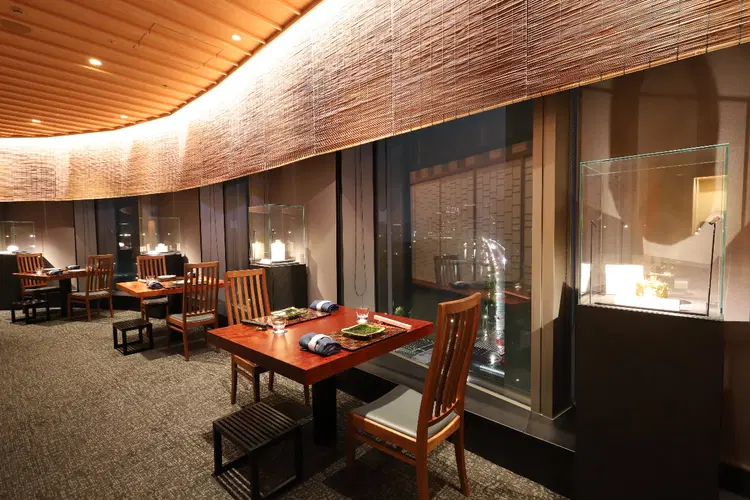
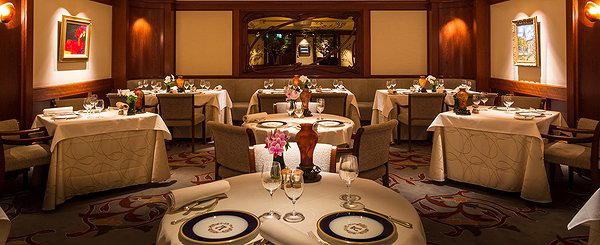
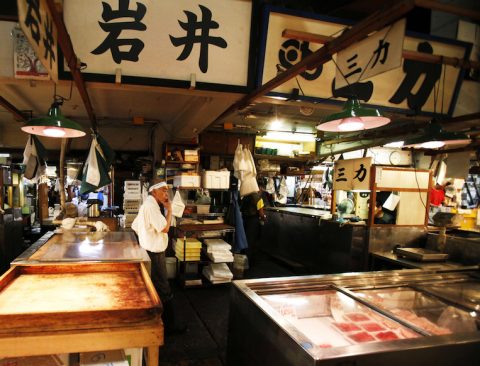


At a Glance
- Elegant
- Sophisticated
- Modern
- Date Night
- Special Occasion
- Business Dinner
- Panoramic View
- Hotel Restaurant
- Sake Program
- Skyline
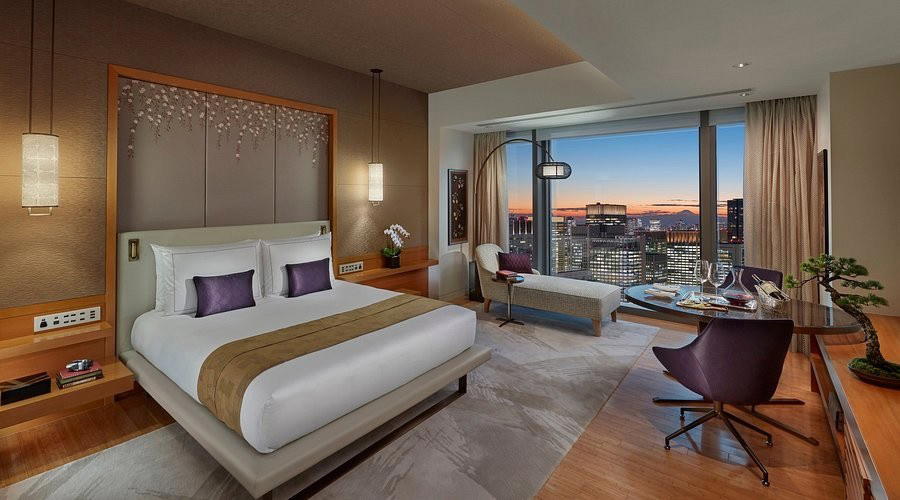
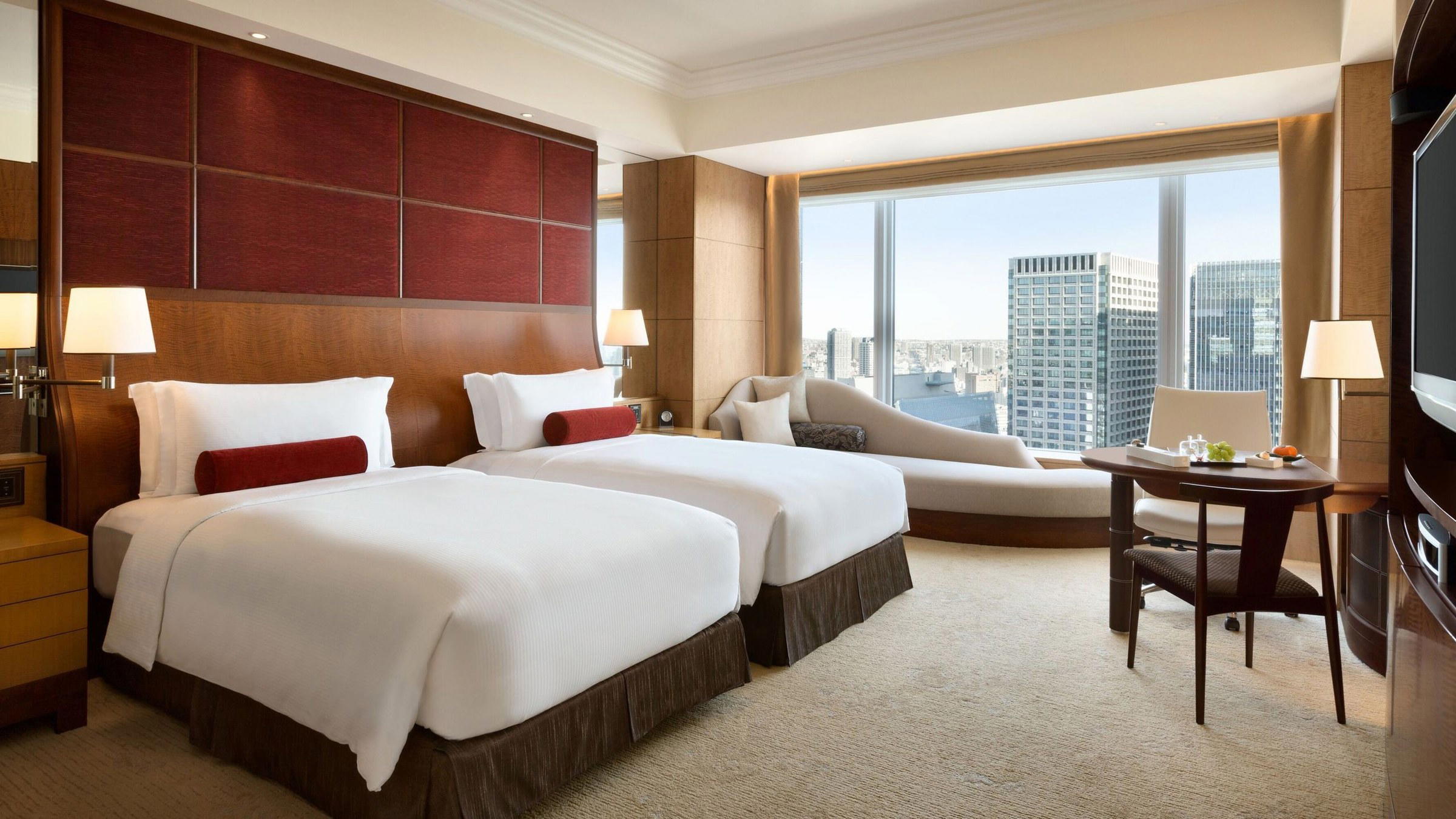
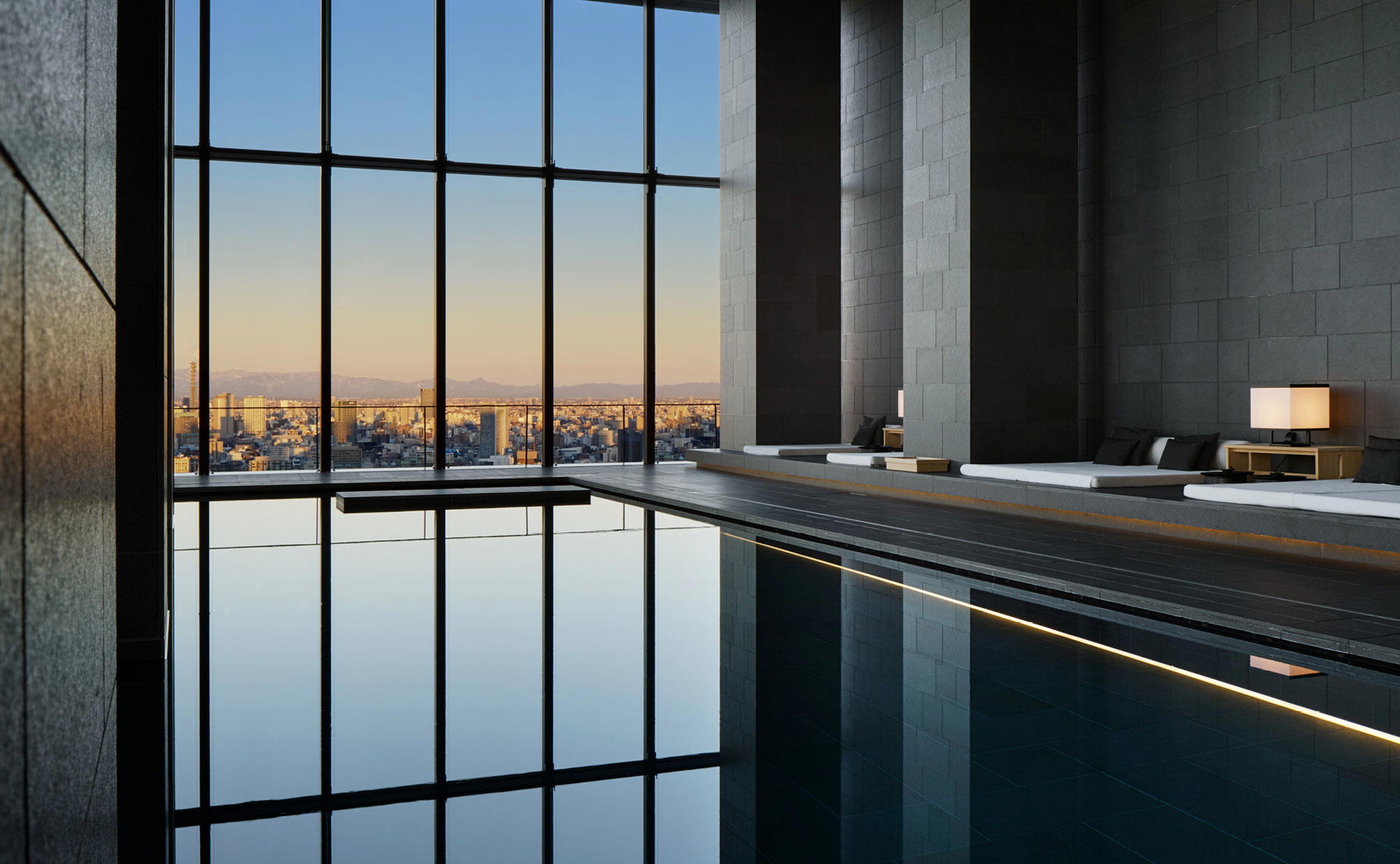
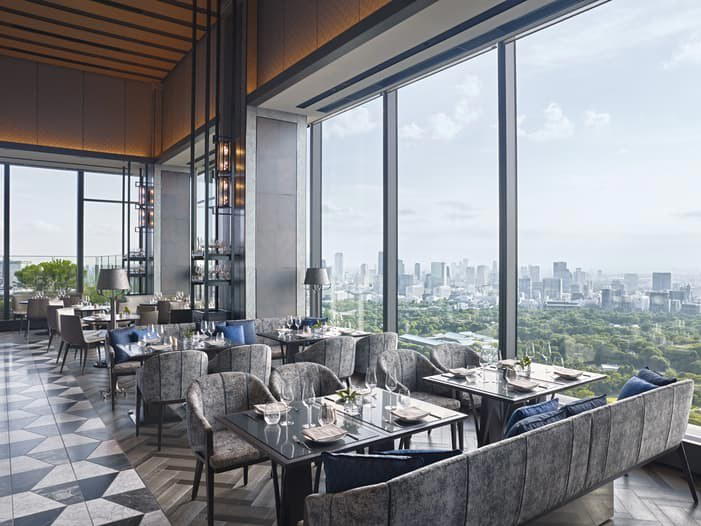
Luxurious space decorated in blue tones with an exhilarating city view, creating a sophisticated and serene high-floor atmosphere.