ギンザ トトキ occupies the seventh floor of a Chuo City building in Ginza 5-chome, placing it within one of Tokyo's most concentrated corridors of high-end Japanese dining. The restaurant's address positions it alongside the counter-format and kaiseki houses that define Ginza's premium tier. Advance reservations are strongly advised for this level of the Ginza dining circuit.
Pearl is the En Primeur Club membership app — saves, bookings, and concierge access live there. Same editors, same standards.
- Address
- Japan, 〒104-0061 Tokyo, Chuo City, Ginza, 5 Chome−5−13 坂口ビル 7階
- Phone
- +81355683511
- Website
- totoki.jp
- Directions
- Get directions
 Saves & bookings on Pearl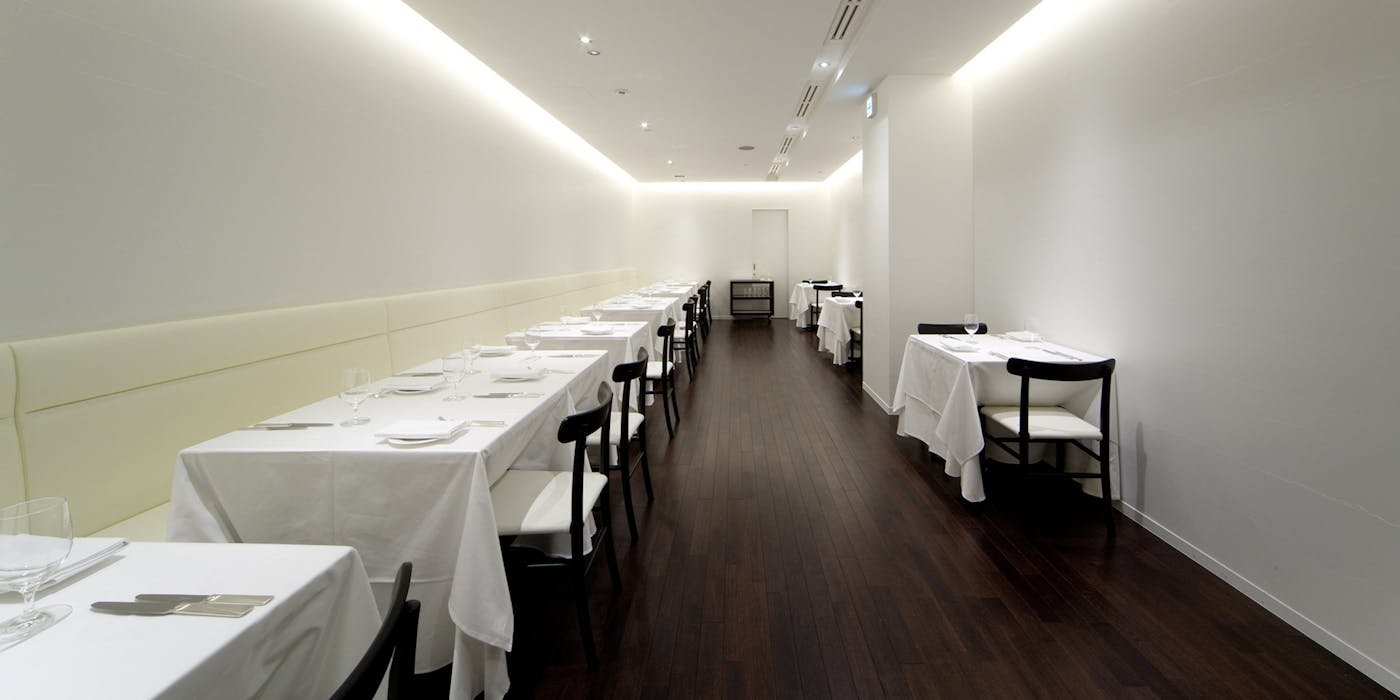
Ginza's Seventh-Floor Dining and the Rituals That Govern It
Tokyo's Ginza district is home to ギンザ トトキ, a Natural French Fine Dining restaurant on the seventh floor of the Sakaguchi Building in Ginza, Tokyo, with a smart casual dress code and reservations recommended. The corridor around 5-chome, where ギンザ トトキ occupies the seventh floor of the Sakaguchi Building, concentrates a particular kind of restaurant: small, deliberately paced, and structured around a meal that unfolds on its own terms rather than the guest's schedule. The tier of dining Ginza 5-chome represents is built on reservation culture, prescribed progression, and a set of unspoken etiquettes that reward guests who understand them in advance.
Seventh-floor dining in Ginza carries its own logic: the street-level energy of the district is filtered out, the room becomes self-contained, and the meal is the environment. Comparable rooms in the same neighbourhood, from the counter-format precision of Harutaka to the kaiseki progression at RyuGin, operate with similar spatial philosophy.
The Pacing of a Japanese Haute Cuisine Meal
Understanding how ギンザ トトキ fits into the Ginza dining tradition requires understanding how these meals are constructed temporally. Japanese high-end formats, whether kaiseki or omakase, are not menus in the Western sense of a list of choices. They are sequences, with each course calibrated to the one before and after it. The kitchen controls the pace; the guest's role is to receive each stage with attention. This is the fundamental etiquette contract that separates Ginza's upper-tier rooms from casual dining anywhere in the city.
Arrival time carries weight in this context. Coming late to a room that operates on sequential service disrupts a kitchen rhythm that cannot easily absorb the interruption. The same consideration applies at French tasting-menu houses operating at the same price tier in Tokyo, such as L'Effervescence and Sézanne, where the multicourse format similarly assumes that all tables begin together. At the restaurant's address tier, punctuality is a form of respect for the format itself.
The dress code at rooms of this calibre in Ginza is never formally posted but is effectively understood. Smart, understated dress is the norm. Loud or casual clothing reads as a signal that a guest has not engaged with the context of the experience, and in a small room where other guests are also present, that matters. Restaurants like Crony, which operates in Tokyo's innovative-French space, have a more relaxed approach; Ginza's traditional Japanese rooms do not.
Booking Protocol and the Reservation Landscape
Securing a table at Ginza's upper-tier rooms follows a consistent pattern across the neighbourhood. Demand at this level outpaces available covers significantly. The counter-format rooms that define the 5-chome corridor typically seat small numbers, and the combination of domestic and international demand means that reservations open and fill quickly, often weeks to months in advance. For international visitors, the additional layer of language and booking-platform fluency creates a practical barrier that does not exist for domestic diners.
One reliable approach for non-Japanese speakers is to book through a hotel concierge at a Tokyo property with established restaurant relationships, or to use a specialist reservation service that operates in the Japanese market. This is the same advice that applies across Ginza's competitive set, from the sushi counter at Harutaka to the kaiseki progression at Gion Sasaki in Kyoto, which operates in a comparable reservation tier in that city. Walk-in access at rooms of this calibre is not a realistic expectation; the format simply does not accommodate it.
ギンザ トトキ in the Wider Japanese Fine Dining Geography
The Ginza 5-chome address places the restaurant within a specific and well-mapped competitive set, but Japanese haute cuisine in this price tier is not limited to Tokyo. The same formal meal structure and etiquette logic applies at rooms across the country: HAJIME in Osaka operates at a comparable intensity of progression and commitment, as does Goh in Fukuoka, which has built a nationally recognised tasting format from a regional base. Regional rooms like 一本木 名川製 in Nanao and akordu in Nara show that the formal dining ritual is not exclusively a metropolitan phenomenon; it travels with the cuisine.
Tokyo's Ginza rooms, including the restaurant, sit at the summit of a national network of serious Japanese dining. The rituals, the booking protocols, and the etiquette expectations are consistent whether the room is in Ginza or in a smaller city.
Know Before You Go
- Address: 7F, Sakaguchi Building, 5-5-13 Ginza, Chuo City, Tokyo 〒104-0061
- Neighbourhood: Ginza 5-chome, central Tokyo
- Price tier: ¥¥¥¥ (about $150 per person)
- Booking: Advance reservation required; walk-ins are not the expected format at this tier
- Recommended booking method: Hotel concierge or specialist Japan reservation service for non-Japanese speakers
- Dress: Smart, understated; Ginza's traditional dining rooms observe conservative standards without formal posting
- Arrival: Punctuality is expected; sequential kitchen formats do not absorb late arrivals easily
- Language: Japanese-language interaction is likely; confirm English service availability when booking
Cost and Credentials
Comparable venues nearby, for context on price, style, and recognition.
| Venue | Cuisine | Price |
|---|---|---|
| ギンザ トトキThis venue — the venue you are viewing | Chūō, Natural French Fine Dining | $$$$ |
| トレフ ミヤモト | Minato, Aromatic French Fine Dining | $$$$ |
| クラフタル | Meguro, Modern French Omakase | $$$$ |
| フロリレージュ | Minato, Modern Sustainable French | $$$$ |
| Chinois (Shibuya) | Shibuya, French Wine Bar | $$$$ |
| サンス・エ・サヴール | Chiyoda, プルセル兄弟監修モダンフレンチ | $$$$ |





At a Glance
- Elegant
- Sophisticated
- Intimate
- Date Night
- Special Occasion
- Business Dinner
- Chefs Counter
- Open Kitchen
- Extensive Wine List
- Sake Program
- Craft Cocktails
- Local Sourcing
Current opening hours
- Monday
- Closed
- Tuesday
- 12–2:30 PM, 6–9 PM
- Wednesday
- 12–2:30 PM, 6–9 PM
- Thursday
- 12–2:30 PM, 6–9 PM
- Friday
- 12–2:30 PM, 6–9 PM
- Saturday
- 12–2:30 PM, 6–9 PM
- Sunday
- 12–2:30 PM
Hours can change for holidays and private events. Last verified .
White-based simple space highlighting ingredient colors, with counter kitchen for intimate viewing of chef's craft.