行楽庵 sits in Otsu's lakeside Kayanoura district, drawing on Shiga's deep kaiseki tradition and the produce rhythms of Lake Biwa's shoreline. The setting, within the ALTA Hōeiura complex, positions it away from Kyoto's more crowded dining corridor while remaining connected to the same culinary lineage. Sparse public data makes advance research and direct contact advisable before visiting.
Pearl is the En Primeur Club membership app — saves, bookings, and concierge access live there. Same editors, same standards.
- Address
- Japan, 〒520-2143 Shiga, Otsu, Kayanoura, 25−1 ALTA萱野浦ビュー
- Phone
- +81775456335
- Directions
- Get directions
 Saves & bookings on Pearl
Lakeside Otsu and the Culinary Pull of Shiga Prefecture
Shiga Prefecture occupies an unusual position in Japan's dining geography. Bordered by Kyoto to the west and the Suzuka mountains to the east, it sits close enough to one of the world's most scrutinised food cities to absorb its culinary standards, yet far enough removed to maintain a distinct identity rooted in the produce of Lake Biwa, Japan's largest freshwater lake. That proximity shapes where serious restaurants here position themselves: not as Kyoto satellites, but as expressions of a regional larder that Kyoto's own kaiseki kitchens have drawn on for centuries. Hirasansou, operating in the broader Shiga area, represents the upper tier of that tradition, with kaiseki anchored in the lake's seasonal rhythms.
行楽庵 (Kōrakuan) occupies a quieter node within this geography. The address places it in Kayanoura, a lakeshore district on the southern edge of Otsu, within the ALTA Hōeiura complex. This is not the densely mapped restaurant corridor of central Otsu or the tourist-frequented lanes near Ishiyamadera temple. The location points instead toward a more deliberate dining occasion: one where the setting and the meal are inseparable from the surrounding water and light.
The Cultural Weight of the Lakeside Setting
In Japanese culinary tradition, proximity to a significant body of water has always carried meaning beyond the logistical. Lake Biwa's funa-zushi, a fermented crucian carp preparation that predates sushi as most visitors understand it, is among the oldest preserved-fish traditions in the country. The lake also supplies smelt, freshwater shrimp, and seasonal greens that appear in Shiga's more formal cooking in ways that cannot be replicated with imported substitutes. A restaurant positioned on or near the lakeshore operates within that symbolic and material context whether it acknowledges it directly or not.
Otsu's dining scene has historically been overshadowed by Kyoto, 15 kilometres to the west, and to a lesser extent by Osaka's commercial food energy further south. But that overshadowing has had an effect worth noting: it has kept certain restaurant formats in Shiga operating for local and regional clientele rather than for international tourism infrastructure. The result, in some cases, is cooking that reflects actual regional preference rather than a packaged presentation of it. Venues like Korakuan and Onza in Otsu proper, and Jidoriya Onza nearby, each occupy different segments of that local dining fabric.
Where 行楽庵 Sits Within the Otsu Picture
The Kayanoura address puts 行楽庵 at some physical distance from Otsu's central dining cluster, which itself is modest compared to prefectural capitals elsewhere in Kansai. That distance is not a drawback so much as a signal about the dining format. Restaurants that choose lakeshore or resort-adjacent settings in Japan typically prioritise the total visit over the meal in isolation. The cooking, the view, and the pace of an evening are understood as a single experience rather than components to be evaluated separately.
This pattern appears across high-end Japanese regional dining. Uran in Shiga operates with a similar logic: the physical environment is not incidental but structural to how the meal is received. At the Kansai level, the relationship between setting and cuisine is well-established at venues like Gion Sasaki in Kyoto, where the architectural and seasonal context shapes the entire register of the meal. Internationally, the same principle is applied at different scales: Lazy Bear in San Francisco and Le Bernardin in New York City each demonstrate how physical environment and deliberate format can anchor a dining experience independently of the food alone.
Within Japan's broader regional dining expansion, prefectures adjacent to major food cities have produced increasingly serious kitchens over the past decade. Nara's akordu and Fukuoka's Goh represent how regional settings can sustain cooking that competes with metropolitan peers on entirely different terms. Shiga's case is structurally similar: the prefecture has the produce, the culinary heritage, and the proximity to serious demand, but has not yet generated the same level of international profile. That gap is narrowing.
Planning a Visit: What to Know in Advance
行楽庵 serves Traditional Japanese Kaiseki at a price tier of 3, with reservations essential. Contacting the venue directly, or consulting a local concierge familiar with the ALTA Hōeiura complex, is one reliable path to confirming current format and availability.
Kayanoura sits along the lakeshore in Otsu, so a taxi or local transport from central Otsu may be needed. That logistics profile suits a restaurant in a resort-adjacent complex, where the surrounding environment is part of the proposition.
Seasonality matters considerably in this part of Japan. Spring and autumn bring the clearest conditions on the lake, with cherry blossom and autumn foliage visible from lakeshore positions. Summer evenings on the water carry their own appeal, though humidity levels in August can be significant. Winter visits to Shiga, while less frequently discussed in travel coverage, offer a stillness on the lake that warmer months do not. Timing a meal at a lakeshore venue around these conditions is worth factoring into the decision.
HAJIME in Osaka, Harutaka in Tokyo, Abon in Ashiya, affetto akita in Akita, Aji Arai in Oita, Ajidocoro in Yubari District, or Akakichi in Imabari as part of a broader Japan itinerary.
Booking and Cost Snapshot
Comparable venues nearby, for context on price, style, and recognition.
| Venue | Cuisine | Price | Notes |
|---|---|---|---|
| 行楽庵This venue — the venue you are viewing | Otsu, Traditional Japanese Kaiseki | $$$ | Not listed |
| 炭火割烹 蔓ききょう | Not listed | $$$ | Seta, Charcoal-Grilled Kappo with Wild Game |
| Teuchi Soba Sobaya Sumikura | Handmade soba & tempura | $$ | Not listed |
| Jidoriya Onza | Mano, Omi Jidori Yakitori | $$$ | Not listed |
| Chikasada | Not listed | $$ | .null, Traditional Unagi & Lake Fish Restaurant |
| 相撲料理神雷 | 三井寺, Sumo Chanko Nabe | $$ | Not listed |
Continue exploring
More in Otsu
Restaurants in Otsu
Browse all →
Bars in Otsu
Browse all →


Hotels in Otsu
Browse all →

Wineries in Otsu
Browse all →
At a Glance
- Elegant
- Intimate
- Sophisticated
- Special Occasion
- Date Night
- Business Dinner
- Sake Program
- Local Sourcing
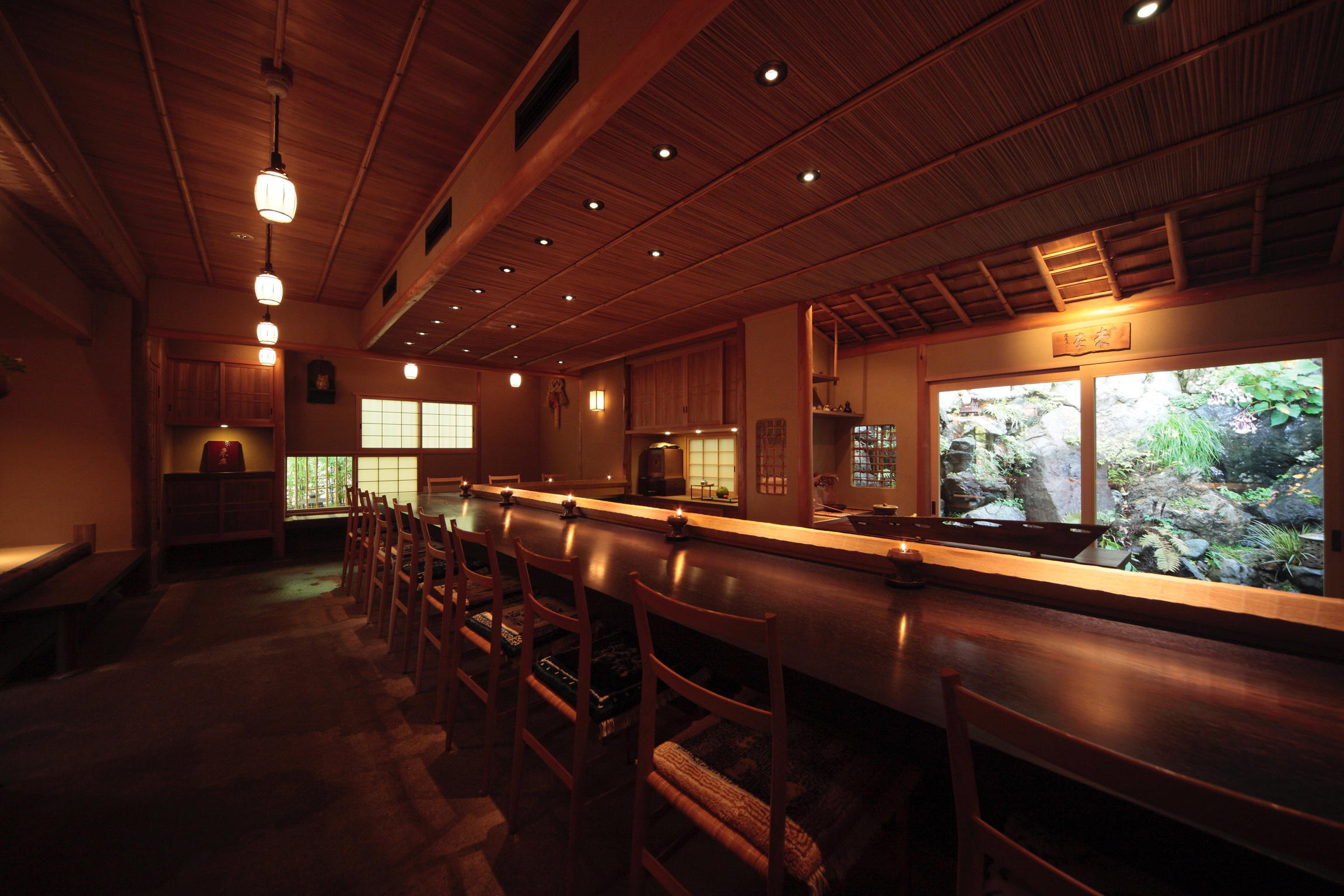
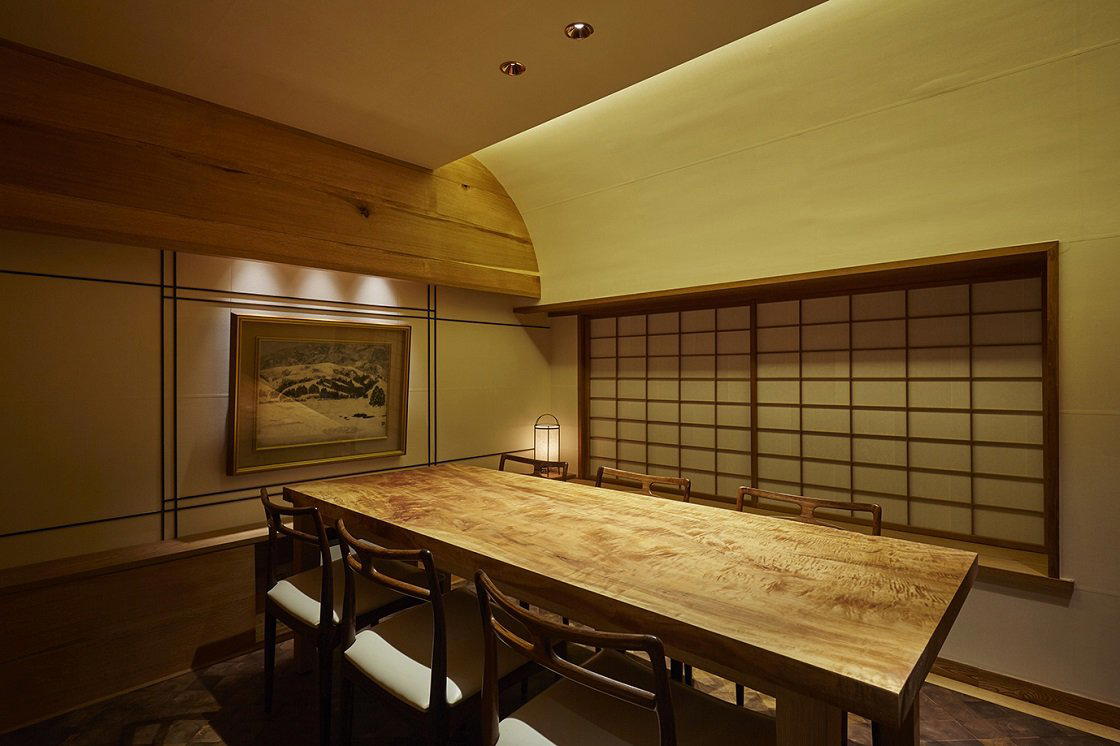
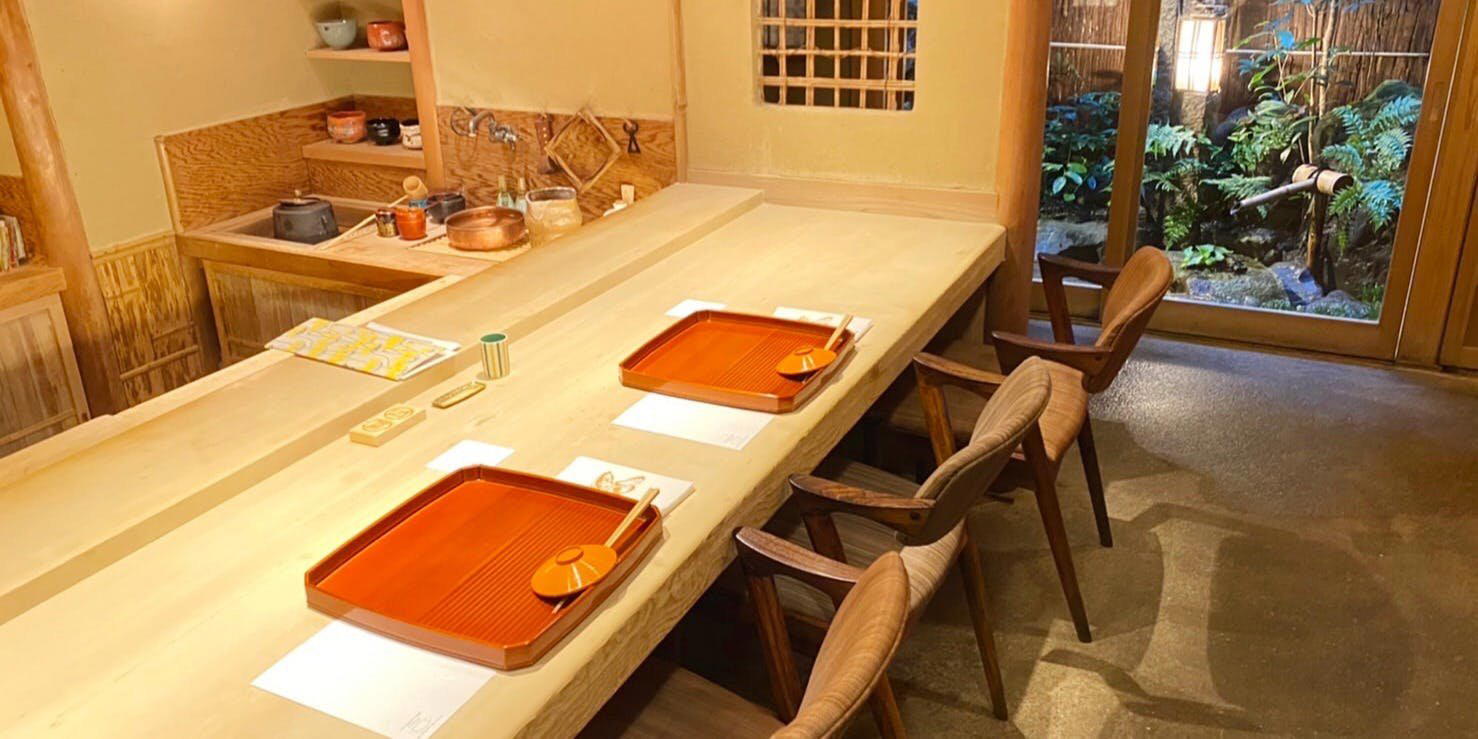
Intimate and refined with soft lighting and serene Japanese decor.