
In Otsu's quieter dining quarter, Jidoriya Onza draws on the jidori free-range chicken tradition that defines a particular tier of Japanese poultry-focused cooking. The restaurant sits within the Shiga Prefecture restaurant scene, where Lake Biwa's agricultural hinterland supplies produce that larger city kitchens often overlook. For anyone tracing ingredient-driven Japanese cooking beyond Kyoto's more visible counters, it represents a considered stop.
Pearl is the En Primeur Club membership app — saves, bookings, and concierge access live there. Same editors, same standards.
- Address
- 4 Chome-9-50 Mano, Otsu, Shiga 520-0232, Japan
- Phone
- +81120003129
- Website
- jidori.net
- Directions
- Get directions
 Saves & bookings on Pearl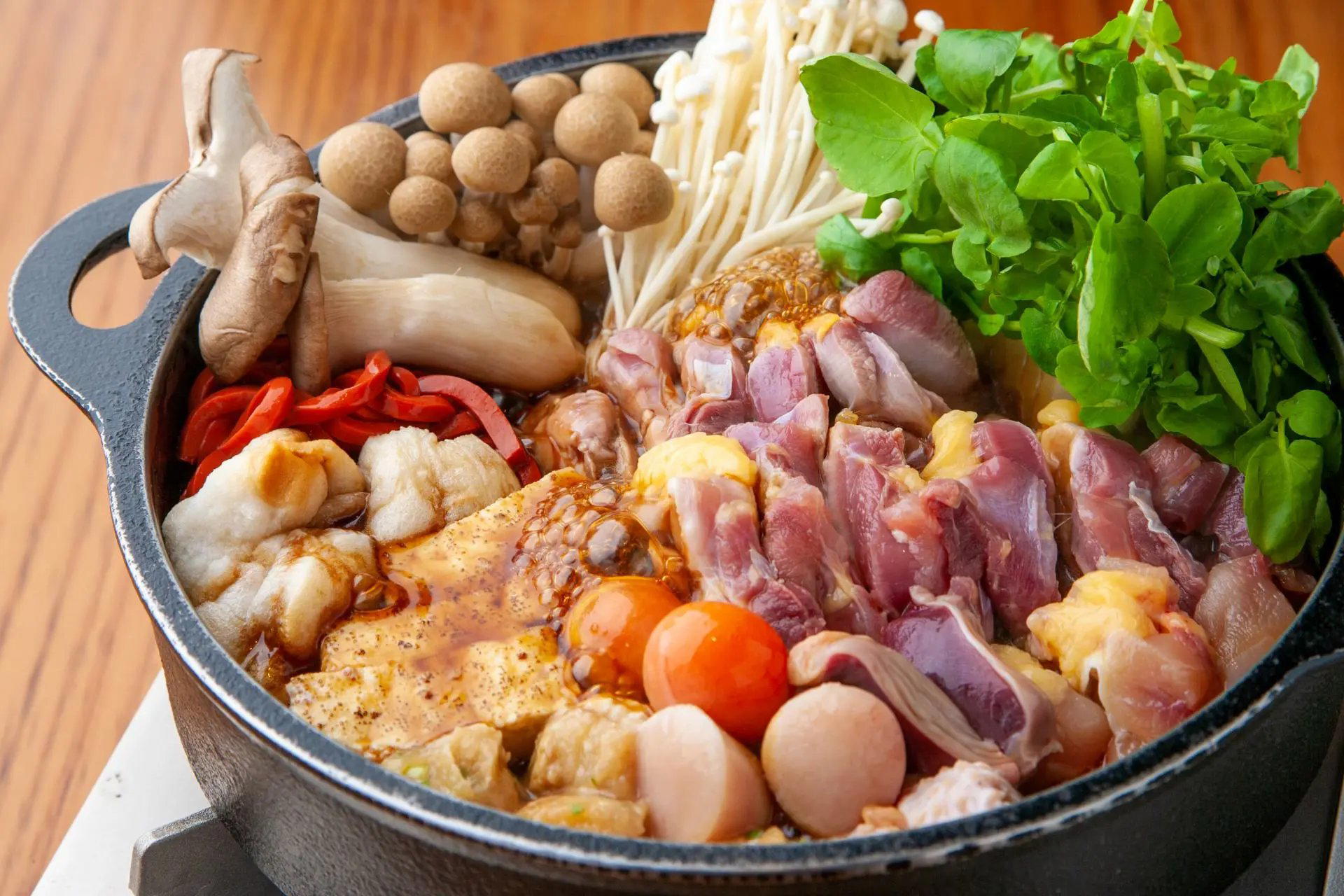
Where Shiga's Poultry Tradition Finds a Focused Expression
Jidoriya Onza is a restaurant in Otsu, Shiga, serving Omi Jidori Yakitori and priced at about $75 per person. Otsu is not a city that announces itself loudly to international visitors. Sitting at the southwestern edge of Lake Biwa, Japan's largest freshwater lake, it occupies a position that is geographically intimate with Kyoto yet operates at an entirely different register. The dining scene here is smaller in volume and more focused on consistency and ingredient sourcing. Jidoriya Onza, at 4 Chome-9-50 Mano, sits within this quieter commercial fabric. The address itself points to a residential-commercial street in the Mano district.
The name carries the essential editorial clue. Jidori refers to free-range chicken raised under specific Japanese agricultural standards, a designation that separates this category of bird from mass-produced poultry in meaningful, measurable ways. True jidori chickens must be raised for a minimum period significantly longer than conventional broilers, with lower stocking densities and, in most certified lines, breed-specific protocols tied to regional heritage stock. The flavour consequence is a denser, more developed muscle with a fat profile that rewards high-heat yakitori grilling or careful simmered preparation in ways that standard chicken simply cannot replicate. In the broader Japanese poultry-restaurant category, venues that stake their identity on jidori sourcing are making a sourcing argument first, the menu is downstream of that commitment.
The Ingredient Logic Behind Jidori Cooking
Shiga Prefecture sits in a position that makes ingredient-led restaurants here particularly interesting. The Lake Biwa basin supports agriculture that supplies Kyoto's kaiseki kitchens, venues like Hirasansou (Kaiseki) in Shiga have long drawn on this regional supply network, but Otsu's own restaurants operate closer to the source without the price architecture that Kyoto's international reputation demands. For poultry specifically, the Shiga and Mie corridor has historically supplied certified jidori birds to premium grilling restaurants throughout the Kansai region. A restaurant in Otsu that identifies itself through the jidori label is, in effect, removing the supply-chain distance that larger city venues cannot avoid.
This matters because jidori preparation is unforgiving in a way that commodity chicken is not. When the bird itself is the argument, technique must be calibrated to what the ingredient already offers rather than compensating for what it lacks. Yakitori chefs working with genuine jidori birds typically adjust grill distance, resting time, and skewer rotation with more precision than the format's casual exterior suggests. The discipline required is closer to the sourcing-led philosophy visible at high-end counters like Gion Sasaki in Kyoto or ingredient-forward restaurants such as akordu in Nara, even if the price point and format differ considerably. Across Japan, the strongest jidori-focused restaurants, from the yakitori specialists of Tokyo examined at counters like Harutaka in Tokyo's peer neighbourhood to regional poultry houses in Fukuoka's orbit near Goh in Fukuoka, share this common thread: the sourcing decision precedes and constrains every other decision in the kitchen.
Otsu's Position in the Regional Dining Circuit
Within Otsu itself, Jidoriya Onza occupies a category that sits alongside a small cluster of focused restaurants rather than competing in a broad field. Korakuan, Onza, and Uran in the wider Shiga area each represent different points on the prefecture's restaurant spectrum, and together they illustrate that serious dining in this part of Japan does not require a Kyoto postcode. The city's restaurant culture rewards repeat local custom over tourist discovery, which has practical consequences: venues tend to have established rhythms, loyal guest bases, and less reliance on the booking platforms and review aggregators that shape expectations in larger cities.
For visitors arriving from Kyoto, roughly 10 minutes by JR Biwako Line from Kyoto Station to Otsu, the adjustment in context is worth making consciously. This is not Kyoto with shorter queues; it is a different dining culture, one where the relationship between restaurant and neighbourhood is more embedded and the international critical infrastructure is largely absent. That absence cuts both ways: no Michelin star accumulation, but also none of the performative pressure that can distort a kitchen's priorities. Restaurants like 比叡山荘 and the restaurant operate in this quieter register. Comparable ingredient-led focus at a different scale can be found further afield at venues like 一本木 金川製 in Nanao or 湖隣庵 in Takashima, both of which reflect the same regional sourcing ethos.
Planning a Visit
For a visit to the restaurant, check posted hours at the address directly and plan it as part of a wider Otsu afternoon rather than a standalone destination. The Mano district is accessible from central Otsu and does not require a taxi if approaching from the JR Otsu station area. Those building a wider Kansai itinerary can map Otsu as a half-day extension from Kyoto, using the our full Otsu restaurants guide to identify additional stops before or after. For comparative reference on the scale and ambition available elsewhere in the region, HAJIME in Osaka represents the far end of the Kansai fine-dining register, while the Shiga and Lake Biwa corridor offers something closer to the ground: fewer intermediaries between the ingredient and the plate.
Jidori-focused restaurants in Japan's regional cities rarely accumulate the award trails that guide most international visitors. What the name and location signal, a commitment to a specific ingredient category in a prefecture known for agricultural quality, is itself a meaningful orientation for visitors who approach Japanese regional dining through sourcing logic rather than star counts. Venues anchored in that logic, from Birdland in Sakai to 羽根屋 in Nishikawa Machi, tend to reward the visitor who does the preliminary work of understanding what the restaurant is actually arguing about, and then shows up to assess whether the argument holds.
At-a-Glance Comparison
Comparable venues nearby, for context on price, style, and recognition.
| Venue | Cuisine | Price | Notes |
|---|---|---|---|
| Jidoriya OnzaThis venue — the venue you are viewing | Omi Jidori Yakitori | $$$ | Not listed |
| 炭火割烹 蔓ききょう | Charcoal-Grilled Kappo with Wild Game | $$$ | Seta |
| じどりや 穏座 | Heritage Chicken Yakitori | $$$ | 真野 (Mano), Otsu |
| Omi Gyu Senmon Ten Restaurant Matsukiya Honten | Omi Beef Steak and Sukiyaki | $$$ | Karahashicho |
| 相撲料理神雷 | Sumo Chanko Nabe | $$ | 三井寺 |
| 行楽庵 | Traditional Japanese Kaiseki | $$$ | Otsu |
Recognition history
Dated appearances from independent guides and award organizations, with the underlying list record or original source where available.
Tabelog Bronze #340
Tabelog
Tabelog 100 #38 · No. 38
Tabelog · Tabelog 100 - Chicken cuisine - 2025
Tabelog Bronze
Tabelog
Continue exploring
More in Otsu
Restaurants in Otsu
Browse all →
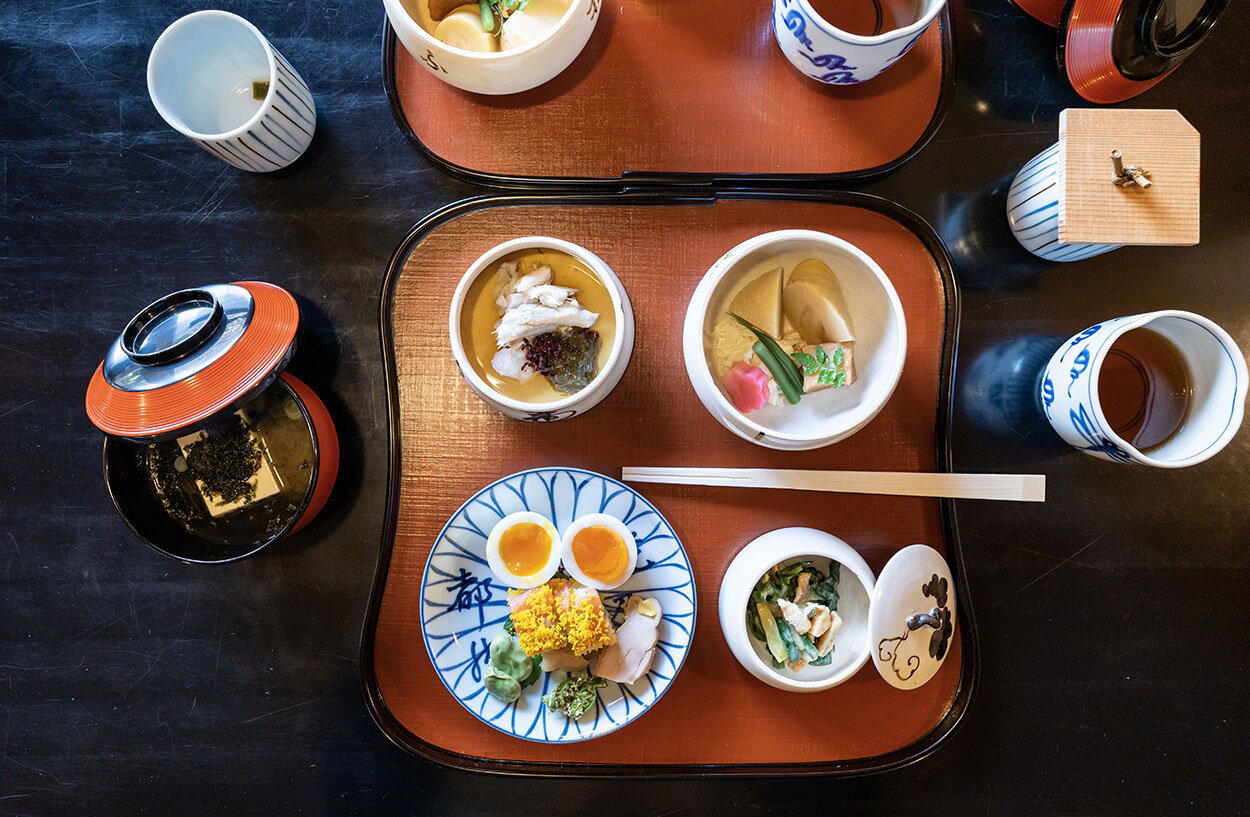
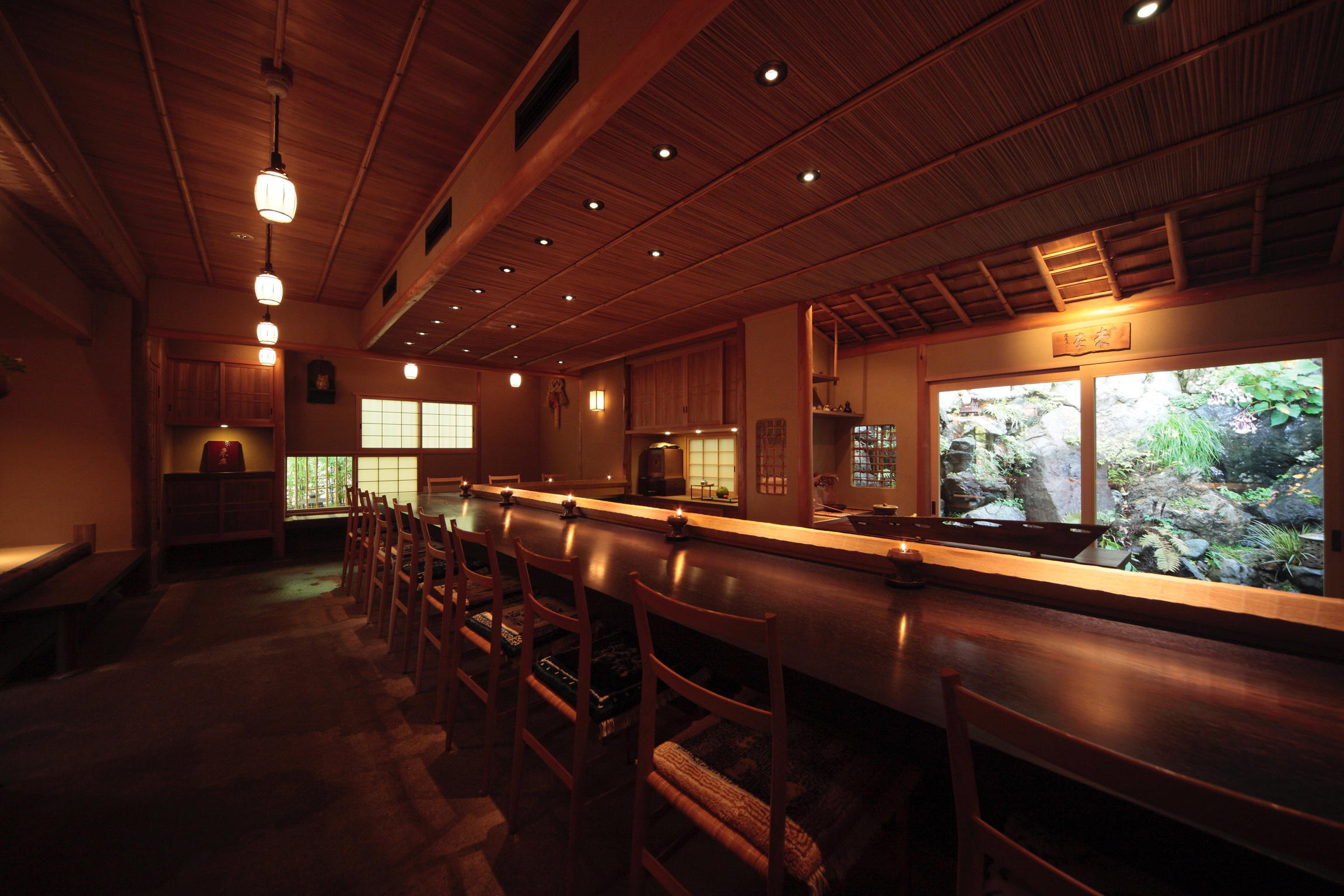
Bars in Otsu
Browse all →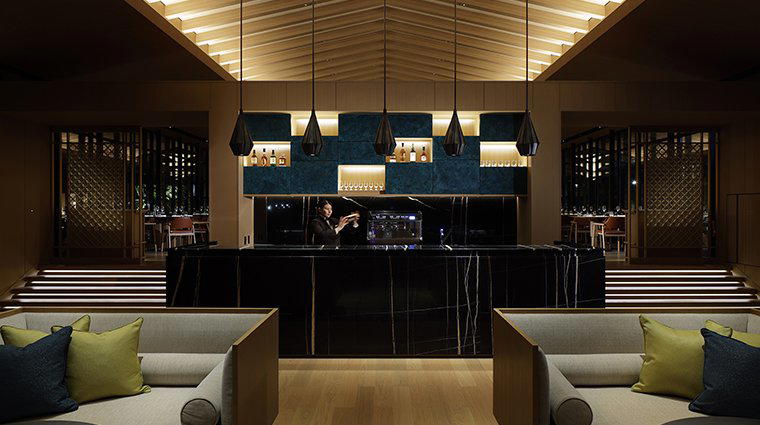
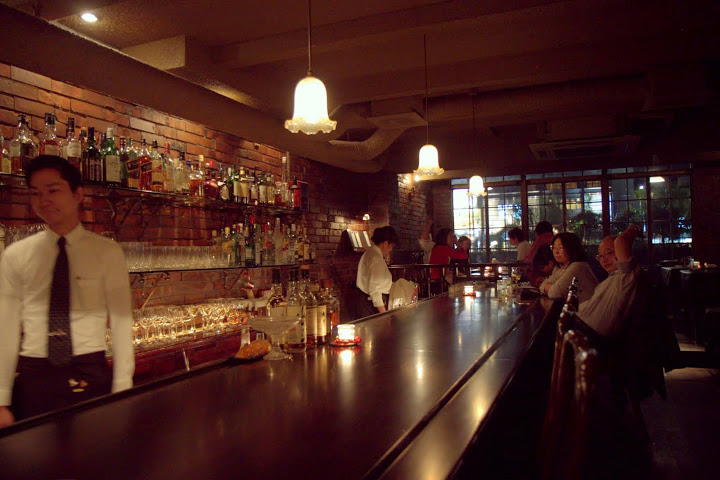
Hotels in Otsu
Browse all →

Wineries in Otsu
Browse all →
At a Glance
- Cozy
- Intimate
- Special Occasion
- Date Night
- Open Kitchen
- Sake Program
- Local Sourcing
Current opening hours
- Monday
- Closed
- Tuesday
- Closed
- Wednesday
- Closed
- Thursday
- Closed
- Friday
- 12:30–2:30 PM, 6–9 PM
- Saturday
- 12:30–2:30 PM, 6–9 PM
- Sunday
- 12:30–2:30 PM, 6–9 PM
Hours can change for holidays and private events. Last verified .
Cozy hideaway in a residential area with counter, sunken kotatsu, lounge, and terrace seating, offering an intimate and relaxed atmosphere.