
Handmade soba near Ishiyamadera places Otsu’s temple-side dining culture in a quieter register than the city’s beef and kaiseki addresses. Teuchi Soba Sobaya Sumikura is a 21-seat soba house recognized in Tabelog 100 Soba WEST 2025, with tempura, Japanese side dishes, sake and shochu shaping a compact meal around buckwheat rather than ceremony.
Pearl is the En Primeur Club membership app — saves, bookings, and concierge access live there. Same editors, same standards.
- Address
- 1 Chome-3-17 Ishiyamadera, Otsu, Shiga 520-0861, Japan
- Phone
- +81 77-537-2045
- Website
- facebook.com
 Saves & bookings on Pearl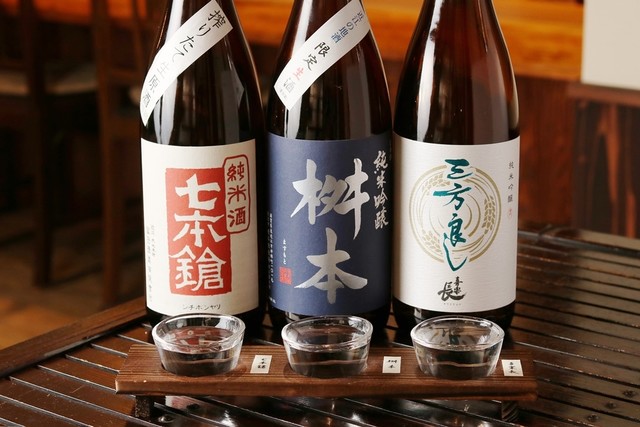
The approach to Ishiyamadera changes the appetite. Otsu’s lakefront and station districts can feel transactional, but the road along the Seta River pulls dining back toward older rhythms: temple visits, short lunches, family meals, and local rooms built for regulars rather than spectacle. In that setting, soba makes sense. Buckwheat has always rewarded restraint, and the strongest soba houses in western Japan tend to argue through texture, aroma, dipping broth, and timing rather than through visual theatre.
Teuchi Soba Sobaya Sumikura belongs to that tradition. Its recognition in Tabelog 100 Soba WEST 2025 matters because soba is a narrow field in which small differences carry weight: milling, hydration, cutting, boiling and service temperature all alter the bowl before garnish or side dishes enter the conversation. Otsu is often read through lake fish, Omi beef, temple sweets and Kyoto adjacency, but a serious handmade soba address gives the city a different center of gravity.
Handmade buckwheat gives Otsu's temple district a quieter benchmark
The editorial point here is not abundance. Soba culture is disciplined by scarcity: buckwheat has less gluten than wheat, the dough is less forgiving, and noodles lose character when held too long. A room built around handmade soba therefore asks for a different kind of attention than a long kaiseki counter or a beef restaurant. The meal is shorter, the choices narrower, and the evaluation sharper.
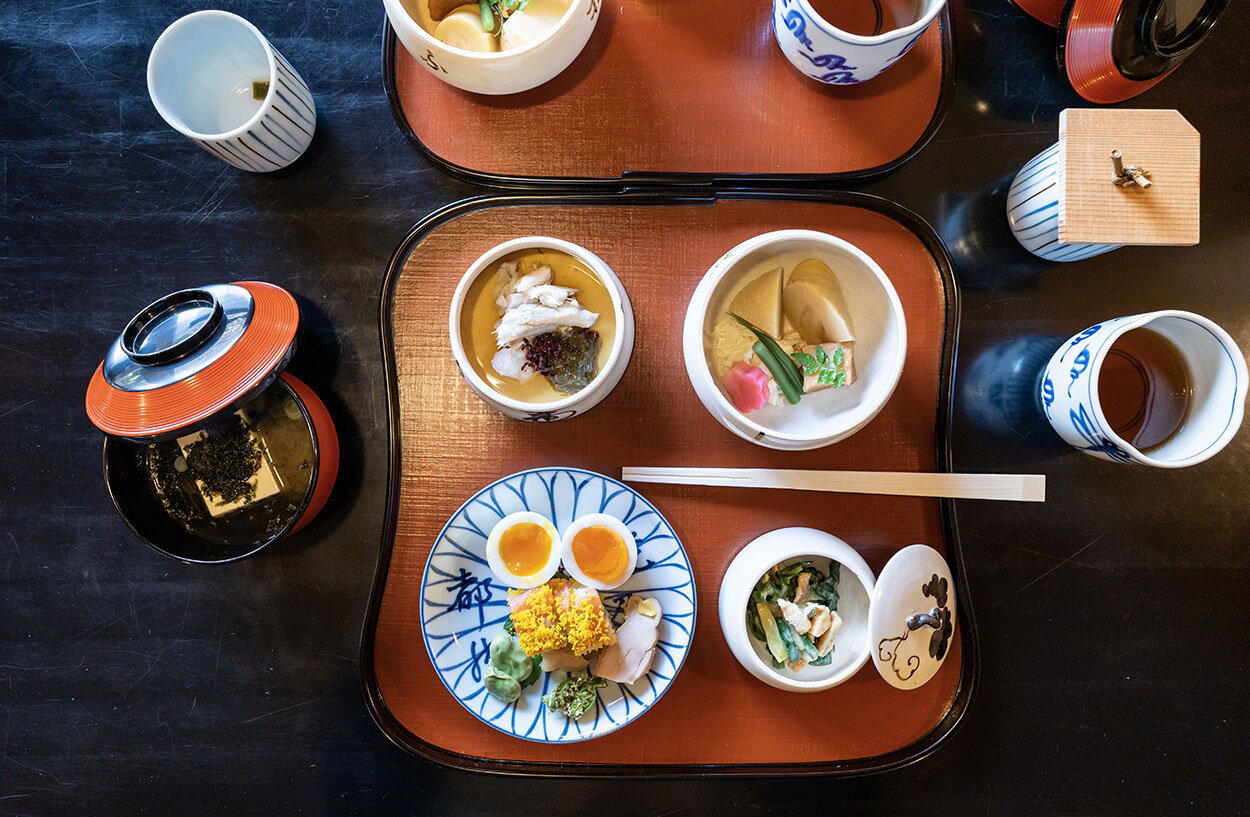
The kitchen’s listed categories, soba, tempura and Japanese cuisine, place it inside a familiar but demanding Japanese format. Tempura works well alongside soba because it adds warmth, oil and crunch to a grain-led meal without forcing the table into a tasting-menu structure. Sake and shochu are also part of the drinks program, with an emphasis on nihonshu, which fits Shiga’s broader agricultural identity and its proximity to serious water and rice culture.
Ingredient sourcing is the quiet spine of this style. The restaurant describes its soba as handmade from carefully selected buckwheat flour, and that choice matters more than decorative luxury. In a bowl of soba, the raw material is exposed. There is nowhere for weak flour, poor cutting or careless boiling to hide. That is why a Tabelog soba selection carries a different signal from a general popularity ranking: it points toward a specialist craft category rather than broad casual appeal.
For travelers mapping Otsu through food, the contrast is useful. Chikasada sits in a similar spending band but speaks to another local register, while Hirasansou (Kaiseki) represents the region’s more formal seasonal cooking. Jidoriya Onza and Korakuan widen the Otsu conversation beyond noodles. Sumikura’s role is more specific: it gives buckwheat the central seat.
The room suits soba's slower, smaller pleasures
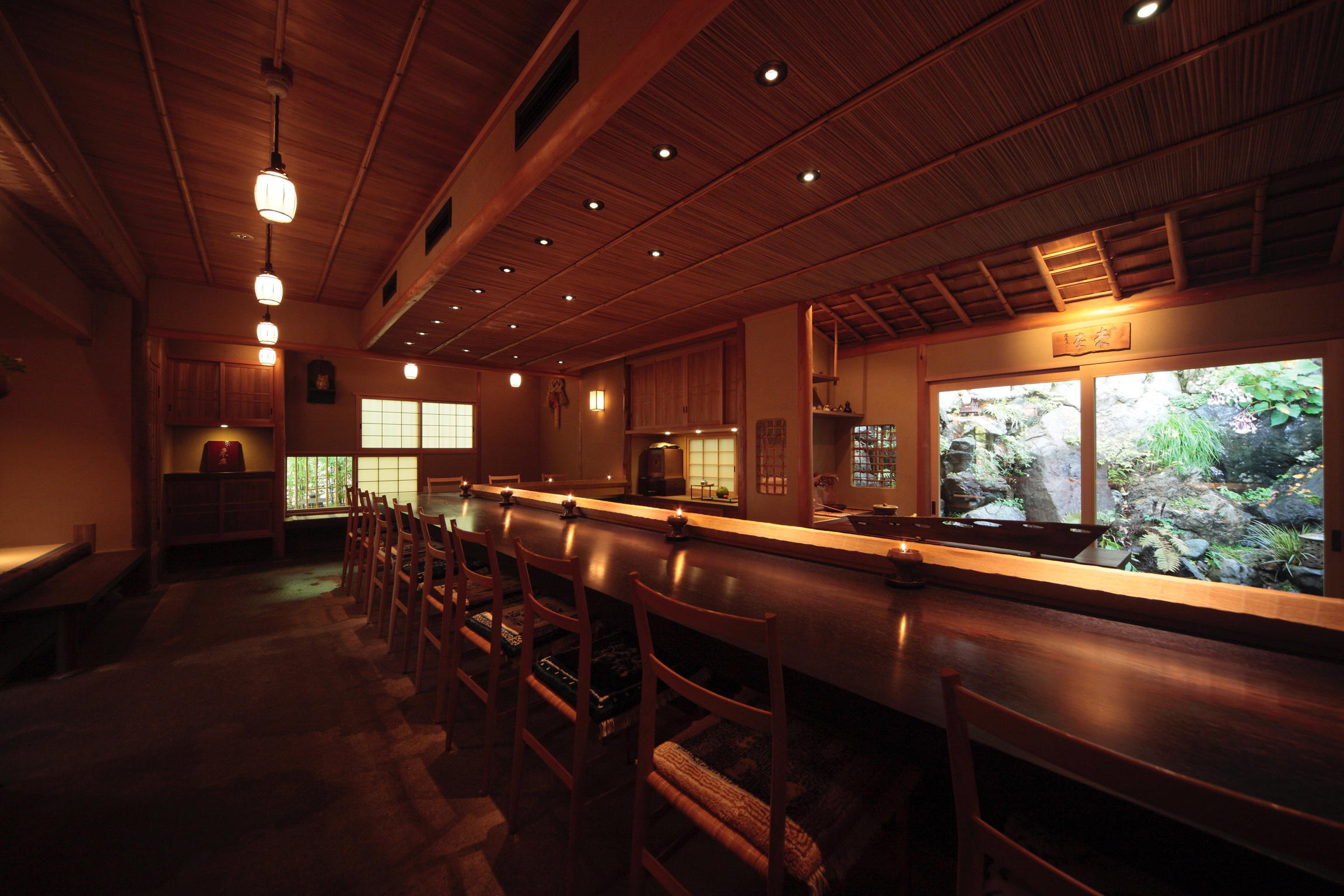
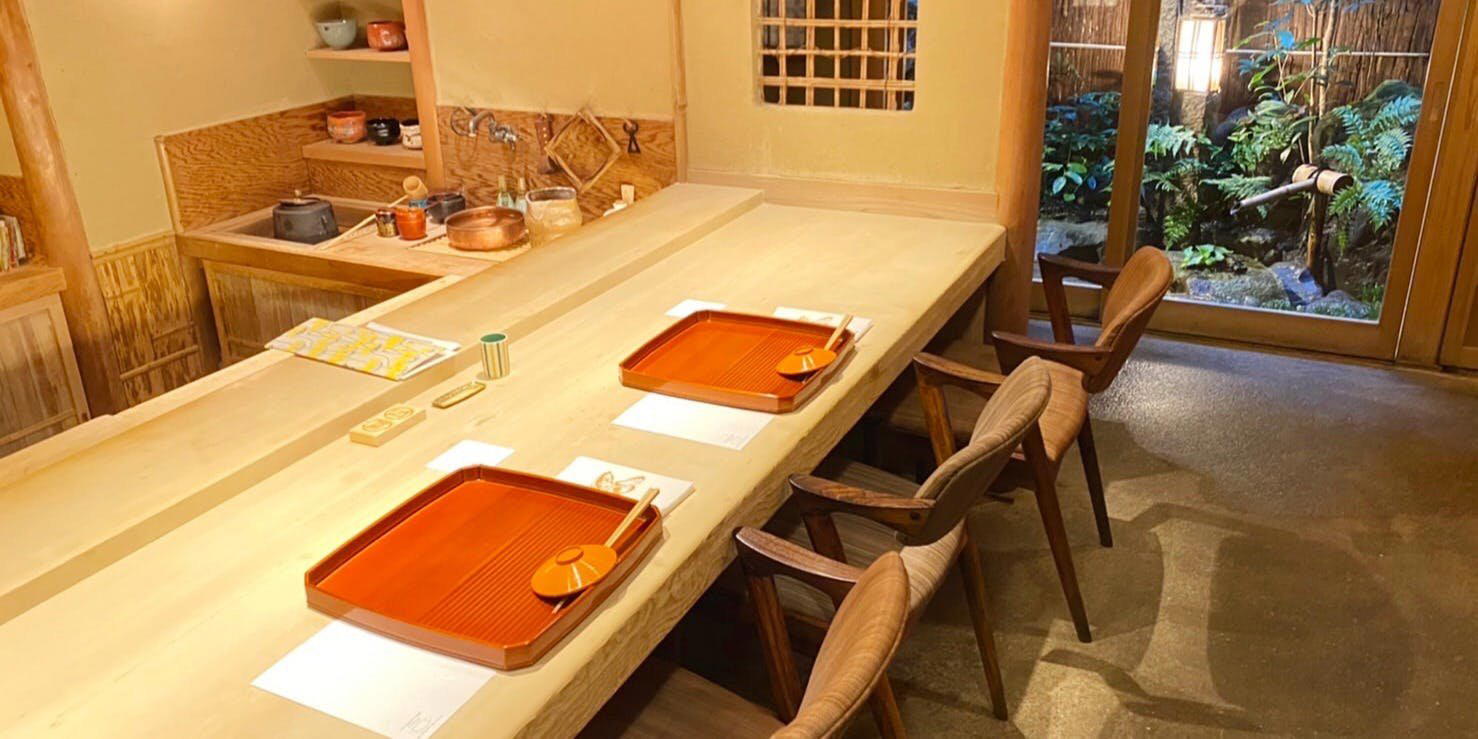
A 21-seat soba house has a different social temperature from a destination restaurant built around long advance planning. The scale keeps the meal close to the craft and makes it suitable for solo dining, families and small groups rather than only special-occasion tables. Counter seating, wheelchair accessibility, non-smoking service and private rooms for 10 to 20 people all point toward a practical local restaurant with enough structure to welcome visitors who know what they are looking for.
The setting also helps explain the appeal. The building is described as a former traditional inn with views toward the Seta River, and that context places the meal within Ishiyamadera’s cultural geography rather than in a generic commercial strip. Temple districts in Japan often produce a particular dining rhythm: lunch service, handmade noodles, sweets, tea, and shops that understand visitors arrive around walks rather than late-night reservations. That rhythm is part of the experience, not a decorative aside.
Otsu’s broader dining identity benefits from this kind of specificity. The city is close enough to Kyoto to be overshadowed by it, yet its food culture is not simply a spillover. Lake Biwa, temple routes, Shiga sake, Omi beef and buckwheat all pull in different directions. For sweets, Miidera Chikara Mochi Honke anchors another long-running local habit. For a wider map, Our full Otsu restaurants guide is the more useful starting point than treating one meal as a complete portrait of the city.
How to place it in a Japan itinerary
This is a soba meal to schedule around Ishiyamadera rather than a late-evening detour. The format works for travelers who value regional craft, concise meals and ingredient-led cooking, especially if the surrounding itinerary already includes more elaborate restaurants elsewhere. Otsu’s luxury infrastructure is thinner than Kyoto’s, so dining plans benefit from pairing restaurants with transport and lodging choices early; Our full Otsu hotels guide, Our full Otsu bars guide, Our full Otsu wineries guide and Our full Otsu experiences guide help frame that wider decision.
Within the comparison set, Omi Gyu Senmon Ten Restaurant Matsukiya Honten operates in a higher beef-focused spend category, while Chikasada sits closer on price. That makes the soba house less a substitute for Omi beef than a correction to a common itinerary bias: not every serious Shiga meal needs to be meat-led or ceremonial. A handmade noodle lunch can teach as much about place as a longer dinner, provided the kitchen has the sourcing and technical discipline to make buckwheat speak clearly.
Travelers building a Japan-wide route can also use it as a counterpoint to more urban formats, from -Grilled beef Sukiyaki- KAMAKURA TANUKIAN 鎌倉 たぬき庵 in Kamakura and. 鮪と炭火焼き うお炭 秋葉原店 in Tokyo to.cafe in Osaka.know in Kumamoto, (Shoku) Vietnam in Kawasaki and [Curry Senmon Ten] Maruyama Kyoju. in Sapporo. For readers looking at Japanese food culture abroad, Jōdo Saké Bar in Los Angeles and Onigiri Time in Pasadena show how portable some forms become. Handmade soba, by contrast, remains stubbornly tied to flour, water, timing and the room serving it.
At-a-Glance Comparison
Comparable venues by cuisine and price in the same metro.
| Venue | Cuisine | Price | Notes |
|---|---|---|---|
| Teuchi Soba Sobaya SumikuraThis venue — the venue you are viewing | Handmade soba & tempura | $$ | Not listed |
| Jidoriya Onza | Omi Jidori Yakitori | $$$ | Mano |
| Sara Soba Nagisa An | Izushi-style sara-soba and Shiga regional cuisine | $$ | Nionohama |
| Teppanyaki Oomi | Teppanyaki with Omi Wagyu in a Lake Biwa hotel setting | $$$ | Otsu |
| Miidera Chikara Mochi Honke | Traditional Japanese wagashi & cafe | $ | Hamaotsu |
| Omi Gyu Senmon Ten Omi Kadoman | Traditional Omi beef steak & hotpot restaurant | $$$$ | Chuo, Otsu |
Recognition history
Dated appearances from independent guides and award organizations, with the underlying list record or original source where available.
Tabelog 100 #95 · No. 95
Tabelog · Tabelog 100 - Soba - WEST - 2025
Continue exploring
More in Otsu
Restaurants in Otsu
Browse all →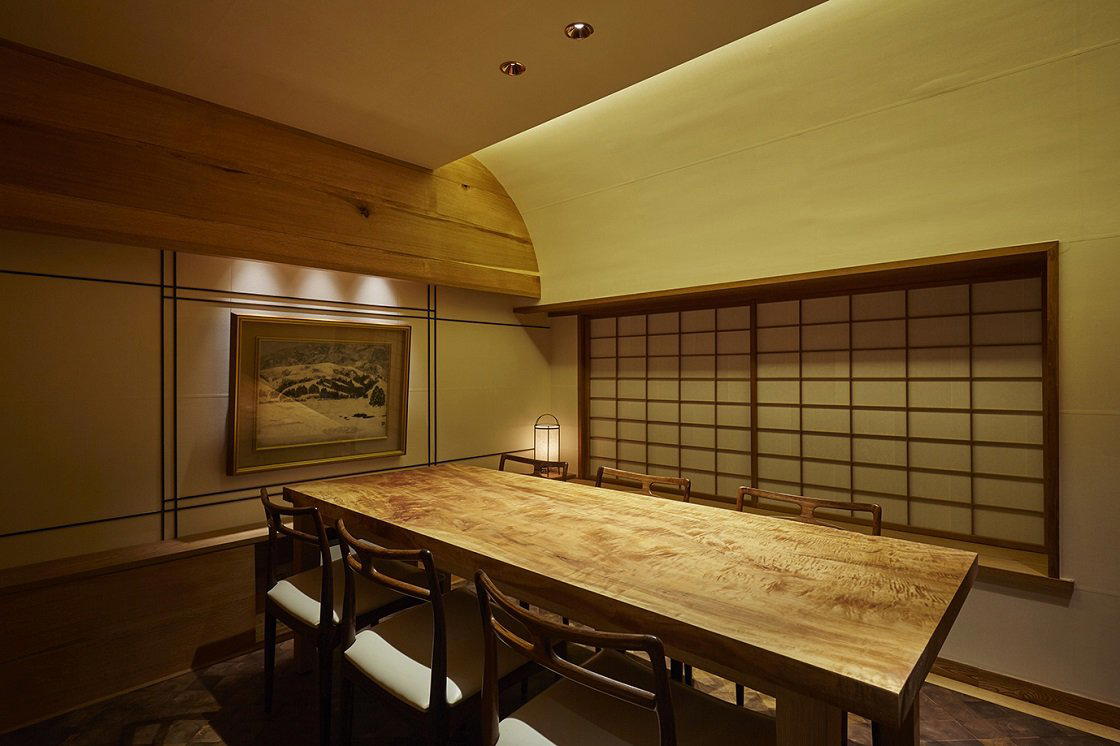
Bars in Otsu
Browse all →
Hotels in Otsu
Browse all →
Wineries in Otsu
Browse all →
At a Glance
- Classic
- Cozy
- Quiet
- Solo
- Casual Hangout
- Family
- Standalone
- Sake Program
Current opening hours
- Monday
- 11 AM–3 PM
- Tuesday
- 11 AM–3 PM
- Wednesday
- 11 AM–3 PM
- Thursday
- 11 AM–3 PM
- Friday
- 11 AM–3 PM
- Saturday
- 11 AM–3 PM
- Sunday
- 11 AM–3 PM
Hours can change for holidays and private events. Last verified .
Reviews and the Tabelog description emphasize a calm, tranquil atmosphere in an interior designed like a traditional Japanese house, giving a cozy, classic feel suited to quiet meals rather than lively gatherings.