
Chikasada gives Otsu’s unagi tradition a practical, ingredient-led frame: eel, seafood, regional cooking, and a no-frills room near the Seta River rather than the performance style common in larger cities. Its selection for Tabelog 100 - Unagi - 2024 places it in a national conversation about serious eel restaurants, while the experience remains rooted in Shiga’s everyday dining culture.
Pearl is the En Primeur Club membership app — saves, bookings, and concierge access live there. Same editors, same standards.
- Address
- 7-4 Tamanoura, Otsu, Shiga 520-2142, Japan
- Phone
- +81 77-545-5224
- Website
- r.goope.jp
- Directions
- Get directions
 Saves & bookings on Pearl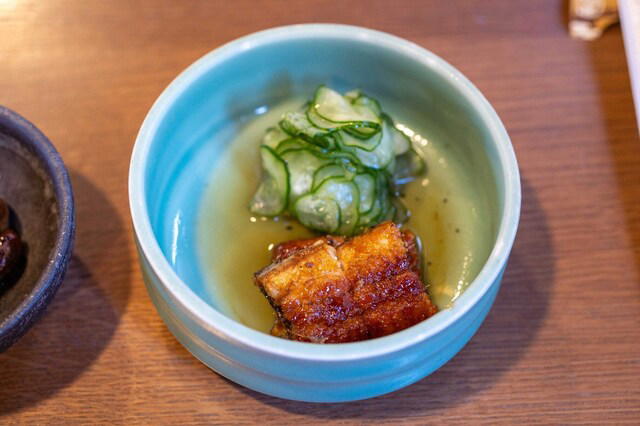
Approaching the Seta side of Otsu, the mood shifts away from Kyoto’s temple-side polish and toward a quieter lakeside city where fish, rice, river crossings, and family restaurants carry the local rhythm. In that setting, unagi makes particular sense. Eel in Japan has always been about appetite and season, but also about sourcing discipline, charcoal work, and the patience required to turn a single ingredient into a complete meal without theatrical plating.
Chikasada belongs to that older, ingredient-first category. The cooking is listed around unagi, seafood, and regional cuisine, with sake and shochu as the natural drinks rather than a sommelier-led wine program. Its selection for Tabelog 100 - Unagi - 2024 gives the restaurant a national credential, but the more interesting point is local: Otsu is not trying to imitate Tokyo counter dining. Its stronger restaurants often read through proximity to Lake Biwa, Shiga produce, and Kansai’s preference for clarity over display.
Otsu's eel culture favors sourcing over spectacle
Unagi restaurants live or fail by decisions that happen before the tray reaches the table: fish handling, preparation, sauce management, rice, and pacing. This is why the category rewards specialists. A general Japanese restaurant can serve eel; a serious unagi house has to build the meal around it. The distinction matters in Shiga, where lake and river food traditions sit close to Kyoto’s refined kaiseki culture but keep a more direct, less ceremonial register.
That broader regional context is useful when reading Otsu’s dining map. Hirasansou (Kaiseki) represents a mountain-and-seasonal kaiseki vocabulary, while Jidoriya Onza points to the city’s interest in focused protein-led cooking. Korakuan sits in a quieter traditional lane, and Miidera Chikara Mochi Honke shows how local sweets remain tied to pilgrimage routes and old-town habits. Seen against that spread, eel is not an isolated craving; it is one expression of a city that often values continuity over novelty.
The comparison with beef is also instructive. Otsu has access to the prestige economy around Omi beef, and Omi Gyu Senmon Ten Omi Kadoman sits in that lane. Omi Gyu Senmon Ten Restaurant Matsukiya Honten, another local beef specialist, operates at a higher dinner budget than many everyday restaurants in the city. Eel occupies a different register: still a specialist meal, still ingredient-dependent, but less about luxury signaling and more about calibrated repetition.
A family-friendly room with serious specialist signals
The strongest signal here is not ornament. The room is listed with 42 seats, no private rooms, non-smoking status, and a family-friendly setup that welcomes children and strollers. That combination tells experienced Japan travelers something useful: this is not a hushed counter built around ritualized scarcity. It is closer to the regional specialist restaurant, the kind of place where a focused kitchen can carry recognition without turning the dining room into a stage.
That matters for eel. A more formal room can make unagi feel like a luxury object, but the dish has deeper roots as a restorative, seasonal, and workday pleasure. Chikasada’s Tabelog score of 3.67 and its Tabelog 100 - Unagi - 2024 selection place it above casual discovery level, yet the format remains readable for travelers who want the ingredient without a long tasting-menu commitment. Takeout availability further reinforces the practical side of the operation, a useful detail in a city where rail movement, temple visits, and lakeside plans often shape meal timing.
Otsu also rewards restraint in itinerary planning. Kyoto pulls attention across the lake, but Shiga’s food culture is not merely overflow from the old capital. Lake Biwa’s presence changes the pantry, and the city’s better meals often feel less mediated by tourism. For a broader read on that ecosystem, Our full Otsu restaurants guide gives the dining context, while Our full Otsu hotels guide, Our full Otsu bars guide, Our full Otsu wineries guide, and Our full Otsu experiences guide help frame the city beyond a single meal.
How to place it in a Japan eating itinerary
The editorial case for Chikasada is strongest for travelers who already understand Japan through regional specialisms rather than checklist dining. It is not competing with omakase counters in Ginza or Kyoto kaiseki rooms on ceremony. It is closer to the national network of focused restaurants where one ingredient becomes the reason for the detour, and the evidence sits in award selection, category focus, and practical dining signals rather than grand décor.
That makes it a sensible Otsu anchor for visitors building a Kansai trip around contrast: eel in Shiga, beef elsewhere in the city, kaiseki in the mountains, sweets near temple routes. Travelers extending the same logic across Japan might compare the category discipline here with formats such as -Grilled beef Sukiyaki- KAMAKURA TANUKIAN 鎌倉 たぬき庵 in Kamakura. 鮪と炭火焼き うお炭 秋葉原店 in Tokyo.cafe in Osaka.know in Kumamoto, (Shoku) Vietnam in Kawasaki, and [Curry Senmon Ten] Maruyama Kyoju. in Sapporo. Outside Japan, that same single-format clarity appears in more casual but tightly defined projects such as Jōdo Saké Bar in Los Angeles and Onigiri Time in Pasadena.
The recommendation is narrow, which is its strength. Come for an eel-focused meal that reflects Otsu’s regional food identity without turning it into performance. In a city where water, rice, fish, beef, and pilgrimage sweets all compete for attention, this is the unagi address that makes the strongest ingredient-led argument.
- Charcoal-grilled unagi with secret sauce
- Koi sashimi
- Koi nitsuke
- Koikoku (carp soup)
- Homemade funazushi
- Soft stewed suppon (softshell turtle)
How It Stacks Up
Comparable venues by cuisine and price in the same metro.
| Venue | Cuisine | Price | Notes |
|---|---|---|---|
| Chikasada | Traditional Unagi & Lake Fish Restaurant | $$ | .null |
| Onza | Jidori Yakitori & Chicken Hot Pot | $$ | Mano, Otsu |
| 行楽庵 | Traditional Japanese Kaiseki | $$$ | Otsu |
| 比良山荘 | Traditional Japanese | $$ | Otsu |
| 炭火割烹 蔓ききょう | Charcoal-Grilled Kappo with Wild Game | $$$ | Seta |
| Ramen Yoshichi Katata ten | Tonkotsu ramen shop | $ | Katata |
Recognition history
Dated appearances from independent guides and award organizations, with the underlying list record or original source where available.
Tabelog 100 #98 · No. 98
Tabelog · Tabelog 100 - Unagi - 2024
Continue exploring
More in Otsu
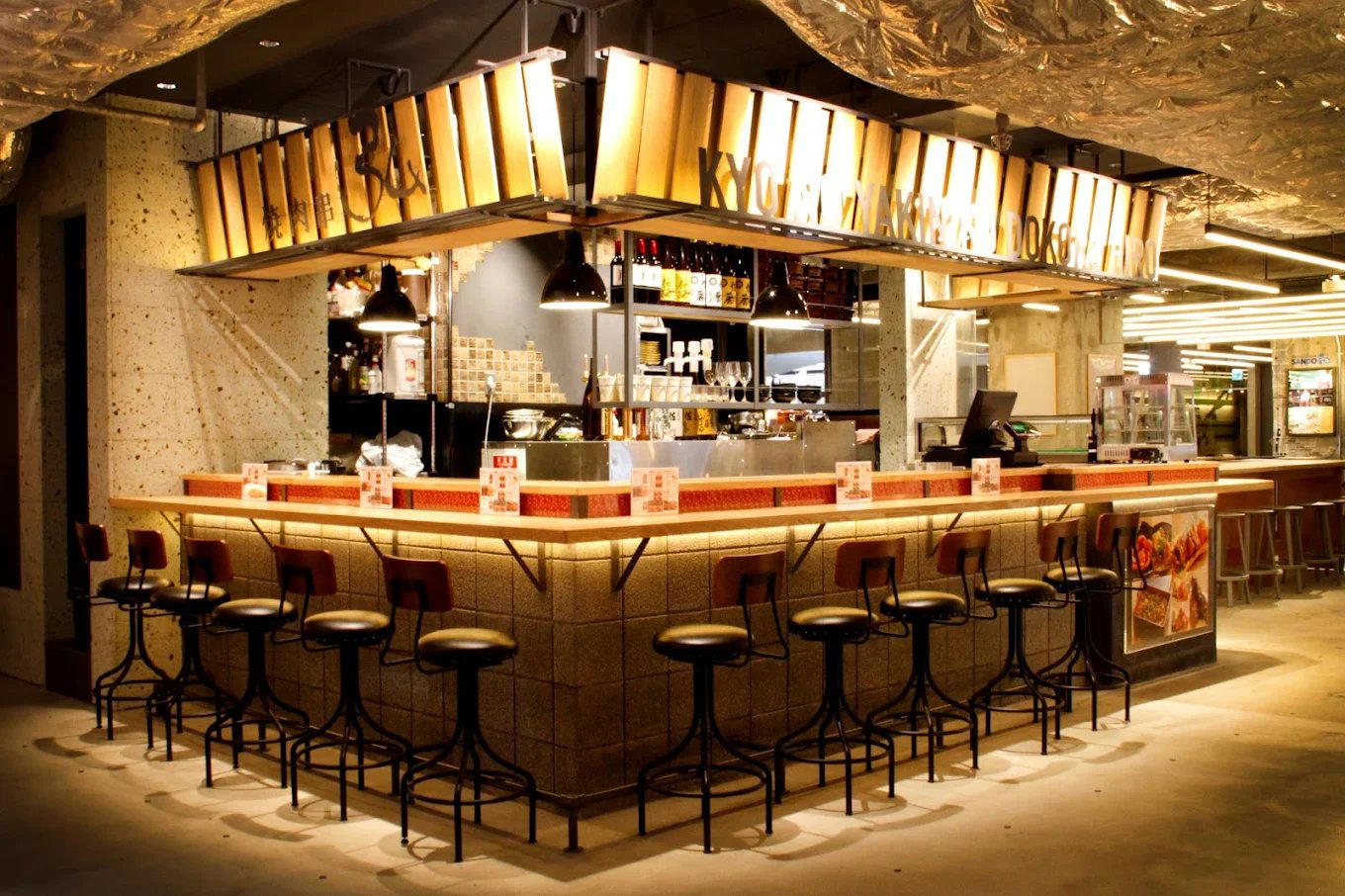
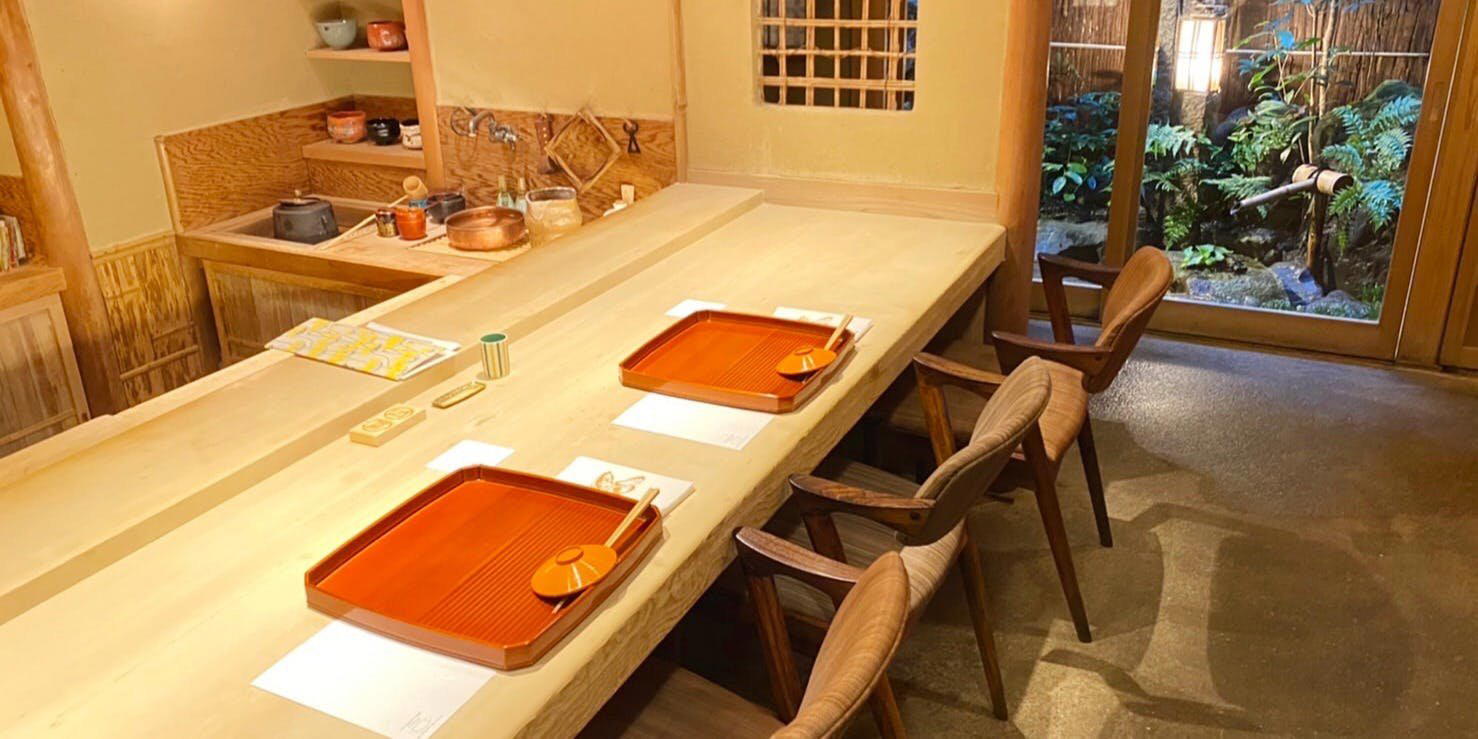
Restaurants in Otsu
Browse all →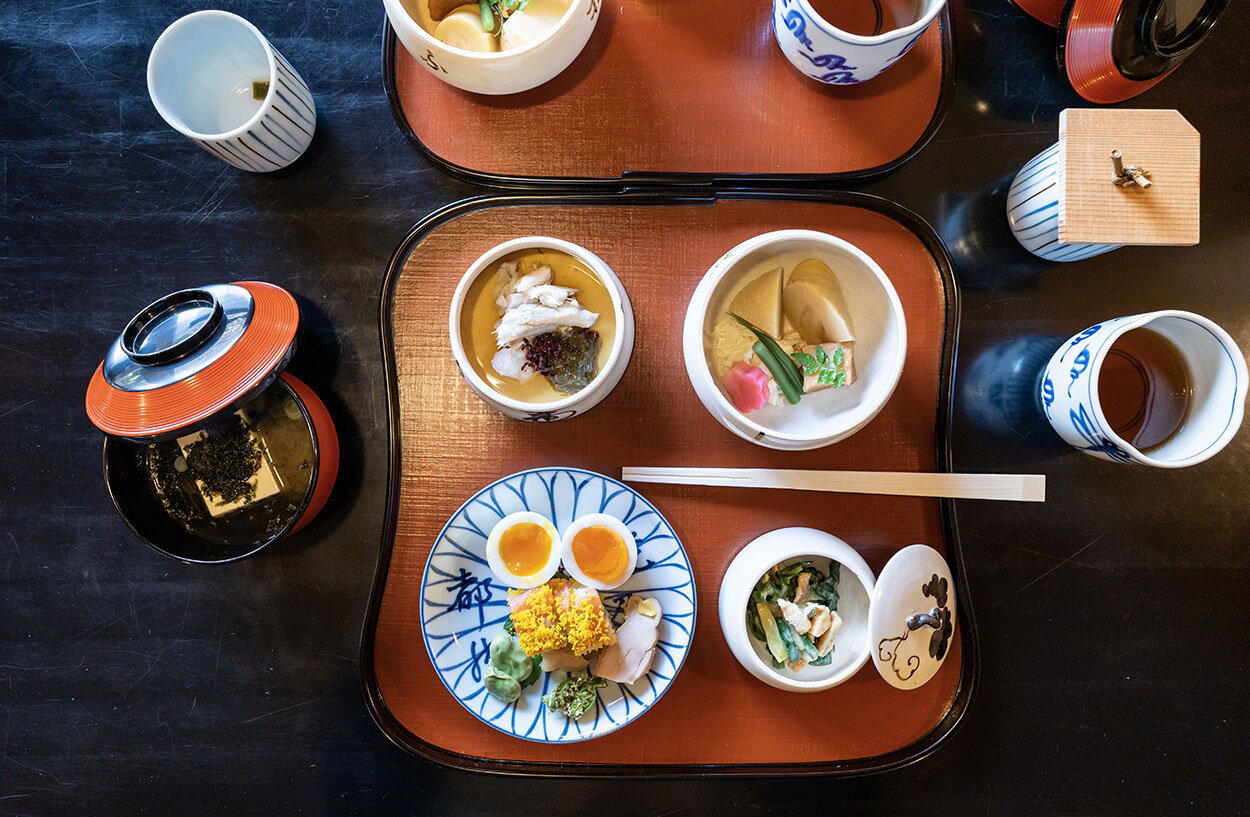
Bars in Otsu
Browse all →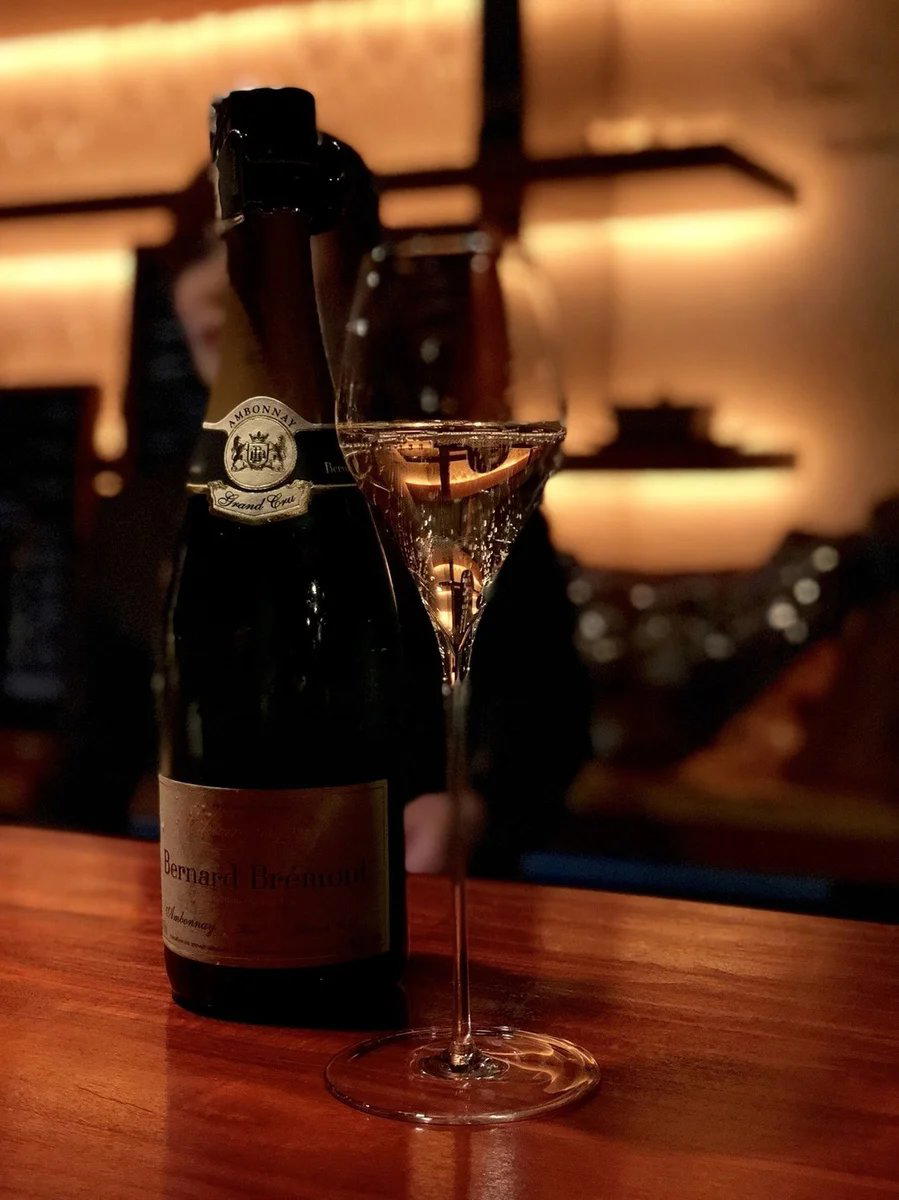
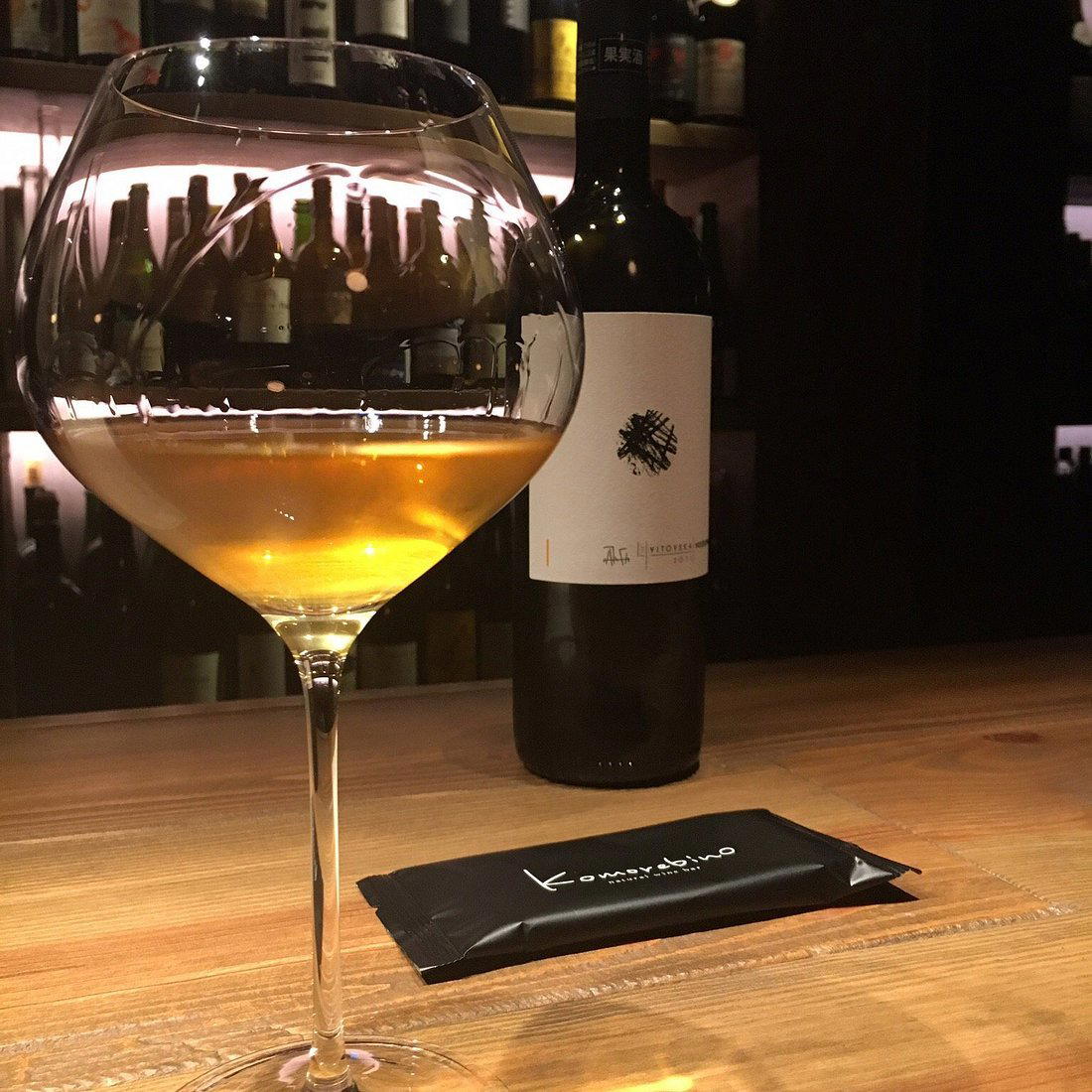


Hotels in Otsu
Browse all →


Wineries in Otsu
Browse all →
At a Glance
- Classic
- Cozy
- Family
- Casual Hangout
- Group Dining
- Solo
- Standalone
- Historic Building
Current opening hours
- Monday
- 11:30 AM–2 PM, 5–7:30 PM
- Tuesday
- 11:30 AM–2 PM, 5–7:30 PM
- Wednesday
- Closed
- Thursday
- Closed
- Friday
- 11:30 AM–2 PM, 5–7:30 PM
- Saturday
- 11:30 AM–2 PM, 5–7:30 PM
- Sunday
- 11:30 AM–2 PM, 5–7:30 PM
Hours can change for holidays and private events. Last verified .
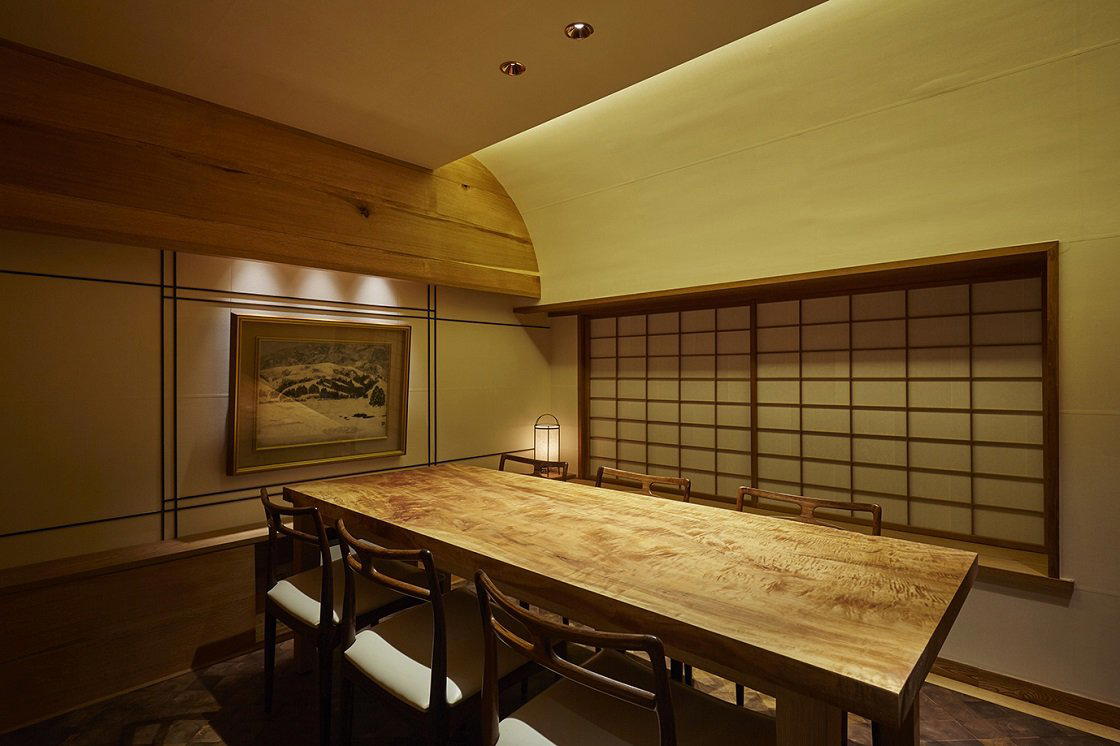
A direct, traditional Japanese house-restaurant with wood accents and tatami seating, creating a cozy, no-frills atmosphere focused on the eel-centric meal rather than design flourishes.