炭火割烹 蔓ききょう sits in Otsu's Seta district, where charcoal-fired kaiseki-adjacent cooking meets the quieter rhythms of Shiga Prefecture's dining culture. The restaurant name references the bellflower (kikyō), a plant long associated with Japanese seasonal aesthetics, and the charcoal grill (sumibī) format signals a focus on live-fire technique rather than purely cold-knife precision. Booking details and current hours are best confirmed directly through local reservation channels.
Pearl is the En Primeur Club membership app — saves, bookings, and concierge access live there. Same editors, same standards.
- Address
- 2 Chome-2-1 Seta, Otsu, Shiga 520-2134, Japan
- Phone
- +81775457837
- Website
- tsuru-kikyou.jp
- Directions
- Get directions
 Saves & bookings on Pearl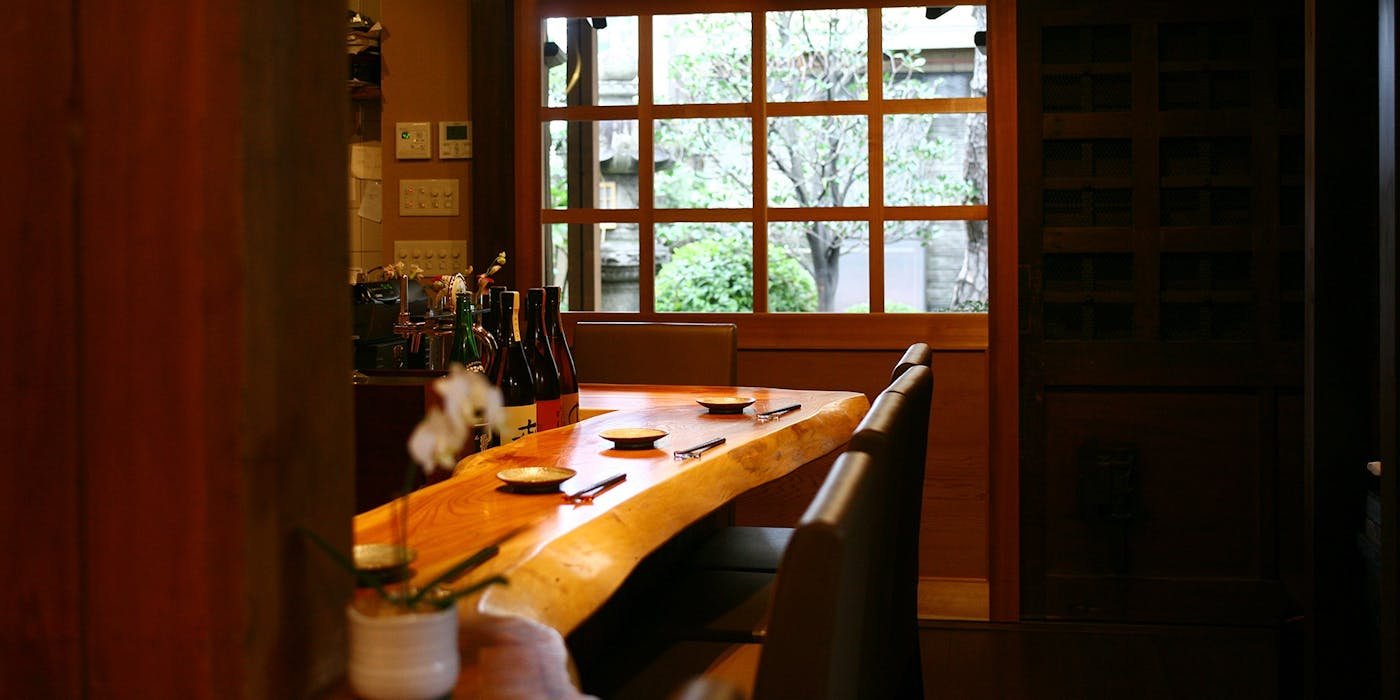
Charcoal and Quietude: Otsu's Sumibī Tradition
The road through Seta, in the southeastern reaches of Otsu, moves at a pace that most visitors from Kyoto or Osaka find disorienting in a useful way. This is Shiga Prefecture's tempo: measured, unhurried, grounded in Lake Biwa's long agricultural and culinary rhythms. It is in this context that charcoal-fired kappo cooking, sumibī kappo, finds one of its more natural homes. The format sits between the precision of formal kaiseki and the directness of robatayaki, using binchōtan charcoal's near-infrared heat to coax texture and depth from seasonal ingredients without masking them. 炭火割烹 蔓ききょう, located at 2 Chome-2-1 Seta, operates within that tradition.
The name carries its own cultural weight. Kikyō, the Chinese bellflower, is one of the seven autumn herbs of classical Japanese poetry, cited in the Man'yōshū anthology compiled in the eighth century. Pairing it with the terms sumibī (charcoal fire) and kappo (a style of cooking rooted in cutting and heating, implying skilled technique rather than theatrical service) signals a deliberate aesthetic: seasonal, grounded, technically serious. That combination is harder to find in Otsu than in Kyoto or Osaka, which makes the Seta address more meaningful than it might first appear.
Sumibī Kappo in Its Regional Frame
To understand where 炭火割烹 蔓ききょう sits in the Kansai dining picture, it helps to sketch the category it inhabits. Sumibī kappo is not a new format, charcoal grilling has run through Japanese cooking for centuries, but it experienced a notable re-evaluation in the 2010s as chefs across the country moved away from purely raw or steamed preparations toward live-fire techniques that could achieve caramelisation and crust without the smoke or fat of Western grilling. Binchōtan charcoal, made from ubame oak and capable of sustained temperatures above 1,000 degrees Celsius, became the material of choice: clean-burning, long-lasting, and capable of producing radiant heat that sears protein surfaces while preserving moisture.
In Kyoto and Osaka, that trend produced a cluster of high-profile sumibī specialists, many of them drawing national press and multi-month booking queues. Restaurants such as Gion Sasaki in Kyoto represent the kaiseki end of the Kansai spectrum, while HAJIME in Osaka shows how the region's fine dining can absorb international technique. Shiga's version of serious cooking tends to be less publicised. Hirasansou, the prefecture's most recognised kaiseki address, draws on mountain and lake ingredients in a way that has made it a reference point for Shiga's culinary identity. Sumibī kappo in Otsu, by contrast, operates in a lower-visibility register, which, for certain diners, is precisely the point.
The Seta Neighbourhood and What It Says About the Dining Here
Seta sits at the point where the Seta River flows out of Lake Biwa, Japan's largest freshwater lake. The area has been a crossing point since ancient times, the Seta no Karahashi bridge appears in classical literature as a strategic and symbolic threshold. Today, the neighbourhood functions as a residential and light-commercial district on Otsu's eastern edge, more suburban than touristic. Restaurants here are not positioning for foot traffic from Biwako Visitors Center crowds; they serve a local clientele who know what they are looking for and return regularly.
That pattern shapes the character of places like 炭火割烹 蔓ききょう. The address at 2 Chome-2-1 Seta suggests a street-level or low-rise setting typical of this part of Otsu, rather than the basement machiya conversions or multi-floor townhouse formats common in Kyoto's restaurant districts. Diners looking for other Otsu options in various registers can find neighbourhood reference points through Jidoriya Onza, Onza, and Korakuan, as well as the broader overview in our full Otsu restaurants guide. For Shiga Prefecture coverage beyond the city, Uran and the scenic-setting kaiseki at 湖辺庵 in Takashima add further context to how the prefecture's better tables distribute themselves around the lake.
Kappo Format and What It Implies for the Meal
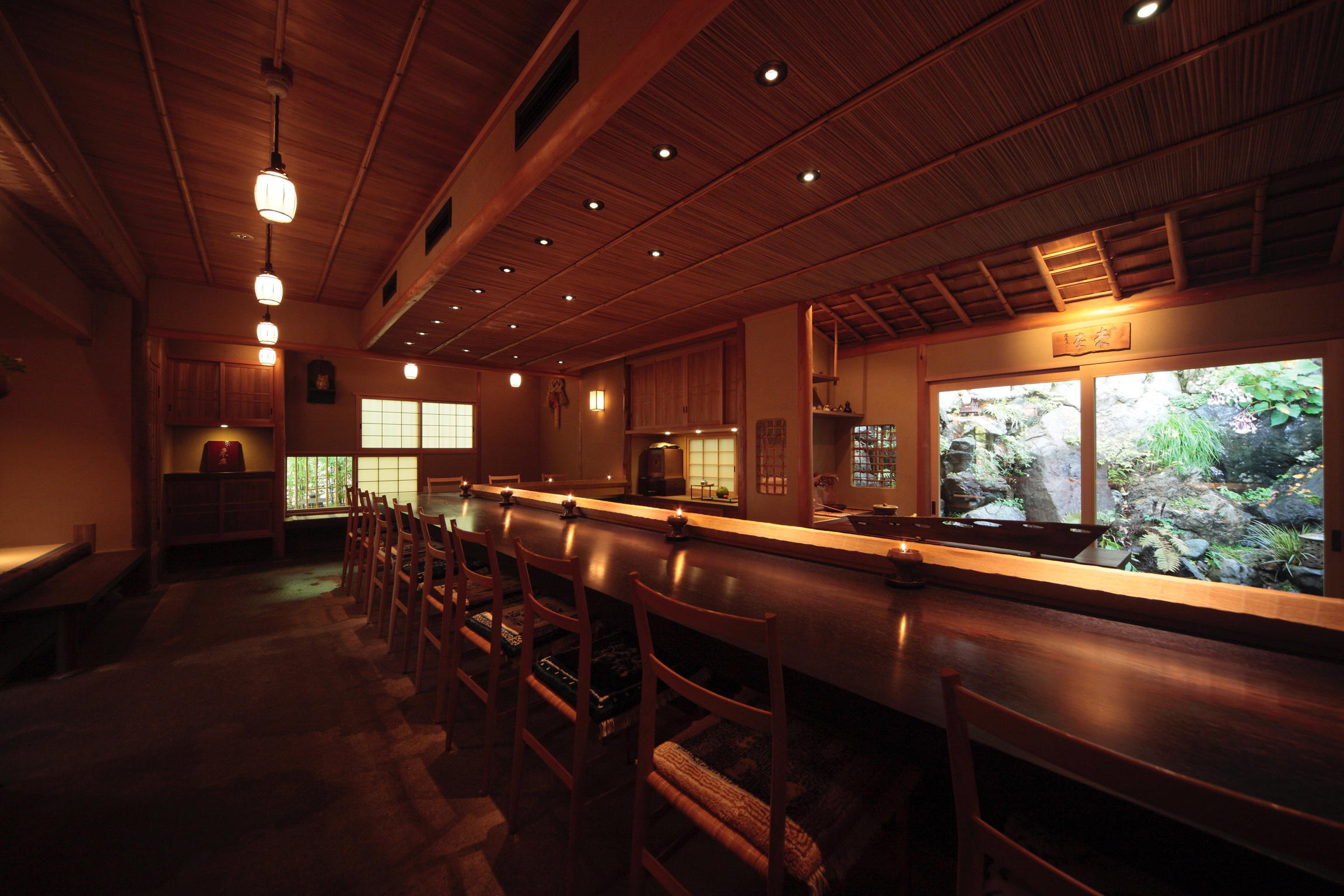
The kappo format, as a dining structure, differs from kaiseki in ways that matter to how a meal actually feels. Where kaiseki is highly codified, course sequences governed by classical rules about colour, temperature, vessel, and season, kappo is more responsive. The kitchen is often visible or semi-visible; courses can be adjusted; the pacing reflects conversation between kitchen and diner. The charcoal element in sumibī kappo adds another variable: the grill requires real-time management, which means the kitchen is visibly active rather than producing courses from a staging area.
For diners accustomed to the omakase formats of Tokyo counters like Harutaka, or the technically rigorous tasting menus found at Atomix in New York City or Le Bernardin, sumibī kappo represents a different register entirely: less architectural in its plating, more focused on the immediate sensory result of fire meeting ingredient. The comparison set within Japan might include charcoal-forward specialists such as Birdland in Sakai or regional kappo houses in less-publicised prefectures like 一本木 石川割烹 in Nanao and 羽根屋 in Nishikawa Machi.
Shiga's ingredient base gives any kitchen here a specific set of advantages. Lake Biwa is home to several freshwater species, ayu (sweetfish), biwamasu (a subspecies of trout), funazushi-grade crucian carp, that rarely appear on menus outside the prefecture. A sumibī kitchen that chooses to feature these on the charcoal grill is working with material that carries genuine regional specificity, not simply Kyoto-adjacent produce. Similar logic applies to Ōmi beef, the prefecture's wagyu designation, which is among Japan's older named cattle breeds and sits in a different commercial tier from the heavily marketed Matsusaka and Kobe labels.
Planning a Visit
Current booking methods, hours, and pricing for 炭火割烹 蔓ききょう are best confirmed directly. For a restaurant of this type and scale in a residential Otsu neighbourhood, one reliable approach is direct contact, either through a Japanese-language phone inquiry or via a hotel concierge in Kyoto or Otsu who maintains relationships with local restaurants. Seasonal timing matters: Shiga's ayu season peaks in summer, while autumn brings the mushroom and root vegetable preparations well suited to charcoal treatment. Diners travelling from Kyoto will find Otsu accessible in under fifteen minutes by JR Biwako Line from Kyoto Station. Those planning a broader Shiga itinerary might consider pairing the meal with a visit to Goh in Fukuoka-calibre planning discipline: research early, confirm directly, and give the meal enough time to run at its natural pace.
Broader Kansai context from restaurants such as akordu in Nara and 夕仙山乃 in Sapporo is useful for understanding what regional Japanese fine dining looks like outside the major city spotlights.
Budget and Context
Comparable venues nearby, for context on price, style, and recognition.
| Venue | Cuisine | Price | Notes |
|---|---|---|---|
| 炭火割烹 蔓ききょうThis venue — the venue you are viewing | Not listed | $$$ | Not listed |
| じどりや 穏座 | Not listed | $$$ | 真野 (Mano), Otsu, Heritage Chicken Yakitori |
| 行楽庵 | Otsu, Traditional Japanese Kaiseki | $$$ | Not listed |
| Korakuan | Awazu, Japanese Cuisine | $$$ | Not listed |
| Ramen Yoshichi Katata ten | Katata, Tonkotsu ramen shop | $ | Not listed |
| Omi Gyu Senmon Ten Restaurant Matsukiya Honten | Not listed | $$$ | Karahashicho, Omi Beef Steak and Sukiyaki |
Continue exploring
More in Otsu
Restaurants in Otsu
Browse all →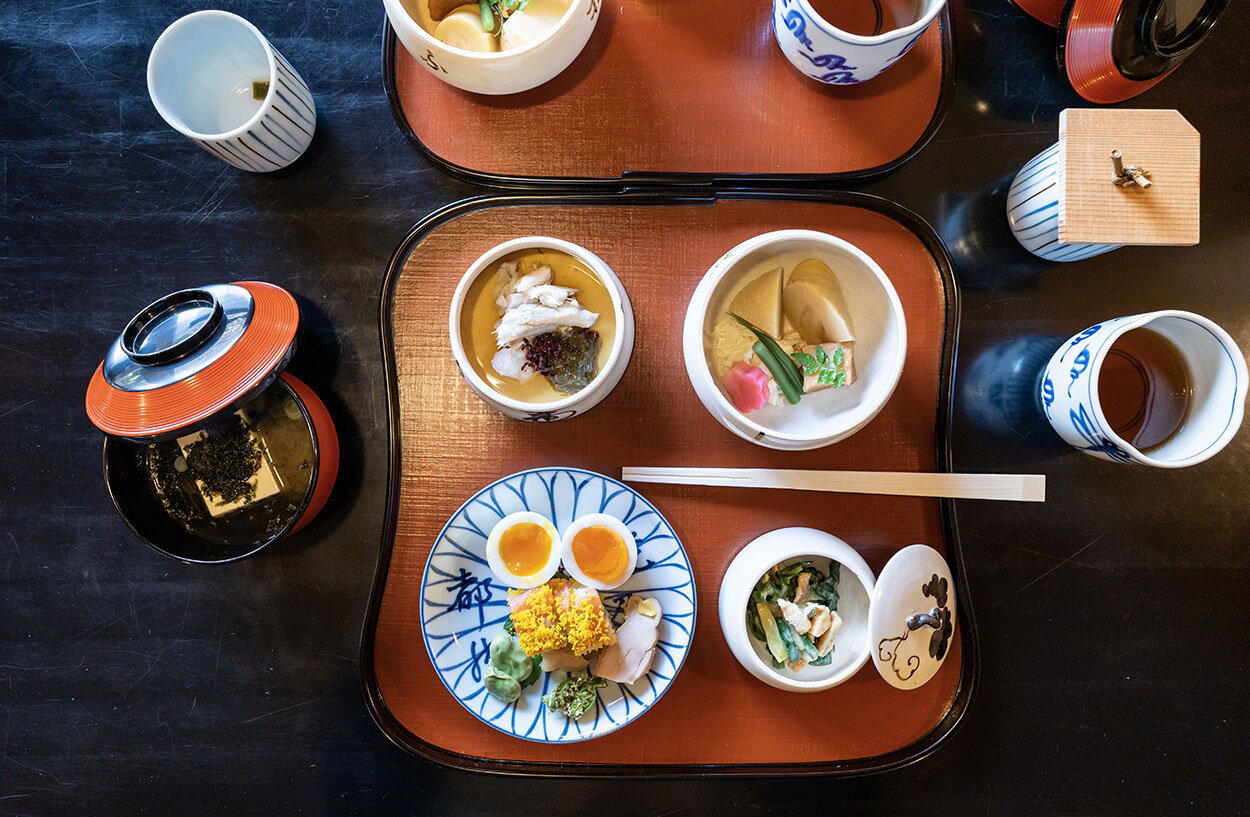
Bars in Otsu
Browse all →
Hotels in Otsu
Browse all →
Wineries in Otsu
Browse all →
At a Glance
- Cozy
- Elegant
- Intimate
- Rustic
- Special Occasion
- Date Night
- Open Kitchen
- Historic Building
- Sake Program
- Local Sourcing
- Street Scene
Current opening hours
- Monday
- 11:30 AM–2 PM, 4–8 PM
- Tuesday
- 11:30 AM–2 PM, 4–8 PM
- Wednesday
- Closed
- Thursday
- Closed
- Friday
- 11:30 AM–2 PM, 4–8 PM
- Saturday
- 11:30 AM–2 PM, 4–8 PM
- Sunday
- 11:30 AM–2 PM, 4–8 PM
Hours can change for holidays and private events. Last verified .
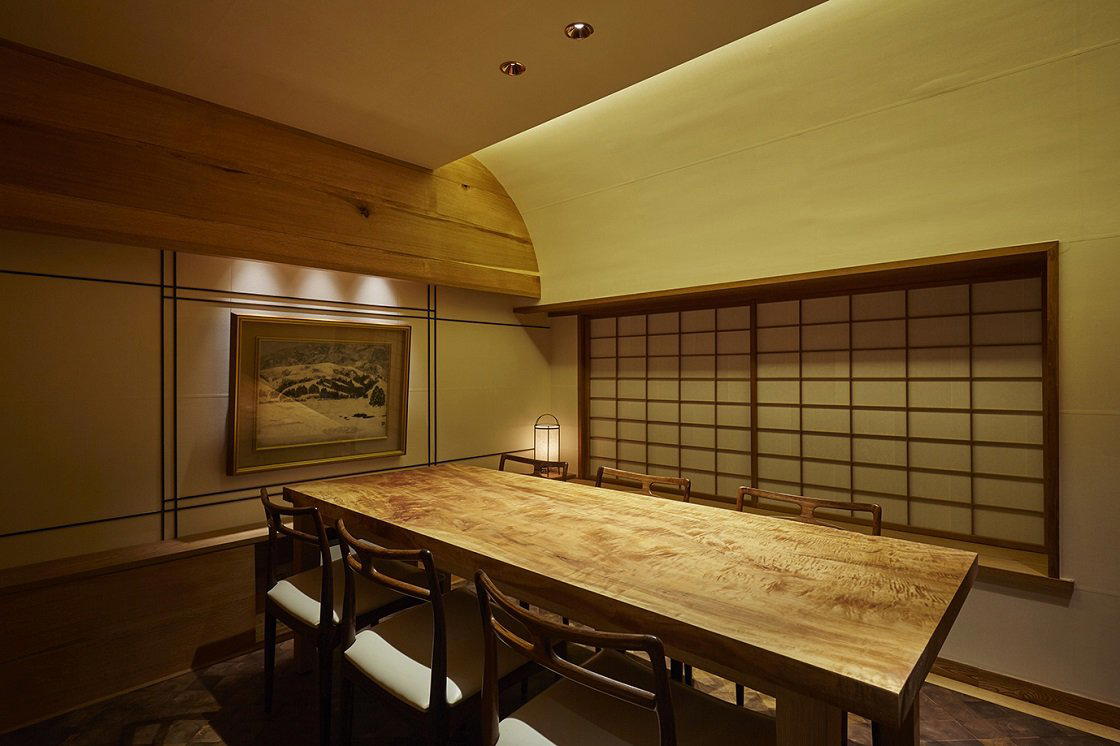
Calm and sophisticated atmosphere in a renovated Taisho-era warehouse with focus on the charcoal grilling process.