

Tabelog Silver #151
Our verdict
Uran places Otsu’s freshwater cooking in a serious national conversation: unagi as a specialist craft rather than a casual comfort category. Its Tabelog Award 2026 Silver recognition, 2025 Gold history, and selection for Tabelog Unagi 100 in 2024 put a small Shiga eel house into a demanding peer group, with ingredient focus doing the heavy lifting.

Pearl is the En Primeur Club membership app — saves, bookings, and concierge access live there. Same editors, same standards.
- Address
- 3 Chome-3-2 Hamaotsu, Otsu, Shiga 520-0047, Japan
- Phone
- +81 77-575-2379
- Hours
- Daily 11 AM–1:30 PM
- Website
- tabelog.com
- Directions
- Get directions
The menu
What to order
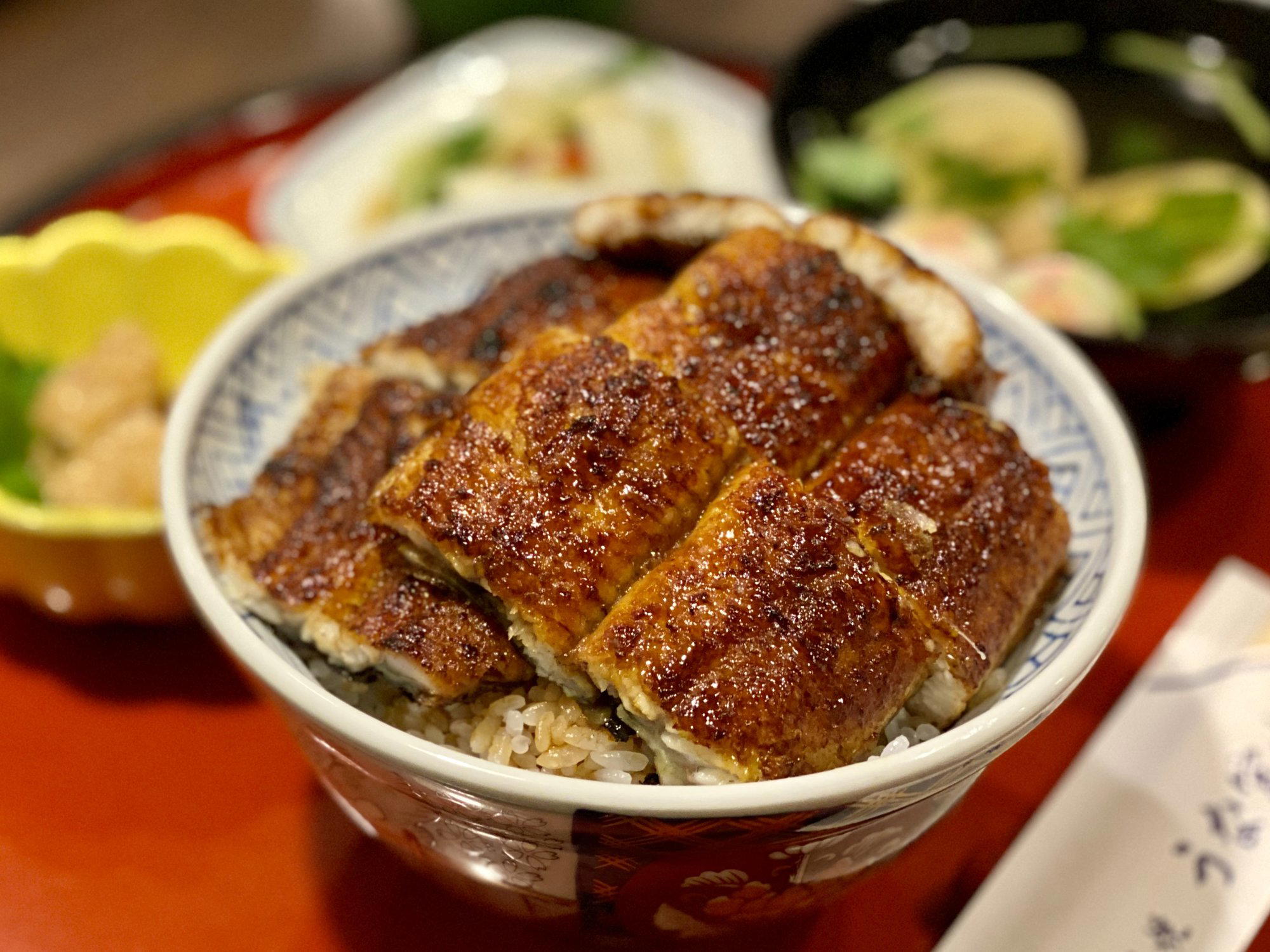
- Grilled eel liver
- Shirayaki eel
- Unagi rice bowl
Hamaotsu has the texture of a lake town before it has the posture of a dining district: low streets, temple approaches, rail stops close enough to make lunch feel local rather than ceremonial. In that setting, unagi reads differently from the polished urban version. The point is not spectacle; it is the controlled handling of a freshwater ingredient that has carried status in Japan for centuries, especially in regions where river, lake, and inland trade routes shaped what people ate before luxury became a tasting-menu language.
Otsu sits beside Lake Biwa, and Shiga’s food culture has long been tied to freshwater fish, rice, fermentation, and preservation. That matters here because eel is not just another grilled protein. It is a test of sourcing, preparation, heat, and timing, with little room for disguise. A restaurant working in this category competes less through novelty than through consistency: the condition of the fish, the handling before cooking, and the judgment of when richness becomes heavy.
Freshwater cooking, judged by restraint rather than invention
Japan’s serious unagi restaurants occupy a particular lane in the dining hierarchy. They are rarely expansive in menu language, and they do not need the theatre of a counter omakase to signal intent. The craft is narrower and more unforgiving: eel, rice, sauce, heat, and service rhythm. Uran belongs to that specialist tradition, with Tabelog identifying the category as unagi and noting a focus on fish. The narrowness is the editorial point. In a country where restaurants can gain attention through breadth, a focused eel house has to make repetition persuasive.
The recognition pattern gives the clearest external read. Uran is a Tabelog Award 2026 Silver winner, held Gold in 2025, and has appeared across the Tabelog Award cycle since 2022. It was also selected for Tabelog Unagi 100 in 2024 and 2022. Those signals do not make it a luxury restaurant in the Western sense; they place it within Japan’s more exacting user-review and specialist-award economy, where category depth can carry as much weight as dining-room glamour.
Compared with the broader Otsu table, this is the city at its most ingredient-led. A sweets institution such as Miidera Chikara Mochi Honke speaks to temple-town snacking and local habit, while beef addresses like Chikasada and the city’s Omi beef specialists sit in a richer, more celebratory register. Hirasansou (Kaiseki) represents a mountain-and-season kaiseki lens; Jidoriya Onza and Korakuan help show how compact the city’s serious dining map is. Uran’s appeal is more severe: a single freshwater tradition carried with enough precision to earn national category attention.
The room keeps the focus on eel, rice, and pace
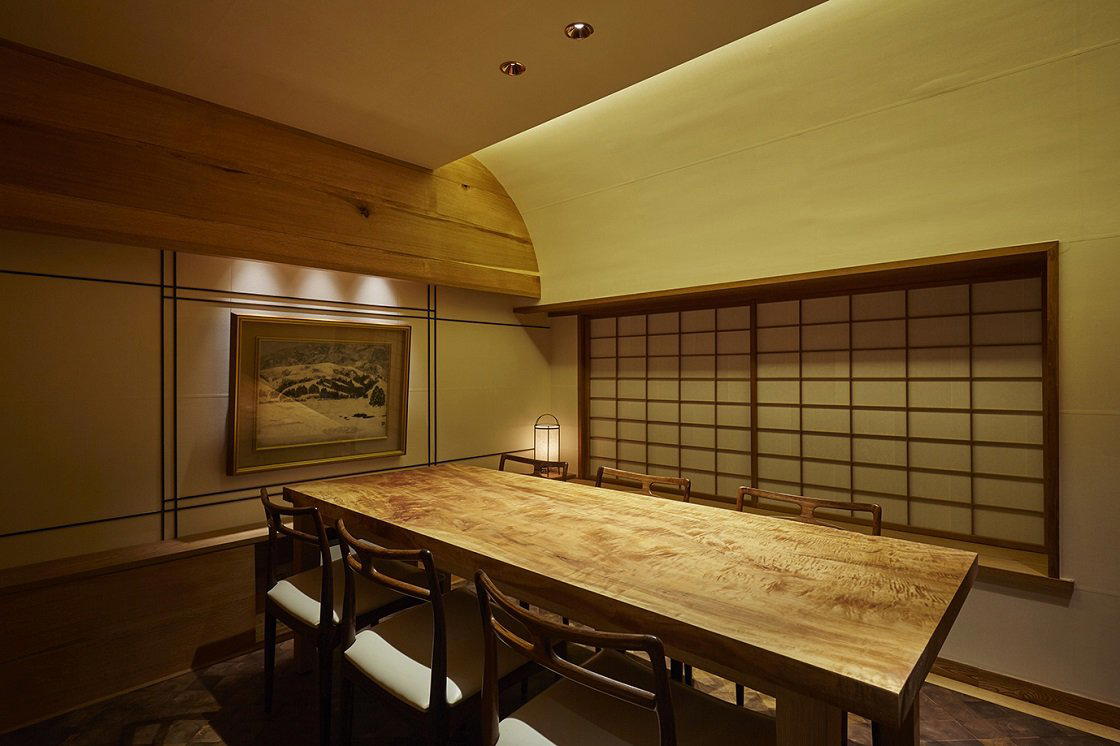
The dining format reinforces that narrow brief. The room is small, with 18 seats across four tables and tatami-room elements rather than the staged intimacy of a chef’s counter. Private rooms are not part of the format, and the setting reads as a house restaurant rather than a hotel dining room. That distinction matters in Japan, where some of the strongest specialist cooking happens in rooms that do not announce ambition through design.
For travellers, the useful comparison is not with Kyoto kaiseki or Tokyo sushi, but with other single-subject Japanese restaurants where the kitchen’s authority is visible through limitation. Eel houses of this calibre ask the diner to care about small differences: how fatty the fish is allowed to feel, how sauce supports rather than smothers, how rice functions as structure rather than filler. Specific dishes are not the point to chase here; the category is. If a meal in Otsu is meant to explain the city’s relationship with freshwater food, this is a sharper choice than a general Japanese menu.
The drinks register stays within a Japanese frame, with sake and shochu listed, which suits the food’s density better than an international wine posture. Take-out is also part of the service profile, another reminder that unagi in Japan crosses the line between everyday craft and special-occasion spending. At this level, that crossing becomes expensive and controlled, but not alien to the tradition it comes from.
How to place it in an Otsu itinerary
Otsu rewards travellers who do not treat it only as Kyoto’s lake-facing neighbour. The city’s dining character is quieter, more local, and more ingredient-specific: freshwater fish, Omi beef, temple sweets, soba, and small specialist rooms rather than a dense international restaurant grid. Uran fits that pattern with unusual force because the recognition sits far above the modest physical scale.
Planning around the city works better when the meal is paired with a focused route rather than a full dining crawl. The Miidera area gives context to the neighbourhood’s temple-town pace, while Lake Biwa keeps the freshwater story visible without needing to over-explain it. Readers building a fuller trip can use our full Otsu restaurants guide alongside our full Otsu hotels guide, our full Otsu bars guide, our full Otsu wineries guide, and our full Otsu experiences guide to decide whether the meal anchors a day trip or a slower Shiga stay.
For broader Japan context, the contrast is useful: -Grilled beef Sukiyaki- KAMAKURA TANUKIAN 鎌倉 たぬき庵 in Kamakura sits in a beef-and-sukiyaki register. 鮪と炭火焼き うお炭 秋葉原店 in Tokyo points toward tuna and charcoal.cafe in Osaka works in a more casual urban mode.know in Kumamoto broadens the regional frame, (Shoku) Vietnam in Kawasaki shows how Japanese cities absorb specialist foreign cooking, and [Curry Senmon Ten] Maruyama Kyoju. in Sapporo illustrates another single-subject restaurant culture. Abroad, Jōdo Saké Bar in Los Angeles and Onigiri Time in Pasadena show how Japanese formats travel, though Otsu’s eel tradition is inseparable from its lake-country setting.
The editorial case is clear: this is not the place for diners seeking variety as proof of value. It is for a meal where the source category, the room’s small scale, and the award history all point in the same direction. In Otsu, that makes Uran less a detour from the city’s food culture than one of its more concentrated expressions.
Frequently asked questions
Is Uran a family-friendly restaurant?
The venue is set up with 18 seats, including four four-seat tables and tatami-room elements, so it can work for a small family meal. Its Tabelog recognition and lunch pricing in the JPY 15,000–19,999 range place it in a more formal tier than a casual family eel shop.
Is Uran better for a quiet night or a lively one?
Uran reads as a quiet choice: an 18-seat house restaurant in Hamaotsu, Otsu, with lunch service and no reservations for new customers. The room format and non-smoking setup suit a restrained meal rather than a lively evening out.
What days is Uran closed?
Hours at Uran: Mon, Tue, Thu, Fri, Sat, Sun 11:00 - 13:30.
What is Uran known for?
Uran is primarily known for its core concept and execution in Otsu.
Side-by-Side Snapshot
Comparable venues by cuisine and price in the same metro.
| Venue | Cuisine | Price | Awards | Notes |
|---|---|---|---|---|
| UranThis venue — the venue you are viewing | Traditional Unagi (Eel) | $150–200 | Tabelog Silver #151 | Not listed |
| Omi Gyu Senmon Ten Omi Kadoman | Traditional Omi beef steak & hotpot restaurant | $100–150 | Tabelog 100 #40 | Chuo, Otsu |
| Jidoriya Onza | Omi Jidori Yakitori | $50–100 | Tabelog Bronze #340 | Mano |
| Onza | Omi Jidori Yakitori | $50–100 | Tabelog Bronze #340 | Mano, Otsu |
| Teppanyaki Oomi | Teppanyaki with Omi Wagyu in a Lake Biwa hotel setting | $50–100 | Tabelog 100 #59 | Otsu |
| Chikasada | Traditional Unagi & Lake Fish Restaurant | $30–50 | Tabelog 100 #98 | .null |
Recognition history
Dated appearances from independent guides and award organizations, with the underlying list record or original source where available.
Opinionated About Dining Top Restaurants in Japan Recommended
Opinionated About Dining
Tabelog Silver #151
Tabelog
Full recognition history (4 entries)
Tabelog Gold
Tabelog
Tabelog 100 #1 · No. 1
Tabelog · Tabelog 100 - Unagi - 2024

Continue exploring
More in Otsu
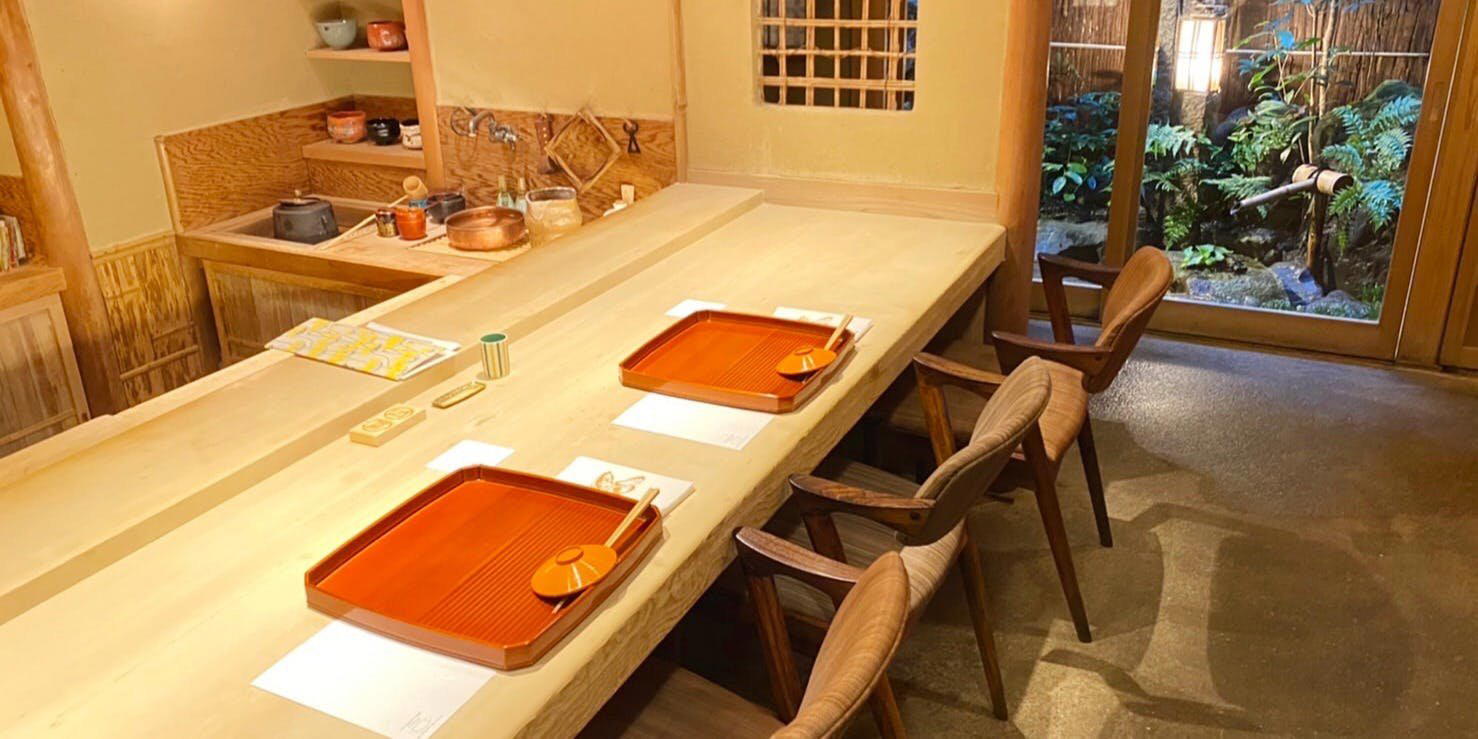
Restaurants in Otsu
Browse all →
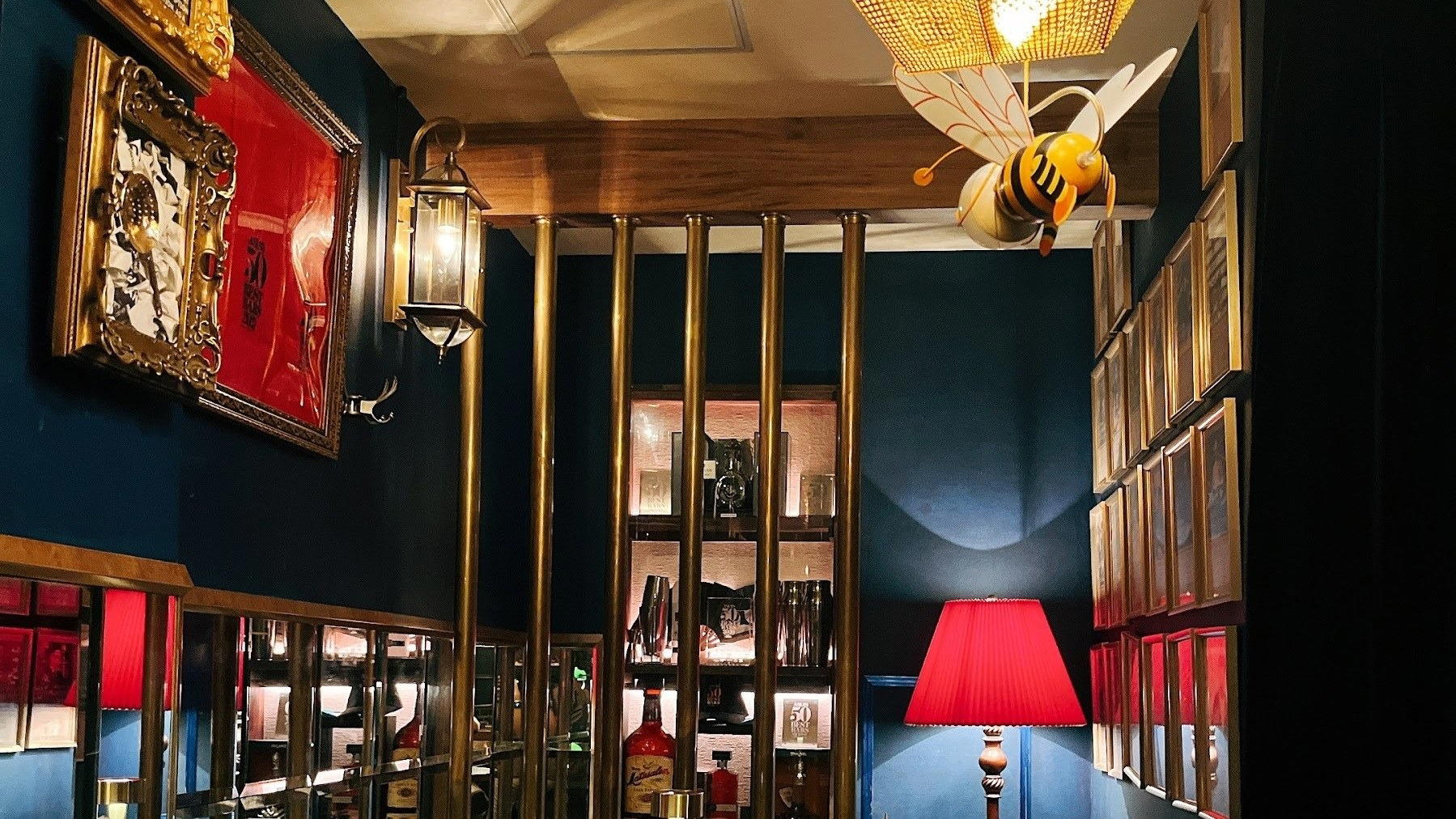
Bars in Otsu
Browse all →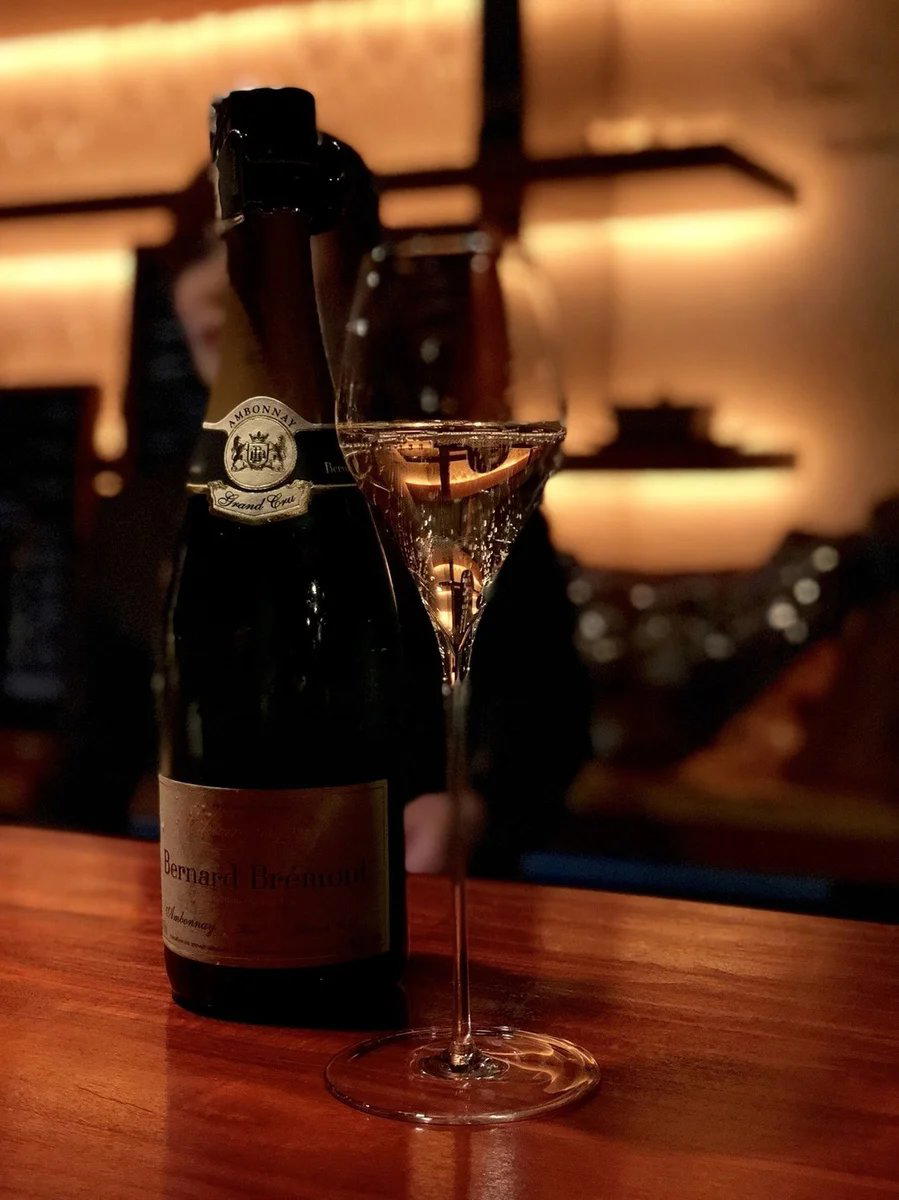



Hotels in Otsu
Browse all →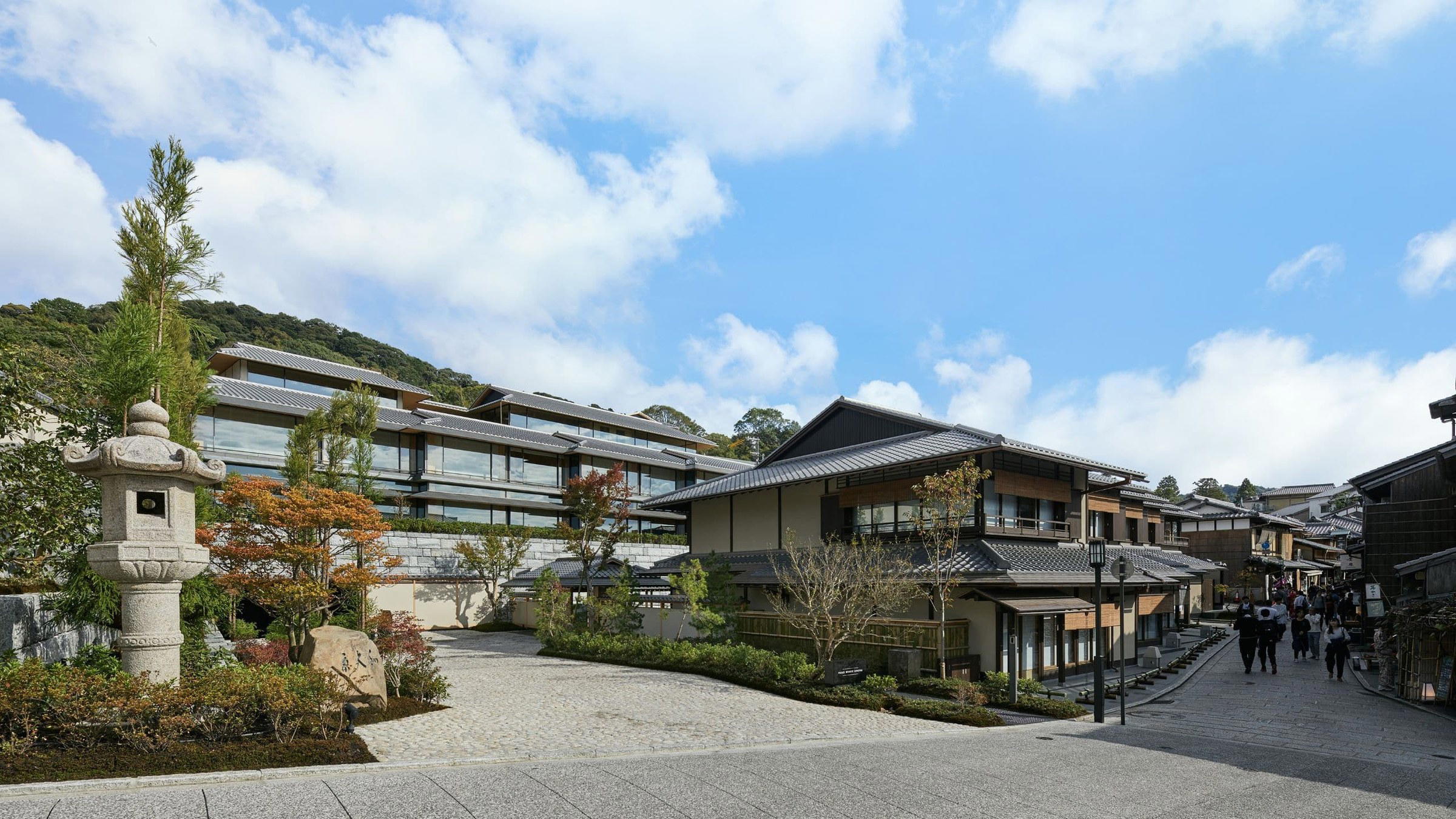

Wineries in Otsu
Browse all →
Details
- Intimate
- Cozy
- Special Occasion
- Sake Program
- A La Carte
Current opening hours
- Monday
- 11 AM–1:30 PM
- Tuesday
- 11 AM–1:30 PM
- Wednesday
- 11 AM–1:30 PM
- Thursday
- 11 AM–1:30 PM
- Friday
- 11 AM–1:30 PM
- Saturday
- 11 AM–1:30 PM
- Sunday
- 11 AM–1:30 PM
Hours can change for holidays and private events. Last verified .
Traditional tatami rooms creating a relaxing, hideout-like atmosphere.