
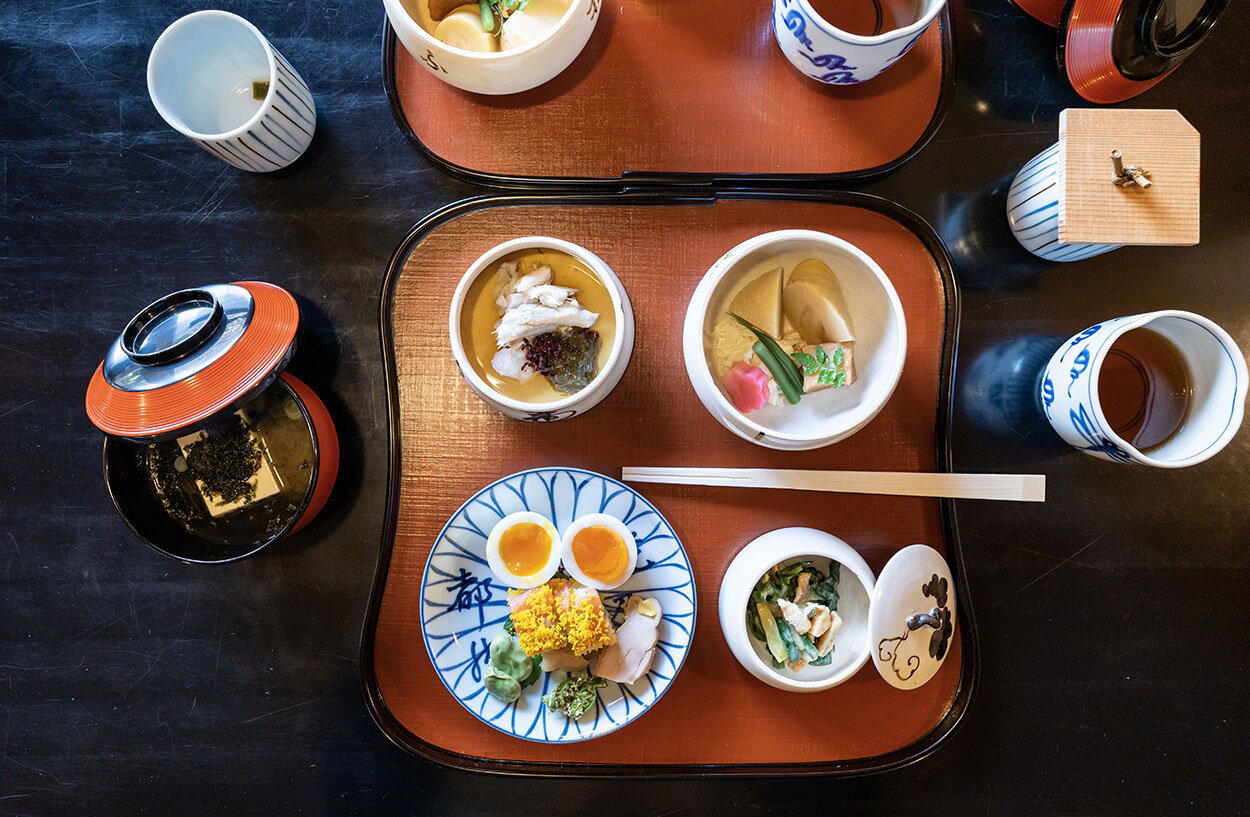
Korakuan (Kouraku An) is a Tabelog Bronze Award winner in Otsu's Kayanoura district, recognised every year from 2018 through 2026 and selected three times for the Tabelog Japanese Cuisine WEST Top 100. With 27 seats, a tatami room, and a fish-forward kaiseki format, dinner runs JPY 15,000 to 19,999 against a backdrop of Lake Biwa views. Cash only; reservations required for two or more.
Pearl is the En Primeur Club membership app — saves, bookings, and concierge access live there. Same editors, same standards.
- Address
- Japan, 〒520-2143 Shiga, Otsu, Kayanoura, 25−1 ALTA萱野浦ビュー
- Phone
- +81 77-545-6335
- Website
- tabelog.com
- Directions
- Get directions
 Saves & bookings on Pearl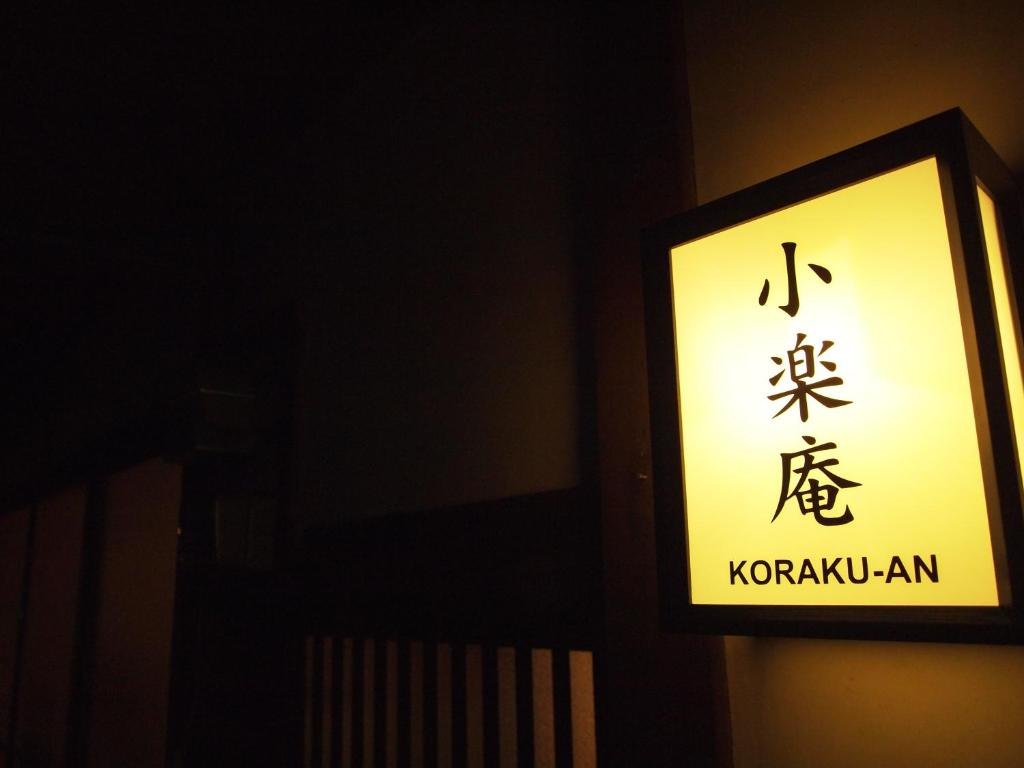
Otsu on the Culinary Map: Between Kyoto and the Lake
The Kinki region's serious dining conversation tends to start and end in Kyoto or Osaka, but Shiga Prefecture has quietly accumulated a concentration of recognised Japanese cuisine houses that stands on its own terms. Otsu, the prefectural capital, sits at the southwestern edge of Lake Biwa, Japan's largest freshwater lake, and that geography shapes what arrives on the plate at the area's better restaurants. Freshwater fish from Biwa, proximity to Kyoto's vegetable-growing tradition, and a historical role as a post town on the Tokaido road have given Otsu's kitchen culture a distinct character, one that draws on Kyoto refinement without simply replicating it. Korakuan, in the Kayanoura district on the lake's southern shore, is a Japanese restaurant in Otsu, Shiga, with a Tabelog Bronze record since 2018 and a price tier in the middle range.
What Tabelog's Sustained Recognition Signals
Japan's peer-reviewed dining platform Tabelog awards Bronze to roughly the top 0.3 percent of all listed restaurants nationally, a threshold that filters hard against the sheer volume of serious food in the Kansai region. Korakuan has cleared that threshold every year from 2018 through 2026, a nine-year consecutive run that represents something harder to achieve than a single strong year: consistent kitchen execution across seasons and staffing cycles. The restaurant also appears in the Tabelog Japanese Cuisine WEST Top 100 selection for 2021, 2023, and 2025. Its 2026 Tabelog score of 4.06 places it among a narrow cohort of Shiga restaurants in that tier.
That kind of track record is worth reading carefully. In Japanese dining culture, longevity in recognition carries particular weight, it signals not a single chef in peak form but a kitchen that has built repeatable systems around seasonal sourcing and technique. For the traveller choosing between a newer Kyoto address with a single strong year and a Shiga counter with nearly a decade of Bronze, the Shiga option represents a more documented bet. Comparable sustained recognition at this tier appears in western Japan at places like Gion Sasaki in Kyoto and HAJIME in Osaka, though both operate at significantly higher price points and within the more heavily trafficked Kyoto-Osaka axis.
The Washoku Tradition and a Fish-Forward Focus
Japanese cuisine at the level Korakuan operates occupies a category that Western diners sometimes flatten into 'kaiseki,' but the term covers a range of formats from the rigidly sequenced, highly seasonal Kyoto kaiseki to looser omakase structures built around a kitchen's daily market finds. That combination points toward a format rooted in traditional Japanese hospitality values: the integration of seasonal ingredient sourcing, considered sake pairing, and a physical environment designed for unhurried meals.
Freshwater fish from Lake Biwa has a documented place in Shiga's culinary history, honmoroko, ayu, and nigorobuna, among others, appear in regional cuisine in ways that distinguish Shiga kitchens from their Kyoto counterparts, which lean more heavily on sea fish transported from Tsukiji and Nishiki. A restaurant in Kayanoura, positioned on the lake's southern edge, is geographically positioned to source from that tradition in ways that a Kyoto or Osaka address cannot replicate with the same directness.
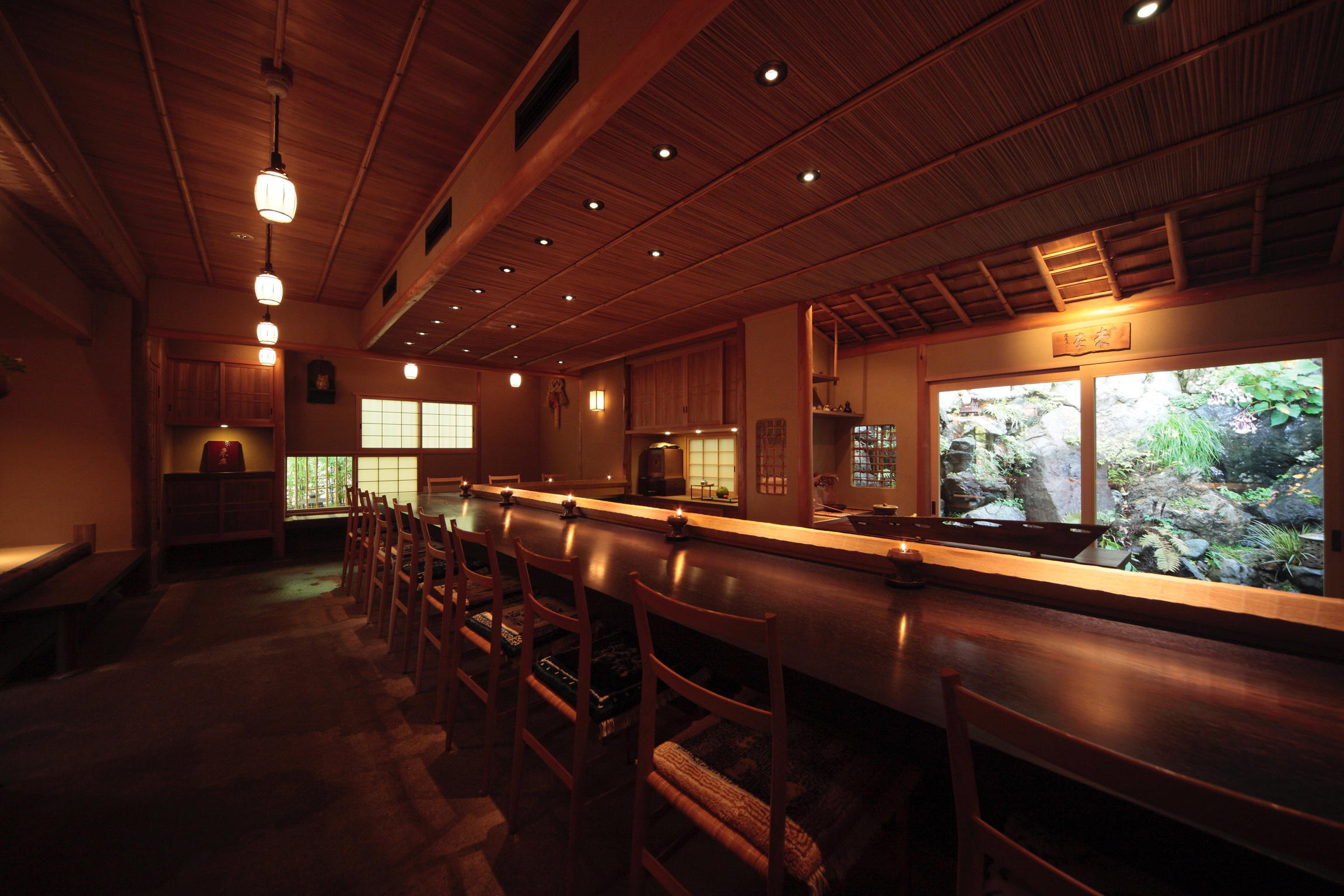
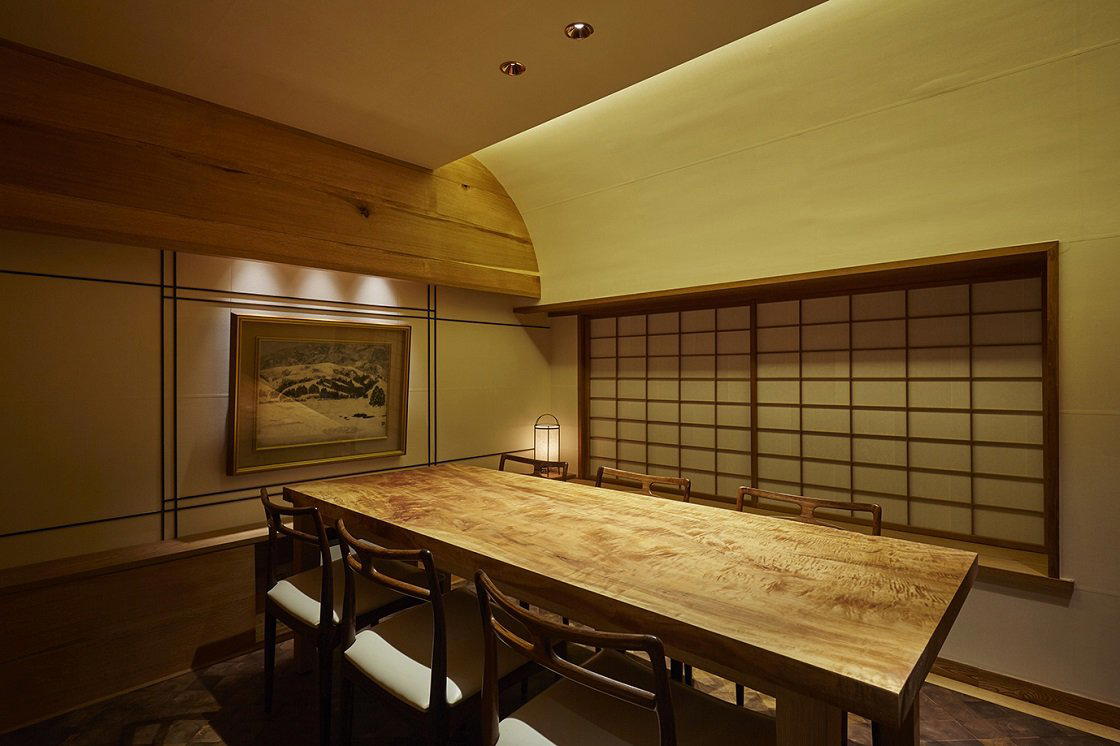
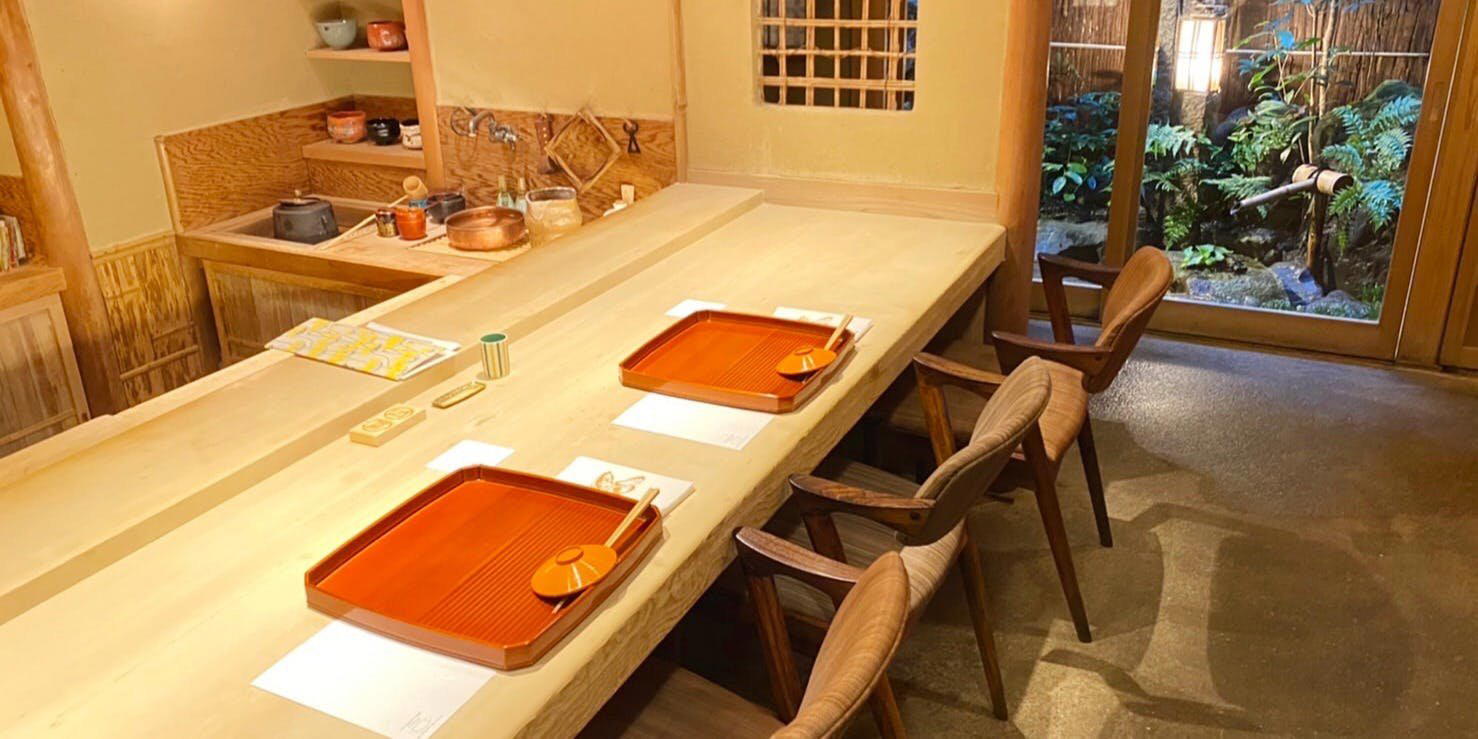
Washoku, recognised by UNESCO as Intangible Cultural Heritage in 2013, is built around four principles: fresh seasonal ingredients, nutritional balance, the presentation of natural beauty, and a deep relationship to annual festival and ceremonial culture. The tatami room and non-smoking environment at Korakuan reflect the physical conditions that tradition prescribes, a relaxed space calibrated for a meal that unfolds at the pace the kitchen sets, not the diner's.
Pricing in Kansai Context
At dinner, the listed price range runs JPY 15,000 to 19,999. Lunch is listed at JPY 5,000 to 5,999. That pricing structure is notable in two directions. Against Kyoto's premium kaiseki tier, where dinner at addresses like Gion Sasaki or comparable Higashiyama houses moves well above JPY 30,000, Korakuan sits meaningfully below the ceiling while operating within the same regional recognition framework. Against the broader Otsu dining market, which includes neighbourhood Japanese restaurants at a fraction of that price, it sits at the premium end. The lunch format, at roughly a third the dinner price, offers a lower-cost entry point to the same kitchen; many serious diners in Japan use lunch as the considered way to evaluate a house before committing to a full evening.
Restaurants working at a comparable award level but different format elsewhere in Japan include akordu in Nara and Harutaka in Tokyo, each operating within their prefecture's premium tier against Kyoto or Tokyo comparables. For a broader sense of what Japan's recognised dining scene looks like across regions, Goh in Fukuoka, 1000 in Yokohama, and 6 in Okinawa each show how the Tabelog-recognised tier operates in different regional markets.
Within Shiga's Recognised Dining Tier
Otsu's award-recognised Japanese cuisine scene is small enough that each address occupies a distinct position. Hirasansou operates at the kaiseki end of the Shiga spectrum, with a format and setting that pulls from the mountain-facing ryokan tradition as much as the lakeside one. Onza and Uran represent different angles on the city's dining character. Korakuan's nine-year Bronze record and repeated Top 100 selection position it as one consistently documented address in the immediate area for traditional Japanese cuisine with a fish focus.
For travellers planning time in Otsu, the restaurant sits in the Kayanoura district, accessible by car or taxi from central Otsu, approximately 1,455 metres from Awazu station, though the listing specifically notes that walking is difficult and that a vehicle is the practical approach. Parking is available: turn right at the restaurant to reach a small lot between two houses that accommodates three cars. The 27-seat dining room operates seven days a week, with a tight lunch service from 12:00 to 13:30 and an evening service from 18:00 to 21:00. Closed days are not fixed, which makes confirming availability before travelling essential.
Payment is cash only, no credit cards, no electronic money. This is not unusual among traditional Japanese restaurants in the Tabelog Bronze tier, where the operational model prioritises kitchen focus over payment infrastructure, but it requires planning, particularly for international visitors who may not be carrying sufficient yen. Reservations are accepted for parties of two or more; solo diners cannot book. Same-day cancellations incur a 100% cancellation fee, a policy that reflects the kitchen's need to plan daily sourcing. Private rooms are available for up to eight guests; the space does not accommodate full private hire. Drinks run to sake (nihonshu) and shochu.
Price and Positioning
Comparable venues nearby, for context on price, style, and recognition.
| Venue | Cuisine | Price | Notes |
|---|---|---|---|
| KorakuanThis venue — the venue you are viewing | Awazu, Japanese Cuisine | $$$ | Not listed |
| Teppanyaki Oomi | Not listed | $$$ | Otsu, Teppanyaki with Omi Wagyu in a Lake Biwa hotel setting |
| Uran | Not listed | $$$$ | Hamaotsu, Traditional Unagi (Eel) |
| 相撲料理神雷 | 三井寺, Sumo Chanko Nabe | $$ | Not listed |
| Chikasada | Not listed | $$ | .null, Traditional Unagi & Lake Fish Restaurant |
| 炭火割烹 蔓ききょう | Not listed | $$$ | Seta, Charcoal-Grilled Kappo with Wild Game |
Recognition history
Dated appearances from independent guides and award organizations, with the underlying list record or original source where available.
Tabelog Bronze #203
Tabelog
Tabelog 100 #29 · No. 29
Tabelog · Tabelog 100 - Japanese cuisine - WEST - 2025
Tabelog Bronze
Tabelog
Continue exploring
More in Otsu
Restaurants in Otsu
Browse all →
Bars in Otsu
Browse all →


Hotels in Otsu
Browse all →
Wineries in Otsu
Browse all →
At a Glance
- Elegant
- Intimate
- Cozy
- Special Occasion
- Date Night
- Sake Program
Current opening hours
- Monday
- 12:30–2 p.m., 6–9 p.m.
- Tuesday
- 12:30–2 p.m., 6–9 p.m.
- Wednesday
- 12:30–2 p.m., 6–9 p.m.
- Thursday
- 12:30–2 p.m., 6–9 p.m.
- Friday
- 12:30–2 p.m., 6–9 p.m.
- Saturday
- 12:30–2 p.m., 6–9 p.m.
- Sunday
- 12:30–2 p.m., 6–9 p.m.
Hours can change for holidays and private events. Last verified .
Elegant atmosphere resonating with the essence of Japanese cuisine.