Gambero Rosso 2 Forchette
Our verdict
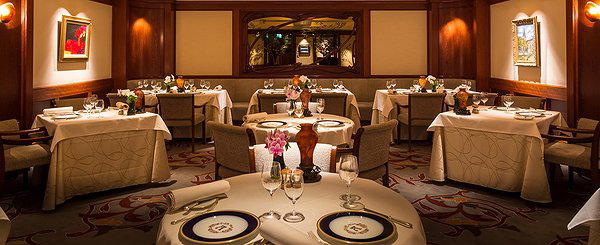
Etruschi occupies a quiet address in Minami-Aoyama, one of Tokyo's most considered dining neighbourhoods, where Italian cuisine has long attracted serious kitchen investment. The restaurant draws on the European tradition of occasion dining, the kind of table you reserve for milestones rather than Monday evenings. Details on the current format and booking are best confirmed directly with the venue.

Pearl is the En Primeur Club membership app, where members save venues, book tables and use the concierge.
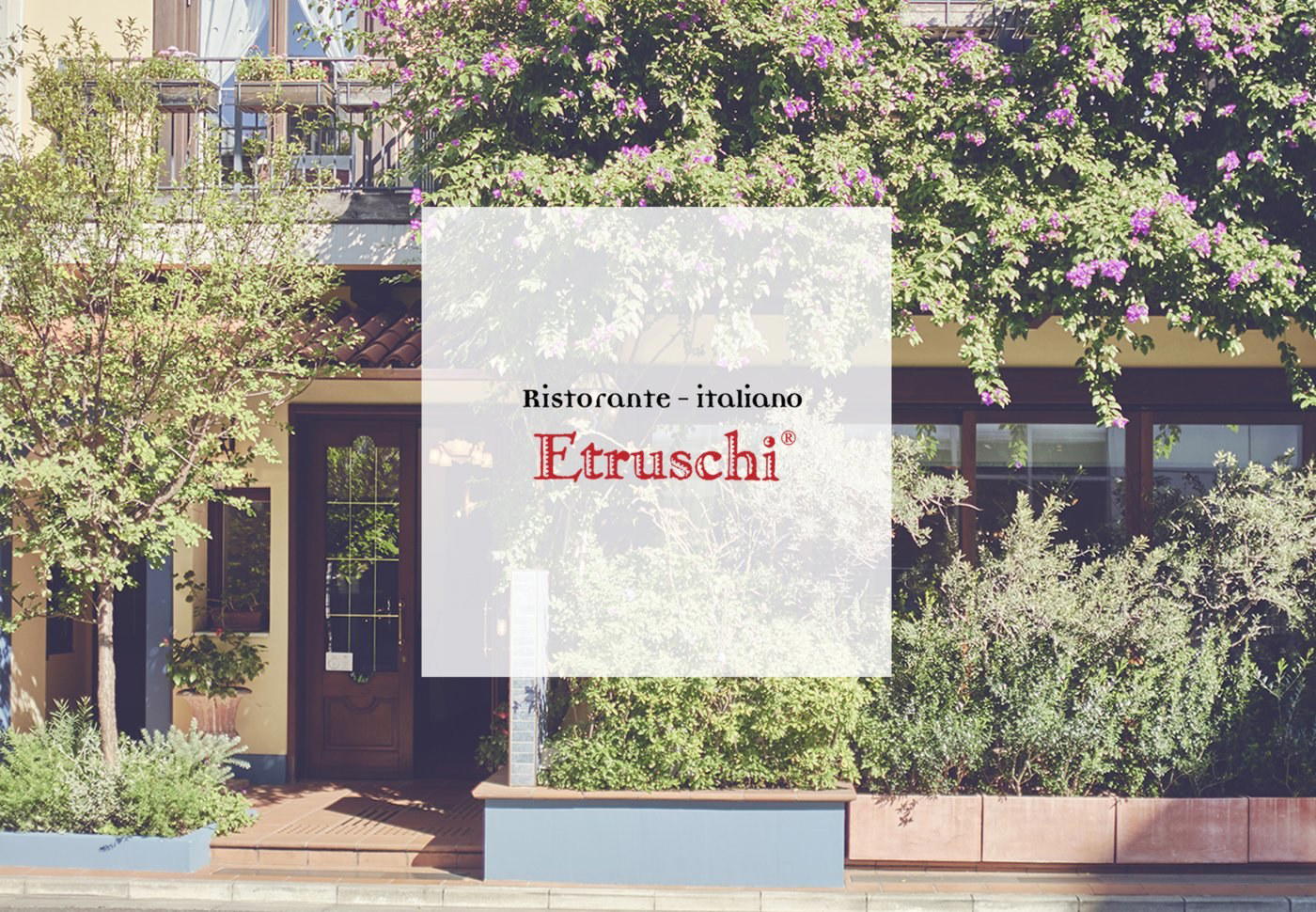
Minami-Aoyama and the Italian Dining Tradition in Tokyo
Minami-Aoyama has developed, over the past two decades, into one of Tokyo's most credible addresses for European cuisine. The neighbourhood's character, quiet residential streets, fashion-adjacent retail, a density of galleries and design studios, has attracted a particular kind of restaurant: small in scale, serious in intent, and priced against a clientele that treats dining as a considered event rather than a casual convenience. Italian restaurants in this district tend to sit in a different register from the trattoria-style venues that populate Azabu or Ebisu. They are formal without being stiff, and they operate with the assumption that the guest has made a deliberate choice to be there.
Etruschi, at 3 Chome-15-12 Minamiaoyama in Minato City, is part of this tradition. The address alone places it in a peer group defined by neighbourhood selectivity rather than volume. For a comparison: the Michelin-starred French room at L'Effervescence operates on a similar principle, proximity to residential Aoyama, small format, occasion-oriented clientele. The Italian category in this district occupies a niche that Tokyo has historically given more attention to than most Western capitals might expect, with a level of ingredient sourcing and technique that maps to the European original rather than a localised approximation.
The Occasion Dining Context: What This Address Is For
In Tokyo's premium restaurant tier, there is a clear distinction between venues designed for weekly use and those that function as milestone tables. The latter category carries specific markers: a sense of ceremony on arrival, a room where the ambient noise level permits conversation without effort, and a kitchen that treats pacing as part of the experience rather than an afterthought. Italian cuisine, more than most European traditions, lends itself to this format precisely because of its emphasis on progression, antipasti through dolci, and the way a well-structured meal can anchor an evening without dominating it.
The Etruscans, for whom the restaurant is named, were the pre-Roman civilisation of central Italy most closely associated with Tuscany and Umbria, a region whose culinary identity centres on restraint, quality of raw material, and the long preparation of simple ingredients. This framing, whether intentional or incidental, points toward a kitchen philosophy more aligned with northern and central Italian regionalism than with the broader pan-Italian approach common in Tokyo's mid-market. For guests choosing a table to mark a significant occasion, that specificity matters: it suggests a kitchen with a defined point of view rather than an accommodating range.
For comparison across Tokyo's special-occasion tier, RyuGin in Roppongi and Sézanne in the Four Seasons at Marunouchi both operate at the high end of milestone dining, with Michelin recognition and reservation windows that extend months ahead. Harutaka in Ginza serves a similar function for omakase sushi. The Italian category in Aoyama occupies a quieter lane within this ecosystem, which for many guests is precisely the point: less spectacle, more table.
How Etruschi Sits Against Its Peers
Tokyo's serious Italian restaurants have historically clustered in Minami-Aoyama, Hiroo, and Azabu-Juban. The Aoyama cohort tends toward smaller formats and European wine programs, with menus that change by season rather than by trend. Within this framework, an Italian restaurant on a residential Aoyama block competes less with the high-volume Italian chains of Shinjuku and more with the French-leaning occasion rooms that define the wider neighbourhood. Crony, the French-innovative room in the same general district, represents the kind of peer venue whose guests might also consider Etruschi for a different occasion register.
Japan has produced a generation of Italian-trained chefs who have returned from stages in Tuscany, Piedmont, and the Veneto to open rooms that operate with Japanese precision on European material. This pattern, documented across the Michelin guides for Tokyo from 2008 onward, has raised the baseline expectation for Italian dining in the city to a point where imported technique is no longer a differentiator. What separates the leading tables now is the specificity of regional focus and the consistency of sourcing, both of which are easier to sustain in a smaller room.
For readers planning occasion meals beyond Tokyo, the same Italian-in-Japan seriousness extends to other cities. Akordu in Nara and affetto akita in Akita represent how this European-in-Japan dining format has spread beyond the major metropolitan centres, each with its own regional Japanese ingredient context layered beneath a European framework. Within Osaka, HAJIME operates in a comparable premium bracket for high-commitment dining. Gion Sasaki in Kyoto and Goh in Fukuoka round out the premium occasion tier across the Kansai and Kyushu circuits.
Planning a Visit: What to Know Before You Book
Minami-Aoyama is served by Omotesando Station on the Tokyo Metro Ginza, Chiyoda, and Hanzomon lines, placing Etruschi within direct reach of central Tokyo. The immediate area is walkable and low-traffic by Tokyo standards, which suits the pre- and post-dinner experience of a milestone meal. Detailed booking information, current hours, and pricing should be confirmed directly with the venue, as these details are not publicly listed at the time of writing.
| Venue | Cuisine | Price Range | Notable For |
|---|---|---|---|
| Etruschi | Italian | Confirm directly | Aoyama Italian, occasion dining |
| L'Effervescence | French | ¥¥¥¥ | Seasonal French, Michelin-starred |
| Crony | Innovative, French | ¥¥¥¥ | French-innovative, Aoyama-adjacent |
| RyuGin | Kaiseki, Japanese | ¥¥¥¥ | Kaiseki, Michelin three stars |
| Sézanne | French | ¥¥¥¥ | French, hotel flagship, Michelin-starred |
For a broader view of Tokyo's occasion dining options across cuisine types, see our full Tokyo restaurants guide. Readers interested in comparable occasion-format European restaurants in other cities may also find Le Bernardin in New York City and Lazy Bear in San Francisco useful reference points for how the format performs across different markets. Additional Japanese regional options worth noting for trip planning include Abon in Ashiya, Aji Arai in Oita, Ajidocoro in Yubari District, and Akakichi in Imabari and aki nagao in Sapporo.
Frequently asked questions
Where is Etruschi in Tokyo?
Etruschi is located at 3 Chome-15-12 Minamiaoyama, Minato City, Tokyo 107-0062, Japan, Tokyo.
Is Etruschi in Tokyo suitable for a special occasion dinner?
The format at this level in Aoyama is built for that use case rather than casual weeknight visits. Guests planning a milestone meal should note that Minami-Aoyama is a ten-minute walk from Omotesando Station on the Ginza, Chiyoda, and Hanzomon lines.
What dish is Etruschi famous for?
Etruschi's kitchen draws on the Etruscan culinary traditions of central Italy, a reference point that sets it apart from the northern Italian menus that dominate Tokyo's Aoyama corridor. The venue's database does not detail a single signature dish, which is consistent with the format common to serious Italian tables in this neighbourhood: the menu shifts with the season and the chef's sourcing. Guests coming for a milestone dinner should treat the full progression as the point, not any single course.
How hard is it to get a table at Etruschi?
Etruschi sits in Minami-Aoyama, where occasion-dining restaurants at this address tier typically require advance booking of several weeks, particularly for weekend evenings. No public reservation data is currently listed for the venue, so contacting them directly well ahead of your intended date is the practical approach. The neighbourhood's limited walk-in culture means arriving without a reservation carries real risk.
Comparable Venues
Comparable venues nearby, for context on price, style, and recognition.
| Venue | Cuisine | Price | Awards | Notes |
|---|---|---|---|---|
| EtruschiThis venue (the venue you are viewing) | Innovative Italian | $100–150 | Gambero Rosso 2 Forchette | Not listed |
| ファロ | Modern Italian with Japanese Influences | $100–150 | 1 Michelin Star · Gambero Rosso 2 Forchette | Chūō |
| Il Teatro | Authentic Italian Fine Dining | $150–200 | Tabelog 100 #13 | Bunkyō |
| Piacere | Contemporary Italian fine dining | $100–150 | Tabelog 100 #98 | Chiyoda |
| フィオッキ | Northern Italian Piedmontese | $150–200 | Michelin Plate · Tabelog Bronze #70 | Setagaya |
| Ristorante Kurodino | Modern Italian Fine Dining | $150–200 | Star Wine List · Wine Spectator Best of Award of Excellence | Chūō |
Recognition history
Dated appearances from independent guides and award organizations, with the underlying list record or original source where available.
Gambero Rosso 2 Forchette
Gambero Rosso