ファロ (Faro) occupies the tenth floor of the Shiseido Ginza Building, a position that frames Ginza's rooftop geometry as the backdrop to its Italian-leaning kitchen. The restaurant has operated as part of Shiseido's cultural programming since 1990, placing it among a small group of Tokyo restaurant-within-institution formats that have outlasted multiple dining-trend cycles.
 Discover on Pearl
Pearl is the En Primeur Club membership app — saves, bookings, and concierge access live there. Same editors, same standards.
- Address
- Japan, 〒104-0061 Tokyo, Chuo City, Ginza, 8 Chome−8−3 資生堂銀座ビル 10 階
- Phone
- +81335723911
- Website
- faro.shiseido.co.jp
An Institution Inside an Institution
In Tokyo's fine-dining geography, the most durable restaurants often belong to a specific structural category: the restaurant commissioned by a non-hospitality parent organisation, designed to express a cultural identity rather than generate standalone commercial returns. ファロ (Faro), which has occupied the tenth floor of the Shiseido Ginza Building since 1990, is one of the clearest examples of this format in the city. Shiseido, the cosmetics and beauty conglomerate that has operated in Ginza since 1872, opened the restaurant as an extension of its broader arts and lifestyle programming, a decision that placed Faro alongside institutions like Shiseido Parlour rather than in direct competition with independent chef-led venues.
This structural distinction matters when reading Faro against the rest of Ginza's upper dining tier. Where venues such as Harutaka operate within the highly individualised omakase tradition, or where Sézanne and L'Effervescence represent the chef-auteur model of French cooking in Tokyo, Faro sits in a different competitive set, one where institutional continuity and aesthetic coherence with the parent brand carry as much weight as kitchen lineage. It has now been operating for over three decades in a district where most restaurant lifespans measure in years, not decades.
The Team Dimension in a Collaborative Kitchen
Tokyo's most discussed fine-dining venues tend to be narrated through their head chefs, a single name around which a menu's identity is constructed and marketed. Faro has historically resisted this framing. Its position within Shiseido's organisational structure has always pointed toward a more collective model, where the relationship between the kitchen, the floor, and the wine program operates as an integrated whole rather than a vehicle for individual expression. This is less common in Ginza than it might appear: even in European-influenced restaurants, the chef-as-protagonist tendency is strong.
In the broader Tokyo context, this collaborative approach places Faro in the company of restaurants like RyuGin, where the kaiseki format demands a disciplined choreography between kitchen and service, and where the dining room's pace is calibrated as carefully as the cooking. The difference is that RyuGin's identity remains tightly bound to its founding chef. Faro's institutional model distributes that identity more broadly across its staff and its physical setting, the Shiseido building, with its art exhibitions and cultural programming on lower floors, functions as a kind of ambient context for what arrives at the table.
For the sommelier program specifically, the restaurant's Shiseido affiliation has historically supported a wine list depth that smaller independent venues at comparable price points find difficult to sustain. The front-of-house relationship with an Italian-influenced menu creates the kind of food-and-wine pairing conversation that more compartmentalised operations cannot easily replicate. Whether the current team maintains the same integration across kitchen, cellar, and floor is something that only direct experience, or more current reporting, can confirm, but the structural conditions for that dynamic remain in place.
Ginza's Dining Tier and Where Faro Sits
Ginza occupies a particular position in Tokyo's restaurant geography. It is the district most associated with formal, occasion-driven dining, the kind of meal that involves advance booking, considered dress, and a price point that filters the room by design. At the upper end of that tier, venues like Crony push toward innovative Franco-Japanese formats, while more traditional kaiseki and sushi counters maintain the district's long-established hierarchy. Faro's Italian-leaning positioning has always given it a slightly different angle within this competitive field, European in its culinary reference points, but embedded in one of the most distinctly Japanese luxury contexts on earth.
That positioning has outlasted several shifts in Tokyo's broader dining scene. When the city's appetite for French and Italian fine dining softened in the 1990s, Faro's institutional backing provided stability that independent venues could not afford. When the Michelin Guide arrived in Tokyo in 2007 and began reshaping the city's dining hierarchy, the restaurant sat outside the most-discussed categories without disappearing. And as Tokyo's restaurant scene has continued to fragment into increasingly specialist formats, from hyper-focused omakase counters to the kind of ingredient-led tasting menus that have defined the 2020s internationally, Faro has maintained a presence in Ginza that most of its 1990-era contemporaries have not.
For a comparison with what comparable institutional-backed European dining looks like in other Japanese cities, HAJIME in Osaka and Gion Sasaki in Kyoto offer different models of how European and Japanese culinary traditions intersect at the formal end of the market. Beyond the main cities, restaurants like akordu in Nara and Goh in Fukuoka show how the fine-dining conversation in Japan extends well outside Tokyo and Osaka.
The Building as Context
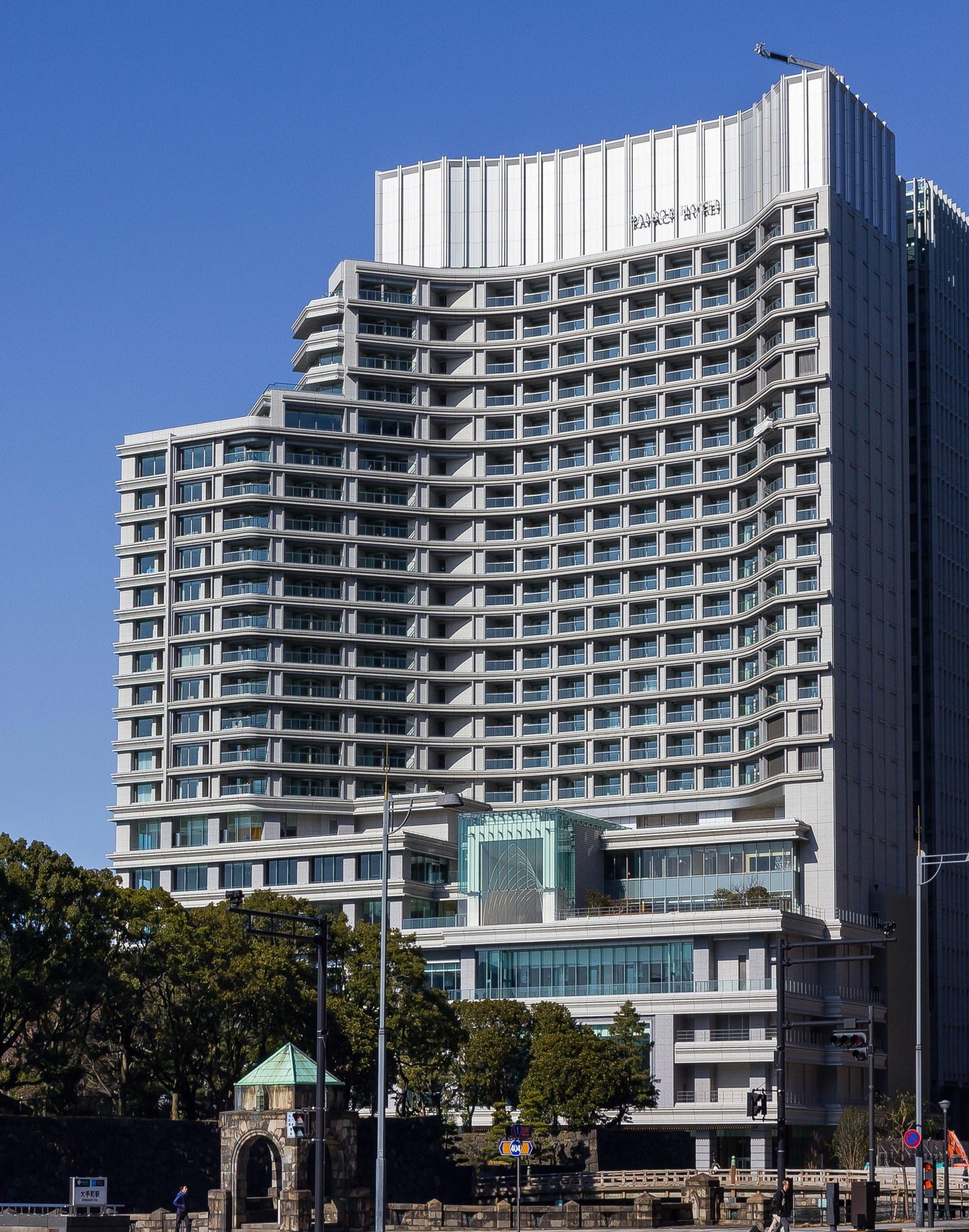
The tenth-floor position in the Shiseido Ginza Building is not incidental to the dining experience. Ginza's architecture, particularly along Chuo-dori, has become progressively more ambitious since the 2010s, with flagship buildings from international luxury brands raising the visual stakes of the district. The Shiseido building, which dates in its current form to a mid-century sensibility that has been periodically refreshed, sits within this context as a Japanese institution rather than an imported one, a distinction that carries meaning in a district increasingly dominated by European and American luxury brands' Tokyo outposts.
For restaurants in comparable positions within culturally significant buildings, within institutions rather than alongside them, the physical context shapes how a meal is read. This is as true at Le Bernardin in New York City, where the Midtown setting is inseparable from the restaurant's identity, as it is at Atomix, where the design of the space is part of the editorial argument the kitchen is making. At Faro, the Shiseido building's ground-floor gallery and cultural programming means that arriving at the restaurant involves passing through a different kind of attention than a street-level entrance provides.
Planning Your Visit
Faro is located in Ginza's central core, on the tenth floor of the Shiseido Ginza Building at 8-8-3 Ginza, Chuo City. The nearest major stations are Ginza and Shimbashi, both within a short walk. Given the restaurant's longevity and the relative scarcity of its format within Ginza, advance booking is advisable, particularly for weekend evenings when the district's foot traffic peaks. For broader context on Tokyo's premium dining tier, our full Tokyo restaurants guide covers the range of formats and price points across the city's main dining districts.
| Venue | Cuisine | Price Range | Format | Location |
|---|---|---|---|---|
| ファロ (Faro) | Italian-influenced | Not confirmed | Institutional / tasting | Ginza 8-chome, 10F |
| L'Effervescence | French | ¥¥¥¥ | Chef-auteur tasting | Nishi-Azabu |
| Sézanne | French | ¥¥¥¥ | Chef-led tasting | Marunouchi |
| Crony | Innovative French | ¥¥¥¥ | Innovative tasting | Minami-Aoyama |
| Harutaka | Sushi | ¥¥¥¥ | Omakase counter | Ginza |
Further afield in the Japanese fine-dining network, venues worth considering alongside any Tokyo itinerary include 一本木 菅川製 in Nanao, 夕な仕山乃 in Sapporo, 湖畔荘 in Takashima, 庄羽屋 in Nishikawa Machi, Birdland in Sakai, and Bistro Ange in Toyohashi, a range that maps the depth and geographic spread of Japan's formal dining tier outside its three major cities.
Cuisine Context
Comparable venues nearby, for context on price, style, and recognition.
| Venue | Cuisine | Price | Awards | Notes |
|---|---|---|---|---|
| ファロThis venue — the venue you are viewing | Plant-Forward Italian Kaiseki | $$$$ | , | |
| Heinz Beck Tokyo | Modern Italian Molecular Gastronomy | $$$$ | , | Chiyoda |
| Bulgari Cafe II | Italian Fusion Cafe & Bar | $$$$ | 1 recognition | Chūō |
| Ristorante Hiro Aoyama | Seasonal Italian Fine Dining | $$$$ | , | Minato |
| Partenope (パルテノペ) | Authentic Neapolitan Pizza | $$$ | , | Ebisu |
| Osteria Tramandare | Regional Italian Osteria with Rotating Tasting Courses | $$$ | , | Chūō |



At a Glance
- Elegant
- Sophisticated
- Modern
- Intimate
- Date Night
- Special Occasion
- Business Dinner
- Chefs Counter
- Open Kitchen
- Sake Program
- Local Sourcing
- Street Scene
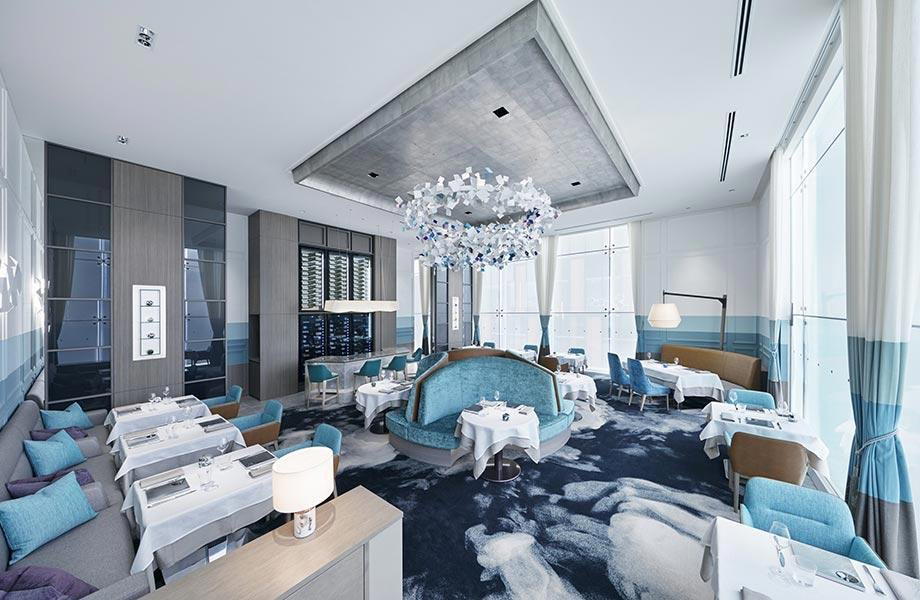
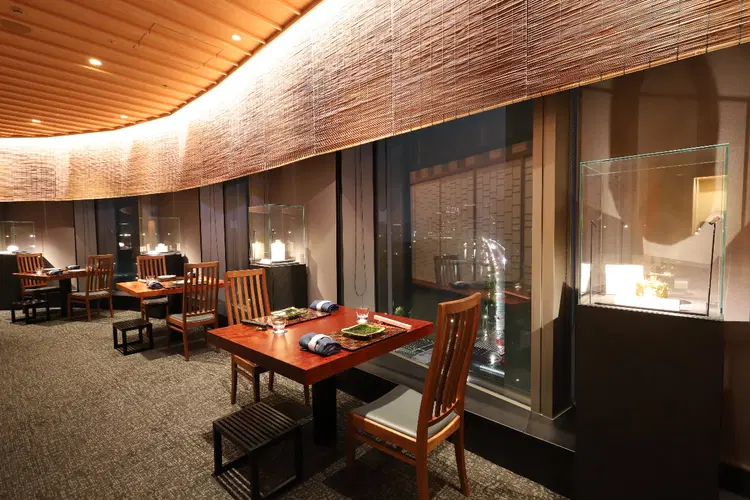
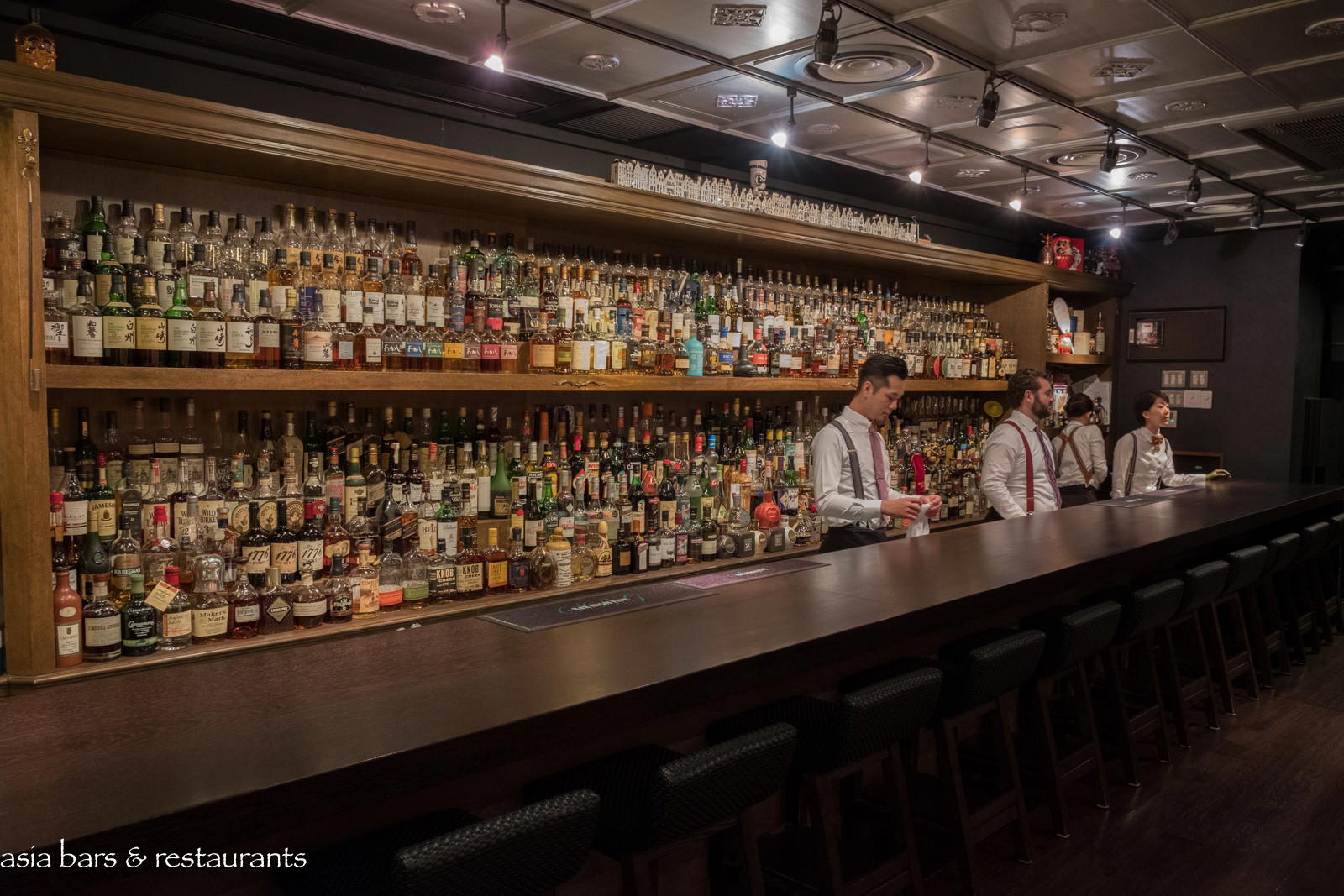
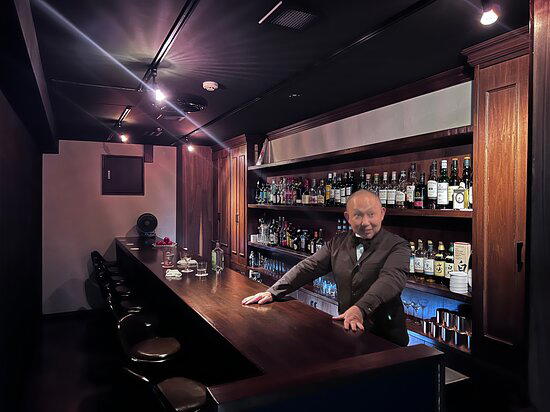
Elegant dining room with soothing palette of greys, whites, and blues, offering a refined yet unstuffy atmosphere.