
Michelin Plate
Our verdict
A Michelin Plate-recognised Italian restaurant in Shibuya's Shinsencho neighbourhood, ess. takes its name from 'essential' and its à la carte format from a conviction that guests should order what they want, when they want it. The pasta list runs deep enough to reward repeat visits, and a gelato selection closes the meal on its own terms.

Pearl is the En Primeur Club membership app, where members save venues, book tables and use the concierge.
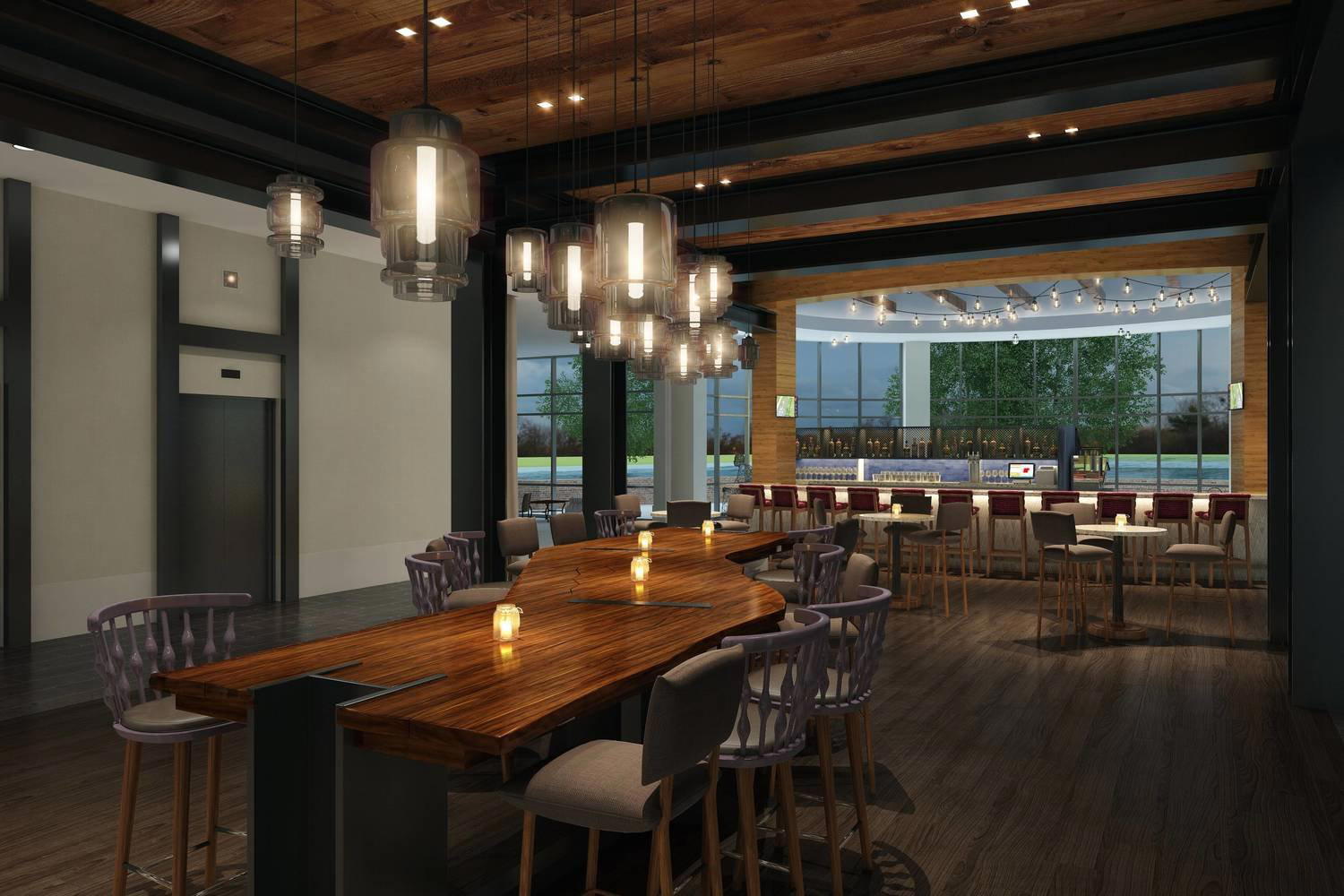
A Basement in Shinsencho, and Why the Format Matters
Descend one floor below street level on a backstreet in Shibuya's Shinsencho district and the first thing that registers is the contrast with Tokyo's dominant fine-dining grammar. Most of the city's serious Italian rooms, from the prix fixe counters of PRISMA to the structured tasting arc at Aroma Fresca, ask guests to surrender sequencing decisions to the kitchen. ess. does not. The room operates on a full à la carte basis, and that single structural choice shapes everything that follows: the pacing, the ordering ritual, the conversation at the table, the way the evening unfolds.
Across Tokyo's Italian dining tier, prix fixe presentations have become the default signal of seriousness. When a room runs tasting menus, it telegraphs investment in a composed narrative arc, a kitchen with a point of view, and a guest willing to commit an evening to someone else's sequence. ess. arrives at the same level of attentiveness through a different route, one that treats the guest's own appetite as the architectural principle. The name, an abbreviation of 'essential', is a thesis statement about what a restaurant visit should deliver: not a prescribed journey, but access to what you actually want to eat.
Reading the Menu as a Sequence
The editorial angle that unlocks ess. is progression, but it is a progression the diner constructs rather than receives. The pasta list is the clearest expression of the kitchen's ambition: it runs long enough that a regular can find a dish they have not tried before on a return visit. In a category where many Italian rooms in Tokyo anchor their pasta selection to two or three house signatures, a roster with genuine depth is a different kind of commitment. It signals a kitchen comfortable with range, and a front-of-house team that can guide guests through it without defaulting to the same two recommendations every time.
The logic of building a meal here follows the à la carte tradition of Italian dining in its original domestic sense: you arrive, you read the list, you construct a meal that reflects what you want tonight. Antipasto or not. One pasta or two. Whether you close with gelato, and in which flavour. Staff attentiveness is noted by guests and by the Michelin inspectors who awarded ess. a Plate recognition in 2025, a credential that signals kitchen craft and overall dining quality without the structured formality of a starred designation.
Where ess. Sits in Tokyo's Italian Scene
Tokyo's Italian dining has spread across a wider quality and format range than almost any other non-Japanese cuisine in the city. At the leading end, rooms like Gucci Osteria da Massimo Bottura Tokyo import an internationally recognisable brand identity and price accordingly. Mid-tier operators like Principio and AlCeppo work within more neighbourhood-anchored registers. ess. at the ¥¥¥ price tier and with Michelin Plate recognition, occupies the space between serious technical cooking and accessible repeat-visit dining.
For context, the comparison set for Tokyo fine dining as a whole skews heavily towards fixed formats. Three-Michelin-starred rooms like Harutaka, RyuGin, and L'Effervescence operate within tightly controlled sequences. Even two-starred Crony and Den, both at the ¥¥¥¥ price point, build around composed tasting structures. ess. at ¥¥¥ with a full à la carte list occupies a different hospitality philosophy entirely, one that is not lesser so much as oriented differently. The guest who wants to eat two pastas and a gelato without sitting through eight courses has very few options at this quality level in the city.
Tokyo's Italian scene also extends beyond the capital for comparison. cenci in Kyoto works within an Italian-Japanese fusion register that is distinctly Kansai in its restraint, while 8 1/2 Otto e Mezzo Bombana in Hong Kong represents the region's most formally European Italian expression. ess. sits apart from both: less conceptually hybrid than cenci, less grand in its production values than Otto e Mezzo, but purposeful in its own right.
Gelato as a Closing Argument
The gelato section at the end of the menu is worth flagging not as a detail but as a structural statement. In a meal built around guest agency, the option to close with gelato in multiple flavours rather than a set dessert course extends the same principle to the final act. You choose the flavour, you choose the quantity. The kitchen's responsibility is to make the gelato good enough that the choice matters. That ess. invests in a gelato list of genuine range suggests confidence that the dessert section can carry weight in a meal's progression, not merely provide a sweet resolution.
Planning Your Visit
ess. is located at 13-13 Shinsencho, Shibuya, Tokyo, on the basement level. The ¥¥¥ price point places it in the mid-upper tier of Tokyo dining, meaningfully below the ¥¥¥¥ bracket occupied by starred tasting-menu rooms, and positioned as a realistic option for guests who want quality Italian cooking without the commitment of a full prix fixe evening.
| Venue | Cuisine | Format | Price | Recognition |
|---|---|---|---|---|
| ess. | Italian | À la carte | ¥¥¥ | Michelin Plate 2025 |
| Aroma Fresca | Italian | Prix fixe | ¥¥¥¥ | Michelin starred |
| Principio | Italian | Varied | ¥¥¥ | Michelin recognised |
| Den | Innovative Japanese | Prix fixe | ¥¥¥ | Michelin 2 Stars |
Reservations are advisable. Phone and website details are not publicly listed at time of writing; check current booking channels before visiting.
For broader planning across Tokyo, see our full Tokyo restaurants guide, our full Tokyo hotels guide, our full Tokyo bars guide, our full Tokyo wineries guide, and our full Tokyo experiences guide. For dining further afield in Japan, HAJIME in Osaka, Gion Sasaki in Kyoto, akordu in Nara, Goh in Fukuoka, 1000 in Yokohama, and 6 in Okinawa each represent the range of serious dining outside the capital.
Frequently asked questions
What kind of cuisine does ess. serve?
ess.
Is ess. more mid-range or high-end?
Pricing at ess. is listed as ¥¥¥.
Has ess. won any awards?
ess. has received recognition including: Prix fixe presentations seem to be ascendant these days, but this Italian restaurant boasts an unstinting menu of à la carte offerings. The list of pastas is so extensive that you can find a new one every time you visit, while gelato comes ….
What should I order at ess.?
The pasta list is the clearest entry point: it runs long enough that repeat visits surface new options. Beyond pasta, the gelato section at the end of the menu functions as a closing course worth planning for rather than treating as an afterthought. The à la carte format means you build your own sequence rather than following a fixed progression.
What's ess.'s location?
ess. is located at Japan, 〒150-0045 Tokyo, Shibuya, Shinsencho, 13−13 地下1階, Tokyo.
Do I need a reservation for ess.?
Contact details are not publicly listed for ess. so arriving without a reservation carries risk, particularly given the basement venue's likely limited cover count. At the ¥¥¥ price tier in Tokyo, booking ahead is the standard approach; check current availability through a concierge or local booking platform.
What's the defining dish or idea at ess.?
The defining idea is the format itself: ess. holds to à la carte Italian at a moment when prix fixe has become the default for serious Tokyo dining. The name is short for 'essential', and the menu structure reflects that, an extensive pasta selection, attentive service, and gelato in multiple flavours, each available on the diner's own terms. The Michelin Plate recognition in 2025 confirms the kitchen's consistency within that framework.
Category Peers
A quick peer check to anchor this venue’s price and recognition.
| Venue | Cuisine | Price | Awards | Notes |
|---|---|---|---|---|
| ess.This venue (the venue you are viewing) | Classic Italian with Seasonal Ingredients | $150–200 | Michelin Plate | Not listed |
| Harutaka | Edo-Style Omakase Sushi | $200–300 | 3 Michelin Stars · World's 50 Best #76 | Sushi |
| RyuGin | Modern Kaiseki | $500+ | 3 Michelin Stars · World's 50 Best #41 | Kaiseki, Japanese |
| L'Effervescence | Modern French with Japanese Influences | $200–300 | 3 Michelin Stars · World's 50 Best #69 | French |
| HOMMAGE | Modern French with Japanese Influences | $150–200 | 2 Michelin Stars · World's 50 Best #78 | Innovtive French, French |
| MAZ | Innovative Peruvian-Japanese Fusion | $150–200 | 2 Michelin Stars · World's 50 Best #28 | Innovative |
Recognition history
Dated appearances from independent guides and award organizations, with the underlying list record or original source where available.
Michelin Plate
Michelin
Full recognition history (2 entries)
Michelin Plate
Michelin
Continue exploring
More in Tokyo
Restaurants in Tokyo
All restaurants in Tokyo →



Bars in Tokyo
All bars in Tokyo →






Details
- Elegant
- Sophisticated
- Intimate
- Relaxed
- Date Night
- Special Occasion
- Private Dining
- Extensive Wine List
- Tasting Menu
- A La Carte
Current opening hours
- Monday
- Closed
- Tuesday
- 5–11 PM
- Wednesday
- 5–11 PM
- Thursday
- 5–11 PM
- Friday
- 5–11 PM
- Saturday
- 12–3 PM, 5–11 PM
- Sunday
- Closed
Hours can change for holidays and private events. Hours as of .
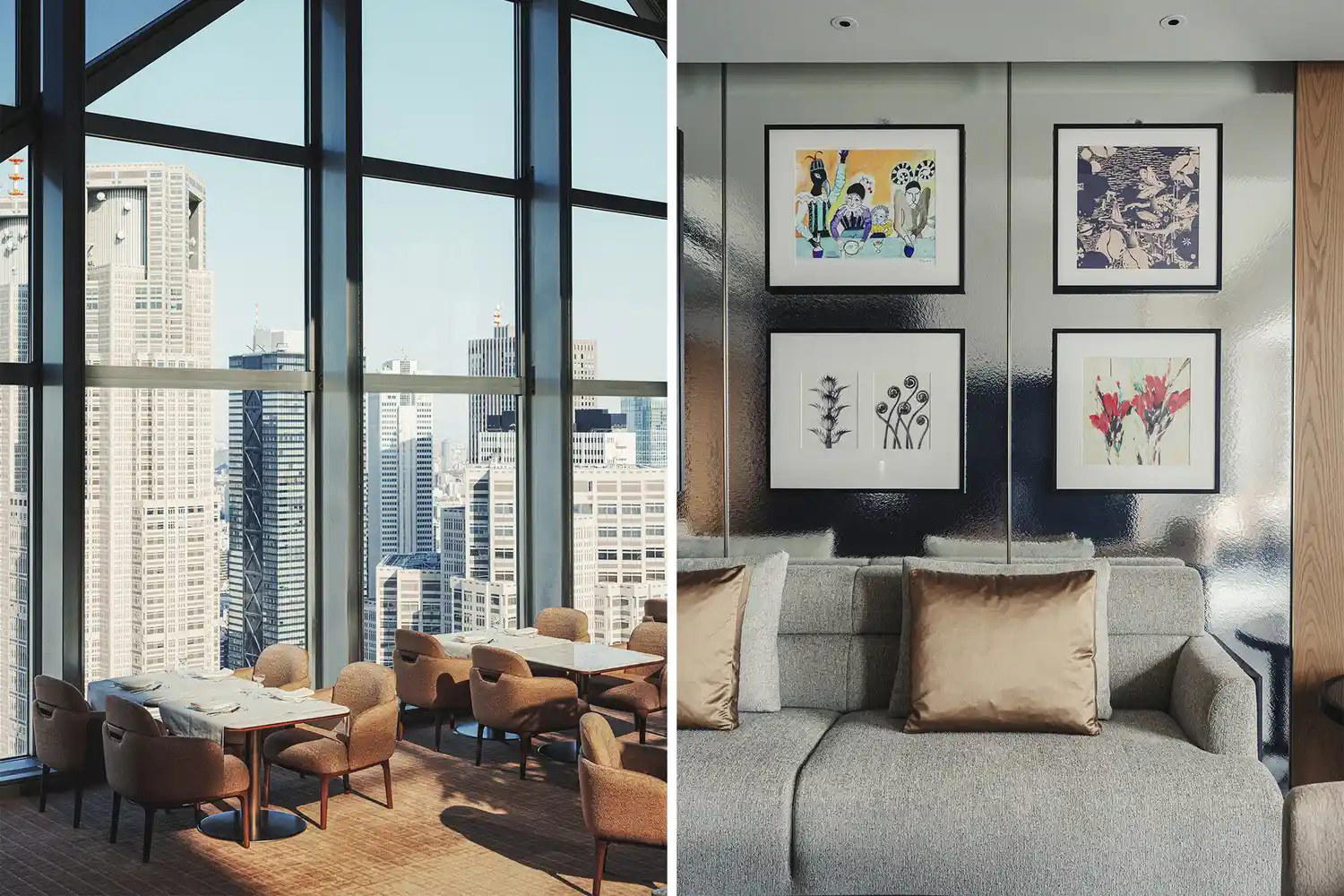
Comfortable and relaxing dining space with private rooms, designed for tranquility and rejuvenation.