ZiWei Ting occupies a particular position in Hangzhou's premium dining tier, where Zhejiang culinary traditions and refined atmosphere converge. The restaurant draws a loyal local following and repeat visitors who treat advance planning as a given. For anyone mapping the city's serious Chinese dining options, it belongs in the first conversation.

Pearl is the En Primeur Club membership app — saves, bookings, and concierge access live there. Same editors, same standards.
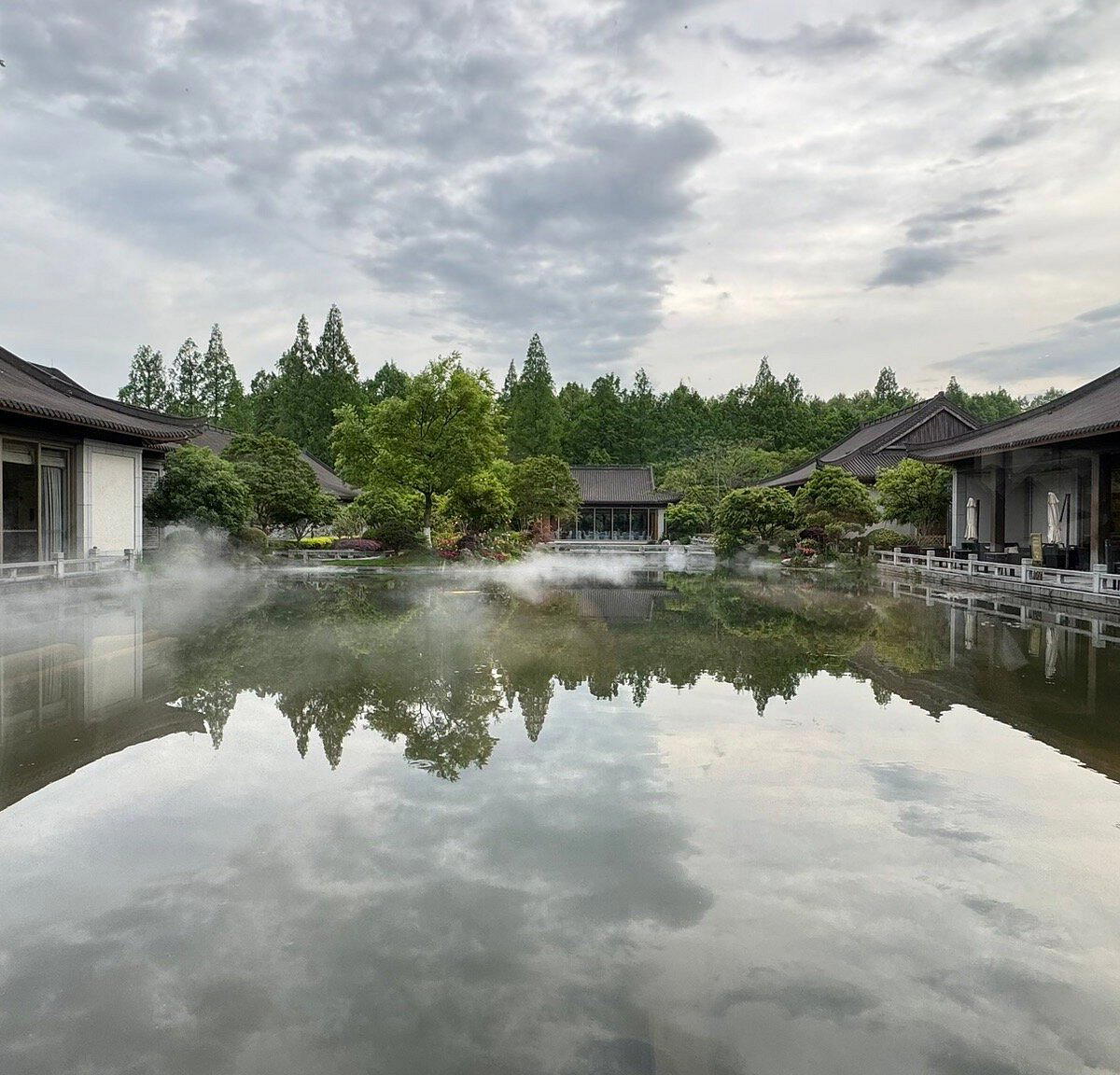
Hangzhou's Premium Chinese Dining and Where ZiWei Ting Sits Within It
Hangzhou has built a coherent identity around Hangzhou cuisine, and the city's upper-tier restaurants reflect that heritage with unusual consistency. The cooking here favours clean flavours, freshwater ingredients drawn from West Lake and surrounding waterways, and a restraint with seasoning that distinguishes the tradition from the bolder profiles of Sichuan or Cantonese cooking. In that context, ZiWei Ting addresses the same audience as peers like Ru Yuan and Guiyu (Xihu): diners who expect the setting to carry as much weight as the plate.
The city's premium Chinese dining tier has expanded notably over the past decade. Alongside longstanding institutions like Hangzhou House and Jie Xiang Lou, a newer cohort of restaurants, including Ambré Ciel, has pushed the format toward more experimental ground. ZiWei Ting occupies the more classical end of that range, where the argument for a restaurant rests on ingredient sourcing, cooking technique within tradition, and a room that signals seriousness.
The Setting and What It Signals
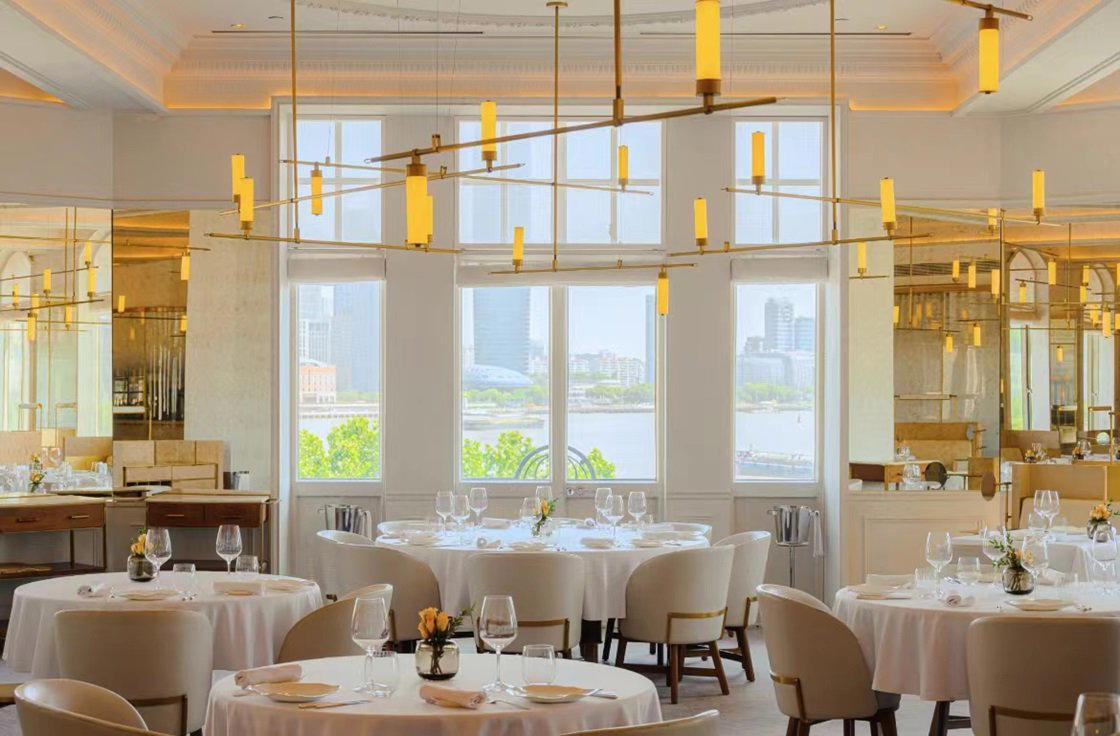
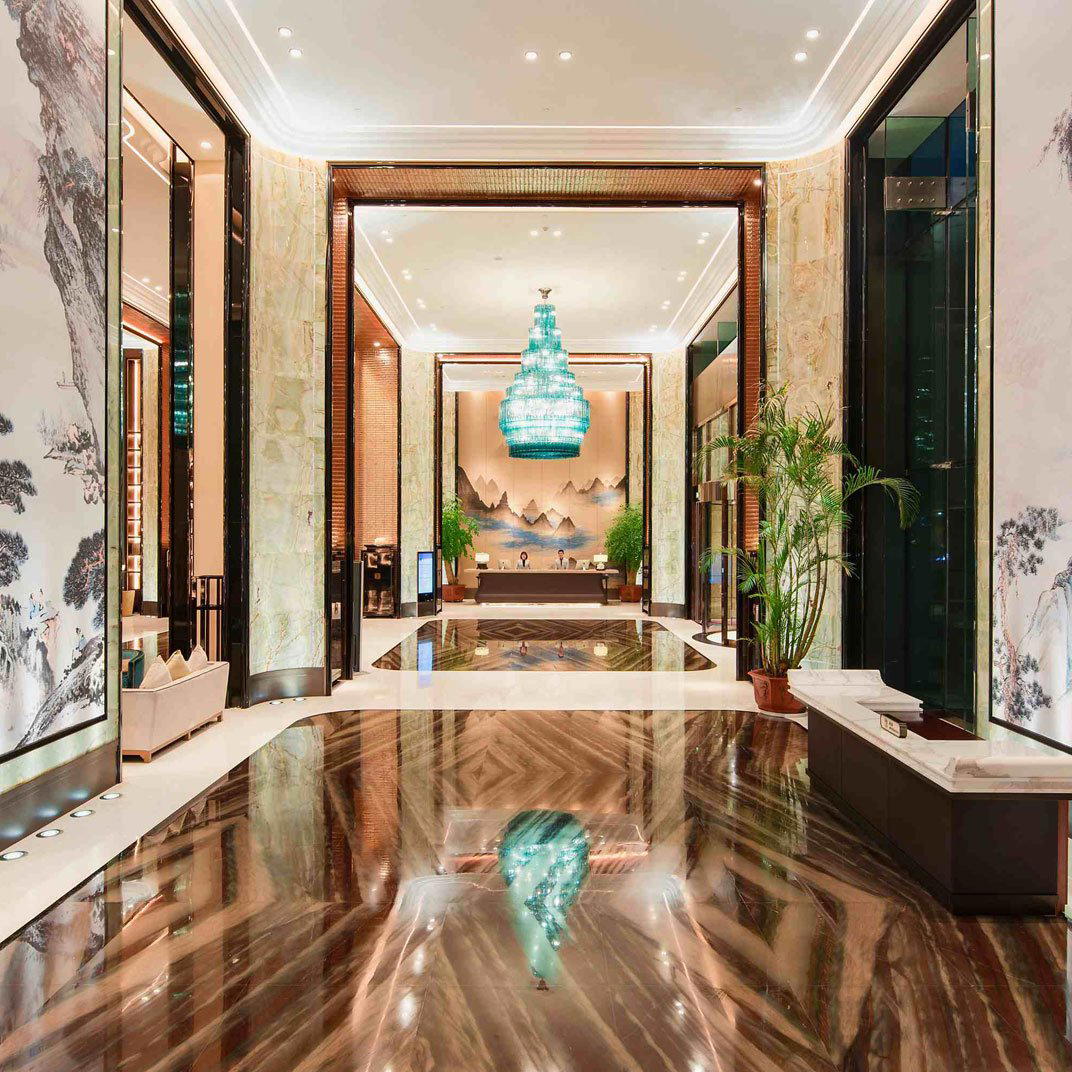
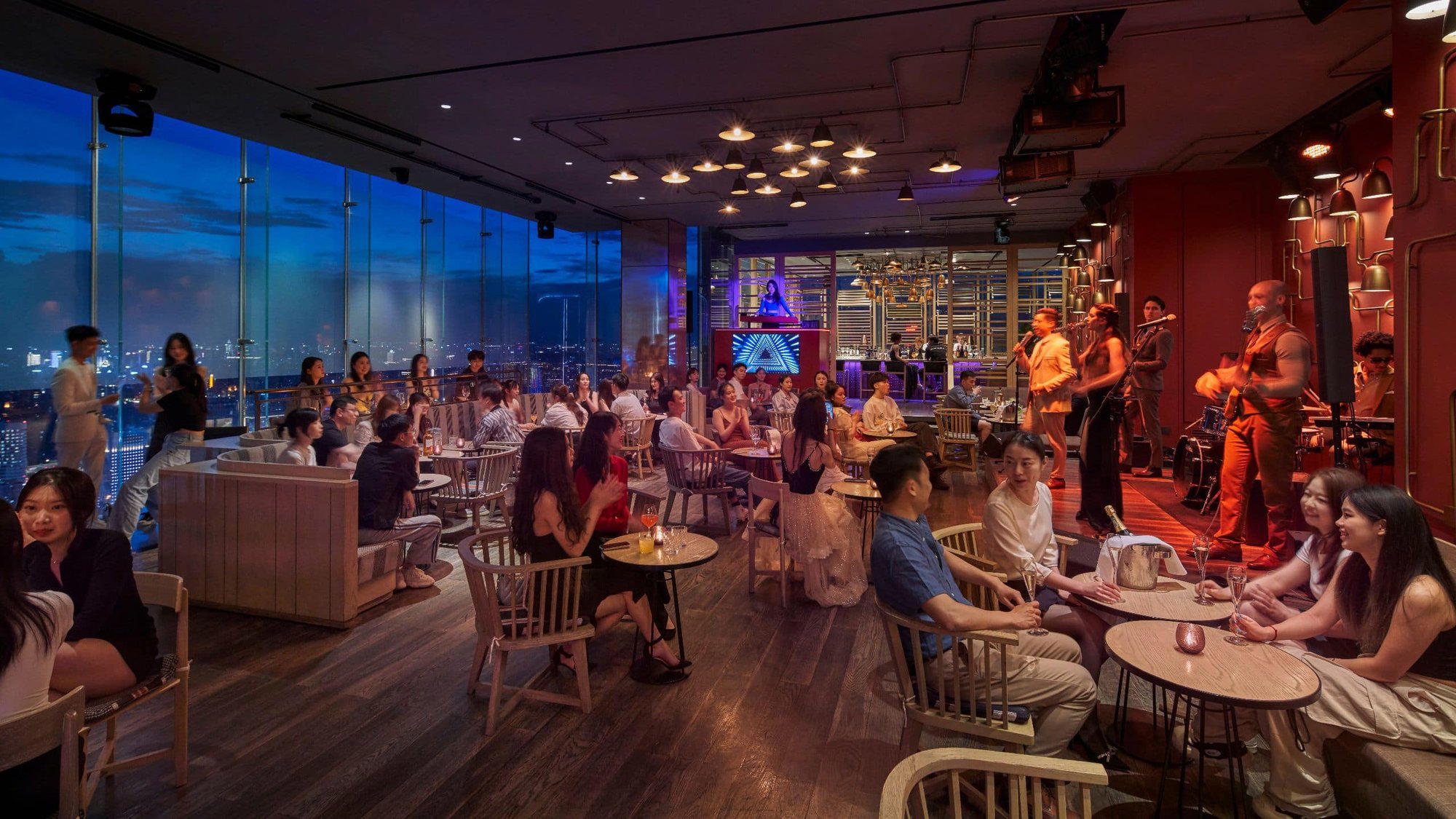
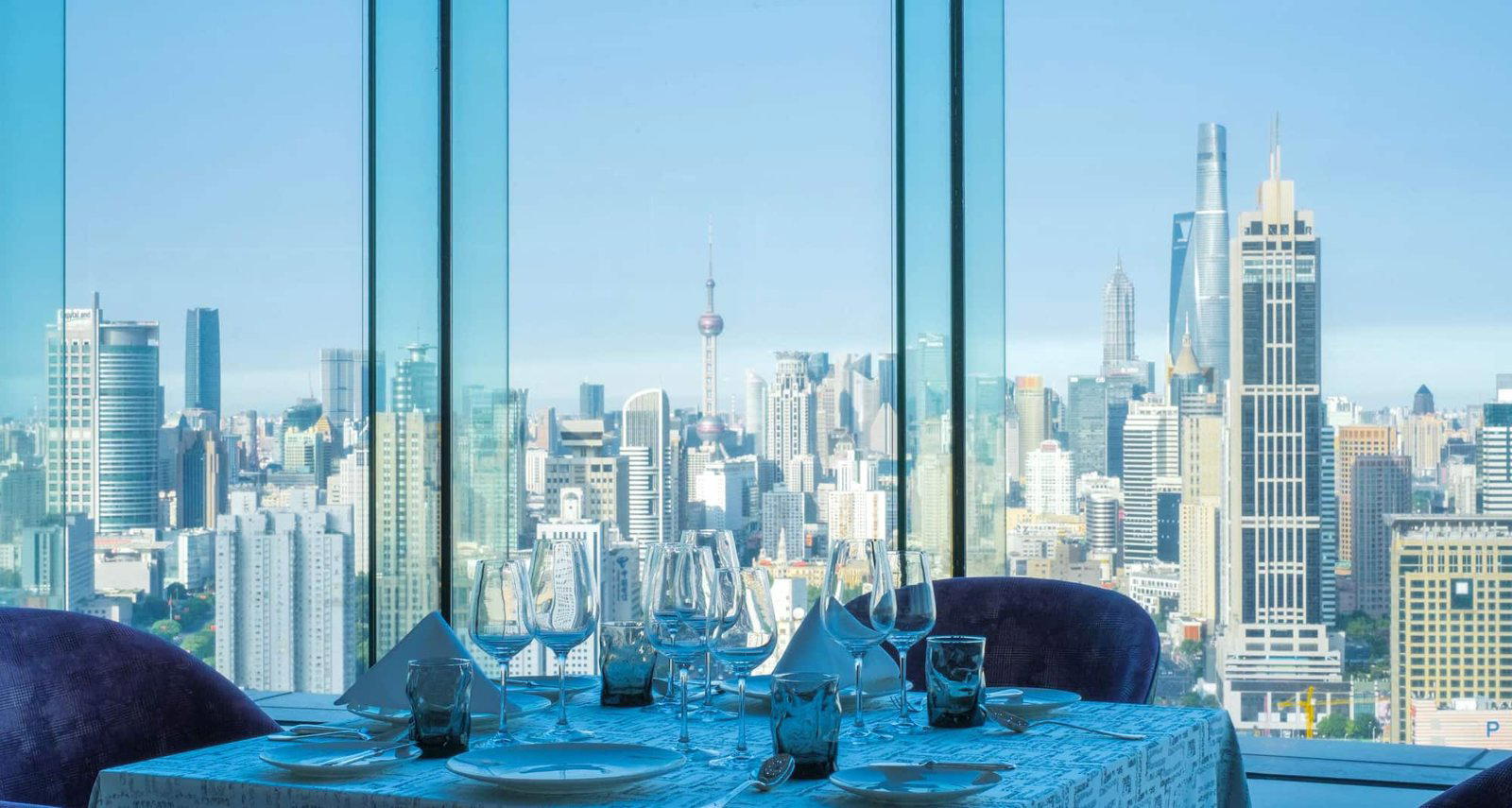
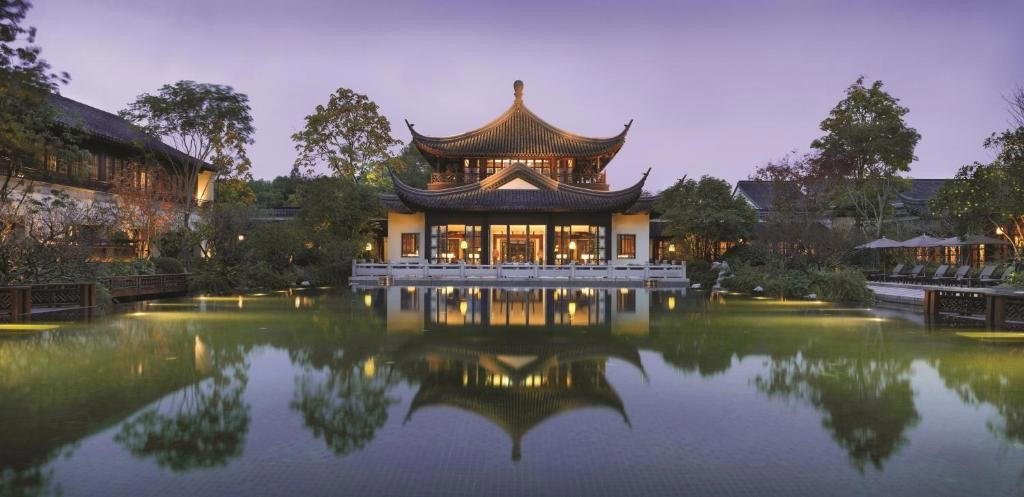
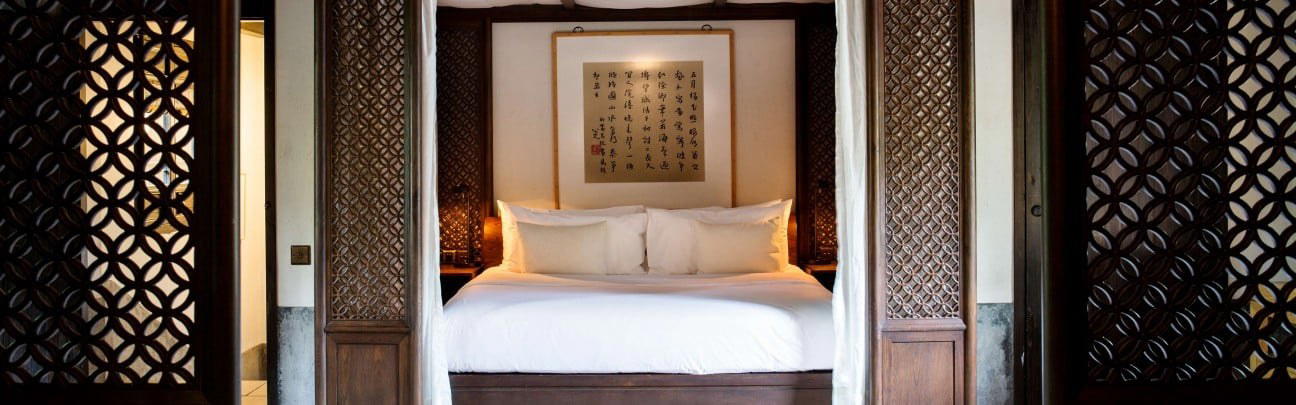
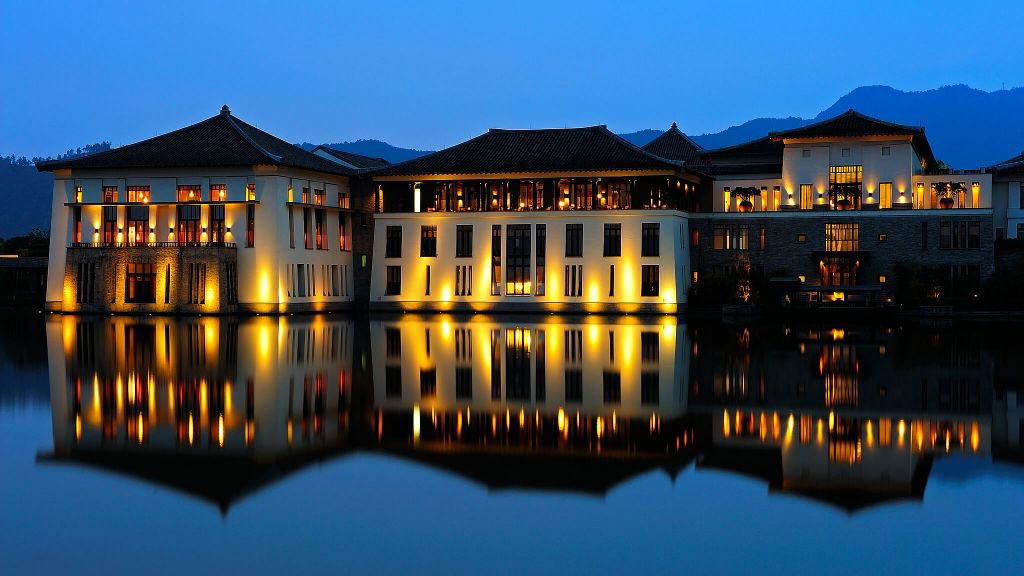
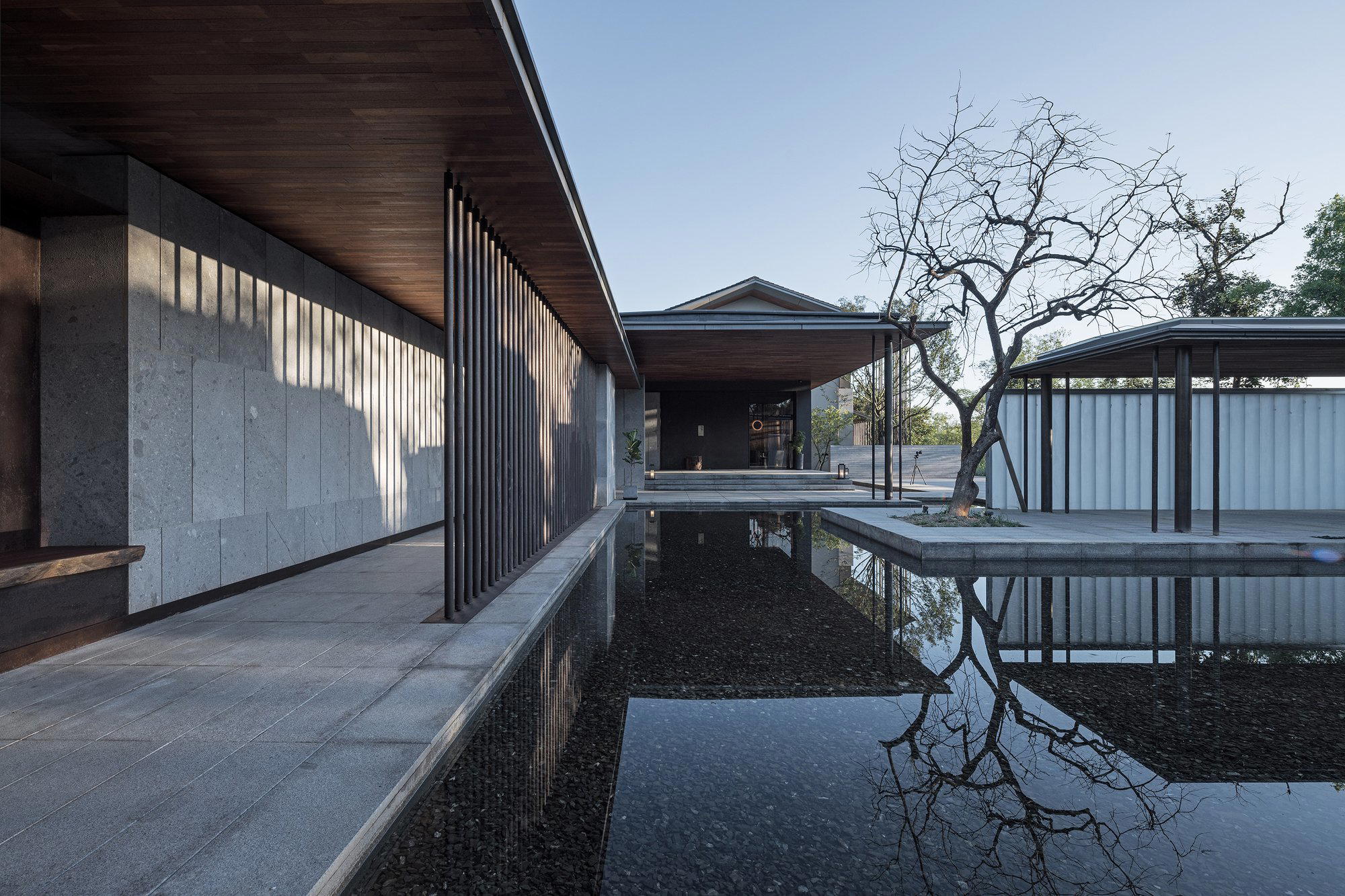
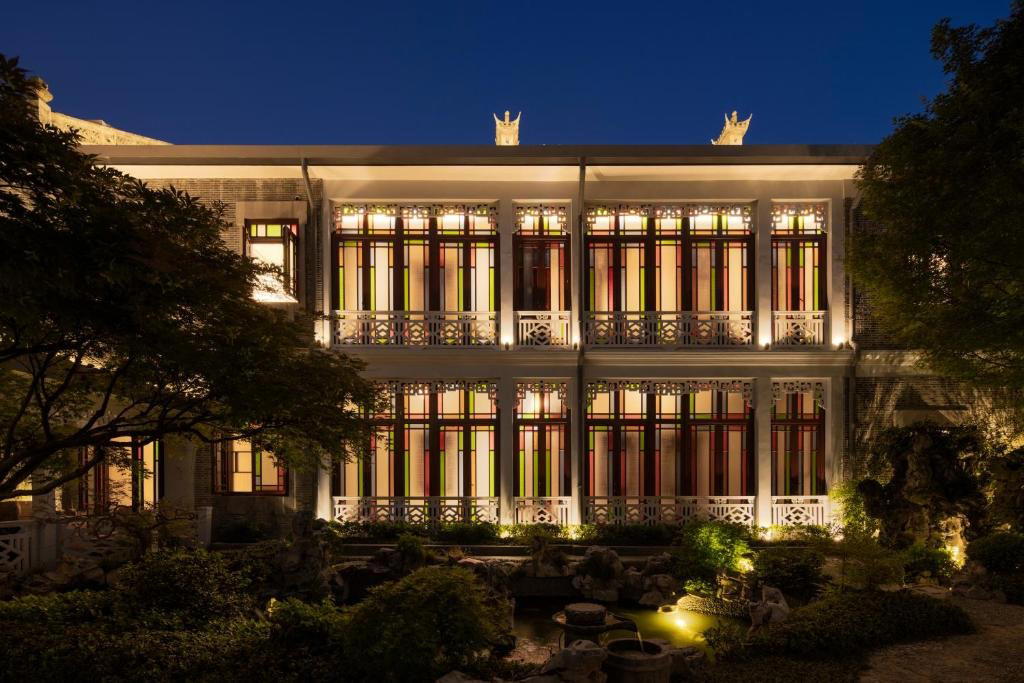
Atmosphere in Chinese fine dining frequently operates as its own communication. The level of formality, the material quality of tableware, the acoustic management of a room: these are not incidental to the experience but integral to how the food is received. Restaurants in Hangzhou's upper bracket tend toward natural materials, muted tones, and spatial arrangements that allow private conversation. The restaurant follows that orientation, positioning itself as a destination for business meals and family celebrations.
That planning requirement matters to the experience. Unlike the more casual end of the market, where availability on the day is common, restaurants operating at this level in Hangzhou typically require lead time, particularly for private rooms, which remain a core feature of formal Chinese hospitality.
Planning a Visit: What to Know Before You Book
Reservations are recommended.
The city's restaurant scene at the premium level, including the restaurant, is oriented primarily toward domestic business and leisure travellers; English-language support at booking stage varies. Going through a hotel concierge, particularly at one of the international-brand properties in the city, remains a reliable path for non-Chinese speakers.
That relative accessibility is part of what makes the city's serious dining tier interesting right now.
The Zhejiang Tradition as Context
Understanding what the restaurant is doing requires some familiarity with what Zhejiang cuisine actually is. The tradition draws heavily on West Lake carp, bamboo shoots, Jinhua ham, longjing (Dragon Well) tea, and seasonal vegetables from the surrounding agricultural region. Cooking methods favour steaming, braising, and careful wok work that preserves the natural quality of ingredients rather than transforming them. This is a cuisine that rewards attention; the differences between a well-executed and a mediocre version of the same dish can be subtle to the uninitiated but are immediately apparent to anyone who has eaten it repeatedly.
That quality-signal subtlety is one reason Hangzhou's leading restaurants attract the specific kind of diner they do. These dishes reward repeat visits and close attention. Peer restaurants across the region, from Xin Rong Ji in Chengdu to Dingshan·Jiangyan in Suzhou and Dai Yuet Heen in Nanjing, each occupy distinct regional traditions but share this characteristic: their most critical audience is local, repeat, and deeply familiar with the cuisine.
Where ZiWei Ting Sits in a Broader Frame
It is worth placing Hangzhou's serious Chinese dining against a wider reference set. The ambition driving restaurants in this tier, sourcing discipline, technique rigour, setting investment, is comparable to what defines high-end Chinese dining in cities across the region. Imperial Treasure Fine Chinese Cuisine in Guangzhou, Shang Palace in Yangzhou, and Fleurs Et Festin in Xiamen each make different arguments about what premium Chinese dining looks like, but the underlying logic is the same: ingredients and technique, presented in a room that respects both.
Hangzhou's premium tier is making the same argument, in Zhejiang dialect. Jiangnan Wok·Rong in Fuzhou represents a parallel regional expression of that ambition further south.
Comparison Snapshot
Comparable venues nearby, for context on price, style, and recognition.
| Venue | Cuisine | Price | Notes |
|---|---|---|---|
| ZiWei TingThis venue — the venue you are viewing | Hangzhou Cuisine | $$$$ | Not listed |
| Park Hyatt Hangzhou-Dining Room | Modern Zhejiang and Cantonese Fine Dining | $$$$ | Hangzhoushi |
| Four Seasons Hotel Hangzhou at West Lake Jin Sha | Seasonal Zhejiang Fine Dining in a Lakeside Four Seasons | $$$$ | Xihu |
| Seven Villas | Modern Zhejiang (Jiangnan) | $$$$ | Hangzhoushi |
| Ziwei Hall | Refined Hangzhou Jiangzhe Cuisine | $$$$ | Hangzhoushi |
| Jiexianglou at Seven Villas | Modern Jiangnan Cuisine | $$$$ | Hangzhoushi |
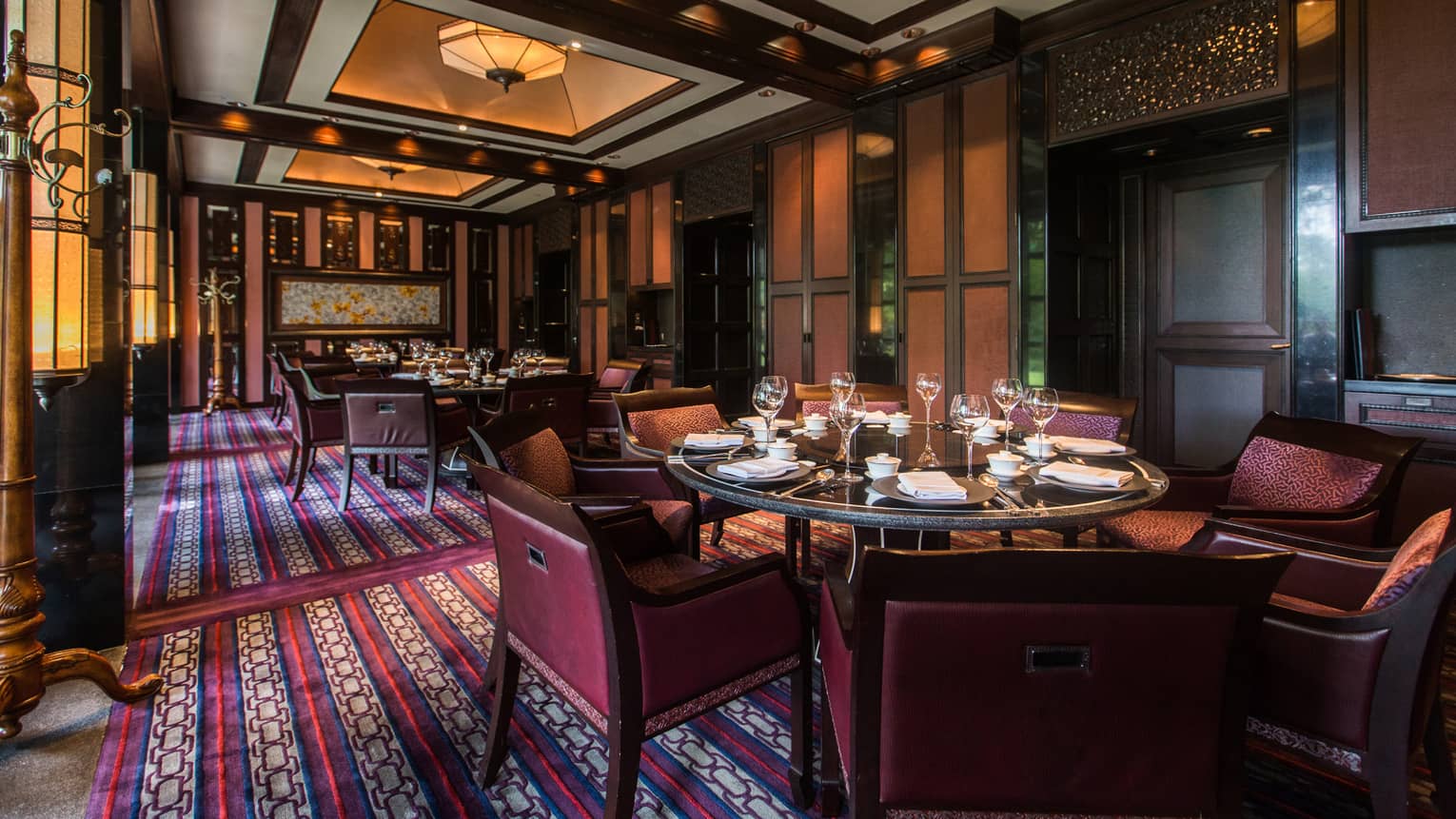
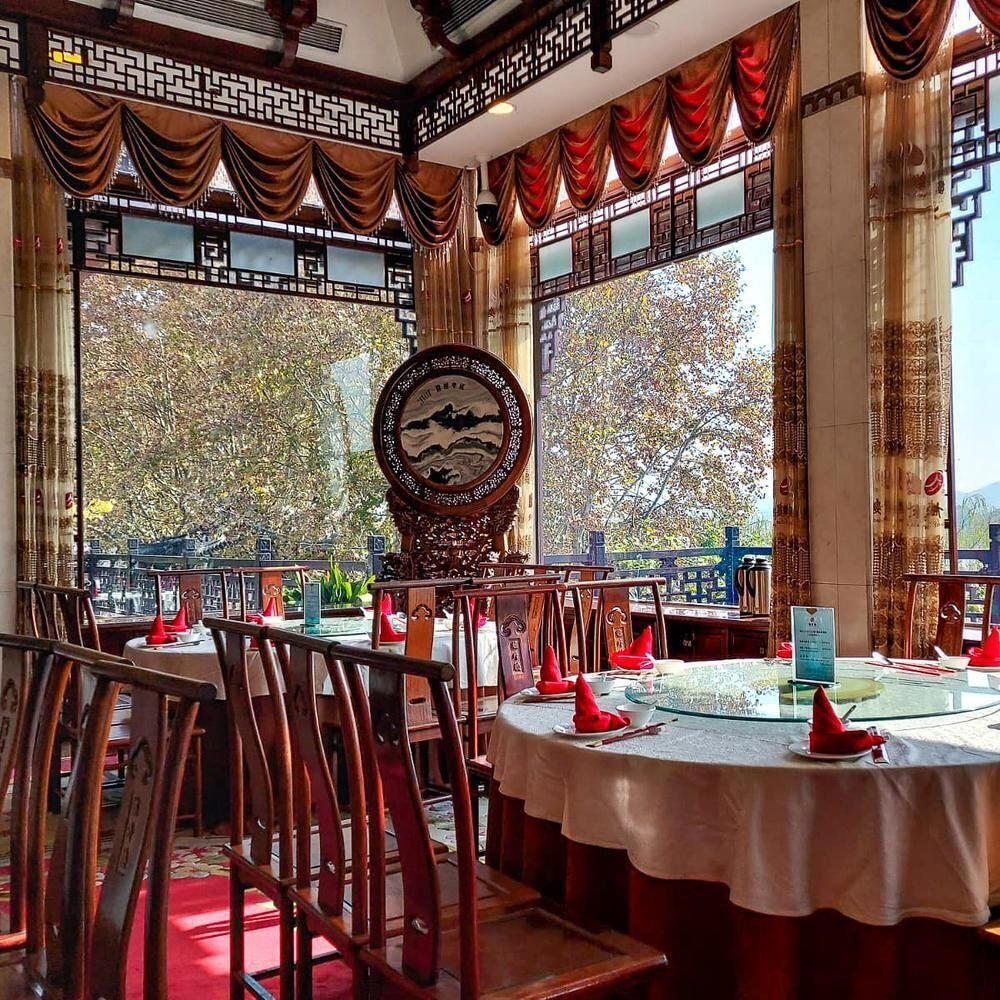
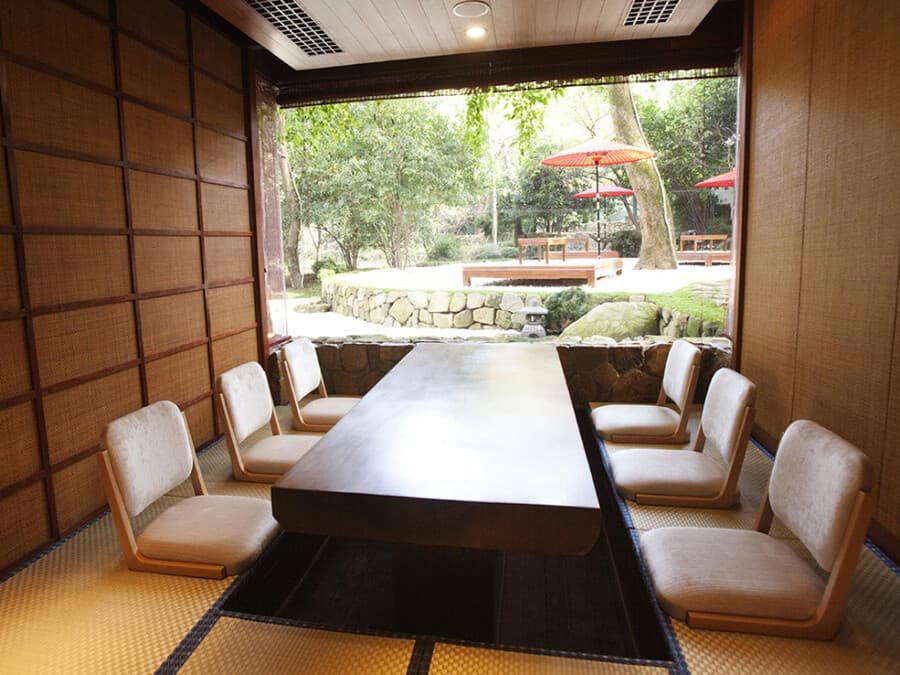
At a Glance
- Elegant
- Sophisticated
- Special Occasion
- Business Dinner
- Historic Building
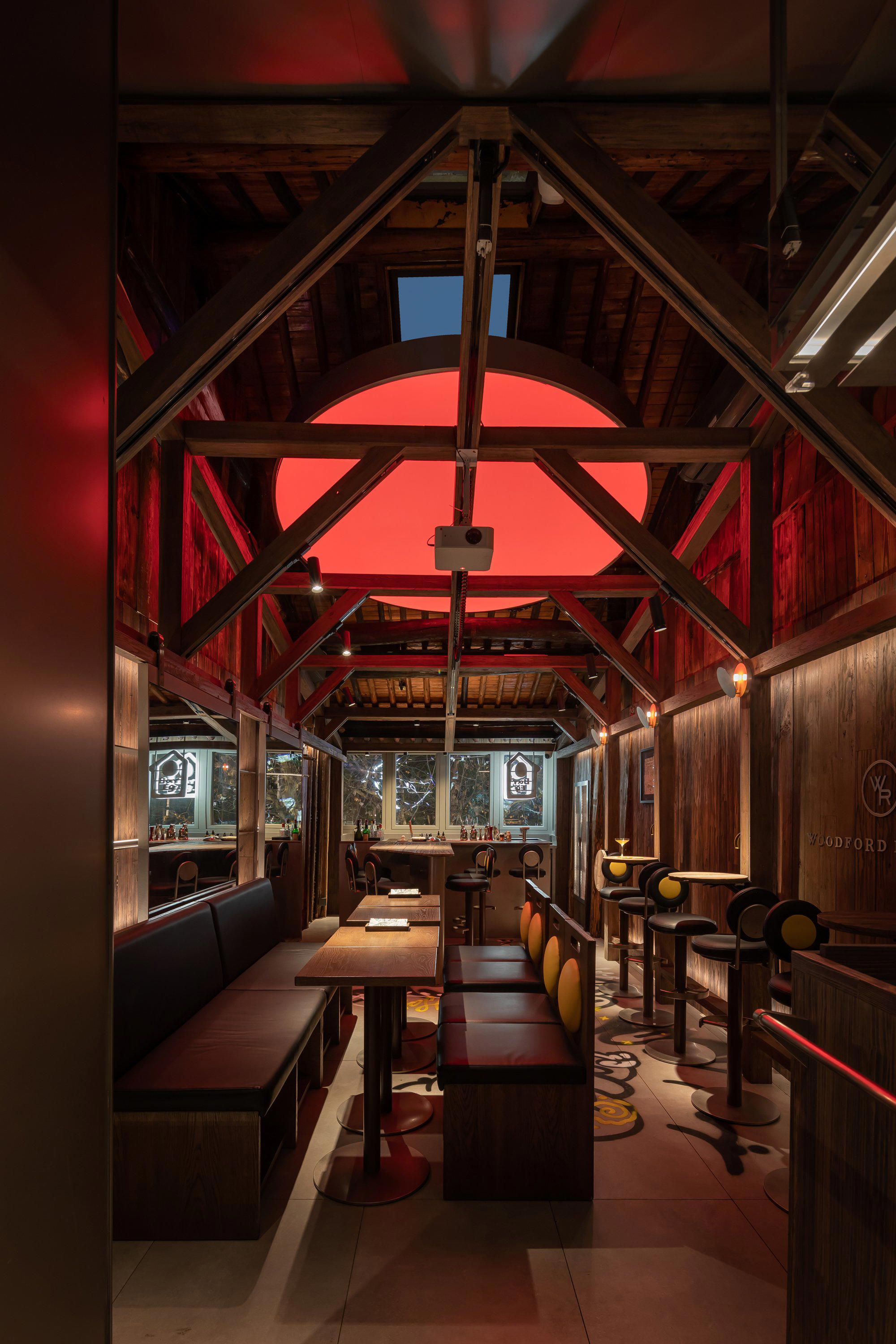
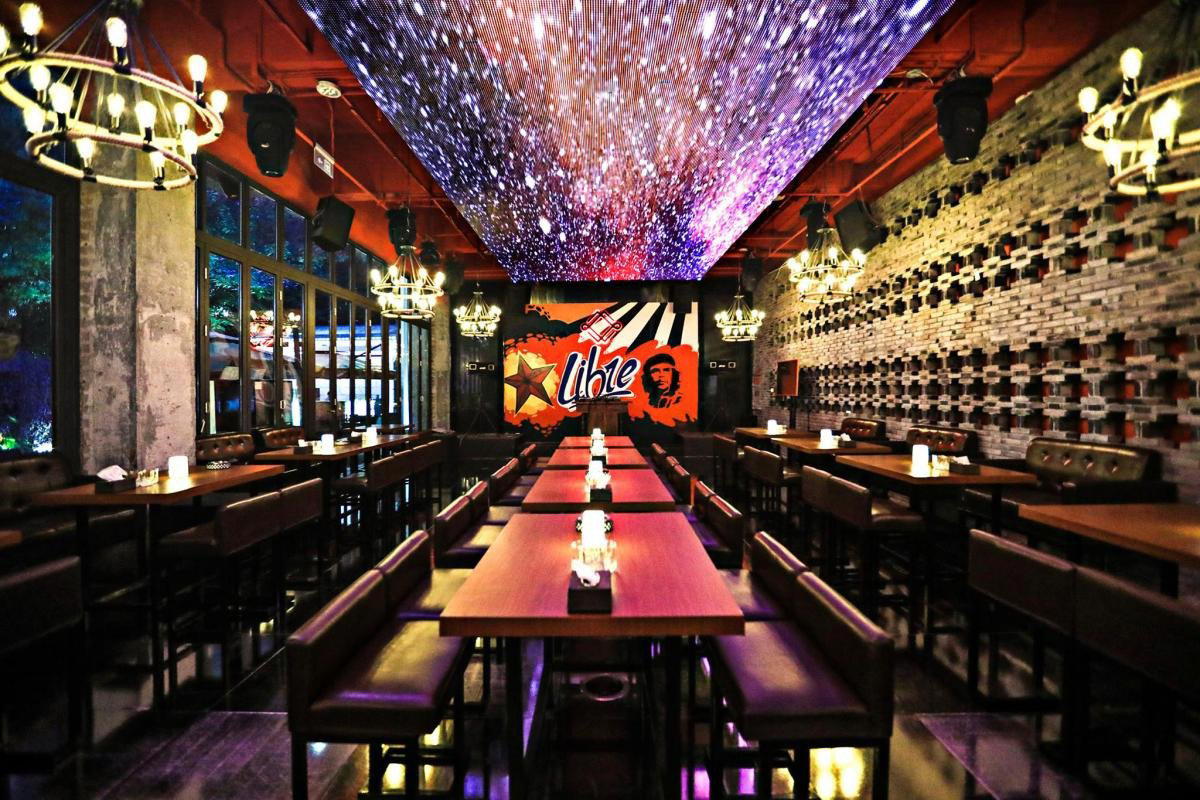
Elegant and sophisticated atmosphere befitting a high-end government-owned venue.