Michelin Plate
Our verdict
On the bank of the Qiantang River at the foot of Liuhe Pagoda, Hang's Delicacy draws a loyal local crowd to a setting most visitors would never think to seek out. The menu balances authentic home-style Hangzhou cooking with more contemporary plates, and portion sizes are calibrated for sharing. No reservations are accepted, so arriving early is the practical move.

Pearl is the En Primeur Club membership app, where members save venues, book tables and use the concierge.
The menu
What to order
- Steamed mud crab on a minced pork patty
River Setting, Pagoda Views, and a Menu Built Around Hangzhou's Kitchen Logic
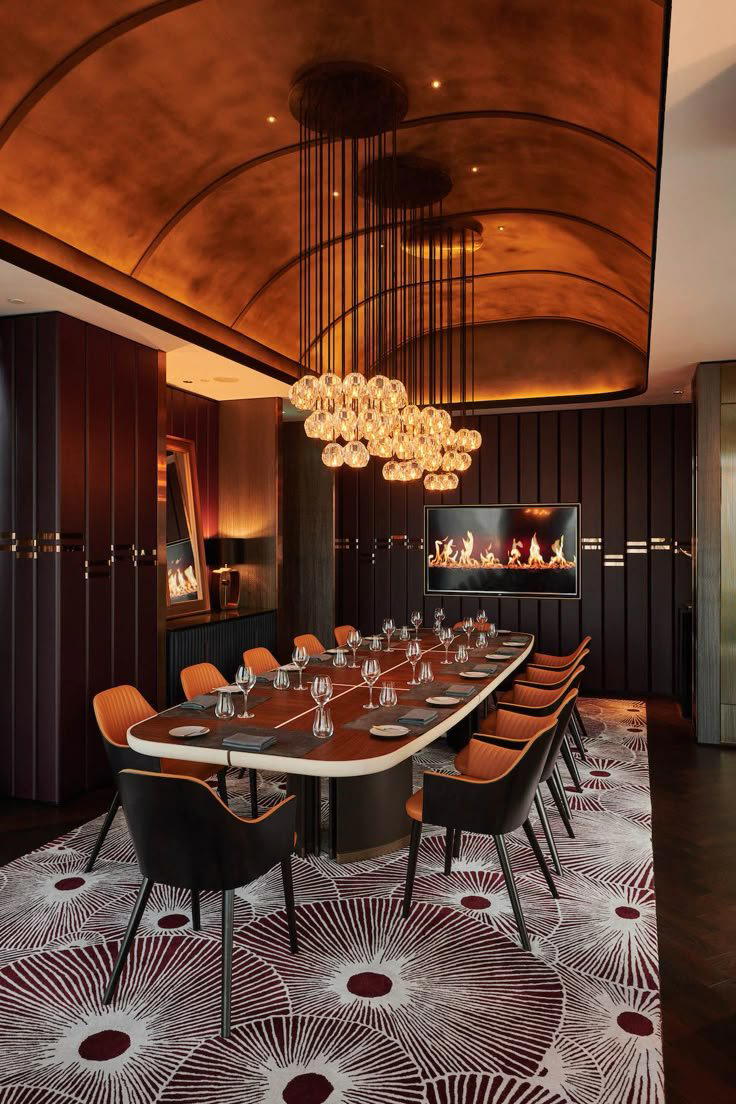
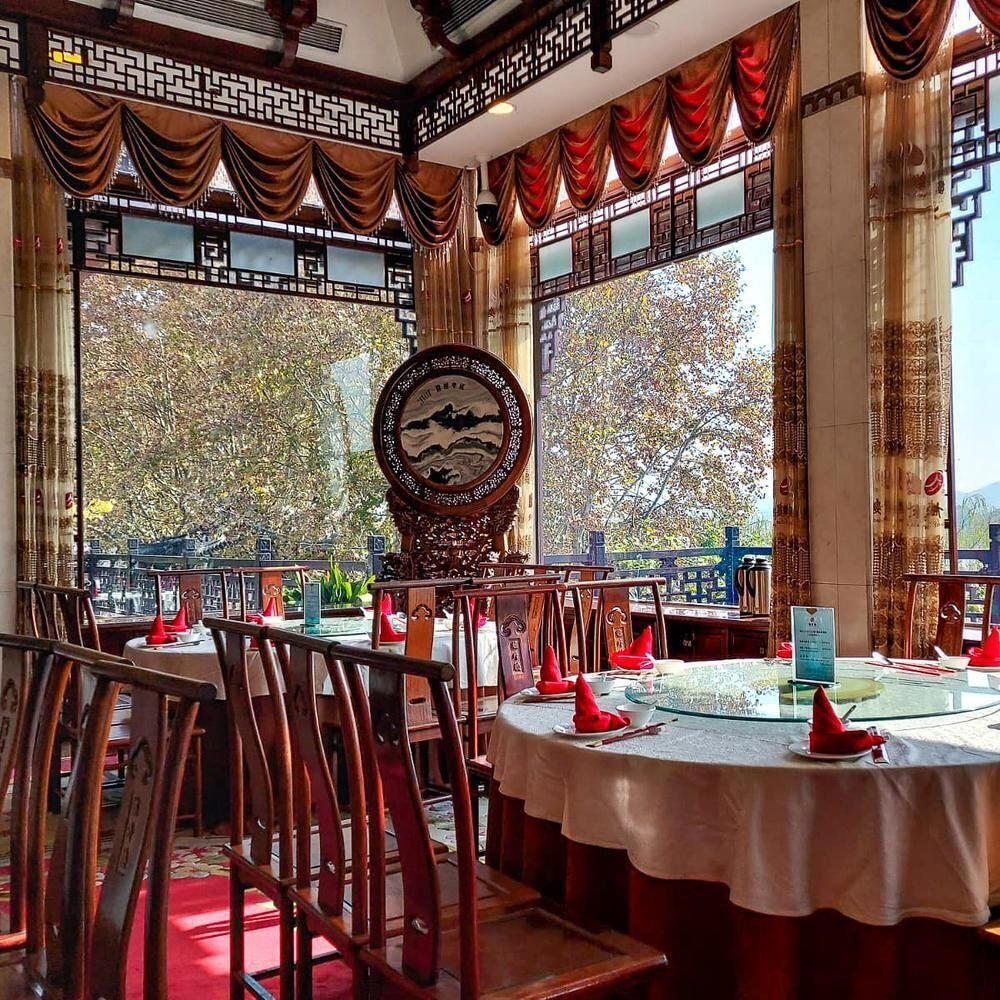
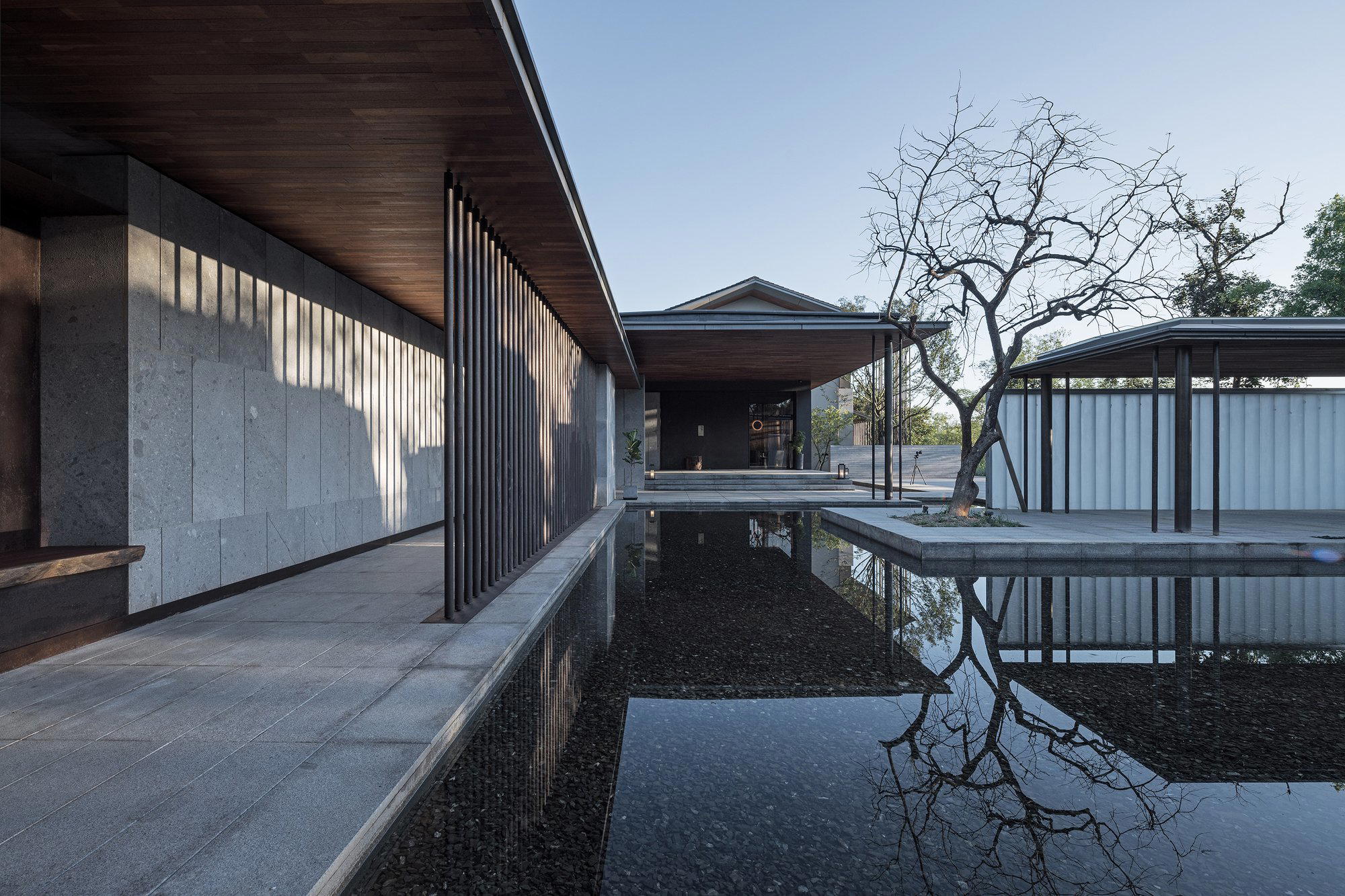
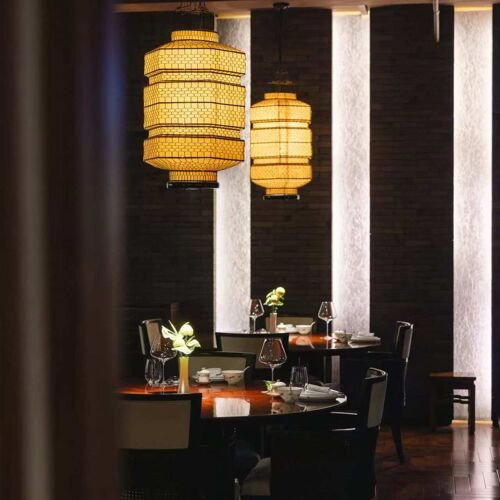
The further a Hangzhou restaurant sits from the West Lake tourist corridor, the more it tends to reveal about how the city actually eats. Hang's Delicacy (Xihu) occupies a position that illustrates this pattern well: on the bank of the Qiantang River, at the base of Liuhe Pagoda in the Xihu district, the space is airy and bright, with a sleek interior that reads less as a design statement and more as a practical investment in comfort. The river is present as a backdrop, not a selling point dressed up in superlatives. Coming here requires intent.
What the Menu Reveals About Hangzhou's Home Cooking
Hangzhou cuisine occupies a specific position within Chinese regional cooking. It draws from the broader Zhejiang tradition, favouring fresh water fish, seasonal vegetables, and light braising over the heavier seasoning profiles of inland provinces. At the formal end of the city's dining scene, Michelin-recognised addresses like Jin Sha and the two-starred Ru Yuan present Zhejiang cooking as a refined, prix-fixe proposition. Hang's Delicacy operates in a different register: the ¥¥ price tier, walk-in format, and family-style service place it in the category of restaurants where the food is the argument, not the surrounding apparatus.
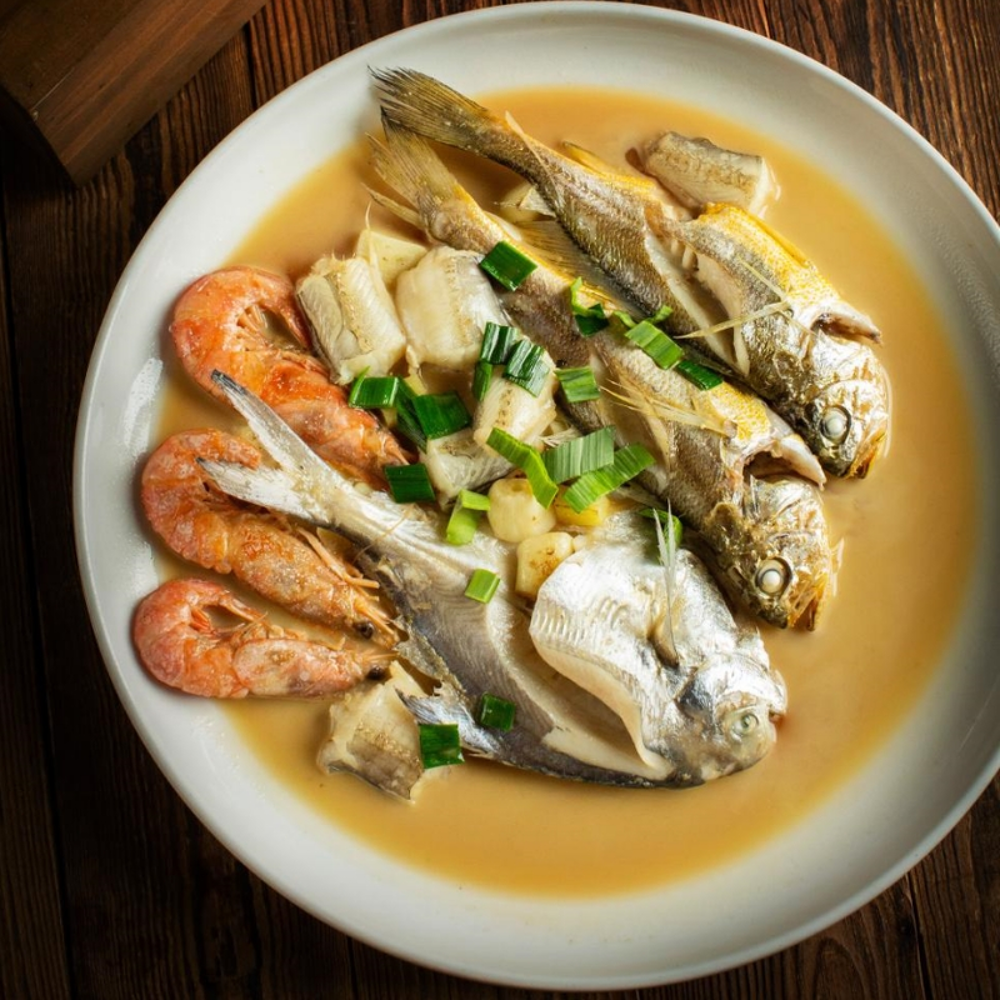
The menu architecture here reflects the logic of home-style Hangzhou cooking more directly than many of its peers. Rather than a progression of small, composed courses, dishes arrive in a format designed for the table to share. The steamed mud crab on a minced pork patty is the kind of preparation that communicates the cuisine's priorities clearly: a clean technique, quality primary ingredients, and a combination that has antecedents in domestic kitchens rather than in professional culinary development. Alongside these rooted dishes, the menu includes more contemporary plates, which means the kitchen is working across two registers simultaneously. That is a common strategy in mid-market Chinese restaurants, but the execution varies considerably from place to place. Here, the contemporary options coexist with the traditional rather than replacing it.
Portion sizes are generous, which shapes how this restaurant works well. A table of two ordering broadly will find themselves outpaced by the food. A larger group of four or more can move through more of the menu in a single visit, and the economics of sharing at this price point make that a practical option. The ¥¥ pricing tier positions Hang's Delicacy well below the ¥¥¥ establishments like 1913 and Xin Rong Ji's Taizhou-influenced counterpart, and far below the ¥¥¥¥ level of Ru Yuan. For comparison, Hangzhou's broader home-style dining scene includes addresses like Bao Zhong Bao Shi Fu, Datou Yingshi Xiaoguan, and Fu Yuan Ju (Shangcheng), each occupying its own position within the accessible end of the city's culinary range.
The Qiantang River Context
The location beside the Qiantang River situates the restaurant away from the high-traffic zones around West Lake, which changes the audience considerably. Most international visitors to Hangzhou concentrate on the lake and its surrounding heritage sites. The Liuhe Pagoda area has its own historic weight, the pagoda dates to the Northern Song dynasty and was constructed to suppress tidal flooding on the Qiantang, but it draws a largely domestic crowd. The result is a restaurant that functions outside the circuit of tourist-facing dining. The commute is slightly longer from central Hangzhou, but it is manageable, and for anyone who has already committed to visiting Liuhe Pagoda, the proximity makes a meal here a reasonable addition to the day.
The airy and bright interior suits the riverbank setting without trying too hard to interpret it. Sleek furnishings signal a restaurant that has invested in the dining environment without tipping into the kind of design-forward presentation that would push the price tier upward. It reads as a local's room, which is broadly what it is.
Practical Considerations Before You Go
No reservations are accepted at Hang's Delicacy, which is a meaningful operational detail given that the restaurant draws significant local volume. Arriving early is the practical strategy. The no-bookings policy is common across this tier of Hangzhou dining but worth confirming as the primary logistical constraint, particularly for anyone visiting with a specific time window or a larger group. For those planning around a Hangzhou stay, our full Hangzhou hotels guide can help with base positioning. The Xihu district location means the Qiantang River is a natural axis, and other parts of the city's dining scene are accessible from here with moderate travel. The ¥¥ price bracket ensures the bill remains manageable even for a table ordering across a wide range of dishes.
For those building a broader itinerary, Hao Shi Tang 1987 (Wensan Road) offers another angle on Hangzhou's mid-market home-style cooking. The city's bar and experience programming is documented in our full Hangzhou bars guide and our full Hangzhou experiences guide. For a wider view of what Zhejiang cuisine looks like across different formats and price points, our full Hangzhou restaurants guide maps the range from casual to formally recognised.
Zhejiang-influenced cooking appears at various addresses across China's major cities, including Xin Rong Ji (Xinyuan South Road) in Beijing and Xin Rong Ji in Chengdu, both of which offer a point of comparison for how the cuisine travels. For refined Chinese cooking in other regional contexts, 102 House in Shanghai, Chef Tam's Seasons in Macau, Imperial Treasure Fine Chinese Cuisine in Guangzhou, and Dai Yuet Heen in Nanjing each represent the more formal end of the Chinese regional dining spectrum. The Hangzhou tradition as interpreted for a diaspora audience can also be seen at Tien Hsiang Lo, Hang Zhou in Taipei. For a sense of how an entirely different culinary tradition approaches the same dedication to product and precision at the high end, Le Bernardin in New York City and our full Hangzhou wineries guide extend the broader picture.
Frequently asked questions
What kind of cuisine does Hang's Delicacy (Xihu) serve?
How much does it cost to eat at Hang's Delicacy (Xihu)?
Pricing at Hang's Delicacy (Xihu) is listed as ¥¥.
What's Hang's Delicacy (Xihu) known for in terms of accolades?
Hang's Delicacy (Xihu) has received recognition including: On the bank of Qiantang River, at the foot of Liuhe Pagoda, this airy, bright and sleekly furnished restaurant is a bit out of the way, but locals come in droves nonetheless. Authentic home-style Hangzhou dishes, such as steamed mud crab on….
What do people recommend at Hang's Delicacy (Xihu)?
The steamed mud crab on a minced pork patty is the dish most associated with the restaurant's home-style Hangzhou repertoire. Portion sizes run generous, so coming with a group of four or more lets you cover a broader range of the menu, which mixes traditional Zhejiang preparations with more contemporary creations. No reservations are accepted, so arriving early reduces wait times.
Where exactly is Hang's Delicacy (Xihu)?
Hang's Delicacy (Xihu) is located at 738R+35V, Zijin'gang Rd, Xihu, Hangzhou, Zhejiang, China, 310058, Hangzhou.
At-a-Glance Comparison
A quick peer list to put this venue’s basics in context.
| Venue | Cuisine | Price | Awards | Notes |
|---|---|---|---|---|
| Hang's Delicacy (Xihu)This venue (the venue you are viewing) | Hangzhou Cuisine | Not listed | Michelin Plate | Not listed |
| Xin Rong Ji | Taizhou Cuisine | $50–100 | 1 Michelin Star · La Liste Top Restaurants | Taizhou |
| 28 Hubin Road | Modern Zhejiang Fine Dining | $50–100 | Michelin Plate · La Liste Top Restaurants | Zhejiang |
| Ru Yuan | Modern Hangzhou Fine Dining | $150–200 | 2 Michelin Stars · World's 50 Best #10 | Zhejiang |
| L'éclat 19 | French-Chinese Fusion Fine Dining | Not listed | 1 Michelin Star | French Contemporary |
| Song | Ningbo Chinese Fine Dining | Not listed | 1 Michelin Star | Ningbo |
Recognition history
Dated appearances from independent guides and award organizations, with the underlying list record or original source where available.
Michelin Plate
Michelin
Full recognition history (2 entries)
Michelin Plate
Michelin