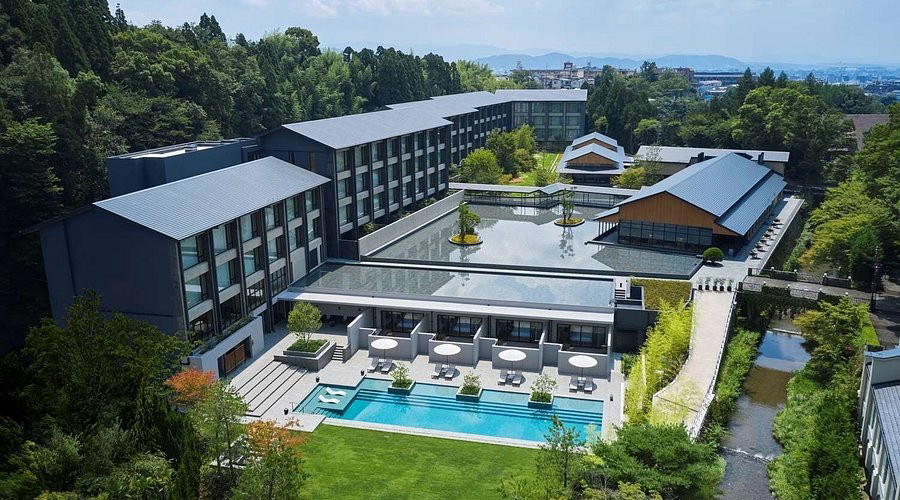
Kyo-Suiran occupies a position in Arashiyama that most Kyoto dining rooms cannot claim: a hotel restaurant embedded within the Suiran Luxury Collection property, set where the Oi River bends toward Tenryu-ji. Where city-centre kaiseki counters like Gion Sasaki and Kikunoi Honten serve tradition in formal surroundings, Kyo-Suiran folds landscape and season directly into the dining experience, making setting as deliberate as the menu itself.
Pearl is the En Primeur Club membership app — saves, bookings, and concierge access live there. Same editors, same standards.
- Address
- 右京区嵯峨天龍寺芒ノ馬場町12 (翠嵐ラグジュアリーコレクションホテル京都), 京都市, 京都府, 616-8385
- Directions
- Get directions
 Saves & bookings on Pearl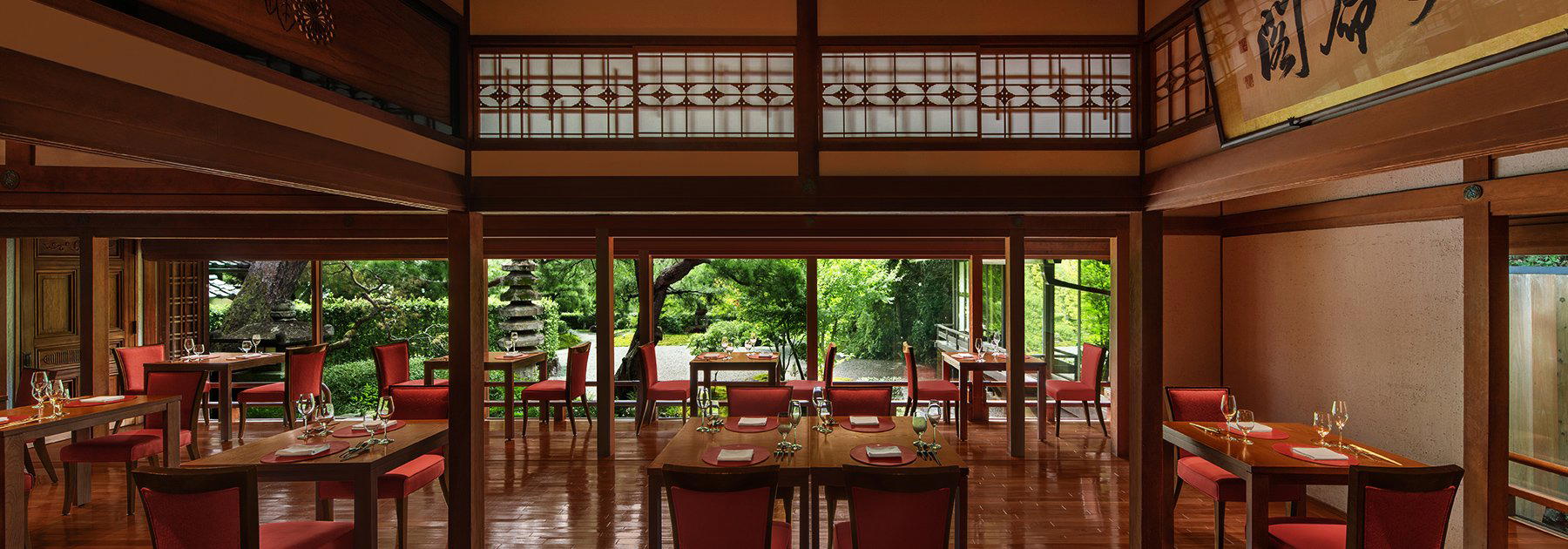
Where Arashiyama Sets the Terms
Kyoto's dining culture tends to concentrate its most decorated addresses in Gion, Higashiyama, and the narrow streets around Fuyacho. Arashiyama operates differently. The western district, anchored by the bamboo groves above Tenryu-ji and the slow curve of the Oi River, has historically drawn visitors for landscape rather than restaurants. That positioning shaped what hotel dining here could become: less a destination in competition with city-centre kaiseki counters, more an extension of the place itself, where the season outside the window is understood to be part of the meal.
Kyo-Suiran, the dining concept within the Suiran Luxury Collection Hotel at Saga Tenryu-ji, sits inside that logic. The address, Saga Tenryu-ji Susukinobaba-cho 12, places it within walking distance of one of Kyoto's most visited UNESCO World Heritage sites, yet the restaurant operates on a register that the tourist circuit rarely reaches. Hotel restaurants at properties of this tier tend to evolve more slowly than independent counters, their identity shaped by ownership priorities and international guest expectations as much as by any single culinary direction. What distinguishes Kyo-Suiran within that category is the degree to which the Arashiyama setting has been allowed to do curatorial work that elsewhere falls to awards or chef biography.
How Hotel Dining in Kyoto Has Shifted
The evolution of high-end hotel restaurants in Kyoto over the past two decades tracks a wider shift in how Japanese luxury hospitality has positioned itself to international travellers. Through the 1990s and early 2000s, the dominant model was separation: the hotel dining room occupied its own world, offering Western options alongside a Japanese set menu, rarely integrating with the neighbourhood's culinary identity in any deep way. Internationally branded properties followed global food-and-beverage templates that had little to do with Kyoto's kaiseki lineage or seasonal precision.
That model has been under pressure since roughly 2010, accelerated by the global appetite for place-specific dining experiences and, domestically, by the prestige attached to Japan's regional food culture following its 2013 UNESCO Intangible Cultural Heritage recognition. Properties that repositioned around local culinary identity found themselves in a more defensible position, particularly as Kyoto's kaiseki counters, including Hyotei, Kikunoi Honten, and Mizai, drew sustained international attention and made Kyoto's dining culture legible to a broader audience than ever before.
Kyo-Suiran's direction reflects this repositioning. The name itself, pairing the Japanese character for Kyoto with the property's suiran identity (the kanji 翠嵐 refers to the green haze over mountains), signals an intention to bind the restaurant's identity to its physical context. That kind of naming is a deliberate statement about where the culinary program draws its authority from, in contrast to the chef-name-led branding that defines independent fine-dining rooms like Gion Sasaki or Isshisoden Nakamura.
The Position Within Kyoto's Dining Tier
Understanding where Kyo-Suiran sits requires mapping it accurately against Kyoto's broader dining structure. The city's kaiseki counter at the top of the market, ¥¥¥¥ in pricing terms, sets expectations for seasonal precision, ingredient provenance, and the kind of multi-course discipline that has made Kyoto's culinary reputation internationally. Venues at that tier, including Gion Sasaki, draw visitors who are specifically seeking the kaiseki counter format: typically eight to twelve seats, a single seating, and a menu that changes with the lunar calendar as much as the solar one.
Hotel dining at the luxury level operates adjacent to that tier but with a different relationship to the guest. Where an independent kaiseki counter demands a specific commitment from the diner (reservation months in advance, full participation in the format), a hotel restaurant of this calibre tends to offer the same quality of ingredient and seasonal attentiveness within a more accommodating framework. Guests staying at the Suiran Luxury Collection can integrate a meal at Kyo-Suiran into a longer relationship with the property and the district, rather than treating it as a standalone event. That distinction matters when deciding how to allocate time in Kyoto, particularly for travellers who want depth in a single neighbourhood rather than the logistics of moving between Gion, Higashiyama, and Arashiyama across multiple evenings.
Japan's broader fine-dining circuit provides useful context here. Restaurants like HAJIME in Osaka and Atomix in New York City demonstrate how Japanese culinary precision has travelled and transformed across geographies. Within Japan, dining outside the major urban centres, at destinations like akordu in Nara or Goh in Fukuoka, increasingly reflects a willingness to let regional character do the defining work rather than global fine-dining conventions. Kyo-Suiran occupies a version of that space within Kyoto itself: Arashiyama as region-within-the-city, with its own seasonal rhythms distinct from the urban centre.
Planning a Visit
Arashiyama is most accessible from central Kyoto via the Randen Arashiyama line, terminating at Arashiyama Station a short walk from the Tenryu-ji grounds and the Suiran property. The district's crowds peak sharply during sakura season in late March and early April, and again during the autumn foliage period from mid-November. Both periods make the Suiran's riverside setting particularly atmospheric, though they also make the surrounding streets significantly more difficult to move through. Guests not staying at the property should approach a reservation at Kyo-Suiran with the same lead time they would apply to any Arashiyama dining during peak season. The full Kyoto dining context, including how Arashiyama fits within the city's broader neighbourhood structure, is covered in our full Kyoto restaurants guide.
For travellers building a multi-city Japan itinerary, the Suiran's position near Kyoto Station's Sanin line connections makes it a workable anchor before or after stops in Nara, Osaka, or further afield. Dining at hotel restaurants of this calibre in regional Japan, whether in Kyoto, at properties comparable to those serving venues like 湖畔荘 in Takashima on Lake Biwa, or at ryokan-adjacent restaurants in more rural prefectures, tends to reward advance planning more than spontaneous decision-making. The combination of limited seatings and international guest demand at leading Kyoto properties means availability compresses quickly during the city's two main visitor peaks.
The Quick Read
Comparable venues nearby, for context on price, style, and recognition.
| Venue | Cuisine | Price | Notes |
|---|---|---|---|
| Kyo-Suiran (京 翠嵐)This venue — the venue you are viewing | Not listed | $$$$ | Not listed |
| 葵献心 やま田 | Shimogamo, Kaiseki Kyoto Cuisine | $$$$ | Not listed |
| 祇園 さゝ木 | 祇園四条, 京割烹 | $$$$ | Not listed |
| 寿し 祇園 松田屋 | Higashiyama, Edomae Omakase Sushi | $$$$ | Not listed |
| ゑび秀 | Not listed | $$$$ | Higashiyama, Traditional Kyoto Oden Omakase |
| é£¯ç° | Nakagyō, Kyoto Kaiseki | $$$$ | Not listed |
Continue exploring
More in Kyoto
Restaurants in Kyoto
Browse all →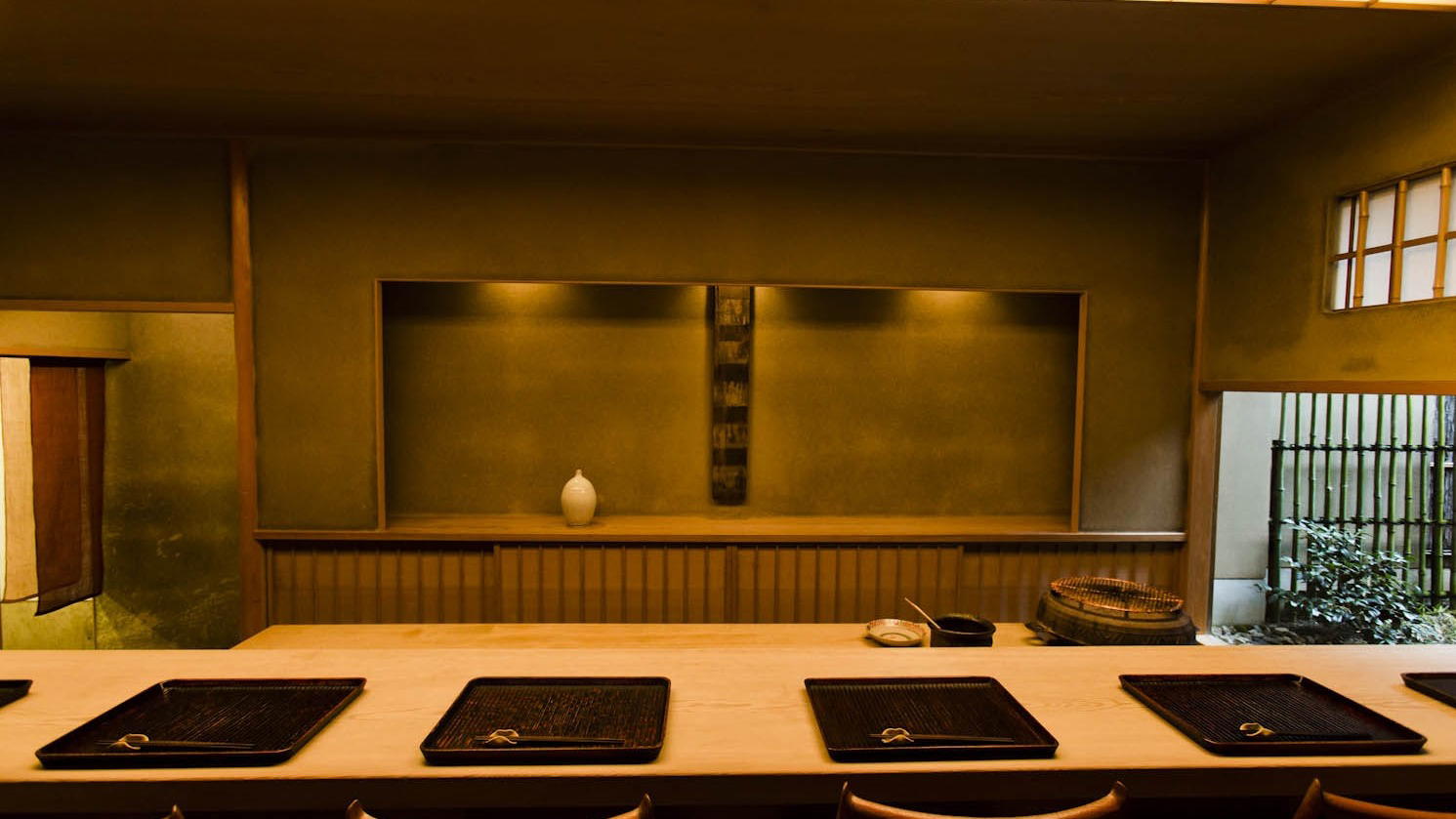
Bars in Kyoto
Browse all →
Hotels in Kyoto
Browse all →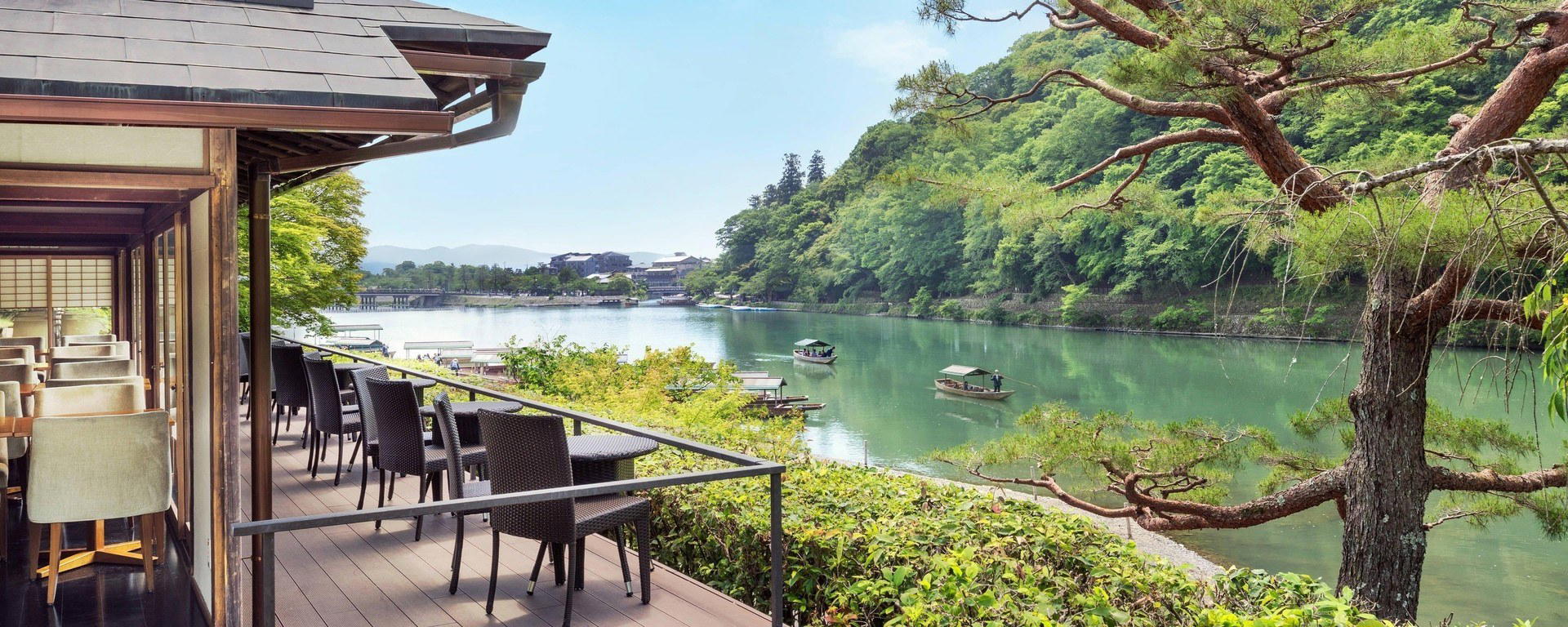
Wineries in Kyoto
Browse all →
At a Glance
- Elegant
- Romantic
- Sophisticated
- Historic
- Date Night
- Special Occasion
- Celebration
- Business Dinner
- Historic Building
- Garden
- Private Dining
- Open Kitchen
- Hotel Restaurant
- Extensive Wine List
- Sake Program
- Sommelier Led
- Local Sourcing
- Garden
Current opening hours
- Monday
- 7–10 AM, 11:30 AM–2:30 PM, 5:30–9 PM
- Tuesday
- 7–10 AM, 11:30 AM–2:30 PM, 5:30–9 PM
- Wednesday
- 7–10 AM, 11:30 AM–2:30 PM, 5:30–9 PM
- Thursday
- 7–10 AM, 11:30 AM–2:30 PM, 5:30–9 PM
- Friday
- 7–10 AM, 11:30 AM–2:30 PM, 5:30–9 PM
- Saturday
- 7–10 AM, 11:30 AM–2:30 PM, 5:30–9 PM
- Sunday
- 7–10 AM, 11:30 AM–2:30 PM, 5:30–9 PM
Hours can change for holidays and private events. Last verified .
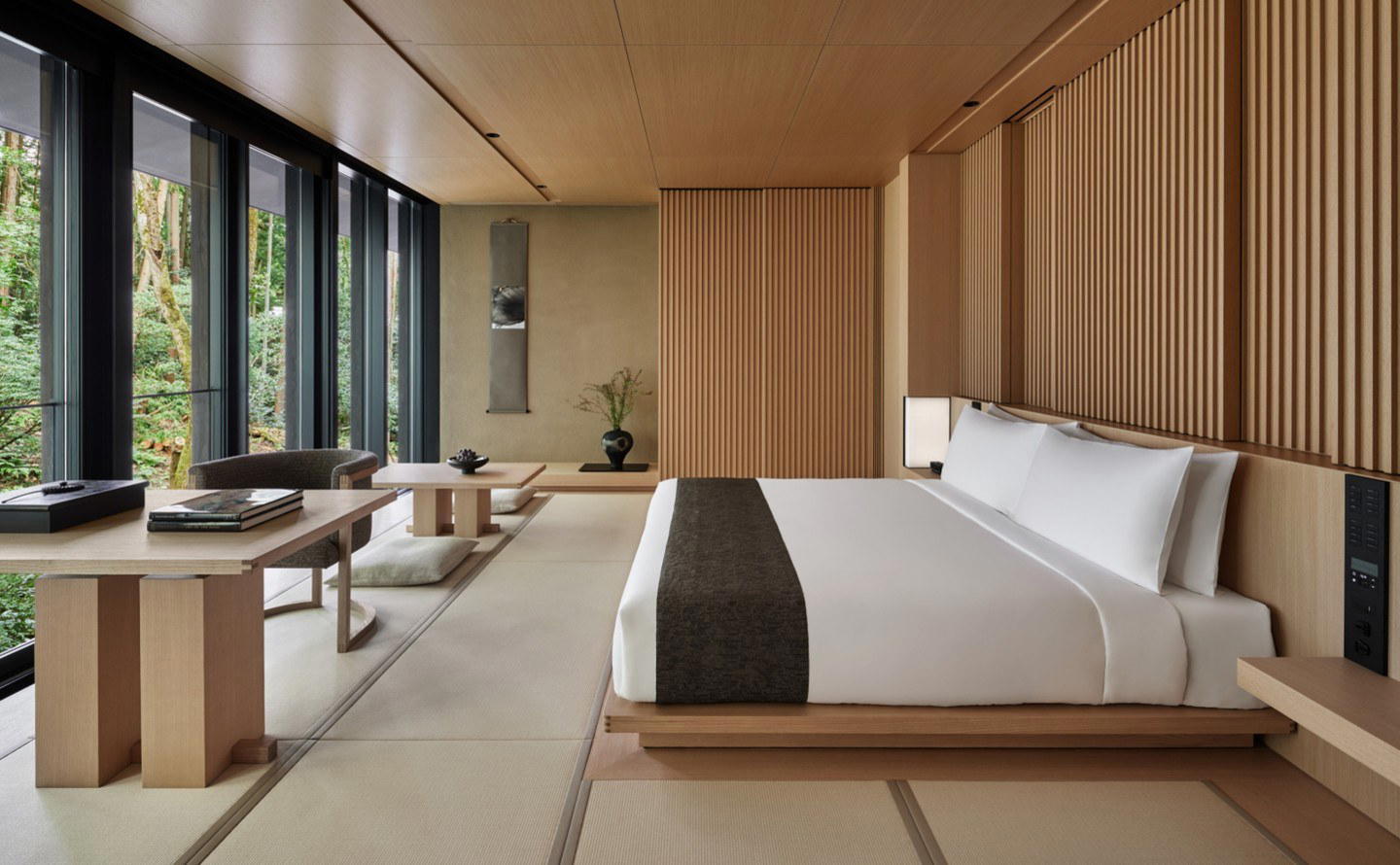
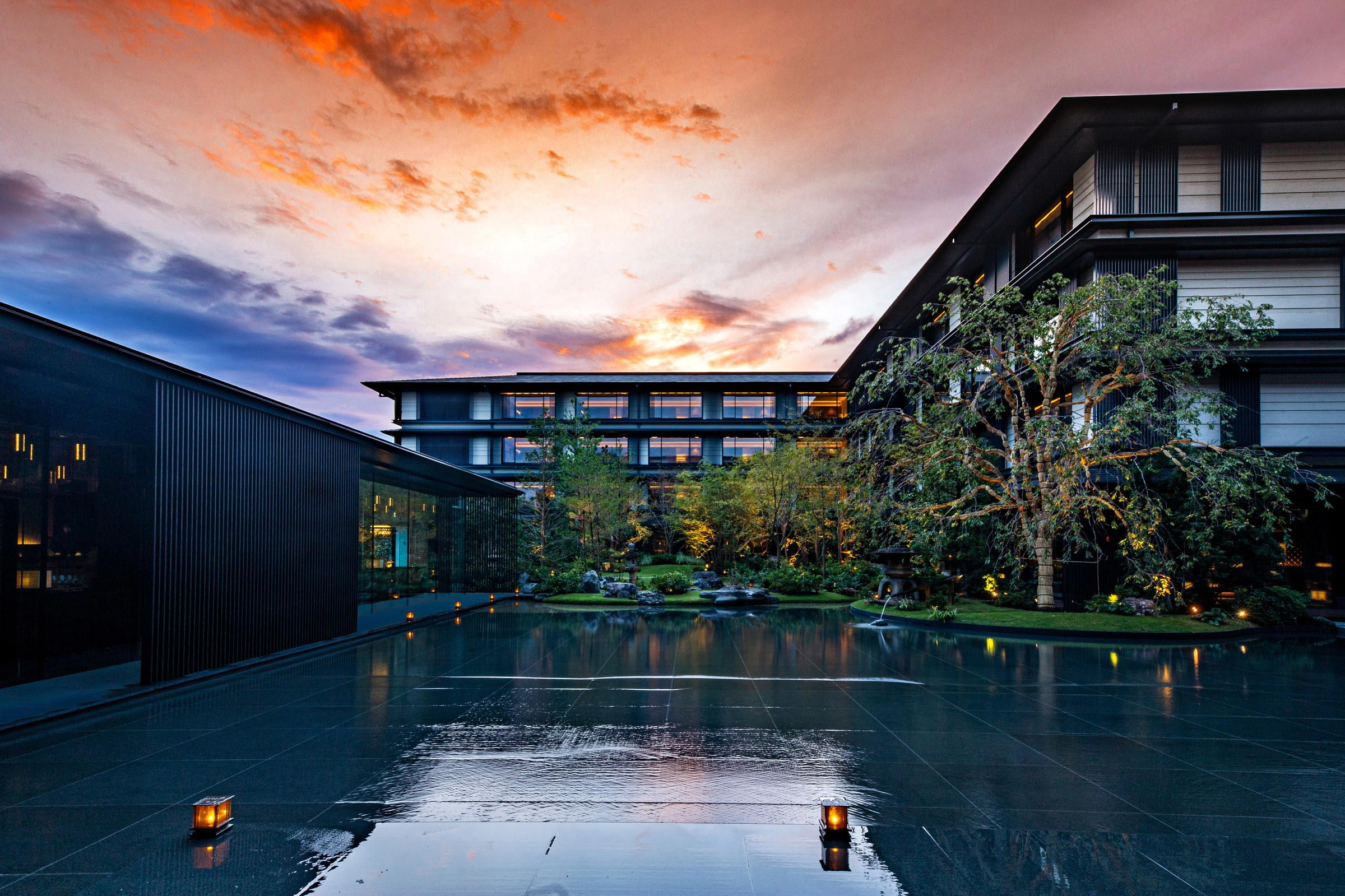
Warm, refined atmosphere evoking a bygone era with contemporary lighting and seating; intimate dining in a restored 100+ year-old villa overlooking Japanese gardens and the Hozu River.
Know Before You Go
- Getting there
- 右京区嵯峨天龍寺芒ノ馬場町12 (翠嵐ラグジュアリーコレクションホテル京都), 京都市, 京都府, 616-8385