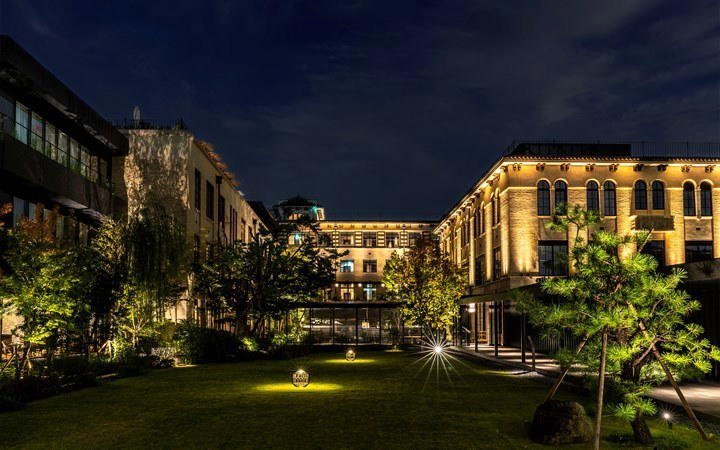
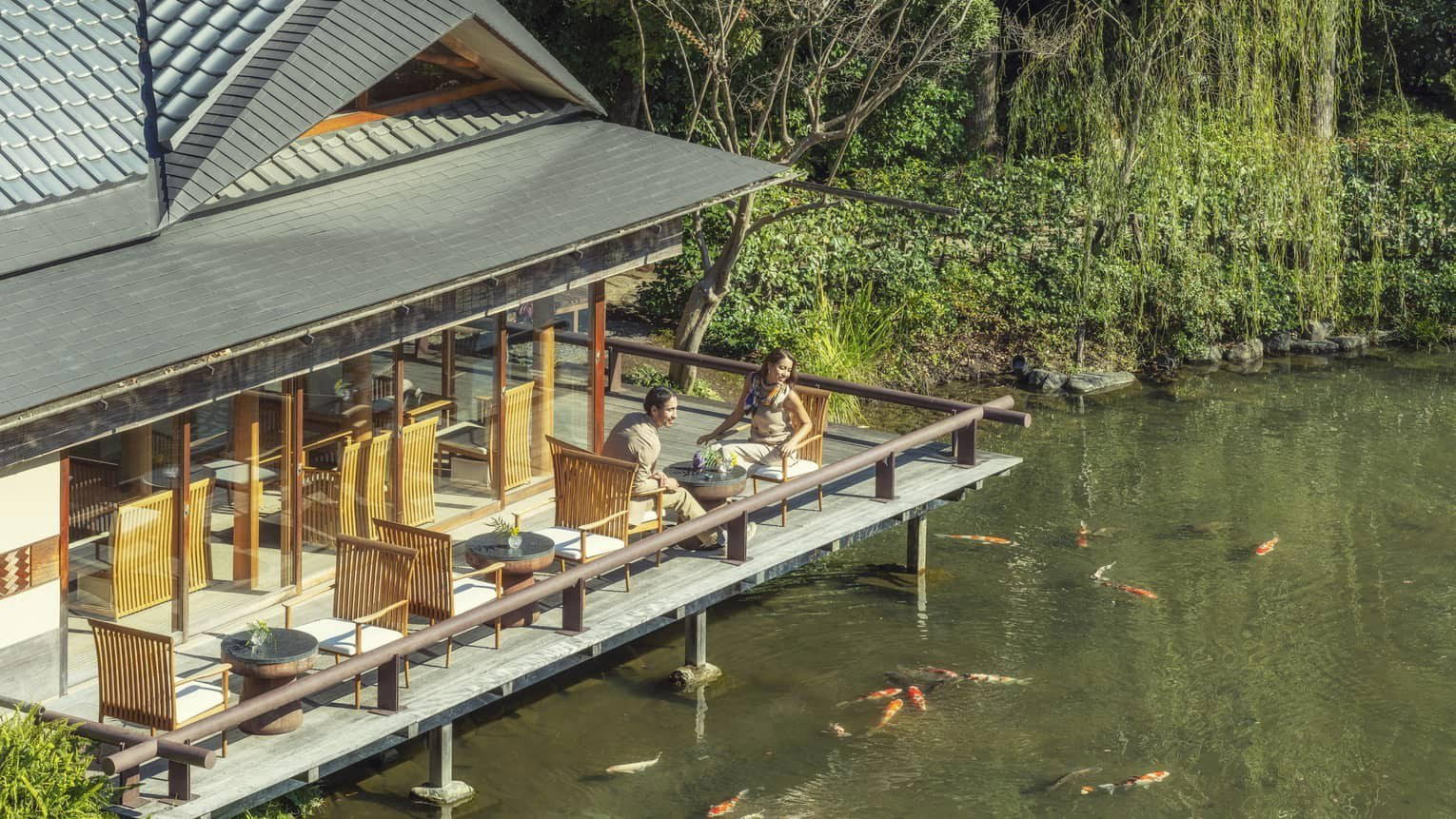
Kōdaiji Jukkoku-in occupies a rare address inside the Kōdaiji temple precinct in Higashiyama, Kyoto, a district where history and seasonal ritual govern the pace of dining. The surrounding grounds shift dramatically with each season, from spring cherry blossoms to autumn maple illuminations, shaping the experience of any meal taken nearby. Visitors planning a visit should approach with the same preparation they would bring to any high-demand Higashiyama address.
Pearl is the En Primeur Club membership app — saves, bookings, and concierge access live there. Same editors, same standards.
- Address
- 512 Washiocho, Higashiyama Ward, Kyoto, 605-0072, Japan
- Phone
- +81 75-533-3100
- Website
- wakuden.jp
- Directions
- Get directions
 Saves & bookings on Pearl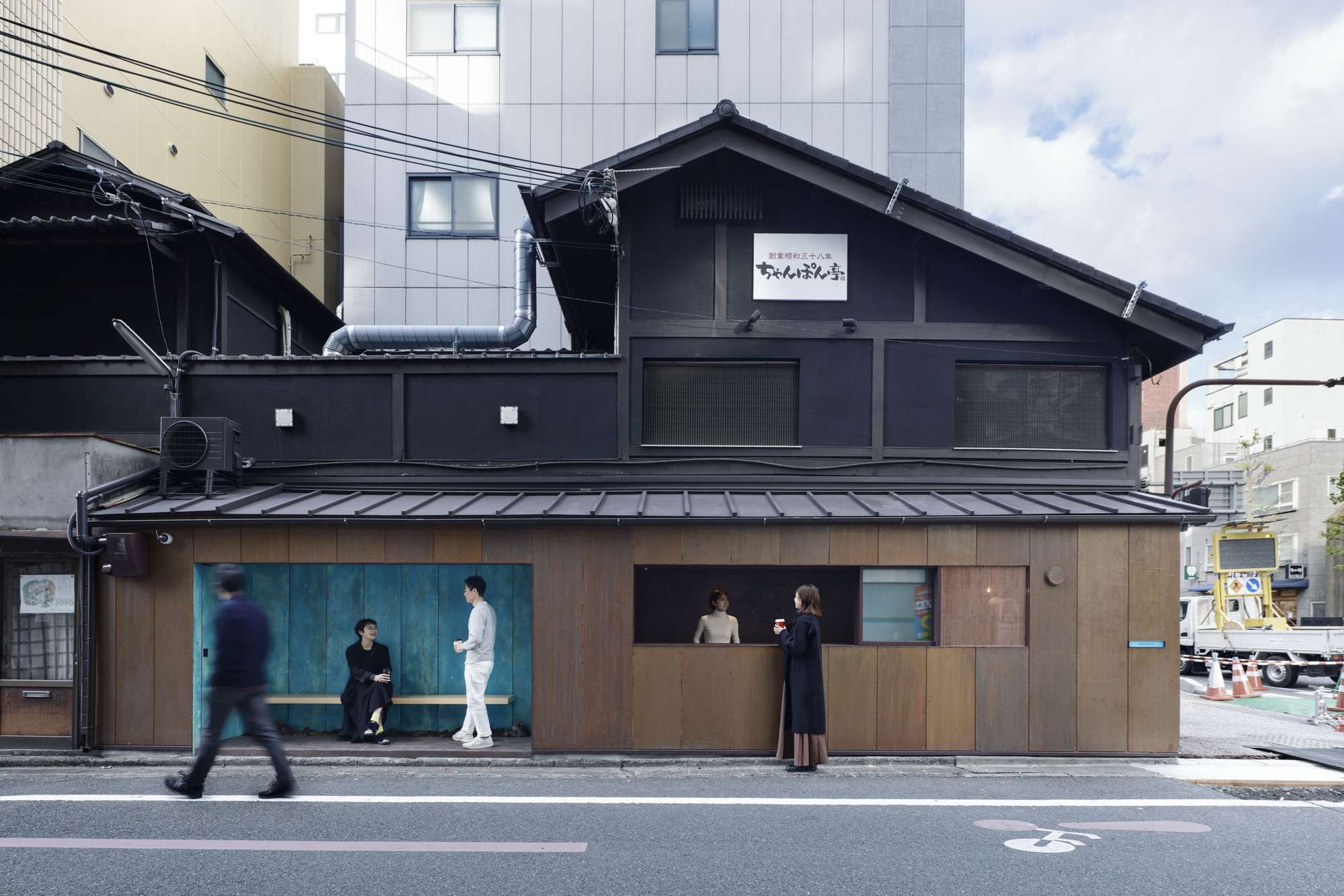
Higashiyama's Temple Quarter and the Weight of Place
Kyoto's Higashiyama district operates under a different logic than the city's modern dining corridors. The streets running south from Chion-in toward Kōdaiji and Ryōzen-ji were laid out for pilgrims, not restaurant-goers, and the address at 512 Washiocho places Kōdaiji Jukkoku-in inside one of the few temple precincts in Japan where food culture and contemplative architecture share the same grounds. That overlap is not incidental. In Higashiyama, the setting is not a backdrop for a meal, it is the primary condition of it. The hillside district registers every seasonal shift with unusual intensity: the cherry canopy along Maruyama Park bleeds into the stone-path approaches in March and April, while the lacquered reds of November's maples bring a different kind of stillness. Any visit to this address is timed, consciously or not, around Kyoto's ritual calendar.
This matters logistically as much as aesthetically. The spring and autumn light-up seasons at Kōdaiji Temple draw visitor numbers that transform the surrounding lanes. Diners planning a visit during these windows, typically late March through early May, and mid-October through late November, should factor in both the heightened atmosphere and the compressed availability that comes with it. Higashiyama in peak season is not a place to arrive without a plan.
The Booking Problem in Kyoto's Temple District
Kyoto's most serious dining addresses have always separated themselves through access difficulty, and the temple-precinct venues add a layer of complexity that purely urban restaurants do not carry. Operating within or adjacent to a religious site imposes constraints on hours, capacity, and sometimes the communication channels through which reservations are made. Reservations are essential, and access is typically arranged through a hotel concierge or by in-person inquiry.
That friction is a consistent feature of high-tier Higashiyama dining, not an anomaly. Gion Sasaki operates on similarly narrow public-facing infrastructure, and Hyotei, despite its multi-century lineage, still functions through systems that reward advance planning. The lesson across these venues is consistent: Kyoto's serious dining requires a longer planning horizon than comparable cities. Build in six to eight weeks at minimum, longer during sakura and koyo periods.
What the Address Implies About Format and Tradition
Japan's temple-adjacent dining tradition has a formal name, shojin ryori, rooted in Buddhist vegetarian cuisine developed by monastic communities. The kaiseki tradition that later grew from Kyoto's tea ceremony culture borrowed structural principles from that same environment: restraint, seasonality, and the prioritization of ingredient integrity over technique showmanship. A venue inside the Kōdaiji precinct exists within that inherited context regardless of its specific menu positioning. Diners arriving without familiarity with either tradition may find the pacing and presentation register differently than they expect from Western fine dining formats.
For comparative orientation: Kikunoi Honten operates in the kaiseki format with three Michelin stars and a reputation built across decades, while Mizai and Isshisoden Nakamura represent different tiers of that same kaiseki continuum in Kyoto. Understanding where any Higashiyama address sits within that comparable set requires knowing the specific menu format and pricing, details that are best confirmed at the point of reservation rather than assumed from the address alone.
How to Approach the Visit
The practical path for most international visitors runs through their accommodation. Kyoto's higher-tier ryokan and hotels maintain working relationships with temple-precinct venues that operate outside standard online reservation channels. If those channels are unavailable, visiting the Kōdaiji precinct directly during daylight hours to inquire in person remains a legitimate approach, and one consistent with how access to many of Kyoto's most considered dining experiences has always been negotiated.
Visitors already building an itinerary around Kansai's serious food addresses may find useful anchor points beyond Kyoto itself. HAJIME in Osaka operates at three Michelin stars in a format that contrasts sharply with Kyoto's temple-influenced restraint, and akordu in Nara represents an entirely different interpretive approach to the region's ingredients. For those extending the journey further, Goh in Fukuoka and venues across the archipelago, from aki nagao in Sapporo to Aji Arai in Oita, demonstrate how Japan's regional dining culture fragments into genuinely distinct traditions once you leave the Kansai corridor. Harutaka in Tokyo offers a reference point for counter-format dining at the highest level, useful context for calibrating expectations across formats.
Kyoto's dining geography includes Gion, Higashiyama, and the downtown Kawaramachi corridor, each with different booking dynamics and relationships to Kyoto's culinary traditions. For comparison further afield, Le Bernardin in New York City and Lazy Bear in San Francisco illustrate how other premium dining formats handle the logistics and access structures that define high-demand reservation experiences globally.
Planning Summary
Kōdaiji Jukkoku-in sits inside Higashiyama Ward at 512 Washiocho, within the Kōdaiji temple grounds. The restaurant serves shojin ryori, or Buddhist Temple Cuisine. Reservations are essential and are typically pursued through hotel concierge services with Higashiyama access, or through in-person inquiry at the site. Peak seasons, sakura and koyo, compress availability significantly and should be treated as requiring longer lead times. Dress conservatively; the temple context carries implicit expectations around presentation that extend to guests in any adjacent dining venue.
Comparable Venues
Comparable venues nearby, for context on price, style, and recognition.
| Venue | Cuisine | Price | Notes |
|---|---|---|---|
| é«å°å¯º åä¹ å³This venue — the venue you are viewing | Shojin Ryori (Buddhist Temple Cuisine) | Not listed | Not listed |
| 八起庵 | Kyoto Bird Cuisine | $$ | Shimogyo-ku |
| ほしぞら | Korean-style Yakiniku | $$ | Shimogyo-ku |
| Chao Chao Gyoza (チャオチャオ餃子 三条木屋町店) | Japanese Gyoza Specialist | $$ | Sanjo Kiyamachi |
| Tokura Kyoto sanjou ten | Japanese yoshoku hamburger steak restaurant | $$ | Nakagyō |
| Umezono Cafe and Gallery | Kyoto wagashi café with matcha sweets and pancakes | $$ | Nakagyō |
Continue exploring
More in Kyoto
Restaurants in Kyoto
Browse all →
Bars in Kyoto
Browse all →
Hotels in Kyoto
Browse all →
Wineries in Kyoto
Browse all →
At a Glance
- Special Occasion
- Historic Building
- Sake Program