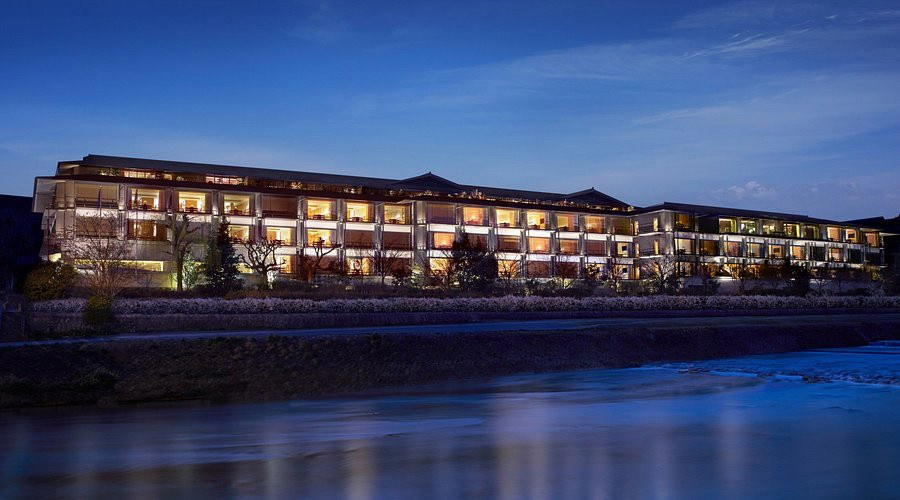
Our verdict
Chao Chao Gyoza (チャオチャオ餃子 三条木屋町店) runs as a Japanese gyoza specialist with counter service, a beer program, and a quick-bite pace for casual stops.

Pearl is the En Primeur Club membership app, where members save venues, book tables and use the concierge.
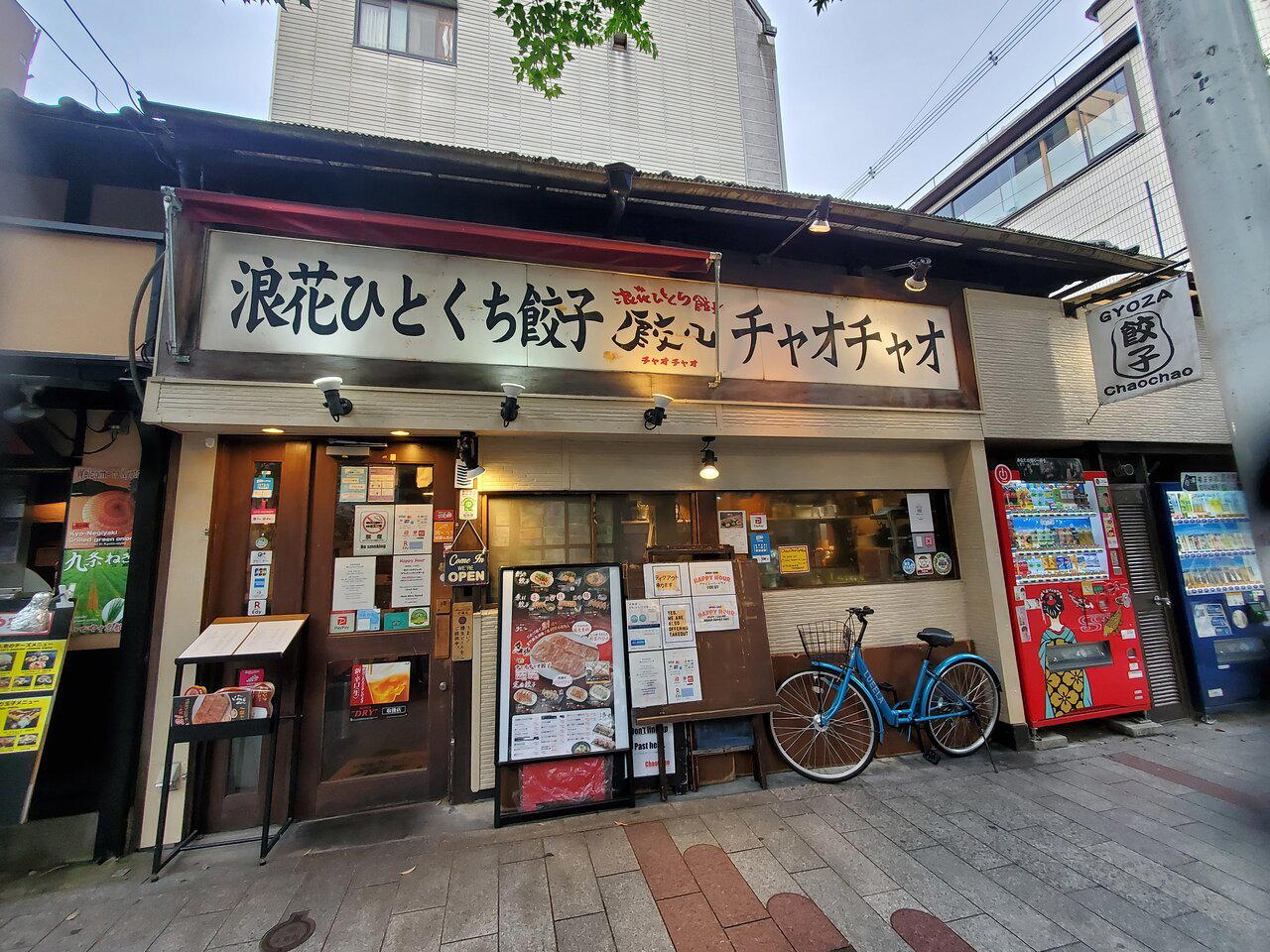
The menu
What to order
- Chao Chao Gyoza
- Pork Gyoza
- Shrimp Gyoza
- Chicken & Mozzarella Gyoza
- Chocolate Gyoza with Vanilla Ice Cream
Gyoza on the Kamo River Strip
Kiyamachi-dori at Sanjo is one of Kyoto's most compressed stretches of nightlife, a canal-side corridor where izakayas, ramen counters, and standing bars compete for foot traffic within a few hundred meters. The lantern-lit walk from the Sanjo bridge produces a reliable kind of sensory overload: neon signs, the hiss of gas grills, the smell of pork fat and garlic drifting through open doorways. Chao Chao Gyoza occupies a spot along this strip at 117 Ishiya-cho, a short step south from the Sanjo intersection, where the density of casual dining options is high enough that a place earns repeat custom only by executing something specific and repeatable well.
In Kyoto, a city whose culinary identity is inseparable from kaiseki tradition and the restraint of kyo-ryori, gyoza can seem like an odd specialty to rally around. But the dumpling has deep roots in Japanese urban dining that run parallel to, rather than in competition with, the city's formal cooking culture. The gyoza arrived in Japan via Chinese immigrants, primarily in the Kansai and Kanto regions, during the post-war period, and it found particular purchase in cities where there was already an established appetite for fast, communal, standing-counter eating. Kyoto has that tradition alongside its kaiseki one, and the Kiyamachi strip makes that duality legible within a single walk. For reference on how the city's high-end spectrum operates, the kaiseki counters of Gion Sasaki, Hyotei, Kikunoi Honten, Mizai, and Isshisoden Nakamura represent the city's formal culinary register. Chao Chao operates in an entirely different register, and that contrast is part of what gives each end of the spectrum its meaning.
The Gyoza as a Serious Casual Subject
Japan's gyoza culture has fragmented into at least three distinct regional styles: the thin-skinned, garlic-forward version associated with Utsunomiya; the pan-fried, thick-skinned approach of Osaka and Kyushu; and the lighter, more delicate iterations that have become fashionable in Tokyo's newer dumpling-specialist operations. Chao Chao's name and positioning suggest a chain format rather than a single-chef operation, and that matters for how to approach it. Chain gyoza specialists in Japan have generally succeeded by identifying a house technique, whether it is pan-frying method, wrapper thickness, or filling composition, and applying it with industrial consistency. The reader should approach this venue as a representative of that category rather than as a destination for craft one-off cooking.
The address at Sanjo-Kiyamachi places Chao Chao within easy walking distance of the Keihan Sanjo and Hankyu Kawaramachi stations, which makes it a practical option before or after a longer evening in the area. Kyoto's casual dining scene around Kiyamachi skews toward high volume and fast turnover, and venues that work in that environment tend to keep menus tight and prices accessible.
Cultural Weight of the Dumpling in a Kaiseki City
There is something instructive about the geography of the Sanjo-Kiyamachi corridor. Within a ten-minute walk, a visitor can move from counter-service gyoza to multi-course kaiseki, from standing-bar highballs to sake cellars. Kyoto's food culture does not resolve neatly into one register, and a city-wide dining picture that focuses only on the formal end misses how residents actually eat across a week. The gyoza counter, in that context, is not a concession to informality but a distinct institution with its own craft logic and social function. Groups gather around orders of pan-fried dumplings the way they gather around shared plates in any other culture: the ritual is communal, the conversation is the point, and the food needs to be consistent enough to anchor the evening without demanding attention.
That function is precisely what gyoza specialists in Japan have refined over decades. The best-regarded standalone gyoza operations in the country, including those that have earned Tabelog recognition in their respective cities, tend to focus on a narrow technical range: the ratio of pork and cabbage in the filling, the hydration of the wrapper, the temperature and oil management of the iron pan, the timing of the water addition that creates the crisp-base and steam-lid finish.
For readers building a broader picture of Japan's dining range, it is worth noting how gyoza-focused venues fit into the national taxonomy. They sit in a different peer group from the precision counters of Harutaka in Tokyo or the progressive kaiseki of HAJIME in Osaka, and similarly distinct from the regional-specialty focus of Goh in Fukuoka or the creative approaches at akordu in Nara. The common thread across all of these is that Japanese dining culture rewards specialization: an operation that does one or two things well and does them at high volume earns a different kind of respect than one that tries to cover multiple formats.
Planning a Visit
Chao Chao Gyoza at Sanjo-Kiyamachi is located at 117 Ishiya-cho, Nakagyo-ku, Kyoto. The address places it on the Kiyamachi-dori corridor running south from Sanjo-dori, accessible on foot from both Keihan Sanjo station and Hankyu Kawaramachi in under ten minutes. Evening visits during Kyoto's peak tourism windows, particularly in the spring cherry blossom period and autumn foliage season, will see higher foot traffic along Kiyamachi, and waits at popular counter venues during those periods are common. Off-peak weeknight visits are the more practical option for anyone prioritizing a shorter wait.
Visitors combining casual and formal dining within a single Kyoto trip can orient themselves through the EP Club Kyoto restaurants guide, which maps the city's dining across price tiers and cuisines. For those extending their Japan itinerary, the regional spread of EP Club coverage includes Abon in Ashiya, affetto akita in Akita, Aji Arai in Oita, Ajidocoro in Yubari District, Akakichi in Imabari, and aki nagao in Sapporo, demonstrating how Japan's regional dining culture rewards the traveler willing to look beyond the major urban centers. For international reference points on what precision casual formats can look like, Le Bernardin in New York City and Lazy Bear in San Francisco illustrate how focused formats at very different price points can each achieve a kind of category authority.
Frequently asked questions
Where do I go for Chao Chao Gyoza (チャオチャオ餃子 三条木屋町店)?
Chao Chao Gyoza (チャオチャオ餃子 三条木屋町店) is located at 中京区石屋町117 (木屋町三条下る), 京都市, 京都府, 604-8002, Kyoto.
How does Chao Chao Gyoza fit into Kyoto's dining scene compared to its kaiseki neighbours?
Kyoto's Sanjo-Kiyamachi corridor is one of the few places in the city where casual counter dining and high-end kaiseki coexist within the same few blocks. Chao Chao Gyoza at 117 Ishiya-cho, Nakagyo-ku occupies the accessible end of that range, making it a practical option for visitors who want a grounded, low-ceremony meal before or after more formal dining in the area. In a city where the dominant culinary register is expensive and ritualistic, a gyoza specialist on this strip serves a different but legitimate function.
What's the must-try dish at Chao Chao Gyoza (チャオチャオ餃子 三条木屋町店)?
Gyoza is the entire focus here, the menu is built around it rather than using dumplings as a side note to larger dishes. Japan's regional gyoza traditions diverge sharply between styles such as the thin-skinned Utsunomiya version and other local interpretations, and a specialist venue on Kiyamachi-dori takes a position within that spectrum. Order the gyoza, not around it.
Do I need a reservation for Chao Chao Gyoza (チャオチャオ餃子 三条木屋町店)?
The venue sits on Kiyamachi-dori at Sanjo, one of Kyoto's most concentrated nightlife corridors, where foot traffic peaks sharply on weekend evenings. Walk-in capacity depends on the format of the counter or floor plan, but no reservation system is publicly documented for this location. Arriving early in the evening is the practical hedge against a wait on that stretch.
What's the standout thing about Chao Chao Gyoza (チャオチャオ餃子 三条木屋町店)?
The location does a lot of the work: 117 Ishiya-cho on Kiyamachi-dori places it within a corridor where a visitor can move from counter-service gyoza to kaiseki dining within a ten-minute walk. Chao Chao's value is in committing to a single subject, gyoza, in a city whose culinary reputation is built almost entirely on the opposite of that: elaboration, ceremony, and multi-course restraint. That contrast is the point.
Comparison Snapshot
Comparable venues nearby, for context on price, style, and recognition.
| Venue | Cuisine | Price | Awards | Notes |
|---|---|---|---|---|
| Chao Chao Gyoza (チャオチャオ餃子 三条木屋町店)This venue (the venue you are viewing) | Japanese Gyoza Specialist | $10–20 | Not listed | Not listed |
| Coco Hana | Modern Japanese Organic Cafe | $20–30 | Not listed | Kita |
| Shinme | Traditional Kyoto Izakaya | $30–50 | Tabelog 100 #37 | Kamigyō |
| Nakamura Tokichi Honten Kyoto eki ten | Matcha sweets & soba café | $10–20 | Tabelog 100 #69 | Shimogyō |
| ZEN CAFE | Japanese Sweets Café | $10–20 | Tabelog 100 #36 | Higashiyama |
| Kichi Kichi (ザ・洋食屋 キチキチ) | Japanese Omurice | $20–30 | Not listed | Gion/Pontocho |